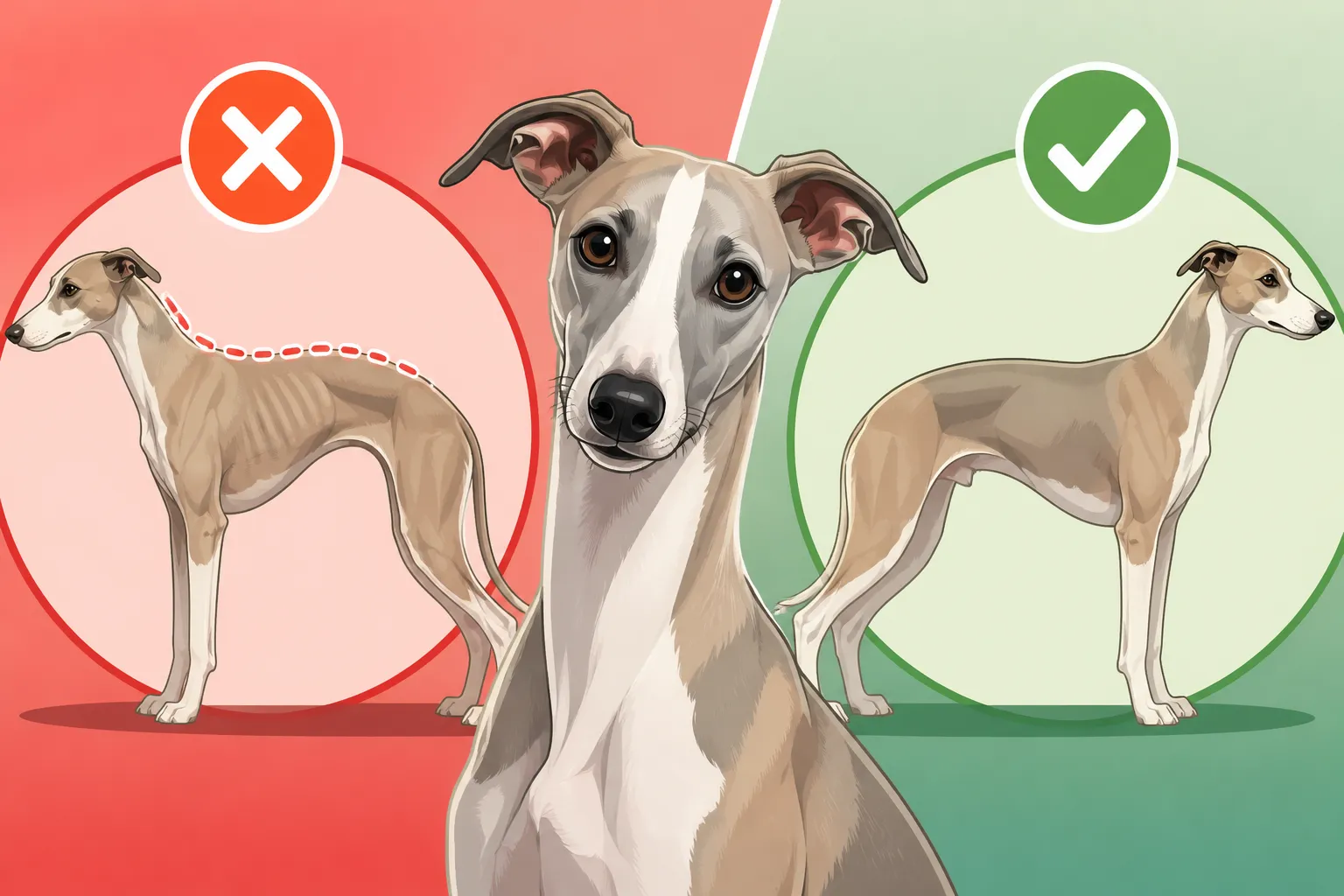
Whether a Whippet’s Spine Should Be Visible
It’s a common scenario for Whippet owners: you’re out walking your sleek, athletic companion, and a well-meaning stranger stops you, eyes scanning your dog’s lean frame. "Oh, that poor thing, is it getting enough to eat? I can see its backbone!" You stand there, a mix of annoyance and defensiveness bubbling up, because you know your Whippet is healthy, but explaining why its spine is often visible can feel like an uphill battle. This guide is here to validate your experience and arm you with a comprehensive understanding of what a healthy Whippet's physique looks like, especially concerning that often-misunderstood spine. We’ll delve into why their unique build means a visible spine is often completely normal, when it might signal an issue, and how to accurately assess your Whippet's body condition.
Understanding the Whippet Physique
Whippets are not your average dog. They are sighthounds, bred for speed, agility, and the pursuit of prey across open ground. This specialized purpose has resulted in a body type that is fundamentally different from most other breeds, leading to common misconceptions about their weight and health.
The Sighthound Standard
When you look at a breed standard for a Whippet, whether it’s from the American Kennel Club or The Kennel Club (UK), you'll notice an emphasis on a lean, muscular, and elegant build. The standard describes a dog of "power, symmetry, muscular development and graceful outline." It specifically calls for visible musculature, a deep chest, and a marked "tuck-up" – the upward curve of the abdomen. What it doesn't call for is a thick layer of fat or a heavily padded appearance.
This means that a healthy, well-conditioned Whippet is naturally slender. Their skin lies close to their muscle, with minimal subcutaneous fat to obscure their underlying structure. It’s not just about being "thin," but about being athletically lean. Their entire design is about aerodynamic efficiency and bursts of speed, and extra padding would simply slow them down. Trying to "fatten up" a Whippet to match the appearance of a Labrador, for instance, would be detrimental to their health, placing undue strain on their joints and cardiovascular system. It's truly a matter of their natural physiology and what their breed was developed for.
Why They're Built Differently
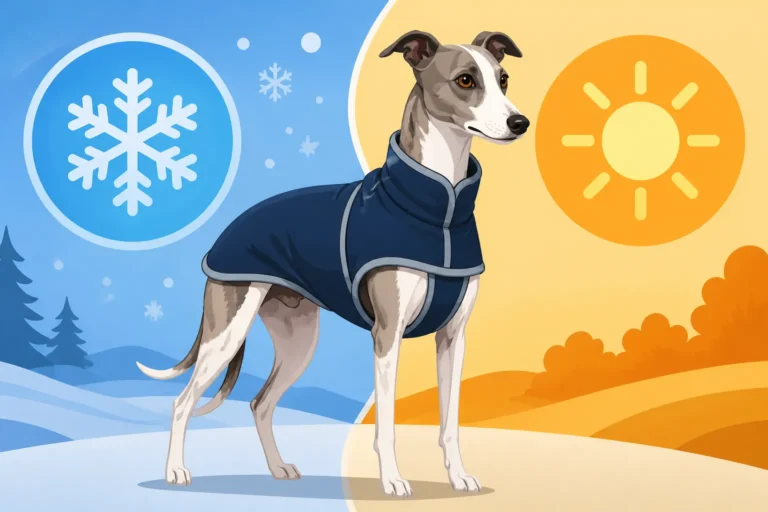
The most striking difference in a Whippet's physique compared to many other breeds is their incredibly low body fat percentage. Unlike breeds with thick double coats or stocky builds designed for cold climates or heavy work, Whippets evolved in a way that minimizes insulation and maximizes speed. Their short, fine coat offers little in the way of warmth, which is why a Whippet has no insulation and no padding.
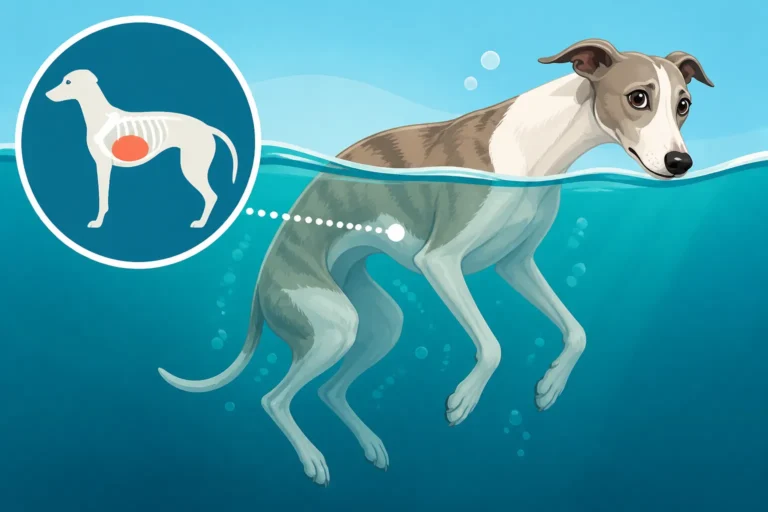
Because they lack this insulating fat layer, their skeletal structure and muscular definition are naturally more pronounced. This isn't a sign of starvation; it's a testament to their genetic makeup. You'll often see the last few ribs, the prominent hip bones, and yes, sometimes the individual vertebrae of their spine, especially when they stretch, move, or are in certain postures. Their deep chest allows for large lung capacity, and their flexible, arched back provides the powerful propulsion needed for their famous double suspension gallop. Every part of their body is optimized for performance, not for looking "chunky." This lean profile also means they require specific considerations for comfort, as their bones are not well-cushioned. This is why you’ll constantly be searching for The Beds a Whippet Owner Keeps Buying to prevent pressure points.
When a Visible Spine Is Normal (and Healthy)
So, if you can see your Whippet's spine, how do you know if it's a sign of good health or a cause for concern? It all comes down to context and how visible those bones truly are, alongside other indicators of their overall condition.
Feeling vs. Seeing
One of the most important distinctions to make is between feeling a Whippet's spine and seeing it sharply, almost as if it's protruding dramatically. In a healthy Whippet, you should always be able to easily feel their spine, as well as their ribs and hip bones, with gentle pressure. This is a fundamental part of assessing their body condition. When you run your hand along their back, you should feel the individual vertebrae, much like feeling the knuckles on your hand, but they shouldn't feel sharp or prominent with no muscle or fat covering them.
Visually, a healthy Whippet might show a hint of their spine, especially along the top of their back towards the hips, or when they bend and stretch. Think of it as a subtle ridge or line rather than sharply defined, angular protrusions. If you’re looking down at your Whippet from above, you should see a definite waist, and their hips should be visible without being overly bony. This lean appearance is often startling to people unfamiliar with sighthounds, who are used to seeing dogs with more body fat. It’s part of How Thin a Whippet Should Look – what seems thin for a retriever is perfect for a Whippet.
The Role of Muscling
Another critical factor often overlooked is muscling. A healthy Whippet, even with a visible spine, should have well-developed, firm muscles. These muscles should feel solid to the touch, not flabby or wasted. When your Whippet walks, trots, or runs, you should see those muscles working beneath their skin. A strongly muscled dog might still show a subtle spinal ridge because there's simply no excess fat to cover it, but the muscle itself provides the necessary bulk and definition.
Consider a professional athlete or a marathon runner – they are incredibly lean, often with visible muscle definition and even some visible bone structure, but they are far from unhealthy. The same principle applies to Whippets. If your Whippet is active, energetic, has a good appetite, and displays strong, firm muscles despite a visible spine, chances are they are in peak condition. A healthy, well-muscled Whippet will typically have a strong, smooth gait and a bright, alert demeanor. If you're wondering if a vet would agree with your assessment, you can always check What a Vet Says About a Whippet's Weight. Remember, some individuals might be naturally leaner than others, just like people, and a good breeder will often tell you that their dogs are kept in lean, athletic condition.
When a Visible Spine Means Trouble (and What to Do)
While a visible spine is often normal for a Whippet, there are definitely instances where it indicates a problem. Knowing the difference is key to ensuring your dog's well-being. It's about looking at the entire picture of your dog's health, not just one feature.
Signs of Being Too Thin
If your Whippet's spine is not just visible but appears sharply angular, prominent, and feels like there’s no padding or muscle around the individual vertebrae, then it’s time to pay close attention. This is often accompanied by other signs that indicate being genuinely underweight. Look for:
- Ribs that are highly prominent and easily visible from a distance, without any effort, and feeling like sharp knives when you touch them.
- Hip bones that protrude sharply, forming distinct points rather than a gentle curve. The pelvic bones and shoulder blades might also be very prominent.
- A severely exaggerated "tuck-up" where the abdomen looks almost hollowed out.
- Lack of muscle mass, particularly over the hindquarters and along the back. The muscles may feel soft or wasted, rather than firm.
- A dull, sparse, or dry coat, which can be an indicator of poor nutrition.
- Lethargy or reduced energy levels. While Whippets are couch potatoes, a truly underweight dog will lack even their typical bursts of energy.
- Visible discomfort when lying down on hard surfaces because of the lack of natural cushioning. You might notice them seeking out softer spots more often. This lack of padding also contributes to The Pressure Sores a Whippet Gets From Sleeping on the Floor.
If you observe these signs, your Whippet might indeed be underweight, and it’s important to address it promptly.
Common Causes of Undereating/Weight Loss
Weight loss in a Whippet can stem from various issues, ranging from simple dietary matters to underlying health concerns. It’s crucial to consider all possibilities and not jump to conclusions.
- Insufficient Calories: This is the most straightforward cause. Your Whippet might not be getting enough food for their activity level, especially if they are particularly active or going through a growth spurt. Whippets, despite their lean build, can have surprising caloric needs, particularly if they are engaged in activities like lure coursing or racing. Always check the feeding guidelines on your dog food, but remember these are just starting points, and individual needs vary greatly.
- Pickiness or Stress: Some Whippets can be notoriously picky eaters. If they aren't enthusiastic about their food, they might not be consuming enough. Stress, changes in routine, new environments, or even separation anxiety can also cause a dog to lose their appetite. If you're dealing with a finicky eater, you might be constantly trying to figure out Why a Whippet Is a Picky Eater.
- Dental Problems: Painful teeth or gums can make eating difficult and lead to a significant drop in food intake. Whippets are unfortunately prone to dental issues, so regular dental checks are vital. Teeth are the Whippet Problem That Sneaks Up on owners.
- Parasites: Internal parasites like worms can steal nutrients from your dog, leading to weight loss despite a normal appetite. Regular deworming, as advised by your vet, is important.
- Underlying Medical Conditions: This is a serious consideration. Conditions such as thyroid issues, kidney disease, gastrointestinal problems (like inflammatory bowel disease), or even certain types of cancer can manifest as weight loss. A vet visit is crucial to rule out these possibilities. In some cases, specific genetic conditions, like Phosphofructokinase Deficiency in a Whippet, can impact their energy and metabolism, though this isn't typically a cause of chronic weight loss.
Steps to Help Your Whippet Gain Healthy Weight
If you suspect your Whippet is underweight, the first and most important step is to consult your veterinarian. They can perform a thorough examination, run diagnostic tests if needed, and rule out any medical reasons for the weight loss. Once any underlying health issues are addressed or ruled out, you can focus on healthy weight gain strategies.
-
Dietary Adjustments:
- Increase Calorie Density: Instead of simply feeding more volume, look for higher-calorie dog foods designed for active dogs or puppies. These often have a higher fat and protein content. Brands found on Chewy or even specialized fresh food services like Ollie often provide options with excellent nutritional profiles.
- More Frequent Meals: Instead of two large meals, try three smaller meals spread throughout the day. This can be easier on their digestive system and ensure a more consistent nutrient intake.
- Toppers and Enticers: If pickiness is an issue, consider adding appetizing toppers to their kibble. This could be a little cooked chicken, plain yogurt, canned pumpkin, or a drizzle of bone broth. Warming their food slightly can also enhance its aroma and appeal.
- Consider "Fresh" or "Raw": Some owners find that Whether a Whippet Can Be Fed Raw or a fresh food diet significantly improves their Whippet's appetite and helps them maintain a healthy weight. Always discuss such dietary changes with your vet to ensure they are balanced and appropriate.
-
Optimize Feeding Environment: Ensure your Whippet eats in a calm, quiet place where they feel secure and undisturbed. If you have multiple pets, feed them separately to prevent competition or stress. For fast eaters, a slow feeder bowl can help with digestion, though sometimes Whether a Whippet Eats Better From a Slow Feeder is more about preventing bloat than encouraging more eating.
-
Supplements (with Vet Guidance): Your vet might recommend certain supplements, such as digestive enzymes or probiotics, if there are concerns about nutrient absorption. Fish oil can also contribute to a healthy coat and overall well-being. You might find a wide variety of specialized kibble or supplements on sites like Chewy. However, always confirm with your vet before adding any new supplements.
-
Monitor and Adjust: Weight gain should be gradual and steady, not rapid. Monitor your Whippet's weight and body condition regularly (we'll discuss how in the next section) and adjust their food intake as needed under veterinary guidance. The goal is to build healthy muscle and a slight layer of fat, not to make them overweight.
Monitoring Your Whippet's Body Condition
Accurately assessing your Whippet’s body condition is essential for their long-term health. It moves beyond just a visual check and incorporates touch to give you a clearer picture.
The Body Condition Score (BCS)
The Body Condition Score (BCS) is a standardized tool veterinarians use to assess a dog's fat reserves and muscle mass. It's usually a scale of 1 to 9, where 1 is emaciated, 9 is obese, and 4-5 is ideal. For sighthounds like Whippets, the "ideal" score might look leaner than for other breeds, which is why it's so important to understand what you're looking for. A Whippet often looks best at a BCS of 3 or 4 on a 9-point scale, whereas many other breeds would be considered underweight at that score.
Here’s how to assess your Whippet's BCS, keeping in mind their unique build:
- Ribs: Gently run your hands along your Whippet's sides. You should easily feel their ribs, but they should have a slight covering of tissue and not feel sharp or visible from a distance. You can refer to Feeling a Whippet's Ribs and Hip Bones for more detail on this.
- Spine: Run your hands along their backbone. You should be able to feel the individual vertebrae with light pressure. A healthy Whippet might show a subtle ripple or outline of their spine, especially at the end of their rib cage and over their hips, but it should not be sharply protruding with no discernable flesh.
- Waist: Look at your Whippet from above. They should have a clearly defined waist, an hourglass shape where the body tucks in behind the rib cage.
- Abdominal Tuck-Up: Look at your Whippet from the side. The abdomen should clearly tuck up from the bottom of the chest, creating an elegant arch.
- Muscling: Feel their muscles, particularly over their hindquarters. They should feel firm and well-developed.
Here's a simplified table illustrating a sighthound-specific Body Condition Score:
| BCS (9-point scale) | Description for a Whippet | Key Indicators |
|---|---|---|
| 1-2 (Underweight) | Emaciated, skeletal. | Ribs, spine, hip bones, pelvic bones, and shoulder blades are extremely prominent and visible from a distance. No discernable body fat. Severe muscle loss. |
| 3-4 (Ideal/Lean) | Very lean, athletic. | Ribs are easily felt but not sharply protruding. Spine is easily felt, may be subtly visible but not highly prominent. Clear waist and abdominal tuck. Good muscle mass. This is often the target for What Body Condition Score a Whippet Should Be. |
| 5 (Borderline) | Good, but could carry less. | Ribs are felt with light pressure, but might be less distinct visually. Spine felt with more pressure. Waist visible, but less pronounced. Slight increase in body fat. |
| 6-7 (Overweight) | Carrying excess weight. | Difficult to feel ribs and spine. Waist is barely discernable or absent. Abdominal tuck is diminished. Fat deposits over hips and tail base. |
| 8-9 (Obese) | Severely overweight. | Ribs and spine cannot be felt. No waist or tuck. Obvious fat deposits everywhere, heavy fat over the neck and limbs. |
Remember, a BCS of 3-4 is generally considered ideal for a Whippet, reflecting their natural, lean build. Anything below 3 needs veterinary attention, and anything above 5 should prompt a discussion about weight management, as excess weight can lead to joint problems and other health issues.
Regular Checks
Making body condition assessment a regular part of your routine is crucial. Don't just rely on how your Whippet looks day-to-day, as subtle changes can be hard to notice. Set aside a specific time, perhaps once a month, to perform a hands-on BCS check.
This isn't just about looking for a visible spine; it's about paying attention to their overall body condition, energy levels, appetite, and coat quality. If you notice any sudden changes in their weight, either gain or loss, or if your gut tells you something isn't quite right, don't hesitate to reach out to your veterinarian. They are your best resource for personalized advice and can help you maintain your Whippet at their optimal, healthy weight. Keeping them at a healthy weight is part of What a Whippet Needs Every Day to thrive, preventing issues like Keeping Weight On a Whippet Without Making It Fat while avoiding being genuinely underweight. For specific types of bedding to prevent pressure sores, like orthopedic memory foam, places like Amazon can be a good source, ensuring comfort for their lean bodies.
Ultimately, a visible spine on a Whippet is often a sign of a beautifully conditioned, healthy sighthound. The key is to understand what kind of visible spine you're seeing and to combine that observation with a comprehensive assessment of their overall body condition and well-being. You are your Whippet’s advocate, and by understanding their unique needs, you can confidently ensure they are thriving.
Disclaimer
This article is for general informational purposes only and does not constitute professional advice. Laws, prices and regulations vary by location and change over time. Consult a qualified professional for guidance on your specific situation.