Feeding an Old Whippet
It can be incredibly disheartening to watch your once vibrant, eager Whippet begin to slow down, and often, one of the first places you notice these changes is at mealtime. What was once a joyous, rapid gobbling of food might turn into a hesitant sniff, or even a complete refusal, leaving you worried sick about whether they're getting the nutrition they need. This guide is here to walk you through the unique dietary needs of your aging Whippet, offering practical advice and understanding to help them thrive in their golden years.
Understanding the Nutritional Shift in Senior Whippets
As our beloved Whippets transition into their senior years, typically around The Age a Whippet Counts as a Senior, their bodies undergo a lot of subtle, and not-so-subtle, changes. These shifts directly impact what and how they should eat, moving away from the high-energy demands of their younger days to a focus on maintaining health, comfort, and vitality. It's not just about giving them "senior food" off the shelf; it's about understanding the biological reasons behind the dietary adjustments.
Why Their Metabolism Changes
Think about how you feel as you get older – you might not need as many calories to maintain your weight, and your energy levels aren't quite what they used to be. The same goes for your Whippet. As they age, their metabolic rate naturally slows down. This means they burn fewer calories at rest and often expend less energy overall, even if they still enjoy a good sprint now and then. If you continue to feed them the same quantity of food they ate as a young adult, they can easily gain excess weight, which puts strain on their joints and organs. On the flip side, sometimes a slower metabolism can also make it harder for their bodies to efficiently utilize nutrients, meaning the quality of their food becomes even more critical. It’s a delicate balance, and often a frustrating one to find, especially for a breed known for its lean physique.
Many owners find themselves constantly checking their senior Whippet's ribs, trying to gauge if they're too thin or developing a little paunch. It's a common struggle, and those subtle changes in metabolism are often the culprit.
The Role of Muscle Loss (Sarcopenia)
One of the most significant and often overlooked changes in senior dogs, including Whippets, is sarcopenia – the age-related loss of muscle mass. Even if your Whippet still looks thin, you might notice that their muscles aren't as defined, or their topline seems less robust. This isn't just an aesthetic change; muscle mass is crucial for supporting joints, maintaining mobility, and contributing to overall strength and immune function. If you’ve noticed that your Whippet’s once strong hindquarters seem a bit weaker, or they tire more easily after a short walk, sarcopenia could be at play.
This muscle loss is a critical reason why the nutritional needs of an older Whippet shift. They actually need more high-quality protein, not less, to help counteract this natural decline. It feels counterintuitive when you think about reducing calories, but the composition of those calories becomes paramount. Ignoring this can lead to further weakness, making their golden years less comfortable. For a deeper dive, consider Whether an Old Whippet Loses Muscle.
Dealing with Decreased Appetite
Another common challenge many Whippet owners face with their aging companions is a noticeable decrease in appetite. Your dog might suddenly turn up their nose at a meal they once adored, or pick at their food with a lack of enthusiasm that’s truly worrying. This can stem from a variety of factors: a reduced sense of smell or taste, dental pain, digestive issues, or simply feeling full faster due to a slower metabolism. It’s an incredibly frustrating experience when you know your dog needs to eat, but they just aren’t interested.
We want our dogs to enjoy their meals, and when they don't, it's a huge source of stress. It's important to rule out underlying medical issues first, like Teeth Are the Whippet Problem That Sneaks Up or other conditions, but once those are addressed, adapting their diet to make it more palatable and digestible becomes key. Sometimes, even the smallest change can make a world of difference in reigniting their interest in food.
Key Nutrients for the Aging Whippet
Understanding the physiological changes in your senior Whippet paves the way for a more targeted approach to their diet. It's not just about feeding them less; it's about feeding them smarter. Focusing on specific nutrients can help support their aging body, maintain muscle mass, and boost their overall well-being.
Protein: The Building Block for Seniors
Despite a slower metabolism, senior Whippets actually have an increased need for high-quality protein. This is primarily to combat sarcopenia, the muscle wasting we discussed earlier. Lean muscle mass helps protect their bones, supports their joints, and keeps them mobile. Without adequate protein, their bodies will start to break down muscle tissue for energy, leading to weakness and a decline in overall health.
Look for diets with easily digestible, high-quality protein sources like chicken, turkey, fish, or lean red meat as the primary ingredients. Avoid foods with vague "meat by-products" as the main protein source, as their digestibility and nutritional value can be inconsistent. Ensuring sufficient protein can feel like a contradiction when you're also trying to prevent weight gain, but it's crucial for preserving their strength and helping them continue to run, even if it's just for short bursts.
Fats for Energy and Coat Health
While senior Whippets generally need fewer calories overall, healthy fats remain an important part of their diet. Fats are a concentrated source of energy, and for dogs that might be eating smaller meals, they can provide the necessary caloric punch without excessive volume. More importantly, certain fats, especially Omega-3 fatty acids, play a vital role in reducing inflammation, supporting cognitive function, and maintaining healthy skin and a shiny coat.
However, moderation is key. Too much fat can lead to weight gain or digestive upset. Opt for foods that include sources like fish oil (salmon, sardine), flaxseed, or chicken fat. These healthy fats can also make food more palatable, which is a bonus for those finicky senior eaters. A healthy balance ensures they get the energy they need and the anti-inflammatory benefits without overloading their system.
Fiber for Digestive Regularity
Digestive issues can become more common as Whippets age, including constipation or more sensitive stomachs. Fiber plays a crucial role in maintaining gut health and regulating bowel movements. It adds bulk to stool, helping to prevent constipation, and can also act as a prebiotic, feeding the beneficial bacteria in the gut.
However, not all fiber is created equal. A balance of soluble and insoluble fiber is ideal. Sources like pumpkin, sweet potato, green beans, and beet pulp are common and beneficial. Too much fiber can sometimes reduce nutrient absorption or lead to excessive gas, so finding the right amount in their food is important. If you find your senior Whippet struggling with constipation, a little extra canned pumpkin mixed into their meal can often work wonders.
Essential Vitamins and Minerals
Beyond the macronutrients, a balanced intake of vitamins and minerals is non-negotiable for an aging Whippet. Antioxidants like Vitamins C and E help combat cellular damage from free radicals, which accumulate with age and can contribute to cognitive decline and other age-related illnesses. B vitamins are essential for energy metabolism, and minerals like calcium and phosphorus are critical for bone health, though their balance needs careful monitoring in older dogs to prevent kidney strain.
Reputable senior dog foods are formulated to provide an appropriate balance, but if you're feeding a home-prepared diet or notice specific deficiencies, your vet might recommend targeted supplements. Ensuring these micronutrients are present helps support everything from immune function to organ health, giving your Whippet the best chance at a healthy, comfortable senior life.
Adjusting Meal Schedules and Consistency
Just as crucial as what you feed your senior Whippet is how and when you feed them. Their routines and physical capabilities may have changed, and adapting meal times and presentation can significantly improve their comfort and willingness to eat. These adjustments can ease digestion and make mealtime a more pleasant experience for everyone involved.
More Frequent, Smaller Meals
As Whippets age, their digestive systems can become less efficient. Large meals can be harder to process, potentially leading to discomfort, bloating, or even vomiting. Instead of one or two large meals a day, consider breaking their daily food allowance into three or four smaller, more frequent meals. This approach is often easier on their digestive system, reduces the risk of an upset stomach, and can help maintain more stable blood sugar levels throughout the day.
This might mean adjusting your own schedule slightly, but the benefits for your Whippet's comfort and digestion are well worth it. Smaller portions also prevent them from feeling overwhelmed by a big bowl of food, which can sometimes deter an already finicky eater. It's about taking the pressure off their system and making food a more manageable event.
Encouraging Hydration
Hydration is vital for all dogs, but it becomes especially critical for senior Whippets. They may be less inclined to drink enough water due to reduced thirst drive, mobility issues that make reaching the water bowl difficult, or even cognitive changes. Dehydration can exacerbate kidney problems, constipation, and overall lethargy.
To encourage more water intake, always have fresh, clean water available in multiple locations, especially near their favorite resting spots. Consider using ceramic or stainless steel bowls, as some dogs prefer them over plastic. Adding water or low-sodium broth to their food can significantly increase their daily fluid intake. If your Whippet particularly likes wet food, switching to a canned or fresh food diet, like those offered by Ollie, can naturally boost their hydration thanks to its higher moisture content. A well-hydrated Whippet is a happier, healthier Whippet.
Making Food Appealing
When your senior Whippet's appetite wanes, making their food as appealing as possible becomes a top priority. Their sense of smell and taste may not be as sharp as it once was, and even minor dental discomfort can make chewing dry kibble painful. This is where a little creativity and effort can really pay off.
Warming up their food slightly can release aromas that stimulate their appetite. A small amount of low-sodium chicken or beef broth, plain canned pumpkin, or even a spoonful of plain yogurt can act as a tempting topper. For Whippets with dental issues, softening kibble with warm water or switching to a wet, softer food can make eating much more comfortable. Sometimes, simply changing the bowl – from a deep dish to a shallower plate – can make a difference. Remember, the goal is to make mealtime a positive, stress-free experience, not a battle.
Navigating Common Senior Whippet Feeding Challenges
As our Whippets gracefully age, they often encounter specific health issues that directly impact their diet. Addressing these challenges proactively with dietary modifications can significantly improve their quality of life and comfort. It's about being observant and working with your vet to tailor their meals to their evolving needs.
Dental Health and Food Texture
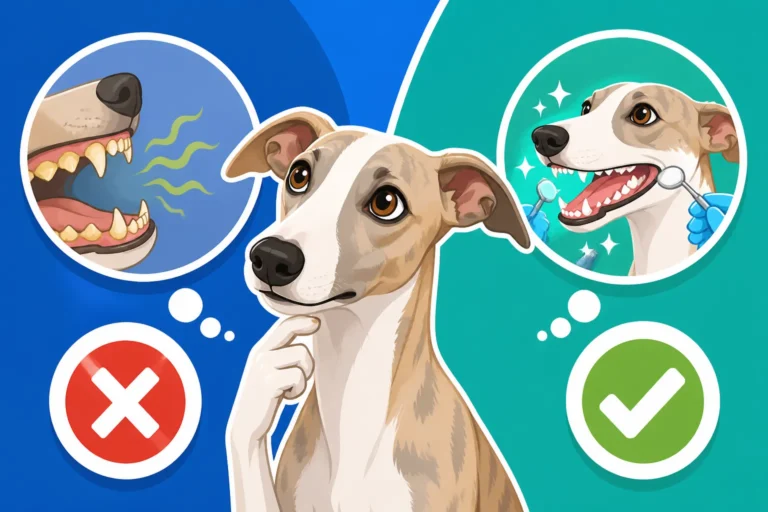
One of the most pervasive issues in senior dogs is dental disease. Plaque and tartar buildup can lead to painful gum inflammation (gingivitis), infections, and tooth loss. For a breed like the Whippet, which can be prone to dental issues, this is a particular concern. When eating becomes painful, it’s no wonder they lose interest in food. Whether a Whippet Gets Dental Disease Early is a common worry for owners.
If your Whippet has missing teeth, sore gums, or advanced dental disease, crunchy kibble can become impossible to eat. Switching to a soft, canned food or rehydrating kibble with warm water or broth can alleviate pain and encourage eating. There are also dental-friendly treats and chews, but always consult your vet to ensure they're appropriate for your dog's specific dental condition. Regular dental check-ups and cleanings, even for seniors, are crucial to prevent discomfort and maintain their ability to enjoy meals.
Managing Weight: Too Thin or Too Heavy
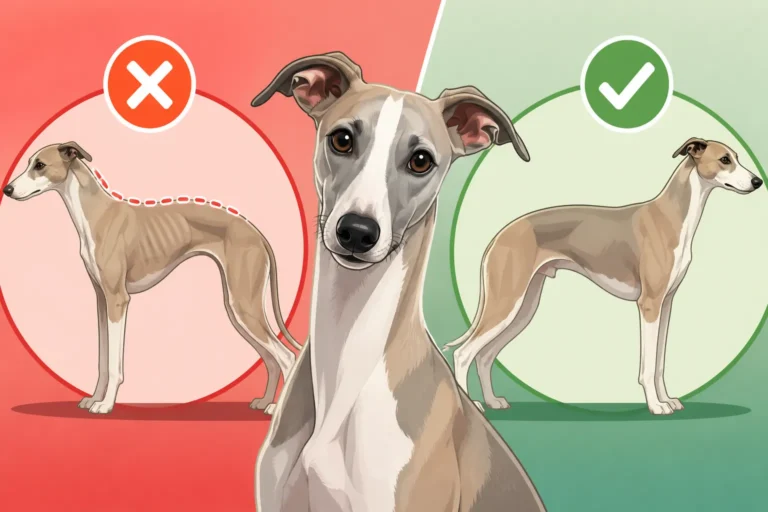
Striking the right weight balance can be particularly tricky for an aging Whippet. On one hand, a slower metabolism and decreased activity can lead to unwanted weight gain, putting strain on their joints (which may already be battling arthritis) and internal organs. On the other, decreased appetite, muscle loss, or underlying health issues can cause them to become dangerously thin.
For an overweight senior Whippet, reducing caloric intake while maintaining high protein levels is key to losing fat, not muscle. Choose a senior-specific formula that's lower in calories but nutrient-dense. For an underweight Whippet, increasing the calorie density of their food with healthy fats and highly digestible proteins can help. Sometimes, simply feeding them more frequently with smaller, more palatable meals can encourage them to consume enough. Regular weight checks at home and during vet visits are vital to ensure you’re keeping them at a healthy body condition score. Check out Keeping Weight On a Whippet Without Making It Fat for more tips.
Addressing Food Sensitivities and Allergies
As dogs age, their digestive systems can sometimes become more sensitive, and new food sensitivities or allergies can develop, even if they've never had them before. This can manifest as upset stomachs, vomiting, diarrhea, itchy skin, or ear infections. It’s another frustrating puzzle piece when trying to keep your senior Whippet comfortable and well-fed.
If you suspect a food sensitivity, working with your veterinarian to conduct an elimination diet is often the best course of action. This involves feeding a novel protein and carbohydrate source for several weeks to see if symptoms resolve, then slowly reintroducing ingredients. Look for single-protein source foods, which can be easier to digest and less likely to trigger reactions. Many brands now offer limited ingredient diets that can be helpful in these situations, often found on online retailers like Chewy or Amazon.
Supplementation: When and What to Consider
Even with a high-quality senior diet, some aging Whippets can benefit from targeted supplements. These aren't a substitute for good nutrition or veterinary care, but they can provide extra support for common age-related concerns, from creaky joints to cognitive decline. Always discuss any supplements with your veterinarian before introducing them, as some can interact with medications or not be suitable for all conditions.
Joint Support for Aching Bodies
Arthritis and joint stiffness are incredibly common in senior dogs, and Whippets are no exception, especially given their athletic build and propensity for running in their younger years. If you notice your Whippet moving a bit slower, struggling to get up, or hesitating before jumping on the sofa, joint supplements could offer some relief.
Common ingredients in joint supplements include glucosamine, chondroitin, and MSM, which help support cartilage health and reduce inflammation. Omega-3 fatty acids (like those found in fish oil) also have powerful anti-inflammatory properties that can significantly ease joint discomfort. These supplements can't reverse arthritis, but they can often improve mobility and comfort, allowing your Whippet to enjoy their walks and playtime a little more. For a deeper discussion, see Whether a Whippet Needs Joint Supplements.
Probiotics for Gut Health
As mentioned, a senior Whippet's digestive system can become more fragile. Probiotics, which are beneficial bacteria, can help maintain a healthy balance of microflora in the gut. This can improve digestion, nutrient absorption, and even boost immune function, as a significant portion of the immune system resides in the gut.
If your Whippet frequently experiences soft stools, gas, or seems to have a sensitive stomach, a daily probiotic supplement might be beneficial. They come in various forms, including powders, chews, and some foods are even fortified with them. A healthy gut means better absorption of all those good nutrients you're trying to provide, and can alleviate discomfort that might contribute to a decreased appetite. Whether a Whippet Needs a Probiotic is a great question to discuss with your vet.
Omega Fatty Acids for Cognitive and Coat Health
Beyond joint health, Omega-3 fatty acids, particularly DHA and EPA (found in fish oil), are incredibly beneficial for an aging Whippet's cognitive function and skin and coat health. DHA is a major structural component of the brain and is vital for maintaining brain health as dogs age. Supplements rich in Omega-3s can help reduce the effects of cognitive dysfunction syndrome, often seen as confusion, disorientation, changes in sleep patterns, or house-soiling.
Additionally, these fatty acids contribute to a healthy skin barrier, reducing dryness and itchiness, and keeping their sleek coat soft and shiny. While some dog foods include these, often the amounts are not sufficient to provide therapeutic benefits, especially for seniors. A separate, high-quality fish oil supplement can be a powerful addition to their diet, supporting their mind and outward appearance.
Choosing the Right Senior Dog Food
The market is flooded with dog food options, and selecting the "right" one for your aging Whippet can feel overwhelming. Knowing what to look for, and understanding the pros and cons of different food types, can simplify the process and ensure your senior companion gets the best possible nutrition.
Understanding Senior Formulas
Many pet food companies offer specific "senior" formulas, and for good reason. These foods are generally designed with the metabolic and physiological changes of older dogs in mind. Typically, they feature a slightly reduced calorie count to help prevent obesity, an increased amount of high-quality protein to combat muscle loss, and often contain added joint-supporting ingredients like glucosamine and chondroitin.
However, the term "senior formula" isn't strictly regulated, so it's crucial to read ingredient labels carefully. Look for real meat as the first ingredient, and note the protein and fat percentages. A good senior food should have a protein content generally above 25% (on a dry matter basis) and a moderate fat content. While these specialized formulas can be a great starting point, remember that every Whippet ages differently, and what works best for one might not be ideal for another.
Fresh Food vs. Kibble vs. Canned
When it comes to the format of your Whippet's food, you have several choices, each with its own advantages for seniors:
- Kibble (Dry Food): The most common and often most economical option. Good quality senior kibble will be nutritionally balanced. However, it can be harder for dogs with dental issues to chew, and its lower moisture content requires careful attention to hydration. You can always add warm water or broth to soften it.
- Canned (Wet Food): Generally highly palatable and has a high moisture content, which is excellent for hydration and easier on teeth. It can be a great option for picky eaters or those with dental problems. However, it can be more expensive and typically has a lower calorie density, meaning you might need to feed more to meet caloric needs.
- Fresh Food (Cooked or Raw): Services like Ollie deliver freshly prepared, human-grade meals that are often highly palatable and digestible. They typically have high moisture content and can be very appealing to dogs with decreased appetites. The quality of ingredients is often superior. However, it is usually the most expensive option and requires careful storage. Raw feeding also comes with its own set of considerations and risks that should be thoroughly discussed with a vet.
Here's a quick comparison:
| Food Type | Palatability | Moisture Content | Dental Considerations | Cost | Ideal For |
|---|---|---|---|---|---|
| Kibble | Moderate | Low | Can be hard on sore teeth; dental kibble options exist | Lower | Seniors without significant dental issues, good for weight management |
| Canned | High | High | Very gentle on teeth and gums | Moderate | Picky eaters, those with dental pain, or needing extra hydration |
| Fresh Food | Very High | High | Very gentle on teeth and gums | Higher | Picky eaters, sensitive stomachs, needing maximum palatability/hydration |
Reading Labels and Ingredient Lists
No matter which type of food you choose, becoming a savvy label reader is paramount. Don't just look at the front of the bag or can; flip it over and examine the ingredient list and nutritional analysis.
- First Few Ingredients: The first five ingredients make up the bulk of the food. Look for whole, identifiable meat sources (e.g., "chicken meal," "deboned salmon") followed by healthy carbohydrates (sweet potato, rice) and beneficial fats.
- Guaranteed Analysis: Pay attention to the protein, fat, fiber, and moisture percentages. As a rule of thumb for senior Whippets, you want a higher protein percentage (ideally over 25% dry matter), moderate fat, and adequate fiber.
- Avoid Fillers and Artificial Additives: Steer clear of foods with excessive fillers (like corn or wheat as primary ingredients), artificial colors, flavors, or preservatives, as these offer little nutritional value and can sometimes trigger sensitivities.
Choosing the right food is a significant step in Caring for an Old Whippet That Feels the Cold and supporting them through their later years, ensuring they remain as comfortable and happy as possible for their The Twelve to Fifteen Years a Whippet Lives.
Disclaimer
This article is for general informational purposes only and does not constitute professional advice. Laws, prices and regulations vary by location and change over time. Consult a qualified professional for guidance on your specific situation.