Whether a Whippet Needs a High Fat Diet
It’s a common scenario: you look at your beloved Whippet, with their sleek lines and visible hip bones, and a little voice in your head (or perhaps a well-meaning stranger at the dog park) whispers, “Are they getting enough to eat? Do they need a high-fat diet to put on some weight?” This guide will unpack the truth about a Whippet's dietary fat needs, helping you understand their unique physiology and how to fuel them properly without falling for misconceptions.
The Whippet's Distinctive Physique and Energy Demands
Whippets are not your average fluffy, rotund dog. They are athletes, built for speed and agility, and their lean, muscular physique reflects this. Understanding their natural body composition is the first step in assessing their dietary needs, especially concerning fat.
Why They Look So Thin
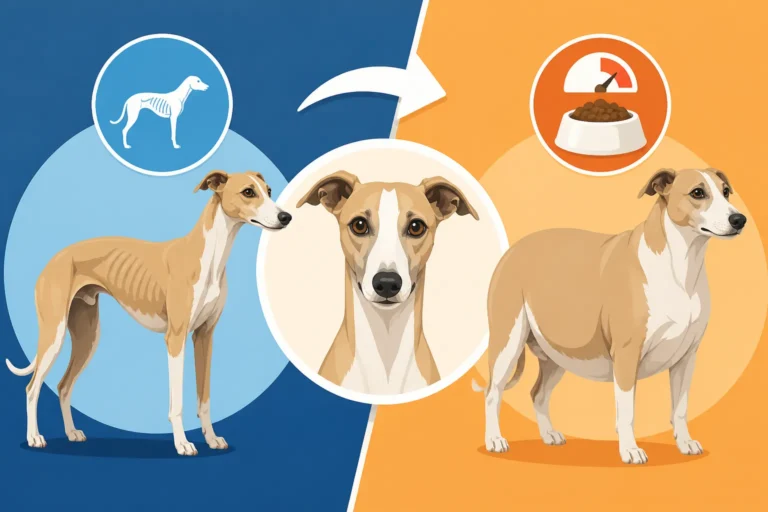
Let’s be honest, Whippets look "thin" to many people who aren't familiar with sighthounds. Their skin is fine, their hair is short, and they have very little subcutaneous fat – that padding layer that makes other breeds look fuller. You can often see their ribs, the prominence of their hip bones, and sometimes even their spine. This isn't a sign of starvation; it's simply how a healthy Whippet is built. They’re streamlined for aerodynamics, not for insulation or storing excess body fat.
It can be incredibly frustrating when someone comments that your Whippet looks underweight. You know you feed them well, and they’re bursting with energy! But to an untrained eye, their leanness can be alarming. The key is to distinguish between a truly underweight dog and a healthy, lean sighthound. A healthy Whippet should have visible ribs, a discernible waist, and a pronounced tuck-up. You should be able to easily feel their ribs, but they shouldn't protrude sharply. We talk more about this in How Many Ribs Should Show on a Whippet. Their muscle mass should be firm, and they should have good energy levels. If your Whippet is lethargic, has a dull coat, or is losing weight rapidly without cause, then yes, that's a red flag. Otherwise, embrace their natural slenderness!
Energy Needs of a Sighthound
Whippets are sprinters, not endurance runners. They have an incredible burst of speed, running at impressive rates for short distances, and then they're ready for a nap. This kind of explosive energy primarily relies on readily available carbohydrates and efficient protein utilization for muscle maintenance and repair, rather than a continuously high fat intake for sustained energy. While fat is a concentrated source of energy, and important for overall health, it's not the primary fuel for their quick, intense sprints in the same way it might be for a sled dog covering miles.
A high-fat diet for a human athlete might mean sustained energy over a long period. For a Whippet, whose activity is characterized by short, intense bursts followed by long periods of rest, their energy metabolism is optimized for these cycles. A moderate fat level, combined with adequate, high-quality protein and digestible carbohydrates, typically meets their needs perfectly. Trying to overcompensate for their lean look with an excessively high-fat diet can actually upset this delicate balance and lead to other issues. You might wonder if their diet needs to change for activities like racing; we explore this in Whether a Racing Whippet Needs a Performance Food.
Debunking the "High Fat" Myth for Whippets
The idea that a naturally thin dog needs a "high-fat diet" can be tempting to believe, especially when you're worried about their appearance. However, simply upping the fat content isn't always the answer and can sometimes do more harm than good.
What "High Fat" Actually Means in Dog Food
When we talk about "high fat" in dog food, we're generally referring to kibbles or diets where the crude fat percentage on a dry matter basis is significantly above average. Most adult maintenance dog foods range from 10-18% crude fat. Performance or "active dog" formulas might go up to 20-25% or even higher. Puppy foods also tend to be higher in fat to support rapid growth.
For a Whippet, whose metabolism is finely tuned, jumping straight to a diet with 25% or more crude fat without a specific medical reason or intense, sustained activity level might be overkill. It’s not about finding the highest number; it’s about finding the right balance of all macronutrients that supports their specific needs. The fat content must be considered in context with the protein, carbohydrates, fiber, and overall calorie density. A diet that is too high in fat, even if it’s technically palatable, can lead to digestive upset or even more serious health concerns for a Whippet not designed to process such richness continually.
Risks of Too Much Fat for a Whippet
While fat is essential, an excessive amount can bring its own set of problems for any dog, and Whippets are no exception. One of the most significant risks is pancreatitis, an inflammation of the pancreas that can be incredibly painful and potentially life-threatening. While not all Whippets are predisposed, a sudden introduction of a very high-fat meal or consistently feeding a diet with too much fat can trigger an episode.
Beyond pancreatitis, an overly fatty diet can lead to:
- Gastrointestinal Upset: Diarrhea, vomiting, and general digestive discomfort are common side effects as their system struggles to process the excess. This can be particularly noticeable if your Whippet already has a somewhat Whether a Whippet Has a Sensitive Stomach.
- Nutrient Imbalances: Focusing too much on fat can inadvertently lead to a deficiency in other essential nutrients if the diet isn't well-balanced.
- Unnecessary Weight Gain: Yes, even Whippets can become overweight or obese if fed too many calories, especially from high-fat sources, without corresponding exercise. While a few extra pounds might seem desirable to some owners, it puts undue strain on their delicate joints and can reduce their athletic prowess.
- Coat and Skin Issues: Paradoxically, too much of the wrong kind of fat, or an imbalance, can negatively impact their naturally fine skin and coat, leading to greasiness or other dermal problems.
It’s about quality and balance, not just quantity. Instead of thinking "more fat," think "the right fat."
Optimal Fat Levels for a Healthy Whippet
So, if a truly "high fat" diet isn't the answer, what is the optimal approach to fat for your Whippet? It comes down to understanding their overall nutritional needs and making informed choices about their food.
Balancing Macronutrients for Whippet Health
A healthy adult Whippet generally thrives on a diet that is high in good quality protein, moderate in fat, and contains easily digestible carbohydrates.
- Protein: This is crucial for maintaining their lean muscle mass. Look for animal-based proteins as the first few ingredients, like chicken, beef, lamb, or fish. These provide the essential amino acids their athletic bodies need.
- Fat: Aim for a crude fat percentage in the range of 12-18% for most adult Whippets, though slightly higher might be appropriate for very active or racing dogs, and slightly lower for less active seniors. The key is that these fats come from healthy sources like chicken fat, fish oil, and flaxseed, which also provide essential fatty acids.
- Carbohydrates: These provide readily available energy for their sprints. Look for digestible sources like sweet potatoes, peas, or rice.
When you're scrutinizing dog food labels, remember that the "crude fat" percentage is a minimum. A diet formulated for a medium-sized, active breed is often a good starting point. You can find many reputable brands on sites like Chewy or Amazon that offer a clear breakdown of their macronutrient content, allowing you to compare options and pick one that aligns with these recommendations. Don't forget that their actual calorie needs can vary based on their size; for instance, What an Adult Male Whippet Weighs can influence their daily intake.
Here’s a general guideline for typical dog food fat percentages and how they might relate to a Whippet:
| Food Type | Crude Fat % Range (Dry Matter) | Whippet Considerations |
|---|---|---|
| Puppy Food | 15-25% | Often higher fat for growth; usually appropriate for Whippet puppies, but monitor for loose stools. |
| Adult Maintenance | 10-18% | Generally ideal for most pet Whippets with moderate activity. |
| Performance/Active Dog | 18-25%+ | May be suitable for intensely active or racing Whippets, but monitor digestion and weight closely. Introduce gradually. |
| Weight Loss/Senior (less active) | 7-12% | If an older Whippet becomes genuinely overweight or less active, a lower fat option might be considered. |
Situational Adjustments and Veterinary Guidance
While a moderate fat diet is ideal for most Whippets, there are specific situations where a slight adjustment to fat intake might be beneficial. However, these changes should always be made under the guidance of your veterinarian or a canine nutritionist.
- Intense Activity/Racing: For Whippets involved in competitive lure coursing or racing, their caloric needs will naturally increase. In these cases, a slightly higher fat content can help provide the necessary energy density, alongside increased protein and carbohydrates. This isn't about just more fat, but ensuring overall increased calories.
- Recovery from Illness/Underweight: If your Whippet is genuinely underweight due to illness, recovery from surgery, or a previous inadequate diet, a vet might recommend a more calorically dense diet, which could include slightly higher fat to help them regain condition. Similarly, if you have a finicky eater or an older Whippet who struggles to keep weight on, read up on Getting Weight On a Whippet That Will Not Eat and Feeding an Old Whippet.
- Specific Health Conditions: Very rarely, certain medical conditions might warrant a modified fat intake. This is highly specific and would be a direct vet recommendation.
Remember, simply looking thin is not a medical condition. It's their breed characteristic. Always rule out underlying health issues with your vet before making drastic dietary changes based on appearance alone. Your vet can also help you interpret body condition scores specifically for sighthounds, giving you a more objective assessment.
Practical Dietary Considerations Beyond Fat
Beyond the fat percentage, a Whippet's diet involves many other crucial components. Focusing on the overall quality and balance of their food will provide the best foundation for their health.
Quality Sources of Fat and Essential Fatty Acids
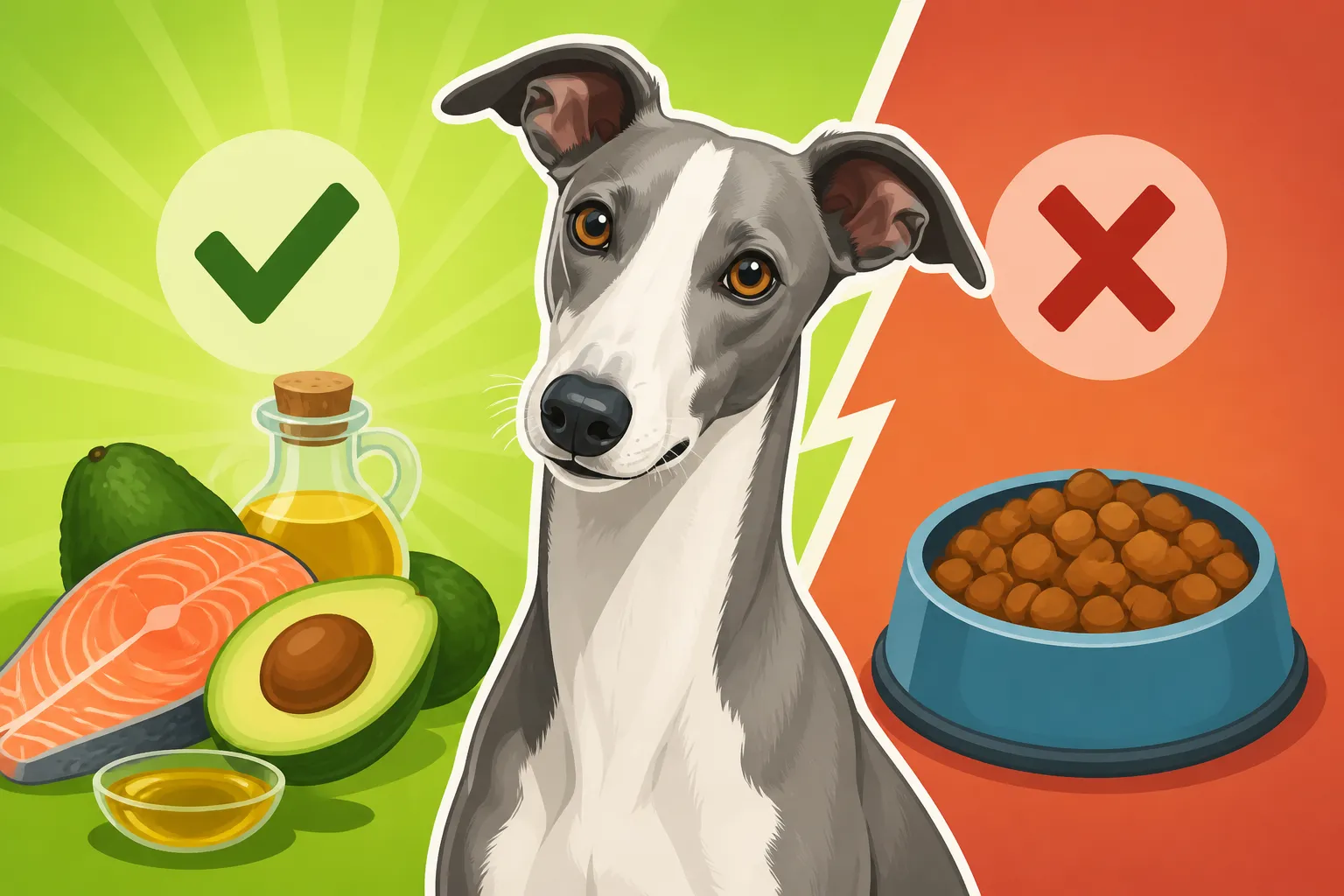
It’s not just about the quantity of fat, but the quality. Healthy fats provide essential fatty acids, such as Omega-3 and Omega-6, which are vital for skin health, a glossy coat, joint function, and even cognitive health.
Look for dog foods that include:
- Animal Fats: Chicken fat, beef fat, or salmon oil are excellent sources.
- Plant-Based Oils: Flaxseed oil, sunflower oil, or canola oil can also contribute, though animal sources often offer a better balance of Omega-3s.
- Fish Oils: Salmon oil, cod liver oil, or krill oil are fantastic sources of EPA and DHA, crucial Omega-3s known for their anti-inflammatory properties. Many owners choose to add a fish oil supplement to their Whippet's diet, which you can easily find on sites like Amazon or Chewy.
Ensuring a good balance of Omega-3 to Omega-6 fatty acids is more important than simply boosting total fat. Too many Omega-6s (common in many processed foods) without enough Omega-3s can actually contribute to inflammation.
Hydration and Regular Meals: The Unsung Heroes of Whippet Care
Sometimes, owners focus so much on the macronutrient breakdown that they forget the basics. Hydration and a consistent feeding schedule are just as critical for your Whippet's health and can influence their metabolism and overall well-being.
- Water, Water, Water: Always ensure your Whippet has access to fresh, clean water. Dehydration can lead to a host of health problems and can impact their appetite and energy levels. While their diet may provide some moisture, especially if you feed wet or fresh food, nothing replaces a constant supply of water.
- Consistent Feeding Schedule: Whippets generally do well on two meals a day as adults. A consistent schedule helps regulate their metabolism and digestive system. Skipping meals or erratic feeding can lead to digestive upset or even a picky eater. You can learn more about this in How Many Meals a Day a Whippet Needs. For puppies, a more frequent schedule is usually necessary.
- Consider Fresh Food Options: Some owners find that fresh food diets, like those offered by services such as Ollie, can be excellent for Whippets, as they often have high-quality, human-grade ingredients and balanced macronutrient profiles, sometimes with controlled fat levels. These can be particularly appealing to choosy eaters and provide excellent hydration.
Ultimately, a "high fat" diet isn't the magic bullet for a Whippet's leanness. Instead, focus on a well-balanced diet rich in quality protein, moderate healthy fats, and digestible carbohydrates, tailored to their individual activity level. Always consult with your veterinarian to ensure your Whippet's diet meets all their unique needs and supports their long, healthy, and wonderfully lean life.
Disclaimer
This article is for general informational purposes only and does not constitute professional advice. Laws, prices and regulations vary by location and change over time. Consult a qualified professional for guidance on your specific situation.