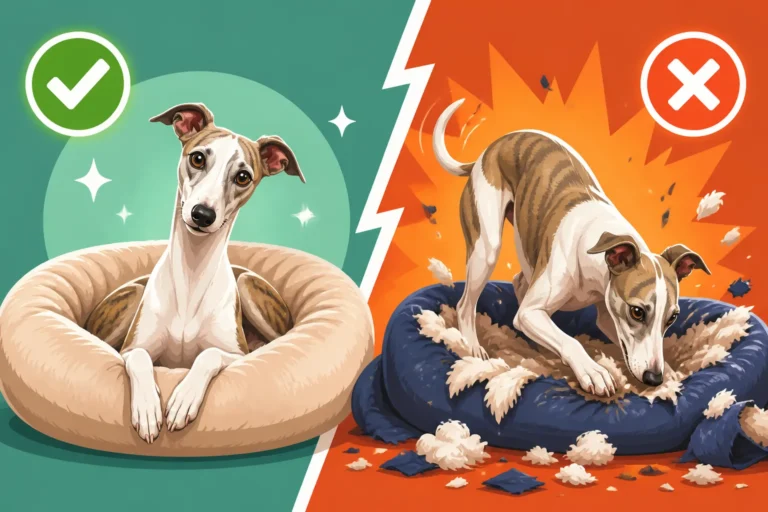
The Beds a Whippet Owner Keeps Buying
If you've ever owned a whippet, you know the struggle is real: finding the perfect dog bed feels like a never-ending quest. Our lean, elegant hounds are notoriously sensitive sleepers, and a flimsy, unsupportive bed simply won't do. This guide dives deep into why whippets are such bedding connoisseurs, what qualities truly matter in a dog bed, and how to navigate the seemingly endless cycle of buying, replacing, and upgrading their cozy corners.
Why Whippets Are Such Bedding Connoisseurs
Let's be honest, our whippets aren't built for roughing it. Unlike many breeds with thick coats and ample body fat, whippets are streamlined athletes with minimal padding. This unique physiology makes them incredibly particular about where and how they rest, leading to a constant search for the ultimate comfort.
Their Lack of Natural Padding and Insulation
Imagine trying to sleep comfortably on a hard floor if you had almost no natural cushioning between your bones and the surface. That's essentially what a whippet experiences. They have very thin skin, prominent bones, and hardly any subcutaneous fat to provide natural insulation or padding. This isn't a sign of being underweight; it's simply how their breed is designed for speed and agility. This means that a cold, hard floor isn't just uncomfortable for them; it can actually be quite unpleasant and even detrimental to their joint health over time. They don't have that thick layer of fur or fat to keep them warm or cushion their elbows and hips. It's why you often see them shivering even indoors if the temperature dips slightly. For a deeper dive into this, you might find our article on A Whippet Has No Insulation and No Padding particularly insightful.
The Risk of Pressure Sores
Because their bones are so close to the surface of their skin, whippets are highly susceptible to developing pressure sores, especially on elbows, hocks, and hips. These aren't just cosmetic issues; they can be painful, lead to infections, and are a real concern for any whippet owner. If your whippet regularly sleeps on hard surfaces, you might start to see bald patches or thickened skin in these areas. This is a clear sign that their bedding isn't adequate. Preventing these sores is paramount, and it starts with providing ample, supportive cushioning. Nobody wants their beloved whippet to suffer from a preventable ailment, and while pet insurance like Healthy Paws can help with unexpected vet bills, preventing issues like pressure sores with proper bedding is always the first line of defense. It truly underlines why a proper bed isn't a luxury, but a necessity. If you're curious about the mechanics behind this, our article on The Pressure Sores a Whippet Gets From Sleeping on the Floor explains it in detail.
Their Innate Love for Burrowing and Nesting
Whippets are natural burrowers. They love to get completely under blankets, covers, or deep into a plush bed, creating a cozy, secure den for themselves. This isn't just a quirky habit; it harks back to their sighthound instincts, offering a sense of safety and warmth. It’s also how they regulate their body temperature, especially given their lack of insulation. A bed that allows for this instinctual behavior is often a huge hit. They'll scratch, dig, and rearrange their bedding until it's just right, often disappearing completely beneath a pile of blankets, only to emerge, blinking, when they hear the treat bag crinkle. This nesting behavior is deeply ingrained, and a bed that accommodates it contributes significantly to their overall well-being and sense of security.
The Core Qualities of a Truly Great Whippet Bed
Given their unique needs, not just any dog bed will cut it for a whippet. There are specific qualities that elevate a bed from merely "okay" to "absolutely essential" for these sensitive souls. Investing in these features can save you a lot of hassle (and money) in the long run.
Supportive Cushioning for Bony Joints
This is arguably the most critical feature. A whippet's bed needs to provide substantial, even support to cradle their bony frame and prevent pressure points. Think of it like this: if you, as a human, were to sleep on a cheap, thin mattress every night, you'd wake up sore. The same applies to your whippet. Memory foam or orthopedic foam is often the best choice here, as it contours to their body, distributing weight evenly and relieving pressure on joints like hips, shoulders, and elbows. Cheap polyfill stuffing will compress quickly, offering little long-term support, and you'll find yourself buying a new bed much sooner. Our article on What a Whippet Bed Should Be Made Of delves into the best materials for ultimate comfort.
Soft, Durable, and Easily Removable Covers
The cover material is just as important as the filling. Whippets have delicate skin that can be easily irritated by rough fabrics. Look for soft, gentle materials like fleece, microsuede, or a durable cotton blend. Beyond softness, durability is key because whippets, as natural nesters, will dig and paw at their beds to create their perfect sleeping spot. This behavior can quickly wear through flimsy fabrics. Lastly, a removable, machine-washable cover is a non-negotiable. Accidents happen, and even without them, dog beds accumulate dirt, dander, and odors. Being able to easily strip and wash the cover is a lifesaver for maintaining hygiene and freshness. No one wants a stinky dog bed lingering in the living room! Many quality brands available through retailers like Chewy offer beds with these practical features.
Insulation from Cold Floors
As we've established, whippets lack natural insulation. This means cold floors are a major discomfort source. A good bed should provide a thick barrier between your whippet and the chilly floor, especially if you have tile, hardwood, or live in a cooler climate. Even carpeted floors can transfer cold. The thickness of the bed's base matters significantly here. Elevated beds, while sometimes marketed for cooling, can actually be too exposed for a whippet in cooler temperatures unless heavily padded. A deep, plush bed offers that crucial thermal barrier, helping them maintain a comfortable body temperature without having to shiver or burrow excessively. You might be surprised at Whether a Whippet Needs a Heated Bed during colder months, which highlights just how sensitive they are to temperature.
Different Types of Beds for Different Whippet Needs
Just like humans need different types of pillows or mattresses, whippets benefit from a variety of bed styles depending on their preferences, age, and where they'll be sleeping. It's not a one-size-fits-all situation, and you might find yourself needing several types for different areas of your home.
Orthopedic and Memory Foam Beds
These are often the gold standard for whippets, especially as they age or if they have any joint sensitivities. Orthopedic beds, typically made with dense foam or layers of memory foam, are designed to distribute weight evenly, reducing pressure on joints and supporting the spine. They prevent that "sinking to the floor" feeling that cheap beds give. For an older whippet, or one recovering from an injury, this type of bed is invaluable. They come in various densities and thicknesses, and investing in a good one can really extend its lifespan and your whippet's comfort. While they might have a higher upfront cost, the longevity and health benefits often make them worthwhile. Many owners attest that once their whippet experiences true orthopedic support, there's no going back to a less supportive option.
Bolster Beds and Nesting Donuts
These beds cater directly to the whippet's natural desire to nest and feel secure. Bolster beds have raised edges around some or all of the perimeter, providing a cozy headrest or a wall to lean against. Donut beds, with their full circular bolster, allow your whippet to curl up completely, feeling enveloped and safe. The plush, soft sides give them something to burrow into and lean against, mimicking the feeling of being snuggled. They're perfect for whippets who love to curl into a tight ball, or who just appreciate having a soft boundary. For whippet puppies, these can provide a comforting, den-like environment that aids in settling and feeling secure. This type of bed directly addresses Whether a Whippet Needs a Bolster Bed.
Crate Pads and Travel Beds
Even if your whippet isn't crated regularly, a good quality crate pad is essential if they spend any time in one for travel, training, or safe napping. These need to offer similar support and insulation as a regular bed but fit precisely within a crate. Look for pads that are thick, durable, and have a non-slip bottom. For travel, lightweight, roll-up beds or sturdy blankets are fantastic for providing a familiar, comfortable spot wherever you go. Whether it's a visit to grandma's, a stay at a dog-friendly hotel, or just a day at a friend's house, having their own familiar bedding helps them settle and feel at home. It reinforces the idea that their comfort zone travels with them.
Elevated Beds and Cots
Elevated beds, often made with a fabric sling stretched over a frame, are typically marketed for airflow and cooling. While they can be great for some breeds in hot climates, they might not be the best primary bed for a whippet, especially in cooler weather or if they are prone to pressure sores. The lack of solid cushioning directly under their joints can be problematic. However, they can be useful outdoors in warmer weather, perhaps topped with a thick, soft blanket for cushioning. If you do opt for one, ensure you add substantial padding on top to protect their delicate joints from the taut fabric. Without proper cushioning, they essentially negate all the benefits of supportive bedding.
The Never-Ending Quest: Why We Keep Buying Beds
It's a phenomenon unique to whippet owners: the constant rotation of dog beds. It's not just about finding the perfect one; it's about the reality of whippet life and the wear and tear their bedding endures.
Wear and Tear from Digging and Nesting
Whippets, bless their hearts, are enthusiastic nesters. This means a lot of vigorous digging, scratching, and rearranging of their bedding to create that ideal, burrowed spot. This constant activity puts immense strain on fabrics and seams. Even the most durable covers can eventually succumb to the persistent pawing, leading to tears, pulls, and worn-out patches. The interior stuffing can also shift and clump, creating uncomfortable lumps and reducing the bed's support. It's a testament to their dedication to comfort, but it also means beds have a finite lifespan in a whippet home. You might find yourself repairing small holes or realizing the bed just isn't holding its shape anymore after a year or two. This is a common part of How Often a Whippet Owner Replaces a Bed.
The Seasonal Wardrobe of Bedding
Just like we swap out our heavy duvets for lighter quilts in summer, whippets often benefit from a seasonal approach to their bedding. In winter, they crave deep, plush, warm beds, possibly with extra blankets for burrowing. This is especially true for Caring for an Old Whippet That Feels the Cold. But come summer, those same beds might be too hot, leading them to seek out cooler spots on the floor. You might find yourself investing in a thinner, more breathable pad for warmer months, or simply reducing the number of blankets. It's not uncommon to have a "summer bed" and a "winter bed" for your whippet, or at least a collection of blankets that can be added or removed as the seasons change.
Chasing the "Perfect" Bed
Many whippet owners, myself included, embark on an endless quest for the "perfect" bed. We read reviews, compare materials, and constantly look for that mythical bed that will last forever, provide ultimate comfort, and withstand all nesting behaviors. Sometimes we get close, but often, we find ourselves a few years down the line eyeing a new model, convinced this one will finally be "the one." This pursuit isn't necessarily a bad thing; it stems from a deep desire to provide the best for our dogs. It also speaks to how quickly bedding technology (or at least marketing) evolves. We're always hoping for something even better, even more durable, even cozier for our beloved companions.
Addressing Common Whippet Bedding Challenges
Owning a whippet comes with its unique set of challenges, and bedding is no exception. From destructive tendencies to unavoidable accidents, there are practical issues that need to be addressed to keep your whippet comfortable and your home clean.
Chewing and Destruction
While whippets aren't typically known as extreme chewers like some other breeds, a bored or anxious whippet, especially a puppy, can certainly turn their attention to their bed. This is particularly frustrating when you've invested in a high-quality, expensive option. The key here is prevention: ensure your whippet has plenty of appropriate chew toys, exercise, and mental stimulation. If chewing is an ongoing issue, consider beds made from more robust, chew-resistant materials or those with hidden zippers. Sometimes, a "bed within a bed" approach works, where a cheaper, more easily replaceable blanket or pad is placed over the main bed, taking the brunt of any digging or chewing. It's a bit like having a sacrificial lamb for their nesting habits. This behavior can sometimes be linked to other chewing habits, as explored in Whether a Whippet Chews Its Own Coat.
Incontinence and Accidents
Puppies, older whippets, or those with certain health conditions can have accidents. A bed that absorbs moisture and is difficult to clean can quickly become a source of odor and frustration. This is where waterproof liners are invaluable. Many high-quality orthopedic beds come with an internal waterproof cover over the foam, protecting it from spills and accidents. If your chosen bed doesn't have one, you can purchase a separate waterproof liner to place under the main cover. This makes cleanup significantly easier and protects your investment, ensuring the foam itself doesn't absorb odors or moisture. Easy washability of the outer cover then becomes even more critical.
Odor and Cleanliness
Whippets are generally clean dogs and don't have a strong "doggy" odor, but beds inevitably collect dirt, dander, and oils from their coats. Over time, this can lead to an unpleasant smell. Regular cleaning is essential. For beds with removable covers, aim to wash the cover every week or two, or more frequently if your whippet spends a lot of time outdoors or has skin issues. For beds without removable covers, spot cleaning and regular vacuuming can help. Some beds are fully machine washable, which is a huge bonus for larger items. Using pet-safe enzymatic cleaners can also help break down odor-causing bacteria. Maintaining cleanliness not only keeps your home smelling fresh but also contributes to your whippet's skin health.
Making Your Whippet's Bedding Last (or at least try to)
Given the investment we make in our whippets' comfort, it's natural to want their beds to last as long as possible. While nothing is truly indestructible, there are strategies you can employ to extend the life of their beloved sleeping spots.
Choosing Durable Materials
When shopping for beds, pay close attention to the construction and materials. Look for rip-stop fabrics, heavy-duty zippers (preferably hidden), and dense, high-quality foam that won't flatten quickly. Canvas, denim, or tough microsuede are often more durable than thin fleece or cotton blends. Consider the stitching – double-stitched seams are usually a good indicator of quality. Remember, a whippet's nesting instincts mean they will test the durability of the bed's cover, so a robust material is your first line of defense against premature wear. Don't be swayed solely by softness; combine it with strength.
Proper Washing and Care
Following the manufacturer's washing instructions is crucial. Over-washing, using harsh detergents, or drying on too high a heat can degrade materials and shorten a bed's life. For removable covers, use a gentle cycle with cold water and a pet-safe detergent, then air dry or tumble dry on low. For foam inserts, spot clean with a mild solution and allow to air dry completely to prevent mold or mildew. Regularly fluffing and rotating beds can also help prevent uneven wear and maintain the loft of the filling. Think of it like caring for your own expensive bedding – a little attention goes a long way.
Rotation and Repair
If you have multiple beds, rotate them regularly. This prevents one bed from bearing the brunt of all the wear and tear. Having a spare cover is also a smart move; if one is in the wash or gets damaged, you're not left without a cozy spot. Don't let small tears or loose seams go unaddressed. A small rip can quickly become a large, irreparable hole with a whippet's diligent nesting. Basic sewing skills can save a bed, or a quick trip to a local seamstress for a more robust repair can be a worthwhile investment. Sometimes, you can even replace just the foam insert if the cover is still in good shape, or vice versa, extending the overall utility of the bed.
Beyond the Bed: Other Cozy Solutions for Whippets
While a dedicated bed is paramount, whippets often seek comfort in other areas of the home too. Providing these supplementary cozy spots can enhance their overall well-being and keep them off your furniture (or at least give them a sanctioned spot on it!).
Blankets and Throws Everywhere
You'll quickly learn that a whippet can never have too many blankets. They are masters of the "nesting burrito." Keep soft, washable blankets strategically placed around your home: on the sofa, draped over chairs, in their crate, and definitely on their main bed. Fleece, faux fur, or soft wool blends are popular choices. These provide extra warmth, a sense of security, and something soft to burrow into. They're also incredibly versatile – easy to move, wash, and layer. Many whippet owners find that their dogs are almost as particular about their blankets as they are their beds! If you're looking to explore more about keeping your whippet snug, check out The Wardrobe a Whippet Needs Because It Has No Body Fat.
Furniture Protection (and Sharing)
Let's face it: many whippets will end up on the sofa or your bed, despite best intentions. Rather than fighting it, embrace it with smart solutions. Place a dedicated blanket or throw on their favorite sofa spot to protect your furniture from dirt, hair, and paw prints. This gives them a sanctioned spot and makes cleanup much easier. For your own bed, consider a dog-specific top sheet or blanket to protect your duvet. It's a practical compromise that allows them to be close to you, which many whippets adore, without completely sacrificing your furniture. This is often the reality for many who ask Whether a Whippet Sleeps on the Sofa Anyway.
Heated Pads for Ultimate Warmth
For whippets who are particularly sensitive to cold, older dogs, or those with arthritis, a low-wattage, pet-safe heated pad can be a game-changer. These are designed to provide gentle, consistent warmth and can be placed under or inside a bed. Always ensure they are specifically designed for pets, have safety features like automatic shut-off, and that cords are protected from chewing. A heated pad can offer incredible relief and comfort, especially during chilly nights or in drafty homes, helping to soothe stiff joints and provide deep relaxation.
Investing in Comfort: What to Look for in Quality Bedding
Choosing the right bed for your whippet is an investment in their health, happiness, and your peace of mind. While the upfront cost might seem higher for quality, it often pays off in durability and genuine comfort.
Balancing Cost and Quality
It's tempting to grab an inexpensive bed off the shelf, but with whippets, this often leads to quickly replacing it. A cheap bed flattens fast, offers poor support, and the cover quickly tears. Quality doesn't always mean the most expensive option, but it rarely means the cheapest either. Look for sales on reputable brands known for their durable materials and supportive fillings. Read reviews from other sighthound owners if possible, as their experiences are often most relevant. Think of the cost over the lifespan of the bed – a $100 bed that lasts three years is often a better value than a $30 bed you replace every six months.
Considering a Bed's Lifespan and Warranty
A good quality bed, especially an orthopedic one, should realistically last several years with proper care. Check if the manufacturer offers any kind of warranty against defects or premature flattening. While few beds are truly "chew-proof," some brands offer warranties or replacement options for certain types of damage. This kind of guarantee can provide peace of mind and speak volumes about the company's confidence in their product. When investing in higher-end options, like those from pet supply specialists found on Chewy or even considering the quality standards you'd expect from brands like Ollie if they branched into accessories, a warranty is a good indicator of quality.
The True Cost of Comfort
Ultimately, the true cost of comfort for your whippet isn't just the price tag of the bed. It's the cost of preventing potential health issues like pressure sores, the peace of mind knowing your dog is warm and secure, and the joy of watching them deeply, happily asleep. A well-chosen bed contributes significantly to their overall well-being, reducing anxiety, promoting better sleep, and supporting their physical health throughout their lives. It's not just a purchase; it's an essential part of responsible whippet ownership.
| Bed Type | Key Features | Pros for Whippets | Cons for Whippets | Ideal Use Case |
|---|---|---|---|---|
| Orthopedic/Memory Foam | Dense foam layers, contours to body | Excellent joint support, pressure relief, insulation | Can be heavy/bulky, higher cost, some retain heat | Main sleeping bed, senior dogs, dogs with joint issues |
| Bolster/Donut Bed | Raised edges, plush interior | Promotes nesting, sense of security, head/neck support | Less orthopedic support if filling is soft, can flatten | Cozy napping, puppies, insecure dogs, all ages |
| Crate Pad/Mat | Flat, often thinner, non-slip bottom | Fits crates perfectly, portable, easy to wash | Less cushioning than beds, may not insulate as well | Crate training, travel, supplemental comfort |
| Pillow/Cushion Bed | Large, unstructured pillow-like | Soft, easily moved, good for sprawling | Can lack support, filling shifts/clumps, often thin | Quick naps, secondary bed, under existing blankets |
Disclaimer
This article is for general informational purposes only and does not constitute professional advice. Laws, prices and regulations vary by location and change over time. Consult a qualified professional for guidance on your specific situation.