Why a Whippet Cannot Live Outdoors
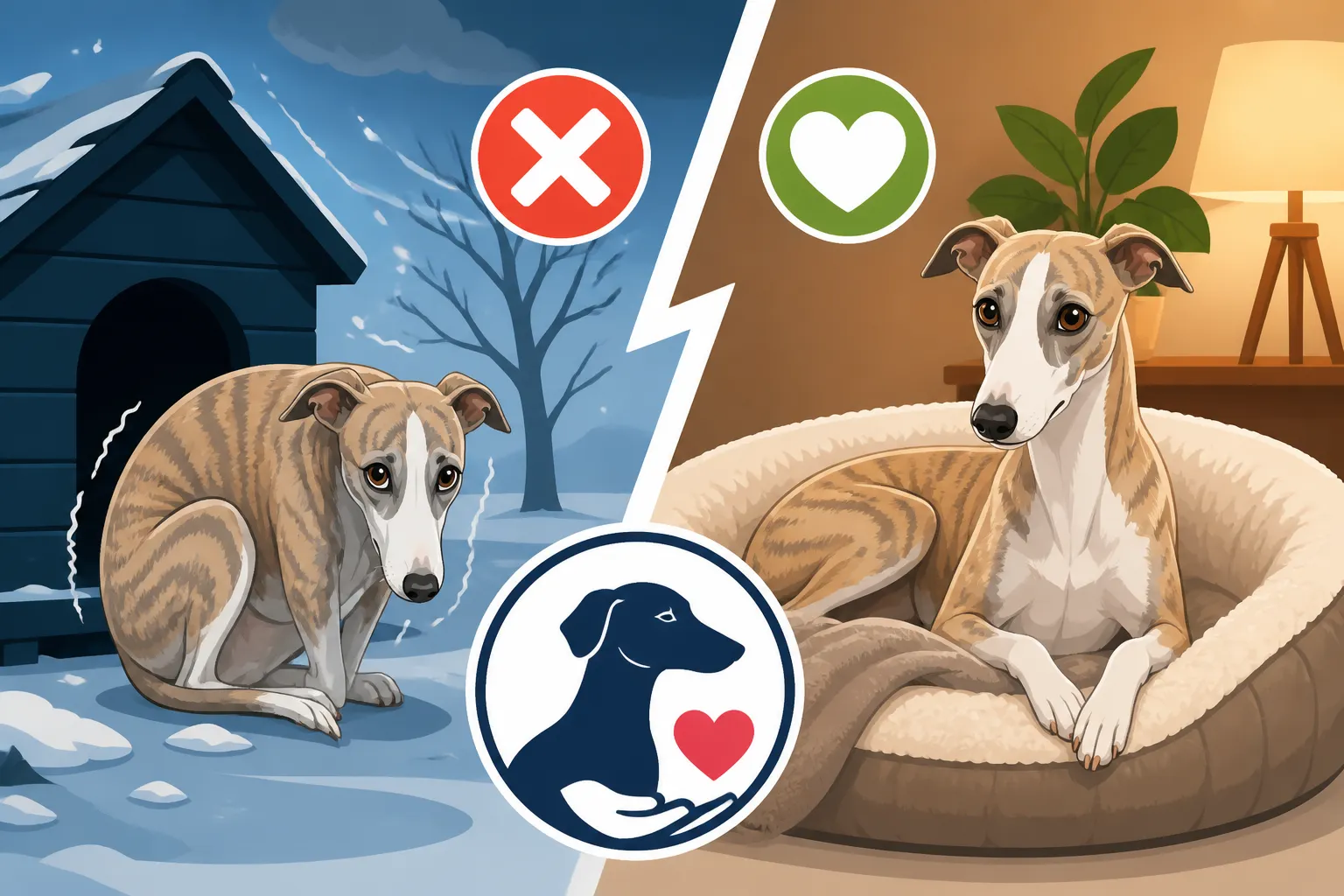
One of the most common misconceptions about Whippets is that, like many other dog breeds, they can happily live an "outdoor dog" life. The reality is far from it; a Whippet's unique physiology and temperament make outdoor living not just uncomfortable, but actively detrimental to their health and well-being. This guide will explain precisely why your Whippet needs to be an indoor companion and how to best provide for their specific needs.
The Whippet's Lack of Natural Insulation
Whippets are built for speed, not for weathering the elements. Their entire physical makeup is optimized for explosive bursts of energy, which means they simply don't carry the natural defenses against cold and damp that many other breeds possess.
Why Their Body Fat Is Almost Non-Existent
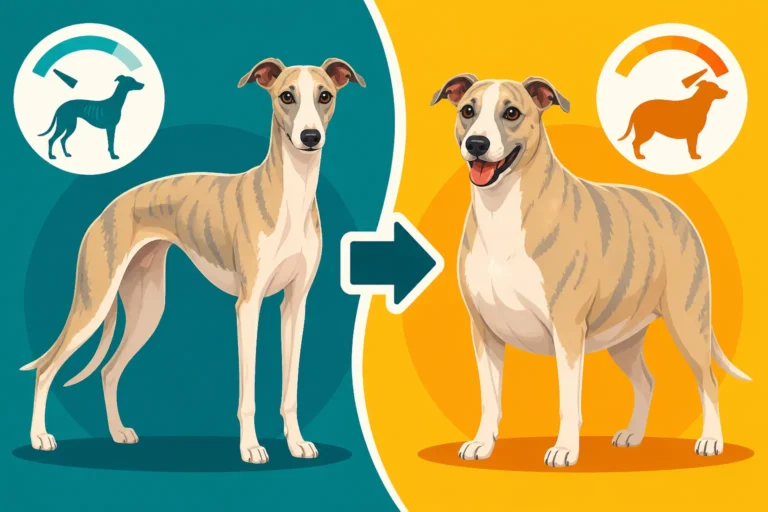
When you look at a Whippet, you see bone and muscle, not much else. This isn't because they're starved or unhealthy, but because their breed standard and athletic purpose dictates a very lean physique. Unlike breeds developed to work in harsh climates, such as a Husky or a Newfoundland, Whippets do not have layers of insulating fat under their skin. Their metabolism is incredibly efficient at converting food directly into energy for those famous sprints, rather than storing it as adipose tissue.
This physiological trait means they have virtually no internal padding to protect them from cold. It’s why you can almost always see a healthy Whippet’s ribs, and often their hip bones and spine, even when they're at a perfectly healthy weight. Strangers might even comment on it, mistakenly thinking your dog is underweight, but it’s just how they’re built. This extreme leanness, while a hallmark of the breed, leaves them vulnerable when temperatures drop, or they are exposed to the elements without protection. If you're ever concerned about their body condition, you can always refer to guidelines on Why a Whippet Has So Little Body Fat to understand what a healthy Whippet looks like.
The Minimalist Whippet Coat
Beyond the lack of body fat, a Whippet's coat offers minimal protection. It’s incredibly fine, short, and single-layered, lacking the dense undercoat that insulates many other dog breeds. Imagine wearing a thin t-shirt in winter – that’s roughly the equivalent of a Whippet's natural defense against the cold. This sleek, velvety coat feels wonderful to the touch, but it’s designed for aerodynamics, not warmth.
It provides little barrier against wind, rain, or snow, and certainly no warmth in chilly temperatures. If your Whippet steps outside into a brisk breeze without a coat, you’ll quickly see them shiver and hunch, trying to conserve every bit of body heat. They don’t have the luxurious double coats of breeds like a German Shepherd or a Golden Retriever, which act like natural parkas, shedding water and trapping warm air close to the body. For a Whippet, every gust of wind and drop of rain cuts straight through to their skin, making prolonged outdoor exposure a quick path to discomfort and potential hypothermia.
Feeling the Cold More Acutely
It’s not just that Whippets can’t stay warm; they also feel the cold much more intensely than many other dogs. They have a naturally lower resting body temperature compared to some other breeds, and their high surface area to mass ratio means they lose heat more rapidly. This is why a Whippet might be shivering in a room where you feel perfectly comfortable, or why they instinctively seek out sunbeams, blankets, or the warmest lap available.
They are masters of finding the coziest spot in the house, burrowing deep under blankets or snuggling tightly against you. This isn't just a quirky habit; it's an instinctual drive to regulate their body temperature. Ignoring this need and forcing them into a cold environment for extended periods can lead to chronic discomfort, stress, and even serious health issues. Understanding their susceptibility is key to differentiating a truly cold dog from one who might be nervous, as detailed in Telling a Cold Whippet From a Nervous One.
The Vulnerability of a Whippet's Skin and Coat
Beyond just feeling the cold, a Whippet's delicate skin and minimalist coat make them prone to injuries and irritations that are less common in breeds with more robust protection.
Thin Skin and Its Risks
Whippets have incredibly thin skin, almost paper-like in its delicacy. It's tightly stretched over their lean musculature with very little subcutaneous fat to act as a buffer. While this contributes to their streamlined appearance and agility, it also means their skin is highly susceptible to tears, cuts, and punctures. A slight bump against a sharp object, a rough play session with another dog, or a brush with thorny bushes during a zoomie can result in a trip to the vet for stitches.
This fragility makes them particularly ill-suited for unsupervised outdoor living where they might encounter all sorts of hazards, from sharp branches to unknown terrain. Even in a seemingly safe yard, a misjudged jump or a tumble could lead to a laceration that would barely scratch a thicker-skinned dog. The vet bills for these kinds of "oops" moments can add up, highlighting the importance of understanding why The Thin Skin That Sends a Whippet to the Vet for Stitches is such a common issue.
Pressure Sores and Bare Bones
With such minimal body fat, a Whippet’s bony prominences – elbows, hips, hocks, and spine – are barely padded. This means that if they lie on hard surfaces for extended periods, they are highly prone to developing pressure sores. These sores, often called calluses, can become painful, cracked, and even infected if not properly managed. For a Whippet, a cold, hard concrete floor or bare ground outside would be a constant source of discomfort and a breeding ground for these issues.
This is why soft bedding is not a luxury but a necessity for Whippets. They need ample, cushioned places to rest, both indoors and out. Leaving a Whippet to sleep on unforgiving surfaces outdoors for hours on end would inevitably lead to chronic pain and skin problems. You can explore this further in The Pressure Sores a Whippet Gets From Sleeping on the Floor.
Sunburn Risk for Pale Areas
While we often think of Whippets needing protection from the cold, their thin coats and often pale, exposed skin also make them surprisingly vulnerable to sunburn. Areas with sparse hair, like their bellies, inner thighs, ears, and noses, can easily burn with prolonged exposure to direct sunlight. Just like humans, repeated sunburn can be painful in the short term and, over time, increase the risk of skin cancers.
An outdoor Whippet, left to bake in the sun, especially during peak UV hours, is at significant risk. Their short coats don't provide the same shading as longer, denser fur, and their natural desire to sunbathe means they might not move themselves out of harm's way until it’s too late. Keeping them primarily indoors or ensuring shaded outdoor areas are readily available is crucial. Understanding Where a Whippet Sunburns can help you protect them even during short outdoor excursions.
Whippets and Extreme Weather Conditions
No matter where you live, extreme weather will eventually make an appearance. For a Whippet, these conditions are not just inconvenient but can be dangerous.
Surviving the Winter Chill
Winter is arguably the most challenging season for a Whippet. Their complete lack of insulation means they are ill-equipped to handle even moderately cold temperatures, let alone freezing conditions, snow, or ice. Hypothermia can set in quickly, even with a coat on, if they are left outside too long. Their shivering becomes uncontrollable, their movements become sluggish, and their body temperature drops to dangerous levels.
This is why a robust wardrobe is absolutely essential for Whippets in cooler climates. They need warm coats for walks, often multiple layers or specialized winter gear, and many owners even provide indoor sweaters or pajamas to keep them comfortable in chilly homes. The Wardrobe a Whippet Needs Because It Has No Body Fat isn't an exaggeration – it's a statement of fact for keeping these dogs safe and comfortable. Even a quick potty break on a frosty morning can be an ordeal without proper protection.
Handling Summer Heat
While we've focused heavily on the cold, Whippets are not immune to the dangers of summer heat either. Their lean build means they don't have a lot of fat to insulate them from any extreme temperature, and direct sun exposure can quickly lead to overheating, especially if they are exercising. Their short coat does little to reflect sunlight or provide a barrier against UV rays, and their delicate skin, as mentioned, can easily sunburn.
Though they might enjoy basking in a warm sunbeam indoors, prolonged exposure to intense outdoor heat can lead to heatstroke, particularly if they don't have constant access to shade and fresh water. It's a fine balance, as they love warmth but can also quickly suffer when temperatures soar. Protecting them from direct, intense sunlight is just as important as protecting them from the cold. For more insights on this, you can read How a Whippet Handles Summer Heat.
Rain, Snow, and Discomfort
Most Whippet owners can attest to their dogs’ profound aversion to anything wet or cold underfoot. Rain or snow often brings out a comical stubbornness where they will refuse to toilet, stand frozen at the door, or perform the quickest "potty dash" imaginable before bolting back inside. Their short coats offer no water resistance, meaning they get soaked to the skin instantly, and the cold, wet sensation is deeply unpleasant for them.
Leaving a Whippet outdoors in the rain or snow would not only make them miserable but could also lead to health issues like colds, hypothermia, or even frostbite on delicate areas like their ears. They are simply not built for it, and their refusal to engage with such weather is a clear sign of their discomfort. Many owners find creative solutions, like covered potty areas, but the underlying truth is that a wet, cold Whippet needs to be inside, warm, and dry as quickly as possible. This reluctance to go out in inclement weather is so common it's discussed in The Whippet That Will Not Toilet in the Rain.
The Mental and Emotional Impact of Outdoor Living on a Whippet
Beyond the physical vulnerabilities, Whippets are deeply sensitive and social creatures who thrive on companionship and comfort. Isolating them outdoors can have severe detrimental effects on their mental and emotional health.
The Need for Connection and Comfort
Whippets were bred to be close companions, literally sharing the beds of their working-class owners in centuries past. This history has ingrained in them a profound need for human connection and physical closeness. They are often described as "velcro dogs" because they love to be near their people, whether it’s lounging on the sofa, following you from room to room, or snuggled up in bed. They are highly attuned to human emotions and draw comfort from being part of the family unit.
Living outdoors, separated from their human pack, directly contradicts this fundamental aspect of their nature. It leads to loneliness, anxiety, and a deep sense of abandonment. A Whippet left outside for extended periods will likely become withdrawn, distressed, or even destructive in their attempts to alleviate their unhappiness. Their happiness is intrinsically linked to being an integral part of their family, as is common for sighthounds. Understanding How a Whippet Bonds to One Person highlights just how crucial this connection is.
Stress and Behavioral Issues
The stress of isolation and discomfort stemming from outdoor living can manifest in a variety of negative behavioral issues. A Whippet who is constantly cold, lonely, or anxious may develop destructive habits, barking excessively, digging, or chewing things they shouldn't. This isn't out of malice, but an expression of their profound distress and an attempt to cope with an environment that doesn't meet their needs.
Furthermore, a Whippet kept outdoors might become shy, fearful, or even aggressive due to lack of proper socialization and positive human interaction. They miss out on the crucial daily routines, interactions, and comforts that build a secure and well-adjusted companion. These behavioral problems are often symptoms of a deeper underlying unhappiness and can be incredibly challenging to resolve once established. Severe cases can even lead to Separation Anxiety in a Whippet, making future adjustment to an indoor life even harder.
Safety from Predators and Theft
While perhaps less directly related to their physiology, the safety implications of leaving a Whippet outdoors are also significant. Whippets are relatively small, gentle dogs, and their trusting nature can make them vulnerable. Depending on your location, there could be risks from local wildlife like coyotes, foxes, or even large raptors, especially if the dog is left unsupervised.
Perhaps even more concerning is the risk of theft. Whippets are a desirable breed, and an unsupervised dog, particularly one left alone outside, can be an easy target for opportunistic thieves. Losing your beloved companion to theft is a devastating prospect that no owner wants to face. Keeping your Whippet securely indoors, where they are protected from both environmental hazards and malicious intent, is simply the safest choice.
Practical Considerations for Keeping a Whippet Warm and Safe Indoors
Since outdoor living is not an option for a Whippet, focusing on creating a comfortable and safe indoor environment is paramount. It’s about understanding their specific needs and meeting them with thoughtful care.
Essential Indoor Comforts
For a Whippet, comfort is king. Given their lack of body fat and thin skin, soft, plush bedding is not a luxury; it's a necessity. They need multiple soft spots around the house where they can rest without putting pressure on their bony joints. Think memory foam beds, thick dog beds with bolsters, and plenty of blankets for burrowing. They will gravitate towards these spots, and you'll often find them snuggled deep under a throw blanket, even on a mild day. Many owners find themselves constantly buying new beds or blankets, which is a common Whippet owner experience, perfectly summed up in The Beds a Whippet Owner Keeps Buying.
Consider where your Whippet sleeps at night. They will almost certainly prefer to sleep in your bedroom, often on or in your bed, as this provides maximum warmth and closeness. If a heated dog bed or a cozy sweater is something they appreciate indoors, it’s a good indication of their ongoing need for warmth. Brands like Chewy and Amazon offer a wide array of orthopedic and memory foam beds perfect for Whippets, as well as an endless supply of soft blankets and sweaters to keep them toasty.
Managing Their Indoor/Outdoor Needs
Even though they live indoors, Whippets still need regular outdoor exercise and potty breaks. Managing this, especially in inclement weather, requires a bit of planning. On rainy or snowy days, a quick dash outside with a warm, waterproof coat might be all they're willing to do. Some owners create covered potty areas to make these trips more appealing. Indoor play, training sessions, or puzzle toys can help burn off energy when outdoor excursions are limited.
It’s about balancing their need for mental and physical stimulation with their aversion to uncomfortable weather. A few short, brisk walks with appropriate outerwear are often better than one long, miserable slog. Ensuring they have a cozy "landing pad" immediately upon returning inside, like a warm blanket by the door, can also make a big difference in their willingness to venture out.
Diet and Overall Health for a Lean Breed
A proper diet is fundamental to supporting a Whippet's overall health and helping them maintain their naturally lean, muscular physique. While they are not meant to carry excess fat, ensuring they receive adequate nutrition to support their energy levels and maintain a healthy weight is crucial. A diet rich in high-quality protein and appropriate fats will fuel their bursts of speed and keep their coat and skin healthy.
For an athletic breed that sprints and then sleeps, their energy needs can fluctuate. It’s important to find a food that provides consistent, balanced nutrition without promoting unhealthy weight gain. Some owners explore fresh food options, like those offered by Ollie, to ensure their Whippets are getting nutrient-dense meals. Regular body condition scoring, often done by feeling their ribs, can help you monitor their weight. If you're feeding a Whippet that is very active or engaged in racing, you might need to adjust their caloric intake accordingly, as discussed in Feeding a Whippet That Sprints and Then Sleeps. A healthy, well-fed Whippet is a happy Whippet, and a healthy indoor environment ensures they can thrive.
| Feature | Whippet (Indoor Dog) | General Outdoor Dog (e.g., Husky, Livestock Guardian) |
|---|---|---|
| Body Fat/Insulation | Minimal fat, thin skin | Thick fat layers, dense undercoat |
| Coat Type | Single, fine, short | Double-coated, water-resistant, thick |
| Cold Tolerance | Very low, prone to hypothermia | High, thrives in cold |
| Heat Tolerance | Moderate, prone to sunburn/overheating | Moderate to high, requires shade |
| Skin Fragility | High, prone to tears/sores | Lower, more resilient |
| Need for Soft Bedding | Essential | Prefer soft, but can tolerate harder surfaces |
| Social Needs | High, requires constant companionship | Can be more independent, comfortable alone |
| Weather Aversion | Strong aversion to rain/snow | Often enjoys inclement weather |
| Vulnerability | High (theft, predators, injury) | Lower, more self-sufficient |
| Health Risks Outdoors | Hypothermia, frostbite, sunburn, skin tears, pressure sores, anxiety | Heatstroke, parasites, loneliness if not suited |
Disclaimer
This article is for general informational purposes only and does not constitute professional advice. Laws, prices and regulations vary by location and change over time. Consult a qualified professional for guidance on your specific situation.