The Shift to Breeding Whippets for Show
Formal breed standards and organized exhibitions gradually shifted Whippet breeding priorities from working tasks toward conformation competition.
Is this the right one for you?
Origins and temperament, size and coat, what living with one is actually like, and how it compares to the breeds people weigh against it.
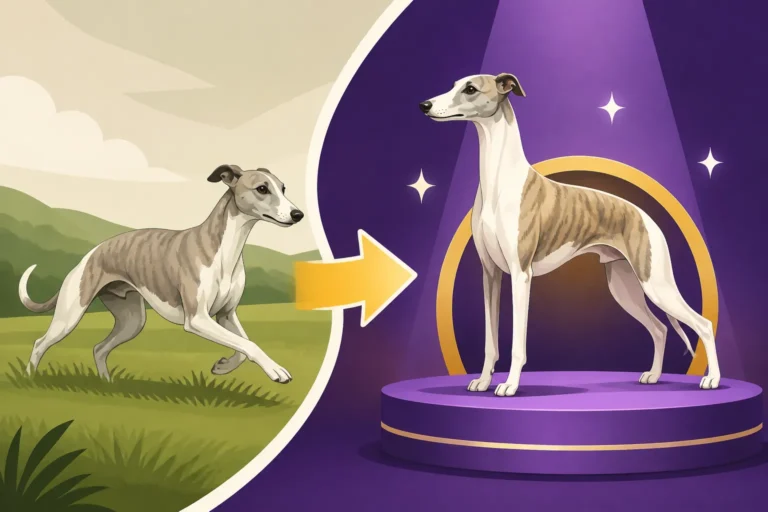
Formal breed standards and organized exhibitions gradually shifted Whippet breeding priorities from working tasks toward conformation competition.

Whippet genetic health involves assessing breeding practices, family history, and specific inherited conditions rather than relying on a single test result.

Whippet popularity trends depend on breed traits, exercise needs, and prey drive considerations for prospective owners.

Whippet owner experiences reveal why people value the breed, what causes hesitation, and how traits match everyday life.

Whippet owners often add a second dog for companionship and learn how households change when managing two animals.

Solo Whippets can thrive with human companionship and routines, but individual needs vary based on age and behavior.
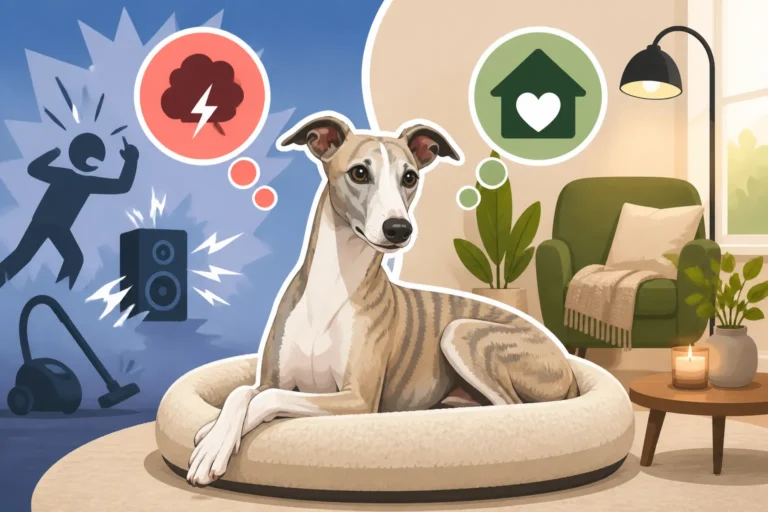
Quiet living with a Whippet involves indoor rest, safe sprinting opportunities, comfortable resting spots, and proper alone time.

Cold weather care for a Whippet involves adapting home routines, winter clothing, and outdoor activity for lean dogs.

Whippet ownership for full-time workers requires planning for daily company, exercise, bathroom breaks, and reliable midday visits.

Whippet and cat compatibility depends on sighthound chase instincts, individual history, and careful household management of interactions.