Keeping Weight On a Whippet Without Making It Fat
It’s a scenario many of us Whippet owners know all too well: you’re out walking your beautiful, athletic companion, and a well-meaning stranger stops you to ask, "Is that dog eating enough? He looks so thin!" Or maybe you’ve caught yourself in the mirror, looking at your own Whippet, and despite knowing they're supposed to be lean, a little doubt creeps in. Keeping a Whippet at their ideal, healthy weight without crossing the line into unhealthy thinness or, conversely, making them chunky (which is just as bad for a sighthound!) can feel like walking a tightrope. This comprehensive guide is here to help you navigate those tricky waters, offering practical advice and empathetic understanding for ensuring your Whippet is nourished, healthy, and perfectly balanced.
Understanding the Whippet Physique: Built for Speed, Not Chubs
One of the biggest hurdles for new Whippet owners, and even seasoned ones, is understanding what "healthy" looks like for this unique breed. They are not built like a Labrador or a bulldog; their very anatomy is designed for bursts of incredible speed, which means a lean, athletic build.
The Natural Thinness of a Sighthound
Let’s be honest, Whippets look skinny to the uninitiated. Their ribs are often visible, their hip bones might poke out delicately, and their waists tuck up dramatically. This isn't a sign of neglect; it's a hallmark of their sighthound heritage. These dogs were bred for speed and agility, and excess body fat would simply slow them down. Imagine a marathon runner or a sprinter – they're incredibly lean, with visible musculature and very little padding. Your Whippet is the canine equivalent.
The frustration of having people comment on your dog’s weight is real. You feed them well, you love them, and you know they're healthy, but the societal norm of what a "healthy" dog should look like often conflicts with the Whippet's natural physique. It's important for us as owners to recognize this difference and confidently advocate for our dogs. A Whippet with a visible rib cage and a deep tuck is usually a healthy Whippet. The key is to differentiate between healthy leanness and a genuinely unhealthy state. This involves more than just a glance; it requires a hands-on approach to assessing their condition.
How to Assess Your Whippet's Body Condition Score (BCS)
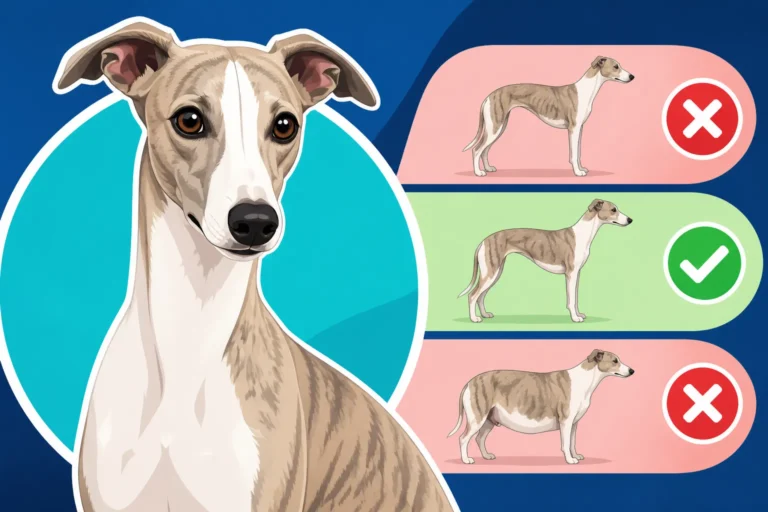
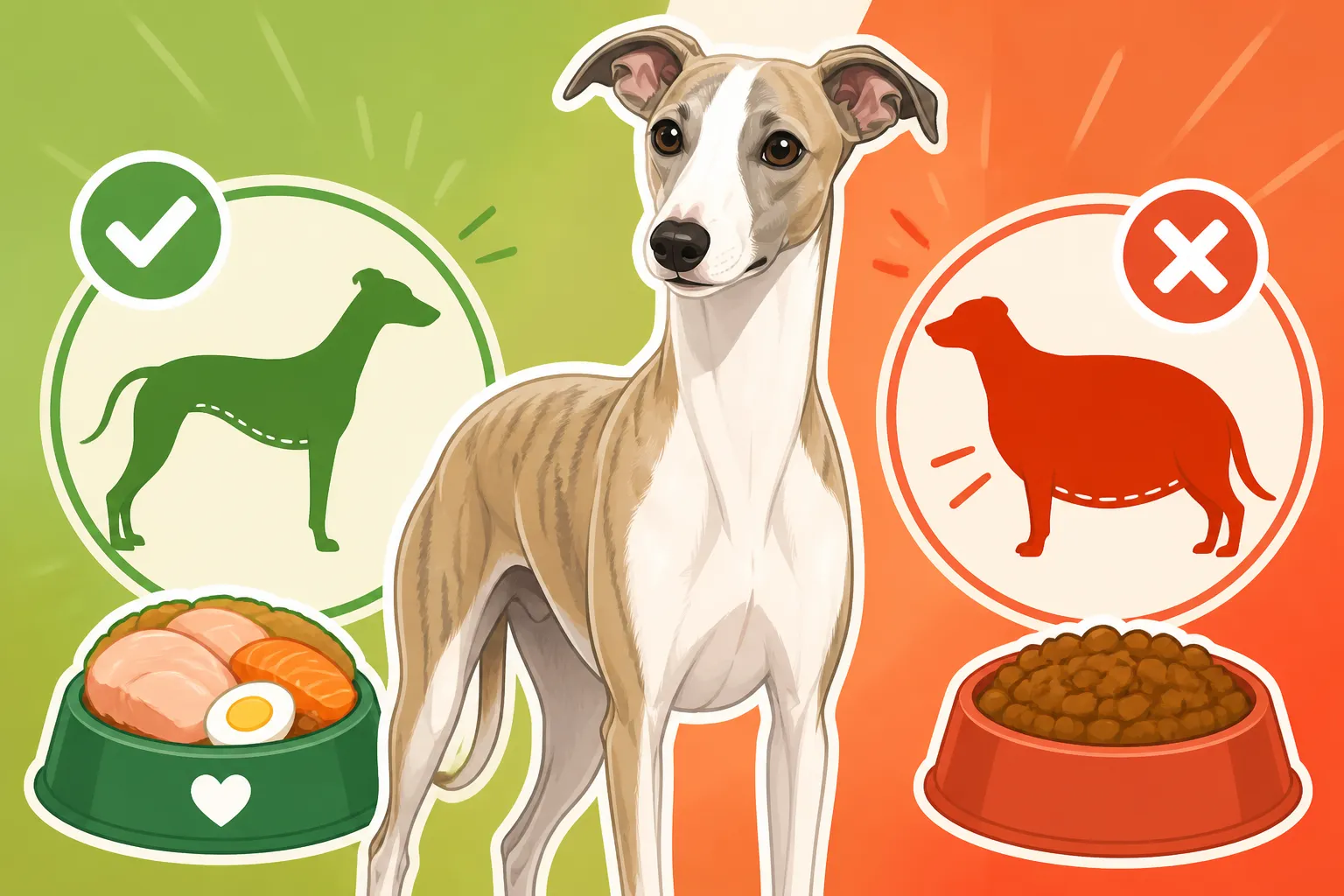
Since visual cues alone can be misleading to the untrained eye (including our own when doubt creeps in!), a more objective tool is the Body Condition Score (BCS). This system helps you evaluate your dog's fat reserves by both looking and feeling. For a Whippet, an ideal BCS is typically leaner than for many other breeds. You should be able to easily feel their ribs, but they shouldn't protrude sharply without any overlying tissue. When looking down at your Whippet from above, you should see a distinct waist, like an hourglass shape. From the side, their abdomen should tuck up noticeably from their chest.
Many veterinary scales go from 1 to 9, where 1 is emaciated and 9 is obese. For a Whippet, a BCS of 4 or 5 out of 9 is generally considered ideal, whereas for many other breeds, a 5 might be considered a little on the lean side. This means that if you can easily feel individual ribs, see a distinct waist, and a good abdominal tuck, you’re likely right where you want to be. It’s a good idea to consult What Body Condition Score a Whippet Should Be for more detailed guidance on how to accurately score your dog. Regularly checking their BCS helps you track changes and make informed decisions about their diet, rather than relying purely on the number on the scale or someone else's opinion.
When Thin Becomes a Concern
While leanness is normal, there's a point where "thin" tips into "too thin," and that's when you need to pay close attention. A genuinely underweight Whippet might show more than just visible ribs. Look for a pronounced spine and hip bones that are very sharp and lack any muscle or fat covering. Their muscle mass might appear wasted, especially over their hindquarters. Other signs could include a dull, dry coat, flaky skin, lethargy, poor energy levels (even for a Whippet!), or a lack of interest in food. If your Whippet is genuinely too thin, they might also be more prone to cold, shivering frequently even indoors.
These signs warrant a vet visit immediately. Underlying health issues like parasites, dental pain, digestive problems, or even more serious conditions can lead to unhealthy weight loss. A vet can help rule out these medical causes and guide you on a safe plan for healthy weight gain. Remember, simply piling on more food without addressing the root cause won't solve the problem and could even exacerbate it, especially if there's a digestive issue at play. It's crucial to understand Why a Whippet Is Genuinely Too Thin before implementing any drastic dietary changes.
Nutritional Foundations: Fueling a Sprinter's Metabolism
Feeding a Whippet isn't just about putting food in a bowl; it's about providing the right kind of fuel for their unique metabolism and energy needs. They are sprinters, not endurance runners, meaning they need readily available energy but can also quickly convert excess into fat if not managed properly.
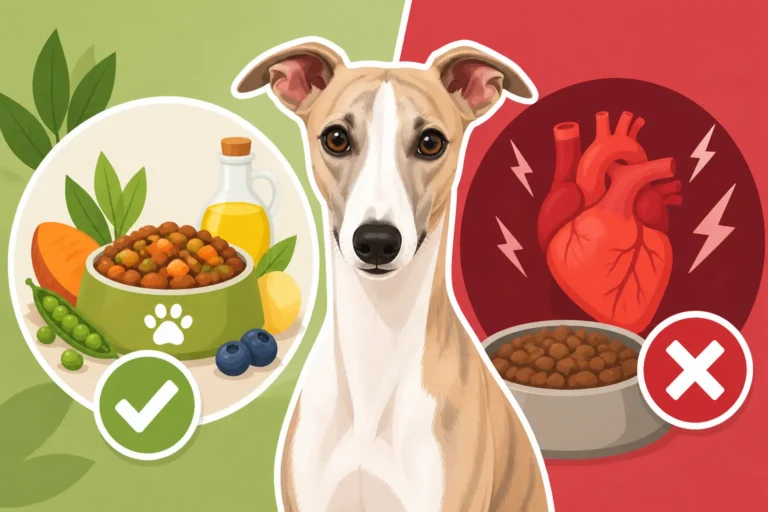
High-Quality Protein and Fat for Energy
For a Whippet, high-quality protein and healthy fats are absolutely non-negotiable. Protein is the building block for their lean, powerful muscles, helping them maintain that athletic physique. Look for dog foods where a named meat source (like "chicken meal," "lamb," or "salmon") is the first ingredient, and ideally, the first few ingredients. Generic "meat meal" or too many plant-based proteins can be less digestible or bioavailable for your carnivore.
Healthy fats, on the other hand, provide a concentrated source of energy without adding bulk to their diet. This is crucial for keeping weight on without having to feed massive volumes of food. Omega-3 fatty acids, often found in fish oil, also contribute to skin and coat health, which is particularly important for Whippets with their delicate skin and minimal fur. Animal fats, like chicken fat, are highly palatable and digestible sources of calories. Balancing these two macronutrients ensures your Whippet has the fuel for their bursts of activity and the building blocks for muscle maintenance.
Calorie Density vs. Volume
When you're trying to put weight on a Whippet, the instinct is often to just scoop more kibble into the bowl. However, this isn't always the most effective or even healthy approach. Whippets, despite their athletic build, often have relatively small stomachs, and over-filling them can lead to discomfort, gas, or even a complete refusal to eat. Instead of focusing on sheer volume, think about calorie density.
This means choosing foods that pack more nutritional punch into a smaller serving. A premium kibble formulated for active breeds, often with higher fat content, can be a great starting point. Alternatively, wet food, fresh food diets, or even raw diets can be very calorie-dense and often more palatable. For example, some owners find success with commercially prepared fresh food options that are specifically designed to be highly digestible and nutrient-rich, delivering more calories per bite than some standard kibbles. If you're considering a raw diet, be sure to research Whether a Whippet Can Be Fed Raw thoroughly to ensure it's balanced and safe. Similarly, exploring options like Whether Fresh Food Suits a Whippet might open up new avenues for calorie-dense nutrition. The goal is to maximize nutrition and calories without overwhelming their digestive system or appetite with too much bulk.
The Right Feeding Schedule
Consistency in feeding is paramount, especially for a breed that can sometimes be a bit particular about their meals. For most adult Whippets, two meals a day is ideal. This helps regulate their metabolism, prevents them from getting too hungry (which can sometimes lead to gulping food too fast or even refusing it), and distributes their caloric intake throughout the day. If you have a puppy, they’ll naturally need more frequent, smaller meals, typically three to four times a day, gradually reducing to two as they mature.
A set schedule helps establish a routine, which many dogs thrive on. Feeding around the same time each morning and evening allows their digestive system to anticipate meals, potentially improving appetite and digestion. Avoid leaving food out all day, especially if your Whippet is a picky eater, as this can lead to grazing and a lack of enthusiasm for mealtime. If they don't finish their meal within a reasonable timeframe (say, 15-20 minutes), pick it up and offer it again at the next scheduled feeding. This teaches them to eat when food is available. For more details on scheduling, you might find How Many Meals a Day a Whippet Needs helpful.
Strategies for Encouraging Appetite in a Picky Whippet
It's a common frustration: you've bought expensive, high-quality food, and your Whippet just sniffs it and walks away. Dealing with a picky eater can be incredibly stressful, especially when you're trying to maintain their ideal weight.
Why Some Whippets Are Fussy Eaters
Whippets can be notorious for being fussy eaters, and it's not always a sign of illness. Sometimes it’s simply their personality, a trait that can be exacerbated by overly concerned owners. They might get bored with the same food, be sensitive to even subtle changes in ingredients or formulation, or simply not be "food motivated" in the same way a Labrador might be. Stress or anxiety, even mild forms, can also suppress appetite. Some Whippets might also be reacting to a perceived discomfort during eating, such as an uncomfortable feeding position, or even a sensitive stomach that's telling them something isn't quite right.
It's important to remember that a healthy Whippet won't starve themselves. If they are consistently skipping meals but otherwise seem bright and energetic, it might just be a behavioral quirk. However, a sudden, complete loss of appetite, especially coupled with other symptoms, always warrants a vet visit. But for the regular "sniff and walk away" routine, it's often about making mealtime more appealing. Understanding Why a Whippet Is a Picky Eater is the first step to finding a solution.
Making Meals More Enticing
When your Whippet turns up their delicate nose at their dinner, it's time to get creative. One of the most effective ways to boost palatability is through toppers. A splash of warm, low-sodium chicken or beef broth can work wonders, as can a spoonful of plain, unsweetened pumpkin puree (great for digestion too!). Many owners find success mixing in a little high-quality wet food with their kibble. Even a small amount of cooked, shredded chicken or boiled egg can make a difference. If you're exploring fresh food options for palatability and calorie density, brands like Ollie offer human-grade fresh food that can be incredibly appealing to picky eaters. You can even find a wide variety of suitable toppers and high-quality foods on Chewy or Amazon.
Another trick is to warm the food slightly. Just a few seconds in the microwave can release aromas that stimulate appetite, making the meal much more appealing. Warming Food to Get a Whippet Eating is a simple yet often overlooked method. Sometimes, a bit of variety helps, but introduce new foods gradually to avoid upsetting their sensitive stomach. Rotate between a couple of different high-quality kibble flavors or protein sources every few months if your Whippet gets bored easily.
Avoiding Food Aversion and Stress
Mealtime should be a positive, calm experience for your Whippet. If you find yourself hovering, coaxing, or getting frustrated, your dog will pick up on that stress, which can ironically decrease their appetite further. Create a quiet, designated feeding area where they can eat undisturbed. Avoid rushing them or staring intently while they eat. If you have multiple pets, ensure they have separate, safe spaces to eat without competition or anxiety.
For extremely shy or anxious eaters, hand-feeding a few pieces of kibble or mixed food can help build a positive association and encourage them to start. It creates a bond and shows them the food is safe and good. This might not be a long-term solution, but it can be a valuable tool to kickstart their appetite. Hand Feeding a Reluctant Whippet can be surprisingly effective for some. The goal is to make eating a pleasant and low-pressure activity, so your Whippet feels secure enough to enjoy their meal.
Smart Supplementation and Healthy Weight Gainers
Sometimes, even with the best food and feeding strategies, a Whippet might need a little extra nudge to gain or maintain weight. This is where smart supplementation and healthy additions can come into play, but always with caution and ideally, vet guidance.
When Supplements Can Help (and When They Can't)
Supplements should never be a replacement for a balanced, high-quality diet, but they can certainly fill nutritional gaps or provide a caloric boost. Healthy fat supplements, like fish oil (rich in Omega-3s) or a small amount of coconut oil, can add easy calories and provide benefits for skin, coat, and general health. For Whippets with sensitive stomachs or those who struggle with nutrient absorption, a probiotic can be a game-changer. Probiotics support gut health, which is directly linked to how well your dog digests food and absorbs vital nutrients. Whether a Whippet Needs a Probiotic is a question many owners ponder, and often, the answer is yes, particularly if you notice any digestive upset or struggle to maintain weight.
However, it's crucial to avoid over-supplementation or giving supplements without understanding their purpose. More isn't always better, and an unbalanced supplement regimen can do more harm than good. Always choose reputable brands and consult with your vet before introducing any new supplement, especially if your Whippet has existing health conditions.
High-Calorie Additions and Toppers
Beyond basic supplements, certain whole food additions can significantly increase the calorie count of your Whippet's meals in a healthy way. These aren't just for picky eaters; they're excellent for any Whippet needing a bit more fuel.
Consider:
- Cooked Eggs: A fantastic source of protein and healthy fats. Scrambled or boiled, they're often a huge hit.
- Cottage Cheese/Plain Yogurt: Offers protein and probiotics. Ensure it's plain and unsweetened.
- Canned Pumpkin (puree, not pie filling): Low calorie, but excellent for digestive health, which can indirectly help with nutrient absorption and weight maintenance.
- Goat's Milk: Highly digestible and calorie-rich, a great option for sensitive stomachs.
- Oatmeal: Cooked plain, a small amount can add some complex carbs and fiber.
When it comes to commercial products, you might find specific "weight gainer" formulas for dogs on sites like Chewy or Amazon. These are often high in calories and designed to be added to regular food. Always read the ingredient list carefully and introduce them slowly. Remember Whether a Whippet Needs a Topper on Its Kibble is often answered with a resounding yes when you're focused on healthy weight gain!
Monitoring Progress and Adjusting
Adding calories isn't a "set it and forget it" process. You need to consistently monitor your Whippet's weight and body condition. Weekly weight checks (if your vet has a scale you can use, or if you can weigh yourself with and without your dog) are helpful. More importantly, continue to perform regular BCS checks. Are their ribs still easily felt but not sticking out sharply? Is their waist still defined?
If your Whippet starts gaining weight too quickly or if their waist begins to disappear, it's a sign to gradually reduce the caloric additions. Similarly, if they're not gaining weight after a few weeks, you might need to increase the additions slightly. Small, incremental changes are best to avoid digestive upset. Keeping a log of their weight, food intake, and any changes in activity can be incredibly valuable data to share with your veterinarian, who can provide tailored advice and ensure your Whippet is on the right track.
Exercise and Rest: Balancing Energy Expenditure
It's a common misconception that Whippets need endless exercise. While they are built for speed, they are also supreme athletes who understand the value of a good rest. Balancing their high-energy bursts with ample recovery time is key to weight management.
Effective Exercise Without Excessive Calorie Burn
A Whippet's exercise needs are often misunderstood. They are sprinters, designed for short, explosive bursts of speed. Think of them as the 100-meter dash champions of the dog world, not marathon runners. A good 15-20 minute sprint session in a securely fenced area, chasing a lure or playing with another sighthound, can satisfy their instinct and burn off pent-up energy without excessively depleting their calorie reserves for the day. This type of exercise builds and maintains their lean muscle mass, which is critical for a healthy weight.
Long, continuous jogs or hikes, while seemingly healthy, can actually be counterproductive if your goal is to help your Whippet gain or maintain weight. These activities burn a lot of calories over an extended period, which means you'll have to feed even more to compensate. Instead, focus on quality over quantity: intense, short bursts of running, followed by periods of rest. This is often enough to keep them happy and fit without turning them into a calorie-burning furnace. For more on their specific needs, look into How Much Exercise a Whippet Really Needs.
The Importance of Rest and Recovery
After their thrilling sprints, Whippets transform into world-class nappers. They are truly the "40-mile-an-hour couch potatoes." This significant amount of rest isn't just a charming quirk; it's a physiological necessity. Adequate sleep and downtime are crucial for muscle repair, energy conservation, and overall health. When a dog is constantly on the go, their body is in a higher metabolic state, burning more calories and potentially making it harder to gain or maintain weight.
Allowing your Whippet to snooze away for large parts of the day helps them convert food into muscle and healthy fat reserves, rather than simply burning it all off. They need a quiet, comfortable environment where they can truly relax and recuperate. Don’t underestimate the power of a good nap for your Whippet’s well-being and weight management strategy. You might be surprised by How Many Hours a Day a Whippet Sleeps – it's often more than you think!
Providing Optimal Comfort for Rest
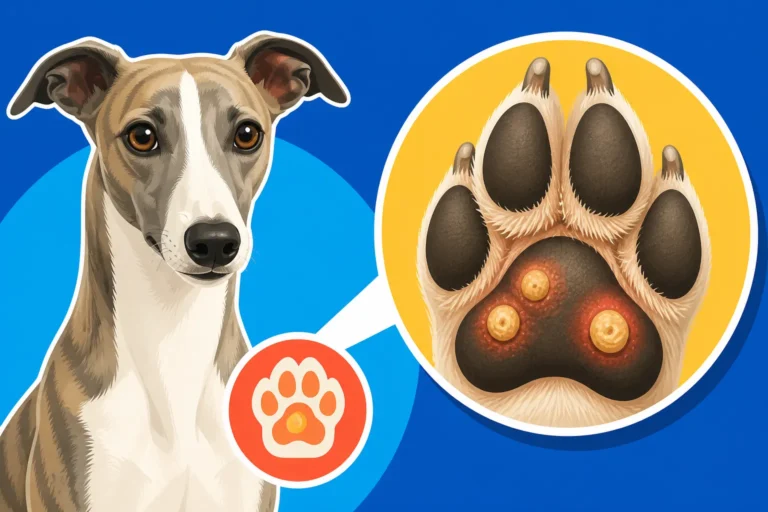
Given their minimal body fat and thin skin, comfort during rest is non-negotiable for a Whippet. They are prone to developing pressure sores and calluses, especially on bony prominences like elbows, hocks, and hips, if they routinely sleep on hard surfaces. This isn't just about comfort; it's about preventing painful skin issues that can lead to infections and further health complications.
Every Whippet owner knows the struggle of finding enough soft places for their dog. Beds, cushions, blankets, and plush mats should be strategically placed throughout your home, anywhere your Whippet might choose to lie down. Think memory foam, thick orthopedic beds, and soft blankets for burrowing. Why a Whippet Cannot Sleep on a Hard Floor isn't just a preference; it's a health imperative. Investing in quality bedding is not a luxury, but a necessity for their physical well-being. For ideas on what types of beds are best, you might want to read The Beds a Whippet Owner Keeps Buying. Also, remember that Whippets feel the cold easily, so ensure their resting spots are warm and free from drafts, especially in cooler climates or seasons.
Addressing Underlying Health Issues and Vet Consultations
Sometimes, despite all your best efforts, a Whippet struggles to maintain a healthy weight. In these cases, it’s critical to look beyond diet and exercise to potential underlying health issues that might be at play.
Ruling Out Medical Causes for Low Weight
If your Whippet is consistently underweight, or if they suddenly lose weight, the first and most important step is always a thorough veterinary check-up. Many medical conditions can manifest as weight loss or an inability to gain weight, even with adequate food intake. These can include:
- Internal Parasites: Worms can steal nutrients, preventing your dog from absorbing what they need. A routine deworming or fecal test can identify this.
- Dental Disease: Painful teeth, gum disease, or oral infections can make eating uncomfortable, leading to reduced intake.
- Gastrointestinal Issues: Conditions like inflammatory bowel disease (IBD), malabsorption disorders, or pancreatic insufficiency can hinder nutrient absorption.
- Thyroid Problems: While Whippets often have The Hypothyroidism a Whippet Does Not Have that is commonly seen in other breeds, any endocrine imbalance can affect metabolism and weight.
- Kidney or Liver Disease: Chronic organ issues can lead to a general decline in health and muscle wasting.
- Cancer: Unfortunately, some cancers can cause rapid weight loss.
Don't guess; let your vet perform diagnostics, which may include bloodwork, a fecal exam, or other tests to pinpoint any health problems. It's especially important to remember that certain The Bloodwork Numbers That Look Wrong on a Healthy Whippet can be normal for the breed, so having a vet who understands sighthound physiology is invaluable.
The Role of a Sighthound-Knowledgeable Vet
This cannot be stressed enough: a vet who understands the unique physiology of sighthounds like Whippets is a tremendous asset. Their lean build, unique bloodwork values, and specific sensitivities (such as to certain anesthetics) mean that standard veterinary protocols or assumptions based on other breeds might not always apply. A vet familiar with sighthounds will be better equipped to interpret blood test results, assess body condition for the breed, and recommend appropriate dietary or medical interventions if your Whippet is genuinely struggling with weight.
If your current vet isn't specialized in sighthounds, it's perfectly acceptable (and often recommended) to seek a second opinion or referral to a veterinary specialist who has that expertise. Advocating for your Whippet's specific needs can make all the difference in their care. The question of Whether a Whippet Needs a Vet Who Knows Sighthounds is often answered with a resounding "yes" by experienced Whippet owners.
Dental Health and Appetite
Dental health is often overlooked as a factor in weight management, but it plays a significant role. Imagine trying to eat with a throbbing toothache or inflamed gums—you wouldn't have much appetite, right? The same applies to your Whippet. Tartar buildup, gingivitis, broken teeth, or infections can make chewing painful, leading to reduced food intake. This can be especially true if you are trying to feed kibble, which requires more chewing than softer foods.
Whippets, unfortunately, can be prone to dental issues, with Teeth Are the Whippet Problem That Sneaks Up on many owners. Their narrow jaws can sometimes lead to crowded teeth, making them more susceptible to tartar accumulation. Regular dental check-ups, professional cleanings under anesthesia when necessary, and at-home dental care (like brushing) are crucial not just for oral hygiene, but for ensuring your Whippet can eat comfortably and maintain a healthy weight throughout their life. If you're wondering Whether a Whippet's Teeth Need Scaling Often, the answer for many is yes, it's a vital part of their preventative care.
Common Pitfalls to Avoid When Managing Whippet Weight
In our eagerness to help our Whippets, it's easy to fall into common traps that can do more harm than good. Being aware of these pitfalls can help you make better, more sustainable choices.
Overfeeding vs. Smart Feeding
The most common pitfall when a Whippet owner is concerned about their dog's weight is simply dumping more food into the bowl. While it comes from a good place, overfeeding by volume, especially with a low-quality or inappropriate kibble, can lead to digestive upset rather than healthy weight gain. Your Whippet might experience gas, diarrhea, or simply refuse to eat due to an overly full or uncomfortable stomach.
Smart feeding, on the other hand, focuses on quality and density of calories, as discussed earlier. It's about providing nutrient-rich, easily digestible food that maximizes absorption without needing to feed an enormous amount. It also means adjusting portions gradually and observing your dog's response, rather than making drastic changes overnight. A sudden increase in food can overwhelm their system. It’s a marathon, not a sprint, when it comes to healthy weight gain.
The Dangers of "Quick Fix" Solutions
When we're worried, we often look for fast answers. However, "quick fix" solutions in canine nutrition can be dangerous. This includes:
- Unbalanced Homemade Diets: Unless formulated by a veterinary nutritionist, homemade diets can be severely lacking in essential vitamins and minerals, leading to deficiencies and health problems down the line, even if your dog appears to gain weight.
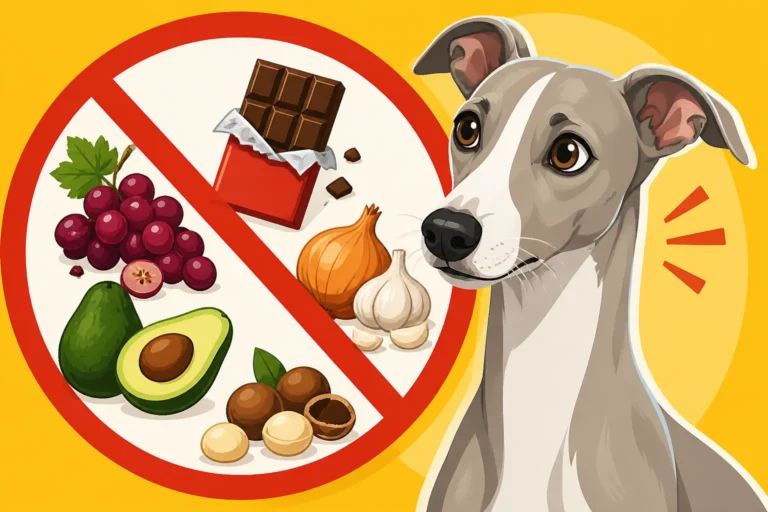
- Excessive Human Food Scraps: While a small, healthy topping can be fine, relying on table scraps for weight gain can introduce too much fat, sugar, or ingredients that are toxic or indigestible for dogs, leading to pancreatitis, obesity, or other health issues.
- Ignoring Vet Advice for Fad Diets: Be wary of trendy diets or unproven supplements promoted by non-professionals. Always discuss any significant dietary changes with your vet, especially if your Whippet has health concerns. A tailored, vet-approved plan is always the safest route.
Stress and Anxiety Impact on Weight
It’s easy to focus on the physical aspects of weight, but a Whippet’s emotional state also plays a crucial role. Stress and anxiety can have a profound impact on appetite, digestion, and metabolism. Just like humans, a stressed dog might lose their appetite, suffer from digestive upset that hinders nutrient absorption, or even burn more calories due to nervous energy.
Whippets, while generally calm indoors, can be sensitive dogs. Changes in routine, new environments, loud noises, or separation anxiety can all contribute to stress. If your Whippet suffers from Separation Anxiety in a Whippet, for example, they might eat less when alone or develop digestive issues that prevent proper weight maintenance. Creating a stable, predictable, and low-stress environment for your Whippet is just as important as the food you put in their bowl. Ensure they have safe spaces, consistent routines, and plenty of positive interaction to foster a sense of security and well-being, which will ultimately support a healthy appetite and weight.
Whippet Weight Management at a Glance
Here's a quick comparison of factors influencing a Whippet's weight and how to approach them:
| Factor | Healthy Whippet (Ideal) | Underweight Whippet (Concern) | Overweight Whippet (Avoid) |
|---|---|---|---|
| Ribs | Easily felt, sometimes visible, no sharp protrusion. | Very prominent, no fat covering, sharply defined. | Hard to feel, covered by a layer of fat. |
| Waist | Clearly visible hourglass shape from above. | Extreme tuck, very narrow. | Little to no waist definition, rectangular shape. |
| Hip Bones | Visible or easily felt. | Very prominent, sharp, lack muscle/fat. | Covered by fat, difficult to feel. |
| Muscle Mass | Well-defined and firm. | Visibly reduced, especially over hindquarters. | Obscured by fat. |
| Energy Level | Energetic bursts, then long periods of calm rest. | Lethargic, dull, weak. | Less active, heavy breathing, reluctance to move. |
| Coat Condition | Shiny, smooth, minimal shedding. | Dry, dull, flaky skin, excessive shedding. | Can be normal, but health issues may arise. |
| Diet Approach | High-quality, calorie-dense food. | Increase calorie density & palatability, rule out illness. | Reduce calories, increase activity, vet consultation. |
| Exercise Focus | Short, intense sprints & ample rest. | Gentle, short activity, focus on calorie intake. | Moderate, consistent activity to burn fat. |
| Vet Check | Annual wellness. | Immediate, to rule out underlying conditions. | Annual wellness, for guidance on safe weight loss. |
Disclaimer
This article is for general informational purposes only and does not constitute professional advice. Laws, prices and regulations vary by location and change over time. Consult a qualified professional for guidance on your specific situation.