Why a Whippet Sinks
It’s a common moment of confusion and mild alarm for many Whippet owners: you take your sleek, athletic companion to a lake or a beach, expecting them to gracefully paddle, only to watch them flounder, struggle, and seem to "sink" rather than swim. It's not just your Whippet being dramatic; there are very real, physiological reasons why these incredible land athletes often aren't natural water dogs, and understanding them is key to keeping them safe and happy around water. This guide will dive into why your Whippet might seem to sink and how you can ensure their safety near any body of water.
The Whippet's Body: A Design for Speed, Not Buoyancy
When you look at a Whippet, you see pure athleticism, built for explosive speed and agile turns. Every curve, every muscle, every bone is optimized for running on land. Unfortunately, these very same features make them less than ideal candidates for effortless swimming. Their body is a finely tuned machine, but for a different element entirely.
Streamlined Form and Low Body Fat
Think about a boat: it needs displacement and buoyancy to stay afloat. Now think about a Whippet. They have an incredibly streamlined, aerodynamic body shape, which is fantastic for cutting through the air when they're hitting top speeds. This sleekness, combined with their remarkably low body fat, means they just don't have the natural buoyancy that fluffier or more fat-insulated breeds possess. Fat acts as a natural floatation device for many animals, providing an extra layer of help in the water. Whippets simply don't have that advantage. Why a Whippet Has So Little Body Fat dives into this in more detail, explaining how their metabolism and lean physique are geared for bursts of energy, not insulation or flotation. Without much body fat, they tend to displace less water for their weight, making it harder to stay on the surface without active paddling. It's like trying to float a perfectly weighted stone versus a piece of wood – one is just naturally denser and less inclined to stay up.
Deep Chest, Narrow Hips
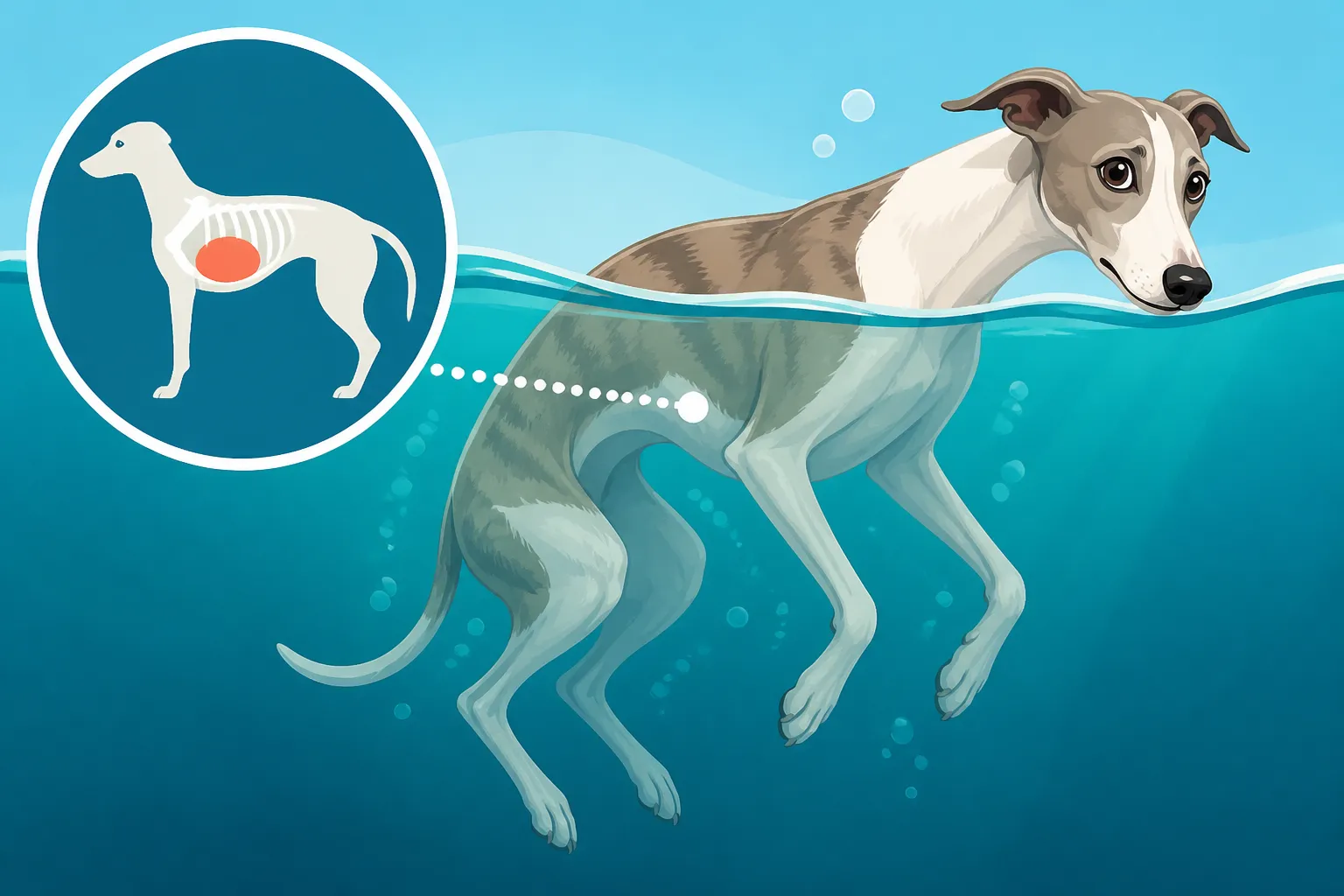
The iconic "roach" or arch in a Whippet's back, and their deep chest paired with a tightly tucked abdomen, are hallmarks of the breed's running prowess. This structure allows for an enormous lung capacity and powerful hindquarter drive, enabling those incredible sprints. However, in the water, this body shape can be a major disadvantage. The deep chest, while great for lungs, can make them tip forward in the water, causing their hindquarters to sink. Imagine trying to paddle a canoe that's much heavier at the front – it's a constant battle to stay level. Their narrow hips, designed for agility on land, don't offer much in the way of lateral stability in water. Many Whippets find themselves dog-paddling frantically but struggling to keep their bodies horizontal, leading to the perception that they are "sinking" when, in reality, they're just not built to float efficiently or maintain proper swimming posture.
Fine Bones and Muscle Density
Whippets are not fragile, despite their delicate appearance, but they do have fine, dense bone structure and compact, powerful muscles. While this contributes to their lightweight speed, it also means they have a higher muscle-to-fat ratio and generally a denser overall body composition compared to many other dog breeds. This density directly impacts their buoyancy. Dogs with lighter bone structures or more distributed muscle mass might float more easily. For a Whippet, every pound of dense muscle or bone requires more effort to keep afloat. They are designed for explosive power, which translates to moving quickly and powerfully through air and across land, not necessarily through water. This can lead to rapid fatigue if they are trying to swim without assistance, as they are expending a lot of energy just to stay on the surface.
Instinct and Inexperience: More Than Just Physiology
Beyond their physical build, there's a significant behavioral component to why many Whippets aren't keen swimmers. Unlike breeds specifically developed for water retrieval or those with a natural inclination to plunge in, Whippets often lack the innate drive or learned experience that makes swimming enjoyable and safe.
Lack of Natural Drive
Think of a Labrador retriever, splashing gleefully into a pond, or a Portuguese Water Dog, bred to assist fishermen. These breeds have a genetic predisposition and centuries of selective breeding that encourage them to enjoy and excel in water. Whippets, on the other hand, were developed for open field coursing and racing – pursuits that are entirely land-based. There's no inherent evolutionary or historical reason for a Whippet to seek out water. Their natural instincts revolve around sight-chasing and sprinting, not dog-paddling. This means that many Whippets simply don't possess the curious, adventurous spirit around water that other breeds might. If there’s no exciting prey to chase into the water, why bother? They often view large bodies of water with suspicion or indifference rather than enthusiasm.
Sensitivity to Cold and Discomfort
Whippets have incredibly thin skin and almost no insulating undercoat or body fat. This makes them highly sensitive to cold, and that includes cold water. Plunging into chilly water can be a genuinely unpleasant, even shocking, experience for them. A Whippet Has No Insulation and No Padding explains why these dogs are often seen shivering even in mild weather and why coats are a necessity for them in cooler temperatures. Cold water quickly zaps their body heat, making it uncomfortable and potentially dangerous.
Beyond temperature, the sensation of water itself can be off-putting. The feeling of being submerged, the wetness clinging to their short fur, and the struggle to stay upright can be quite startling. Some Whippets also dislike getting their ears wet, which can further contribute to their apprehension. What might be a refreshing dip for a thick-coated dog can feel like a miserable endurance test for a thinly-skinned Whippet.
The Panic Factor
A negative or overwhelming first experience with water can quickly lead to panic, reinforcing their natural disinclination to swim. If a Whippet falls into water unexpectedly, or if they are forced into it, the immediate sensation of sinking, combined with their struggle to stay level and lack of natural confidence, can trigger extreme anxiety. This panic makes it even harder for them to coordinate their movements and use what little swimming ability they might have.
Imagine feeling like you’re constantly falling or getting pulled under; it’s terrifying. For a Whippet, this can manifest as frantic splashing, struggling to climb out, or even freezing up. It’s crucial to understand that this isn’t willful defiance but a genuine fear response to an unfamiliar and potentially threatening environment. Building positive associations with water, if attempted at all, needs to be done with immense patience and care to avoid creating a lasting aversion or phobia.
Safety First: Keeping Your Whippet Safe Around Water
Given their unique physiology and often reluctant approach to water, ensuring a Whippet's safety around pools, lakes, and other bodies of water is paramount. It’s not about teaching them to love swimming, but about preventing accidents and providing necessary support.
The Essential Life Vest
For any Whippet spending time near water deeper than a few inches, a well-fitting dog life vest is not just a good idea; it's an absolute necessity. This single piece of equipment can literally be a lifesaver. A good life vest provides the buoyancy that your Whippet naturally lacks, keeping their body horizontal and their head above water, allowing them to paddle more effectively without exhausting themselves.
When choosing a life vest, look for one that:
- Fits snugly: It shouldn't be too loose, allowing them to slip out, or too tight, restricting movement.
- Has strong handles: These are invaluable for lifting your Whippet out of the water quickly and safely, especially if they are panicking or exhausted.
- Provides good neck and chest support: This helps keep their head above water and maintains proper alignment.
- Is brightly colored: This improves visibility, making it easier to spot your Whippet in the water, particularly in lakes or rivers with currents.
You can find excellent options from pet supply retailers like Chewy or on platforms like Amazon, offering various sizes and designs specifically tailored for different dog breeds. Always double-check sizing guides and read reviews to ensure a proper fit for your Whippet's slender build and deep chest. This vest isn't just for leisurely paddles; it's a vital safety tool around any swimming pool, dock, or boat.
Controlled Introduction to Water
If you do want to introduce your Whippet to water, perhaps hoping they’ll enjoy a cool splash on a hot day, it must be done gradually and positively. Never, ever force a Whippet into water. This can traumatize them and create a lifelong fear.
Here's a gentle approach:
- Start shallow: Begin with a kiddie pool filled with just a couple of inches of warm water in your yard. Let them investigate it at their own pace.
- Use treats and toys: Toss a favorite floating toy or high-value treats into the very shallow water to encourage them to step in. Praise them lavishly for any interaction with the water.
- Lead by example (if you can): If you’re comfortable, wade into shallow water yourself and invite them. Your calm presence can be reassuring.
- Introduce the life vest early: Get them used to wearing their life vest in a dry environment first. Make it a positive experience with treats and praise.
- Gradual depth: If they seem comfortable in the kiddie pool, try a calm, shallow entry at a lake or a beach, always with the life vest on. Keep sessions very short and end on a positive note.
- Avoid cold water: Remember their sensitivity to cold. Warm, calm days are best for any water introduction.
The goal isn't necessarily to make them a swimmer, but to ensure they aren't terrified if they accidentally get wet. If they show clear signs of distress or disinterest, respect their boundaries. There are plenty of other fun activities you can share!
Supervision is Non-Negotiable
Even with a life vest and a seemingly "water-neutral" Whippet, constant and vigilant supervision around water is absolutely essential. A Whippet can go from being safely near the water to being in distress in mere seconds. Their instincts might kick in if they see something in the water, or they might simply misjudge a step.
- Never leave them unattended: Not even for a moment near a pool, pond, or open body of water.
- Secure pool areas: If you have a pool, ensure it's fenced off with a self-latching gate. Consider a pool alarm system that alerts you if anything breaks the surface.
- Be aware of currents: Rivers and even seemingly calm lakes can have unexpected currents that can quickly overwhelm a Whippet, even with a vest.
- Watch for fatigue: Even with a life vest, swimming is tiring. Keep an eye on their energy levels and get them out of the water before they become exhausted. How Well a Whippet Swims underscores the energy expenditure involved for these dogs.
Your presence and quick action are the best defense against water-related accidents for your Whippet. It’s better to be overly cautious than to regret a moment of inattention.
Debunking Myths and Managing Expectations
It's easy to assume all dogs love and are capable of swimming, but the reality for Whippets, and many other breeds, is quite different. Managing your expectations and understanding their limitations will help you both enjoy summer activities safely.
Not All Dogs Are Natural Swimmers
One of the biggest misconceptions is that "all dogs can swim." This is simply not true. While many breeds have an innate ability or are even bred for water work, others are genetically and structurally disadvantaged. Whippets fall firmly into the latter category. Their lean body, deep chest, and lack of natural insulation mean they have to work incredibly hard just to stay afloat, let alone propel themselves effectively. It's not a failure on their part; it's just how they're built.
Instead of feeling disappointed that your Whippet isn't a water enthusiast, embrace their unique sighthound characteristics. They are phenomenal runners, devoted companions, and excellent snuggle buddies. Their joy often comes from a good sprint in a secure field or a cozy nap on the sofa, not a splash in the waves. Trying to force a Whippet to enjoy swimming will likely only lead to stress for both of you.
Finding Alternative Water Fun
Just because deep-water swimming isn't their forte doesn't mean your Whippet has to miss out on all water-related fun, especially during warmer months. There are plenty of safe alternatives that might be more up their alley:
- Kiddie Pools: As mentioned, a shallow kiddie pool can be a great way for them to cool off and splash without the fear of deep water. They can lie down, dip their paws, or bat at floating toys.
- Sprinklers and Hoses: Many Whippets enjoy "attacking" a gentle stream of water from a sprinkler or garden hose. It can be a fun, interactive way to engage with water without full immersion.
- Wet Towels/Cooling Mats: On particularly hot days, a damp towel draped over them or a specialized cooling mat can provide immense relief without any water immersion at all. How a Whippet Handles Summer Heat offers more tips on keeping them comfortable when temperatures rise.
These activities allow your Whippet to interact with water on their own terms, providing cooling and enrichment without putting them in a potentially dangerous or uncomfortable situation.
Water Safety at Home
If you have a swimming pool at home, water safety becomes even more critical. While a life vest is vital when actively near the pool, preventing unsupervised access is paramount.
- Secure Fencing: A robust fence around your pool area is the first line of defense. Ensure it's tall enough that your Whippet can't jump over and that there are no gaps they can squeeze through.
- Self-Latching Gates: Make sure any gates leading to the pool area are always closed and have secure, self-latching mechanisms.
- Pool Alarms: Consider investing in a pool alarm that detects movement or changes in water displacement, alerting you if your Whippet (or anyone else) accidentally falls in.
- Teach Exits: If your Whippet does accidentally get into the pool, teach them how to get out. Repeatedly guide them to the steps or a ramp so they know where to go. This is best done with their life vest on and under strict supervision.
By taking these proactive steps, you can create a safer environment for your Whippet, allowing you to relax knowing that their unique physiology isn't putting them at undue risk.
Here's a quick comparison of why Whippets often struggle with swimming:
| Feature | Description for Land Speed & Agility | Impact on Swimming & Buoyancy |
|---|---|---|
| Body Fat | Extremely low; optimized for lean muscle and speed. | Lacks natural insulation and flotation aid. |
| Body Shape | Streamlined, deep chest, tucked abdomen; aerodynamic. | Tends to sink hindquarters, struggles to stay horizontal. |
| Bone & Muscle | Fine bones, dense muscle; optimized for power. | Higher overall body density, less buoyant. |
| Coat Type | Short, fine single coat; no undercoat or insulation. | Offers no water resistance or warmth; quickly chills. |
| Instincts | Bred for sight-chasing, sprinting on land. | No natural drive or enjoyment for water activities. |
| Cold Tolerance | Very low; shivers easily. | Cold water is highly unpleasant and can cause hypothermia. |
Disclaimer
This article is for general informational purposes only and does not constitute professional advice. Laws, prices and regulations vary by location and change over time. Consult a qualified professional for guidance on your specific situation.