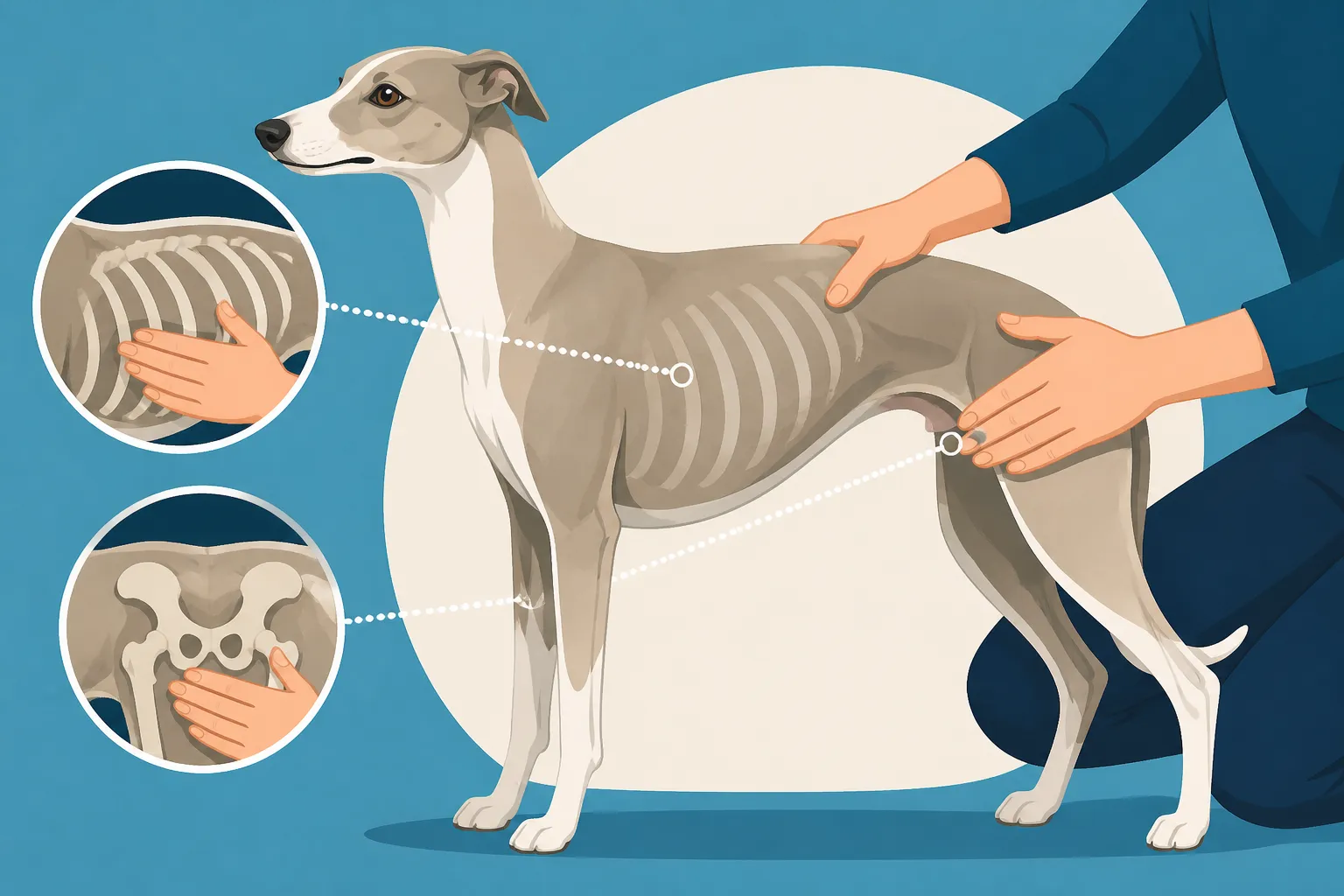
Feeling a Whippet’s Ribs and Hip Bones
One of the biggest worries new Whippet owners face, and even seasoned ones get questioned on, is whether their dog is too thin. It's a common frustration to have well-meaning friends or strangers comment on your Whippet's visible ribs and hip bones, making you second-guess if you're feeding them enough. This comprehensive guide will help you understand the unique physique of a Whippet, how to accurately assess their body condition by feel, and what a healthy weight truly looks and feels like for this elegant sighthound, putting those nagging doubts to rest.
Why a Whippet's Ribs and Hip Bones Show So Readily
It’s easy to look at a Whippet and think they’re underweight, especially if you’re used to more generously padded breeds. However, their lean, athletic build is a hallmark of the breed, a design for speed and agility. Their body composition is fundamentally different from many other dogs, and understanding this is the first step in appreciating their healthy form.
The Sighthound Physique: Built for Speed, Not Cushion
Whippets, like all sighthounds, are engineered for bursts of incredible speed. This means they carry very little body fat, and their muscle is long, lean, and powerful, not bulky. Think of an elite human athlete – a marathon runner or a sprinter – compared to a weightlifter. They both have muscle, but it’s distributed and shaped differently for their specific athletic purpose. A Whippet’s entire physique is optimized to be lightweight and aerodynamic.
Their skin is thin, and there's not much in the way of subcutaneous fat to create that smooth, rounded appearance seen in breeds like Labradors or Golden Retrievers. This is why you can often see their ribs, the prominence of their spine, and their hip bones, even when they are at a perfectly healthy weight. It’s not a flaw; it’s a feature of their natural, athletic build. This lack of natural insulation is also why A Whippet Has No Insulation and No Padding is a truth every owner lives by, necessitating coats in cooler weather.
The Illusion of Thinness: When "Too Thin" Isn't
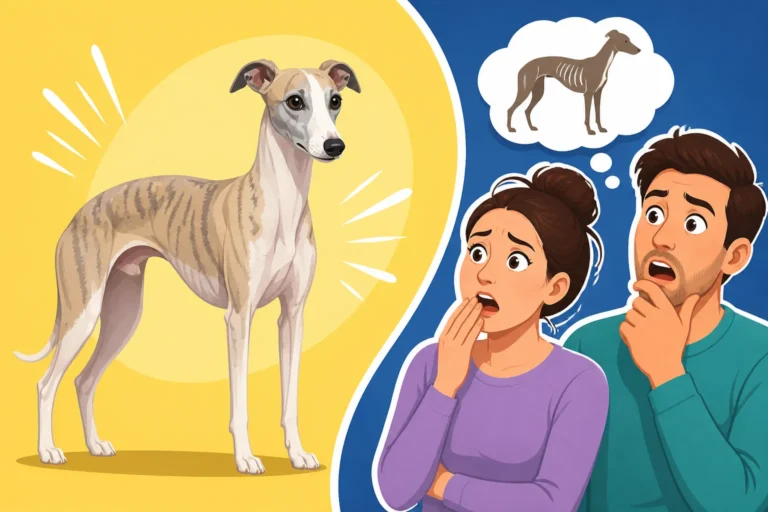
Because most people are accustomed to dogs with more body fat and a thicker coat, a Whippet's natural leanness often creates an "illusion of thinness." Strangers might express concern, or you might find yourself constantly explaining that no, your dog isn't starving, they're just a Whippet! This can be incredibly frustrating, as you know you're caring for your dog wonderfully, yet their appearance triggers misplaced worry in others.
Their deep chest and significantly tucked abdomen also contribute to this visual effect. When a Whippet stands, their belly tucks up sharply, almost creating an hourglass figure. This exaggerated tuck-up makes them look even leaner than they are, especially from the side. What appears to be an alarmingly gaunt silhouette to an untrained eye is, in fact, the quintessential Whippet profile. Learning to trust your hands, rather than just your eyes, is crucial to accurately assessing your Whippet's condition. For a deeper dive into their appearance, you might want to read How Thin a Whippet Should Look.
How to Properly Assess Your Whippet's Body Condition
Moving beyond mere observation is essential for Whippet owners. Their unique build demands a more tactile approach to body condition scoring. What you see can be deceiving, but what you feel tells the true story of their health and weight. Don't let visual misinterpretations lead you down a path of overfeeding or unnecessary worry.
The "Hands-On" Approach: Feeling vs. Seeing
The most reliable way to assess a Whippet's weight isn't by looking at them, but by gently feeling them. This "hands-on" method allows you to gauge the amount of fat covering their bones, providing a much more accurate picture than a simple glance. Your eyes can be fooled by their tucked abdomen and naturally prominent skeletal structure, but your fingertips will reveal the truth.
To start, place both hands flat on either side of your Whippet's chest, just behind their shoulder blades. Gently run your fingers along their rib cage. You should be able to feel each individual rib easily, almost like running your fingers over the knuckles on your hand. There should be a thin layer of muscle and skin, but no thick padding of fat. If you have to press hard to feel the ribs, your Whippet is likely carrying too much weight. If the ribs feel like sharp edges with no discernible padding, they might be a bit too lean.
Locating and Interpreting the Hip Bones and Spine
Once you've felt the ribs, move your hands back towards your Whippet's hindquarters. Gently palpate their hip bones, which are those prominent bony points at the top of their rear legs. You should be able to feel these easily, but they shouldn't feel sharp or angular, almost like they're poking out. They should feel rounded and discernible, with a light covering.
Similarly, run your hand down their spine. You should be able to feel the individual vertebrae, but they shouldn't feel like a row of sharp, pointy bumps. There should be a slight cushioning, allowing you to count them without them feeling overly prominent. If the hip bones are very pointy and the spine feels like a saw blade, your Whippet is probably underweight. If you can't easily feel them at all, or they feel deeply buried under flesh, your Whippet is likely overweight. Understanding Why a Whippet's Spine Should Be Visible is key here – it's normal to see and feel, but not excessively so.
What a Healthy Whippet's Ribs and Hips Should Feel Like
Getting familiar with the "just right" feeling is crucial for a Whippet owner. It's a unique balance that differs significantly from many other dog breeds, and once you know what to look for with your hands, you'll be much more confident in your Whippet's condition.
The Goldilocks Zone: Just Right
For a healthy Whippet, their body condition should be in the "Goldilocks zone" – not too thin, not too fat, but just right. This means when you run your hands over their rib cage, you should easily feel the individual ribs beneath a thin layer of muscle and skin, without having to press. They shouldn't feel like you're touching bones directly, nor should they feel padded and hard to locate. Think of the back of your hand when you make a loose fist – you can feel the bones of your knuckles but they're not sharply protruding.
The hip bones should be palpable, meaning you can distinctly feel them, but they should feel rounded, not sharp or angular. Imagine gently cupping a tennis ball; you know it's there, but it's not poking you. Their spine should also be discernible, with each vertebra felt without much effort, but again, with a slight cushioning. This ideal state ensures they have enough energy reserves without carrying excess weight that can stress their joints and organs. This is precisely What Body Condition Score a Whippet Should Be in terms of their overall health and well-being.
Visual Cues vs. Tactile Truths
It bears repeating: for a Whippet, sight can be incredibly deceiving. What looks "thin" to a person accustomed to other breeds is often perfectly healthy for a Whippet. This is where tactile assessment becomes your most reliable tool. You might see visible ribs, a strong tuck-up, and prominent hip bones, and these visual cues are entirely normal for a Whippet at their optimal weight.
Beyond feeling their bones, observe their overall energy levels and coat condition. A healthy Whippet, even if visually lean, should be energetic, playful, and have a gleaming, healthy coat. They should be eager to go for walks or a sprint, and then content to curl up on the sofa and be The Whippet Is a Forty Mile an Hour Couch Potato. If they are lethargic, have a dull coat, or seem genuinely unwell, that's when you consult your vet, regardless of what their ribs feel like. However, if they feel right, and they act right, then trust your assessment over someone else's visual judgment.
Signs Your Whippet Might Actually Be Underweight
While it’s true that a Whippet is naturally lean, there's a definite line between healthy leanness and being genuinely underweight. It's important to recognize when your dog truly needs more calories or veterinary attention, rather than dismissing all prominence of bones as "just a Whippet thing."
Beyond the Ribs: Other Red Flags
If your Whippet is truly underweight, you'll notice more than just visible ribs. The hip bones will feel very sharp and angular, almost as if there's no soft tissue cushioning them at all. The spine will feel like a series of sharp, pointy knobs, with no discernible muscle or fat cover. You might also notice that their shoulder blades and even their skull bones become much more prominent than they should be.
Beyond skeletal prominence, an underweight Whippet will often show a noticeable loss of muscle mass, particularly over their hindquarters and along their spine. Their coat might appear dull or flaky, and they may seem lethargic, lacking their usual zest for life and quick bursts of energy. They might also pick at their food or show a decreased appetite, which is another significant red flag. These are important indicators that your Whippet is When a Whippet Is Genuinely Too Thin and needs intervention.
Potential Causes of Underweight in Whippets
If you've assessed your Whippet and suspect they are genuinely underweight, it's crucial to consult your veterinarian to rule out underlying health issues. Simply increasing food intake isn't always the solution if there's an underlying problem. Common causes for a Whippet to be underweight can range from simple dietary insufficiencies to more serious medical conditions.
Parasites, both internal (like worms) and external, can rob your dog of nutrients. Dental issues, such as painful teeth or gum disease, can make eating uncomfortable, leading to reduced intake. Various illnesses, including gastrointestinal problems, kidney disease, or even some cancers, can cause weight loss despite a good appetite. Sometimes, it's as simple as not feeding enough calories for their activity level, or a particularly picky eater. For tips on encouraging eating, check out Getting Weight On a Whippet That Will Not Eat. Stress or anxiety can also contribute to weight loss in sensitive Whippets. A vet visit can help pinpoint the exact cause and determine the best course of action.
The Dangers of an Overweight Whippet
While the focus for Whippets is often on avoiding being too thin, the dangers of being overweight are just as, if not more, serious for this breed. Their bodies are not designed to carry extra weight, and even a few extra pounds can have significant health implications for a sighthound.
Why Even a Little Extra Weight Matters for a Sighthound
A Whippet's skeletal structure and musculature are finely tuned for speed and agility. Their joints, particularly in their long, slender legs, are not built to support significant excess weight. Even a small amount of extra fat can put undue strain on their hips, knees, and elbows, leading to premature arthritis, joint pain, and reduced mobility. This can be especially devastating for an active dog.
Beyond joint issues, excess weight in a Whippet increases the risk of heart disease, diabetes, and respiratory problems. Their deep chest and tucked abdomen are part of their athletic design, and fat accumulation can compromise lung capacity and cardiovascular efficiency. An overweight Whippet simply cannot perform as nature intended, and their quality of life rapidly diminishes. For instance, How an Overweight Whippet Slows Down illustrates the direct impact on their natural athleticism and joy in movement.
Assessing an Overweight Whippet
Recognizing when your Whippet is carrying too much weight requires the same hands-on approach as identifying an underweight one. If you find it difficult to feel their ribs without pressing firmly, or if you can't easily locate their hip bones and spine because they are covered by a thick layer of fat and flesh, your Whippet is likely overweight. The tucked abdomen, a defining feature of the breed, will also be less pronounced, appearing more rounded or even sagging.
You might also notice fat deposits around the base of their tail, over their back, and even around their neck. Their energy levels might decrease, they might seem more winded after short bouts of exercise, and their typical playful sprints might become less frequent or slower. It's a common misconception that all sighthounds are naturally skinny and can't gain weight, but it's important to remember How Easily a Whippet Gains Weight, especially as they get older or if their activity level decreases.
Feeding for Optimal Whippet Body Condition
Once you understand what a healthy Whippet should look and feel like, the next step is ensuring their diet supports that ideal body condition. This isn't just about throwing food in a bowl; it's about thoughtful nutrition tailored to their unique needs.
Tailoring Diet to Activity Levels
Whippets are known for their "forty-mile-an-hour couch potato" lifestyle. This means they can have intense bursts of activity, followed by long periods of rest. Their caloric needs will vary significantly depending on their individual activity level. A Whippet that regularly participates in lure coursing, Fast CAT, or long, vigorous runs will need considerably more calories than one whose primary exercise is a couple of leisurely walks around the block each day.
It's crucial to adjust their food portions based on their current body condition and activity. If you notice they're starting to get a bit too lean (using your hands, not just your eyes!), increase their food slightly. If they're gaining too much weight, cut back a little. Consistency in weighing your Whippet periodically can also help you track these changes. Remember, a high-quality diet is important. You can find many excellent options online through retailers like Chewy, offering a wide range of formulas designed for active dogs or those with sensitive stomachs. Finding How Much a Whippet Should Eat isn't a fixed number, but an ongoing assessment.
Choosing the Right Food and Supplements (If Needed)
The foundation of optimal body condition is a balanced, high-quality dog food. Look for formulas with real meat as the first ingredient, and avoid excessive fillers or artificial additives. While some Whippets can be picky eaters, many thrive on a good quality kibble, raw, or fresh food diet. Brands like Ollie, known for its fresh, human-grade ingredients, can be a great option for some Whippets, especially if they are particularly fussy or have sensitivities.
For very active or working Whippets, a performance-oriented food with a slightly higher fat and protein content might be beneficial to support muscle maintenance and energy levels. However, for the average pet Whippet, a good quality adult dog food is usually sufficient. Always consult your veterinarian before adding any supplements, as they can interact with existing conditions or medications. Fish oil can often be a good addition for coat health, but other supplements should be discussed with a professional. Many specialized dog foods and reputable supplements can be conveniently purchased from platforms like Amazon, but always research ingredients and read reviews. For those Whippets engaged in high-energy pursuits, understanding Whether a Racing Whippet Needs a Performance Food is a key consideration.
| Body Condition Score (BCS) | Visual Assessment | Tactile Assessment (Ribs, Hips, Spine) | Action |
|---|---|---|---|
| 1: Emaciated | All bones extremely prominent, no fat or muscle visible. | Ribs, hips, spine, shoulders, skull very sharp and easily seen/felt with no covering. | Vet immediately, likely severe underweight. |
| 2: Very Thin | Ribs, spine, hip bones easily visible, minimal muscle mass. | Ribs easily felt, sharp. Hip bones prominent and angular. Spine visible and pointy. Minimal padding. | Vet visit recommended, consider increasing food intake. |
| 3: Ideal/Lean | Ribs visible or easily felt, prominent tuck-up, defined waist. | Ribs easily felt with light pressure, not sharp. Hip bones palpable but rounded. Spine discernible with slight cushioning. | Maintain current diet and exercise. |
| 4: Overweight | Ribs difficult to see, waist less defined, slight fat pads. | Ribs felt with moderate pressure. Hip bones less prominent. Spine felt with firm pressure. | Slightly reduce food, increase exercise, monitor. |
| 5: Obese | No ribs visible, no waist, heavy fat deposits. | Ribs difficult or impossible to feel. Hip bones buried. Spine hard to feel. Significant fat pads. | Vet consultation, significant diet and exercise changes needed. |
Disclaimer
This article is for general informational purposes only and does not constitute professional advice. Laws, prices and regulations vary by location and change over time. Consult a qualified professional for guidance on your specific situation.