Whether a Whippet Can Be Fed Raw
Deciding what to feed your beloved Whippet can feel like navigating a nutritional jungle, especially with all the passionate debates swirling around raw diets. As devoted Whippet owners, we’re constantly striving to give our lean, sensitive hounds the very best, but the thought of switching to raw often comes with a heap of questions and a touch of anxiety. This guide is here to help you unpack whether a raw diet is a viable and beneficial option for your Whippet, addressing the common concerns and practical considerations.
Understanding the Raw Diet Philosophy for Whippets
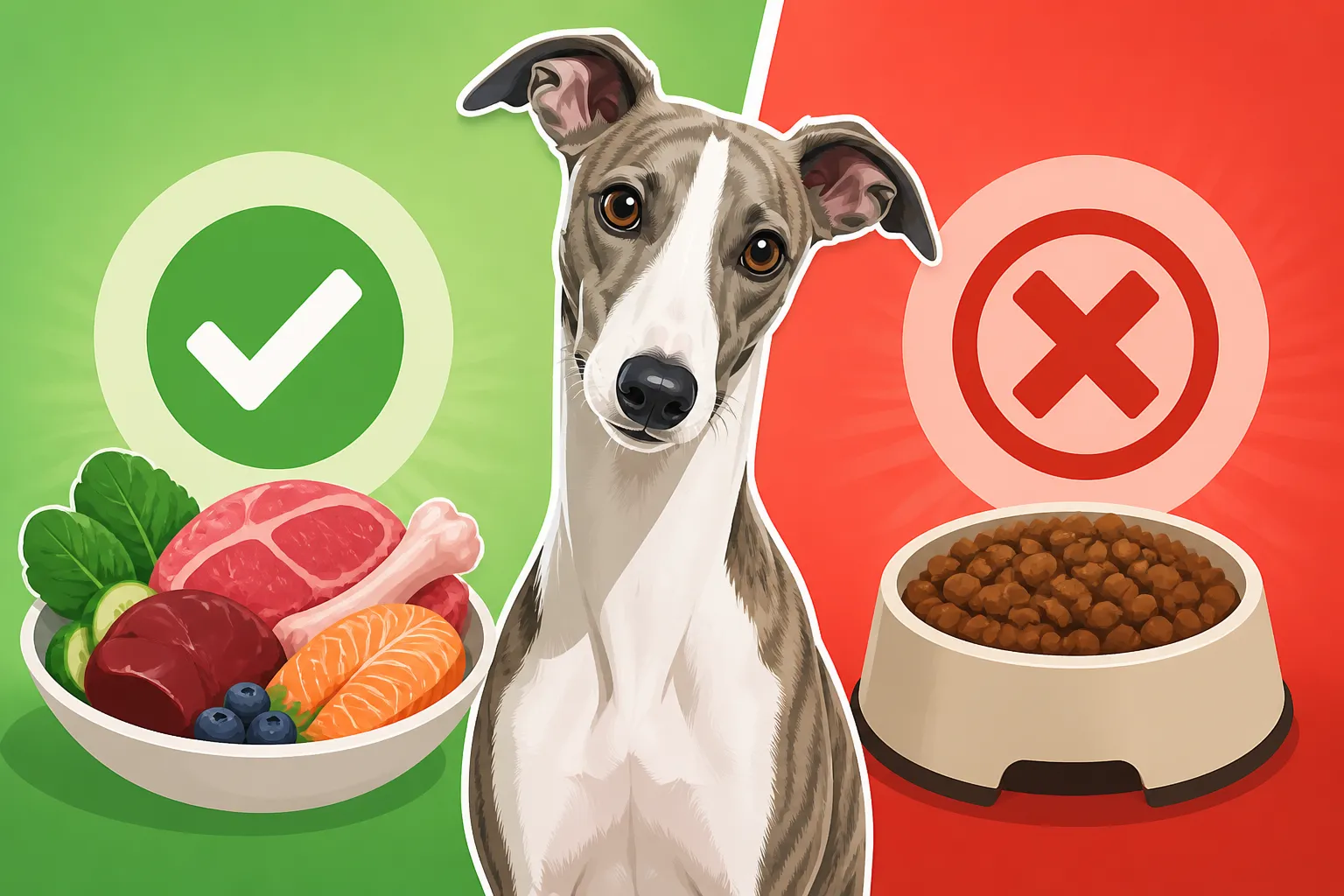
The concept of feeding dogs a raw diet, often known as BARF (Biologically Appropriate Raw Food) or PMR (Prey Model Raw), stems from the idea that domestic dogs, despite centuries of evolution alongside humans, still thrive best on a diet similar to that of their wild ancestors. This typically involves raw muscle meat, organs, bones, and sometimes a small amount of fruits and vegetables. For many Whippet owners, the appeal lies in the potential benefits: a shinier coat, cleaner teeth, better muscle tone, and improved energy levels. You see these claims everywhere, and it's tempting to think it's the magic bullet for your sleek companion.
However, it's crucial to remember that a Whippet isn't a wolf. While they share a deep genetic lineage, domestication has introduced changes in how their bodies process food. Our Whippets, while athletic, are often more geared toward intense bursts of speed followed by long naps rather than sustained hunting and scavenging. They have unique sensitivities, a notoriously lean build, and sometimes, a surprisingly delicate digestive system. So, while the philosophy sounds good on paper, translating it effectively for a Whippet requires careful thought and a practical approach, not just an idealized notion of "natural" feeding. The goal is always optimal health, and the path to that can vary significantly.
The Unique Nutritional Needs of a Whippet
Whippets are not your average dog. Their athletic, sighthound build means they carry very little body fat, and maintaining a healthy weight can sometimes be a delicate balance. Many owners are already concerned about keeping weight on their Whippet without making it fat, and a raw diet needs to support this delicate equilibrium. Their high metabolism, especially if they're active, means they burn through calories efficiently.
A raw diet, when properly formulated, can offer a dense source of nutrients and calories that some owners find helps maintain their Whippet's lean physique and energy. You'll often hear raw feeders rave about the quality of their dog's stool – smaller, firmer, and less odorous – which can be a relief for any owner. However, this optimal outcome is entirely dependent on the balance of the diet. An improperly balanced raw diet, especially one put together at home without expert guidance, can lead to serious nutritional deficiencies or excesses that could be detrimental to your Whippet's health. Issues like calcium-phosphorus imbalances, for example, can wreak havoc on a growing puppy or an older dog. This is why thorough research and, ideally, working with a veterinary nutritionist are absolutely paramount before making the switch. You can also explore Whether a Whippet Needs More Protein or Feeding a Whippet That Sprints and Then Sleeps for more insights into their unique dietary needs.
Specific Considerations for Feeding a Whippet a Raw Diet
Venturing into raw feeding for your Whippet comes with several important considerations beyond just the foundational philosophy. It’s not simply about throwing a raw chicken leg into a bowl; it's a commitment to understanding complex nutritional science and meticulous hygiene.
Ensuring Nutritional Completeness and Balance
This is, without a doubt, the biggest hurdle for any raw feeder, especially for a breed like the Whippet. A truly balanced raw diet must provide the correct ratios of protein, fat, vitamins, and minerals. Simply feeding muscle meat isn't enough; organs like liver, kidney, and heart, as well as an appropriate amount of bone, are vital. For example, too much bone can lead to constipation, while too little can cause calcium deficiency.
If you're considering a homemade raw diet, you'll need to do extensive research into canine nutrition or consult with a board-certified veterinary nutritionist. This isn't just about reading a few blogs; it's about understanding the nutrient profiles of different meats, organs, and supplements to create a complete diet over time. Many people find commercial raw food options, like those from reputable brands often found on Chewy or Amazon, or direct-to-consumer options such as Ollie, appealing because they aim to provide a pre-balanced solution. While these can simplify the process, it's still wise to scrutinize their ingredient lists and nutritional analyses. Even with commercial diets, you should monitor your Whippet closely and consult your vet, especially if your dog has specific health concerns or is a puppy.
Managing Pathogen Risks and Hygiene
Raw meat, by its very nature, can harbor bacteria like Salmonella, E. coli, and Listeria. While dogs are generally more resistant to these bacteria than humans, they can still become ill, and they can shed these pathogens, posing a risk to human family members, particularly children, the elderly, or those with compromised immune systems. This isn't meant to scare you, but to highlight the need for stringent hygiene.
This means treating your Whippet's raw food like you would raw chicken for human consumption. Use separate cutting boards, sanitize all surfaces and bowls immediately after feeding, and wash your hands thoroughly. Store raw food safely in the freezer until ready to use, and thaw it in the refrigerator, never on the counter. Also, be mindful of your Whippet's habits. Do they lick faces? Do they chew on toys that might then be handled by family members? Implementing strict hygiene protocols is non-negotiable for the safety of both your Whippet and your household.
The Role of Bones and Potential Hazards
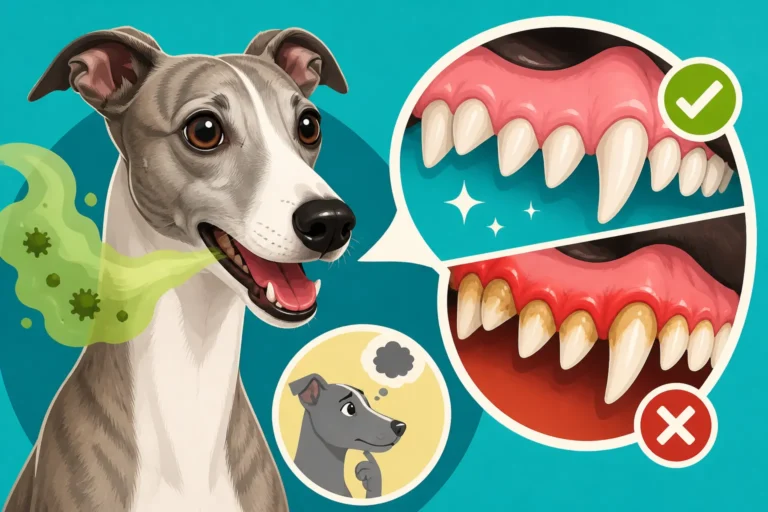
Raw meaty bones (RMBs) are a cornerstone of many raw diets, offering natural calcium and phosphorus, and acting as a fantastic natural toothbrush. For a Whippet, whose teeth can build up tartar surprisingly fast, this can be a huge benefit. However, the type and size of bone are critically important. Cooked bones are an absolute no-go, as they can splinter and cause internal damage. Weight-bearing bones from large animals (like beef femurs) are also too hard for most dogs and can break teeth.
For a Whippet, softer, digestible bones like chicken necks, wings, or backs are often recommended. Even so, supervision is always key to prevent choking. Some Whippets, especially those prone to bolting food, might try to swallow a piece of bone too large. You might find yourself researching The Whippet That Bolts Its Food if you consider this path. It's a fine line between providing beneficial chewing and risking injury. Many raw feeders opt for ground bone meal mixed into the diet to avoid the risks of whole bones while still providing the necessary minerals.
Cost and Time Commitment
Let's be real: feeding a quality raw diet can be more expensive and time-consuming than simply scooping kibble into a bowl. Sourcing high-quality, human-grade meats and organs can add up, and the cost will vary significantly based on where you live and what suppliers are available. Commercial raw diets, while convenient, often come with a premium price tag.
Beyond the financial cost, there's the time investment. If you're preparing meals yourself, you'll spend hours researching, shopping, portioning, and balancing. Even with commercial options, there's thawing time, careful storage, and consistent monitoring. It's not a set-it-and-forget-it diet. For some, the benefits outweigh these costs, but it's an important factor to consider in your lifestyle and budget. You can explore What a Whippet Eats in a Month for a broader view of feeding costs.
Transitioning and Monitoring Your Whippet on a Raw Diet
If, after careful consideration, you decide a raw diet is right for your Whippet, the transition needs to be slow and thoughtful. Sudden changes can upset even the most robust canine stomach, and Whippets are known to have sensitive digestive systems.
The Gradual Transition Process
The most common approach is a gradual transition, slowly introducing raw food alongside their current diet. Some owners opt for a "cold turkey" approach, but for a Whippet, this can often lead to an upset stomach, diarrhea, or refusal to eat. A common method involves:
- Fasting (Optional and Debated): Some advocate a 12-24 hour fast before the first raw meal to fully clear the digestive system. Discuss this with your vet.
- Introducing One Protein: Start with a single, easily digestible protein source like chicken or turkey, mixed in small amounts with their regular food. Gradually increase the raw portion over several days to weeks.
- Monitoring Stools: Keep a close eye on your Whippet's stool consistency. Loose stools are common initially, but persistent diarrhea means you're going too fast or the food isn't agreeing with them.
- Introducing Variety: Once they've settled on one protein, slowly introduce other meats, organs, and appropriate bones. The key is slow and steady. This can take weeks or even months to fully transition. Remember, Whether a Whippet Has a Sensitive Stomach means you need to be extra patient.
What to Monitor in Your Whippet
Once on a raw diet, consistent monitoring of your Whippet's health is critical. This includes:
- Stool Quality: Look for firm, well-formed stools that are easy to pick up. Changes can indicate issues with balance, too much bone, or too rapid a transition.
- Energy Levels: Your Whippet should be vibrant and active (when not napping, of course!). A noticeable dip in energy could signal a nutritional imbalance.
- Coat and Skin Health: A shiny coat and healthy skin are often cited as benefits of raw feeding. Look for any changes in luster or dryness.
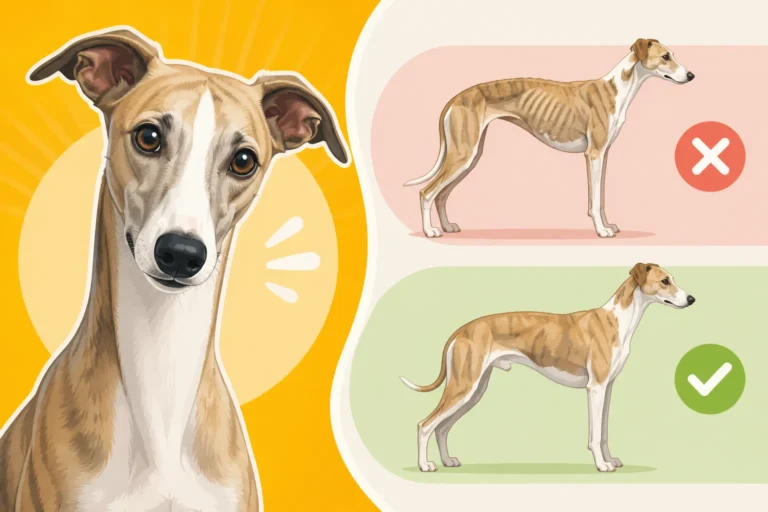
- Weight Management: Keep an eye on their body condition. You should still be able to easily feel their ribs, but they shouldn't look emaciated. Consult What a Vet Says About a Whippet's Weight and Whether a Whippet's Spine Should Be Visible for guidance on ideal body condition.
- Dental Health: Check their teeth regularly. While raw meaty bones can help clean teeth, some Whippets still accumulate tartar.
- Regular Vet Check-ups: Continue with your routine veterinary visits. Be open with your vet about your feeding choices. They can help monitor bloodwork and overall health, especially since The Bloodwork Numbers That Look Wrong on a Healthy Whippet might need sighthound-specific interpretation.
Pros and Cons of a Raw Diet for Your Whippet
Making the decision to feed raw is deeply personal and depends on your Whippet's individual needs, your lifestyle, and your comfort level with the commitment involved. Here's a quick overview of some potential upsides and downsides:
| Feature | Potential Pros for a Whippet | Potential Cons for a Whippet |
|---|---|---|
| Nutritional Density | High bioavailability of nutrients, often leading to better digestion and smaller, firmer stools. | Risk of nutritional imbalances if not carefully formulated, leading to deficiencies or excesses. |
| Dental Health | Raw meaty bones can naturally clean teeth and reduce tartar buildup. | Choking hazards or cracked teeth from inappropriate bone choices; bacterial risks. |
| Coat and Skin | Many owners report improved coat shine and reduced skin issues. | Allergies or sensitivities can still occur, requiring careful protein rotation and elimination. |
| Weight Management | Can help maintain lean muscle mass and healthy weight. | Easy to under- or over-feed calories, impacting the Whippet's lean physique. |
| Enthusiasm for Food | Many Whippets find raw food highly palatable and exciting. | Can encourage resource guarding in some dogs; picky eaters may still be picky with raw. |
| Digestibility | Often easier to digest for dogs with sensitive stomachs if the right proteins are chosen. | Improper transition or imbalanced diet can cause severe digestive upset. |
| Time & Cost | Can be a fulfilling way to provide species-appropriate nutrition. | Significantly higher cost and time commitment for preparation and hygiene. |
| Veterinary Acceptance | Growing recognition in some circles for its benefits. | Many vets remain cautious due to potential risks and lack of regulation in some products. |
It's important to remember that these are potential pros and cons, and individual results will vary. What works wonderfully for one Whippet might not suit another. For example, while some Whippets might thrive and show off incredible athleticism, others might struggle with digestive issues or specific ingredient sensitivities. Always remember to consider your own dog’s unique personality and health profile. As you consider this approach, keep in mind What an Adult Male Whippet Weighs or What an Adult Female Whippet Weighs for context on their typical lean body mass.
Conclusion: Is Raw Feeding Right for Your Whippet?
Deciding whether to feed your Whippet a raw diet is a significant decision, and there’s no single right answer for every dog or every owner. It’s an approach that comes with both compelling potential benefits and considerable responsibilities. For those who are willing to invest the time, effort, and financial resources into meticulously balancing the diet, maintaining strict hygiene, and continuously monitoring their Whippet's health, a raw diet can indeed be a fantastic option. Many Whippet owners who commit to it rave about the improvements they see in their dogs' vitality, coat, and digestion.
However, it's not a casual undertaking. The risks of nutritional deficiencies, pathogen contamination, and potential physical injuries from bones are real and should not be underestimated. If you’re not prepared for the rigorous commitment required, a high-quality, commercially prepared kibble or a well-researched fresh-cooked diet might be a safer and more practical choice.
Ultimately, the best diet for your Whippet is one that is nutritionally complete and balanced, safe, palatable, and sustainable for you to provide consistently. Always consult with your veterinarian before making any significant dietary changes, and ideally, seek guidance from a veterinary nutritionist. They can help you navigate the complexities and ensure that your lean, lovely Whippet receives all the nourishment they need to thrive. For broader health considerations that might impact dietary choices, you might find Caring for an Old Whippet That Feels the Cold or Whether a Whippet Needs a Vet Who Knows Sighthounds helpful resources in your journey.
Disclaimer
This article is for general informational purposes only and does not constitute professional advice. Laws, prices and regulations vary by location and change over time. Consult a qualified professional for guidance on your specific situation.