Phosphofructokinase Deficiency in a Whippet
Finding out your beloved Whippet might have a genetic health condition can feel like a punch to the gut. The worry about their future, the potential for painful episodes, and the sheer uncertainty can be overwhelming. This comprehensive guide is here to shed light on Phosphofructokinase (PFK) Deficiency in Whippets, helping you understand what it is, how to identify it, manage it, and ensure your lean, swift companion lives the happiest, most comfortable life possible.
Understanding Phosphofructokinase Deficiency PFKD in Whippets
When you first hear a complex medical term like "Phosphofructokinase Deficiency," it's natural for your mind to jump to the worst conclusions. Many Whippet owners might have come across this term while researching various sighthound health concerns, often alongside other genetic conditions. It’s a bit of a mouthful, but understanding what it actually means for your dog is the first step toward managing it effectively. This isn't just about a scientific name; it's about a fundamental process within your dog's body that isn't working quite right, leading to noticeable symptoms that can be concerning.
What Exactly is PFK Deficiency?
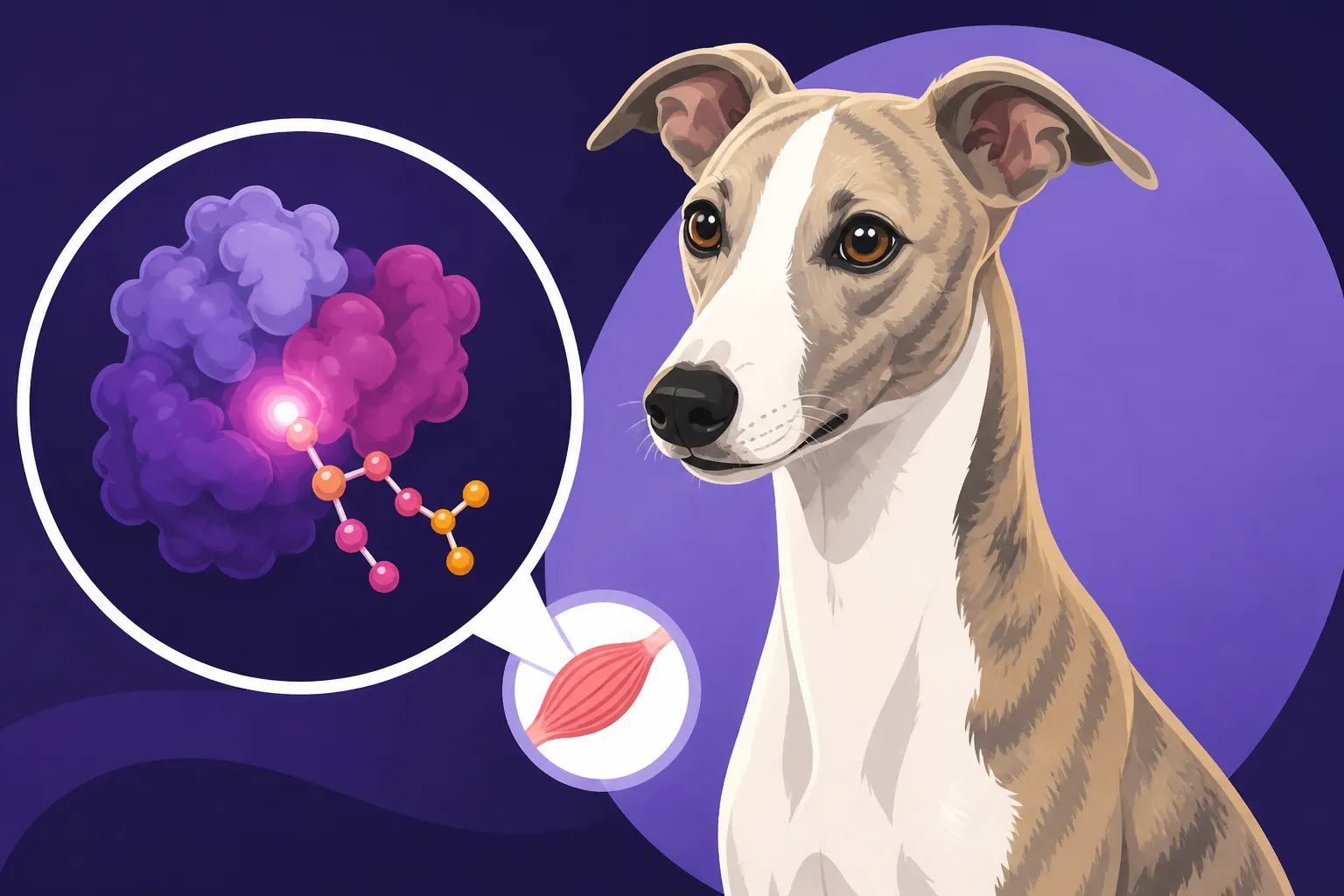
At its heart, Phosphofructokinase Deficiency is a metabolic disorder that affects a specific enzyme called, you guessed it, phosphofructokinase. This enzyme is absolutely critical for a process called glycolysis, which is how the body breaks down glucose (sugar) into energy. Think of it like this: your Whippet’s body needs fuel to run, play, and even just breathe. Glucose is a primary fuel source, and PFK is a key player in converting that fuel into usable energy. When this enzyme is deficient, or doesn't work properly, the red blood cells and muscle cells struggle to produce energy efficiently. This leads to a buildup of glucose byproducts and, more importantly, a severe lack of energy where it's needed most, particularly during physical exertion.
Imagine trying to run a marathon on an empty tank of gas – that's somewhat analogous to what a Whippet with PFKD experiences on a cellular level. Their cells aren't getting the consistent energy supply they need, especially when demands are high. This issue isn't unique to Whippets; PFKD has been identified in other breeds like English Springer Spaniels and American Cocker Spaniels, but it manifests with specific characteristics in sighthounds. It’s important to remember that this isn't a condition that suddenly appears due to diet or environment; it's something your Whippet carries genetically from birth.
The Genetic Basis: How Whippets Inherit PFKD
The genetic aspect of PFK Deficiency is crucial to grasp because it informs how the condition is passed down and, consequently, how it can be prevented in future generations. PFKD in Whippets is inherited in an autosomal recessive pattern. What this means in plain terms is that a Whippet must inherit two copies of the defective gene – one from each parent – to actually suffer from the disease. If a Whippet inherits only one copy of the defective gene and one normal copy, they are considered a "carrier." Carriers typically do not show any symptoms of the disease themselves, but they can pass the defective gene on to their offspring. This is why testing breeding dogs is so incredibly important, as outwardly healthy parents can still produce affected puppies. You can learn more about this by reading up on Whether a Whippet's PFK Deficiency Is Recessive.
Understanding this recessive inheritance pattern is vital for breeders and owners alike. Two carrier Whippets bred together have a 25% chance of producing an affected puppy, a 50% chance of producing carrier puppies, and a 25% chance of producing clear, non-carrier puppies. If an affected Whippet is bred with a clear Whippet, all offspring will be carriers. This hidden nature of the carrier status makes PFKD a silent threat in breeding lines if proper genetic testing isn't performed. For a more detailed look at the general prevalence of this condition, you might be interested in How Common PFK Deficiency Is in Whippets. It highlights the importance of being aware of genetic testing before bringing a new puppy home.
Recognizing the Symptoms of PFKD
One of the most frustrating things about some genetic conditions is how insidious their onset can be. With PFKD, the symptoms often aren't immediately obvious, especially in a young, energetic Whippet that seems to bounce around most of the time. Owners might initially dismiss early signs as a puppy being "a bit lazy" or having an "off day." However, because PFKD directly impacts energy production, the signs often become more pronounced after physical activity. It’s critical for Whippet owners to be observant and know what subtle indicators to look for, as early recognition can lead to better management and a higher quality of life for your dog.
The "Exercise Intolerance" You Might Notice
Whippets are renowned for their incredible bursts of speed and their love for a good run, even if they spend the rest of the day napping on the sofa. So, when a Whippet shows signs of exercise intolerance, it's usually a red flag. This isn't just about them getting a little tired; it's about a disproportionate reaction to activity. You might notice that after even a short, vigorous play session or a brisk walk, your Whippet seems unusually exhausted, lags behind, or completely "crashes." They might be reluctant to continue exercising, stopping abruptly or struggling to keep pace, which is distinctly out of character for a breed known for its athleticism. It's not just a physical limitation; it can be accompanied by an overall sense of weakness.
This exercise intolerance can sometimes manifest as a complete collapse or severe weakness during or immediately after exercise. Imagine your Whippet sprinting joyfully across the park, then suddenly slowing, stumbling, and needing to lie down, panting excessively and appearing disoriented. These episodes can be frightening for an owner who expects their Whippet to run like the wind. This is a direct result of their muscle cells not being able to sustain energy production, leading to a rapid depletion of their reserves. It’s a stark reminder that even a short burst of excitement can trigger an episode for an affected dog, as highlighted in Whether Excitement Triggers a PFK Episode in a Whippet.
Understanding Muscle Weakness and Cramping
Beyond general intolerance, PFKD can also lead to more specific muscular issues, primarily muscle weakness and painful cramping. During and after exercise, without sufficient PFK enzyme activity, muscle cells cannot efficiently use glucose, leading to an imbalance in their internal chemistry. This manifests as muscle stiffness, tremors, or outright cramping, especially in the hind limbs. Your Whippet might become visibly stiff, struggle to stand up or walk, and even cry out in pain if the cramping is severe. These episodes can last from minutes to hours, leaving your dog feeling sore and exhausted afterward. It’s a truly distressing sight for any owner.
The weakness isn't limited to just acute episodes; some Whippets with PFKD might exhibit a more chronic, subtle weakness, appearing less robust or less coordinated than their unaffected counterparts. This can make everyday activities, like jumping onto the sofa or navigating stairs, more challenging over time. The muscle pain and cramping associated with PFKD can be quite debilitating, turning an otherwise enjoyable romp into a painful ordeal. This symptom underscores the importance of careful exercise management and recognizing the fine line between healthy activity and triggering a painful episode.
Why Dark Urine is a Critical Sign
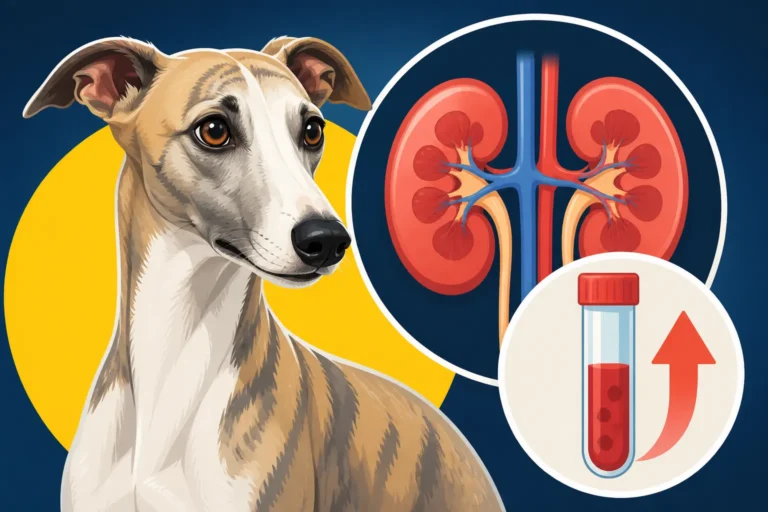
One of the most alarming and distinctive symptoms of PFK Deficiency, particularly during or after an episode of muscle weakness or cramping, is the presence of dark-colored urine. This isn't just a slight discoloration; it's often described as dark red, brown, or even black. This phenomenon is known as hemoglobinuria or myoglobinuria, and it’s a critical indicator of severe cellular damage. When red blood cells, which are also affected by PFK deficiency, break down, they release hemoglobin. Similarly, when muscle cells are damaged during an energy crisis, they release myoglobin. Both hemoglobin and myoglobin are pigments that, when excreted by the kidneys, turn the urine a dark color. This symptom, in particular, should never be ignored.
The appearance of dark urine signifies that a significant metabolic event has occurred, causing widespread damage to red blood cells and muscle tissue. This process, if severe and prolonged, can even put a strain on the kidneys. It's a clear warning sign that your Whippet is in distress and requires immediate veterinary attention. Owners who observe this symptom in conjunction with exercise intolerance or muscle weakness should contact their vet without delay. For a deeper dive into this specific symptom, you should check out Whether a Whippet With PFK Deficiency Passes Dark Urine. It reinforces the urgency and importance of this particular clinical sign.
| Symptom Category | Specific Signs to Watch For | Triggers/When It Occurs | Potential Severity |
|---|---|---|---|
| Exercise Intolerance | Unusually tired after light activity, lagging behind, reluctance to continue play, sudden "crashing" or collapse | Exercise, excitement, stress, warm temperatures | Mild to severe, can lead to collapse |
| Muscle Weakness/Cramping | Stiff gait, tremors, visible cramping (especially hind limbs), pain when moving, difficulty standing/sitting | Post-exercise, sudden movements, colder temperatures (less common but possible) | Moderate to severe, causes acute distress |
| Dark Urine | Red, brown, or black urine (hemoglobinuria/myoglobinuria) | Following exercise intolerance or cramping episodes | Critical, indicates red blood cell/muscle damage; veterinary emergency |
| Pale Mucous Membranes | Gums, inner eyelids appear pale | During hemolytic anemia episodes | Serious, indicates blood loss or red cell destruction |
| Fever | Elevated body temperature | During acute hemolytic crises | Serious, can worsen other symptoms |
Diagnosing PFKD: What to Expect at the Vet
If you’ve noticed any of the troubling symptoms we just discussed, your next step is, understandably, a trip to the veterinarian. It can be nerve-wracking to present your concerns, especially when the symptoms might be intermittent or subtle. Your vet will approach the diagnostic process systematically, ruling out other common ailments first before delving into more specific genetic testing. This phase requires patience and good communication with your vet, as gathering all the necessary information and conducting tests can take time. Don't be afraid to voice all your observations, no matter how small they seem; every detail can be a clue.
Initial Vet Examination and Bloodwork
When you bring your Whippet in with concerns about exercise intolerance or dark urine, your veterinarian will start with a thorough physical examination. They’ll be checking your dog’s overall condition, listening to their heart and lungs, palpating their muscles, and assessing their gait. They’ll also ask you detailed questions about the onset, frequency, and severity of the symptoms, as well as any potential triggers you’ve observed. Be prepared to provide a comprehensive history of your Whippet's activity levels, diet, and any previous health issues. It's always a good idea to keep a journal of symptoms and episodes, noting the date, time, activity before, and duration of the event.
Following the physical exam, routine bloodwork will likely be one of the first diagnostic tools employed. A complete blood count (CBC) can reveal signs of anemia, particularly hemolytic anemia, which is common in PFKD due to the rapid breakdown of red blood cells. You might see specific abnormalities in red blood cell parameters that suggest this issue. For example, some bloodwork numbers that might look abnormal in a healthy Whippet can be crucial clues here. A biochemistry panel will assess organ function, looking for any signs of kidney strain from the breakdown products in the urine. While these initial tests don't definitively diagnose PFKD, they can point your vet in the right direction, ruling out many other conditions and highlighting the specific cellular issues at play. Your vet may even check for specific markers that help distinguish between types of anemia or muscle damage.
The Role of DNA Testing in Confirmation
Once initial bloodwork and clinical signs point towards a potential metabolic or genetic disorder, your veterinarian will likely recommend specific DNA testing to confirm a diagnosis of PFKD. This is the definitive way to know if your Whippet carries the defective gene, either as a carrier or as an affected individual. There are several reputable laboratories that offer DNA testing for PFK Deficiency in Whippets. This usually involves a simple cheek swab or a blood sample, which is then sent off for genetic analysis. The test specifically looks for the known mutation in the gene responsible for producing the phosphofructokinase enzyme. You might wonder about the specifics of this test; fortunately, Whether PFK Deficiency Has a DNA Test in Whippets offers a detailed explanation of the process.
The results of the DNA test will typically classify your Whippet as either "clear" (meaning they don't have the mutation and cannot pass it on), "carrier" (meaning they have one copy of the mutation and can pass it on but usually show no symptoms), or "affected" (meaning they have two copies of the mutation and will likely show symptoms). Receiving an "affected" result can be devastating, but it also provides clarity and allows you to move forward with a targeted management plan. For carriers, it's crucial information for responsible breeding decisions. While the cost of these genetic tests can vary, it's a small investment for definitive answers and peace of mind.
Differentiating PFKD from Other Conditions
One of the challenges in diagnosing PFKD is that some of its symptoms can mimic those of other, more common conditions. Exercise intolerance, for instance, can be a sign of cardiac issues, respiratory problems, or even general deconditioning. Muscle weakness and cramping could be mistaken for orthopedic problems, neurological disorders, or even simple dehydration. This is why the comprehensive veterinary workup, including initial blood tests and ruling out other possibilities, is so important before jumping to genetic testing. Your vet might also consider conditions like anemia from other causes, or other myopathies (muscle diseases).
For example, a Whippet might present with a heart murmur, and you'd need to differentiate if the exercise intolerance is due to a primary cardiac issue like Mitral Valve Disease in a Whippet or PFKD. Similarly, intermittent lameness could be due to a muscle pull or a toe injury, rather than PFKD-related cramping. The dark urine symptom, while highly indicative of PFKD, can also occur in rare cases of severe muscle trauma or other red blood cell disorders. Your vet will carefully consider the whole clinical picture, including your Whippet's age, breed, and symptom progression, to guide the diagnostic process. This thorough approach ensures that your Whippet receives the correct diagnosis and, therefore, the most appropriate care.
Living with a Whippet Diagnosed with PFKD
Receiving a diagnosis of PFK Deficiency for your Whippet is a life-changing moment. It means adjusting your expectations, learning new routines, and becoming an expert advocate for your dog's specific needs. While there's no cure for PFKD, effective management strategies can significantly improve your Whippet’s quality of life, minimize episodes, and help them thrive within their limitations. This isn't about giving up on your dog; it's about embracing a new way of caring for them that prioritizes their comfort and well-being. It will require vigilance, patience, and a strong partnership with your veterinary team.
Managing Exercise and Activity Levels
The cornerstone of managing PFKD in Whippets is carefully controlling their exercise and activity levels. This is where most episodes are triggered, so understanding your dog's individual threshold is paramount. For many Whippet owners, this can be incredibly challenging because their dogs naturally have a strong drive to run and play. However, uncontrolled bursts of intense activity are precisely what can lead to a metabolic crisis, muscle cramping, and dark urine. Instead of aiming for high-intensity sprints, focus on moderate, consistent exercise. Think leash walks at a steady pace, short play sessions in cool weather, and mental stimulation. You need to really think about Whether a Whippet With PFK Deficiency Can Exercise and tailor it to their specific needs.
The key is to avoid overexertion and sudden, intense bursts of energy. This might mean keeping your Whippet on a leash more often, especially in exciting environments like dog parks or trails where they might be tempted to chase. Consider short, frequent walks rather than one long, strenuous outing. Pay close attention to environmental factors; warm weather can exacerbate symptoms, so avoid exercising during the hottest parts of the day. Learning to read your Whippet's body language for signs of fatigue or discomfort is crucial. If they start to slow down, pant excessively, or show any signs of weakness, it's time to stop and rest. It’s a constant balancing act, but with careful observation, you can find the sweet spot that allows your Whippet to enjoy movement without risking a flare-up.
Dietary Considerations and Nutritional Support
While diet isn't a cure for PFKD, appropriate nutritional management can play a supportive role in optimizing your Whippet's energy levels and overall health. Since PFKD affects how the body uses glucose, some vets may suggest adjustments to your Whippet's diet, though this is often highly individualized. The goal is typically to provide a consistent, stable energy supply without relying solely on rapid glucose metabolism. Some experts recommend a diet that is lower in simple carbohydrates (which are quickly converted to glucose) and higher in complex carbohydrates and fats, which provide a more sustained energy release. For specific advice, always consult with your veterinarian or a veterinary nutritionist, as they can tailor recommendations to your dog’s unique needs and severity of the condition.
Supplements might also be considered, though again, only under veterinary guidance. Some Whippet owners explore supplements like L-carnitine or Coenzyme Q10, which are involved in cellular energy production, but their efficacy for PFKD specifically is not universally established. The most important thing is to ensure your Whippet is eating a high-quality, balanced diet that meets all their nutritional requirements, even if their activity levels are reduced. Keep them well-hydrated, especially if they’ve had an episode of dark urine. Sometimes, just ensuring regular, consistent meal times and avoiding long periods without food can help maintain stable blood sugar levels. You can also explore options like Whether a Whippet Needs Electrolytes After Running for particularly strenuous (but vet-approved) activities.
Preventing and Handling Crises
Preventing PFKD crises is largely about strict adherence to the exercise management plan. Avoidance of triggers is your best defense. This means being mindful of excitement, stress, and environmental factors like heat, which can all precipitate an episode. Educate family members, dog walkers, and anyone else who interacts with your Whippet about the condition and its triggers. A calm, predictable routine can be beneficial. Having a clear plan for what to do if a crisis occurs is equally important.
If your Whippet does experience an episode of severe weakness, muscle cramping, or dark urine, the first step is to stop all activity immediately and allow them to rest in a cool, quiet place. Offer water. If symptoms are severe or don't improve quickly, or if dark urine is present, contact your veterinarian immediately or head to an emergency clinic. They may need intravenous fluids to help flush the kidneys and support recovery. In some cases, medication to help with pain or muscle spasms might be prescribed. Having a pet insurance plan like one from Healthy Paws can be incredibly helpful for covering unexpected emergency vet visits, as these crises can be expensive to manage. Remember, early intervention during a crisis can prevent more severe complications and improve recovery outcomes.
Breeding Considerations and PFKD Prevention
The long-term health of the Whippet breed, and indeed any breed, relies heavily on responsible breeding practices. When it comes to genetic conditions like PFK Deficiency, understanding the inheritance pattern and implementing robust testing protocols is not just a good idea, it's an ethical imperative. Many potential Whippet owners feel frustrated by the lack of transparency or inconsistent testing practices they encounter, but advocating for these standards is how we protect future generations of these wonderful dogs.
Why Testing Breeding Stock is Crucial
For any breeder aiming to produce healthy Whippet puppies, genetic testing for PFK Deficiency in all breeding stock is absolutely non-negotiable. Because PFKD is a recessive condition, outwardly healthy Whippets can be carriers of the defective gene without ever showing symptoms themselves. If two carriers are bred together, there's a 25% chance that each puppy in the litter will be affected by the disease. This is a significant risk that can be entirely eliminated through responsible testing. Without proper testing, breeders are essentially playing a game of genetic roulette, potentially contributing to the prevalence of PFKD within the breed and causing heartache for unsuspecting puppy owners.
Breeders should use a reputable DNA testing laboratory to test all their Whippets for PFKD before considering any breeding plans. This ensures they know the genetic status of each dog – whether they are clear, a carrier, or affected. A responsible breeder will be transparent about these results and willing to share them with potential puppy buyers. This commitment to health testing is a hallmark of an ethical breeder who prioritizes the well-being of their dogs and the future of the breed over profit or convenience. If you are considering purchasing a Whippet puppy, always ask about the PFKD testing status of both parents. This information is just as vital as understanding the longevity of the breed, which you can explore in The Twelve to Fifteen Years a Whippet Lives.
Understanding Carrier Status and Its Implications
The concept of a "carrier" is often a source of confusion for many prospective dog owners. A Whippet who is a PFKD carrier possesses one copy of the normal gene and one copy of the defective gene. Critically, these dogs do not develop PFK Deficiency themselves. They live perfectly normal, healthy lives and will not exhibit any of the symptoms of the disease. Their health is not compromised. However, they can pass on that single defective gene to their offspring. This is the key implication for breeding. You can read more about how this genetic trait works by looking into Phosphofructokinase Deficiency in a Whippet.
For breeders, knowing which dogs are carriers means they can make informed decisions to avoid producing affected puppies. The general recommendation is to avoid breeding two carriers together. A carrier can safely be bred with a "clear" (non-carrier) Whippet. In such a pairing, statistically, 50% of the puppies will be clear, and 50% will be carriers, but none will be affected by the disease. All offspring, regardless of their status, should then be tested to continue the cycle of responsible breeding. This strategy allows breeders to maintain genetic diversity while gradually working to reduce the frequency of the PFKD gene in the breed without losing valuable bloodlines.
Ethical Breeding Practices for Whippets
Ethical breeding practices extend beyond just PFKD testing, but it’s a significant component. Responsible Whippet breeders adhere to a comprehensive health screening protocol for all their breeding animals, which often includes testing for other known genetic conditions relevant to the breed, as well as OFA (Orthopedic Foundation for Animals) certifications for heart and eyes. They will also consider temperament, conformation, and the overall health history of their lines. This holistic approach ensures that they are striving to produce not just beautiful puppies, but healthy, well-adjusted companions.
An ethical breeder will openly discuss their health testing results, including PFKD status, for both parents. They will provide copies of these certifications to prospective buyers. They'll also typically have a waitlist, thoroughly vet potential homes, and offer lifetime support for the puppies they produce. They'll be happy to answer questions about specific health concerns, such as The Health Tests Both Whippet Parents Should Have. Be wary of any breeder who dismisses concerns about genetic testing, claims their lines are "too healthy" to need testing, or won't provide verifiable results. Investing in a puppy from an ethical, health-conscious breeder is the best way to ensure you bring home a healthy Whippet and contributes positively to the breed's future.
Prognosis and Long-Term Care for Whippets with PFKD
When faced with a PFKD diagnosis, one of the most pressing questions for any Whippet owner is about their dog’s future. What does this mean for their lifespan? Will they always be in pain? It’s a natural worry, but it’s important to understand that while PFKD is a serious condition, it is manageable. The prognosis for a Whippet with PFKD can vary depending on the severity of the symptoms, how diligently the condition is managed, and the commitment of the owner to provide appropriate care. It’s a journey that requires ongoing attention, but many affected Whippets can still lead happy and fulfilling lives.
Expected Lifespan and Quality of Life
The good news is that PFK Deficiency does not typically reduce a Whippet’s overall lifespan, provided the condition is properly managed. This means that with careful control of exercise, avoidance of triggers, and prompt veterinary attention during crises, a Whippet with PFKD can live for The Twelve to Fifteen Years a Whippet Lives, much like their unaffected counterparts. The key differentiator is the quality of life, which is directly impacted by how well the symptoms are controlled. Without proper management, frequent and severe episodes can cause chronic discomfort, lead to secondary complications, and certainly diminish their enjoyment of life.
The quality of life for an affected Whippet depends heavily on tailoring their lifestyle to their condition. They might not be able to participate in intense activities like lure coursing or competitive racing, but they can still enjoy walks, gentle play, and, most importantly, the comfort and companionship of their human family. Many affected Whippets become expert couch potatoes, perfectly content with shorter, controlled bursts of activity followed by long naps, which, let's be honest, many Whippets excel at anyway! It’s about focusing on what they can do and making those experiences as positive and pain-free as possible. You should also consider Caring for a Whippet Past Ten for general senior care, as their PFKD might need even more careful management as they age.
Ongoing Monitoring and Support
Living with a PFKD Whippet means committing to ongoing monitoring and a strong partnership with your veterinary team. Regular check-ups are essential to monitor their overall health, assess the frequency and severity of episodes, and make any necessary adjustments to their management plan. Your vet may recommend periodic blood tests to monitor red blood cell counts and kidney function, especially if there have been recent episodes of dark urine. You’ll also want to keep an eye on their weight and general body condition, ensuring they remain lean but not underweight, as this can affect their energy reserves.
It’s incredibly helpful to keep a detailed log of your Whippet's activity, any symptoms, and crisis events. This log can provide invaluable data to your veterinarian, helping them track the progression of the disease and fine-tune treatment strategies. Don't hesitate to reach out to your vet with any concerns, no matter how minor they seem. They are your primary resource for managing this condition. Additionally, having a robust pet insurance plan can ease the financial burden of these ongoing needs. A company like Healthy Paws, for instance, can help cover the costs of diagnostic tests, emergency treatments, and specialist consultations, making long-term care more accessible and less stressful.
The Emotional Toll on Owners
It's easy to focus solely on the dog when discussing a health condition, but the emotional toll on owners is significant and often overlooked. Watching your beloved Whippet struggle with exercise intolerance, experience painful muscle cramps, or pass dark urine can be heartbreaking. There's the constant worry about triggering an episode, the guilt if you accidentally push them too far, and the frustration of managing a condition with no cure. It’s perfectly normal to feel stressed, anxious, or even sad about your Whippet's diagnosis. You've likely had to adjust your lifestyle, forgo certain activities you envisioned sharing with your dog, and deal with the judgment of others who might mistake your Whippet's symptoms for neglect or poor conditioning.
Seeking support for yourself is just as important as caring for your Whippet. Talk to your veterinarian, join online support groups for owners of dogs with PFKD or similar metabolic disorders, or confide in trusted friends and family. Sharing your experiences and learning from others who are navigating similar challenges can provide immense comfort and practical advice. Remember that you are doing an incredible job providing the best possible care for your Whippet, and your dedication makes all the difference in their quality of life.
The Future of PFKD Research and Support
While living with a PFKD-affected Whippet can present its challenges, it's heartening to know that research into genetic disorders continues, and support networks are available for owners. Medical science is always advancing, and the understanding of genetic conditions in dogs is constantly evolving. For those who are passionate about the health of the Whippet breed, staying informed and engaging with these efforts can provide hope and practical assistance.
Current Research and Advancements
The understanding of Phosphofructokinase Deficiency in various breeds, including Whippets, has largely benefited from advancements in canine genetics. The identification of the specific gene mutation responsible for PFKD was a major breakthrough, leading directly to the development of reliable DNA tests. This ongoing research aims not only to better understand the disease mechanisms but also to explore potential therapies. While a full cure for PFKD is not yet available, researchers are continually looking into ways to mitigate symptoms, improve energy metabolism, or even develop gene therapies in the long term.
Current research might involve studying affected dogs to understand why some individuals experience more severe symptoms than others, or exploring dietary interventions that could further support their unique metabolic needs. There is always hope that new findings will emerge, offering better management strategies or even future treatments. Staying connected with breed clubs, veterinary geneticists, and university research programs can keep you informed about the latest developments. Many of these studies are published in veterinary journals, and your vet might be able to direct you to relevant information, often from institutions like the University of Pennsylvania or Cornell, which are leaders in canine genetic health.
Support Networks for PFKD Owners
You are not alone in this journey. Many owners of Whippets and other breeds affected by PFK Deficiency have formed supportive communities, primarily online, where they share experiences, offer advice, and provide emotional support. These groups can be an invaluable resource for practical tips on managing daily life, interpreting vet reports, and simply finding a compassionate ear from someone who truly understands what you're going through. Often, specific breed clubs, such as the American Whippet Club, may also have health committees or resources dedicated to PFKD.
Connecting with these networks can help you feel less isolated and more empowered in advocating for your Whippet. You might learn about new management techniques, discover specialized products that help your dog, or find recommendations for sighthound-savvy veterinarians who have particular experience with genetic conditions. These communities are also excellent places to ask questions about specific issues, such as Whether a Whippet Should Wear a Cone After Stitches if your PFKD Whippet injures its thin skin, or practical advice for general care. The shared knowledge and empathy can make a significant difference in how you cope with the challenges of PFKD.
Advocate for Your Whippet
Ultimately, being an owner of a Whippet with PFKD means becoming their fiercest advocate. This involves being proactive in their care, asking questions of your veterinary team, educating others about their condition, and making informed decisions that prioritize their well-being. Don’t be afraid to seek second opinions or consult with veterinary specialists if you feel your Whippet’s needs aren't being fully met. Your Whippet relies on you to understand their unique metabolic needs and to protect them from situations that could trigger an episode.
This advocacy also extends to promoting responsible breeding practices within the Whippet community. By openly discussing your experience, sharing the importance of genetic testing, and supporting ethical breeders, you contribute to a healthier future for the breed. Every step you take to manage your Whippet’s condition and educate others helps ensure that PFK Deficiency becomes rarer, and that fewer Whippets and their families have to face this challenging diagnosis. Your dedication makes a profound impact, not just for your own cherished companion, but for the entire Whippet community.
Disclaimer
The information provided in this guide is intended for general educational purposes only and should not be considered a substitute for professional veterinary advice. Always consult with a qualified veterinarian for any health concerns or before making any decisions about your Whippet's medical care.