Whether a Whippet Owner Should Keep Vet Wrap
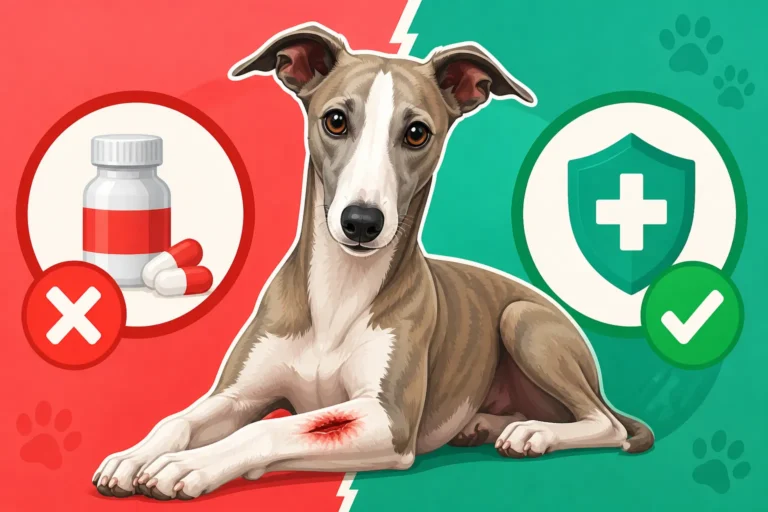
The moment you see a tear, a scrape, or a gash on your Whippet’s incredibly thin, delicate skin, your heart probably leaps into your throat. It's a common, terrifying experience for Whippet owners, feeling that panic rise as you wonder how serious it is, how much it will bleed, and what you can possibly do right now to help your beloved dog. This guide will walk you through why a simple product like Vet Wrap is an absolute must-have in your Whippet first aid kit, how to use it effectively, and what it can — and cannot — do to help your quick-to-injure, quick-to-heal companion.
The Whippet's Delicate Canvas: Why Their Skin Is So Prone to Injury
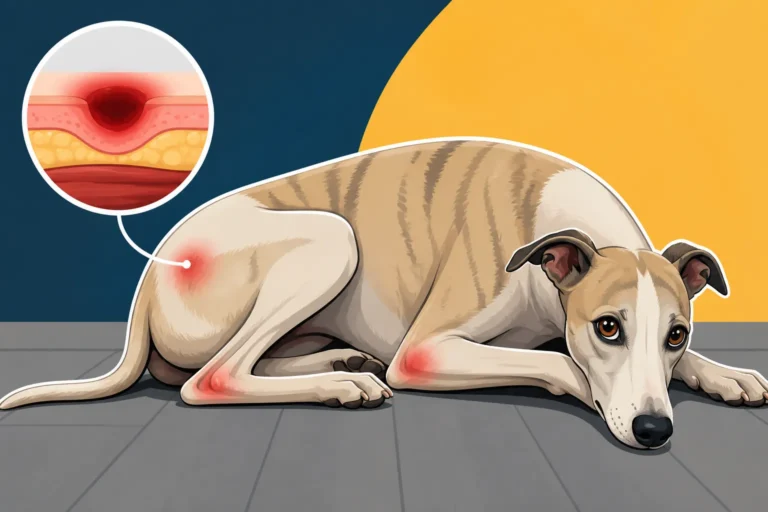
If you live with a Whippet, you already know. Their skin isn't like other dogs'. It's incredibly fine, almost tissue-paper thin, and lacks the robust fat padding that many other breeds possess. This isn't just a cosmetic trait; it's a fundamental part of their sighthound physiology, designed for maximum speed and efficiency with minimal weight. But what makes them such agile athletes also makes them notoriously prone to skin injuries.
Imagine your Whippet, full of joyful zoomies, tearing across the yard or even just playing a little too exuberantly with another dog. A brush against a rose bush, a bump into a sharp table corner, a misstep on uneven ground, or even just a boisterous tumble can result in a significant skin tear or laceration. It’s not a reflection of clumsy ownership; it's simply a fact of life with this breed. The frustration is real when you consider how often these seemingly minor incidents can lead to veterinary visits and stitches. You try your best to protect them, but accidents happen, often in the blink of an eye. This is why understanding The Thin Skin That Sends a Whippet to the Vet for Stitches is so crucial for any Whippet guardian.
Their lean physique, while stunning, means there's very little subcutaneous fat to cushion impacts or provide a protective layer under the skin. This vulnerability is why even seemingly innocuous bumps can result in a split or tear that would barely register on a stockier breed. It’s a constant source of worry for us, knowing that a playful moment can quickly turn into a medical emergency. And let's be honest, seeing blood on that sleek, short coat is always alarming, no matter how small the wound seems at first glance. It’s why having immediate access to something that can effectively cover and protect these wounds, even temporarily, offers such peace of mind.
What Vet Wrap Is and Why It's a Game-Changer for Whippet Owners
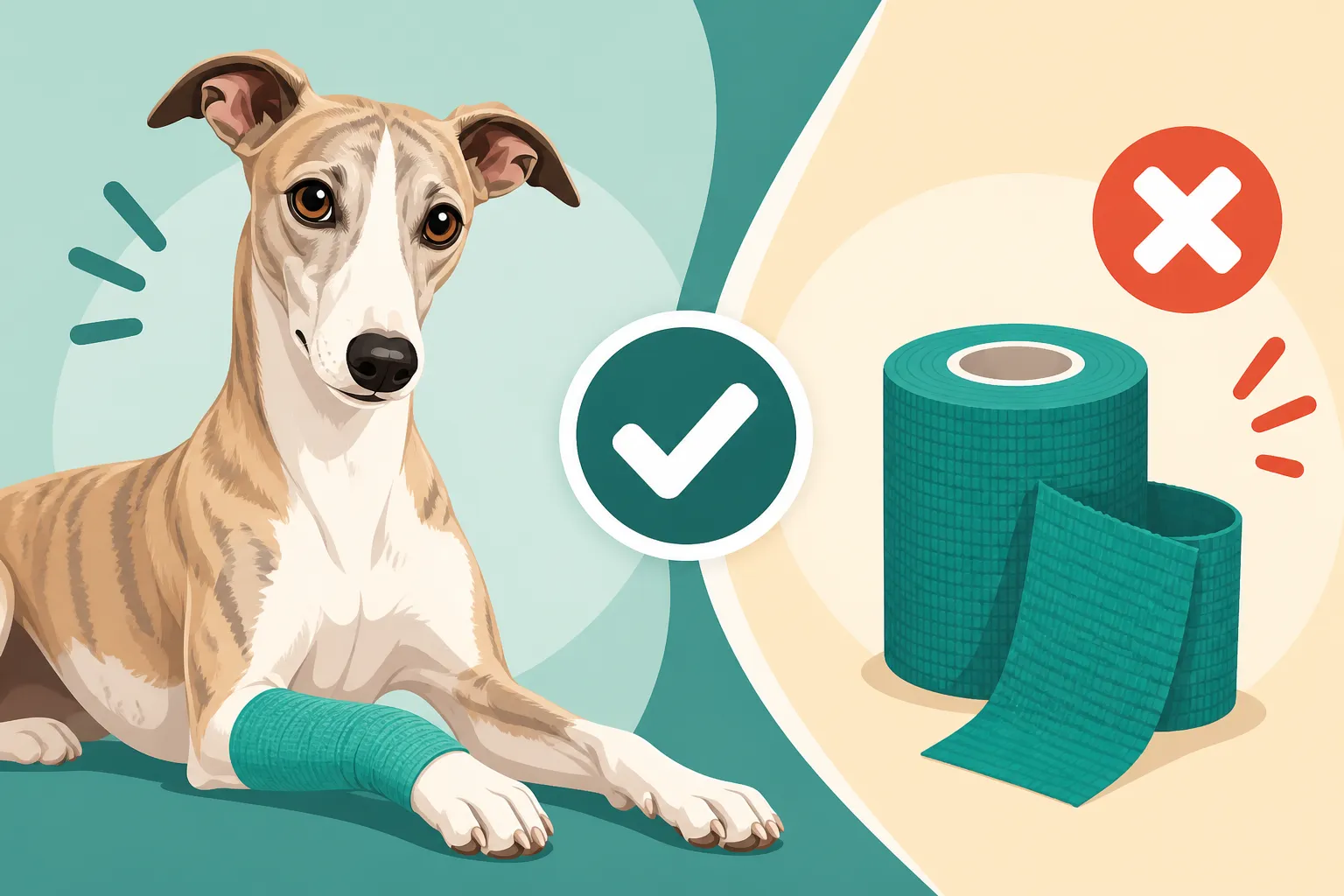
So, what exactly is Vet Wrap, and why is it so highly recommended for Whippet owners? Simply put, Vet Wrap is a brand name for a self-adhering, flexible bandaging material. It’s essentially a stretchy fabric bandage that sticks to itself, but not to hair or skin. This crucial feature is what makes it superior to traditional adhesive tapes and gauze for dogs, especially for a breed like the Whippet.
Unlike medical tape that rips out fur (and causes distress!) or adhesive bandages that refuse to stick to a dog's coat, Vet Wrap provides a secure, yet gentle, hold. It conforms beautifully to the contours of a Whippet's lean, often bony limbs and body, without slipping or bunching. It offers a breathable layer of protection, which is vital for preventing moisture buildup and promoting good air circulation around a wound. You can find Vet Wrap easily at most pet supply stores, or online retailers like Chewy and Amazon, often sold in multi-packs, making it a convenient and economical addition to your pet first aid kit.
Think about the alternative: trying to secure a gauze pad with regular tape. On a Whippet’s fine, short coat, that tape rarely holds for long, especially if the dog moves or licks. And when it does stick, removing it can be an ordeal in itself, pulling delicate fur and irritating sensitive skin. Vet Wrap eliminates these frustrations entirely. It's designed to be easily applied and removed, which is a blessing when dealing with a dog who might already be sore or stressed from an injury. This flexibility also means it can be applied quickly and effectively in an emergency, giving you precious time to assess the injury or get to the vet. For more insights into necessary supplies, check out What Belongs in a Whippet Owner's First Aid Kit.
How to Properly Apply Vet Wrap on a Whippet: A Step-by-Step Guide
Having Vet Wrap on hand is one thing; knowing how to use it correctly is another. Improper application can do more harm than good, especially with a breed as sensitive as a Whippet. The goal is always to protect the wound and provide light compression without cutting off circulation or causing discomfort.
Preparing the Wound Area
First things first: safety for both you and your Whippet. If your Whippet is in pain or anxious, they might try to nip, even if they never have before. Approach calmly, speak reassuringly, and if possible, have another person help gently hold your dog. Before applying anything, you need to assess the wound. Is it actively bleeding? Is it deep? Does it look clean? For superficial scrapes, a gentle rinse with clean water or a saline solution is a good start. For deeper or profusely bleeding wounds, the priority is simply to stop the bleeding and cover it.
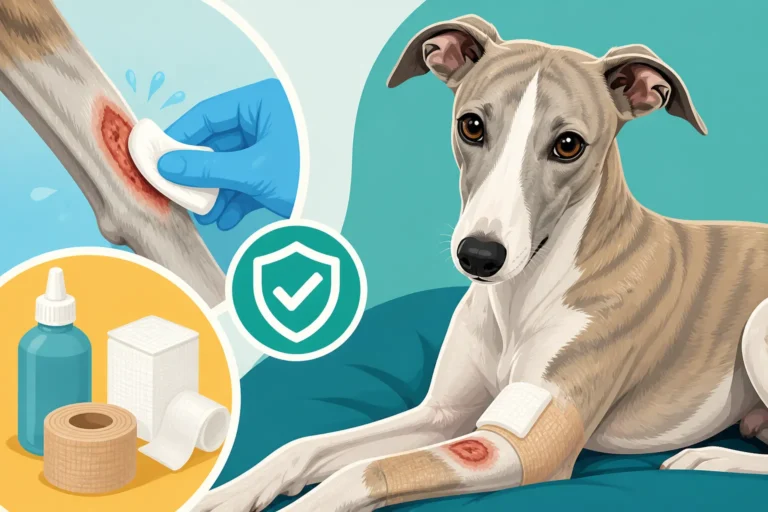
Crucially, never apply Vet Wrap directly to an open wound. Vet Wrap is not sterile and can stick to tissue as it dries, causing further damage upon removal. Always place a sterile, non-stick pad (like Telfa pads, also readily available on Amazon or Chewy) over the wound first. You might layer a clean piece of gauze over that non-stick pad for added absorbency if there's any seeping. This initial layer creates a clean barrier between the wound and the Vet Wrap, which is vital for preventing infection and ensuring the wrap can be removed without disturbing the healing process. This initial assessment and covering can often buy you time if you're debating Whether a Whippet's Cut Always Needs Stitches.
Applying the Vet Wrap
Once the wound is covered with a non-stick pad, you can begin applying the Vet Wrap. Start a little below the injury and unroll the Vet Wrap around the limb or body, overlapping each layer by about 50%. The key here is to apply it firmly but never tightly. You should be able to easily slip two fingers under the finished bandage without resistance. Wrapping too tightly is incredibly dangerous, as it can cut off circulation, leading to swelling, nerve damage, and even tissue death. This is particularly important for Whippets, whose slender limbs can be easily constricted.
When wrapping a limb, ensure you include a joint both above and below the wound if possible, to help keep the bandage in place. For example, if the wound is on the lower leg, start below the paw and extend up past the hock or knee. This creates a more secure dressing that won't slip down or bunch up as your Whippet moves. If your Whippet is injured in a tricky spot, like near the shoulder or hip, you might need to get creative with anchoring it to their chest or belly, again, being mindful of tightness. The flexibility of Vet Wrap allows for this kind of customization. Always finish by gently patting down the end of the wrap to secure it to itself.
What NOT to Do When Using Vet Wrap
The most critical "don't" is over-tightening. It bears repeating because the consequences can be severe. Signs of a bandage being too tight include swelling of the toes or paw below the bandage, coldness of the limb, excessive licking or chewing at the bandage, or your Whippet showing signs of pain or discomfort. If you see any of these, remove the bandage immediately and reapply more loosely, or seek veterinary attention if the symptoms don't resolve quickly. Remember, this is a temporary fix. Your Whippet's skin How Slowly a Whippet's Skin Heals and any complications from a poorly applied bandage will only make things worse.
Another common mistake is leaving the bandage on for too long without checking the wound. Even with perfect application, bandages can shift, get wet, or become contaminated. Always check the wound daily, if not twice daily, to ensure it's clean, dry, and healing well. Change the non-stick pad underneath as needed. If the wound shows signs of infection (redness, pus, foul odor, increased swelling or pain), it’s time for an immediate vet visit. Vet Wrap is an excellent first-aid tool, but it's not a substitute for professional veterinary care, especially for anything beyond a minor scrape.
| Feature | Vet Wrap (Self-Adhering Bandage) | Adhesive Tape + Gauze | Fabric Bandage (Human) |
|---|---|---|---|
| Sticks to Fur | No | Yes (painful removal) | Yes (pulls fur, can lose adhesion) |
| Sticks to Itself | Yes | No | No |
| Flexibility | High | Medium (tape) / Low (gauze) | Medium |
| Breathability | Good | Variable | Variable |
| Conforms to Body | Excellent | Poor (tape can crease) | Fair |
| Water Resistance | Moderate (can get wet, but dries) | Low | Low |
| Best Use for Whippet | Temporary wound cover, light compression | Not recommended for direct skin/fur contact | Only for tiny, very minor spots, easily falls off |
Beyond Emergency: Vet Wrap in the Whippet Owner's Toolkit
While Vet Wrap shines as an emergency first-aid solution, its utility extends far beyond just stopping bleeding or covering immediate injuries. It's a versatile tool that every Whippet owner should keep in their supplies, ready for various scenarios that inevitably crop up with such an active yet delicate breed.
Post-Veterinary Care and Stitch Protection
Even after a vet visit for stitches, Vet Wrap often plays a role in continued care. Your veterinarian might apply an initial bandage that includes Vet Wrap to protect the sutures. Once home, you might need to re-bandage according to their instructions. Vet Wrap is perfect for maintaining these dressings, providing an external layer of protection against dirt, licking, and accidental bumps. It's also much more comfortable for your Whippet than some stiffer materials. Just be sure to follow your vet's specific instructions regarding how often to change it and what else to put underneath. For example, if your Whippet tries to chew or scratch at stitches, a properly applied Vet Wrap bandage can act as a physical deterrent, often in conjunction with an Elizabethan collar (though Whether a Whippet Should Wear a Cone After Stitches can be a contentious topic for many owners!).
It’s an invaluable aid for keeping those freshly stitched wounds clean while they heal. Whippets, being sighthounds, are very aware of anything new or irritating on their bodies, and they are masters of trying to remove anything that bothers them. A well-secured Vet Wrap bandage can make that task much harder for them, allowing the wound to progress through its healing stages relatively undisturbed. This can be crucial in ensuring that all the effort and expense of How Much a Whippet Skin Tear Costs to Close isn't undone by a quick lick or scratch.
Protecting Minor Abrasions and Hot Spots
Beyond acute injuries, Whippets can sometimes develop minor abrasions from rough play or even hot spots from obsessive licking if they have an allergy or irritation. While these might not always warrant immediate veterinary stitches, they still need protection to prevent them from worsening. Vet Wrap, combined with an appropriate non-stick dressing or medicated pad, can effectively cover these areas. For a superficial abrasion, a simple layer of Vet Wrap might be enough to keep it clean and allow it to air out, provided you're still careful not to apply it too tightly.
When dealing with hot spots, the key is to prevent your Whippet from constantly licking and irritating the area. Vet Wrap can create a barrier, though you'll want to ensure the underlying hot spot can breathe and isn't trapped in excessive moisture. Sometimes, your vet might recommend a topical spray or cream, and Vet Wrap can help keep your Whippet from licking it off immediately. Just remember that chronic hot spots or persistent licking often point to an underlying issue that needs veterinary diagnosis and treatment, rather than just ongoing bandaging.
Temporary Support for Minor Strains
While Vet Wrap is absolutely not a substitute for proper medical diagnosis of musculoskeletal injuries, it can provide very temporary, light support for a minor strain or sprain before you can get to the vet. For instance, if your Whippet takes a tumble and is limping slightly, a very loose application of Vet Wrap might offer a bit of gentle compression and comfort on the way to the clinic. However, this is strictly for temporary transport and comfort, not for self-treating a suspected injury. Any persistent lameness or pain needs immediate veterinary attention to rule out fractures or severe sprains, as Whether a Whippet Breaks a Leg Running or other injuries can be quite serious.
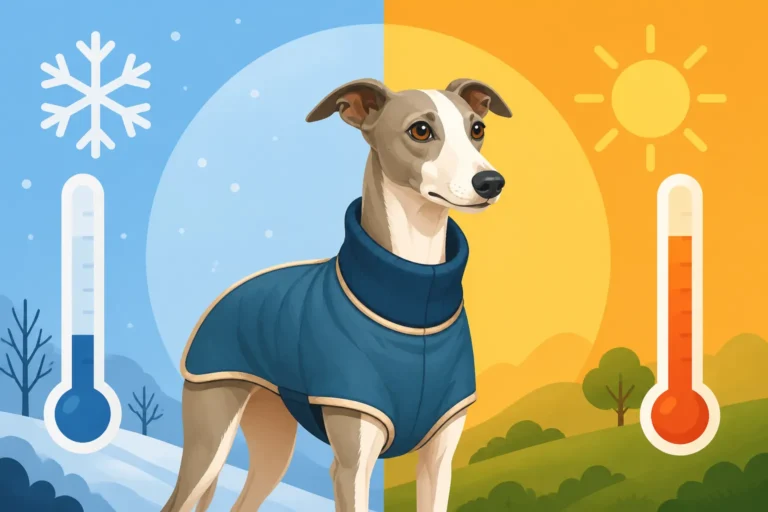
The breathable nature of Vet Wrap is also important in these situations. Whippets, with their minimal body fat, can be prone to overheating if wrapped too warmly, especially if they are also stressed. Why a Whippet Has No Insulation and No Padding is a factor to consider for both cold and heat exposure. Vet Wrap, while providing some insulation, doesn't trap heat as readily as some other materials, offering a good balance for temporary support. Always prioritize comfort and safety above all else, and if your Whippet seems more distressed with the wrap, it's better to remove it and focus on getting them to a professional quickly.
In conclusion, Vet Wrap isn't just another item on the shelf; it's a critical component of responsible Whippet ownership. It empowers you to respond effectively and calmly to the inevitable minor injuries that come with sharing your life with these wonderful, yet delicate, athletes. Always keep a roll or two in your dog's first aid kit, and familiarize yourself with its proper use – it could make a significant difference in those stressful moments.
Disclaimer
This article is for general informational purposes only and does not constitute professional advice. Laws, prices and regulations vary by location and change over time. Consult a qualified professional for guidance on your specific situation.