The Whippet Against the Greyhound and the Italian Greyhound
Many people fall in love with the sleek lines and gentle nature of sighthounds, but then find themselves scratching their heads when trying to differentiate between a Whippet, a Greyhound, and an Italian Greyhound. They all look similar, often leaving potential owners wondering which one is the right fit for their lifestyle. This comprehensive guide will meticulously break down the unique characteristics, care requirements, and temperaments of each breed, helping you understand their subtle yet significant differences.
Understanding the Whippet's Unique Place in the Sighthound Family
The Whippet, often lovingly called "the poor man's racehorse," holds a distinct and cherished place within the sighthound family. While sharing the elegant, athletic build of its larger and smaller relatives, the Whippet carves out its own niche with a unique blend of speed, grace, and surprisingly docile companionship. Many people confuse them with miniature Greyhounds, but they are a distinct breed with their own history and characteristics, perfectly balanced between extreme size and delicate fragility.
The Whippet's Origins and Purpose
The Whippet's story is deeply intertwined with the working-class people of Northern England during the 19th century. These miners and mill workers couldn't afford the grand Greyhounds of the aristocracy, so they developed a smaller, equally swift dog to participate in "rag races" and to hunt rabbits for the pot. They needed a dog that was fast, agile, and economical to keep, fitting into small homes after a long day in the pits or mills. This utilitarian breeding gave the Whippet its enduring characteristics: incredible speed over short distances, a keen prey drive, and a remarkably affectionate nature that made them beloved family members. You can learn more about their fascinating history in The Poor Man's Racehorse: Whippets in the Northern Coalfields.
The Whippet's historical role as both a hunter and a housedog meant they had to be adaptable. They were expected to perform with vigor outdoors but then settle quietly indoors. This dual purpose shaped them into the "forty-mile-an-hour couch potato" we know today. They weren't just racing machines; they were integral parts of the family, sharing beds and living spaces. This inherent adaptability is a key factor in their popularity as companions in modern homes, whether they're participating in dog sports or simply enjoying a long nap on the sofa.
Temperament and Lifestyle of a Whippet
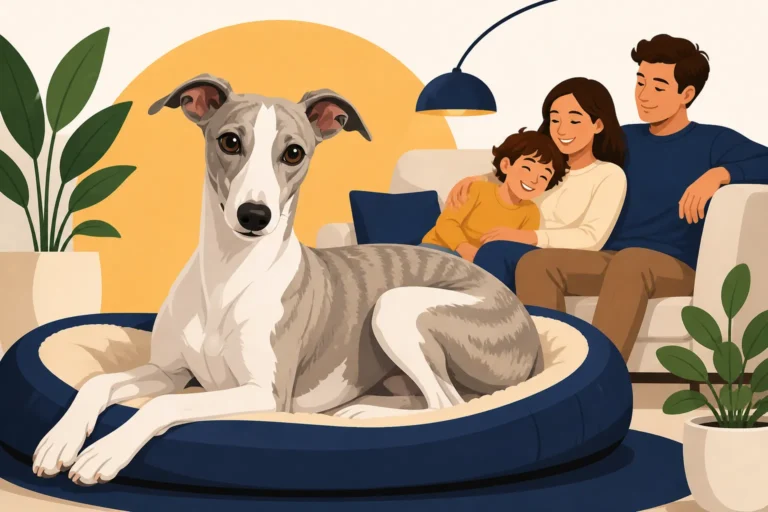
Whippets are renowned for their gentle, quiet, and affectionate nature. Indoors, they are typically calm and composed, enjoying nothing more than curling up on a soft bed or sofa, often burrowing under blankets for maximum comfort. This makes them excellent apartment dwellers, as long as their exercise needs are met. They are generally not excessive barkers, which is a huge plus for those living in closer quarters. Their mild demeanor means they usually get along well with respectful children and other pets, provided they are introduced properly.
However, don't let their indoor tranquility fool you; outside, a Whippet transforms into a burst of pure athleticism. They possess an incredible urge to run and chase, a vestige of their hunting heritage. This strong prey drive means that off-leash freedom in unfenced areas is often a recipe for disaster. Thirty Five Miles an Hour and No Brakes on a Whippet's Recall is a common frustration for owners. They need secure, fenced spaces where they can truly stretch their legs and satisfy their need for speed, whether it's a private yard or a dedicated sighthound-friendly park. Daily walks are important, but those intense sprints are crucial for their physical and mental well-being.
The Mighty Greyhound: A Whippet's Ancestor and Cousin
The Greyhound stands as the quintessential sighthound, a breed whose image is synonymous with speed, elegance, and grace. Often referred to as "the fastest couch potato," they share many characteristics with Whippets but on a grander scale. Understanding the Greyhound is essential for appreciating the distinct qualities that make a Whippet unique. Many might assume a Greyhound is simply a giant Whippet, but while genetically linked, their experiences and adaptations differ.
Greyhound Size and Physicality
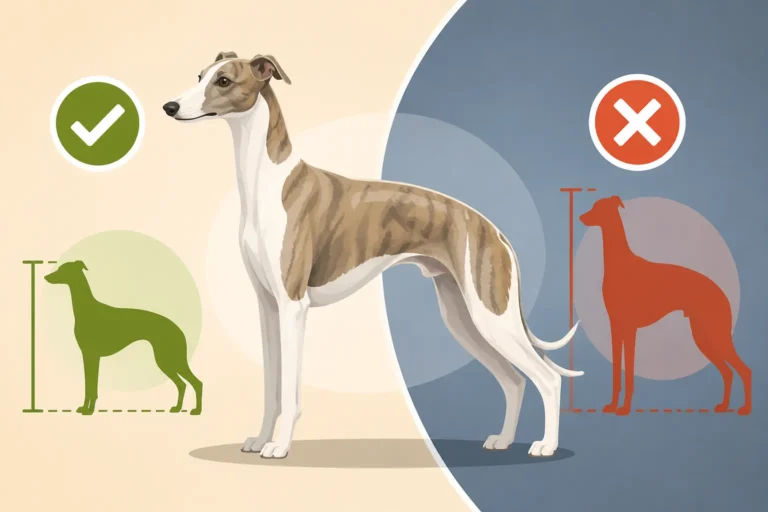
Greyhounds are considerably larger and more powerful than Whippets. An adult male Greyhound typically stands between 27 to 30 inches tall at the shoulder and weighs anywhere from 60 to 80 pounds, with females slightly smaller. Their skeletal structure is built for extreme speed, with long, muscular legs, a deep chest, and a flexible spine that allows for an incredible double-suspension gallop. This powerful physique enables them to reach speeds upwards of 45 miles per hour, making them one of the fastest dog breeds on the planet.
Their physical presence is commanding, yet their short, sleek coat gives them a refined, almost delicate appearance. Like Whippets, they have very little body fat, making them susceptible to cold weather and prone to skin tears. Their thin skin, combined with their athletic lifestyle, means that a The Thin Skin That Sends a Whippet to the Vet for Stitches is a shared concern, though Greyhounds, being larger, can sometimes have more severe injuries due to their sheer mass. Proper padding for their beds is just as crucial for a Greyhound to prevent pressure sores as it is for a Whippet, as their prominent bones lack natural cushioning.
Greyhound Temperament and Energy Levels
Despite their formidable speed, Greyhounds are famously calm and gentle companions indoors. They are often described as quiet, clean, and surprisingly lazy, happy to spend a good portion of their day napping on soft surfaces. This makes them wonderfully adaptable house pets, even for apartment living, provided they get appropriate daily exercise. Their energy levels are often misunderstood; they are sprinters, not endurance runners, meaning they need short bursts of intense activity followed by long periods of rest.
Greyhounds are generally affectionate with their families and can be surprisingly sensitive souls. They tend to be polite with strangers, sometimes a little reserved, but rarely aggressive. Due to their history in racing, many retired Greyhounds are looking for forever homes, and they adapt beautifully to pet life. While their prey drive is strong – an essential trait for their original purpose – many retired racers can learn to coexist with cats and smaller dogs with careful, patient introductions. This adaptability, combined with their placid nature, makes them highly sought-after companions for those who understand their unique needs.
The Elegant Italian Greyhound: A Whippet's Smaller Relative
The Italian Greyhound, often abbreviated to "IGgy," is another sighthound that frequently gets grouped with Whippets and Greyhounds. While undeniably part of the same family, the Italian Greyhound brings its own distinct set of characteristics, particularly its diminutive size and spirited personality. They are not merely smaller Whippets; they are a breed with a long and storied history, primarily as cherished companions to nobility.
Italian Greyhound Size and Delicate Build
The most obvious difference is size. Italian Greyhounds are significantly smaller than Whippets, typically standing between 13 to 15 inches tall and weighing a mere 7 to 14 pounds. This makes them true toy sighthounds, designed for lap-warming and elegant companionship rather than field work or racing. Their build is exquisitely refined, with slender bones and a delicate appearance. Their long, fine legs, deep chest, and arched back echo the classic sighthound silhouette, but in miniature.
This delicate build, while beautiful, does come with considerations. Italian Greyhounds are more prone to bone fractures, particularly in their legs, especially during their puppy and adolescent stages when they can be quite clumsy and fearless. Owners must be vigilant about preventing falls from furniture or rough play that could lead to injury. Their tiny stature also means they have even less body fat than a Whippet, making them extremely sensitive to cold temperatures. A full wardrobe of coats and sweaters, even indoors sometimes, is absolutely essential for an Italian Greyhound, perhaps even more so than for a Whippet.
Italian Greyhound Personality and Needs
Italian Greyhounds are known for their lively, affectionate, and sometimes mischievous personalities. They are deeply devoted to their human companions and thrive on close contact, often seeking out laps and warm spots to cuddle. They can be incredibly playful and energetic, especially as youngsters, enjoying zipping around the house or a securely fenced yard. However, like their larger sighthound cousins, they are also avid nappers and will happily spend hours snoozing on the sofa once their energy is expended.
Their sensitive nature means they respond best to positive reinforcement training and gentle handling. They can be a bit shy with strangers, often preferring to observe from a distance before deciding to engage. House training an Italian Greyhound can sometimes be a challenge, particularly in cold or wet weather, as their dislike for the elements is legendary. The Whippet That Will Not Toilet in the Rain is a common trait among sighthounds, but it's amplified in the tiny, cold-sensitive IGgy. They thrive in homes where they can be integral members of the family, receiving plenty of attention and warmth.
Size, Speed, and Stamina: A Direct Comparison
When comparing Whippets, Greyhounds, and Italian Greyhounds, their physical attributes are often the first point of discussion. While all three share the quintessential sighthound build, there are crucial differences in their size, raw speed, and endurance that impact their daily exercise needs and suitability for various activities. It’s not just about how big they are, but how that size translates into athletic capability and practical living.
Comparing Physical Dimensions
Let's break down the typical physical characteristics:
| Feature | Italian Greyhound | Whippet | Greyhound |
|---|---|---|---|
| Height | 13-15 inches (at shoulder) | 18-22 inches (at shoulder) | 27-30 inches (at shoulder) |
| Weight | 7-14 pounds | 25-40 pounds | 60-80 pounds |
| Build | Very delicate, fine-boned | Medium-boned, athletic, muscular | Large, powerful, extremely muscular |
| Body Fat | Extremely low, very thin skin | Very low, thin skin | Very low, thin skin |
| Coat | Very short, fine | Short, smooth | Short, smooth |
As you can see, the Italian Greyhound is truly a miniature version, almost dainty in comparison to the Whippet, which itself is a scaled-down version of the robust Greyhound. These differences in size directly influence their fragility, how much space they require, and their susceptibility to cold. For instance, finding a suitable coat that fits a Whippet's deep chest and narrow waist can be a challenge, but Which Coat Brand Fits a Whippet's Deep Chest illustrates a common problem shared, to varying degrees, across all three breeds due to their unique body shape. You can often find a wide variety of specific sighthound coats from brands like Chewy, which cater to their unusual proportions.
Sprinting Ability and Endurance
All three breeds are sprinters, built for bursts of incredible speed over short distances rather than prolonged endurance.
- Greyhound: The undisputed king of canine speed, capable of reaching speeds up to 45 mph. They are built for flat-out, straight-line acceleration and top speed. Their stamina, however, is limited to these short bursts, after which they are ready for a long nap.
- Whippet: The Whippet is incredibly fast for its size, often hitting 35 mph or more. They are agile and quick off the mark, making them formidable in lure coursing or straight racing. While they can run for a good distance, their peak performance is in short, intense sprints. How Far a Whippet Can Sprint Before It Tires isn't as far as some might expect.
- Italian Greyhound: While fast for their size, Italian Greyhounds are not in the same league as Whippets or Greyhounds when it comes to sheer velocity. They are quick and agile, enjoying zipping around a small yard or house, but their delicate build means they are less suited for high-impact, sustained running.
None of these breeds are ideal jogging or distance running partners for miles on end. Their bodies are designed for power and quick acceleration, not sustained trot. Expecting them to keep up for a long run can lead to injury and exhaustion.
Ideal Exercise Requirements
Understanding their natural athleticism is key to providing appropriate exercise:
- Greyhound: Needs daily walks and opportunities for off-leash running in a securely fenced area. Short, fast sprints are more beneficial than long, drawn-out exercises. Many retired racers are content with a couple of walks and a good stretch.
- Whippet: Requires daily walks and regular opportunities to sprint in a safe, enclosed space. Lure coursing or Fast CAT events are excellent outlets for their natural drive. A good 20-30 minute sprint session a few times a week, coupled with daily leashed walks, is usually sufficient. Twenty Minutes of Running Satisfies a Whippet if those minutes are truly intense.
- Italian Greyhound: While they enjoy running, their smaller size and fragility mean their exercise needs are met with shorter, gentler play sessions. A securely fenced yard for supervised zoomies and several short walks a day are generally sufficient. Protection from cold is paramount during outdoor exercise.
For all three, mental stimulation is also important. Puzzle toys and training sessions can keep their intelligent minds engaged, complementing their physical activity.
Temperament and Household Compatibility
Beyond their physical prowess, the temperaments of Whippets, Greyhounds, and Italian Greyhounds are critical factors in determining which breed might be the best fit for your home. While all sighthounds share some common traits, their nuances in personality, social behavior, and trainability vary significantly, directly impacting their suitability for different family dynamics and living situations.
Social Nature and Prey Drive
All three breeds are sighthounds, meaning they were bred to hunt by sight, giving them an inherent and often strong prey drive.
- Greyhound: Greyhounds typically have a pronounced prey drive due to their racing history. While many can live peacefully with cats and smaller dogs if introduced carefully and managed responsibly, it's never a guarantee. A Whether a Whippet is Safe with Small Dogs is a valid question, and it applies even more so to the larger Greyhound. They are generally gentle and polite with people, sometimes reserved with strangers, but deeply loyal to their family.
- Whippet: Whippets also possess a strong prey drive. They will chase anything that moves quickly – squirrels, rabbits, or even blowing leaves. This makes off-leash adventures in unfenced areas risky. However, they are generally known for being excellent with other dogs and often live happily with cats, especially if raised with them from a young age. Their social nature with other canines is a hallmark of the breed, often thriving in multi-dog households.
- Italian Greyhound: Italian Greyhounds have a significant prey drive for their size and will enthusiastically chase small, fast-moving objects. They can be very playful and sometimes bossy with other dogs, despite their small stature. With cats, their small size can sometimes make them the 'prey' rather than the 'predator,' but their instinct to chase remains strong. They are typically incredibly affectionate and clingy with their owners, often preferring to be touching their humans.
Trainability and Sensitivity
Sighthounds, including these three, are known for being sensitive and intelligent, responding best to positive reinforcement and gentle methods. Harsh corrections can cause them to shut down or become fearful.
- Greyhound: Greyhounds are intelligent but can have an independent streak. They are often eager to please but require patient, consistent training. Their sensitivity means that a raised voice or heavy hand can be counterproductive. They excel in activities like lure coursing, where their natural instincts are utilized.
- Whippet: Whippets are quite intelligent and can be surprisingly good at various dog sports, including obedience and agility, when motivated with positive reinforcement. They are very sensitive, and Why Harsh Handling Ruins a Whippet is a critical lesson for new owners. They thrive on praise and treats. House training can sometimes be a bit slower than other breeds, especially if they dislike going out in the rain or cold.
- Italian Greyhound: Italian Greyhounds are very smart but can be notoriously stubborn and easily distracted. They learn quickly but may choose when to obey! Consistency is key, along with high-value rewards. House training can be particularly challenging due to their small bladders and aversion to cold or wet weather. Many IG owners opt for pee pads indoors, especially during harsh weather conditions.
Suitability for Families and Apartments
Considering their size, energy, and temperament, each breed has a slightly different ideal living situation.
- Greyhound: Excellent for apartment living due to their calm indoor nature, provided they receive regular walks and secure off-leash sprints. They are generally good with older, respectful children. Their size might be a bit much for very small children, but their gentleness usually prevails.
- Whippet: Perfectly suited for apartments or homes with securely fenced yards. They are fantastic family dogs, generally very tolerant and playful with children, and often thrive with other dogs. Their moderate size makes them adaptable to most living spaces. Whether a Whippet Suits an Apartment is a resounding yes, making them highly desirable urban companions.
- Italian Greyhound: Ideal for apartment living or smaller homes, though a safe outdoor space for quick zoomies is appreciated. Their delicate nature means they are often best in homes with older, gentle children or no children, to prevent accidental injury. They absolutely thrive on constant human companionship and may struggle with separation anxiety if left alone for long periods.
Care Requirements: From Coats to Calories
Owning any dog involves a commitment to their specific care needs, and sighthounds, with their unique physiology, present some distinct considerations. From their lean bodies to their aversion to cold, Whippets, Greyhounds, and Italian Greyhounds all require thoughtful attention to nutrition, grooming, and environmental comfort. While there are shared characteristics, the scale of care often differs with their size.
Nutritional Needs and Weight Management
All three sighthound breeds are naturally lean, with minimal body fat, which often leads to misconceptions about their weight.
- Greyhound: Due to their large size and athletic build, Greyhounds require a high-quality, balanced diet to support their muscle mass. Portions need to be carefully monitored to prevent them from becoming overweight, which can be detrimental to their joints. Despite their size, they are not prone to "bloat" (GDV) as much as some other deep-chested breeds, but it's still a consideration for any deep-chested dog.
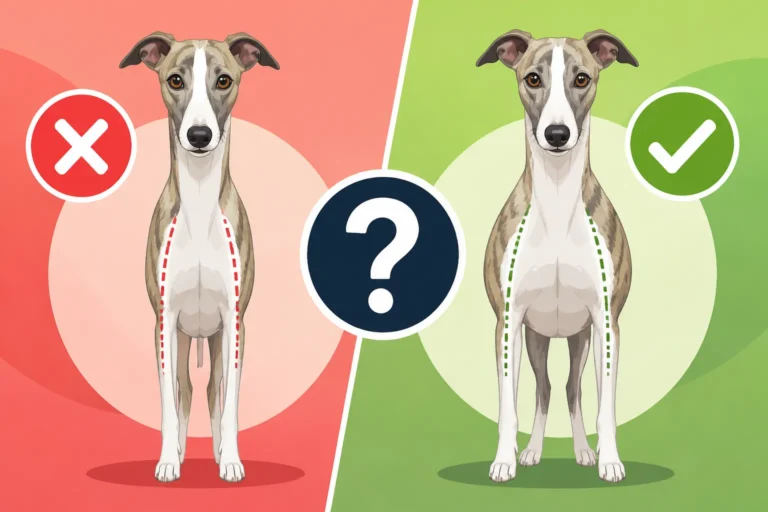
- Whippet: Whippets are incredibly efficient eaters and often require less food than their energy levels might suggest. It's a delicate balance to keep weight on them without making them fat. Many new owners are concerned about their Whippet looking too thin, often seeing ribs and hip bones, which is normal for the breed. Keeping Weight On a Whippet Without Making It Fat is a common challenge, as an overweight Whippet can lose its distinctive athleticism and face health issues. Quality kibble, often supplemented with a bit of wet food or a topper, typically suffices. Brands like Chewy offer many performance formulas that can be suitable, but always check with your vet for specific recommendations.
- Italian Greyhound: Italian Greyhounds have surprisingly high metabolisms for their size, needing regular, small meals to maintain their energy. Their delicate constitution means that consistency in diet is important. Due to their small size, it’s easy for them to become overweight if overfed, putting strain on their tiny joints. They are often discerning eaters, so finding a palatable and nutritious food can sometimes be a quest.
For all three, access to fresh water is always essential, and a balanced diet designed for active dogs is generally recommended.
Grooming and Cold Weather Considerations
Grooming is relatively low maintenance for all three, but keeping them warm is a non-negotiable.
- Greyhound: With their short, smooth coats, Greyhounds require minimal grooming – a quick brush once a week to remove loose hair is usually enough. They are generally clean dogs and don't have a strong doggy odor. However, their thin coats mean they absolutely cannot tolerate cold weather. Coats, sweaters, and indoor warmth are essential.
- Whippet: Whippets also boast a short, smooth coat that sheds minimally and is very easy to care for. A weekly brush and occasional bath are usually all that's needed. Why a Whippet's Coat Takes Five Minutes a Week is a testament to their low-maintenance grooming. Like Greyhounds, they feel the cold intensely due to their lack of body fat. A comprehensive wardrobe of coats for different weather conditions – rain, snow, and simply chilly days – is a must. They also benefit from soft bedding in every room to prevent pressure sores.
- Italian Greyhound: Italian Greyhounds have the finest, shortest coat of the three, making them even more susceptible to cold. They are not suited for outdoor living in anything but the warmest climates and often need sweaters and pajamas even inside during winter. Grooming is extremely easy, requiring little more than a wipe down or occasional bath. However, their nails can grow quickly and require regular trimming; How Often a Whippet's Nails Need Cutting is a relevant guide as Italian Greyhounds also have fast-growing nails that can be prone to breakage if neglected.
Health Considerations and Lifespan
While generally healthy breeds, each has its predispositions.
- Greyhound: Common health concerns include sighthound-specific anesthesia sensitivities (Why a Whippet Needs a Sighthound Anesthesia Protocol is a relevant read here, as it applies to Greyhounds too), osteosarcoma, and dental disease. Their lifespan is typically 10-14 years.
- Whippet: Whippets are a robust breed with a generally healthy lifespan of 12-15 years. They can be prone to certain issues like skin tears (Emergency Stitches: the Whippet Bill Nobody Budgets For) due to their thin skin, and some lines may carry genetic conditions like cardiac issues or eye diseases. Regular vet check-ups are key to catching potential problems early.
- Italian Greyhound: Italian Greyhounds are typically long-lived, often reaching 12-15 years, some even longer. However, they are prone to leg fractures, particularly as youngsters, dental disease (which can be severe), and sometimes patellar luxation. Their small size makes anesthesia riskier, similar to other sighthounds.
All three breeds benefit from preventative care, including regular dental hygiene, appropriate vaccinations, and parasite control. When considering food or supplies for your sighthound, online retailers like Chewy often have a vast selection tailored to specific needs, from special dental chews to sighthound-specific coats.
Making the Right Choice: Which Sighthound is For You?
Deciding which sighthound breed is the best fit for your home can feel overwhelming, especially with their undeniable charm and shared characteristics. However, understanding the subtle differences between the Whippet, Greyhound, and Italian Greyhound is crucial to ensuring a harmonious partnership. It's not about which breed is "better," but which one aligns most closely with your lifestyle, living situation, and expectations.
Matching a Sighthound to Your Lifestyle
Your daily routine, living space, and activity level are paramount in making an informed decision.
-
For the Apartment Dweller or City Resident:
- Whippet: Often considered the ideal apartment dog. They are quiet, clean, relatively small, and thrive indoors once their outdoor exercise needs are met. Their moderate size means they don't feel cramped in smaller spaces.
- Greyhound: Surprisingly excellent apartment dwellers. Their "45 mph couch potato" nature means they are calm and sleepy indoors. While larger, they don't require vast amounts of space inside as long as they get their walks and occasional sprints.
- Italian Greyhound: Also great for apartments due to their tiny size. However, their increased sensitivity to cold and potential house training challenges might mean more indoor potty solutions are needed, which could be a factor in an apartment setting. They are also quite vocal in their demands for attention, which might be a consideration for shared walls.
-
For the Active Individual or Family:
- Whippet: If you enjoy regular walks and have access to a secure, fenced area for daily sprints, a Whippet will thrive. They are agile and enthusiastic for activities like lure coursing or Fast CAT, but are also content with a relaxed evening on the sofa. The Whippet Is a Forty Mile an Hour Couch Potato perfectly captures this balance.
- Greyhound: They need regular walks and opportunities to open up in a safe, fenced space, but are not built for long-distance endurance. If your activity primarily involves short, intense bursts of play followed by long rests, a Greyhound could be a great fit.
- Italian Greyhound: While playful and energetic, their delicate build means they are not suited for strenuous, high-impact activities. They'll enjoy chasing toys in a secure yard or short, brisk walks, but they are more about companionability than athletic partnership for long adventures.
-
For the First-Time Dog Owner:
- Whippet: Often recommended as an excellent choice for first-time owners. They are generally gentle, adaptable, relatively easy to train with positive methods, and not overly demanding. Whether a Whippet Suits a First Time Owner explores this in more detail.
- Greyhound: Many retired Greyhounds make wonderful first dogs, especially if they've already been through a foster program that helps them adjust to pet life. They are typically calm and forgiving, though some may need patience with house training or learning to navigate stairs.
- Italian Greyhound: Can be a good choice, but their delicate nature, house training challenges, and potential for separation anxiety mean a first-time owner should be prepared for these specific needs.
What to Consider Before Bringing One Home
Before you bring home any sighthound, there are a few universal considerations that will ensure a successful and happy life for both you and your new companion.
- Secure Fencing is Non-Negotiable: All three breeds have a strong prey drive and incredible speed. A securely fenced yard (ideally 6 feet high for Whippets and Greyhounds, often lower but very secure for Italian Greyhounds) is essential for their safety. Why a Whippet Cannot Be Let Off Leash in an Open Field applies to all sighthounds – their recall is often unreliable once prey is sighted.
- Sensitivity to Cold: Their thin coats and lack of body fat mean all sighthounds are highly susceptible to cold. Be prepared to invest in a wardrobe of coats and sweaters, and ensure your home is warm and draft-free. Soft, warm bedding is also crucial for preventing pressure sores.
- Sighthound-Specific Veterinary Care: Due to their unique physiology, sighthounds often require special considerations for anesthesia and certain medications. Finding a veterinarian familiar with sighthound protocols is highly recommended. Why a Whippet Needs a Sighthound Anesthesia Protocol highlights these critical differences, applicable across the breeds.
- Dental Health: All three breeds are prone to dental disease, so a commitment to regular teeth brushing and professional cleanings is vital. Teeth Are the Whippet Problem That Sneaks Up can certainly apply to Greyhounds and Italian Greyhounds too, as their oral health needs diligent attention.
- Affection and Companionship: These breeds thrive on human companionship and are incredibly affectionate. They want to be part of the family, often preferring to be on the furniture with you rather than isolated. If you're looking for an independent dog that prefers its own company, a sighthound might not be the right match.
Ultimately, whether you choose a Whippet, a Greyhound, or an Italian Greyhound, you'll be welcoming an elegant, affectionate, and surprisingly relaxed companion into your home. Each offers a slightly different package, but all promise loyalty, grace, and an unparalleled ability to make themselves comfortable on your sofa.
Disclaimer
This article is for general informational purposes only and does not constitute professional advice. Laws, prices and regulations vary by location and change over time. Consult a qualified professional for guidance on your specific situation.