How Often a Whippet’s Nails Need Cutting
The struggle to keep a Whippet's nails at a healthy length is real for so many of us. Their long, slender toes and delicate skin often make nail trims a source of anxiety for both dog and owner, not to mention how quickly those nails seem to grow. This comprehensive guide is here to walk you through exactly how often your Whippet's nails need cutting, why it's so important, and how to make the whole process as calm and comfortable as possible.
The Unique Challenges of Whippet Nails
Whippets are graceful, athletic dogs, and while their sleek build is undeniably beautiful, it also comes with a few specific considerations when it comes to their paw health. Their feet are designed for speed, with long, arched toes that can make nail care a bit different from other breeds.
Why Whippet Nails Grow So Fast
Many Whippets don't spend hours trotting on concrete or rough terrain like some working breeds might. Often, their exercise involves bursts of speed on softer ground, like a grassy field, followed by long naps on a soft bed. This lifestyle means their nails don't get the natural wear and tear that keeps them short in other dogs. Without that natural abrasion, those nails just keep growing and growing, curling around and sometimes even touching the ground. You might notice them tapping on your kitchen floor, which is a sure sign they're getting too long. It’s not just about aesthetics; those long nails can actually impact their gait and overall comfort.
The Dangers of Overgrown Nails for a Whippet
Overgrown nails aren't just an annoyance; they can lead to significant pain and health issues for your Whippet. When nails get too long, they push against the ground, forcing the toes upwards and putting unnatural pressure on the paw joints. Imagine trying to walk with shoes that are too small and curled up at the toes – it's uncomfortable and can throw off your entire posture. For a Whippet, this can lead to splayed feet, arthritis in the toe joints, and even lameness.
Beyond structural issues, extremely long nails can curl under and grow into the paw pad, causing painful infections and making every step agonizing. Whippets, with their thin skin, are already prone to minor injuries like The Thin Skin That Sends a Whippet to the Vet for Stitches, and an ingrown nail adds another painful point of vulnerability to their delicate paws. Such an injury could easily result in an unexpected trip to the vet, leading to bills you might not have budgeted for, as discussed in Emergency Stitches: the Whippet Bill Nobody Budgets For. These seemingly small issues can quickly escalate, affecting their willingness to exercise and play, which is vital for their physical and mental well-being.
Understanding the Quick
Every dog nail contains what's called the "quick" – a fleshy, living part of the nail that contains blood vessels and nerves. On light-colored nails, you can usually see the pink quick through the translucent nail. However, on dark nails, it's virtually impossible to see, which is where many owners get nervous. If you cut into the quick, it will bleed, and it can be quite painful for your Whippet. This fear often leads owners to trim too little, or to avoid trimming altogether, exacerbating the problem of overgrown nails.
The good news is that the quick recedes as the nail is regularly trimmed short. Consistent, small trims encourage the quick to retreat further back, making it easier and safer to achieve shorter nails over time. This is a marathon, not a sprint; patience and consistency are key to getting those nails back to a healthy length without causing discomfort.
How Often is "Often Enough"? Setting a Schedule
Determining the perfect trimming frequency isn't a one-size-fits-all answer, but there are clear indicators and general guidelines that can help you establish a routine tailored to your individual Whippet.
The "Click Test" and Why It Matters
The easiest and most reliable way to tell if your Whippet's nails are too long is the "click test." When your Whippet stands naturally on a hard, flat surface (like your kitchen floor or a tiled area), their nails should not touch the ground. If you hear a distinct "click-click-click" sound as they walk, it's a clear signal that their nails are making contact and are too long. Ideally, you shouldn't hear anything. The nails should be short enough that the tips are just above the floor, allowing the paw pads to bear the weight.
This test is more accurate than simply looking at the nails because it takes into account your dog's natural stance and gait. It’s a simple, everyday check that empowers you to keep on top of their nail health without needing a specific calendar reminder. The goal is silence on hard floors.
Factors That Influence Nail Growth Speed
Just like human nails, dog nails don't all grow at the same rate. Several factors can influence how quickly your Whippet's nails lengthen:
- Activity Level: Active Whippets who run on varied surfaces, even if it's mostly grass, might wear their nails down more than a true couch potato. However, remember Why a Whippet Cannot Be Let Off Leash in an Open Field without a secure fence, so natural wear from running outside often isn't enough to replace regular trimming. Less active, older Whippets, like those described in Caring for an Old Whippet That Feels the Cold, might have slower natural wear and require more frequent trims.
- Diet and Health: A balanced diet generally contributes to healthy nail growth. Nutritional deficiencies are rare with quality dog food, but certain health conditions could potentially impact nail quality or growth speed. However, for most Whippets, this is less a factor than activity.
- Genetics: Individual genetic predisposition can play a minor role, with some dogs simply having faster-growing nails than others.
- Surface Exposure: As mentioned, dogs walking frequently on abrasive surfaces like concrete or pavement will naturally wear down their nails. If your Whippet primarily walks on grass, carpet, or dirt, they'll need more frequent trimming.
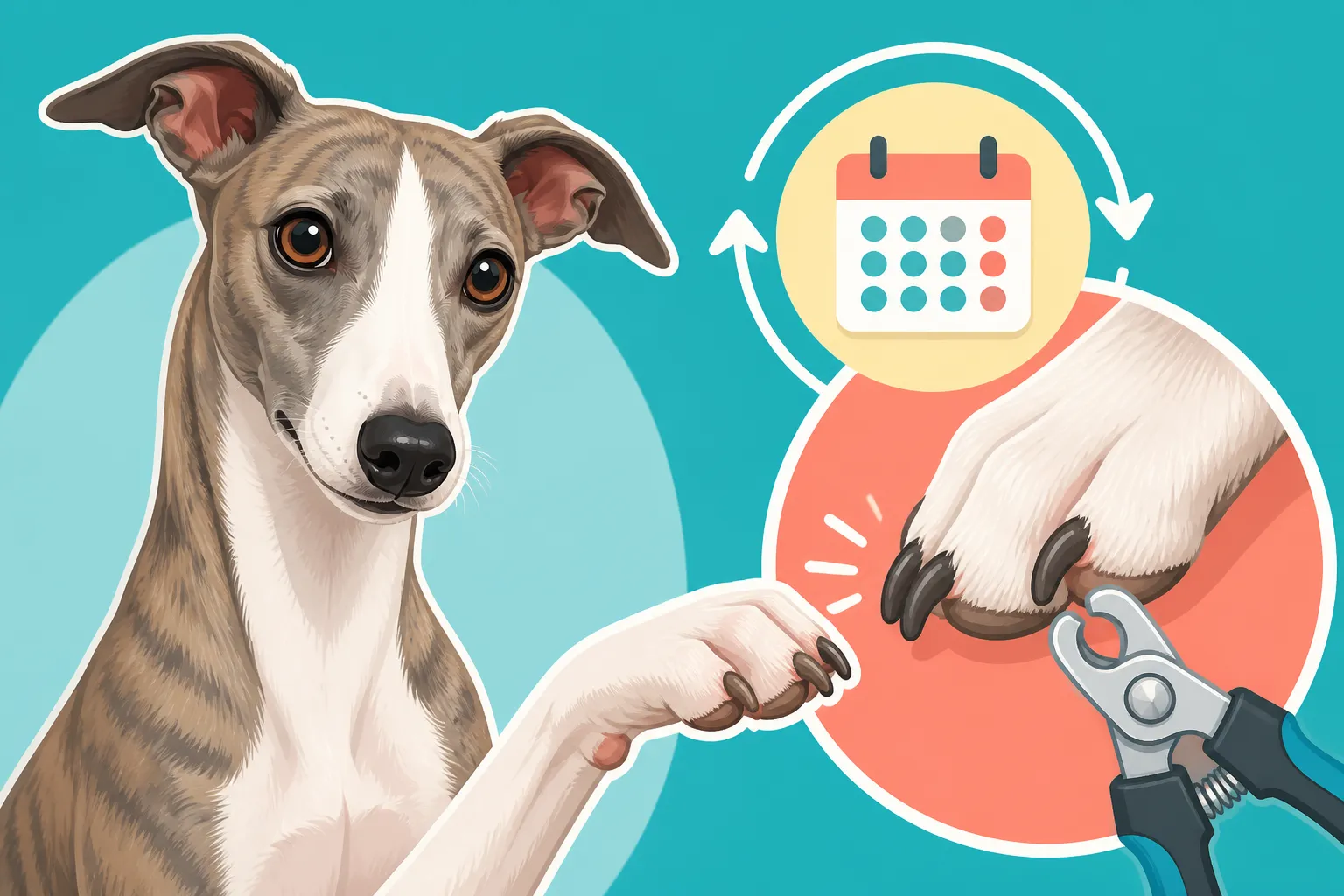
For most Whippets, a trim every two to four weeks is a good starting point. Some highly active dogs on abrasive surfaces might stretch it to five or six weeks, while a very sedentary dog might need it every week or two. Regular observation using the "click test" will be your best guide.
Establishing a Regular Routine
Consistency is absolutely vital for managing Whippet nails. Rather than waiting until they're obviously too long and causing problems, aim for a proactive schedule. Mark it on your calendar, set a recurring reminder on your phone, or simply incorporate it into your weekly grooming checks.
Consider these approaches:
- Weekly Mini-Trims: For many Whippets, especially those with dark nails, tiny weekly trims are less stressful and help the quick recede faster. You're just taking off the very tip, a tiny sliver, but doing it consistently. This also makes it less likely to "quick" them.
- Bi-Weekly Full Trims: If you're confident and your Whippet tolerates it well, a more substantial trim every two weeks might work.
- Monthly Checks and Trims: For Whippets with slower growth or more natural wear, a monthly check and trim might suffice. Always defer to the "click test."
No matter your chosen frequency, consistency helps normalize the experience for your Whippet and keeps their nails in optimal condition.
Tools and Techniques for Stress-Free Trimming
Successfully trimming your Whippet's nails relies heavily on having the right tools and employing gentle, positive techniques. Rushing or using uncomfortable tools can quickly turn nail care into a dreaded ordeal.
Choosing the Right Nail Trimmers or Grinders
There are a few main types of tools you can use, and what works best often comes down to personal preference for both you and your Whippet.
- Scissor-style Clippers: These are often the easiest for beginners. They resemble a pair of scissors with a semi-circular notch for the nail. They are quick and generally provide a clean cut. Brands like Safari or Miller's Forge are popular and can be found on platforms like Chewy or Amazon.
- Guillotine-style Clippers: These have a small hole you insert the nail into, and a blade slides down to cut it. They can be effective but might be a bit bulkier and harder to maneuver for some.
- Nail Grinders (Dremel-style tools): These battery-operated tools use a rotating abrasive bit to file down the nail. Many owners find grinders less intimidating than clippers because there's no risk of accidentally cutting too much at once. They're excellent for slowly wearing down the nail and smoothing the edges. Some Whippets prefer the vibration and sound of a grinder to the sudden "snip" of clippers, while others dislike the noise. You can find quiet, pet-friendly grinders readily available online.
| Tool Type | Pros | Cons | Best For |
|---|---|---|---|
| Scissor Clippers | Quick, clean cut; easy to maneuver; affordable | Risk of cutting the quick; can be intimidating for owner/dog; may leave sharp edges | Owners confident with quick identification; dogs tolerant of quick snips |
| Guillotine Clippers | Efficient for thick nails | Can crush the nail if dull; risk of cutting the quick; harder to see angle of cut | Experienced trimmers; large, thick-nailed dogs |
| Nail Grinder | Gradual removal, less risk of quicking; smooths nails; good for dark nails; can recede the quick over time | Slower; can generate heat/dust; noise/vibration can scare some dogs; requires consistent use | Anxious dogs; owners nervous about quicking; maintaining short nails |
No matter which tool you choose, ensure it's sharp and clean. Dull clippers can crush the nail rather than cut it cleanly, causing pain and splintering.
The Importance of Positive Reinforcement
Whippets are sensitive souls, and any negative experience can stick with them. Remember How a Whippet Learns When It Bruises From Pressure – harsh handling or scary experiences will not build trust. Positive reinforcement is the absolute cornerstone of successful nail trimming.
- High-Value Treats: Have truly irresistible treats on hand. We're talking cooked chicken, cheese, or even a spoonful of peanut butter on a lick mat. Brands like Ollie offer fresh, human-grade food that can be fantastic high-value treats.
- Short, Sweet Sessions: Don't try to do all four paws, or even all nails on one paw, at once, especially when starting out. Aim for a single nail, or even just touching the clippers to a paw, followed by lavish praise and treats. End on a positive note, even if you only managed one nail.
- Calm Demeanor: Your anxiety will transfer to your Whippet. Take a deep breath. Speak in a calm, soothing voice. Make it a routine part of your day, not a dreaded battle.
- Gradual Introduction: If your Whippet is new to nail trims or particularly anxious, start by simply showing them the tools, then touching the tools to their paws, then tapping a nail, all followed by treats. This desensitization process is crucial.
When to Seek Professional Help
It's absolutely okay if you're not comfortable trimming your Whippet's nails, or if your dog is simply too stressed or aggressive during the process. There's no shame in seeking professional help!
- Veterinary Technicians: Most vet clinics offer nail trimming services. Vet techs are experienced and often have tricks up their sleeves for nervous dogs. They can also demonstrate proper technique. If your Whippet struggles with restraint, the vet might suggest mild sedation for stress-free trimming, especially if they have other medical needs that might require special consideration like Why a Whippet Needs a Sighthound Anesthesia Protocol.
- Professional Groomers: Many groomers are skilled at nail trimming, often at a lower cost than a vet clinic. Just ensure they are familiar with sighthounds and their unique paw structure.
- Force-Free Trainers: Some positive reinforcement trainers offer cooperative care sessions, teaching both you and your dog how to make vet visits and grooming procedures less stressful through positive training.
Don't let embarrassment stop you from getting your Whippet the care they need. Regular professional trims are far better than overgrown, painful nails.
Making Nail Trimming a Positive Experience
Building a positive association with nail trims takes time and patience, but it's an investment that pays dividends in a calmer, happier Whippet and a less stressful experience for you.
Desensitization and Counter-Conditioning
This is the golden ticket to stress-free nail care. It means gradually exposing your Whippet to the nail trimming process (desensitization) while simultaneously pairing it with something highly positive (counter-conditioning).
Here's how you can do it:
- Start Small: Don't even bring out the clippers at first. Simply touch your Whippet's paws, toes, and nails gently, giving a treat with each touch. Do this daily for a few minutes.
- Introduce the Tools: Once they're comfortable with paw handling, bring out the clippers or grinder. Let them sniff it. If they look at it calmly, give a treat. Don't do anything with the tool yet, just its presence.
- Sound and Sight: For grinders, turn it on away from them, give a treat. Turn it closer, give a treat. The goal is to make the sound and vibration a predictor of good things.
- Practice Touching: Lightly touch the clippers to a nail, then give a treat. Don't cut. Just touch. Repeat many times.
- One Nail at a Time: When you're ready to cut, pick one nail. Gently hold the paw, quickly snip a tiny bit off the nail (or grind for a few seconds), then immediately reward with a high-value treat and praise. Stop there. You can do another nail later that day, or the next. The idea is to make each individual step short and positive.
The key is to never force it. If your Whippet pulls away or shows signs of stress, back up to an easier step. Patience is your most powerful tool here.
Dealing with Anxiety and Fear
If your Whippet is already anxious or fearful about nail trims, you'll need to go even slower and be extra compassionate. They aren't being "stubborn"; they're genuinely scared.
- Identify Triggers: Is it the sound of the clippers? The feeling of restraint? The smell of the vet's office? Understanding the trigger helps you address it specifically.
- Comfortable Environment: Choose a quiet, familiar place where your Whippet feels safe. Maybe on their favorite blanket, or cuddled on the sofa. Avoid slippery floors that might make them feel insecure.
- Restraint (Gentle Only): If you need to gently hold your Whippet, do so in a way that minimizes stress. A helper can offer continuous treats while you trim. For some dogs, wrapping them loosely in a blanket like a burrito can make them feel more secure, but only if they tolerate it. Never use force that causes panic.
- Pheromone Sprays/Diffusers: Products containing calming pheromones can sometimes help reduce general anxiety. You can spray them on a bandanna or use a diffuser in the room where you do the trims.
- Calming Aids: In severe cases, discuss with your vet whether a mild, short-acting sedative might be appropriate to help break the cycle of fear, especially for a few initial "reset" trims. This is a medical decision and should always be guided by a professional.
Remember, the goal is to chip away at the fear, not to reinforce it. Every positive, low-stress interaction helps.
Handling a "Quick" Accident
It happens to the best of us, even seasoned owners. You're trimming, and suddenly your Whippet yelps, and there's a drop of blood. Don't panic!
- Stay Calm: Your reaction will influence your Whippet's. A calm, reassuring tone is essential.
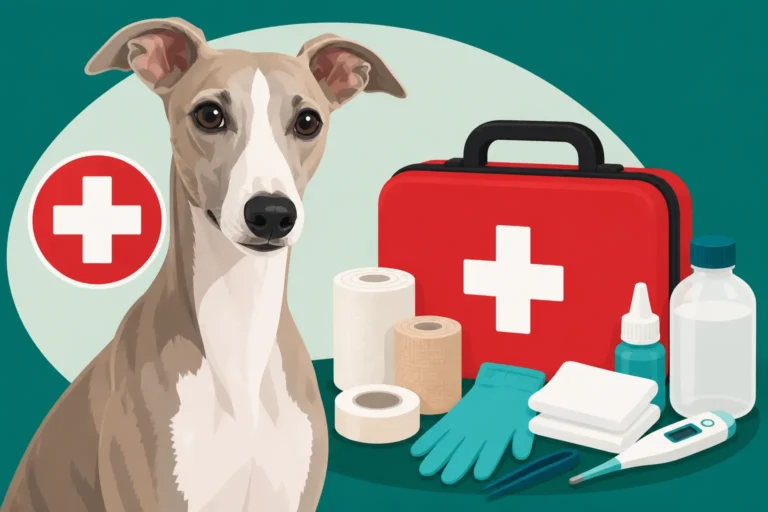
- Apply Styptic Powder: This is a must-have for any dog owner. Keep styptic powder (available on Chewy or Amazon) or a styptic pencil handy. Apply a small amount directly to the bleeding nail and apply gentle pressure. It works quickly to stop the bleeding. Cornstarch can work in a pinch if you don't have styptic powder.
- Reassure Your Whippet: Offer immediate praise and a high-value treat. Don't make a huge fuss about the blood, but acknowledge their discomfort with kindness.
- Take a Break: It's best to stop the session for the day, or at least for a good while. Revisit trimming later, starting with an easy, positive interaction.
- Monitor: Keep an eye on the nail for any signs of infection, though this is rare. If bleeding is profuse or doesn't stop, or if the paw looks swollen or painful, contact your vet. In such an emergency, knowing What an After Hours Vet Visit Costs for a Whippet might be helpful to prepare for.
A quicking incident can set back your progress, but with calm handling and positive reinforcement, you can rebuild trust. The goal is to minimize future occurrences through careful trimming and a consistent schedule.
Beyond the Clippers: Maintaining Healthy Whippet Paws
Nail trimming is just one piece of the puzzle for overall paw health. A holistic approach includes considering their exercise, daily care, and being vigilant for other potential problems.
The Role of Exercise in Natural Nail Wear
While we've established that domestic Whippets often don't get enough natural nail wear from their daily routines, strategic exercise can still play a part.
- Pavement Walks: Short, controlled walks on pavement can help abrade the tips of the nails, especially if done regularly. However, be mindful of your Whippet's delicate pads and the impact on their joints. Don't overdo it, and always check paw pads afterward for irritation or injury.
- Lure Coursing or Fast CAT: Activities like lure coursing or Fast CAT, where Whippets get to express their natural prey drive by chasing a mechanical lure, can involve running on various surfaces. This intense burst of activity can contribute to some natural wear, but it's unlikely to be sufficient on its own. These are activities they enjoy, as described in The Job a Whippet Actually Needs, but are not replacements for routine nail care.
- Avoid Excessive Running on Rough Surfaces: While some abrasion is good, continuously running on very rough or sharp terrain can damage paw pads and even lead to painful nail breaks. Always inspect your Whippet's paws after vigorous exercise on unfamiliar surfaces.
Ultimately, while exercise can help, it's rarely a substitute for consistent nail trimming. Think of it as a complementary tool, not a primary solution.
Pad Care and Inspection
Your Whippet's paw pads are their connection to the world, and they need regular attention too. Their pads are typically tough, but they can still suffer from cuts, cracks, or excessive dryness.
- Regular Inspection: Make it a habit to check your Whippet's paw pads at least weekly. Look for cuts, scrapes, thorns, redness, swelling, or foreign objects lodged between the toes. This is also a good time to check for corns, which can be an issue for sighthounds.
- Moisturizing: If your Whippet's pads become dry or cracked, consider using a dog-safe paw balm or moisturizer. This can prevent painful splitting and keep their pads supple.
- Winter Care: In cold climates, snow, ice, and de-icing chemicals can be harsh on pads. Consider dog booties for walks on treated sidewalks, and always wipe down paws after winter outings.
- Summer Care: Hot pavement can quickly burn delicate paw pads. Test the pavement with your hand; if it's too hot for you to hold for five seconds, it's too hot for your Whippet's paws. Walk during cooler times of day.
Good pad care goes hand-in-hand with nail care, contributing to overall foot health and comfort for your Whippet. It’s part of What a Whippet Needs Every Day.
Recognizing Other Paw Problems
Beyond overgrown nails, several other issues can affect your Whippet's paws that you should be aware of:
- Interdigital Cysts: These are painful lumps that can form between the toes, often due to infection or ingrown hairs. They require veterinary attention.
- Infections: Redness, swelling, pus, or persistent licking/chewing of the paws can indicate a bacterial or fungal infection.
- Allergies: Whippets can develop environmental or food allergies that manifest as itchy paws. If your Whippet is constantly licking, chewing, or biting their paws, allergies might be a culprit.
- Injuries: Due to their active nature and thin skin, Whippets are susceptible to paw injuries, from torn pads to strained ligaments. Lacerations, like those discussed in Treating a Whippet's Skin Tear, can occur on paws just as easily as on legs.
- Corns: Sighthounds, including Whippets, are particularly prone to developing corns (hard, painful growths) on their paw pads. These can be very debilitating and often require surgical removal or regular paring by a vet.
If you notice any of these issues, don't hesitate to contact your veterinarian. Early intervention can prevent minor problems from becoming major ones and ensure your Whippet stays comfortable and active for all of their The Twelve to Fifteen Years a Whippet Lives. Keeping a Whippet's nails at the right length is a small but mighty act of care that contributes significantly to their overall well-being and happiness.
Disclaimer
This article is for general informational purposes only and does not constitute professional advice. Laws, prices and regulations vary by location and change over time. Consult a qualified professional for guidance on your specific situation.