Which Coat Brand Fits a Whippet’s Deep Chest
Finding a winter coat that actually fits a Whippet can feel like a never-ending quest. Their uniquely elegant, athletic build – a deep chest, long neck, and significantly tucked waist – means that most off-the-rack dog coats simply don't contour properly, leaving gaps, chafing, or failing to provide adequate warmth. This guide dives deep into understanding your Whippet's specific needs and identifying the coat brands and features that genuinely offer the best fit and protection for their distinct physique.
The Whippet's Unique Physique: Why Standard Coats Fail
If you've ever wrestled a generic dog coat onto your Whippet only to find it gapping around the belly, riding up over their haunches, or strangling their neck, you're not alone. It's a common frustration born from the breed's very specific anatomical design. Standard sizing for most dog breeds simply doesn't account for the unique proportions of a sighthound, leading to a wardrobe full of ill-fitting garments.
The Deep Chest and Tucked Waist
The defining feature of a Whippet's silhouette is their incredibly deep chest combined with a dramatically tucked-up abdomen. Imagine a sleek, aerodynamic torpedo. This deep keel is essential for their powerful lung capacity and athletic prowess, allowing for maximum oxygen intake during those incredible sprints. However, this same attribute poses a significant challenge for coat manufacturers. A coat designed for a bulkier, more barrel-chested breed will often be too shallow in the chest area for a Whippet, pulling uncomfortably or not closing fully. Conversely, to accommodate the deep chest, you might size up, only to find the waist area then hangs loose and floppy, failing to offer any warmth or protection.
The tucked waist exacerbates this problem. Most standard coats are cut relatively straight or with a slight curve, assuming a more cylindrical or pear-shaped torso. A Whippet's waist, however, narrows sharply behind the ribcage, creating a distinct "hourglass" figure that leaves ample room for cold air to creep in under a poorly fitted coat. This lack of coverage around the delicate belly and flank area negates much of the coat's purpose, especially on brisk walks or during periods of inactivity when they need warmth the most.
The Short Coat and Lack of Body Fat
Unlike many breeds equipped with thick double coats or ample layers of body fat, Whippets possess a very fine, short, single coat and minimal subcutaneous fat. This lean build is perfect for speed and agility, but it leaves them incredibly vulnerable to the cold. They simply don't have the natural insulation that other dogs do, making a well-fitting coat not just a luxury but a necessity for their comfort and health. This lack of insulation also means they're prone to feeling cold even indoors if the temperature drops, especially when resting.
Because their skin is so thin and delicate, chafing from an ill-fitting coat can quickly become a concern. Seams or rough edges rubbing against their skin, particularly in areas like the armpits or along the spine where a coat might bunch, can lead to irritation or even painful sores. This is where the emphasis on a coat specifically designed for their body shape becomes paramount. A Whippet Has No Insulation and No Padding, making proper layering and protection vital for their well-being throughout colder months.
The "Sighthound Shape" Dilemma
The term "sighthound shape" isn't just a cute descriptor; it's a critical factor when choosing attire. Breeds like Whippets, Greyhounds, and Italian Greyhounds share similar characteristics: long, elegant necks, deep chests, slender bodies, and long, whip-like tails. These proportions are a far cry from, say, a Labrador or a Bulldog. When a manufacturer designs a "standard" dog coat, they often use a composite of more common, stockier breeds as their template, which results in a garment that is fundamentally incompatible with a sighthound's build.
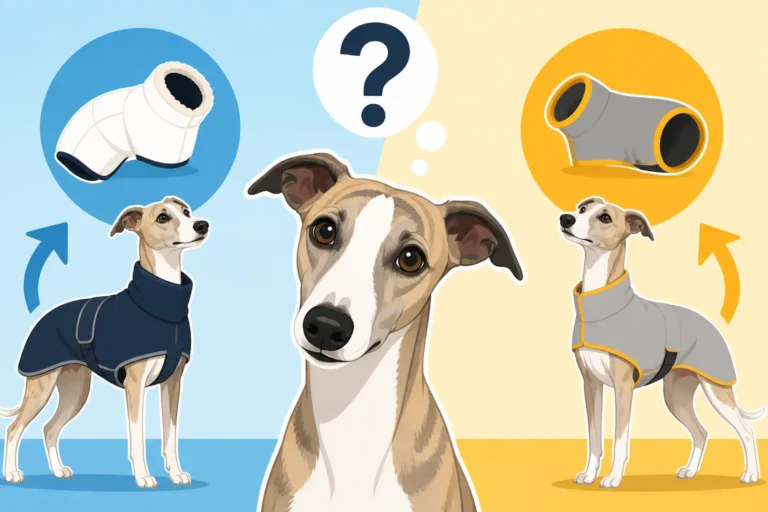
This dilemma means that simply trying on different sizes of generic coats rarely solves the problem. A size small might fit the length but be too tight in the chest, while a medium might accommodate the chest but be far too long and loose elsewhere. It's a Goldilocks problem where none of the options seem just right. This is precisely why many Whippet owners turn to specialized brands or even custom-made options to ensure their beloved companions are both warm and comfortable.
Key Features to Look For in a Whippet Coat
Navigating the world of dog coats for a Whippet requires a discerning eye. Instead of just picking a style, you need to focus on specific design elements that cater to their unique form. Forget what you think a dog coat "should" look like and prioritize function and fit.
Material Matters: Warmth Without Bulk
For a Whippet, the ideal coat material provides ample warmth without adding unnecessary bulk. Remember, they are athletes built for speed; heavy, cumbersome materials can restrict their movement and make them uncomfortable. Fleece is a popular choice for its lightweight warmth, breathability, and quick-drying properties. It's soft against their delicate skin and offers excellent insulation. You'll often see How Many Coats a Whippet Actually Needs in fleece. For colder, wetter conditions, look for waterproof or water-resistant outer shells with a fleece lining or synthetic insulation. These provide a barrier against rain and snow while retaining core body heat.
Beyond the primary material, consider the lining. A smooth, soft lining, like a soft fleece or flannel, is crucial to prevent rubbing and irritation on their thin skin. Avoid rough or abrasive materials that could cause discomfort, especially around the chest, armpits, and neck where movement is constant. When it comes to everyday wear, particularly for indoor use or milder weather, a lightweight fleece or even a pair of soft dog pajamas can make a huge difference in keeping your Whippet cozy, especially since Whether a Whippet Needs a Coat Indoors is a common question. Some owners even consider exploring quality nutrition options from brands like Ollie to support their dog's overall health, which can indirectly contribute to better temperature regulation and coat health.
Adjustable Straps and Coverage
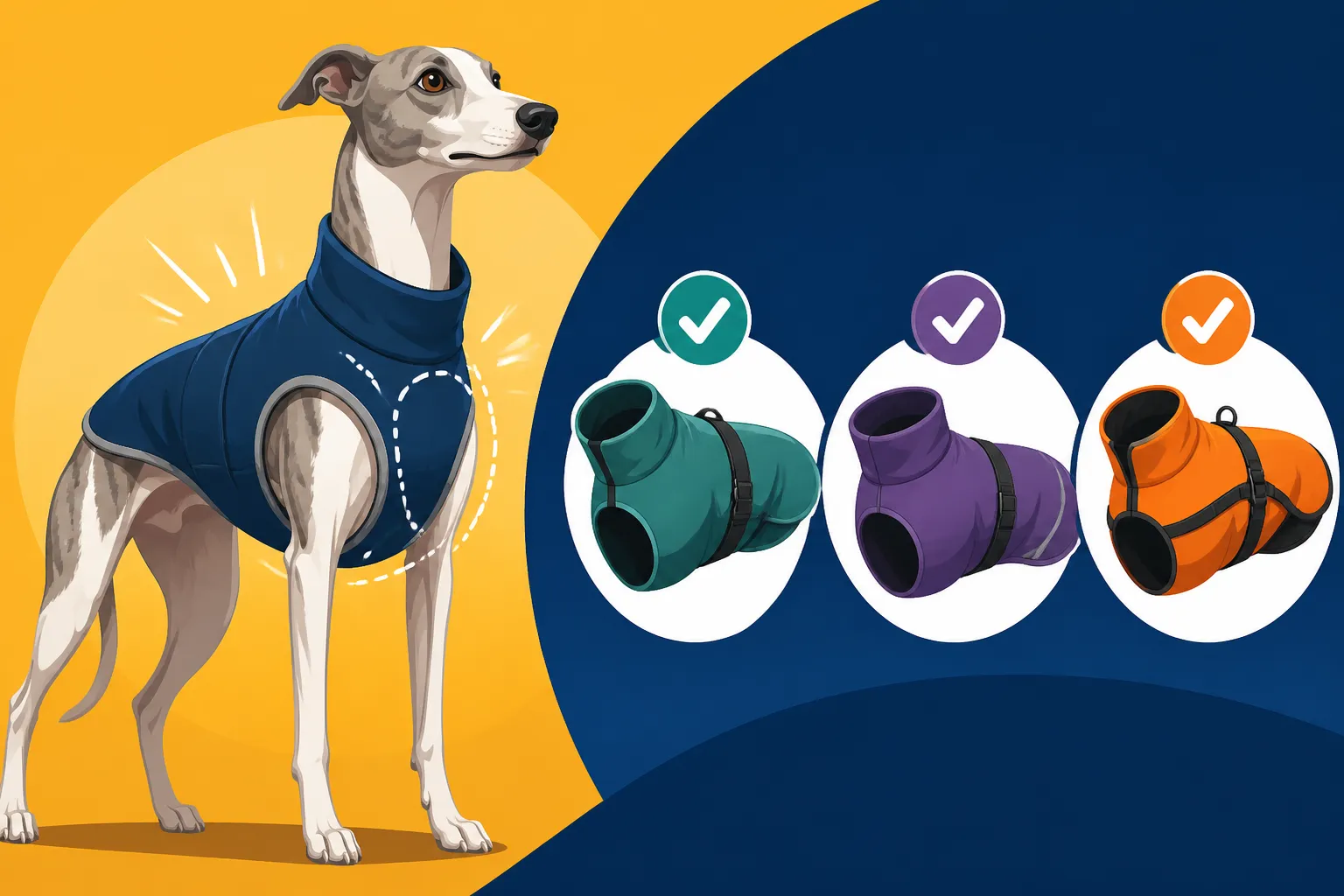
The ability to customize the fit is perhaps the most critical feature of a good Whippet coat. Look for coats with multiple points of adjustment, especially around the chest and belly. Wide, adjustable straps with strong buckles or hook-and-loop fasteners allow you to snug the coat securely without causing constriction. This is vital to accommodate their deep chest and dramatically tucked waist, ensuring a close fit that traps warmth and prevents cold drafts.
Optimal coverage is equally important. The coat should extend well over their back, ideally reaching the base of their tail, and cover a significant portion of their belly. Many standard coats leave the belly exposed, which is precisely where Whippets need the most protection from cold ground or wind. A design that includes a chest panel that wraps underneath the dog is often ideal, as it conforms better to their shape and offers superior warmth. A coat that properly covers their chest and belly can prevent them from Whether an Old Whippet Feels the Cold More, which is a significant concern as they age.
Ease of Movement and Comfort
A coat, no matter how warm, is useless if it restricts your Whippet's natural movement. They are active dogs, even if only in short bursts, and their coat should allow them to walk, run, and play without hindrance. Pay close attention to the cut around the shoulders and front legs. Avoid designs that are too tight or bulky in these areas, as they can impede gait and cause discomfort. The coat should move with your Whippet, not against them.
Consider features like a well-designed neck opening that is neither too tight nor too loose. A generous neck opening or one with an adjustable drawstring can be perfect for their long, slender necks, allowing them to lower their heads comfortably without the coat pulling. Furthermore, the coat should not be so long that it interferes with their tail or urination. Ultimately, the best coat is one your Whippet forgets they're wearing, allowing them to remain warm, dry, and happy.
Brands and Solutions That Get It Right
Given the unique anatomical challenges, finding the right coat often means looking beyond mainstream pet store offerings. Fortunately, a growing number of brands understand the specific needs of sighthounds, designing apparel with their distinct physique in mind.
Specialised Sighthound Brands
These brands are the holy grail for Whippet owners because their entire product line is often predicated on the sighthound form. They've already done the hard work of accounting for the deep chest, slender waist, and long neck. You'll find a much higher success rate with fit and comfort when opting for these specialists. Many of them focus on high-quality materials and thoughtful designs that prevent chafing and maximize warmth. They might offer specific cuts for Whippets versus larger sighthounds like Greyhounds, acknowledging the subtle differences in proportion even within the sighthound family.
These brands often feature coats with tailored chest sections, contoured belly straps, and generous necklines. They also understand the importance of durability for active dogs, even couch potato Whippets. When considering What a Winter Coat for a Whippet Costs, you might find that investing in a specialized brand, while potentially a higher upfront cost, pays off in longevity and your dog's comfort. Some may even have options for a range of weather conditions, so you might find both a lightweight fleece and Whether a Whippet Needs a Different Coat for Rain and Snow available.
General Pet Brands with Sighthound-Friendly Options
While most general pet brands cater to broader dog populations, some have begun to acknowledge the demand for sighthound-specific designs or offer certain lines that happen to fit Whippets well. This usually requires a bit more research and careful reading of product descriptions and customer reviews. Don't be afraid to look for keywords like "athletic fit," "deep chested," or reviews from owners of Greyhounds, Whippets, or other lean breeds. You might find some excellent options for general dog coats on sites like Chewy, but be prepared to dig a little deeper or read reviews from other sighthound owners to discern if a particular model might work.
Often, success with general brands comes from finding styles that are inherently more adjustable or those that feature a very flexible material. Soft shell jackets, well-designed fleece sweaters, or even simple dog 'pajamas' can sometimes surprise you with a decent fit. The trick is to prioritize flexibility and adjustability over rigid sizing. If a coat has minimal adjustment, it's less likely to accommodate the extreme variances in a Whippet's dimensions.
Custom-Made Solutions
For some Whippet owners, especially those with particularly unique body shapes or specific needs (perhaps an older dog with arthritis who needs extra padding, or one with sensitive skin), a custom-made coat is the ultimate solution. There are many talented artisans who specialize in custom dog apparel, often with a focus on sighthounds. These makers can craft a coat precisely to your Whippet's measurements, ensuring a perfect fit, optimal coverage, and your choice of materials and features. What a Made to Measure Whippet Coat Costs will naturally be higher than off-the-rack, but the investment can be well worth it for a truly bespoke item that lasts for years and provides unparalleled comfort.
This option also allows for personalization, from color choices to reflective elements for evening walks. It takes the guesswork out of sizing and ensures that every curve and contour of your Whippet's body is accounted for. While it requires a bit more time for communication and production, the end result is a coat that fits like a second skin, offering the best possible protection against the elements and ensuring your Whippet is always snug and stylish.
Sizing Up Your Whippet for the Perfect Fit
The single most important step in finding a coat that fits your Whippet's deep chest and sleek body is accurate measurement. Guessing or relying solely on their weight is a recipe for disappointment. Sighthounds vary wildly in their proportions, even within the breed standard, so a tailored approach to measuring is essential.
Accurate Measurements Are Crucial
Before you even think about browsing coats, grab a soft measuring tape and get down to your Whippet's level. Here are the key measurements you'll need, and why they matter:
- Back Length: Measure from the base of their neck (where their collar sits) along their spine to the base of their tail. This ensures the coat covers their core adequately.
- Chest Girth: This is the big one for Whippets! Measure around the deepest part of their chest, just behind their front legs. This is where most standard coats fail. Ensure you can fit two fingers comfortably under the tape.
- Neck Girth: Measure around the base of their neck, where it meets their shoulders. This helps ensure the collar opening isn't too tight or too loose.
- Waist/Belly Girth: Measure around the narrowest part of their abdomen, just in front of their back legs. This helps determine if the belly strap will be secure.
It’s often helpful to have a second person assist you, especially for the chest girth, to keep your Whippet still and ensure the tape is level all the way around. Make sure they are standing naturally, not slouched or stretched. Take each measurement a couple of times to ensure accuracy. If your Whippet is nervous or fidgety, reward them with treats and praise throughout the process.
Reading Size Charts Carefully
Once you have your Whippet's precise measurements, it's time to tackle those size charts. This is where many owners go wrong, often just glancing at the "weight" recommendation. For Whippets, ignore the weight column unless it's the only reference, and even then, take it with a huge grain of salt. Prioritize back length and, most critically, chest girth.
Different brands will have different sizing philosophies. Some will list a range for each measurement, while others provide a single number. If your Whippet's measurements fall between two sizes, consider which measurement is more critical for the specific coat style. For a full-coverage winter coat, the chest girth is usually non-negotiable. If you're buying a simple fleece, a little extra room might be fine. Always check the manufacturer's recommendations for how to measure and interpret their chart. Don't assume one brand's "medium" is the same as another's. A thorough understanding of their size charts is key to avoiding the frustration of returns, whether you're shopping from a specialist or a general retailer like Chewy.
What to Do If the Fit Isn't Perfect
Even with careful measuring, sometimes a coat just doesn't quite work out. The good news is that there are often minor adjustments you can make, or at least ways to troubleshoot the issue. If the coat is slightly too long, a simple fold and stitch (or even a safety pin for a temporary fix) at the back can shorten it. If the neck is a bit too wide, you might be able to add a toggle or elastic to cinch it slightly. For coats with adjustable straps, play around with the settings. Sometimes just loosening or tightening one strap can make a world of difference in how it sits on their body.
If the coat is fundamentally too small in the chest, or gaping excessively at the waist, it's likely not the right fit, and it's better to return it and try a different brand or size. Remember, a poor fit can lead to discomfort, chafing, or simply not providing the warmth your Whippet needs. It’s better to be patient and find the right coat than to settle for one that just "sort of" works. And remember, peace of mind regarding your pet's overall health, including any unexpected vet visits that might arise from scrapes or minor injuries (which Whippets are prone to with their thin skin), can be greatly supported by having a good pet insurance plan from providers like Healthy Paws.
| Measurement Point | How to Measure | Why it's Important for Whippets |
|---|---|---|
| Back Length | Base of neck to base of tail, along spine. | Ensures coverage over the core and avoids leaving hips exposed. |
| Chest Girth | Around the deepest part of the chest, behind front legs. | Crucial for accommodating their deep keel; prevents restriction or gapping. |
| Neck Girth | Around the base of the neck. | Ensures comfortable fit without choking or slipping off the slender neck. |
| Waist Girth | Around the narrowest part of the abdomen. | Critical for securing the belly strap and preventing cold drafts under the coat. |
Finding the perfect coat for your Whippet takes a little effort and understanding of their unique build, but the comfort and warmth it provides your slender friend is absolutely worth it.
Disclaimer
This article is for general informational purposes only and does not constitute professional advice. Laws, prices and regulations vary by location and change over time. Consult a qualified professional for guidance on your specific situation.