Why Harsh Handling Ruins a Whippet
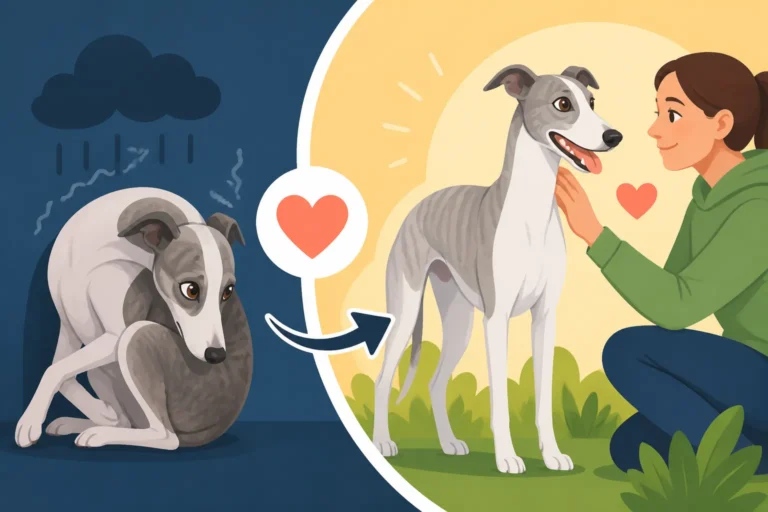
It’s heartbreaking to see a sensitive dog shrink from their human, and for whippet owners, the fear of accidentally damaging that fragile trust is very real. Our beloved sighthounds are unique creatures, incredibly soft-hearted and prone to shutting down if not handled with immense care. This guide is all about helping you understand why traditional, harsh training methods can completely undermine a whippet's spirit and how to build a joyful, confident relationship based on mutual respect and positive reinforcement.
The Whippet's Sensitive Soul: Understanding Their Temperament
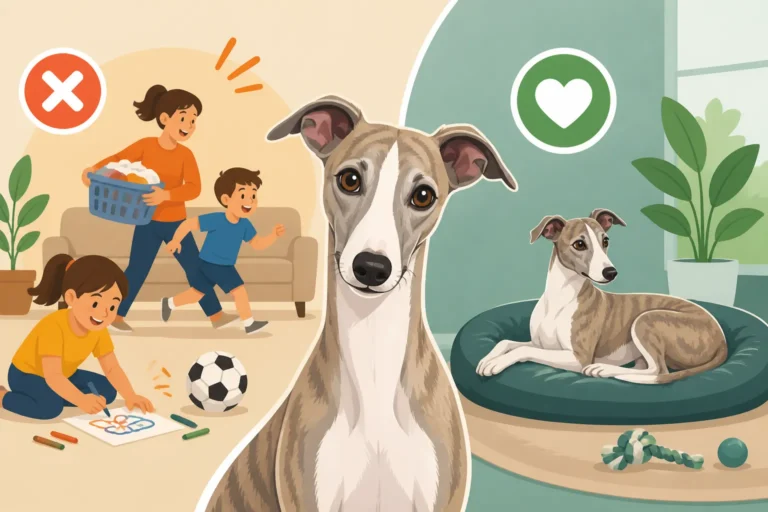
Whippets are not your average dog, and anyone who has lived with one will tell you that. They're often described as "velcro dogs" for a reason – they thrive on connection, gentle affection, and a stable, predictable environment. Their lean frames and delicate skin belie an even more delicate emotional landscape. They feel things deeply, both positive and negative, and this makes them particularly vulnerable to the impact of harsh handling.
Why Whippets Are So Empathetic and Easily Frightened
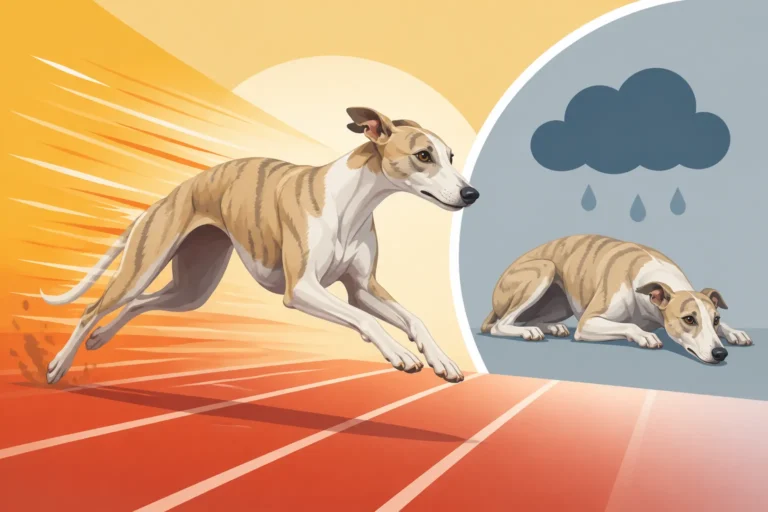
Think about it: whippets were bred for speed and keen sight, not for tough-guy antics or working under pressure. They're built for bursts of exhilarating chase and then long hours of cuddling. This genetic predisposition for sensitive perception extends to their emotional world. They are often incredibly tuned into human emotions, almost like little barometers for the mood in the room. A raised voice, a sudden movement, or even just a tense posture from their human can be deeply unsettling for them. They aren't trying to be defiant; they're simply highly attuned creatures who perceive threats or discomfort much more intensely than many other breeds.
It’s not uncommon for a whippet to startle at something innocuous, like a dropped spoon or a sudden laugh. Imagine then, how a sharp "correction" or a physical punishment might feel to such an already finely tuned nervous system. It's like turning up the volume on an already overwhelming sound for them. This high sensitivity also means they're prone to anxiety, and any training approach that uses fear or pain as a motivator is likely to backfire spectacularly, eroding their trust and potentially leading to deep-seated phobias. Many owners find their whippet struggles with general nervousness, and contributing to that with harshness is counterproductive. You might also find it useful to read about Whether a Whippet Is Nervous of Strangers.
The Importance of a Gentle Hand from Puppyhood
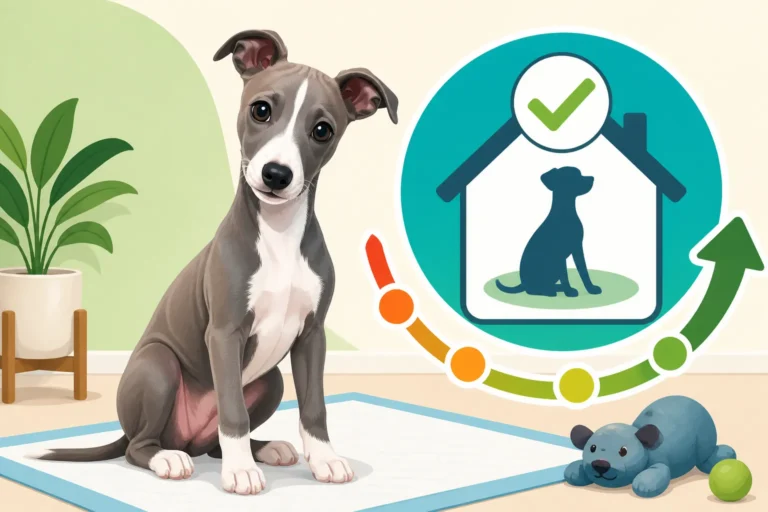
From the moment you bring a whippet puppy home, every interaction shapes their perception of the world and their place in it. Their early experiences are critical for building a foundation of trust and confidence. A puppy that is consistently met with kindness, clear boundaries, and positive reinforcement learns that their human is a safe haven, a source of comfort and guidance. Conversely, a puppy that experiences fear or pain during training will quickly learn to be wary, to avoid, or even to fear their handler.
This isn't about coddling; it's about intelligent training that respects the breed's nature. Whippets want to please you, but they need to feel safe and understood to do so. They respond wonderfully to positive cues, treats, praise, and play. Trying to force them into compliance with yanking leashes, alpha rolls, or loud scolding will not teach them anything valuable; it will only teach them to be afraid of you and the training process itself. Investing in gentle training methods from day one helps foster a confident, happy dog who views learning as a fun collaboration, not a stressful ordeal.
The Direct Impact of Harshness: Fear, Shutdown, and Avoidance
When a whippet experiences harsh handling, the consequences are often immediate and visible, unlike some other breeds that might "tough it out." Their natural instinct is not to challenge or fight back, but to retreat, appease, or simply freeze. This isn't stubbornness; it's a deep-seated stress response in a creature whose survival strategy has always been flight.
How a Whippet Shuts Down When Corrected
Have you ever tried to correct your whippet with a sharp "no!" or a firm pull on the leash, only to have them simply stop, perhaps lower their head, look away, or even pee a little? That's not them being naughty; that's them shutting down. A whippet’s nervous system is so finely tuned that even a slightly raised voice can be perceived as an overwhelming threat. When confronted with harshness, many whippets will simply disengage entirely. They might avoid eye contact, freeze in place, or try to make themselves as small and invisible as possible. This "shutdown" state is a coping mechanism, a way for them to try and de-escalate what they perceive as a dangerous situation.
The problem is, when a dog is in this state, they aren't learning. Their brain has switched from a learning mode to a survival mode. They're too stressed and anxious to process information or understand what you're trying to teach them. They're just trying to get the unpleasant experience to stop. This leads to a breakdown in communication and trust, making future training even harder. You can learn more about Why a Whippet Shuts Down When Corrected in another post.
The Link Between Punishment and Avoidance Behaviors
Harsh handling doesn't teach a whippet what to do; it only teaches them what to avoid. If a whippet is punished for jumping on guests, they don't learn to greet politely; they learn that greeting people is scary, or that you are scary when guests are around. They might start avoiding guests entirely, or worse, they might become fearful-reactive when guests arrive because they associate their presence with punishment. This can manifest in subtle ways, like slinking away, or more obvious behaviors, like hiding under furniture or even growling if cornered.
Consider a whippet being harshly corrected for pulling on the leash. Instead of learning to walk nicely, they might learn to anticipate punishment every time the leash goes on, leading to leash-related anxiety, or they might develop evasive maneuvers to avoid the correction, such as lagging behind or suddenly bolting. They associate the negative experience with the context (the leash, the guests, the person) rather than understanding the desired behavior. This is why positive training focuses on rewarding desired behaviors – it teaches the dog what to do, building their confidence and strengthening your bond.
Long-Term Behavioral Consequences of Punitive Training
While the immediate impact of harsh handling is concerning, the long-term effects can be truly devastating for a whippet's well-being and their relationship with their human family. These are not robust working dogs designed to shrug off stern treatment; they are sensitive companions who can carry emotional scars for a lifetime.
Increased Anxiety, Fear Reactivity, and Aggression
A whippet who consistently experiences harsh handling or punishment is living in a state of chronic stress. This stress often manifests as increased anxiety. They might become jumpier, more prone to startling, and develop generalized nervousness. Imagine always feeling like you're walking on eggshells, unsure when the next "correction" might come. This uncertainty is incredibly destabilizing for a whippet. This might show up as Separation Anxiety in a Whippet if their bond with you becomes fraught with uncertainty.
Beyond general anxiety, fear can morph into reactivity. A whippet that has been punished for barking at the door might not stop barking; instead, they might start growling or snapping at anyone approaching the door out of fear that they will be punished again, or because they associate the approaching person with an unpleasant experience. This isn't true aggression; it's fear-based behavior, a desperate attempt to create distance or avoid further perceived threats. It’s a tragic outcome when a naturally gentle breed develops these behaviors, and it almost always stems from a place of fear and misunderstanding, often exacerbated by punitive methods.
Damage to the Human-Whippet Bond and Trust
The most profound and heartbreaking consequence of harsh handling is the irreparable damage it can do to the bond between a whippet and their owner. Whippets are creatures of deep affection and loyalty, but that connection is built on trust, consistency, and a sense of security. When a whippet is subjected to fear-based training, that trust is shattered. They begin to associate their primary caregiver, the person who should be their protector and guide, with pain, fear, or discomfort.
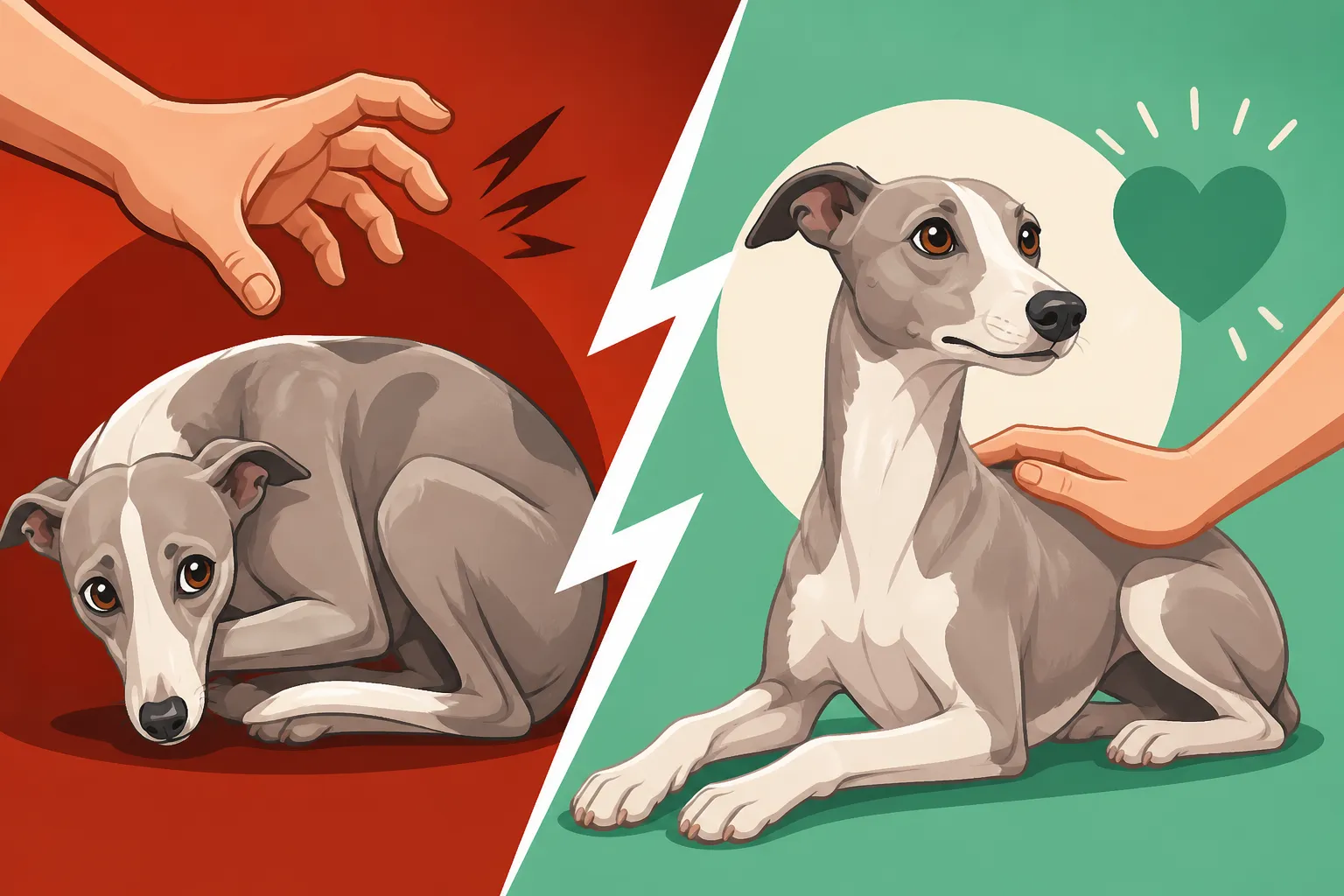
This breakdown in trust can manifest in subtle ways: a whippet might become reluctant to approach you, avoid eye contact, or cower when you reach out to them. They might seem to hold a grudge, not in a malicious way, but in the sense that they remember negative interactions keenly. You might want to explore How Long a Whippet Holds a Grudge for more insight. The joyful, spontaneous connection that makes whippets such wonderful companions is replaced by hesitancy and apprehension. Rebuilding this trust is a long and arduous process, often requiring professional intervention, and sometimes, the initial innocent bond can never be fully recovered. You want your whippet to run to you for comfort, not shy away from your presence.
Why "Traditional" Methods Fail Sighthounds Like Whippets
When we talk about "traditional" dog training, we're often referring to methods rooted in dominance theory or compulsion, which frequently involve physical corrections, intimidation, or punishment. These approaches, already questionable for many breeds, are particularly ill-suited and actively harmful for sighthounds like whippets.
Their Physical Fragility and Susceptibility to Injury
One of the most immediate and practical reasons why harsh physical corrections are so dangerous for whippets is their physical makeup. These are not robust, heavily muscled breeds. Whippets have delicate, thin skin that tears easily, long slender bones that can be more prone to injury under duress, and virtually no body fat to cushion them. A sharp yank on a choke chain or prong collar, for example, can cause serious damage to their trachea, neck muscles, or even cervical spine. A whippet’s slight build means even a seemingly minor physical correction can cause pain or injury, which is why we discussed How a Whippet Learns When It Bruises From Pressure elsewhere.
Furthermore, these dogs often have very fine, sensitive coats and easily bruised skin. Any training tool that relies on pressure, pinching, or impact, such as certain types of training collars, can cause actual physical harm, skin abrasions, or even fear-based panic in a whippet. Their physical vulnerability means that any training method that involves potential pain or discomfort is not only inhumane but also carries a significant risk of causing lasting physical injury. It reinforces the idea that their environment is unsafe and that their human handler is a source of pain.
The Instinctual Prey Drive vs. Learned Obedience
Whippets were bred for centuries to chase and catch small game. This instinctual prey drive is incredibly powerful and deeply ingrained. It's not something they can simply "turn off" with a sharp correction or a stern word. In fact, trying to punish a whippet for following its natural instincts (like chasing a squirrel or a blowing leaf) is often futile and deeply confusing for the dog. They are literally hardwired for it.
Harsh methods often fail because they don't address the underlying motivation for the behavior. If a whippet sees something interesting and bolts, a punishment isn't going to erase that prey drive. It will only teach the dog to associate your presence or the training scenario with fear, making them less likely to respond to you in future, especially when their instincts kick in. Instead of suppressing the instinct (which is impossible), effective whippet training should focus on channeling that drive appropriately (e.g., through lure coursing or Fast CAT) and teaching alternative, desirable behaviors through positive reinforcement. This helps them understand what you do want them to do, rather than scaring them away from their natural inclinations.
Building a Resilient Whippet Through Positive Reinforcement
The good news is that whippets are incredibly intelligent and eager to learn, especially when approached with kindness and clear communication. Positive reinforcement is not just a gentle option; it's the most effective and ethical way to train a whippet, fostering a confident, resilient, and deeply bonded companion. If you've been wondering Whether Positive Training Alone Works on a Whippet, the answer is a resounding yes!
Effective Communication Without Intimidation
Positive reinforcement is all about teaching your whippet what you want them to do by rewarding desirable behaviors. This means using treats, praise, play, and anything else your whippet loves to mark and encourage the behaviors you want to see more of. Instead of trying to stop unwanted behaviors with punishment, you focus on setting your whippet up for success and then generously rewarding them when they get it right. For instance, if your whippet tends to jump on visitors, you teach them to sit calmly when people arrive and reward that sit. This way, they learn that a calm sit brings good things, whereas jumping does not.
This approach builds a clear line of communication based on understanding, not fear. Your whippet learns to associate you with good things and pleasant experiences, which strengthens their motivation to interact and learn. They become an active participant in their training, eager to figure out what will earn them a reward, rather than passively trying to avoid punishment. Online puppy schools, such as those offered by BAXTER & Bella, are excellent resources for learning these force-free methods from qualified trainers, often providing structured lessons and support for new whippet owners. For hands-on supplies, checking out selection of training aids on Amazon can provide you with everything from clickers to high-value treat pouches, making positive reinforcement easy and accessible.
The Benefits of Force-Free Training for Whippet Well-being
Beyond just teaching commands, force-free, positive reinforcement training nurtures your whippet's overall emotional well-being. A dog trained with these methods is typically more confident, less anxious, and more resilient in new situations. They aren't afraid to try new things because they know that even if they make a mistake, they won't be punished; they'll simply be redirected or given another chance. This fosters a happy, outgoing personality that is a joy to live with.
Think of it as building a strong foundation of positive experiences that can help your whippet navigate the sometimes-stressful human world. For a breed already prone to sensitivity and shyness, this gentle approach is absolutely vital. It helps prevent many common behavioral issues rooted in fear or anxiety and ensures your whippet grows into the best version of themselves: a loving, trusting, and well-adjusted member of your family. It ensures their natural sweetness and playful spirit can flourish without the shadow of fear or intimidation.
Repairing the Damage: Rebuilding Trust with a Fearful Whippet
If you're reading this and realizing that previous training methods might have inadvertently damaged your whippet's trust, please know that it's possible to repair that bond. It takes patience, consistency, and a complete shift in approach, but the reward of seeing your whippet blossom into a more confident companion is immeasurable. Rebuilding trust is a marathon, not a sprint.
Understanding Your Whippet's Fear Signals
The first step in repairing damage is to become a fluent reader of your whippet's body language. Learn to recognize the subtle signs of stress, fear, and anxiety. These might include:
- Lip licking or yawning when not tired.
- Turning their head away, avoiding eye contact.
- Lowered body posture, tucked tail.
- Ears flattened back.
- Whale eye (showing the whites of their eyes).
- Freezing in place.
- Panting when not hot or exercised.
- Trembling or shivering.
- Submissive urination.
Understanding these signals allows you to intervene before your whippet becomes overwhelmed, giving them space or changing the situation. It helps you avoid triggering their fear responses and shows them that you are now listening to their communication. For a shy whippet, being understood is a huge step towards recovery. You may find helpful information in Whether a Shy Whippet Can Be Brought Round.
Strategies for Gentle Reintroduction to Training
Once you understand their fear signals, you can start the process of reintroducing training with a completely positive, force-free approach.
- Stop all punitive methods immediately: This is non-negotiable. No more harsh words, no more physical corrections, no more intimidating body language.
- Focus on high-value rewards: Use the tastiest treats your whippet loves, along with gentle praise and soft petting (if they enjoy it).
- Keep sessions short and fun: Start with very brief sessions (3-5 minutes) in a quiet, low-distraction environment where your whippet feels safe. End on a positive note, even if it’s just for a simple sit or a look.
- Go back to basics: Don't expect your whippet to remember complex commands if they're fearful. Start with simple, easy-to-succeed-at behaviors like "sit," "down," or "touch."
- Build positive associations: If your whippet is fearful of certain objects or situations (e.g., the leash, being approached), pair those things with high-value treats without demanding anything from them. Just the sight of the leash means treats appear, for instance.
- Avoid pressure: Never force your whippet into an interaction they're uncomfortable with. Give them choices and allow them to disengage if they need to.
- Seek professional guidance: A certified professional dog trainer (CPDT-KA) or a veterinary behaviorist specializing in fear-based behaviors can provide invaluable guidance and a customized plan to help you and your whippet. They can help you understand How Quickly a Whippet Learns and tailor the approach specifically for your dog.
Remember, rebuilding trust takes time, patience, and unwavering commitment. Every positive interaction, every gentle word, and every successful, fear-free training session will gradually chip away at past negative associations and help your whippet learn to trust again.
Disclaimer
This article is for general informational purposes only and does not constitute professional advice. Laws, prices and regulations vary by location and change over time. Consult a qualified professional for guidance on your specific situation.