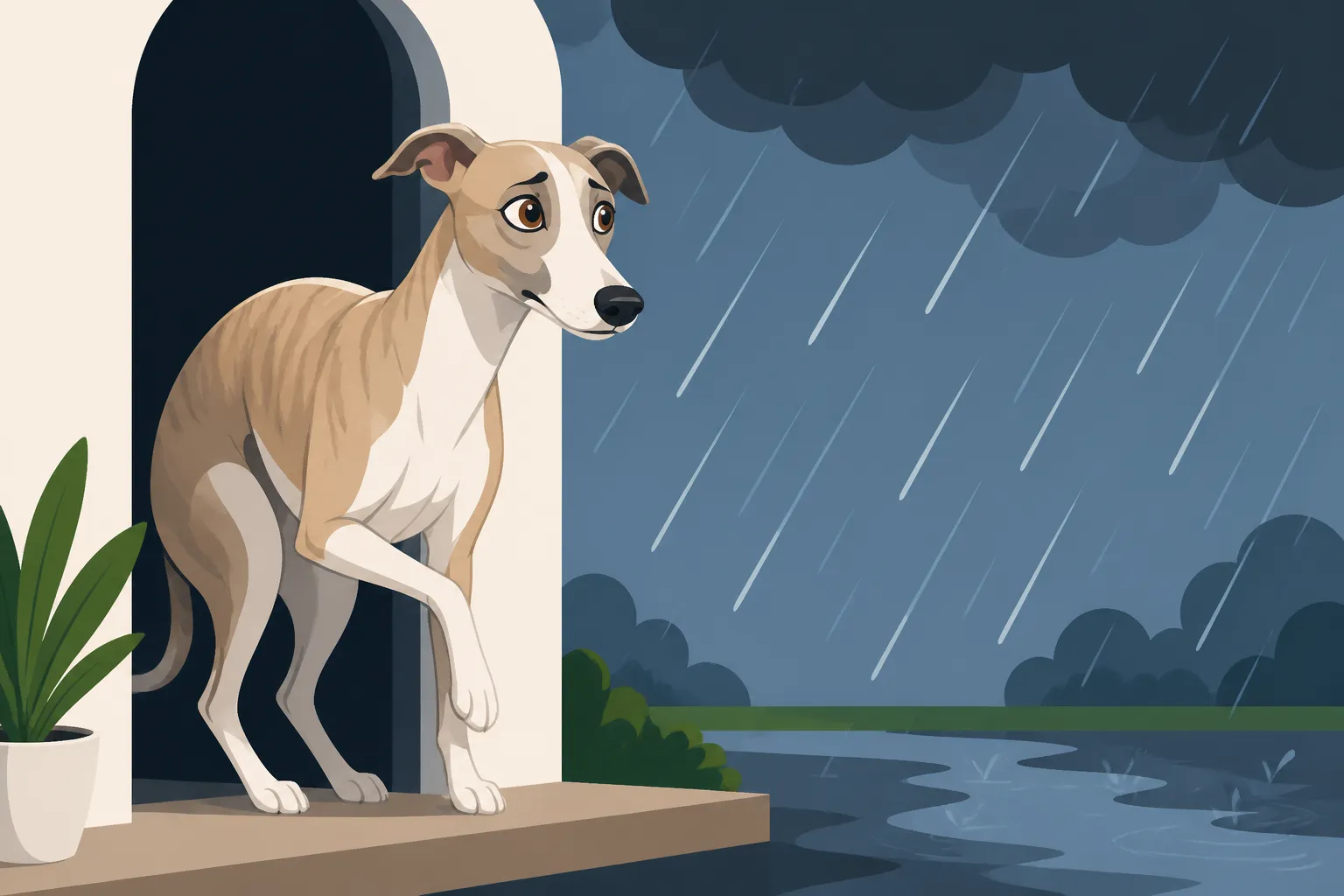
The Whippet That Will Not Toilet in the Rain
It’s a tale as old as time for many Whippet owners: the skies open up, a light drizzle turns into a proper downpour, and suddenly, your elegant, athletic dog transforms into a rigid, statue-like creature refusing to set a paw outside. This common frustration leaves many of us wondering how to encourage our rain-averse companions to do their business without turning into a sodden mess or, worse, having an accident indoors. This guide will dive deep into why your Whippet might be avoiding the wet weather and provide actionable, empathetic strategies to make rainy day potty breaks a little less dramatic for everyone.
Understanding Your Whippet's Rain Aversion
The "rain phobia" in Whippets isn't just a quirky personality trait; it's often rooted in a combination of physical sensitivities and learned behaviors. Understanding these underlying reasons is the first step toward helping your Whippet overcome their aversion to wet weather.
Why Whippets Dislike the Rain
For many dog breeds, a bit of rain is nothing more than a minor inconvenience. They'll trot out, do their business, and come back in. But a Whippet? Oh no, not typically. Their dislike for rain isn't just about getting wet; it's about the cold, the sensation, and often, the general unpleasantness. Think about how you feel stepping into a cold shower on a chilly morning – that shock to the system is probably similar to what your Whippet experiences when stepping into a cold, wet yard. They might shiver, tuck their tail, or simply plant their feet firmly, refusing to budge. It's not defiance; it's genuine discomfort.
Beyond the direct sensation of wetness, the sound of rain can also be a factor. Heavy rain can be quite loud, especially on a roof or patio cover, and some sensitive Whippets might find this overwhelming or even frightening. They have acute hearing, and what sounds like a gentle patter to us might be a cacophony to their ears. Furthermore, the wind that often accompanies rain can feel particularly biting on their thin skin. It creates a complete sensory assault that many Whippets simply wish to avoid.
The Comfort Factor: Thin Skin and Lack of Fat
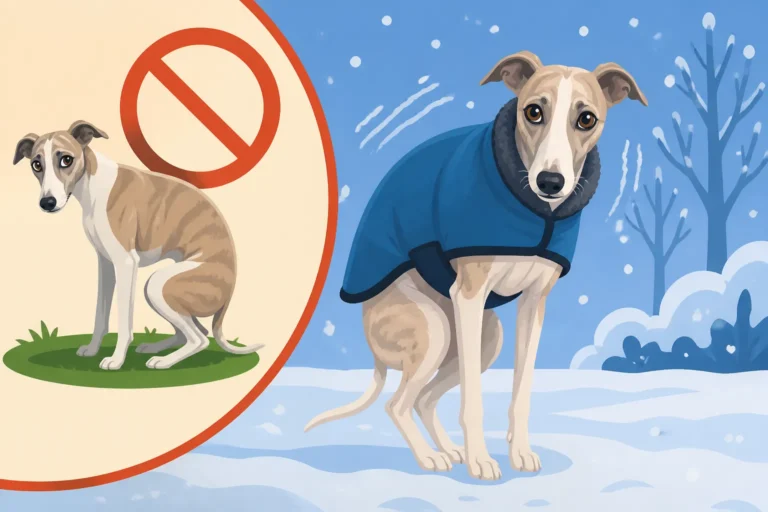
This is perhaps the most significant physical reason behind a Whippet's rain aversion. Unlike many other breeds with thick double coats or ample body fat, Whippets are built for speed and agility, not insulation. They have incredibly thin skin, covered by a short, fine coat that offers almost no protection from the cold or wet. It’s like wearing a single thin t-shirt in a downpour – you’re instantly soaked to the bone and shivering. A Whippet Has No Insulation and No Padding is not just a saying; it’s a biological reality.
When cold rain hits their delicate skin, it penetrates instantly, chilling them almost immediately. This isn't just uncomfortable; it can be genuinely painful for some. Their muscles can cramp from the cold, and their bodies struggle to maintain core temperature. This physiological response makes them inherently more susceptible to feeling the cold and the damp much more intensely than, say, a Labrador or a Golden Retriever. It’s less about being "spoiled" and more about their physical build making them ill-equipped for harsh weather.
Early Experiences and Learned Behavior
While genetics and physical traits play a huge role, early experiences can significantly shape a Whippet's relationship with rain. If a puppy's first few encounters with rain were particularly harsh—a sudden downpour, a strong gust of wind, or even just being rushed outside into a cold, wet environment without proper protection—they can quickly form a negative association. This initial negative impression can then solidify into a lifelong aversion.
Think about it: if every time it rains, they are forced into an unpleasant situation, they learn to dread the rain. This learned behavior can be incredibly strong, even if subsequent rainy outings aren't quite as bad. They might remember the shiver, the cold, the fear, and simply generalize "rain equals bad." This is why consistent, positive reinforcement from a young age is so crucial, but even with older Whippets, we can work to reframe these experiences. It’s all about creating new, more pleasant associations with the wet stuff, however challenging that might feel sometimes.
Signs Your Whippet Is Holding It
Sometimes, it can be hard to tell if your Whippet is genuinely refusing to go outside or if they're simply being stubborn about the rain. However, there are some clear signs that your sighthound is likely holding their bladder or bowels, leading to potential discomfort and indoor accidents. Recognizing these signals is key to intervening effectively and preventing issues.
Reluctance to Go Outside
This is probably the most obvious sign. You open the door, and instead of eagerly trotting out, your Whippet might flatten themselves, tuck their tail, or even try to bolt back into another room. They might look at you with wide, pleading eyes, as if to say, "Surely you aren't serious about that weather?" Some will stand just under the eaves, stretching their neck out to sniff the air, but refusing to step onto the wet grass. They might even act like they need to go, pacing near the door, then suddenly lose all motivation once they realize it's raining. This often turns into a protracted battle of wills, with you trying to coax them out and them trying to convince you that staying dry is far more important.
Another common manifestation of reluctance is their speed (or lack thereof) once they are outside. A Whippet who usually zooms around the yard, even for a quick potty break, will become incredibly slow and deliberate in the rain. They might walk on tiptoes, lift their paws high, and actively seek out the driest patches of ground, often ignoring the very spots where they usually relieve themselves. Their entire demeanor screams "I don't want to be here," and they'll likely rush back inside the moment they've done the bare minimum, or even before if they can get away with it.
Frequent Accidents Indoors
The most frustrating consequence of a rain-averse Whippet is, of course, the indoor accident. If your otherwise reliably house-trained Whippet starts having accidents specifically on rainy days, it's a huge red flag that they're holding it until they absolutely can't anymore. These accidents might happen in unusual places, away from their usual "spot," or they might try to sneak off to relieve themselves in a discreet corner. This isn't out of malice; it's usually because they've tried their best to hold it, but their bladder simply couldn't take it anymore.
These accidents can range from small puddles to larger messes, and sometimes they'll even be "stealth accidents" that you only discover later. This pattern of accidents, especially if it only occurs during inclement weather, confirms their reluctance to perform outdoors in the rain. It’s a clear sign that their physiological need is clashing with their intense dislike for the wet environment. If you notice this happening, try to increase the frequency of your attempts to take them out during rain, even if they initially refuse, to prevent these uncomfortable and messy situations. Remember, patience is key here, and punishing them for an accident they couldn't help will only make them more anxious.
Changes in Potty Habits
Beyond overt accidents, you might notice more subtle shifts in their potty routine. For instance, they might only urinate a small amount outside, holding the rest for later, or they might take a very long time to finally go, wandering around looking increasingly desperate before doing a quick squat. They might also try to go right before you bring them in, almost as an afterthought, rather than making it a priority.
Another indicator is a sudden change in timing. If your Whippet usually goes out first thing in the morning, but on a rainy day they delay or try to convince you to wait, they're likely holding it. You might also notice them drinking less water on rainy days, subconsciously trying to reduce their need to go out. This isn't ideal for their health, so encouraging normal hydration is important. Observing these nuances in their behavior can help you anticipate problems and adjust your approach, ensuring they get the relief they need without feeling overly stressed by the weather. Sometimes, a quick, efficient trip is all they can manage, and that's perfectly okay.
Creating a More Appealing Outdoor Potty Experience
The goal isn't to make your Whippet love the rain (though that would be a dream!), but to make going out in it as tolerable and quick as possible. By adjusting their environment and making the experience less unpleasant, you can significantly reduce their rain aversion.
Strategic Shelter and Potty Zones
One of the most effective ways to help a rain-averse Whippet is to provide a dedicated, covered potty area. This doesn't have to be anything elaborate. Even a simple pop-up canopy, a large umbrella attached to a fence, or a covered porch can make a world of difference. The key is to create a spot where they can relieve themselves without feeling the direct impact of rain or wind. Some owners have even built small, roofed structures over a patch of grass or pea gravel in their yard, specifically for this purpose.
Imagine trying to go to the bathroom in a downpour – it's miserable! A Whippet feels this tenfold. By offering a sheltered space, you remove a major source of discomfort. Over time, your Whippet will learn that "rainy day potty break" means a quick, dry dash to their special spot, which can greatly reduce their anxiety and reluctance. Consistency is crucial here; always take them to this designated area when it rains, so they associate it with relief and comfort. This can be a game-changer for many sighthound owners. Consider also a patch of artificial turf under the cover if real grass becomes too muddy or unpleasant.
Protective Gear for Rainy Days
A Whippet’s thin coat means they need protection. Investing in good quality rain gear is not a luxury; it's a necessity for many Whippets to cope with wet weather. Think about what truly keeps them dry and warm. A simple raincoat might repel water, but if it doesn't offer insulation, they'll still feel the chill. Look for coats that are waterproof and lined with fleece or a similar warm material. Crucially, the coat needs to cover their belly and chest adequately, as these areas are particularly exposed and sensitive. Whether a Whippet Needs a Coat to Go Outside is a question many new owners ponder, and the answer is almost always a resounding "yes" when it comes to rain and cold.
| Feature | Benefit for Whippets | Considerations |
|---|---|---|
| Waterproof | Keeps the coat and skin dry, preventing chilling | Must be genuinely waterproof, not just water-resistant |
| Lined/Insulated | Adds warmth, crucial for their lack of body fat | Fleece or synthetic lining for quick drying |
| Belly Coverage | Protects the sensitive undercarriage from splashes and cold | Snug fit without restricting movement |
| Leg Straps | Keeps the coat from flapping and shifting in wind | Comfortable and non-chafing |
| Hood/Snood | Protects ears and neck from wetness and cold | Some Whippets tolerate, others don't |
| Visibility | Reflective strips for low-light conditions | Essential for safety |
You might even consider dog booties if the ground is particularly cold, muddy, or icy, though many Whippets find these awkward at first. The goal is to make them as comfortable as possible, reducing the sensory assault of the rain. Don't underestimate the power of a really good, well-fitting coat. Many owners find excellent options on platforms like Amazon, often reading reviews from other sighthound owners to ensure a good fit for their deep chests and slender frames.
Making the Trip Outdoors Positive
Even with the best gear and a covered spot, some Whippets still need encouragement. The key is to make the entire process of going out in the rain a positive experience. This means being upbeat, offering praise, and having high-value treats ready. Don't rush them; allow them to investigate their gear, and make putting it on a calm, pleasant ritual. When you step outside, even if it's just to the covered area, be enthusiastic.
Speak in a cheerful voice, tell them how clever they are, and reward them the instant they step out. Then, immediately reward them again the moment they relieve themselves. These treats should be something they absolutely adore – boiled chicken, cheese, or special training treats. The idea is to create a strong positive association: "Rainy day + going outside = super delicious treats!" Keep the outdoor time short and to the point. The less time they spend feeling miserable, the better. Once they've done their business, praise them lavishly and bring them back inside quickly to warm up. This makes the whole process efficient and reinforces the idea that getting it over with leads to comfort and rewards.
Training Strategies for Rainy Day Potty Breaks
While making the environment more comfortable helps, consistent training is crucial for solidifying good rainy-day potty habits. It’s about building confidence and establishing a reliable routine, even when the weather isn’t cooperating.
Consistency and Routine are Key
Consistency is paramount in any potty training, and it's especially critical for a Whippet who dislikes the rain. You need to establish a very predictable schedule for potty breaks, regardless of the weather. This means taking your Whippet out at the same times every day: first thing in the morning, after meals, after naps, before bed, and whenever they show signs of needing to go. Sticking to this routine helps their body learn when to expect to go outside.
Even if it’s pouring, you must maintain the routine. Don’t skip a potty break because of the rain, as this teaches your Whippet that holding it is an option. If you always take them out every few hours, even if it's just for five minutes under a covered area, they will learn that this is simply part of their day. Over time, this predictability reduces anxiety and helps them understand that outdoor potty breaks are non-negotiable, rain or shine. Think of it like a human child needing to go to school even when it's raining – it’s just what you do.
Positive Reinforcement and High-Value Rewards
As mentioned before, positive reinforcement is your best friend when training a sensitive breed like a Whippet. They respond poorly to harsh corrections or scolding, which can make them shut down or become more anxious. Instead, focus entirely on rewarding the desired behavior. Every single time your Whippet steps outside in the rain, even if they just take one tentative step, offer a small reward and enthusiastic praise. The moment they pee or poop, throw a party! This should be their jackpot moment.
Use truly high-value treats that they don't get at any other time – tiny pieces of cooked meat, cheese, or specialty training treats. The idea is to make the reward so enticing that it outweighs their dislike for the rain. Pair the treat with a specific verbal cue, like "Go potty!" or "Do your business!" This helps them associate the action with the reward. If they stand outside and do nothing, bring them back in after a few minutes, wait 10-15 minutes, and try again, without judgment or frustration. This teaches them that successful potty breaks lead to immediate gratification and warmth back inside. For deeper understanding on sensitive training methods, check out How a Whippet Learns When It Bruises From Pressure.
Crate Training and Scheduled Breaks
Crate training can be an invaluable tool for house-training, especially for those rainy days. A well-sized crate (where your Whippet can stand up, turn around, and lie down comfortably) becomes their den, and dogs naturally avoid soiling their den. When you can't actively supervise your Whippet, especially during prolonged periods of rain, the crate can prevent accidents. It encourages them to hold their bladder until they are let out.
However, crate training isn't a magical solution. It's a management tool. You still need to adhere to a strict potty schedule. Take your Whippet directly from their crate outside to their designated potty area. If they go, reward them handsomely. If they don't, bring them back inside to the crate for another 15-20 minutes, then try again. This cycle teaches them that being out of the crate means an opportunity to relieve themselves outdoors. For more insights on this, you might find Whether a Whippet Can Be Crate Trained helpful. Just remember, the crate should always be a positive place, never a punishment, and your Whippet shouldn't be left in it for excessively long periods.
Addressing Accidents and Setbacks
Even with the best intentions and consistent training, accidents can happen. It's easy to get frustrated, but how you handle these setbacks is crucial for your Whippet's progress and your relationship with them.
Cleaning Accidents Thoroughly
When an indoor accident occurs, your immediate priority should be to clean it up thoroughly and effectively. Dogs are naturally drawn to relieve themselves in spots where they can still smell previous accidents, even if you can’t detect the odor. Using enzymatic cleaners, specifically designed to break down pet urine and feces, is essential. Regular household cleaners might mask the smell for you, but your Whippet's keen nose will still pick it up, reinforcing that spot as a "potty area."
Completely remove any solid waste, then blot up as much urine as possible with old towels. Apply the enzymatic cleaner generously, allowing it to soak for the time recommended on the product label. This allows the enzymes to work their magic, neutralizing the odors. Once it’s soaked, blot it dry again. Preventing residual odors is a key step in preventing repeat accidents in the same spot. Keep a dedicated cleaning kit on hand for those inevitable rainy day oopsies.
Avoiding Punishment
This point cannot be stressed enough: never punish your Whippet for an indoor accident. Scolding, rubbing their nose in it, or physical correction will only teach them to fear you and to hide their accidents. They won't associate the punishment with the act of peeing indoors; instead, they'll associate it with your presence when they've peed. This can lead to them becoming more secretive about their potty habits, making it harder for you to catch them in the act and direct them outside. It also damages the trust between you, which is particularly detrimental for a sensitive breed like the Whippet.
Accidents are almost always a communication breakdown, not an act of defiance. They mean either you missed their signs, or you didn't get them outside quickly enough, or the outdoor environment was too overwhelming. Instead of punishment, focus on managing the environment (more frequent trips, better gear, covered area) and reinforcing positive behavior. If you catch them in the act of having an accident indoors, calmly interrupt them with a quick "Ah-ah!" or clap, and immediately rush them outside to their designated potty spot. If they finish going outside, praise and reward them. If not, bring them back in and try again shortly.
When to Seek Professional Help
If you've tried everything – consistent routine, positive reinforcement, appropriate gear, covered potty areas – and your Whippet continues to struggle significantly with rainy day potty breaks, it might be time to seek professional guidance. This could come in a few forms.
First, a visit to your veterinarian is always a good idea to rule out any underlying medical conditions. Sometimes, increased frequency or urgency in urination can be a sign of a urinary tract infection (UTI) or other health issues, especially if it's a sudden change. For older Whippets, reduced bladder control or arthritis making it painful to move in the cold and wet can contribute to accidents; Caring for an Old Whippet That Feels the Cold provides good context for this.
Second, consider consulting with a certified professional dog trainer or a veterinary behaviorist. They can observe your Whippet's specific behaviors, assess the situation, and offer tailored strategies. Sometimes, an outside perspective can identify subtle cues or training gaps that you might have missed. Services like BAXTER & Bella offer online puppy training and behavior programs that can be incredibly helpful for addressing specific challenges, including weather-related aversions, from the comfort of your home. They can provide guidance on advanced desensitization techniques and help you build a more robust training plan for your unique Whippet.
Long-Term Management and Prevention
Overcoming a deeply ingrained rain aversion takes time and ongoing commitment. The goal isn't just to manage the immediate problem but to build a long-term strategy that helps your Whippet feel more confident and comfortable in all weather conditions.
Building Resilience Over Time
Helping your Whippet cope with rain isn't a quick fix; it's a gradual process of building resilience. Start with small, positive exposures. On a very light drizzle day, take them out for just a minute or two, well-protected in their coat, to their covered potty spot. Praise and reward heavily. As they get more comfortable, you can gradually increase the exposure time or venture slightly further from the immediate shelter. Never force them into prolonged exposure that causes distress.
You're essentially trying to change their emotional response to rain from fear/discomfort to neutrality, or even mild tolerance. This involves a lot of patience and understanding. Continue to associate rain outings with positive things: treats, praise, and quick return to warmth. Over months, and sometimes years, you'll see a shift in their willingness. They may never love splashing in puddles, but they can learn that going out in the rain doesn't have to be a traumatic event. Building resilience also extends to other elements, such as gradually introducing them to different surfaces, sounds, and environments.
Considerations for Puppyhood
If you're bringing home a Whippet puppy, you have a fantastic opportunity to prevent a severe rain aversion from developing in the first place. Early, positive experiences are key. From day one, introduce your puppy to different weather conditions, including very light rain, with lots of praise and treats. Never make their first rain experience a traumatic one.
Invest in a tiny, lightweight waterproof coat for your puppy and put it on them for short periods, even indoors, so they get used to the feeling. When it drizzles, take them out to a sheltered spot, making it a quick, positive experience with high-value rewards. How Long a Whippet Puppy Takes to House Train can give you an idea of the commitment needed. The more positively they associate rain with successful potty breaks and rewards during their crucial socialization period, the less likely they are to develop a strong aversion as adults. Remember, gentle exposure and unwavering positive reinforcement are your best tools in puppyhood.
Managing Expectations and Embracing Imperfection
Perhaps one of the most important aspects of long-term management is managing your own expectations. Your Whippet may never become a dog that frolics joyfully in the rain. And that's okay. They are sighthounds, bred for speed, not for splashing about. Their physical makeup predisposes them to disliking cold, wet weather. Embrace the fact that your Whippet might always require a coat, a covered area, and extra coaxing on rainy days.
Focus on progress, not perfection. If your Whippet goes out, does their business, and comes back in without a major fuss, that’s a huge win! Celebrate those small victories. Don’t compare your Whippet to other breeds that seem impervious to weather. Your Whippet is unique, and understanding and accommodating their needs will lead to a much happier household for everyone. Learning to work with their quirks, rather than fighting against them, builds a stronger bond and reduces stress for both of you.
Special Considerations for Older or Health-Compromised Whippets
As our beloved Whippets age, or if they face certain health challenges, their relationship with rainy weather potty breaks can become even more complicated. It’s vital to be extra observant and adjust your approach to ensure their comfort and well-being.
Arthritis and Joint Pain in Cold Weather
Older Whippets are, unfortunately, susceptible to arthritis and other joint pain. Cold, damp weather can significantly exacerbate these conditions. Imagine trying to move stiff, aching joints when every step brings a chill and a squishy, uncomfortable sensation. It’s no wonder an older Whippet might become even more reluctant to venture out in the rain. The pain makes movement difficult, and the cold penetrates their already thin bodies, intensifying their discomfort.
If your senior Whippet starts showing increased reluctance or has more accidents on rainy days, consider whether pain might be a factor. Signs of arthritis can include stiffness, limping (especially after rest), difficulty getting up or down, or a general decrease in activity. Talk to your vet about pain management options, which could include supplements, anti-inflammatory medications, or even physical therapy. Providing soft, warm bedding immediately upon return from a rainy outing, and perhaps a gentle towel dry and massage, can also help. Make sure their protective rain gear is easy to put on and take off, to minimize any painful maneuvering.
Increased Urgency and Bladder Control
As Whippets age, their bladder control might not be as robust as it once was. The muscles that control the bladder can weaken, and some older dogs might develop conditions that lead to increased thirst and, consequently, increased urination. This combination – an aging bladder needing to go more frequently, coupled with a deep aversion to rain – can create a perfect storm for indoor accidents. They simply cannot hold it as long as they used to, but their ingrained dislike for the rain remains.
This means you’ll need to increase the frequency of potty breaks, even if they protest. On rainy days, take them out every hour or two, even if it’s just for a few minutes. Don't wait for them to ask. A covered potty area becomes even more critical for older dogs, as does their warm rain gear. Patience and understanding are key here. They aren't having accidents out of spite; their body is simply changing. Be proactive, consistent, and compassionate.
Consulting Your Vet for Underlying Issues
Any significant change in your Whippet's potty habits, especially if it coincides with aging or other health changes, warrants a trip to the veterinarian. While rain aversion is common, it's always important to rule out medical causes. Conditions such as urinary tract infections, kidney disease, Cushing's disease, or even diabetes can all affect a dog's thirst and urination patterns. For more information on general health concerns, see The Twelve to Fifteen Years a Whippet Lives.
Your vet can perform diagnostic tests, such as a urinalysis and blood work, to check for these issues. If a medical condition is found, treating it can often resolve or significantly alleviate the house-training problems, even on rainy days. Even if it's "just" age-related incontinence, your vet can discuss options like medication to strengthen bladder control or management strategies. Don't just assume it's "stubbornness" or "old age" without first getting a professional medical opinion. Your Whippet deserves to be as comfortable and healthy as possible, rain or shine.
Essential Gear and Resources for Rainy Weather Potty Training
Having the right tools can make a world of difference when you're battling a rain-averse Whippet. From keeping them dry and warm to making clean-up a breeze, these items and resources can lighten your load.
Weather-Appropriate Apparel
As we've discussed, a good coat is non-negotiable for most Whippets in the rain. But let's get specific about what "good" means. Look for coats made from truly waterproof materials, not just water-resistant. The fit is crucial for Whippets with their unique body shape – deep chests, narrow waists, and roached backs. Many generic dog coats simply don't fit well, leaving vital areas exposed. Brands that cater to sighthounds often have patterns designed specifically to accommodate their physique, providing full coverage from neck to tail and a good belly panel. This ensures they stay warm and dry, preventing that immediate chill that makes them dread stepping outside.
Consider investing in multiple coats: a lighter waterproof shell for warm rain, and a heavier, insulated waterproof coat for cold, wet days. Some owners also find dog booties helpful for protecting paws from cold, wet, or muddy ground, though introduction needs to be gradual and positive. Remember, the goal is not just to keep them dry, but to keep them warm. Many owners have found great success with finding suitable apparel on Amazon, where a wide variety of brands and sizes are available, often with reviews from other sighthound owners guiding the purchase. For even more detail, you can explore The Wardrobe a Whippet Needs Because It Has No Body Fat.
Potty Training Aids
Beyond coats, several other aids can make rainy day potty training smoother. High-quality, enzyme-based cleaners are a must-have for thoroughly eliminating odors from indoor accidents, preventing repeat occurrences. Keep these readily accessible. For puppies or particularly stubborn adult Whippets, pee pads can be a temporary bridge. While the ultimate goal is always outdoor pottying, a pee pad in a designated, easily cleanable spot (perhaps in a bathroom or laundry room) can serve as an emergency relief point on days when your Whippet absolutely refuses to step out. This is a compromise, but it can prevent bigger messes and reduce stress for both of you.
Some owners also use "potty bells" hung on the door. Training your Whippet to ring the bells when they need to go out can be an effective communication tool. Even if they’re hesitant because of the rain, the act of ringing the bell can remind them of their need and prompt you to get them ready. It empowers them to initiate the potty break, rather than you having to guess. This can be particularly helpful if your Whippet isn't one to whine or pace visibly.
Online Training Resources
Sometimes, we need a little extra help or a fresh perspective. Online training resources can be invaluable for guidance and support, especially when dealing with specific behavioral challenges like rain aversion. Websites and platforms like BAXTER & Bella offer comprehensive online puppy and dog training programs that cover everything from basic house-training to addressing specific behavioral quirks. Their structured approach, often with video tutorials and live Q&A sessions, can provide the systematic guidance you need to tackle tricky issues.
These resources can help you refine your positive reinforcement techniques, understand dog body language better, and develop a more effective training plan tailored to your Whippet's sensitivity. They often provide troubleshooting tips for common problems and can help you stay consistent, even when you feel frustrated. Connecting with a community of other dog owners and trainers through these platforms can also offer moral support and shared experiences, reminding you that you're not alone in facing these challenges. Knowledge is power, and utilizing expert resources can significantly boost your confidence and your Whippet's progress.
Disclaimer
This article is for general informational purposes only and does not constitute professional advice. Laws, prices and regulations vary by location and change over time. Consult a qualified professional for guidance on your specific situation.