Whether a Whippet Suits a First Time Owner
So, you're considering welcoming a Whippet into your life as your very first dog. That's a huge step, and it's wonderful that you're doing your research! Many people are drawn to Whippets for their elegant appearance and reputation as "couch potatoes," but like any breed, they come with a unique set of characteristics and needs that might surprise a first-time owner. This guide is here to help you navigate those nuances, understand the realities of Whippet ownership, and decide if this graceful sighthound is truly the perfect match for your debut into dog guardianship. We'll dive deep into their temperament, exercise requirements, specific health considerations, and what you can expect financially and emotionally, so you can make an informed decision and set both you and your future Whippet up for success.
Understanding the Whippet Temperament and Lifestyle
When people first see a Whippet, they often envision a high-strung, energetic dog constantly needing to run. While the speed is certainly part of their charm, the truth about their overall temperament and lifestyle often comes as a delightful surprise, especially for those new to sighthounds.
The "Forty Mile an Hour Couch Potato"
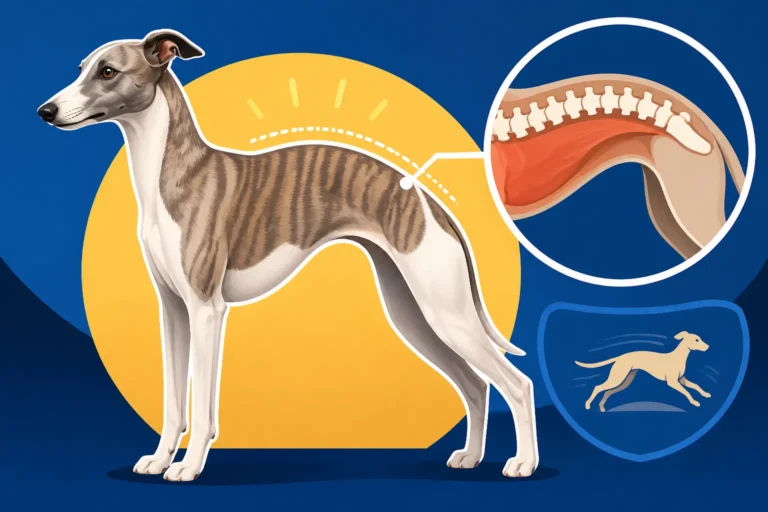
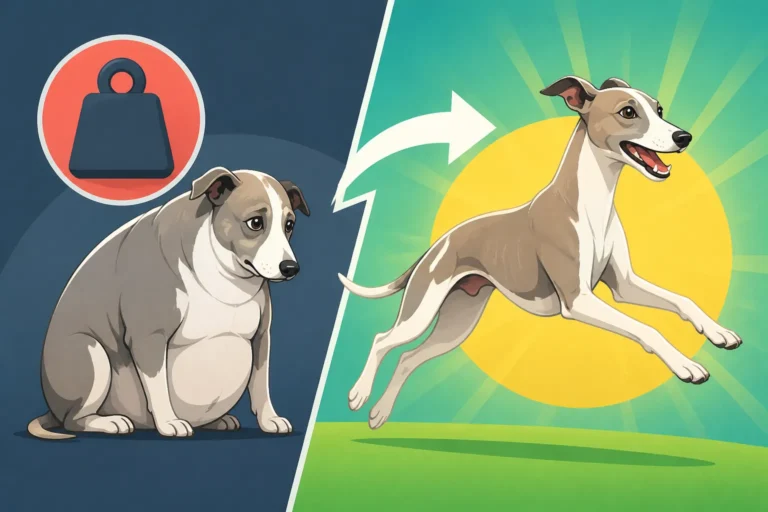
This isn't just a cute saying; it's perhaps the most accurate description of a Whippet's daily life. They truly are capable of incredible bursts of speed, hitting up to 35-40 miles per hour in a sprint, living up to their "poor man's racehorse" heritage. However, the vast majority of their day is spent in blissful repose. Imagine a dog that can go from zero to lightning-fast in a blink, then immediately return to a deep, contented nap on the softest spot available. That's a Whippet.
For a first-time owner, this can be a huge advantage. You don't need to commit to hours of high-impact exercise every single day. A couple of good, brisk walks or a chance to sprint in a securely fenced area will usually satisfy their physical needs. Then, they are more than happy to curl up with you on the sofa, burrow under blankets, or simply snooze in a sunbeam. They adapt remarkably well to apartment living precisely because their "active" periods are usually intense but short-lived. This isn't a breed that bounces off the walls indoors if their exercise needs are met; they truly cherish their downtime and are master nappers. The Whippet Is a Forty Mile an Hour Couch Potato truly captures this essence.
Sensitivity and Training Approaches
Whippets are incredibly sensitive souls. This isn't to say they're fragile or easily spooked, but rather that they respond best to gentle, positive reinforcement methods in training. Harsh corrections, loud voices, or a heavy hand will often cause a Whippet to shut down, become anxious, or even develop an aversion to training altogether. They are intelligent and eager to please the people they love, but they are not the kind of dog that will tolerate being "drilled" or forced into submission.
A first-time owner needs to be prepared to embrace positive training. Think treats, praise, and making learning fun. Whippets, like many sighthounds, can have an independent streak, and sometimes they'll feign deafness if they think there's something more interesting afoot (like a squirrel!). Patience, consistency, and a good sense of humor are your best tools. They learn quickly when motivated, and their desire for comfort often means they'll learn what you want if it leads to a cozy spot next to you. Understanding How a Whippet Learns When It Bruises From Pressure is crucial for effective and humane training.
Social Nature and Family Dynamics
Whippets generally adore their people. They form strong bonds with their families and thrive on companionship. They are often described as "velcro dogs" because they love to be close, often leaning against you or seeking physical contact. With strangers, their reactions can vary. Many Whippets are friendly and polite, while others can be a bit reserved or shy initially, preferring to observe before engaging. This shyness isn't aggression; it's typically a gentle avoidance.
They are generally wonderful with children, often enjoying a good romp in the yard, but it's always important to teach children how to interact respectfully with any dog. Their thin skin means they can be easily bruised or scraped if playtime gets too rough. As for being left alone, Whippets can be prone to separation anxiety if not properly introduced to solitude from a young age. They are companion animals through and through and truly thrive when they are an integral part of family life. If you work long hours or aren't prepared for a dog that wants to be near you most of the time, a Whippet might struggle.
Exercise Needs and Safety Considerations for a Whippet
While Whippets are champion nappers, they also possess an undeniable athletic prowess and an instinctive drive to chase. For a first-time owner, understanding and managing these needs safely is paramount.
The Need for Safe Running Space
This is perhaps the single most important consideration for any Whippet owner, especially a first-timer. Whippets have a powerful prey drive and incredible speed. If they see something interesting move – a squirrel, a rabbit, a blowing leaf, or even another dog playing – their instinct to chase can override all training, even the most solid recall. Once they've locked onto a target, they are truly in their own world.
This means that letting a Whippet off-leash in an unfenced or unsecured area is incredibly risky. Their speed means they can cover vast distances in seconds, putting them in danger of traffic, getting lost, or encountering hazards. A securely fenced yard (ideally 5-6 feet high, though most Whippets are not jumpers) is essential for them to stretch their legs and really open up. Dog parks can be hit-or-miss; some Whippets love to chase and play with other dogs, while others might be overwhelmed or, conversely, chase smaller, faster breeds a bit too intensely. Why a Whippet Cannot Be Let Off Leash in an Open Field explains these dangers in detail. If you don't have access to a secure private space, a long line (a very long leash) can allow them some freedom to run and explore safely, always under your direct supervision.
Daily Exercise Requirements
Beyond those thrilling sprints, a Whippet still needs regular daily exercise. Two or three brisk walks a day, lasting 20-30 minutes each, are usually sufficient to keep them physically fit and mentally stimulated. They enjoy exploring new smells, trotting alongside you, and just being out and about. Remember, they aren't built for endurance like a Labrador; their exercise is about short bursts of speed and moderate daily activity.
Mental stimulation is also crucial. Puzzle toys, training sessions, and even just engaging with you in play can help keep their intelligent minds sharp. Don't underestimate the power of a good sniffy walk to tire them out mentally. A bored Whippet, while rare, can sometimes turn to chewing or other undesirable behaviors, though their default is usually just more napping. For a first-time owner, this balance of intense-but-short exercise followed by extensive relaxation can be an ideal fit, as long as you can provide that safe outlet for their speed.
Prey Drive and Other Pets
If you have other small pets in your home – cats, rabbits, guinea pigs – this is another critical area for consideration. Whippets were historically bred to hunt and course small game, and that instinct is deeply ingrained. While many Whippets can successfully coexist with cats and other small animals, especially if raised with them from a young age, it's never a guarantee, and constant vigilance is required.
Introducing a Whippet puppy to a resident cat can often go smoothly, with the cat teaching the puppy boundaries. However, an adult Whippet with an unknown history around small animals might view them as prey. Even if they live peacefully with your cat, they might still chase neighborhood cats or wildlife with full intent. Living With a Whippet and a Cat offers valuable insights into managing these relationships. For small, furry pocket pets, the risk is often too high, and it's generally not recommended to house them with a Whippet unless extreme precautions are taken. A first-time owner needs to be realistic about this powerful instinct and be prepared to manage it responsibly for the safety of all animals.
Grooming and Health Considerations for a First-Time Whippet Owner
One of the great joys of Whippet ownership for many is their low-maintenance grooming. However, their unique physical characteristics also come with specific health considerations that a first-time owner must be aware of.
Minimal Grooming, Unique Needs
Whippets have a short, fine coat that is incredibly easy to care for. They are very clean dogs, don't have a strong "doggy" odor, and shed minimally, usually just a bit more seasonally. A quick brush once a week with a rubber curry brush or a grooming mitt is often all they need to remove loose hair and keep their coat shiny. Baths are rarely required unless they've rolled in something truly offensive. This makes them a fantastic choice for owners who don't want to deal with extensive grooming routines.
However, their thin skin is a significant point of concern. Because they have very little body fat and their skin is so fine, Whippets are prone to skin tears and lacerations, especially on their legs, chest, and flanks. A brush with a sharp twig, a clumsy collision with furniture, or even a scratch from another dog can result in a trip to the vet for stitches. The Thin Skin That Sends a Whippet to the Vet for Stitches highlights this common issue. A first-time owner should always have a basic first-aid kit on hand for minor cuts and scrapes, and be prepared for potential vet visits for larger wounds. Their nails also grow quickly and need regular trimming, which can be a learned skill for a new owner.
Sighthound-Specific Health Concerns
Whippets are generally a healthy and robust breed, often living 12-15 years. However, like all sighthounds, they have some physiological quirks that are important for a first-time owner (and their vet!) to understand. The most critical is their unique response to anesthesia. Sighthounds metabolize certain anesthetic drugs differently and more slowly than other breeds, which can lead to prolonged recovery times, hypothermia, and even death if standard protocols are used. It's crucial to find a veterinarian who is familiar with Why a Whippet Needs a Sighthound Anesthesia Protocol. Always advocate for your Whippet and ensure your vet is aware of these breed-specific needs.
Beyond anesthesia, Whippets can be prone to certain injuries due to their athletic nature, such as muscle pulls or toe injuries, especially if they are involved in activities like racing or lure coursing. Like many breeds, they can also experience dental issues, with tartar building up quickly. Regular dental care, including brushing and professional cleanings, is important. While serious genetic diseases are not overly prevalent in the breed, responsible breeders will screen for heart conditions (like Mitral Valve Disease, which can affect older Whippets) and eye conditions. Always ask breeders about health testing results for the parents.
Keeping a Whippet Warm and Comfortable
One look at a Whippet's lean physique tells you they don't have much natural insulation. They have very little body fat and a short, single coat, which means they get cold easily. This isn't just a comfort issue; it's a health necessity. A Whippet cannot live outdoors or be left exposed to cold weather for extended periods.
For a first-time owner, this means investing in a wardrobe of coats and sweaters – everything from lightweight fleeces for chilly indoor days to heavy, waterproof winter coats for walks in colder climates. They'll also benefit immensely from soft, plush bedding placed throughout the home. Think multiple beds, soft blankets on furniture, and even a heated bed for winter. They love to burrow under blankets, so having plenty of soft options will make them feel secure and warm. The Wardrobe a Whippet Needs Because It Has No Body Fat isn't an exaggeration; it's a practical guide.
| Trait / Need | First-Time Owner Expectation | Whippet Reality | Implications for New Owners |
|---|---|---|---|
| Exercise | Needs constant long runs | Intense sprints + lots of napping | Must provide secure run space; otherwise, chill dog |
| Grooming | Needs regular brushing/bathing | Very low maintenance, minimal shedding | Easy grooming, but thin skin prone to tears |
| Training | Responds to firm commands | Sensitive; thrives on positive reinforcement | Patience & kindness are key; harshness fails |
| Prey Drive | Can be managed with training off-leash | Very strong, overrides recall in open spaces | NEVER off-leash unless securely fenced |
| Cold Tolerance | Average | Gets cold easily, needs coats & warm bedding | Budget for clothing & comfy beds; indoor dog only |
| Affection | Independent, aloof | Devoted "velcro dogs," loves closeness | Great for cuddlers, prone to separation anxiety |
Training and House-Training a Whippet
Training a Whippet can be a uniquely rewarding experience for a first-time owner, but it certainly comes with its own set of charming (and sometimes frustrating) peculiarities.
House-Training Challenges and Solutions
Whippets can sometimes be a bit particular about their toileting habits, especially when it comes to inclement weather. Many Whippets absolutely detest rain, snow, or even just wet grass, and will actively refuse to go outside to do their business if the weather isn't to their liking. This isn't stubbornness in a spiteful way; it's genuine discomfort. For a first-time owner, this can be a baffling challenge, leading to accidents indoors even with an otherwise well-trained dog. The Whippet That Will Not Toilet in the Rain is a common scenario.
The solution requires patience, consistency, and sometimes, a rain jacket for both you and your Whippet! Establishing a covered potty area can also be a lifesaver. Crate training can be very effective for house-training Whippet puppies, as they naturally don't like to soil their sleeping space. Just ensure the crate is comfortable and not used for punishment. Taking them out frequently, especially after waking up and eating, and rewarding successful outdoor potty breaks enthusiastically, will set them up for success.
Leash Manners and Impulse Control
Given their sighthound nature and powerful prey drive, teaching good leash manners is absolutely vital for a Whippet, particularly for a first-time owner. A Whippet can pull with surprising strength when a squirrel darts across their path, and their narrow heads mean they can easily slip out of a standard flat collar. This is why a martingale collar is practically a necessity. It tightens just enough to prevent them from backing out without choking them, providing much-needed security. Whether a Whippet Needs a Martingale really highlights this essential piece of equipment.
Working on impulse control from a young age is also important. "Leave It" and "Watch Me" commands can be incredibly useful tools to redirect their attention before their prey drive fully kicks in. Early socialization with a variety of sights, sounds, people, and well-behaved dogs can help them be more confident and less reactive on walks. Remember, consistency is key. Every time you let them pull to greet a person or chase a leaf, you're reinforcing that behavior.
Counter Surfing and Silent Thievery
Here's a delightful quirk that often catches first-time Whippet owners off guard: their stealth. Whippets are incredibly intelligent and often very food-motivated. They are also incredibly quiet and agile. This combination can lead to them becoming expert counter-surfers or "silent thieves." You might turn your back for a moment to answer the door, and suddenly that sandwich or plate of cookies you left on the table has vanished without a sound.
They don't often make a commotion or bark to announce their intentions; they simply observe, calculate, and execute. For a new owner, this means rethinking food storage and counter habits. Everything edible should be out of reach or securely put away. Teaching a strong "Leave It" command, coupled with managing their environment, is the best defense. Don't leave food unattended, even for a second, and be aware that a Whippet's long neck and ability to stretch can surprise you. Their capacity for mischief is often matched only by their ability to look completely innocent afterward!
Financial Realities of Whippet Ownership for Beginners
Bringing any dog into your home involves a financial commitment, but for first-time Whippet owners, there are specific costs and considerations that are worth understanding upfront.
Initial Costs and Breeder Selection
The initial cost of a Whippet puppy from a reputable breeder can be a significant investment. Prices vary, but you should expect to pay a fair amount for a well-bred puppy. This cost usually reflects the breeder's investment in health testing parents, quality food, veterinary care for the litter, and proper socialization. A responsible breeder will have performed genetic screening (such as for Phosphofructokinase Deficiency or eye diseases) and cardiac exams on their breeding stock. The Health Tests Both Whippet Parents Should Have is an excellent resource for knowing what to ask for.
Avoiding "bargain" puppies is crucial, especially for a first-time owner. While a lower initial price might seem appealing, it often means the breeder has skipped vital health testing, proper nutrition, or early socialization, leading to potentially much higher veterinary bills and behavioral challenges down the line. Always seek out breeders who are transparent, willing to answer questions, invite you to meet the parents, and provide a health guarantee. They may also have a waiting list, which is a good sign of demand for well-bred puppies. What a Whippet Puppy Costs in 2026 can give you a better idea of expected costs.
Ongoing Expenses and Unexpected Bills
Beyond the initial purchase, the ongoing expenses of a Whippet, while not astronomical, do add up. Food costs can be moderate; Whippets aren't huge eaters, but quality kibble is important. You might choose to supplement with wet food or fresh options, which increases costs. What Feeding a Whippet Costs Each Month gives you a clearer picture.
Then there are the Whippet-specific items. As we discussed, a full wardrobe of coats and sweaters is a must, which can be an ongoing expense as they wear out or as you discover new options. High-quality, comfortable bedding is also essential to prevent pressure sores, and you might find yourself buying several beds for various spots around the house. Consider browsing places like Chewy for a wide range of options, from memory foam beds to cozy blankets that your Whippet will undoubtedly try to burrow under.
Veterinary care is perhaps the most significant potential expense. While Whippets are generally healthy, their thin skin means Emergency Stitches: the Whippet Bill Nobody Budgets For is a very real possibility. A simple laceration can easily run into several hundreds of dollars, especially if it requires sedation or an after-hours emergency visit. This is where pet insurance can be a wise investment for a first-time owner, helping to mitigate the shock of unexpected vet bills. Don't forget routine care like annual check-ups, vaccinations, parasite prevention, and dental cleanings, which are particularly important given their propensity for tartar buildup.
Time Commitment and Lifestyle Adjustment
Owning a Whippet is a significant time commitment, often spanning 12 to 15 years. For a first-time owner, understanding this long-term responsibility is crucial. Whippets thrive on companionship and being part of the family. They aren't dogs you can simply relegate to the backyard; they want to be where you are, whether it's lounging on the sofa next to you or going on adventures.
This means adjusting your lifestyle to accommodate their needs. Daily walks, dedicated play time in a secure area, training sessions, and simply being present for their affection all require time and effort. If you work full-time, you'll need to consider how to manage their needs during the day, perhaps with a dog walker or by coming home for lunch breaks. The emotional investment is also substantial; Whippets become deeply attached to their families and offer immense joy and love in return. What Fourteen Years With a Whippet Comes To is a testament to the enduring bond you'll share.
Is a Whippet the Right Fit for Your First Dog?
Deciding if a Whippet is the right first dog for you comes down to honest self-assessment and understanding the unique blend of needs and joys this breed brings.
Ideal First-Time Owner Profile
The ideal first-time Whippet owner is someone who is patient, understanding, and willing to learn the nuances of the sighthound temperament. You should be prepared to embrace positive reinforcement training and understand that harsh methods simply won't work. A quiet, calm household where the Whippet can be an integral part of the family is often the best environment, though they can adapt to busier homes if given adequate rest and personal space.
You should be able to provide a securely fenced area for safe off-leash running or be committed to using a long line and finding secure, private fields for them to stretch their legs. An appreciation for their dual nature – the lightning-fast sprinter and the ultimate couch potato – is essential. You'll need to be prepared for the distinctive health considerations, particularly regarding anesthesia and their delicate skin. Above all, the best first-time owner is someone ready to offer abundant affection, consistent care, and a cozy, warm home for a dog that truly thrives on companionship. Whether a Whippet Suits a First Time Owner is a question that requires careful thought.
Common Pitfalls for New Whippet Owners
One of the most common pitfalls for new Whippet owners is underestimating their prey drive. It's easy to think, "My dog loves me, he'll come back!" but that instinct is primal and powerful. Many heartbroken stories begin with a Whippet bolting after a perceived prey animal and disappearing. A first-time owner must internalize that an off-leash Whippet in an open, unfenced area is a ticking time bomb.
Another pitfall is misinterpreting their sensitivity as stubbornness or naughtiness. When a Whippet "shuts down" during training, it's often a sign of being overwhelmed or confused, not defiance. Harsh corrections will only erode trust and make training harder. Similarly, not budgeting for their specific sighthound needs – coats, special vet protocols, an emergency fund for skin tears – can lead to unexpected stress and expense. While their minimal grooming is a plus, neglecting regular dental care can also lead to costly issues down the line.
Enjoying Life with Your First Whippet
If you've read through these considerations and feel confident that a Whippet aligns with your lifestyle and expectations, then you are in for an incredibly rewarding experience. Whippets are truly wonderful companions. Their gentle nature, quiet demeanor indoors, and profound affection make them exceptional house pets. They will follow you from room to room, curl up at your feet, and offer the most endearing "whippet leans" and cuddles.
The joy of watching them unleash their incredible speed in a safe environment is unparalleled, a testament to their athletic heritage. Then, seeing them collapse into a heap of contented sighs, ready for a long nap, is equally satisfying. They bring elegance, grace, and an undeniable charm to any home. For a first-time owner who is prepared for their unique quirks and committed to meeting their specific needs, a Whippet can be the most devoted, affectionate, and utterly enchanting addition to the family. They are truly dogs that steal your heart and enrich your life in countless ways.
Disclaimer
This article is for general informational purposes only and does not constitute professional advice. Laws, prices and regulations vary by location and change over time. Consult a qualified professional for guidance on your specific situation.