The Colors a Whippet Comes In
It’s a common sight: someone spots a Whippet and immediately thinks of a uniform, single color, perhaps a fawn or brindle, assuming that’s just how they all look. But the truth is, the world of Whippet colors is incredibly diverse and often surprising, encompassing a kaleidoscope of shades and patterns that can leave new owners and admirers alike utterly captivated and sometimes a little confused. This guide will walk you through the stunning variety of colors you might find a Whippet in, debunking myths and helping you appreciate the true artistry of their coats.
The Canvas of Whippet Colors: Understanding the Basics
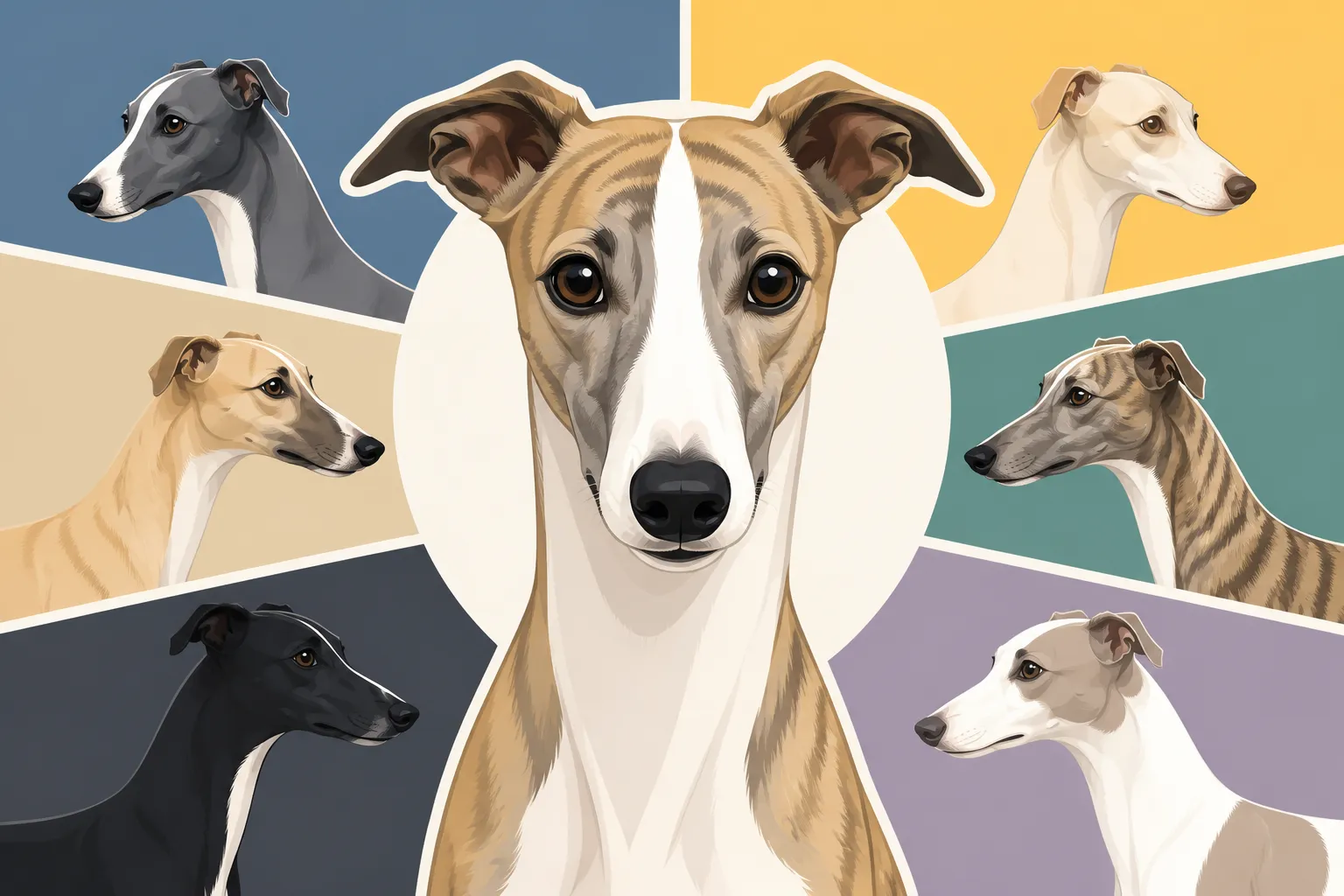
When you first start exploring the possibility of bringing a Whippet into your life, you might be picturing that sleek, fawn-colored dog you saw at the park, or perhaps a striking brindle. What many people don't realize is that Whippets boast an incredibly diverse palette, far beyond just a few shades. Their genetics allow for a wide range of colors and patterns, making each individual dog a unique work of art. This isn't a breed limited to a narrow spectrum; rather, it’s one where you can truly find almost any canine color you can imagine.
The beauty of Whippet colors lies in their genetic expression. Different genes dictate the base color, the presence of dilution, and the various patterns that can overlay these colors. It’s not just about what you see, but the intricate dance of inherited traits passed down through generations. Some colors are more common, while others are less frequently encountered, but nearly all are accepted within the breed standard, celebrating the natural diversity of these elegant hounds. It's a journey of discovery for many owners as they learn about the specific nuances of their dog’s coat, often realizing there’s more to it than meets the eye.
Genetics Behind the Coat
The colors and patterns we see on a Whippet’s coat are all determined by specific genes, passed down from their parents. Think of it like a paint-by-numbers kit where each gene adds a layer or a specific shade. There are genes for basic color, like black or red, and then other genes modify those colors. For example, a dilution gene can turn black into blue or red into Isabella (fawn). Understanding these basics can help explain why a litter might have puppies of vastly different colors, even from the same parents. It's a fascinating area of study for many breeders and enthusiasts.
It's these genetic possibilities that allow for the stunning array of Whippet coats. Some genes determine whether the dog will have a solid color, while others dictate the presence of white markings or patterns like brindle. Each parent contributes a set of genes, and the combination determines the puppy's final appearance. This means that even if both parents are, say, fawn, they could carry genes for other colors that might surface in their offspring. It’s a wonderful reminder that every Whippet's coat tells a story of its heritage.
The Breed Standard and Color
For those involved in showing Whippets, the breed standard is important, but when it comes to color, Whippets are incredibly inclusive. Unlike some breeds where only a handful of colors are permissible, the American Kennel Club (AKC) standard for Whippets states that "any color or mixture of colors is acceptable." This means that whether your Whippet is solid black, a flashy parti-color, or a dilute blue, it can still be a purebred and conform to the standard’s color allowances. This flexibility is one of the charming aspects of the breed.
This broad acceptance of color means owners don't have to worry that their uniquely colored Whippet is somehow "lesser" or "non-standard" because of its coat. It frees breeders to focus on health, temperament, and conformation without being unduly limited by color choices. While specific colors might go in and out of fashion in the show ring, fundamentally, a Whippet’s color does not determine its quality as a purebred dog. It truly celebrates the individual beauty of each hound.
The Solid Hues: From Inky Black to Creamy White
When you picture a "dog," often a solid color comes to mind first. For Whippets, solid colors are wonderfully diverse, ranging from the deepest, richest black to the purest, most ethereal white, and everything in between. These dogs often have an elegant, striking appearance that highlights their sleek physique without the distraction of patterns or markings. It’s a classic look that beautifully showcases the breed’s lines.
Many people are surprised to learn just how many shades fall under the "solid" umbrella for a Whippet. It’s not just a binary choice between dark and light; there are countless subtle variations in hue and intensity. Each solid color, whether it's a deep red or a pale cream, carries its own unique charm and character, reflecting the underlying genetic richness of the breed. This section dives into some of the most common and beloved solid colors you’ll encounter in Whippets.
Black Whippets
A truly solid black Whippet is a vision of sleek sophistication. Their coats are a deep, intense black, often with a remarkable sheen that catches the light beautifully, making their muscular contours even more apparent. There are no distracting markings or patches of other colors, just pure, unadulterated black. This intense coloration can make their bright eyes stand out even more, giving them a piercing and intelligent gaze.
However, a truly solid black Whippet without a single white marking is actually less common than you might think. Many "black" Whippets will have a small splash of white on their chest or feet. These are still largely considered black, but pure, unblemished black is a true rarity. Regardless, the impact of a predominantly black Whippet is undeniable; they exude an air of quiet power and elegance that is truly captivating.
Fawn and Red Whippets
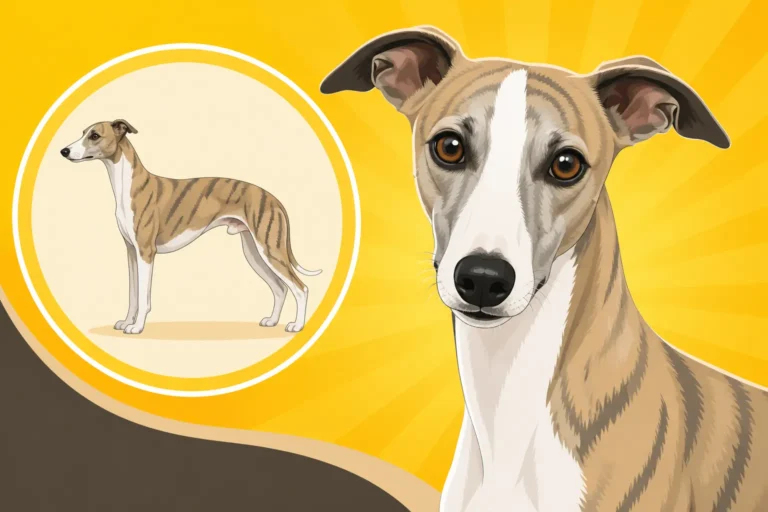
Fawn is arguably one of the most iconic and frequently recognized colors in Whippets. It's a warm, sandy tan color, ranging from a very pale, almost cream fawn to a rich, deep golden hue. These dogs often look like they've been sculpted from fine desert sand, their coats radiating warmth. The variations within fawn are extensive, and no two fawn Whippets are exactly alike, with some leaning more towards gold and others toward a pale, milky tea color.
Red Whippets take the fawn spectrum to its deeper, more vibrant end. These are not merely darker fawns; they possess a distinct reddish-brown tone, often compared to rust or mahogany. A red Whippet can be quite striking, with a richness that makes their coat appear incredibly luxurious. Sometimes, these dogs will have a black mask on their face, which further accentuates their warm coloring. Both fawn and red are incredibly popular for their classic sighthound appeal.
White and Cream Whippets
While often grouped, there's a subtle difference between true white and cream Whippets. A pure white Whippet possesses a coat that is pristine and unpigmented, often with pink skin beneath. These dogs are truly angelic in appearance, their clean lines highlighted by their stark white coats. However, it's worth noting that Whether a Whippet Can Be Solid White raises questions about pure white, as many appear white but have underlying pigment or subtle cream tones.
Cream Whippets, on the other hand, have a delicate, slightly off-white hue, like aged parchment or vanilla ice cream. This color is often softer than pure white and can have warm undertones. These light-colored Whippets are truly beautiful, and their pale coats make their expressive eyes and delicate features stand out. They often feel incredibly soft to the touch, and their light coloring lends them an ethereal quality.
Brindles and Patterns: Nature's Art on a Whippet's Coat
Beyond solid colors, Whippets also come in a dazzling array of patterns, the most famous of which is undoubtedly brindle. These patterns add an extra layer of visual interest to their already stunning physique, making each brindle Whippet a unique piece of living art. The stripes and swirls create a dynamic texture that enhances their athletic build and graceful movement. It's truly something to behold, how nature crafts such intricate designs.
It's not just brindle, though! There are other fascinating patterns and markings that can appear on a Whippet's coat, each adding its own special touch. From splashes of white to complex combinations of colors, these patterns speak to the breed's rich genetic heritage. This section delves into the captivating world of patterned Whippet coats, exploring the nuances of brindle and other distinct markings.
The Brindle Pattern
Brindle is one of the most visually striking and beloved patterns in the Whippet breed. It consists of stripes or streaks of a darker color overlaid on a lighter background. Imagine a tiger, but with a softer, more subtle application. The base color can be fawn, red, blue, or even black, and the stripes are typically black or a darker shade of the base color. The intensity and distribution of these stripes vary wildly from dog to dog.
No two brindle Whippets are exactly alike. Some have sparse, delicate stripes that are barely visible, while others are heavily brindled, with stripes so dense they almost obscure the base color. This creates an incredible range of appearances, from subtly textured coats to bold, dramatic patterns. Whether a Brindle Whippet Is Common is a question many ask, and while often seen, the specific presentation of brindle is always unique. The interplay of colors and patterns truly highlights their sleek musculature and aristocratic lines.
Blue Brindle and Other Brindle Variations
Just as fawn and red can be brindled, so too can blue Whippets. A blue brindle Whippet features darker blue stripes on a lighter blue or fawn-blue base coat. This creates a more subdued, almost smoky effect compared to the classic fawn brindle. The elegance of the blue combined with the brindle pattern makes for a truly sophisticated appearance. These variations show the versatility of the brindle gene across different base colors.
Beyond the common variations, brindle can also appear on black or red bases, creating even more unique combinations. A black brindle might have slightly darker black stripes on a lighter black or very dark grey background, which can be quite difficult to see unless in direct sunlight. Red brindles are often striking, with very deep, rich red stripes over a lighter red base. Each variation has its own distinct beauty, adding to the rich tapestry of Whippet colors.
Parti-Colors and Irish Markings: The White Canvas
When you see a Whippet with significant white patches mixed with another color, you're likely looking at a parti-color or a Whippet with Irish markings. These patterns are incredibly popular and add a dynamic, often playful, element to the Whippet's appearance. Instead of a single, solid hue, these dogs present a beautiful contrast between their base color and the pristine white. They truly stand out in a crowd.
The amount and placement of white can vary dramatically, creating a huge spectrum of appearances. Some might have just a flash of white on their chest and feet, while others are predominantly white with large splashes of color. This section explores the fascinating world of parti-colored Whippets and those with classic Irish markings, revealing how these patterns contribute to the breed’s unique charm.
Parti-Color Whippets
A parti-color Whippet is one that has large, distinct patches of two or more colors, where one of those colors is typically white. Often, you'll see a white base with large patches of fawn, black, red, or blue. These dogs have a wonderfully expressive look, with the patches creating unique designs that can vary from symmetrical to highly abstract. Think of them as individual works of abstract art walking around.
The distribution of color and white is entirely random, making each parti-color Whippet truly one-of-a-kind. Some might have a colored patch over one eye, or a striking saddle of color across their back. The contrast between the clean white and the vibrant color is always eye-catching. This pattern is very common and beloved by many Whippet enthusiasts, adding a touch of whimsy to the breed’s inherent elegance.
White Markings and Trim
Even "solid" colored Whippets often have some degree of white markings, which are generally referred to as "trim." These can be as subtle as a tiny white patch on the chest, often called a "blaze," or white toes that look like little socks. These small touches of white simply add character and are very common across all color types. They’re rarely considered a fault and are just part of the Whippet's charm.
More extensive white markings can fall under the category of Irish markings, where the white typically appears on the chest, belly, collar area, and legs, often symmetrically. This creates a distinct "tuxedo" like appearance that is both classic and elegant. The presence of white markings doesn't detract from the dog's primary color but rather enhances it, providing contrast and drawing attention to their graceful form.
The "Dilute" Colors: Blues and Issabellas
The world of Whippet colors gets even more interesting when we talk about "dilute" colors. These aren't just lighter shades of primary colors; they are distinct colors that result from a specific genetic modification that reduces the intensity of the pigment. The most famous example is undoubtedly blue, which is a diluted form of black. These colors have a soft, ethereal quality that is absolutely captivating and often quite rare.
Dilute colors often have a unique glow to them, a softness that makes a Whippet's coat almost shimmer in certain lights. They can be incredibly beautiful and are highly sought after by many. This section delves into the fascinating genetics behind these dilute colors, focusing on blue and Isabella, and discusses what makes them so special and sometimes a little misunderstood.
Blue Whippets
Blue Whippets are undoubtedly one of the most striking and popular dilute colors. Genetically, blue is simply a diluted form of black. Instead of rich, inky black pigment, the black is "diluted" to a soft, steely grey or slate blue. The intensity can vary, from a very pale, almost silvery blue to a deep, dark charcoal. Their nose leather and paw pads will also typically be blue, rather than black.
There’s something incredibly elegant and sophisticated about a blue Whippet. Their coats often have a unique sheen, and the color beautifully highlights their delicate features. Why a Blue Whippet Is a Dilute explains the specific gene responsible for this stunning transformation. Many people find themselves instantly drawn to the unique charm of a blue Whippet, making it a highly desirable color choice for companion animals and show dogs alike.
Isabella and Other Dilutions
Isabella, often referred to as fawn dilute or "lilac," is another beautiful dilute color in Whippets, though it's much less common than blue. Isabella is the result of diluting both black and red pigment. It appears as a warm, grayish-tan or pinkish-fawn color, sometimes with a subtle lavender undertone. Like blue Whippets, an Isabella Whippet will also have dilute-colored nose leather, usually a purplish-gray rather than black or brown.
These colors are often misunderstood, with some mistakenly believing them to be indicative of health issues. While Whether a Blue Whippet Has Skin Problems is a common question for some dilute breeds, in Whippets, these dilutions are generally considered healthy and well within the breed's normal genetic range. The unique softness and warmth of Isabella, when it appears, is truly stunning and adds another layer to the Whippet's diverse palette.
"Rare" Colors and Misconceptions: What to Watch For
The allure of "rare" colors can be powerful, often leading to misunderstandings or even unethical breeding practices in some breeds. While Whippets are wonderfully diverse in their accepted colors, it's important to differentiate between genuinely unique, standard-accepted variations and colors that are truly rare because they are either outside the standard, or indicative of problematic genetics. It's easy to be swayed by claims of rarity.
There are certain colors or coat types that people sometimes mistakenly associate with Whippets, often due to misinformation or confusion with other breeds. Understanding these distinctions is crucial for anyone considering adding a Whippet to their family. This section aims to clear up some of these common misconceptions and help you discern what truly makes a Whippet's color special versus what might be a red flag.
The Myth of the "Long-Haired Whippet"
One of the most persistent misconceptions is the idea of a "long-haired Whippet." True Whippets, according to the breed standard, have a short, smooth, fine coat. Any dog advertised as a "long-haired Whippet" is almost certainly not a purebred Whippet but rather a mix, perhaps with a Silken Windhound (a breed developed from sighthounds, including Whippets, to have a longer coat) or another long-haired breed. These beautiful dogs have their own charm, but they are not purebred Whippets.
It’s important to be wary of breeders marketing "rare long-haired Whippets" at inflated prices. The defining characteristic of a Whippet is its sleek, short coat. While other sighthounds might have longer hair, this is not a trait found in the Whippet breed itself. Always do your research and consult the breed standard when encountering such claims. If you're looking for a long-haired sighthound, there are specific breeds designed for that, but the Whippet is not one of them.
What Colors a Whippet Cannot Be (Typically)
Given that the breed standard is so accepting ("any color or mixture of colors is acceptable"), it’s rare for a color to be explicitly "disallowed." However, there are colors that simply don't occur naturally in the breed's genetic makeup. For instance, you won't find a true Merle Whippet (a pattern of splotches and swirls, often with blue eyes, common in breeds like Australian Shepherds or Collies), because the gene for merle doesn't exist in the Whippet gene pool. If you see a "Merle Whippet," it's a strong indicator that the dog is not purebred. What Colors a Whippet Cannot Be delves into these specific genetic impossibilities.
Similarly, other colors like true liver or chocolate brown (which is genetically different from red or fawn) are not typical in purebred Whippets. If a breeder is offering a "rare" color that seems unusual or deviates significantly from the range described in this guide, it's always best to exercise caution. Responsible breeders prioritize health and temperament over chasing "rare" colors that might suggest outcrossing or unhealthy genetic combinations.
Why Color Matters (or Doesn't): Health and Breed Standard
While the aesthetics of a Whippet’s coat color are a major draw for many, it’s vital to understand the broader context of why color matters, or more often, why it doesn't. For most Whippet owners, color is a personal preference that dictates nothing about their dog's health, temperament, or ability to be a beloved companion. However, for those involved in showing or breeding, there are subtle considerations regarding how color interacts with the breed standard and overall health.
It's common for myths to arise around certain colors, particularly "dilutes" or those considered "rare." Separating fact from fiction is crucial to ensure you're making informed decisions and appreciating your Whippet for all its qualities, not just its outward appearance. This section delves into the practical implications of Whippet colors, from health considerations to their standing in the show ring.
Color and Health Considerations
For the vast majority of Whippet colors, there are no inherent health issues directly linked to their coat. A fawn Whippet is just as healthy as a black brindle Whippet, assuming both come from responsible breeding. The Whippet breed is generally very sound when bred correctly, and color rarely plays a role in their overall well-being. This is a testament to the robust health of the breed's genetic diversity.
However, a couple of points warrant mention. White Whippets, especially those with pink skin, can be more susceptible to sunburn. Just like fair-skinned humans, their unprotected skin needs care, especially on ears and noses during sunny weather. Additionally, while rare in Whippets, some very extensive white markings in certain breeds can be linked to deafness, but this is not a widespread concern in Whippets themselves. Always check with a reputable breeder, and be particularly mindful if your Whippet has a lot of exposed pink skin.
Color in the Show Ring
As mentioned earlier, the AKC breed standard for Whippets is incredibly open regarding color: "any color or mixture of colors is acceptable." This means that technically, a judge cannot fault a Whippet solely based on its color, whether it's a vibrant red, a subtle blue, or a striking parti-color. The focus in the show ring is on conformation, movement, and overall balance, rather than specific coat hues.
That being said, trends can exist, and some colors might be more fashionable at certain times. However, a truly excellent Whippet, regardless of its color, should always place well if it meets the physical and structural requirements of the standard. Breeders will often select for health and temperament first, with color being a secondary consideration, ensuring the integrity of the breed remains paramount. So, while your Whippet might have an unusual color, it won't be held against them in competition if they embody the true essence of the breed.
Caring for a Whippet's Coat Regardless of Color
Regardless of whether your Whippet is a dazzling blue, a classic fawn, or a dynamic parti-color, their coat care is largely the same. Whippets are renowned for their low-maintenance grooming, which is a huge plus for busy owners. Their short, sleek coats don't mat or tangle, and they don't have the heavy undercoat that many other breeds possess, which means less shedding and less fuss for you.
However, "low-maintenance" doesn't mean "no maintenance." These dogs still need regular care to keep their coats healthy, shiny, and free from debris. Plus, their unique physical characteristics, like their thin skin and lack of body fat, mean certain considerations apply no matter what color they are. This section offers practical advice on keeping your Whippet's coat in tip-top condition, ensuring they look and feel their best.
Basic Grooming Needs
A Whippet's coat is truly a dream to maintain. Regular brushing, perhaps once a week with a soft brush or a grooming mitt, is usually all that's needed to remove loose hairs and stimulate the skin. This routine helps distribute natural oils, leaving their coat looking wonderfully shiny. While they do shed, it's typically minimal and easy to manage, unlike many double-coated breeds. How Much a Whippet Sheds is a question many prospective owners ask, and the answer is usually "not much!"
Bathing a Whippet is also quite straightforward. They don't typically get very dirty or smelly, so baths are usually only needed when they've rolled in something unspeakable or once every few months to keep their skin healthy. When you do bathe them, use a gentle shampoo specifically formulated for dogs to avoid irritating their sensitive skin. You can find a great selection of quality shampoos on sites like Chewy, offering choices that cater to even the most delicate skin. After their bath, a quick towel dry is usually sufficient, as their short coats dry quickly.
Protecting Their Thin Skin
One of the most important aspects of caring for a Whippet's coat, regardless of color, is protecting their very thin and delicate skin. Whippets have minimal body fat and a fine coat, making their skin quite vulnerable. This means they are prone to scrapes, cuts, and tears, especially if they play roughly or run through dense brush. The Thin Skin That Sends a Whippet to the Vet for Stitches is a real concern for many owners. Always be mindful of their environment, especially when they're running at full speed.
Beyond physical injury, sun protection is also critical, particularly for Whippets with lighter coats or large areas of pink skin. Their ears and noses are especially susceptible to sunburn. Consider pet-safe sunscreens or protective clothing if your Whippet spends a lot of time outdoors in direct sunlight. Also, because they have so little natural insulation, Whether a Whippet Needs a Coat Indoors is a question many owners ponder, and often, the answer is yes, especially in cooler homes, to prevent them from getting chilled. You can find plenty of stylish and functional coats on Chewy to keep them cozy.
Table of Common Whippet Colors and Patterns
To help visualize the rich diversity of Whippet coats, here’s a quick overview of some of the most common and distinct colors and patterns you might encounter. This table offers a simplified guide to the beautiful variety found within the breed.
| Primary Color/Pattern | Description | Key Characteristics |
|---|---|---|
| Fawn | Light tan, sandy, or golden-brown. | Most common. Ranges from pale to deep golden. Can have a black mask. |
| Red | Rich, reddish-brown, like rust or mahogany. | Deeper, more intense than fawn. Often paired with a black mask. |
| Black | Deep, solid, shiny black. | Less common as pure solid. Often has small white markings. |
| Blue | Steely grey or slate blue. | Diluted black. Nose and paw pads are blue. Ranges from light to dark charcoal. |
| Cream/White | Very pale, off-white (cream) to pure, unpigmented white. | Cream is softer with warm undertones. White is stark and often has pink skin. More prone to sunburn. |
| Brindle | Darker stripes over a lighter base color (fawn, red, blue). | Stripes can be sparse or dense. Creates a "tiger" like pattern. Highly variable. |
| Parti-Color | Large, distinct patches of color (fawn, black, blue, red) on a white base. | White is a primary component. Creates unique, often asymmetrical patterns. |
| Irish Marked | Specific white markings on chest, belly, collar, and legs of a colored dog. | Symmetrical white "trim" often resembling a tuxedo. Base color is still dominant. |
| Isabella/Lilac | Warm, grayish-tan or pinkish-fawn. | Diluted red and black. Nose and paw pads are purplish-gray. Less common. |
| Black Brindle | Darker black stripes over a lighter black or very dark grey base. | Subtle pattern, often only visible in direct light. |
This list isn't exhaustive, as the combinations and nuances are endless, but it covers the main categories of Whippet colors and patterns you're most likely to see. Each one is beautiful in its own right, showcasing the incredible genetic diversity of this remarkable breed.
Embracing the Rainbow of Whippet Hues
Ultimately, the color of your Whippet is a matter of personal preference and, often, pure serendipity. Whether you're drawn to the classic elegance of a fawn, the striking intensity of a black, the unique charm of a blue, or the artistic flair of a brindle or parti-color, every Whippet is a unique and wonderful companion. What truly matters is their health, temperament, and the joy they bring into your life, not the specific shade of their coat.
Understanding the variety of colors available can certainly help you appreciate the breed's diversity and perhaps even inform your choice if you have a strong preference. But remember, the beauty of a Whippet runs far deeper than its outer coat. It’s in their gentle spirit, their incredible speed, their cuddly nature, and their unwavering loyalty. So, embrace the rainbow, enjoy the journey, and celebrate your Whippet, no matter what color they may be.
Disclaimer
This article is for general informational purposes only and does not constitute professional advice. Laws, prices and regulations vary by location and change over time. Consult a qualified professional for guidance on your specific situation.