The Poor Man’s Racehorse: Whippets in the Northern Coalfields
It's easy to look at our sleek, elegant Whippets today, curled up on the sofa or gracefully streaking across a field, and forget the gritty, hardworking history from which they sprang. Many owners face a disconnect between the refined image of the modern Whippet and their dog's primal instincts, a frustration that often stems from not understanding the breed's origins. This guide dives deep into the fascinating past of the Whippet, exploring its roots as "The Poor Man's Racehorse" in the unforgiving Northern Coalfields of England, and how that heritage still shapes the dogs we cherish today.
From Working Man's Companion to Sporting Star: The Whippet's Humble Origins
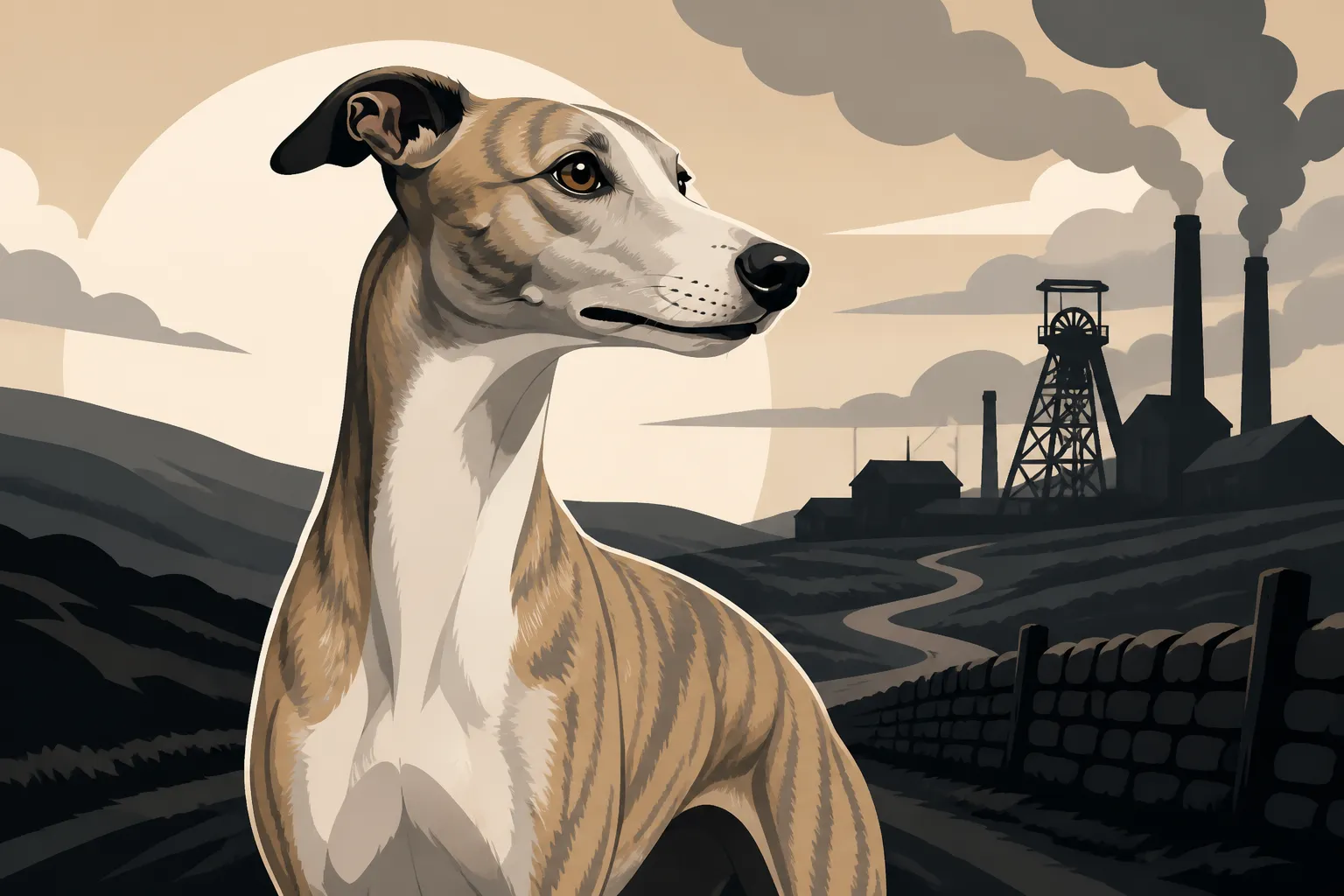
Imagine the industrial landscape of Northern England in the late 19th and early 20th centuries. Life in the coalfields was incredibly tough, marked by long hours, dangerous work, and often meager wages. For the mining communities, every penny counted, and every resource, including their dogs, needed to serve a practical purpose. This harsh environment was the crucible in which the Whippet was forged, a dog born out of necessity, ingenuity, and a deep-seated love for speed and sport.
The Grit and Ingenuity of Northern Coal Miners
The miners were not wealthy men, far from it. They couldn't afford the grand greyhounds of the aristocracy, nor did they have vast estates for traditional hunting with larger sighthounds. What they needed was a dog that was compact enough to live comfortably in a small cottage, economical to feed, and yet still possessed the incredible speed and hunting prowess of its larger relatives. This need spurred an incredible act of selective breeding, driven by passion and practical considerations rather than formal pedigrees. They bred for function, for heart, and for the sheer joy of competition. These dogs weren't just pets; they were integral to the miners' lives, often sharing their beds for warmth and comfort, a tradition that many Whippets uphold even today. Why a Whippet Slept in the Family Bed sheds more light on this cozy historical fact.
A Blend of Speed and Spirit: The Breeds Behind the Whippet
The exact cocktail of breeds that went into creating the Whippet is a bit of a historical whisper, but it's widely accepted that they were developed primarily from smaller Greyhounds, crossed with various terriers and possibly Italian Greyhounds. The Greyhound blood brought the inherent speed, the classic sighthound physique, and that incredible chase instinct. But the terriers, like the Bedlington or the Manchester, contributed something equally vital: tenacity, a more compact size, and perhaps a touch of that "rough and tumble" spirit needed for hunting in challenging terrain. This blend resulted in a dog that was fast, fierce when it needed to be, and surprisingly hardy despite its delicate appearance. It was a perfect blend for the working man who needed a dog that could excel in multiple roles. To dive deeper into their lineage, read Which Breeds Went Into the Whippet.
The Genesis of the "Snap Dog"
Before they were widely known as Whippets, these dogs earned the moniker "snap dogs." This name wasn't given lightly; it referred to their lightning-fast ability to "snap" up rabbits or other small game. In a time when food was scarce and budgets tight, a dog that could bring home supper was invaluable. Miners would often take their dogs out to poach rabbits from local estates, relying on the Whippet's speed and keen eyesight to secure a meal for the family. These were not recreational hunts; they were a matter of survival. The dogs had to be quick, efficient, and utterly dedicated to the task at hand. Their very existence was intertwined with the daily struggles and small victories of their human companions, a testament to their adaptability and loyalty.
Life in the Coalfields: Why a Fast Dog Was More Than a Pet
For the coal mining families, a dog was never just a decorative accessory. Every animal had its place and its purpose, and the Whippet, despite its aristocratic appearance, was one of the most practical and beloved members of the household. Its speed and intelligence were harnessed not just for sport, but for putting food on the table and providing a much-needed emotional outlet in often grim circumstances.
Putting Food on the Table: Whippets as Hunters
The primary practical role of the early Whippet, particularly before organized racing became prevalent, was as a hunter of small game. Rabbits, hares, and even rats were fair game for these swift canines. Imagine a miner, after a grueling shift underground, heading out to the fields and moors with his trusted "snap dog" by his side. The dog's keen eyes would spot movement in the undergrowth, and with an explosive burst of speed, it would be off, often outrunning the prey and bringing it back. This wasn't a leisure pursuit; it was supplementation for the family dinner table. The instinct to chase and capture, still so strong in our modern Whippets, is a direct inheritance from these hunting days. They were quite literally lifesavers for many families.
A Source of Income and Pride: The Thrill of Rag Racing
As miners' access to land for hunting became more restricted and their need for entertainment grew, the Whippet's incredible speed found another, equally vital, outlet: rag racing. This was a grassroots sport, born from the community, for the community. The concept was simple: dogs would chase a "rag" or piece of cloth waved by their owner or a designated handler down a straight track. The fastest dog won, and with victory came bragging rights, and more importantly, often a modest cash prize. These races became central to the social fabric of the mining towns. They offered a thrilling spectacle, a break from the monotony and hardship of daily life, and a chance for a miner to earn a bit of extra money that could make a significant difference to his family's welfare. Why the Whippet Was Called the Lightning Rag Dog offers more insight into the excitement of these races.
Companionship in Harsh Times: The Whippet as Family Member
Beyond their practical uses for hunting and racing, Whippets held a deeply personal place in the miners' homes. Life in the coalfields was tough, often isolating, and permeated by risk. A dog offered unconditional affection, comfort, and a loyal presence. These dogs lived indoors, often sleeping by the fire or even in their owner's bed, providing warmth and companionship in small, crowded cottages. They weren't kennel dogs; they were family. This close bond fostered a temperament that is still characteristic of the breed today: affectionate, sensitive, and deeply devoted to their human companions. When a miner faced the dangers of the pit, he knew he had a loving, waiting presence at home – a silent confidant and a source of unwavering comfort.
The Art and Thrill of Whippet Rag Racing
Rag racing wasn't just a casual pastime; it was a highly anticipated event, a community spectacle, and a serious endeavor for the men who owned and trained these magnificent dogs. The tracks might have been makeshift, carved out of fields, but the competition was fierce, and the atmosphere electric. It showcased the Whippet's incredible athleticism and cemented its place as a true "poor man's racehorse."
The Rules of the Game: How Rag Racing Worked
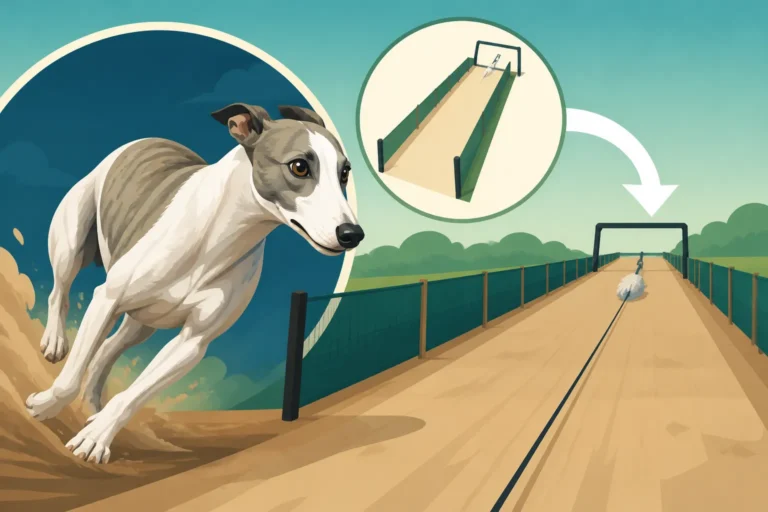
Rag racing, often called "snap dog racing" or "straight-line racing," was distinct from modern track racing. It typically involved two to four dogs, released simultaneously, chasing a lure – usually a rag or handkerchief – waved by their owner or a designated "lurer" at the finish line. The track itself was often just a straight stretch of land, perhaps 100 to 200 yards long, marked by ropes or chalk lines. The dogs would wear muzzles, not for aggression, but to prevent them from snapping at each other or the lure mid-race, ensuring a fair finish. The competition was incredibly intense, with split-second timing determining the victor. Speed was paramount, but so was a dog's keen focus on the lure, ignoring distractions from other dogs or the roaring crowd. For a detailed look at the mechanics, check out How a Whippet Rag Race Was Run.
The Stakes Were High: Betting and Community Spirit
These races were far more than just sport; they were deeply embedded in the social and economic fabric of the mining communities. Betting was rampant, often with a week's wages riding on the outcome of a single race. This meant that the dogs were not just pets, but potential sources of vital income. Winning brought not only money but also immense pride and respect within the community. The anticipation, the roar of the crowd, the burst of speed as the dogs shot from the starting line – it was a collective thrill that brought people together, fostering a strong sense of community and shared excitement amidst the daily grind. The local pub would often be buzzing with discussions about the contenders, their form, and their lineage, turning every race day into a significant social event.
From Local Fields to Organized Events
As rag racing grew in popularity, it gradually moved from informal gatherings in local fields to more organized events. Clubs were formed, rules standardized, and handicapping systems introduced to ensure fair competition between dogs of varying sizes and speeds. This evolution began to formalize the breed, leading to the establishment of breed standards and eventually recognition by kennel clubs. The Whippet's transition from a working-class hunter to a recognized sporting dog was a slow but steady one, propelled by the enduring passion of its early proponents. This formalized racing, even today, still echoes the excitement and dedication of those early miners. Organizations like NOTRA (National Oval Track Racing Association) and ASFA (American Sighthound Field Association) continue to celebrate the Whippet's racing prowess.
Let's look at some key differences between early rag racing and modern lure coursing/racing:
| Feature | Early Rag Racing (Northern Coalfields) | Modern Lure Coursing / Racing |
|---|---|---|
| Track Length | Typically 100-200 yards straight | Variable; oval tracks (NOTRA) or natural fields with turns (ASFA) |
| Lure | Hand-waved rag/handkerchief by owner | Mechanical lure (plastic bags) on a pulley system |
| Start | Hand-released or simple traps | Electronic starting boxes |
| Primary Goal | Hunting supplement, betting, community | Sport, titles, showcasing breed ability |
| Formalization | Informal, community-driven | Highly organized, breed-specific clubs, sanctioned events |
| Muzzles | Often used | Mandatory for safety |
Beyond the Tracks: The Whippet's Enduring Traits
The legacy of the Northern Coalfields isn't just a historical footnote; it's etched into the very being of every Whippet alive today. Their physical characteristics, their personality quirks, and their fundamental needs are all rooted in the environment and purpose for which they were originally bred. Understanding this heritage is key to truly appreciating and caring for a modern Whippet.
The Hunter's Instinct and the Couch Potato's Comfort
Perhaps the most famous paradox of the Whippet is its dual nature: the "forty-mile-an-hour couch potato." This isn't a contradiction; it's a direct reflection of its origins. On the one hand, they possess an incredible prey drive and the explosive speed of a sighthound, honed over generations for chasing and catching game. When they see something move, that instinct ignites, and they can be off like a shot. Why a Whippet Cannot Be Let Off Leash in an Open Field details the real dangers this instinct can pose. On the other hand, once the hunt or the race is over, these dogs were expected to conserve energy, to be quiet, clean, and comfortable companions in a small home. They needed to rest and recover efficiently. This led to the development of a dog that, when not actively running, is perfectly content to spend hours curled up sleeping, often under blankets, valuing warmth and softness above all else. How Many Hours a Day a Whippet Sleeps further illustrates this trait.
Toughness and Tenacity: A Dog Bred for Hardship
Despite their delicate appearance and thin skin, Whippets are surprisingly tough and resilient. They were bred by working-class families who couldn't afford a fragile dog prone to illness or injury. They needed a dog that could withstand the rigors of hunting, racing, and sharing a busy, often physically demanding, household. This inherent toughness isn't always obvious; they might shiver easily in the cold, but they can be remarkably stoic when it comes to minor bumps and scrapes. Their tenacity in a chase is legendary, and their ability to bounce back from exertion is a testament to their robust constitution. This isn't to say they're indestructible, but they certainly carry the spirit of resilience from their working ancestors.
The Whippet's Unique Physique: Built for Speed, Not for Cold
The Whippet's sleek, aerodynamic body, deep chest, and well-muscled hindquarters are all perfectly designed for speed and agility. Every aspect of their form is optimized for bursts of rapid acceleration and powerful strides. However, this same physiology means they have very little body fat, a thin coat, and practically no natural insulation. This makes them incredibly susceptible to cold temperatures, a trait that goes directly back to their origins. Living in the often damp and chilly homes of the Northern Coalfields, they learned to seek out warmth and comfort. This is why a modern Whippet will often gravitate towards sunbeams, burrow under blankets, and demand the softest, warmest bedding available. Understanding A Whippet Has No Insulation and No Padding helps owners provide the necessary comfort for their dogs today.
The Whippet's Journey to the Modern World
The industrial landscapes and rag-racing fields of Northern England might seem a world away from the manicured show rings and suburban homes of today, but the Whippet's journey from one to the other is a testament to its enduring appeal and adaptability. This transition wasn't always smooth, and it led to some interesting developments within the breed itself.
Recognition and Refinement: From Working Dog to Show Ring Star
As the industrial era waned and the focus of dog ownership shifted from pure utility to companionship and sport, the Whippet began to gain wider recognition. Its elegant lines and gentle temperament caught the eye of breeders and fanciers who sought to refine the breed's appearance. The Kennel Club in England recognized the Whippet in the late 19th century, marking a significant turning point. This formal recognition meant that breeders began to focus not just on speed, but on adherence to a written breed standard, emphasizing aspects like topline, head shape, and overall balance. This period saw the Whippet move into the show ring, where its grace and poise made it a formidable competitor. This refinement, however, sometimes came with a trade-off, leading to a divergence from the pure, unadulterated speed of the old rag racers. For more on this, consider How the Show Ring Refined the Whippet.
The Enduring Split: Show Lines Versus Racing Lines
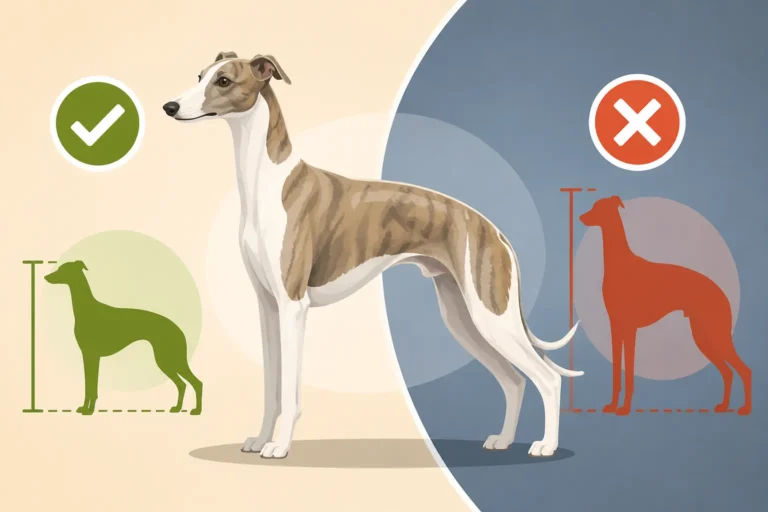
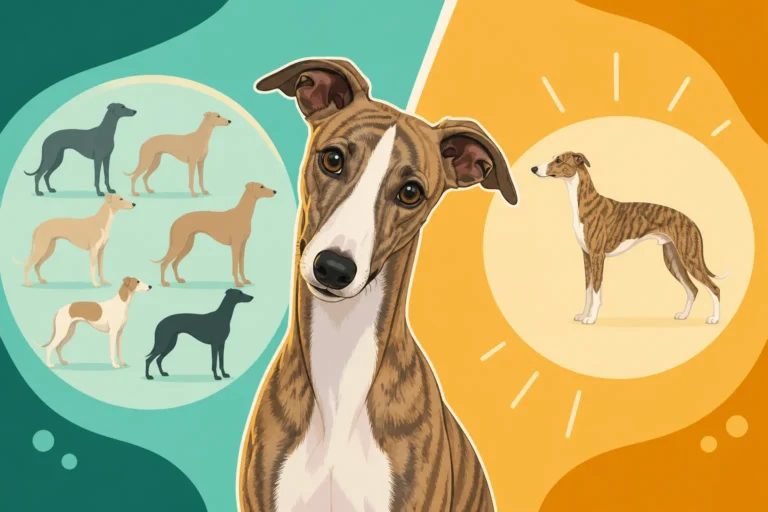
Even today, a subtle but significant split exists within the Whippet breed: those bred primarily for the show ring, and those bred for performance sports like lure coursing and straight racing. While both are undeniably Whippets, breeders often prioritize different traits. Show lines might emphasize a more refined head, specific proportions, and an overall aesthetic appeal that aligns with the breed standard. Racing lines, conversely, might prioritize raw speed, exceptional athleticism, and drive, sometimes with less emphasis on cosmetic details that don't directly contribute to performance. This isn't to say one is superior to the other; both produce wonderful dogs. However, it's an important distinction for potential owners to understand, as it can influence a dog's physical build and energy levels. How Show Whippets Differ in Size From Racing Whippets provides a deeper dive into these variations.
The Whippet Today: A Beloved Companion Worldwide
From its humble beginnings as a working man's dog, the Whippet has blossomed into a cherished companion breed across the globe. They are found in apartments, family homes, and country estates, equally at home on a comfy sofa as they are sprinting across a wide-open field. Their gentle, affectionate nature, combined with their relatively low maintenance needs (aside from providing warmth and exercise bursts), makes them incredibly appealing. They are known for their quiet demeanor indoors, their clownish antics, and their deep devotion to their families. The essence of the "poor man's racehorse" remains, though perhaps refined and adapted for modern living. Whether competing in Fast CAT, cuddling on the couch, or simply enjoying a leisurely walk, the Whippet's historical roots shine through in its unique blend of athleticism and affection.
Understanding Your Modern Whippet Through Its Heritage
Our Whippets carry the echoes of their past in their every action and characteristic. Recognizing these historical connections allows us to better understand their needs, appreciate their quirks, and ultimately, provide them with the happiest, healthiest lives possible. It's about seeing beyond the elegant exterior to the tenacious spirit within.
Why They Still Chase: Honoring the Prey Drive
That sudden, explosive burst of speed when your Whippet spots a squirrel or a rabbit isn't just a playful whim; it's a deep-seated, instinctual response honed by generations of hunting and racing. Their ancestors hunted to survive and raced for sport and livelihood. This powerful prey drive cannot be "trained out" of a Whippet; it's fundamental to their genetic makeup. Instead, responsible ownership involves understanding and managing it. This means secure fencing, leashed walks in unsecured areas, and channeling that energy into appropriate outlets like lure coursing or Fast CAT, where they can safely express their natural inclination to chase. It's about respecting their heritage, not trying to suppress it. How Lure Coursing Channels a Whippet's Drive is a great resource for understanding suitable outlets.
The Need for Warmth and Comfort: Echoes of the Miner's Home
Your Whippet's love for blankets, soft beds, and sunbeams isn't just a preference; it's a survival mechanism passed down from dogs who shared drafty cottages and slept piled together for warmth. Without the insulating fat and thick coats of many other breeds, Whippets are inherently sensitive to cold. This means providing them with adequate protection in cooler weather, whether it's a cozy sweater indoors or a robust coat for outdoor adventures. Their insistence on soft bedding everywhere, from their crate to the living room floor, is a direct inheritance from a time when sleeping on hard, cold surfaces would have been uncomfortable and even detrimental to their health. Investing in good quality, soft beds and a variety of coats is not spoiling them; it's meeting a fundamental, historically ingrained need. For great options, you might look at stores that carry a wide range of pet supplies for comfort, like Chewy, ensuring your Whippet always has a soft spot to land.
The Deep Bond: A Legacy of Loyalty and Love
The profound bond that many Whippet owners experience with their dogs is also a direct echo of their past. These dogs weren't just tools; they were family, intimately integrated into the lives of the miners. They provided comfort, companionship, and a sense of pride in challenging times. This fostered a breed that thrives on close human connection. Modern Whippets are often described as "velcro dogs," seeking out physical closeness and deriving immense comfort from their human companions. Their sensitivity, their desire to please, and their capacity for deep affection are all enduring traits that harken back to a time when their bond with humans was not just emotional, but often essential for survival and well-being. This legacy makes them incredibly rewarding companions, requiring only love, understanding, and respect for their rich history.
Disclaimer
This article is for general informational purposes only and does not constitute professional advice. Laws, prices and regulations vary by location and change over time. Consult a qualified professional for guidance on your specific situation.