The Household a Whippet Was Built For
Many prospective dog owners fall in love with the elegant, athletic Whippet, but often wonder if their home environment is truly suitable for such a unique breed. It's a valid concern, as these sighthounds have specific needs that, if not met, can lead to frustration for both dog and human. This comprehensive guide will walk you through the nuances of the ideal household for a Whippet, helping you understand their temperament, physical requirements, and the kind of lifestyle that allows them to truly flourish as cherished family members.
Understanding the Whippet Temperament: The Heart of the Home
Bringing a Whippet into your life means welcoming a creature of delightful contradictions. They are lightning-fast athletes one moment and profound nappers the next, but beneath that sleek exterior lies a sensitive, companion-oriented soul that truly thrives in a specific kind of home environment. It's all about understanding this unique blend of traits.
The Forty Mile an Hour Couch Potato: Myth and Reality
It’s often said that Whippets are "forty-mile-an-hour couch potatoes," and honestly, it's one of the most accurate descriptions you'll ever hear. When they're outside in a safe, open space, a Whippet will unleash an incredible burst of speed, running with an exhilarating grace that is truly a sight to behold. They need to stretch their legs and sprint, engaging that deep-seated sighthound instinct to chase. However, don't let this impressive athleticism fool you into thinking you've adopted a high-energy dog that needs constant activity.
The reality is that once those zoomies are out of their system, often after just 15-20 minutes of intense running, they transform. Indoors, they are champions of relaxation. You'll find them curled up in the tightest possible ball, often under a blanket or snuggled against you, enjoying long, deep naps. They are not dogs that pace, destroy furniture out of boredom, or demand endless games of fetch inside the house. If anything, their indoor demeanor is incredibly calm and quiet, making them surprisingly easy housemates for their athletic potential. This balance is key to understanding The Whippet Is a Forty Mile an Hour Couch Potato.
This duality means that an ideal Whippet household appreciates both sides of their nature. It's a home where they have opportunities for safe, vigorous exercise but also a sanctuary for rest and recuperation. You won't be expected to be running a marathon with them daily, but you will need to provide consistent chances for them to truly run. Think large, securely fenced areas, lure coursing events, or controlled off-leash park visits, balanced with plenty of quiet time for snuggles on the sofa. Their bursts of energy are intense but short-lived, making their overall daily exercise requirement less daunting than many imagine for such a fast dog.
A Need for Comfort and Warmth: Why Soft Spaces are Non-Negotiable
One of the most defining physical characteristics of a Whippet is their lack of body fat and incredibly thin skin. This isn't just an aesthetic trait; it profoundly impacts their daily comfort and needs. Unlike many double-coated or more robust breeds, Whippets simply don't have the natural insulation or padding to be comfortable on hard surfaces, especially in cooler temperatures. They get cold very easily, and sleeping on a hard floor can quickly lead to painful pressure sores.
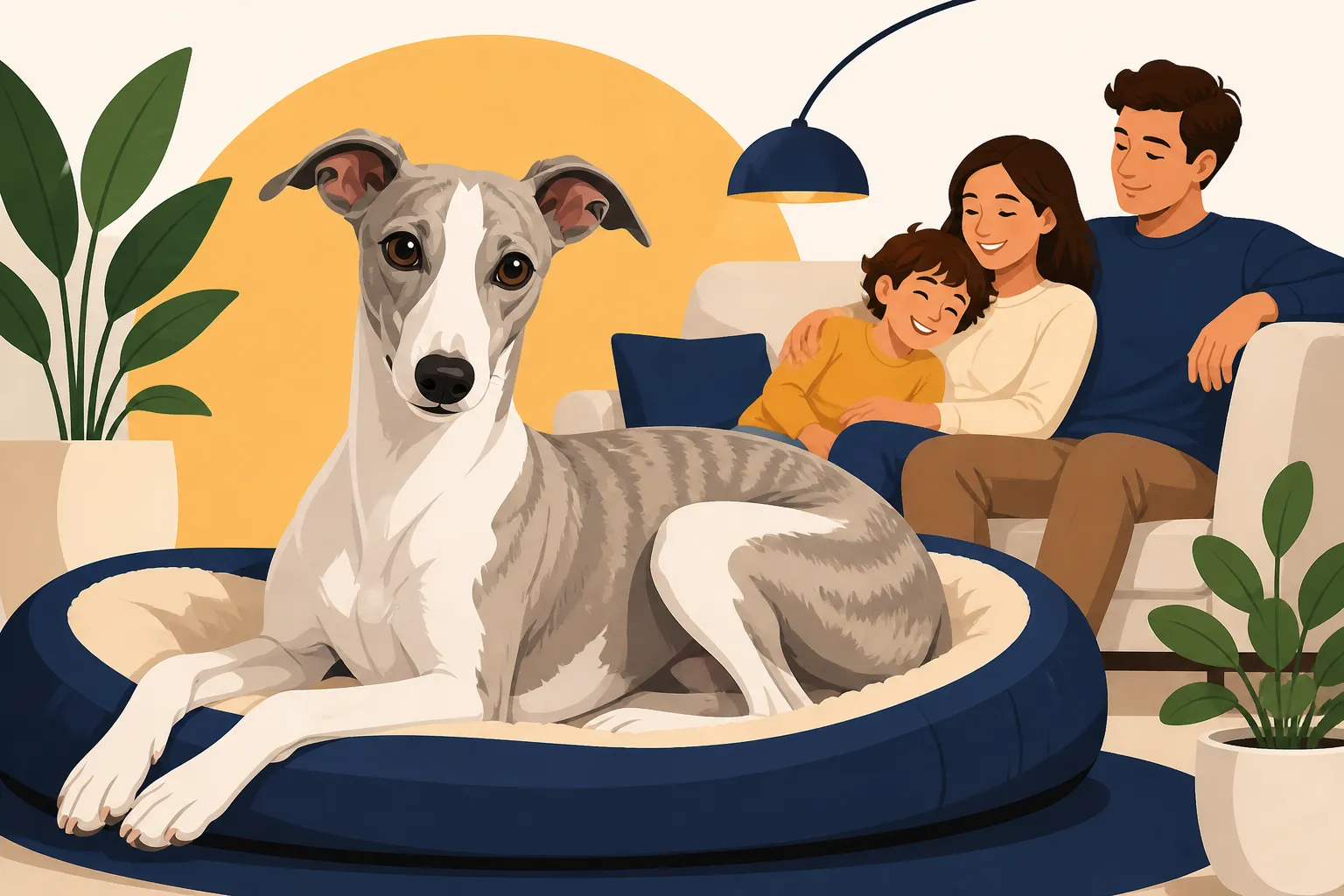
Therefore, an ideal Whippet household is one that is literally padded for comfort. Think soft beds in every room where they might nap, plush blankets draped over furniture, and perhaps even a heated bed for those chilly nights or for an older dog. You'll quickly find yourself becoming a connoisseur of dog beds, seeking out options that offer maximum cushioning and warmth. Many owners find themselves browsing online at retailers like Chewy for orthopedic memory foam beds or extra-fluffy blankets to ensure their Whippet's ultimate comfort. It’s not just a luxury; it’s a necessity for their physical well-being.
This sensitivity extends to their general body temperature. Even indoors, if your home isn't particularly warm, your Whippet will appreciate a sweater or pajamas. Outdoors, in anything but mild weather, a coat is absolutely essential. Don't be surprised if your Whippet shivers even in temperatures you find pleasant. They are simply not built for cold weather, and a home that can provide consistent warmth and a plethora of soft sleeping spots is paramount. Understanding A Whippet Has No Insulation and No Padding helps owners appreciate this core need.
The Sensitive Soul: How They Respond to Their Environment
Beyond their physical needs, Whippets are incredibly sensitive emotionally. They are generally gentle, polite, and often reserved with strangers, preferring to observe from a distance before deciding to engage. This sensitivity means they thrive in a calm, predictable household where loud voices, sudden movements, or harsh corrections are rare. They are not a breed that responds well to traditional, heavy-handed training methods; in fact, such approaches can quickly cause a Whippet to shut down, become anxious, or lose trust.
An ideal home for a Whippet is one where positive reinforcement and gentle guidance are the cornerstones of interaction and training. They are eager to please their beloved humans but need clear, kind communication. Yelling or scolding can deeply upset them, and they are known to hold "grudges" or become withdrawn if they feel unfairly treated. They flourish with owners who understand that their perceived "stubbornness" is often just sensitivity or confusion, not defiance. Why Harsh Handling Ruins a Whippet is a critical piece of understanding for any Whippet owner.
Because of this innate sensitivity, Whippets do best in homes that aren't overly chaotic or constantly changing. While they can adapt to a certain level of activity, a household with constant loud noise, unpredictable schedules, or frequent high-stress situations can be detrimental to their emotional well-being. They appreciate routine and a peaceful atmosphere where they feel secure and loved.
Space Requirements: Apartment Living, City Parks, and Fenced Yards
One of the biggest misconceptions about Whippets is that their speed necessitates a vast amount of living space. While they certainly need room to run outside, their indoor demeanor makes them incredibly adaptable to various home sizes. However, certain outdoor provisions are non-negotiable for their safety and happiness.
Why a Whippet Suits an Apartment or Smaller Home
Despite their impressive athleticism, Whippets are remarkably well-suited to apartment living or smaller homes. This goes back to their "couch potato" nature. Indoors, they are typically quiet, clean, and content to snooze for hours on end. They don't have boundless indoor energy that leads to destructive behavior, nor do they need vast rooms to stretch out and play in. As long as they have their comfortable beds and blankets, they're usually quite happy to occupy a small corner or cuddle up on the sofa.
The key isn't the size of your living room, but the quality and consistency of their outdoor exercise. An apartment dweller who commits to daily walks and regular trips to a secure, off-leash area (like a private dog park, a rented field, or a sighthound-specific playdate) can provide a Whippet with a perfectly fulfilling life. They don't need a sprawling backyard if their exercise needs are met elsewhere. This makes them a fantastic choice for urban dwellers or those with limited outdoor space. Many sources confirm Whether a Whippet Suits an Apartment, highlighting their adaptable nature.
What they do need indoors, regardless of space, is a sense of calm and security. Even in a small apartment, if they have their designated cozy spots and a quiet environment, they will thrive. Owners should focus on providing mental enrichment through puzzle toys or short training sessions rather than trying to replicate outdoor sprinting activities inside, which can be dangerous for their joints and lead to accidents.
The Non-Negotiable Securely Fenced Yard (or Safe Running Space)
While a Whippet can certainly live happily in an apartment, the one outdoor element that is absolutely critical is access to a securely fenced area where they can run full out. This is not optional. Whippets are sighthounds, bred to spot moving objects and chase them with incredible speed and single-minded focus. Their prey drive is powerful, and their recall, no matter how well-trained, can vanish in an instant if a squirrel, rabbit, or even a blowing leaf catches their eye.
A securely fenced yard is ideal, but it needs to be substantial. A typical picket fence might not be enough; they can clear surprising heights if motivated, and certainly squeeze through small gaps. Six-foot fences are often recommended, and owners should routinely check for weak spots or potential escape routes. The danger isn't just losing them, but the very real risk of them running into traffic, as they are utterly oblivious to cars when in pursuit. This is why Why a Whippet Cannot Be Let Off Leash in an Open Field is such vital advice.
If a private fenced yard isn't available, access to a dog park with excellent, well-maintained fencing is a must. Alternatively, many sighthound groups organize play dates in rented, fully enclosed fields, which offer a fantastic and safe environment for them to truly unleash their speed. Owners must understand that letting a Whippet off-leash in an open, unfenced area – even if it seems rural and safe – is an enormous risk that most seasoned Whippet owners would never take.
Managing the Sighthound's Instincts in an Open World
Beyond the physical barrier of a fence, a Whippet household must be equipped to manage their innate sighthound instincts in all environments. This means always walking them on a leash, ideally a martingale collar or a well-fitting harness, as their narrow heads can easily slip out of traditional collars. Their speed means that if they bolt, they are gone in seconds, covering vast distances before you can even react.
Training an emergency recall is important, but even the best-trained Whippet can be deaf to commands when their prey drive is engaged. This is not a failure of training; it's a testament to the power of their ancient hunting instinct. Therefore, the safest approach is prevention: never putting them in a situation where they might bolt and be in danger. A long line can be a great tool for giving them more freedom to explore in relatively safe, open spaces while still maintaining control.
Understanding Thirty Five Miles an Hour and No Brakes on a Whippet's Recall prepares owners for the reality that a Whippet's chase instinct is almost impossible to override in the heat of the moment. This means an owner must be vigilant, proactive, and always prioritize safety over the desire for an "off-leash freedom" that simply isn't wise for many Whippets in public, unfenced areas.
Family Dynamics: Children, Other Pets, and Human Companionship
Bringing a Whippet into a home with existing family members – whether human or animal – requires careful consideration. While generally adaptable, their sensitive nature and specific drives mean that introductions and ongoing management are crucial for a harmonious household.
Whippets and Children: Graceful Companions or Delicate Dolls?
Whippets can be wonderful companions for children, often displaying a gentle and patient demeanor. They are not typically prone to aggression and tend to be quite tolerant. However, it’s vital to remember their delicate build and thin skin. While they are tough and resilient in many ways, a clumsy fall or rough play can easily lead to a skin tear or a more serious injury. They are not built for rough-and-tumble games that might suit a more robust breed.
Therefore, an ideal Whippet household with children is one where the children are taught to be respectful and gentle. Very young children, especially toddlers, need constant supervision to ensure they don't accidentally step on, pull at, or fall on the dog. Teaching children how to interact kindly with the Whippet, understanding its body language, and respecting its need for quiet time in its bed are essential. Many families find that Whether a Whippet Is Good With Children depends heavily on the children's age and maturity, as well as parental guidance.
As children grow older, a Whippet can become an incredibly devoted playmate for games of fetch (in a fenced yard!) or quiet companionship. They are generally calm enough indoors to be a good fit for families, as long as the humans understand and respect their physical and emotional sensitivities. This isn't about the Whippet being fragile in temperament, but rather needing gentle handling due to its physiology.
Coexisting with Cats and Smaller Animals
This is an area where careful assessment and management are key, given the Whippet's strong prey drive. Many Whippets can live peacefully with cats, especially if introduced as puppies or if the cat is dog-savvy and assertive. Often, a resident cat will quickly establish boundaries, and a smart Whippet will learn to respect them. For adult Whippets being introduced to cats, it requires slow, supervised introductions and a commitment to ensuring the cat always has escape routes and safe zones.
However, it’s crucial to understand that even a Whippet that lives harmoniously with its own household cat may still view unfamiliar cats, squirrels, rabbits, or other small animals outdoors as prey. The instinct is powerful, and it doesn't always discriminate between a friend and a chase object based on species. The article Living With a Whippet and a Cat delves into the specific strategies for making this work.
An ideal Whippet household that includes smaller pets is one where owners are realistic about the prey drive. This means never leaving the Whippet unsupervised with a new or unfamiliar small animal, and always being vigilant outdoors. If you have free-ranging rabbits or guinea pigs, a Whippet might not be the safest choice unless meticulous separation protocols are put in place. It's about recognizing their inherent nature and managing it responsibly.
The Desire for Companionship: Alone Time and Multi-Dog Homes
Whippets are inherently social creatures. They thrive on companionship and bond very closely with their human families. They are not typically dogs that are content to be left alone for long stretches day in and day out. While they certainly enjoy their naps, they prefer those naps to be near you. If left alone too frequently or for excessive periods, some Whippets can develop separation anxiety, manifesting as destructive behavior, excessive vocalization, or house-soiling.
An ideal home for a Whippet is one where there's usually someone around, or where their alone time is structured and reasonable. They often do wonderfully in homes with other dogs, particularly other Whippets or sighthounds, as they love to curl up together and play short, intense games in the yard. In fact, many Whippet owners find that Whether a Whippet Needs a Second Dog is often answered with a resounding "yes," as a second Whippet can provide invaluable companionship and entertainment for the first, easing potential loneliness.
This doesn't mean a Whippet can't be in a household where people work, but it does mean that provisions for their social needs are important. This could involve dog walkers, doggy daycare a few times a week, or simply ensuring that the time spent alone is balanced with plenty of quality interaction when you are home. They want to be an integral part of the family, not just an outdoor accessory.
Owner Lifestyle: What Kind of Human Truly Suits a Whippet?
The kind of human who truly thrives with a Whippet often shares certain personality traits and lifestyle preferences. It's not just about what you provide for them, but how you interact and understand their unique world.
The Engaged and Patient Owner
Whippets are intelligent and capable of learning a great deal, but they are not typically "robot" dogs eager to perform repetitive tasks for endless praise. As we've discussed, they are sensitive, and what might be considered "stubbornness" in another breed is often a Whippet's quiet refusal to engage with methods it finds unpleasant or confusing. They don't respond well to force or intimidation.
Therefore, an ideal Whippet owner is someone who is patient, consistent, and committed to positive reinforcement training. They appreciate the intelligence of the breed and understand that building trust and making training a fun, rewarding experience is key. They are willing to experiment with different motivators (often food or toys from a trusted source like Chewy) and understand that short, engaging sessions are more effective than long, dull drills. This approach is highlighted in Whether Positive Training Alone Works on a Whippet.
This type of owner finds joy in the subtle cues and quiet communication of a Whippet, rather than expecting flashy obedience. They are willing to put in the time to gently shape behavior and are not easily frustrated by a Whippet's occasional independent streak or their dramatic "sulking" when they don't get their way. It's a relationship built on mutual respect and understanding.
Balancing Activity and Rest: Owners Who Appreciate Both
The "forty-mile-an-hour couch potato" description applies equally well to the ideal Whippet owner. This isn't a dog for someone who wants to spend all day on the hiking trails or needs a canine running partner for daily 10k runs. While they can be fit and enjoy some endurance, their primary exercise mode is intense sprinting followed by long periods of rest. An owner who forces them into constant, sustained activity will likely end up with an unhappy, potentially injured dog.
Conversely, they are also not for someone who expects a purely sedentary pet. They need those opportunities to run and express their sighthound nature. An ideal owner understands this balance: they are happy to facilitate bursts of vigorous exercise (like a romp in a secure dog park or a game of fetch in the yard) but also equally happy to then curl up on the sofa for a marathon snuggle session. They appreciate the quiet periods as much as the energetic ones.
This owner understands that their Whippet isn't lazy, but efficient. They conserve energy for when it truly matters – those exhilarating sprints. They are content to have a dog that is active for short periods but is primarily a loving, calm presence in the home for the majority of the day.
Embracing the Quirks: From Burrowing to Silent Thievery
Whippets come with a delightful array of quirks that are part of their charm, but an owner must be prepared to embrace them. One of the most famous is their love of burrowing. Give a Whippet a blanket, and they will disappear into it, creating an elaborate nest that often defies logic. They simply adore being covered and warm, and it's a behavior that brings them immense comfort. The question of Why a Whippet Burrows Under the Covers is a frequent one among new owners!
Another common quirk is their incredible stealth and opportunistic nature when it comes to food. They are often silent counter-surfers, able to snatch a forgotten snack with ninja-like precision and vanish before you even realize what's happened. An ideal owner finds these antics amusing (within reason, of course, and always keeping dangerous foods out of reach) rather than infuriating. They learn to be diligent about securing food and simply laugh at the Whippet's cleverness.
An owner who finds joy in these unique behaviors – the dramatic sighs, the full-body wiggles of excitement, the way they "talk" with soft moans and grumbles – will find themselves deeply connected to their Whippet. They are a breed with immense personality, and a household that celebrates their individual charm is the perfect fit.
Health and Maintenance Considerations for the Whippet Household
While Whippets are generally a healthy and robust breed, their unique physiology does come with specific considerations that an owner needs to be prepared for. Understanding these needs is crucial for their long-term well-being and can help you budget for potential care.
Managing Their Delicate Skin and Lack of Padding
As mentioned earlier, Whippets have very thin skin with little underlying fat or muscle padding. This makes them prone to skin tears, especially on their legs and flanks, from seemingly innocuous encounters with furniture corners, bushes, or even just another dog's claw during play. It's a fact of life for Whippet owners that they will likely deal with cuts and scrapes that require veterinary attention at some point. The Thin Skin That Sends a Whippet to the Vet for Stitches is a common reality.
An ideal Whippet household is prepared for this. This means having a well-stocked first aid kit specifically for dogs (items can be easily purchased from retailers like Chewy), knowing basic wound care, and having a relationship with a veterinarian who understands sighthound skin. It also means providing ample soft bedding everywhere to prevent pressure sores, particularly on elbows and hips, which can become bald and calloused from repeated contact with hard surfaces.
Owners should also be mindful during play and walks. While Whippets love to run, guiding them away from dense brush, sharp objects, or rough concrete can help minimize skin injuries. It's about being proactive and prepared, knowing that these minor injuries are part of owning such a lean, athletic dog.
Staying Warm: Coats, Sweaters, and Indoor Comfort
Given their lack of body fat, keeping a Whippet warm is a continuous consideration, not just outdoors but often indoors too. An ideal Whippet household understands that a "wardrobe" isn't a luxury; it's a necessity. This means having a variety of coats and sweaters suitable for different temperatures and weather conditions. From lightweight fleece pajamas for chilly nights indoors to waterproof, insulated coats for winter walks, your Whippet will rely on you to provide this essential warmth.
Many new Whippet owners are surprised by the sheer number of garments their dog accumulates, but it's a testament to their need for warmth. Without proper insulation, they can quickly become uncomfortable, shiver excessively, and even become stressed. The Wardrobe a Whippet Needs Because It Has No Body Fat isn't an exaggeration; it's practical advice.
| Weather Condition | Recommended Garment Type | Purpose |
|---|---|---|
| Indoors / Chilly Evenings | Lightweight Fleece Pajamas / Sweater | Ambient warmth, prevents shivering |
| Cool, Dry Outdoors | Fleece or Quilted Coat | Moderate warmth, protects from slight chill |
| Cold, Dry Outdoors | Insulated Winter Coat | Essential warmth in colder temperatures |
| Wet / Rainy Outdoors | Waterproof Raincoat | Keeps dry, prevents evaporative cooling |
| Very Cold / Snow | Heavy Insulated Coat + Snood | Maximum warmth, protects ears from frostbite |
This focus on warmth means an ideal household also maintains a comfortable indoor temperature. Whippets are definitely not outdoor dogs, and even a garage or unheated room can be too cold for them, risking hypothermia in severe weather. They are truly indoor companions, eager to share your warmth.
Veterinary Care: Sighthound Specific Needs
While Whippets are generally healthy, they do have some physiological quirks that necessitate sighthound-specific veterinary awareness. This is not to say they are "frail," but rather that certain medical procedures and interpretations of bloodwork need a nuanced understanding.
Firstly, sighthounds, including Whippets, are known to have sensitivities to certain types of anesthesia. Their unique metabolism means they can take much longer to recover from certain anesthetic agents, and some drugs can be downright dangerous. A veterinarian who is knowledgeable about Why a Whippet Needs a Sighthound Anesthesia Protocol is invaluable. Owners should always discuss anesthesia protocols with their vet before any procedure, no matter how routine.
Secondly, a Whippet's normal bloodwork values often differ from other breeds. For example, their packed cell volume (PCV) or red blood cell count tends to run higher, while their thyroid readings can sometimes appear low, even when they are perfectly healthy. A vet who isn't familiar with these sighthound-specific reference ranges might mistakenly diagnose an issue that doesn't exist. An ideal Whippet owner either has a sighthound-savvy vet or is prepared to educate their general practitioner on these breed-specific norms.
Lifespan and Long-Term Commitment: A True Family Member
Bringing a Whippet into your home is a significant long-term commitment. These wonderful dogs typically enjoy a healthy and lengthy life, offering many years of companionship and joy, which requires an owner prepared for the long haul.
The Many Years of Whippet Companionship
One of the great joys of owning a Whippet is their generally long lifespan. It's not uncommon for Whippets to live 12 to 15 years, and sometimes even longer, which is a fantastic gift for any dog owner. This means you'll have a loyal, loving companion for a substantial portion of your life, witnessing them grow from a playful puppy to a dignified senior. This longevity is a testament to the breed's overall good health and relatively few inherited health issues.
However, this also means that the ideal Whippet household is one that is ready for this long-term responsibility. They aren't a temporary pet; they will become deeply ingrained members of your family for over a decade. This commitment extends to consistent care, ongoing training, and adapting to their changing needs as they age. They remain playful and have a youthful spirit well into their senior years, though their sprints might become a bit less frequent and their naps even longer. For a deeper dive, consider The Twelve to Fifteen Years a Whippet Lives.
The emotional bond you forge with a Whippet over these years is profound. They are incredibly devoted to their families, and their quiet affection and silly antics will fill your home with warmth and laughter. Being ready for this extensive commitment ensures that both you and your Whippet will experience a truly fulfilling journey together.
Caring for the Senior Whippet
As Whippets enter their golden years, typically around age 8-10, their needs will subtly shift, and the ideal household is ready to adapt. While they often age gracefully, they may become even more sensitive to cold, require even softer and more supportive bedding, and their exercise needs will naturally mellow. Arthritis can become a concern, although many Whippets remain surprisingly spry well into their teens. Caring for an Old Whippet That Feels the Cold becomes increasingly important.
An ideal home for a senior Whippet provides extra warmth, easily accessible cozy spots, and perhaps ramps or steps to help them onto furniture if jumping becomes difficult. Their diet might need adjusting to support joint health or manage weight, and veterinary check-ups may become more frequent to monitor for age-related conditions. Patience and empathy are key as they slow down, perhaps developing some mild cognitive changes or needing more frequent potty breaks.
The senior Whippet still has so much love to give and deserves a comfortable, understanding environment where their golden years are as enjoyable as their youth. Continuing to engage them mentally with gentle games and short, comfortable walks is important for their overall well-being.
What Whippet Owners Wish They Had Known
Looking back, many seasoned Whippet owners often reflect on a few key things they wished they had known before bringing their first Whippet home. These insights collectively paint a picture of the truly ideal Whippet household. They wished they had known just how much they would burrow under blankets, or how incredibly fast they truly are, making a secure running space non-negotiable. They might have underestimated their sensitivity to harsh words or their intense need for soft, warm beds.
They often express surprise at What Whippet Owners Wish They Had Known – often related to the extent of their "couch potato" nature versus their speed, or the sheer joy of their quiet companionship. Many will tell you they wish they had known how addictive Whippets are, leading them to quickly add a second (or third!) to their family.
Ultimately, the ideal household for a Whippet is one that embraces these unique traits: a home that provides warmth and comfort, a safe outlet for their incredible speed, a calm and loving environment, and owners who are patient, understanding, and utterly devoted to their sensitive, elegant companions. They are not just dogs; they are graceful, affectionate, and utterly charming family members who enrich the lives of those lucky enough to share their homes with them.
Disclaimer
This article is for general informational purposes only and does not constitute professional advice. Laws, prices and regulations vary by location and change over time. Consult a qualified professional for guidance on your specific situation.