Why a Whippet’s Coat Takes Five Minutes a Week
The thought of a complicated dog grooming routine can be a real headache for many potential dog owners, often conjuring images of endless brushing, expensive salon visits, and a constant battle against mats and shedding. But if you’re dreaming of a canine companion with a wash-and-wear coat that practically takes care of itself, you’re in luck with the Whippet. This guide will reveal why Whippet coat care is refreshingly simple and how you can keep your sighthound looking pristine with minimal effort.
Understanding the Whippet Coat: Nature's Minimalist Design
Whippets are truly the low-maintenance fashionistas of the dog world, and it all starts with their coat. Unlike many breeds that require dedicated grooming schedules, the Whippet's sleek, fine fur is designed for speed and efficiency, not for collecting burrs or holding onto dirt. This inherent simplicity makes their coat incredibly easy to care for, much to the delight of their owners.
The Short, Fine Texture
Take a moment to run your hand over a Whippet's coat, and you’ll immediately notice its defining characteristic: it's incredibly short and fine. This isn't the coarse fur of a terrier or the dense wool of a poodle; it's a smooth, almost velvety texture that lies close to the body. This delicate construction means there's simply less hair to deal with. You won't find the long strands that tangle easily, nor the thick double layers that trap debris and moisture. Instead, the hair shafts are short, minimizing friction and making them less prone to matting or knotting, which is a common complaint among owners of longer-coated breeds. This fineness also contributes to their elegant appearance, emphasizing their athletic build and clean lines.
Absence of an Undercoat
One of the biggest factors contributing to the Whippet's low grooming needs is the distinct absence of a thick undercoat. Many breeds, especially those originating from colder climates, possess a dense, insulating undercoat designed to protect them from the elements. While excellent for warmth, these undercoats are also notorious for heavy seasonal shedding, requiring extensive brushing to remove dead hair and prevent mats. Whippets, on the other hand, lack this bulky layer. Their single, sleek coat means there's significantly less hair to shed, and what little does come out is typically fine and less obtrusive. This singular coat also dries incredibly quickly after a bath or a romp in the rain, preventing that lingering damp dog smell that often comes with thicker, slower-drying fur. This feature is also a big reason why A Whippet Has No Insulation and No Padding, meaning they often need coats in colder weather.
Minimal Oil Production
Another unsung hero of the Whippet's easy-care coat is their minimal oil production. Some breeds produce a significant amount of natural oils to protect their skin and coat, which, while beneficial for them, can lead to a greasier feel, a stronger "doggy" odor, and a tendency to attract and hold dirt. Whippets, however, tend to have a much drier coat and skin, resulting in less accumulation of these natural oils. This means they generally stay cleaner for longer and don't develop that distinct "dog smell" as readily as some other breeds. Less oil also means less residue to attract environmental dust and pollen, contributing to an overall cleaner dog and house. This characteristic is a major contributor to Why a Whippet Barely Smells, a trait often appreciated by their human companions.
The Shedding Reality: What to Expect
Let's be realistic: no dog is truly "non-shedding." Even the most hypoallergenic breeds shed, just in a way that's less noticeable. Whippets do shed, but their shedding reality is often a pleasant surprise for new owners accustomed to breeds that leave tumbleweeds of fur in their wake. It’s a manageable situation that fits perfectly with their overall low-maintenance profile.
Year-Round, Low-Level Shedding
Whippets are what I like to call "constant, low-drip" shedding dogs. Instead of massive seasonal "blow-outs" where it feels like your dog is emptying its entire coat over a few weeks, Whippets tend to shed a small amount of fine, short hairs throughout the year. These hairs are typically less noticeable than the long, coarse hairs of other breeds because they are so fine and often blend into fabrics. You might find them on your sofa, a blanket, or clinging to your clothes, but it's usually not an overwhelming amount. This consistent, low-level shedding means you don't have to brace yourself for specific times of the year where grooming becomes a full-time job. A quick wipe-down or run of the vacuum usually handles it. To get a better grasp on this, you might be interested in How Much a Whippet Sheds Year Round.
Seasonal "Blow Outs" (or lack thereof)
Unlike double-coated breeds such as Huskies or German Shepherds, Whippets don't experience the dramatic seasonal coat "blow outs." Those breeds shed their entire insulating undercoat twice a year to adapt to changing temperatures, leading to what can only be described as a fur hurricane in your home. With no dense undercoat, Whippets simply don't have this phenomenon. Their single layer of fine hair means there's no massive insulating layer to shed. This is a huge relief for owners who dread the thought of daily, intense grooming sessions just to keep up with the shedding cycles. While there might be a very slight increase in shedding during spring or fall as their bodies adjust, it's nothing compared to what other breeds go through.
Why Whippet Hair Isn't Everywhere
So, if they shed year-round, why isn't Whippet hair everywhere? There are a few reasons for this pleasant reality. Firstly, as mentioned, the hairs are very fine and short. They don't have the volume or length to form large clumps that roll around your floors. Secondly, these fine hairs often tend to stick to upholstery or clothing rather than floating through the air or accumulating in corners. A lint roller becomes your best friend, and a quick run of a handheld vacuum or a damp cloth across furniture often does the trick. You won't find yourself constantly lint-rolling guests or worrying about your dark clothes, at least not to the extent you might with a Labrador or a Golden Retriever. Their hair is there, but it’s discrete, manageable, and easy to clean up without much fuss.
Brushing: The Core of Weekly Care
While Whippets are wonderfully low-maintenance, a little bit of regular brushing goes a long way in keeping their coat in tip-top condition, promoting healthy skin, and minimizing the shedding you do see. And when I say "a little bit," I truly mean it. We're talking minutes, not hours. This simple routine is the cornerstone of their coat care and offers a wonderful opportunity for bonding.
Selecting the Right Brush
For a Whippet's delicate coat and thin skin, you need to choose your grooming tools wisely. Harsh brushes designed for dense coats can irritate their skin, which is naturally quite sensitive. Forget the rake brushes or deshedding tools with sharp blades – those are absolutely overkill and potentially harmful for a Whippet.
The ideal tools are soft and gentle:
- Rubber Curry Brush or Grooming Mitt: These are fantastic. The soft rubber nubs stimulate circulation, massage the skin, and gently lift loose hair and dirt without pulling or scratching. Many Whippets absolutely adore the feel of these. You can find excellent options on Chewy that are specifically designed for short-coated breeds.
- Soft Bristle Brush: A brush with natural boar bristles or very soft synthetic bristles can add a lovely shine to the coat by distributing natural oils and whisking away any remaining loose hairs. It's more about polishing than deep de-shedding.
- Damp Cloth or Chamois: For a quick daily wipe-down, especially after outdoor adventures, a damp cloth or a piece of chamois leather (the kind you use for drying cars) works wonders. It picks up loose hair and surface dust, leaving the coat gleaming.
Remember, the goal isn't to de-tangle or strip undercoat, but to remove loose hairs, stimulate the skin, and add shine.
The Five-Minute Routine
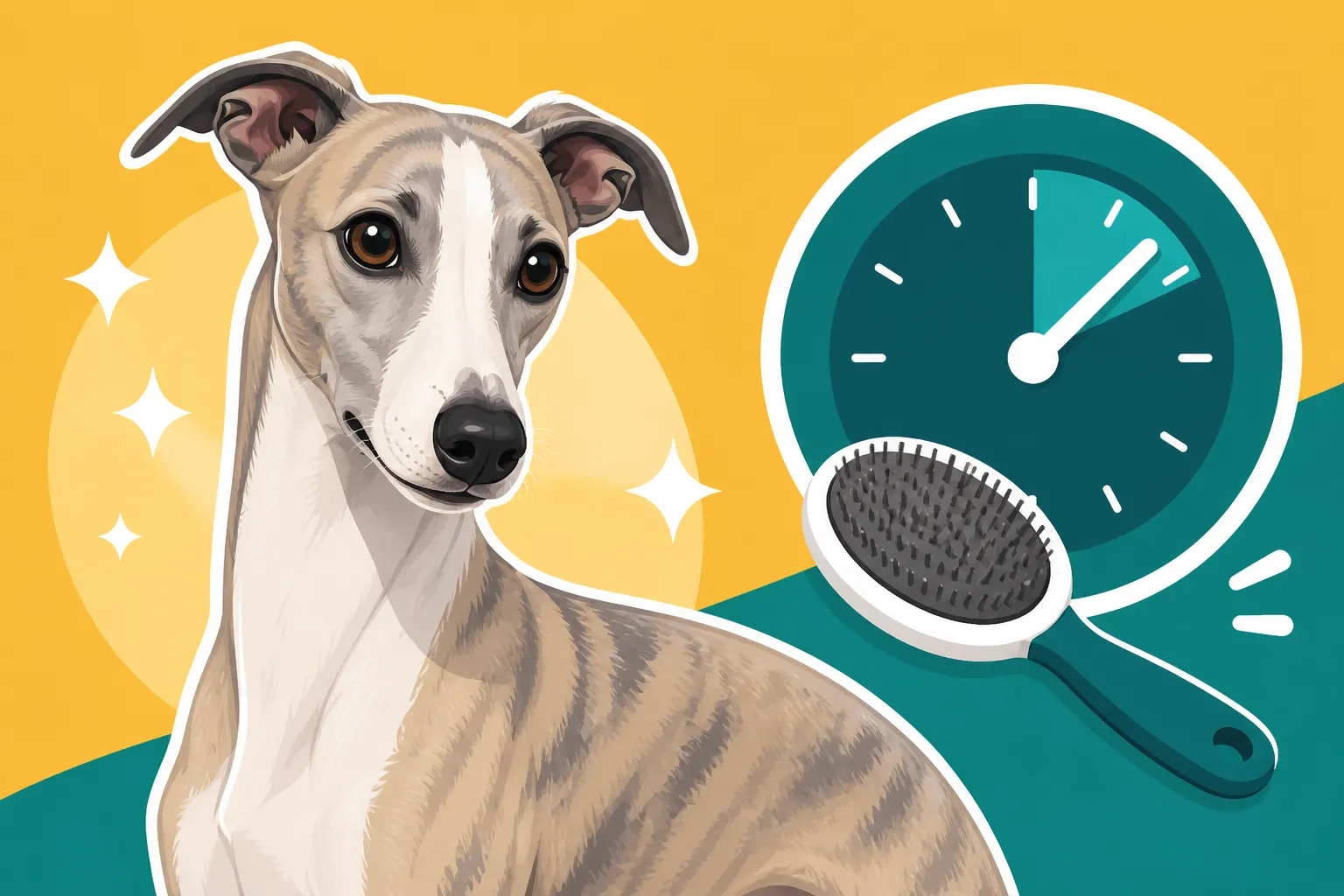
This is where the "five minutes a week" comes in, and it's not an exaggeration. For most Whippets, a quick brush once a week is more than sufficient. If your dog loves it, or if you notice a bit more shedding, you can certainly do it more often, but it's not a strict requirement.
Here's how a typical five-minute routine might look:
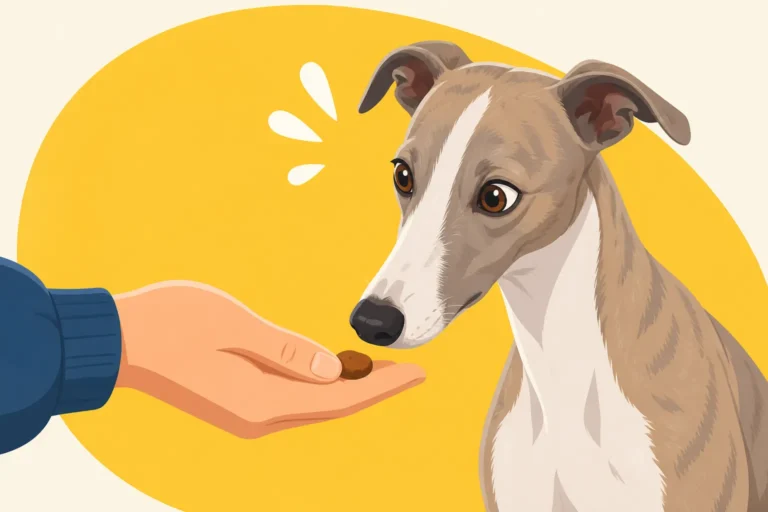
- Prep (30 seconds): Get your chosen brush and maybe a treat or two. Find a quiet, comfortable spot where your Whippet is relaxed.
- Gentle Brushing (3-4 minutes): Start at the head and work your way down the body, using gentle, flowing strokes. Focus on getting all the major areas: back, sides, chest, and legs. Pay attention to any areas where they might get a little more "dusty," like their belly after lying outside. The rubber curry brush is perfect for this, gathering loose hairs into little rolls that are easy to pick off.
- Polish (30 seconds): If you have a soft bristle brush, give them a final polish to enhance their natural shine.
- Reward (whenever!): Always end with praise, cuddles, and maybe that treat.
This short, consistent routine will remove dead hair, keep their skin healthy, and enhance that beautiful, glossy Whippet shine. For more specific guidance, consider How Often a Whippet Needs Brushing.
Making Brushing a Bonding Experience
Beyond the practical benefits, brushing can be a really lovely bonding experience for you and your Whippet. These dogs are incredibly affectionate and thrive on physical contact and attention from their human companions. A gentle grooming session, especially with a soft rubber brush, can feel like a comforting massage to them.
- Start Young: Introduce puppies to brushing early and keep the sessions short and positive. Let them sniff the brush, give them treats, and keep the strokes gentle.
- Positive Reinforcement: Always associate brushing with positive things – soft voices, gentle strokes, and tasty treats. If your Whippet seems anxious, stop and try again later, building up the time gradually.
- Read Their Cues: Pay attention to your dog's body language. Are they leaning into the brush, closing their eyes in bliss? Or are they trying to pull away? Adjust your technique accordingly.
- Quality Time: Think of it less as a chore and more as a quiet moment shared. It's an opportunity to connect, check their skin for any bumps or scrapes, and reinforce your bond. Many Whippets will actually seek out the brush once they associate it with positive attention.
Bathing Basics: When and How Often
One of the biggest advantages of a Whippet’s coat is how infrequently they truly need a bath. Forget weekly or even monthly trips to the tub unless they’ve rolled in something truly disgusting. Their self-cleaning nature and minimal oil production mean they stay remarkably clean on their own.
Why Frequent Baths Are Unnecessary
Many dog breeds require regular bathing to manage odor, dirt accumulation, or skin conditions. Whippets are a happy exception. Their short, fine coats don't trap dirt, dust, or dander in the same way that longer, thicker coats do. As discussed, they also produce very little natural oil, which means they don't develop that strong "doggy smell" quickly. Over-bathing a Whippet can actually do more harm than good. Frequent baths can strip their delicate skin of its natural moisture, leading to dryness, itchiness, and irritation. This can be particularly problematic given The Thin Skin That Sends a Whippet to the Vet for Stitches for minor scrapes, as dry skin can be even more prone to issues. For most Whippets, a bath every 3-6 months, or simply when they are visibly dirty, is perfectly adequate. Some owners find they only need to bathe their Whippet once or twice a year! Curious about the specifics? Check out How Many Baths a Year a Whippet Needs.
Dealing with Dirt and Mud
Just because they don't need frequent full baths doesn't mean Whippets won't get dirty. They love to zoom around and sometimes find the muddiest puddle or the dustiest patch of ground. However, their coat makes dealing with these incidents surprisingly easy.
- Muddy Paws and Bellies: For localized dirt, often a quick wipe with a damp cloth or a pet wipe is all that's needed. The mud usually dries and flakes off easily from their short hair. You can even let the mud dry completely, and then simply brush it off with your rubber curry brush, followed by a quick wipe.
- The "Roll-in-Something-Smelly" Emergency: This is when a full bath is unavoidable. If your Whippet discovers something truly foul to roll in (a common dog pastime!), a bath is necessary. However, these are typically isolated incidents, not part of a regular schedule.
- Post-Walk Wipe Down: After a rainy or dusty walk, a quick rub down with a damp towel can remove surface grime before it gets tracked all over your house. This is often enough to keep them clean between baths.
Choosing a Gentle Shampoo for Thin Skin
When a bath is necessary, selecting the right products is crucial for a Whippet. Their skin is quite thin and sensitive, so harsh chemicals or strong perfumes can easily cause irritation.
- Hypoallergenic and Sensitive Skin Formulas: Look for shampoos specifically formulated for sensitive skin. These are usually free of dyes, parabens, and strong fragrances. Oat-based shampoos or those with aloe vera can be very soothing. Brands often found on Amazon or Chewy offer a good selection of these gentle options.
- Moisturizing Shampoos: Even with infrequent bathing, a moisturizing shampoo can help prevent dryness. Ingredients like coconut oil, argan oil, or shea butter can be beneficial.
- Conditioner (Optional but Recommended): While not strictly necessary, a light conditioner can help replenish moisture in their skin and leave their coat extra soft and shiny. It's especially useful if your Whippet is prone to dry skin. For more information, read Whether a Whippet Needs Conditioner.
- Lukewarm Water: Always use lukewarm water, never hot, to avoid irritating their skin.
- Thorough Rinsing: Rinse, rinse, and rinse again! Any shampoo residue left on the skin can cause irritation and itching.
- Pat Dry: After the bath, gently pat your Whippet dry with a soft towel. Whippets get cold easily due to their lack of body fat, so make sure they are thoroughly dry and warm before letting them roam. A soft, absorbent towel from Amazon can make this process faster.
Addressing Specific Coat Concerns
While Whippets are generally healthy dogs with minimal coat issues, there are a few specific concerns that owners might encounter. Understanding these and how to address them can help you keep your Whippet comfortable and looking their best. These aren't common problems for all Whippets, but it's good to be aware.
Dry Skin and Dandruff
Even with their minimal oil production, some Whippets can experience dry skin and, consequently, dandruff. This might manifest as flaky skin, itching, or a dull coat. Several factors can contribute to dry skin:
- Low Humidity: In dry climates or during winter months when indoor heating is on, the air can become very dry, affecting your Whippet's skin.
- Diet: A diet lacking essential fatty acids can impact skin and coat health. Ensuring your Whippet is on a high-quality food, perhaps one like Ollie that emphasizes fresh, whole ingredients, can make a significant difference. Supplements like fish oil (omega-3s) can also be very beneficial.
- Over-Bathing: As mentioned, too-frequent bathing or using harsh shampoos can strip natural oils and dry out the skin.
- Allergies: Environmental or food allergies can also manifest as dry, itchy skin.
If you notice dry skin or dandruff, start by evaluating their diet and bathing routine. Consider adding an omega-3 fatty acid supplement. Use a gentle, moisturizing shampoo designed for sensitive skin when you do bathe them. A good resource for understanding this issue is Dandruff on a Whippet.
Bald Spots and Thinning Hair
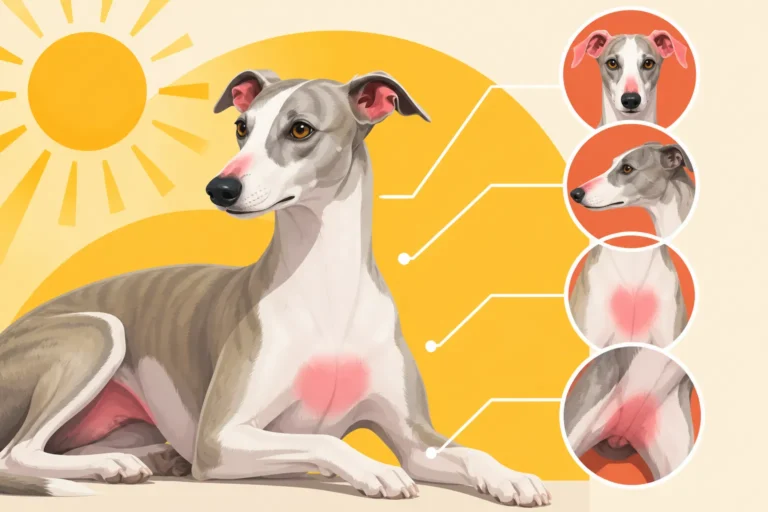
It's not uncommon for Whippets to develop thin hair or even bald spots in certain areas, particularly pressure points. This isn't usually a cause for alarm but is characteristic of their lean build and delicate skin.
- Elbows and Hocks: These are common areas where Whippets, especially those who love to sprawl on hard surfaces, can develop calluses and thin hair. Their bony joints rub against surfaces, leading to friction and hair loss. Providing plenty of soft bedding is crucial.
- Chest and Underside: Some Whippets naturally have very sparse hair on their chest and belly. This is normal and simply part of their breed type, highlighting their lean musculature.
- Seasonal Thinning: While not a "blow out," some Whippets might experience very subtle seasonal thinning, but it's usually not dramatic.
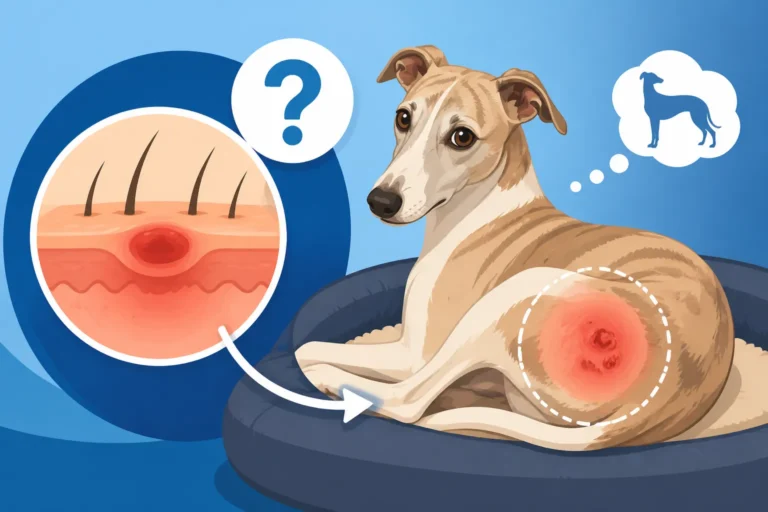
- Allergies or Parasites: In rare cases, localized bald spots could indicate allergies, fungal infections, or external parasites (like mites), especially if accompanied by redness or intense itching. Always consult your vet if you're concerned.
The best prevention for pressure point baldness is providing ample soft places for your Whippet to rest. They truly need soft beds everywhere – on the floor, on the couch, in their crate. This is why Why a Whippet Cannot Sleep on a Hard Floor is such a critical consideration for owners. For more on specific areas, you can look at Why a Whippet's Coat Thins on the Chest.
Allergies and Skin Irritations
Whippets can be susceptible to environmental allergies (atopy) or, less commonly, food allergies, which often manifest as skin problems. Symptoms can include itching, redness, hot spots, excessive licking, or ear infections. Their thin skin can make these irritations more apparent and potentially more uncomfortable.
- Environmental Allergens: Pollen, dust mites, and certain grasses can trigger reactions. Regular brushing can help remove some allergens from their coat, and paw wipes after walks can minimize exposure.
- Food Allergies: These are less common but can present with skin issues, digestive upset, or both. A hydrolyzed protein or novel protein diet, often recommended by a vet, can help identify and manage food sensitivities.
- Contact Dermatitis: While rare, some Whippets might react to certain materials (e.g., specific detergents used on bedding, certain plastic bowls, or even some plants).
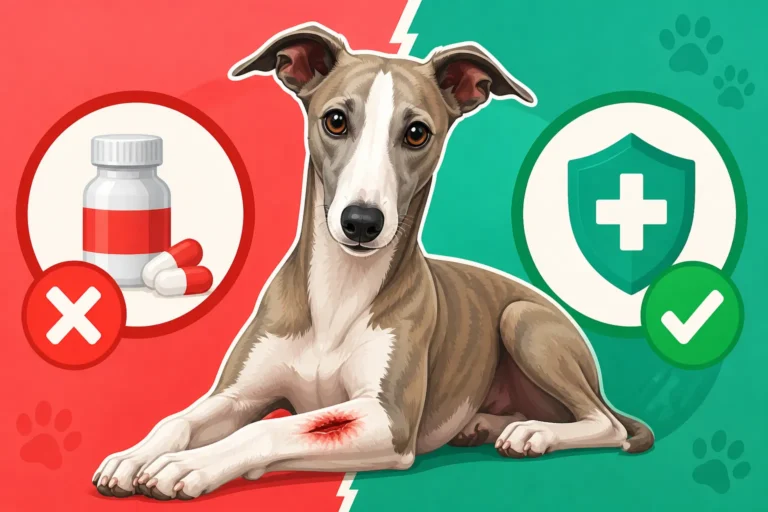
If you suspect allergies or see persistent skin irritation, a trip to the vet is essential. They can help diagnose the cause and recommend appropriate treatment, which might include antihistamines, medicated shampoos, or dietary changes. Early intervention is key to keeping your Whippet comfortable.
Beyond the Brush: Other Grooming Essentials
While the Whippet's coat itself is incredibly low maintenance, a truly well-groomed Whippet still requires attention to a few other critical areas. These aren't daily tasks, but they are important components of their overall health and hygiene that contribute to their comfort and well-being. Think of them as essential health checks integrated into your broader care routine.
Nail Care Considerations
Whippets are active dogs, but even with regular exercise on varied surfaces, their nails can grow quite long. Overly long nails aren't just unsightly; they can be painful, affecting your dog's gait and potentially leading to foot problems or even injuries.
- Frequency: Most Whippets need their nails trimmed every 2-4 weeks. If you hear their nails clicking on hard floors, they're too long.
- Tools: A good quality nail clipper (guillotine or scissor style) or a Dremel-style rotary tool are common choices. Many owners find the Dremel less intimidating, as it grinds the nail down slowly, reducing the risk of cutting into the quick.
- Technique: Only trim the very tip of the nail, avoiding the quick (the pink part containing blood vessels and nerves). If you accidentally nick the quick, don't panic; use styptic powder to stop the bleeding. If your Whippet has dark nails, it can be harder to see the quick, so trim small amounts more frequently.
- Making it Positive: Introduce nail trims early and make them positive with treats and praise. If your Whippet is stressed, consider doing a few nails at a time rather than trying to do them all at once. Professional groomers or vet techs can also provide nail trims if you're uncomfortable doing it yourself. For more detailed advice, refer to How Often a Whippet's Nails Need Cutting.
Ear and Eye Checks
Whippets generally have clean ears and bright, clear eyes, but regular checks are still a vital part of their overall grooming and health monitoring.
- Ears: Whippets have "rose ears" – small, folded ears that typically stay clean and dry. This ear type makes them less prone to ear infections compared to breeds with long, floppy ears that trap moisture and dirt. Still, a quick visual check weekly is a good idea. Look for any redness, swelling, discharge, or foul odor, which could indicate an infection. If you do need to clean them, use a vet-approved ear cleaner and a cotton ball – never cotton swabs, which can push debris deeper. Their ears generally stay quite clean, as explained in Why a Whippet's Ears Stay Clean.
- Eyes: Their eyes should be clear and bright, free from excessive tearing, redness, or discharge. Gently wipe away any sleep crusts with a damp cloth. If you notice persistent redness, discharge, squinting, or cloudiness, consult your vet, as these could be signs of an eye infection, injury, or other health issues.
Dental Health
While not strictly "coat care," dental health is a cornerstone of overall well-being, and neglecting it can lead to serious health problems down the line. Whippets, like many sighthounds, can be prone to dental disease.
- Why It Matters: Plaque and tartar buildup can lead to gum disease (gingivitis, periodontitis), tooth loss, and even systemic infections if bacteria from the mouth enter the bloodstream.
- Whippet Predisposition: Whippets often have narrower jaws, which can lead to crowded teeth, making them more susceptible to tartar buildup. This is why Teeth Are the Whippet Problem That Sneaks Up.
- Daily Brushing: The gold standard for dental care is daily brushing with a vet-approved dog toothpaste and a soft toothbrush. This is the most effective way to remove plaque before it hardens into tartar.
- Dental Chews and Water Additives: While not a substitute for brushing, dental chews, specific kibble designs, and water additives can help supplement your efforts. Look for products with the VOHC (Veterinary Oral Health Council) seal for proven effectiveness.
- Professional Cleanings: Regular professional dental cleanings under anesthesia, as recommended by your vet, are often necessary to remove tartar buildup below the gumline and address any existing dental disease. This is a significant part of What a Sighthound Vet Costs Over a Whippet's Life.
Integrating these checks into your weekly brushing routine will ensure your Whippet stays healthy from nose to tail.
The "Whippet Smell" Myth: Or Lack Thereof
Have you ever heard someone talk about "that dog smell" in a house? With many breeds, it's a real thing. But with a Whippet, that distinctive canine odor is remarkably absent, making them an excellent choice for those sensitive to strong pet smells. It's another testament to their wonderfully low-maintenance nature.
Low Natural Odor
One of the most appealing aspects of owning a Whippet, often highlighted by their devoted fans, is their naturally low body odor. This isn't just a subjective observation; it's rooted in their physiology. As we touched upon earlier, Whippets produce minimal skin oils compared to many other breeds. These oils, along with sweat and environmental grime, are often the primary contributors to that characteristic "doggy" smell. Because Whippets don't have a thick, oily coat, there's less surface area to trap and emit strong odors. This means they tend to stay fresh and clean-smelling for longer periods, even between baths. You might occasionally notice a faint, pleasant dog scent if you bury your nose in their fur, but it's rarely overpowering or pervasive throughout your home. This inherent cleanliness is a major perk for living with a Whippet and makes them particularly suitable for apartment living or for owners who are sensitive to pet smells.
Quick Drying Coat
Another factor contributing to the lack of a strong Whippet smell is their incredibly quick-drying coat. Imagine a thick-coated dog getting wet; it takes ages for them to dry, and during that time, bacteria can multiply, leading to a musky, damp odor. With a Whippet's short, fine hair, water simply doesn't cling.
- Post-Bath: After a bath, a few brisk rubs with a towel, and they're often mostly dry within minutes. Air drying takes very little time.
- Rainy Walks: A quick dash through a rain shower means they'll likely be air-dry by the time you've gotten yourself settled back indoors.
- Less Mildew Potential: The rapid drying prevents the conditions necessary for mildew or bacterial growth that can thrive in damp, dense fur. This means less potential for unpleasant smells emanating from a perpetually damp dog.
This quick-drying ability not only contributes to their low odor but also makes bath time (when it does happen) a less cumbersome affair for both dog and owner.
Preventing Unpleasant Smells
While Whippets naturally have a low odor, certain things can still lead to an unpleasant smell. Being proactive about these can ensure your Whippet remains fresh.
- Rolling in Foul Stuff: The most common reason for a smelly Whippet is, undoubtedly, rolling in something disgusting during a walk. Fox poop, dead critters, or stagnant puddles are all prime candidates. In these cases, a targeted wash of the affected area, or a full bath with a gentle shampoo, is the immediate solution.
- Dental Disease: As mentioned, Whippets can be prone to dental issues. A strong, foul breath is a huge indicator of dental disease and can contribute to an overall "smelly dog." Regular brushing and professional dental cleanings are vital here.
- Skin Infections: While rare, skin infections (bacterial or yeast) can produce a distinct, unpleasant odor. If you notice a persistent smell accompanied by redness, itching, or greasy skin, consult your vet.
- Dirty Bedding: Even a clean dog will start to smell if their bedding is perpetually dirty. Regularly washing your Whippet's blankets and beds is important to maintain freshness in your home. Whippets love to burrow and snuggle, so they spend a lot of time on their bedding, making regular washing even more important.
By staying on top of these potential issues, you can confidently enjoy a largely odor-free life with your Whippet. It’s truly one of the best "hidden features" of the breed!
Benefits of Minimal Grooming for Owners and Whippets Alike
The gift of a low-maintenance coat isn't just about convenience; it brings a cascade of positive effects that enhance the relationship between owner and dog, offering more time, less stress, and often, reduced financial outlay. It’s truly a win-win situation for everyone involved in a Whippet's life.
More Time for Play
Let's face it: time is a precious commodity. For many dog owners, a significant chunk of their free time can be consumed by intensive grooming rituals – dematting, stripping, drying, and styling. With a Whippet, that time is freed up. Instead of spending an hour battling tangles or wrestling your dog into a blow dryer, you can spend those minutes doing what truly matters: playing fetch, enjoying a brisk walk, engaging in some training, or simply cuddling on the sofa.
- Enhanced Lifestyle: This ease of care integrates seamlessly into busy lifestyles, making Whippets an ideal companion for individuals or families who want a dog but don't have hours to dedicate to grooming.
- Spontaneous Adventures: The quick-drying, low-maintenance coat also means you can be more spontaneous with your activities. A sudden downpour during a walk? No problem, they'll dry quickly. A muddy romp in the park? A quick wipe down, and you’re good to go. This flexibility enhances the joy of dog ownership.
- Mental Well-being: For both owner and dog, less grooming stress means a happier existence. Owners aren't dreading the next grooming session, and Whippets, being sensitive creatures, aren't subjected to potentially uncomfortable or lengthy procedures.
Reduced Grooming Costs
Dog grooming, especially for breeds requiring professional services, can be a significant ongoing expense. Regular trips to the groomer for haircuts, dematting, or intricate styling can quickly add up, becoming a substantial line item in your monthly pet budget. With a Whippet, these costs are almost entirely eliminated.
- DIY Simplicity: You can easily handle all of a Whippet's grooming needs at home with minimal, inexpensive tools – a rubber brush, a gentle shampoo, and nail clippers. The initial investment in these tools is small, and they last for years.
- No Professional Haircuts: There are no elaborate haircuts, trims, or styling required for a Whippet's natural coat. This means no bi-monthly salon appointments, saving you hundreds, if not thousands, of dollars over their lifetime.
- Lower Shampoo Usage: Because they bathe so infrequently, a single bottle of good quality dog shampoo can last for a very long time, further reducing ongoing costs. You save money on pet wipes too, since mud dries and falls off so readily.
This cost-saving aspect makes Whippet ownership more financially accessible and allows owners to allocate their pet budget to other areas, like high-quality food (perhaps investing in a brand like Ollie for optimal nutrition), vet care, or fun training classes.
Less Stress for Sensitive Dogs
Whippets are known for their sensitive, gentle nature. While they crave affection, some can be quite particular about being handled, especially if it's an uncomfortable experience. Extensive grooming, with its pulling, tugging, loud dryers, and unfamiliar smells, can be a source of significant stress and anxiety for many dogs.
- Comfort in Simplicity: The minimal grooming requirements of a Whippet mean fewer potentially stressful encounters. Brushing is typically enjoyed as a massage, and infrequent baths are usually tolerated well, especially if introduced positively.
- Building Trust: Because grooming sessions are short and gentle, it's easier to build a positive association with handling, reinforcing trust rather than creating fear. This can also translate to easier vet visits or other necessary handling.
- Reduced Anxiety: For Whippets prone to anxiety, the lack of intense grooming removes a common trigger, contributing to a calmer, more confident dog overall. They aren't spending time being worried about the next grooming ordeal.
- Focus on Affection: Ultimately, the ease of coat care allows the focus of human-Whippet interaction to remain on affection, play, and companionship, rather than on tedious or stressful maintenance.
This unique combination of low-maintenance care and high affection makes the Whippet a truly special companion, proving that sometimes, less truly is more.
Whippet Grooming Tools at a Glance
Choosing the right tools for your Whippet's specific needs is simple. Here's a quick overview of what you'll typically need to keep their short, fine coat in prime condition.
| Tool Type | Purpose | Key Features for Whippets | Where to Find |
|---|---|---|---|
| Rubber Curry Brush | Loosens and removes dead hair, massages skin, stimulates circulation. | Soft rubber nubs, gentle on thin skin, easy to clean. | Chewy, Amazon, Local Pet Stores |
| Soft Bristle Brush | Adds shine, polishes coat, removes fine dust/loose hairs. | Natural boar bristles or very soft synthetic, gentle. | Chewy, Amazon |
| Damp Cloth/Chamois | Quick daily wipe-down, removes surface dirt/dust. | Soft, absorbent, lint-free. | Household supplies, Automotive stores, Amazon |
| Gentle Dog Shampoo | Cleans coat when needed, moisturizes skin. | Hypoallergenic, sulfate-free, sensitive skin formula, pH-balanced. | Chewy, Amazon, Vet Offices |
| Dog Conditioner (Optional) | Adds moisture, softens coat, prevents dryness. | Light formula, moisturizing ingredients. | Chewy, Amazon, Vet Offices |
| Nail Clippers/Grinder | Trims nails to appropriate length. | Sharp clippers (scissor or guillotine), quiet grinder. | Chewy, Amazon, Pet Stores |
| Styptic Powder | Stops bleeding if quick is accidentally cut. | Essential for nail trimming safety. | Chewy, Amazon, Pet Stores |
| Pet Wipes (Unscented) | Quick clean-ups of paws, face, or small dirty spots. | Alcohol-free, fragrance-free, moisturizing. | Chewy, Amazon, Pet Stores |
Disclaimer
This article is for general informational purposes only and does not constitute professional advice. Laws, prices and regulations vary by location and change over time. Consult a qualified professional for guidance on your specific situation.