The Whippet That Bolts Its Food
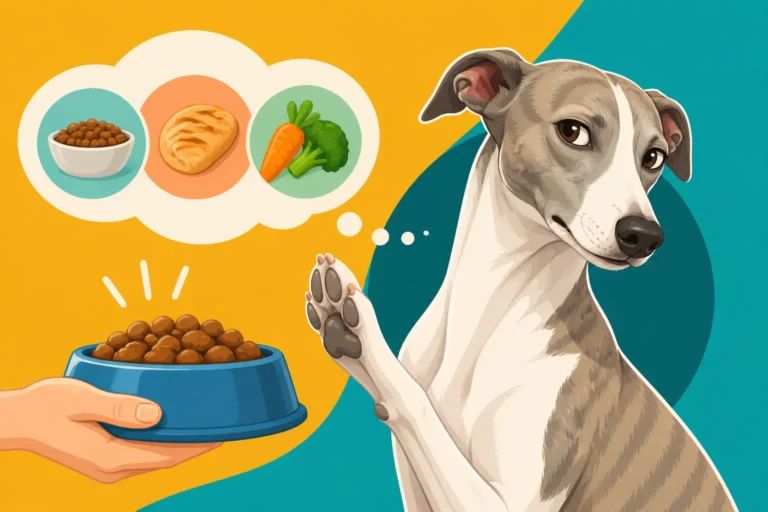
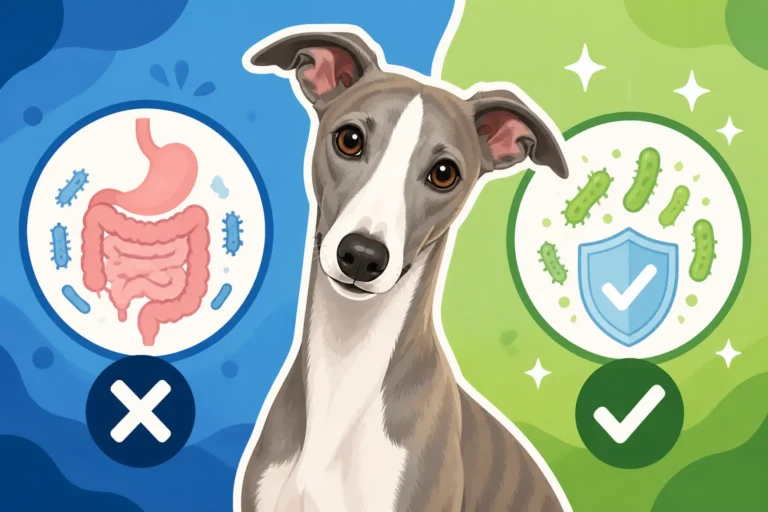
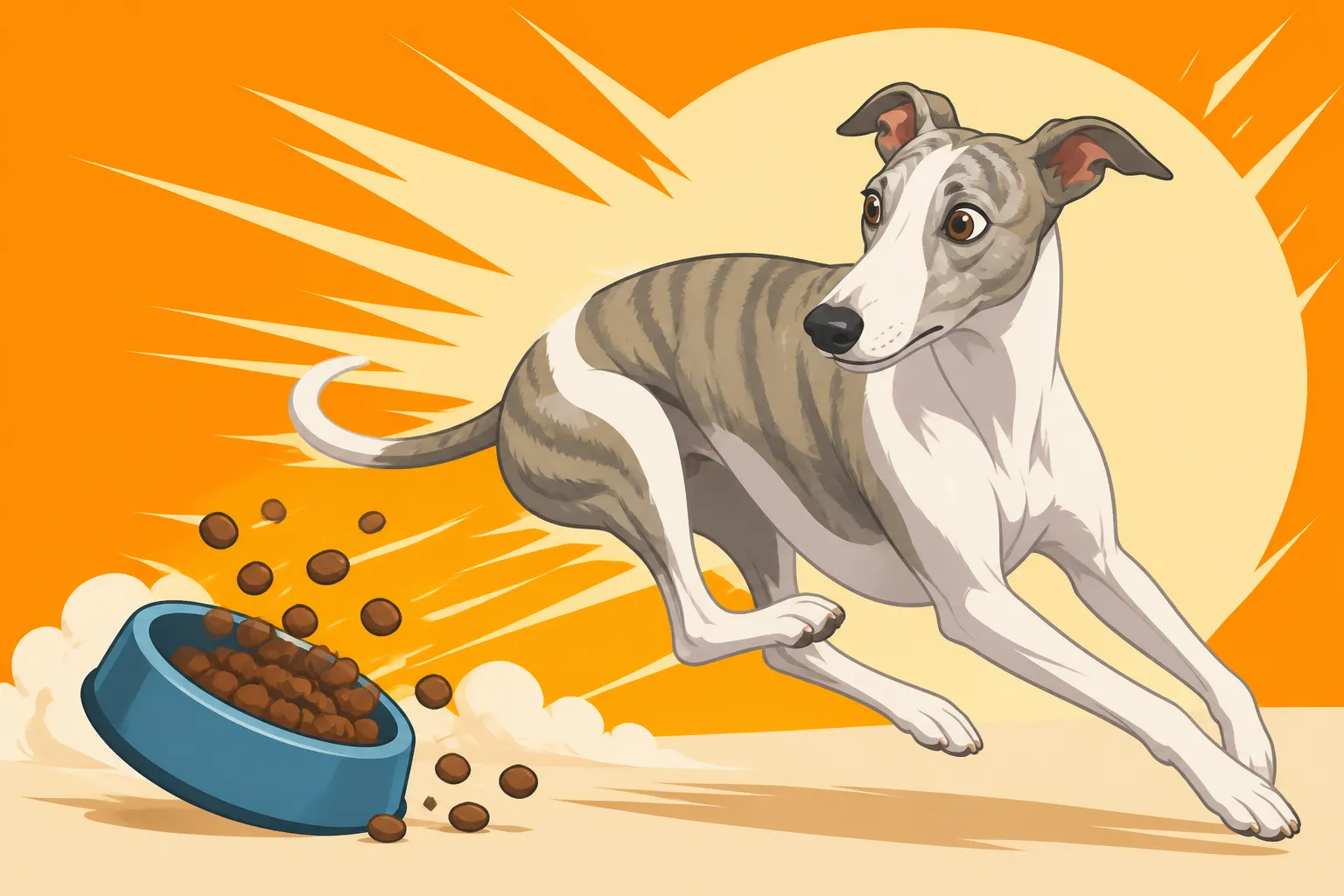
It's a familiar sight for many Whippet owners: you put down a bowl of kibble, and before you can even turn around, it's gone. Your sleek, elegant Whippet, usually so refined, transforms into a vacuum cleaner, inhaling its meal in mere seconds. This isn't just a quirky habit; fast eating, or "food bolting," can lead to digestive upset, choking hazards, and even serious conditions like bloat. This guide will delve into the reasons behind your Whippet's speedy eating habits and offer practical, empathetic strategies to help them slow down and savor their meals more safely.
Understanding Why Your Whippet Becomes a Food Hoover
It can be incredibly frustrating to watch your beloved Whippet wolf down their food, especially when you know it's not ideal for their digestion. But understanding why they do it is the first step toward finding a solution. It's rarely out of malice or disrespect; often, it's deeply rooted in instinct, past experiences, or even subtle health cues.
The Instinctual Drive to Eat Fast
Whippets, like all sighthounds, are built for speed and efficiency. Their ancestors in the wild, and even those from their more recent history as "poor man's racehorses," needed to grab a meal quickly and secure it before others could compete for it. This isn't about being starved; it's an ingrained survival mechanism. Imagine a pack scenario: the dog that eats fastest gets the most, reducing the risk of another animal trying to steal their hard-won meal. Even though our modern Whippets live a life of luxury on the sofa, that ancient wiring is still very much present. They might perceive even an empty kitchen as a competitive environment, leading them to feel an urgent need to finish their food. This strong drive can be particularly pronounced in breeds that historically had to fend for themselves or compete for resources.
Furthermore, some Whippets simply have a higher metabolism, especially if they're quite active. They burn through calories quickly, and their bodies might be signaling a strong need to replenish energy reserves. While we feed them on a schedule, their internal clock and hunger cues might push them to eat rapidly when the food finally arrives. It's not uncommon for owners to worry if their Whippet is genuinely too thin, but often, it's just their natural lean build. Why a Whippet's Spine Should Be Visible can offer more insight into what a healthy Whippet body condition looks like. They might appear ravenous even if they're perfectly well-fed.
Early Life Experiences and Resource Guarding
A Whippet's past experiences can profoundly impact their eating habits. If they came from a litter where food was scarce, or they had to compete aggressively with siblings for every meal, that behavior can stick with them. Even if they're now in a loving home where food is plentiful, the memory of that early scarcity can trigger a "eat it now before it's gone" mentality. This isn't necessarily full-blown resource guarding, where they'd snarl or snap if you approached their bowl, but rather an internal urgency driven by past anxieties about food security.
Similarly, if your Whippet was a rescue, especially from a background where they might have been neglected or had to fight for food with other dogs, this bolting behavior can be a lasting coping mechanism. They've learned that fast eating is essential for survival, and it takes time, patience, and consistent positive reinforcement to help them unlearn this deep-seated habit. Creating a calm, predictable feeding environment can go a long way in rebuilding trust and reducing this anxiety-driven behavior. For dogs with competitive tendencies, understanding Sighthound Manners: A Whippet Meeting Other Dogs can provide context for how they interact in social situations, including around resources.
Medical Reasons for a Sudden Change in Eating Habits
While often behavioral, a sudden or intensified habit of food bolting can sometimes be a red flag for an underlying medical condition. Increased appetite, often accompanied by rapid eating, can be a symptom of conditions like hyperthyroidism (though rare in Whippets), diabetes, or exocrine pancreatic insufficiency (EPI). These conditions interfere with the body's ability to properly absorb nutrients, leading the dog to feel constantly hungry despite eating a normal amount of food.
Parasites can also cause a significant increase in appetite and rapid eating, as the parasites are essentially consuming nutrients meant for your dog. A sudden, voracious appetite might also be linked to certain medications, which can have side effects that include increased hunger. If your Whippet's eating habits have drastically changed, or you notice other symptoms like weight loss despite increased eating, vomiting, diarrhea, or excessive thirst, it's crucial to consult your veterinarian to rule out any health issues. This isn't something to guess about; a professional diagnosis is always the safest route.
Practical Strategies to Slow Down a Speedy Eater
Once you've considered the potential reasons behind your Whippet's quick meal consumption, it's time to implement some practical strategies. The goal here isn't to punish them for their natural instincts, but to create an environment and use tools that encourage slower, safer eating.
Choosing the Right Feeding Tools
One of the most effective ways to slow down a food-bolting Whippet is to use specially designed feeding tools. These tools make it physically harder for your dog to scoop up large mouthfuls of food, forcing them to take smaller bites and work a little for their meal.
Slow feeder bowls are widely available and come in various designs, from those with raised ridges and mazes to bowls with individual compartments. These designs prevent a dog from simply diving in and inhaling their meal. A good slow feeder will make them maneuver their tongue around obstacles, significantly increasing mealtime duration. You can find many options on platforms like Chewy or Amazon, offering different levels of difficulty. For example, some have gentle waves, while others have deeper, more intricate patterns. It's worth trying a couple to see which one your Whippet responds best to. Remember, the idea is to challenge them slightly, not to make eating impossible or frustrating.
Beyond bowls, puzzle feeders and snuffle mats can turn mealtime into a mental exercise. A snuffle mat, for instance, is a mat with fleece strips where you can hide kibble. Your Whippet has to sniff out and pick each piece of food individually, engaging their natural foraging instincts. For a clever Whippet, a more complex puzzle feeder, where they have to manipulate levers or open compartments, can be even more engaging. These not only slow down eating but also provide valuable mental stimulation, which can be just as tiring as physical exercise for a sighthound who spends a good portion of their day as The Whippet Is a Forty Mile an Hour Couch Potato. These tools are fantastic for making mealtime an enriching experience rather than a frantic race.
Adjusting Mealtime Routines and Environment
Sometimes, a simple change in how and where your Whippet eats can make a big difference. Think about the overall atmosphere you're creating at mealtime.
Firstly, consider breaking up your Whippet's daily food allowance into smaller, more frequent meals. Instead of one or two large meals, offer three or four smaller portions throughout the day. This reduces the intensity of hunger at each feeding, potentially lessening the urge to bolt. It also aligns well with general recommendations for managing bloat risks, which is a serious concern for any fast-eating dog. You can learn more about How Many Meals a Day a Whippet Needs to get a good schedule. If you're currently feeding once a day, transitioning to twice a day can be a significant improvement.
Secondly, the environment itself plays a crucial role. If you have multiple pets, feed them separately to eliminate any perceived competition. Even if your dogs get along perfectly, the mere presence of another animal can trigger that "eat fast or lose it" instinct. Give each Whippet their own quiet, undisturbed space to eat. This might mean separate rooms, crates, or even just turning their backs to each other. Reducing distractions, like loud noises or bustling activity, can also help them relax and focus on eating at a more leisurely pace. Ensuring a calm, predictable routine helps them feel secure that their food isn't going anywhere.
Enrichment and Engagement During Meals
Making mealtime more engaging can transform a frantic chow-down into a more thoughtful activity. Instead of just putting a bowl down, think about ways to make them work for their food.
One popular method is hand-feeding, either partially or entirely. By offering kibble piece by piece, you control the pace. This can be time-consuming, but it's a fantastic bonding exercise and helps build trust, especially for a rescue dog with a history of food insecurity. It teaches them that food comes from you in a steady, reliable stream, and there's no need to panic. Another strategy is to scatter their kibble across a clean floor or lawn, forcing them to hunt for each piece. This is a natural behavior for dogs and slows down ingestion considerably. This also provides mental and olfactory enrichment, engaging their senses in a way a bowl never could.
Incorporating training into mealtime is another excellent way to slow things down. Ask your Whippet to perform a simple command, like "sit" or "stay," before you release them to their food. You can even place small portions of food, then ask for a command before placing the next portion. This teaches them impulse control and that good things come to those who wait patiently. Some owners use a stuffed Kong or other treat-dispensing toys filled with a portion of their meal, perhaps mixed with a little wet food or a healthy, pureed vegetable. This requires them to lick, chew, and manipulate the toy to get their food, extending mealtime significantly and providing satisfying work. Companies like Ollie offer fresh food options that can be easily portioned and used in these types of feeders.
| Slow Feeder Type | Description | Pros | Cons | Best For |
|---|---|---|---|---|
| Raised Ridges/Mazes | Bowls with internal patterns that make it hard to scoop large amounts. | Readily available, affordable, diverse designs, easy to clean. | Some dogs can still find ways to eat quickly, less mental stimulation. | Moderate bolters, general slowing down. |
| Compartment Bowls | Bowls divided into several smaller sections. | Forces dog to move between sections, good for portion control. | Can be easier to "inhale" one compartment at a time if not supervised. | Dogs who need portioning and slight slowing. |
| Snuffle Mats | Fabric mats with fleece strips where food is hidden. | High mental stimulation, engages natural foraging, very effective. | Can get messy, requires cleaning, some dogs may try to "eat" the mat. | All bolters, especially those needing mental enrichment. |
| Puzzle Feeders | Toys that require manipulation (paws, nose) to release food. | Excellent mental stimulation, highly effective at slowing consumption. | Can be frustrating for some dogs, may require supervision, more expensive. | Intelligent dogs, highly motivated eaters, dogs needing more challenge. |
| Lick Mats | Silicone mats with textured surfaces to spread wet food/treats. | Calming, very slow consumption, good for anxiety. | Only suitable for wet food/purees, can be messy, not for dry kibble. | Anxious eaters, as a supplement to kibble, for distraction during grooming. |
When to Seek Veterinary Advice for Food Bolting
While often a behavioral issue, it's always wise to consider when a Whippet's rapid eating might signal something more. Knowing when to involve your vet is crucial for their long-term health.
Recognizing Red Flags Beyond Simple Speed Eating
It's one thing for your Whippet to eat fast because that's just how they're wired, but it's another if their bolting is accompanied by other worrying symptoms. If your Whippet suddenly starts eating significantly faster or becomes intensely food-obsessed, especially if they've never done this before, pay close attention. Are they also exhibiting excessive thirst or urination? Are they losing weight despite eating what seems like a normal or even increased amount of food? These could be signs of metabolic disorders or other internal issues.
Other red flags include vomiting immediately after eating, severe burping, excessive drooling, or a distended abdomen. While some regurgitation after rapid eating might just be due to consuming too much air, persistent vomiting or signs of discomfort are not normal. Rapid eating also significantly increases the risk of bloat, or Gastric Dilatation-Volvulus (GDV), a life-threatening condition in deep-chested breeds like Whippets. If you see signs of unproductive retching, a swollen belly, or obvious pain, get to an emergency vet immediately. Bloat in a Whippet is a critical read for any owner concerned about this.
Discussing Underlying Health Concerns with Your Vet
If you notice any of these red flags, or if you simply have a gut feeling that something isn't quite right, don't hesitate to schedule an appointment with your veterinarian. They can perform a thorough physical examination and may recommend diagnostic tests such as blood work, urinalysis, or fecal tests to rule out underlying medical conditions. For example, a complete blood panel can help identify issues like diabetes, thyroid imbalances (though Why a Whippet's Thyroid Reading Runs Low can be normal for the breed), or pancreatic problems.
Be prepared to discuss your Whippet's full history, including when the rapid eating started, any other symptoms you've observed, changes in their diet or routine, and their general demeanor. Your vet can also offer tailored advice on managing the behavioral aspects of food bolting, perhaps recommending specific slow-feeder products or suggesting dietary adjustments. While it's tempting to try and fix everything yourself, professional medical guidance is invaluable in ensuring your Whippet's health and well-being. Knowing What a Sighthound Vet Costs Over a Whippet's Life can help you budget for these important check-ups.
Living with a Whippet Who Eats Too Fast: Long-Term Considerations
Successfully managing a Whippet who bolts their food is an ongoing journey. It's about more than just slowing down mealtime; it's about safeguarding their health and promoting a calm, contented relationship with food for their entire life.
Preventing Bloat and Other Digestion Issues
The primary long-term concern for a fast-eating Whippet is the risk of bloat, or Gastric Dilatation-Volvulus (GDV). This terrifying condition occurs when the stomach fills with gas and twists, cutting off blood supply and quickly becoming fatal without emergency surgery. While no single factor guarantees or prevents bloat, rapid eating and gulping air are known risk factors. Using slow feeder bowls, puzzle feeders, and feeding multiple small meals instead of one large one are crucial preventative measures. Avoid strenuous exercise immediately before or after meals, and ensure your Whippet always has access to fresh water, but don't let them drink excessive amounts right after eating a large meal.
Beyond bloat, rapid eating can lead to other uncomfortable digestive issues. Inhaling food often means swallowing a lot of air, which can cause gas, burping, and discomfort. Indigestion and vomiting are also more common when food isn't properly chewed and mixed with saliva. Some Whippets might experience diarrhea or constipation if their digestive system is constantly challenged by fast eating. Consistent use of slow-feeding techniques helps their digestive system work more efficiently, reducing these common problems. For some owners, particularly those with a history of bloat in their lines or a particularly anxious eater, exploring options like Whether a Whippet Needs a Gastropexy with their vet might be a consideration.
Managing Multiple Dogs and Food Competition
If you share your home with more than one Whippet, or other dogs, managing food bolting becomes a bit more complex. Even if your dogs are the best of friends, the instinct to compete for resources can be very strong. This means that feeding them in separate, quiet locations is not just a suggestion, but a necessity. This prevents any tension, perceived or real, that might exacerbate the fast-eating habit in one or all of your dogs. Imagine the stress of constantly feeling like you need to finish your meal before your sibling does!
Individual feeding spaces, like separate rooms, crated areas, or even just tethering them in different corners of a room, can create a sense of security around food. Once they realize there's no competition, and their food isn't going anywhere, some of the urgency might dissipate. It also allows you to monitor each dog's eating habits individually. You might find one Whippet responds better to a snuffle mat while another thrives with a maze bowl. The goal is to make mealtime a peaceful, solitary experience for each dog, reinforcing the idea that their food is theirs alone and they have all the time in the world to enjoy it. Every Whippet deserves a calm, nourishing mealtime, day in and day out, as part of What a Whippet Needs Every Day.
Disclaimer
This article is for general informational purposes only and does not constitute professional advice. Laws, prices and regulations vary by location and change over time. Consult a qualified professional for guidance on your specific situation.