The Hypothyroidism a Whippet Does Not Have
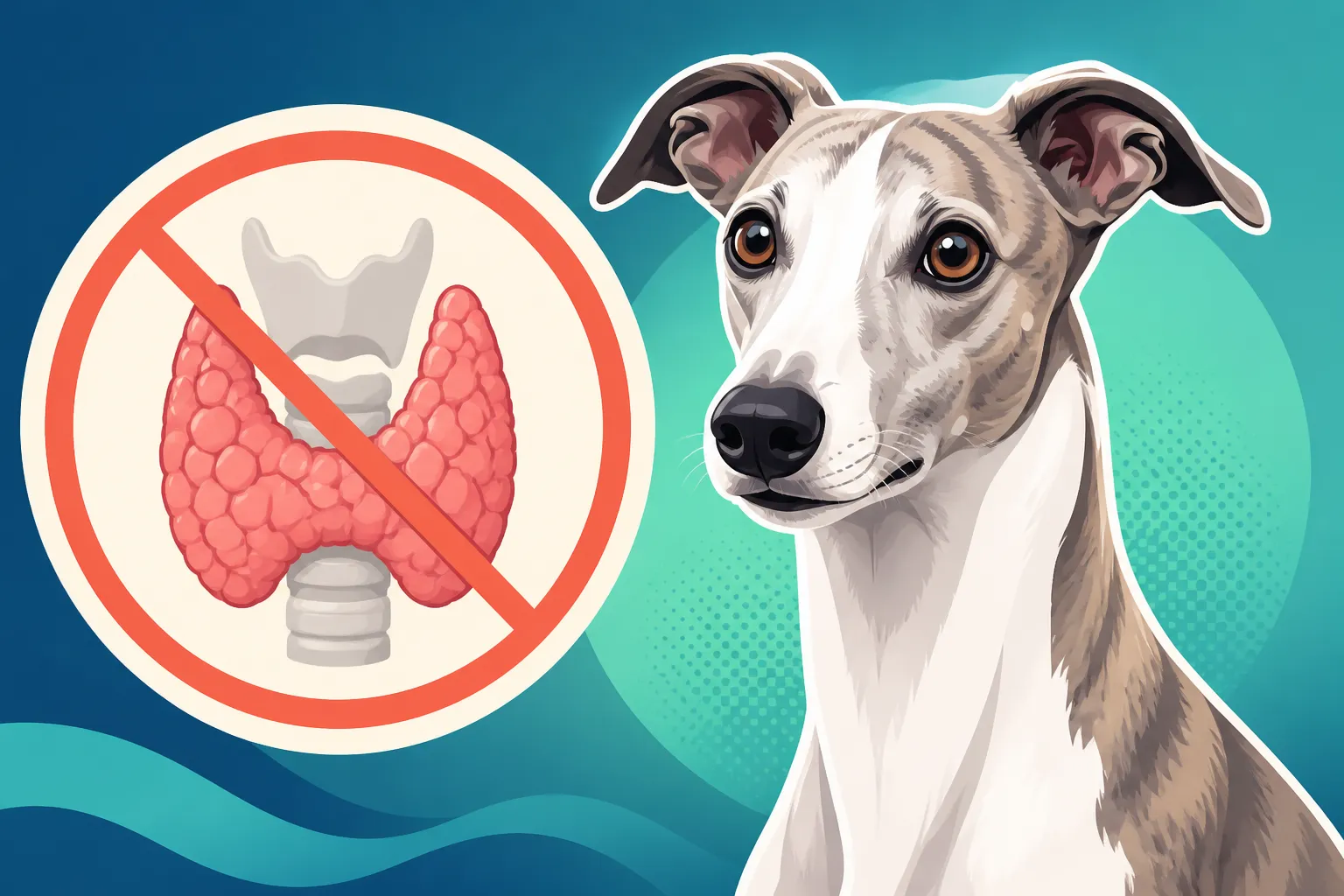
It’s a truly unsettling experience when you get your Whippet’s routine bloodwork back and see a big, red flag next to their thyroid numbers, often marked as "low" or "hypothyroid." This can cause a wave of panic, imagining your lean, active sighthound suddenly battling a serious endocrine disorder. But before you jump to conclusions or agree to immediate medication, let's take a deep breath. Many Whippet owners, just like you, have faced this exact scenario, only to discover their dog is perfectly healthy. This guide will help you understand why your Whippet’s thyroid results might look "off" compared to standard ranges, what it truly means, and how to advocate for your beloved companion with your veterinarian.
Why Whippet Thyroid Levels Naturally Differ From Other Breeds
One of the biggest misunderstandings in veterinary medicine, especially for sighthound owners, is the "one size fits all" approach to bloodwork interpretation. Whippets are unique creatures, built for speed and efficiency, and their physiology often deviates from what’s considered "average" for other dog breeds. Their lean body mass, high metabolism, and specific genetic makeup mean that their baseline thyroid hormone levels are naturally lower than those found in, say, a Labrador Retriever or a Golden Retriever.
This isn't a sign of disease; it's simply how they're wired. Think of it like a marathon runner having a lower resting heart rate than someone who rarely exercises – it's an adaptation, not a defect. Unfortunately, standard veterinary lab reference ranges are often derived from a broad population of dogs, most of whom are not sighthounds. When your Whippet’s naturally lower thyroid levels are compared to these generalized ranges, they often fall outside the "normal" bracket, leading to a presumptive diagnosis of hypothyroidism. This can be incredibly frustrating, especially when your Whippet is otherwise bright, energetic, and perfectly healthy. It's why recognizing "The Bloodwork Numbers That Look Wrong on a Healthy Whippet" is so vital for sighthound parents.
Understanding Normal Thyroid Ranges for Sighthounds
The thyroid gland produces hormones, primarily T4 (thyroxine) and T3 (triiodothyronine), which regulate metabolism throughout the body. In many breeds, a low T4 or T3 level would indeed signal hypothyroidism, a condition where the thyroid gland doesn’t produce enough hormones. Symptoms typically include weight gain, lethargy, hair loss, a dull coat, cold intolerance, and skin issues. However, if you look at your Whippet, they are likely lean, full of energy (after a good sprint, of course), and have a sleek, healthy coat. They don't fit the classic picture of hypothyroidism.
Research has consistently shown that sighthounds, including Whippets, Greyhounds, Salukis, and Afghan Hounds, have significantly lower baseline thyroid hormone levels than other breeds. Their "normal" T4 levels might register as low-normal or even below the lower limit of standard reference ranges. This physiological difference is well-documented within sighthound veterinary circles, but unfortunately, it's not always widely known or applied in general veterinary practice. A healthy Whippet's total T4 could be as low as 0.8-1.5 µg/dL (micrograms per deciliter) when a non-sighthound reference range might start its "normal" at 1.5 or 1.8. It’s a common point of confusion for vets not accustomed to these lean, athletic dogs, and it’s critical for owners to understand that their Whippet’s low thyroid reading is often just "Why a Whippet's Thyroid Reading Runs Low."
The Impact of "Euthyroid Sick Syndrome"
Beyond the breed-specific baseline differences, there's another phenomenon that can cause thyroid levels to appear low in otherwise healthy dogs, known as "euthyroid sick syndrome" or non-thyroidal illness. This isn't true hypothyroidism but rather a temporary suppression of thyroid hormones due to various stressors, illnesses, or even certain medications.
For instance, if your Whippet had their blood drawn while recovering from a minor injury, experiencing stress from a vet visit, or even if they were on certain medications (like steroids or some NSAIDs), their thyroid levels could temporarily dip. Even seemingly minor issues can trigger this response. It’s the body’s way of conserving energy during a period of stress. This means that a single low thyroid reading, especially if your Whippet isn't showing any clinical signs of hypothyroidism, should always be viewed with caution. It doesn't necessarily mean your dog needs lifelong medication. Instead, it might just be a transient response to something else happening in their body at that moment. This is why thorough discussion with your vet about the timing of blood draws and your dog's overall health leading up to it is incredibly important.
Navigating Misdiagnosis and Unnecessary Treatment
The consequence of not understanding these breed-specific differences is often misdiagnosis. Owners are told their Whippet is hypothyroid, leading to prescriptions for synthetic thyroid hormone, typically levothyroxine. While this medication is crucial for dogs who truly need it, administering it unnecessarily can have adverse effects and can be a significant financial burden over a dog's lifetime, especially if you consider pet insurance like Healthy Paws might be involved.
Imagine giving a healthy dog a powerful hormone. It's not benign. Overtreatment can lead to hyperthyroidism, which is the opposite problem – too much thyroid hormone. This can manifest as anxiety, increased heart rate, weight loss, increased thirst and urination, and restlessness. These symptoms are far from what we want for our typically calm, albeit speedy, companions. It's a classic case where "Whether a Whippet Should Be Treated for a Low Thyroid Reading" needs careful consideration, not a rushed decision.
The Risks of Overtreating with Thyroid Medication
Giving a healthy Whippet thyroid medication can throw their delicate endocrine system out of whack. When the body receives synthetic thyroid hormone, it signals to the thyroid gland that it doesn't need to produce its own hormones, effectively making the gland lazier or even completely suppressing its natural function. If the dog genuinely didn't need the medication, this can lead to a dependence on the synthetic hormone, or even result in the thyroid gland atrophying over time.
Beyond physical symptoms like elevated heart rate or hyperactivity, overtreatment can mask other underlying health issues. If a dog is mildly unwell for another reason, and that illness caused the temporary dip in thyroid levels (euthyroid sick syndrome), treating for "hypothyroidism" might alleviate some non-specific symptoms, but it won't address the root cause of the initial problem. This can delay proper diagnosis and treatment of the real issue, potentially leading to more serious health complications down the line. It's a scenario where you're treating a symptom that isn't truly indicative of a disease, rather than the disease itself.
Signs of True Hypothyroidism in a Whippet
So, how can you tell the difference between a naturally low sighthound thyroid level and actual hypothyroidism? The key is to look at the whole picture, not just a single blood test number. True hypothyroidism in a Whippet will present with clinical signs that are much more encompassing than just a number on a lab report.
Here’s what to look for:
- Lethargy and Exercise Intolerance: While Whippets are renowned couch potatoes, a truly hypothyroid one will exhibit a noticeable decrease in energy, even beyond their usual napping habits. They might be reluctant to go for walks, show decreased enthusiasm for play, or tire unusually quickly.
- Weight Gain: Despite their typically lean physique, a hypothyroid Whippet might start to gain weight, and it's not the healthy muscle mass we usually see. This weight gain will often be accompanied by reduced activity.
- Hair Loss and Poor Coat Quality: Look for symmetrical hair loss, often on the flanks, tail, or bridge of the nose. The coat might become dull, dry, brittle, and perhaps even feel greasy.
- Cold Intolerance: Whippets already feel the cold due to their lack of body fat, hence "The Wardrobe a Whippet Needs Because It Has No Body Fat." However, a hypothyroid Whippet will be excessively sensitive to cold, seeking out warmth much more often, even indoors.
- Skin Issues: Recurrent skin infections, scaling, or hyperpigmentation (darkening of the skin) can also be indicators.
- Slow Heart Rate (Bradycardia): While not always obvious to an owner, a vet might note a slower than normal heart rate during an examination.
If your Whippet is displaying several of these classic symptoms in addition to low thyroid hormone levels, then a diagnosis of hypothyroidism becomes much more likely. Without these clinical signs, a low thyroid reading alone is rarely enough to warrant medication.
Advocating for Your Whippet at the Vet
This is where you, as a Whippet owner, become your dog's best advocate. It’s natural to trust your veterinarian, but it’s also important to be informed and ask questions, especially when dealing with breed-specific quirks. Don't be afraid to voice your concerns or seek a second opinion. Remember, your vet wants what's best for your dog, and sometimes educating them about sighthound physiology is part of the process.
When you discuss thyroid results with your vet, highlight that Whippets are sighthounds with unique physiological norms. Mention that their thyroid levels are often naturally lower than other breeds. It can be helpful to come prepared with information or articles from sighthound-specific veterinary resources. Companies like Healthy Paws understand the nuances of breed-specific health issues, and being informed helps you make the best decisions for your dog’s care, especially when considering potential long-term medication.
Finding a Vet Knowledgeable About Sighthounds
Ideally, every Whippet owner would have a veterinarian who is deeply familiar with sighthound physiology. Unfortunately, this isn't always the case. Many general practitioners see a wide variety of breeds and may not have extensive experience with the unique aspects of sighthounds. If your current vet isn't familiar with these breed-specific thyroid norms, it's worth seeking out a vet who specializes in sighthounds or has a particular interest in them.
You can often find recommendations through local Whippet clubs, sighthound rescue organizations, or online forums dedicated to the breed. These communities are invaluable resources for connecting with vets who truly "get" Whippets. Even if you have to travel a bit further, having a vet who understands a Whippet's unique body, from their anesthesia protocols to their bloodwork, can make a huge difference in their overall health and well-being. For example, knowing "Why a Whippet Needs a Sighthound Anesthesia Protocol" is just as crucial as understanding their thyroid. It’s also important to consider "What a Sighthound Vet Costs Over a Whippet's Life," but the peace of mind is often worth it.
Recommended Testing for a Whippet's Thyroid
If there's a concern about your Whippet's thyroid, a single total T4 measurement is often not enough to make a definitive diagnosis. A more comprehensive panel is usually recommended, especially if clinical signs are absent.
Here’s what a more thorough thyroid work-up might include:
- Total T4 (TT4): This measures the total amount of thyroxine in the blood. As discussed, it's often low in healthy sighthounds.
- Free T4 (fT4) by Equilibrium Dialysis: This is considered a more accurate measure of the biologically active thyroid hormone. It's less affected by non-thyroidal illnesses or medications than total T4. A truly hypothyroid dog will usually have a low fT4.
- TSH (Thyroid Stimulating Hormone): TSH is produced by the pituitary gland and signals the thyroid to make more hormones. In primary hypothyroidism, the thyroid gland isn't responding, so the pituitary keeps pumping out TSH, leading to high TSH levels. If TSH is normal or low along with a low T4, it points away from primary hypothyroidism.
- Thyroid Autoantibody Testing (TgAA): This test checks for antibodies that attack the thyroid gland. Their presence can indicate autoimmune thyroiditis, a common cause of hypothyroidism.
Before ordering these tests, ensure your Whippet is otherwise healthy, not on any medications that could interfere with results, and not stressed. Sometimes, simply re-testing a few weeks later, when the dog is completely calm and healthy, can yield different, more accurate results. It's also wise to get "Whether a Whippet Needs Pre Anesthetic Bloodwork" if any procedures are planned, as anesthesia can also affect readings.
| Thyroid Hormone / Marker | Standard Dog Reference Range (Approximate) | Typical Sighthound (Whippet) Range (Approximate) | Interpretation for Sighthounds |
|---|---|---|---|
| Total T4 (TT4) | 1.5 – 4.0 µg/dL | 0.8 – 2.5 µg/dL | Often naturally lower; a low reading alone is not usually indicative of hypothyroidism. |
| Free T4 (fT4) by ED | 0.8 – 2.5 ng/dL | 0.6 – 1.8 ng/dL | A more reliable indicator; usually low in true hypothyroidism. |
| TSH | 0.0 – 0.6 ng/mL | 0.0 – 0.6 ng/mL | Generally consistent across breeds; typically elevated in primary hypothyroidism. |
| TgAA | Negative | Negative | Positive indicates autoimmune thyroiditis. |
Note: These ranges are approximate and can vary slightly between laboratories. Always consult with your veterinarian for precise interpretation of your dog's specific lab results.
Remember, the goal isn't to ignore potential health problems but to ensure that diagnoses are accurate and treatments are truly necessary. Your Whippet deserves a long, healthy life, and understanding their unique physiology, especially concerning their thyroid, is a big part of ensuring they get it. This careful approach is part of "Caring for a Whippet Past Ten" and ensuring "The Twelve to Fifteen Years a Whippet Lives" are as healthy as possible. Don't let a "low" number scare you; instead, let it empower you to learn more and advocate for your extraordinary sighthound.
Disclaimer
Please remember that this article is intended for informational purposes only and is not a substitute for professional veterinary advice. Always consult with a qualified veterinarian regarding your Whippet's health and any medical conditions.