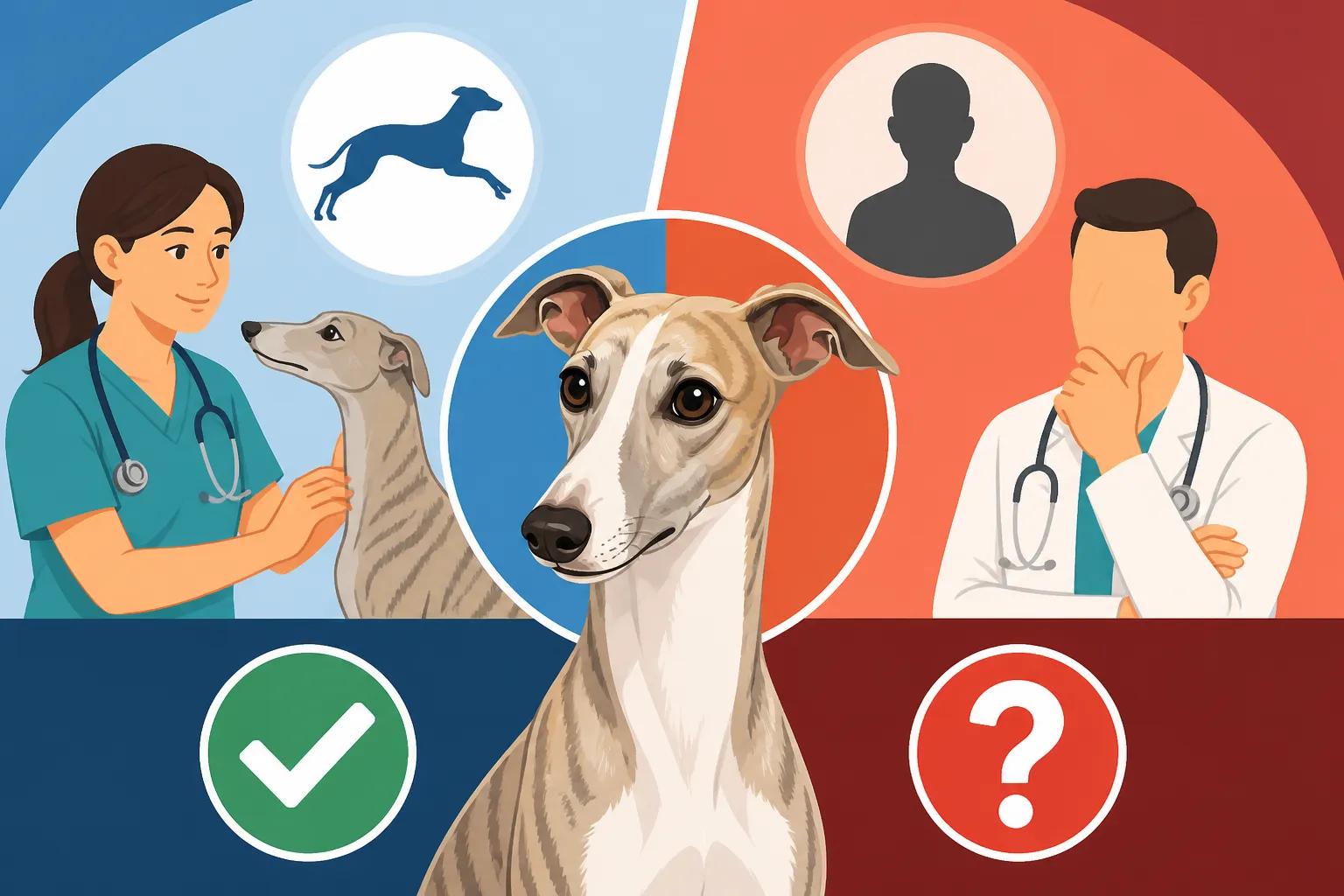
Whether a Whippet Needs a Vet Who Knows Sighthounds
One of the most common worries I hear from new Whippet parents, and even seasoned owners moving to a new area, is the daunting task of finding a veterinarian who truly gets sighthounds. It’s a genuine concern, and frankly, it's a valid one. These elegant, sensitive creatures aren't like every other dog breed trotting through the clinic door, and their unique physiology means that a vet without specific sighthound knowledge can inadvertently cause more problems than they solve. This guide is all about helping you understand why sighthound-savvy veterinary care is so crucial for your Whippet and how to find the right professional to ensure your beloved companion receives the best possible attention.
Why Sighthound-Specific Veterinary Knowledge is Absolutely Essential
It’s easy to assume "a dog is a dog," right? And for many general health concerns, that's often true. But when it comes to Whippets and other sighthounds, there are distinct physiological differences that can make a world of difference in their medical care. Without a vet who understands these nuances, your Whippet could be at risk for misdiagnosis or inappropriate treatment.
Anesthesia Protocols Are Not One-Size-Fits-All
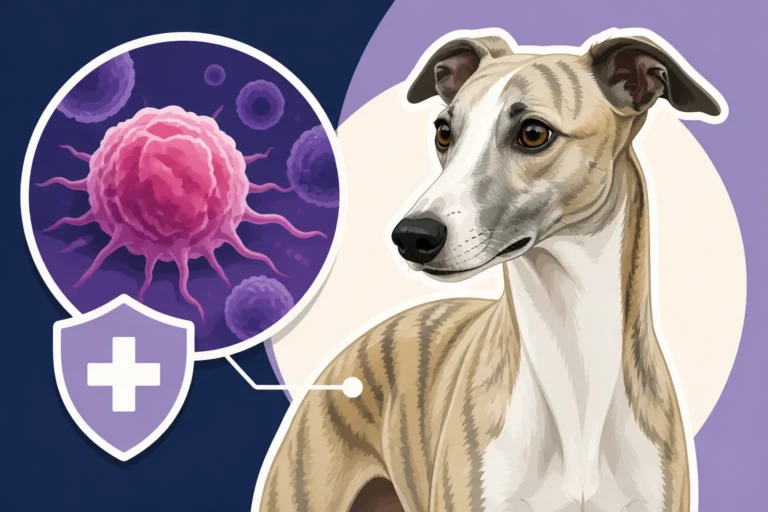
This is, hands down, one of the biggest and most critical areas where sighthound knowledge becomes non-negotiable. Whippets have notoriously low body fat, and that beautiful, sleek physique we adore means they metabolize anesthetic drugs very differently than a fluffier, stockier breed. They lack the insulating fat layer that helps other dogs store and slowly release anesthetic agents, leading to prolonged and difficult recoveries.
Many standard anesthetic drugs, particularly certain older thiobarbiturates, can stay in a Whippet's system for far too long, causing dangerously extended sedation, hypothermia, and potential respiratory issues. It’s not just about giving less of the drug; it’s about choosing entirely different drug protocols that are safer and more easily metabolized by their unique system. A vet familiar with sighthounds will know which drugs to absolutely avoid and which ones, like Propofol, are generally considered safer alternatives. They'll also be meticulous about monitoring body temperature and providing active warming during and after procedures. This specialized approach is so vital that it's worth understanding exactly why a Whippet Needs a Sighthound Anesthesia Protocol.
Unique Physiological Traits That Can Confuse the Uninitiated
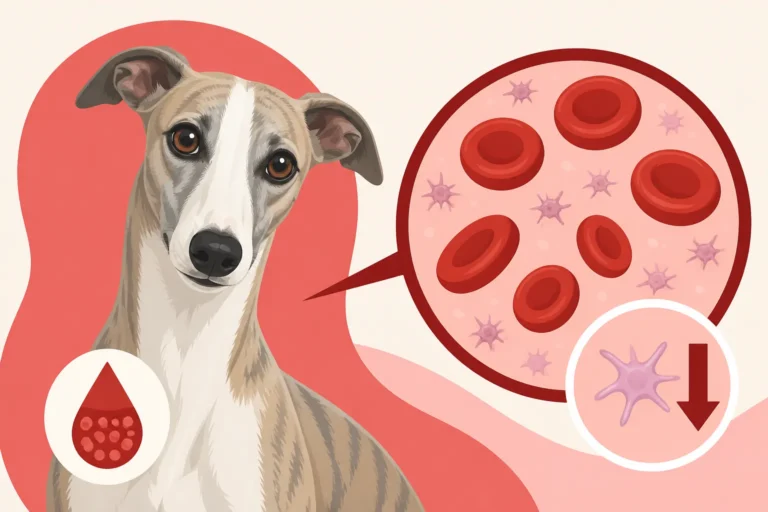
Beyond anesthesia, Whippets possess several physiological quirks that can lead to alarm bells ringing for vets unfamiliar with the breed, often unnecessarily. Imagine getting bloodwork back and being told your dog might be anemic, only to find out it’s a normal reading for a sighthound!
Whippets, by nature of their athletic build and incredible oxygen-carrying capacity, often have higher Packed Cell Volume (PCV) or hematocrit levels. For many breeds, these numbers might signal dehydration, but for a Whippet, they can be perfectly healthy. Conversely, their thyroid readings can sometimes appear lower than average, leading to a misdiagnosis of hypothyroidism when they are, in fact, perfectly euthyroid. A vet who knows sighthounds will understand that these numbers fall within a different "normal" range for these breeds and won't rush to treat something that isn't actually a problem. It’s all part of understanding The Bloodwork Numbers That Look Wrong on a Healthy Whippet.
Fragile Skin and Injury Tendencies
Anyone who lives with a Whippet knows their skin is like tissue paper. It's thin, delicate, and prone to tears, even from seemingly minor bumps or scrapes. They can snag themselves on anything from a rose bush in the yard to the edge of a coffee table, and suddenly you’re dealing with a deep laceration.
A sighthound-experienced vet understands this fragility and will be prepared for it. They might use specific suturing techniques, different types of wound closures, or even advise on prevention strategies that a general practice vet might not consider. They'll also be familiar with how quickly these wounds can become infected due to the thin skin and minimal underlying fat. This distinct characteristic is why The Thin Skin That Sends a Whippet to the Vet for Stitches is such a common owner concern, and why specialized care in this area is a significant advantage. It's not just about patching them up; it's about understanding the unique healing process and preventing further issues.
How to Find a Vet Who Understands Your Whippet's Needs
It might feel like searching for a needle in a haystack, but finding a vet with sighthound experience is entirely possible and definitely worth the effort. It often comes down to asking the right questions and knowing where to look.
Essential Questions to Ask Potential Veterinarians
When you're interviewing a new veterinary clinic or even just checking in with your current vet, don't be shy about asking direct questions. You are your Whippet’s advocate! Start by explaining you have a sighthound and inquire about their experience with the breed.
A great question to begin with is about their anesthesia protocols. Ask, "What anesthetic drugs do you use for sighthounds, and which ones do you specifically avoid?" A confident answer about avoiding thiobarbiturates (like thiopental) and using safer alternatives (like Propofol or isoflurane/sevoflurane gas) is a huge green flag. You might also ask about their monitoring procedures during and after surgery, specifically regarding temperature regulation and recovery time. Another good question concerns bloodwork interpretation: "Are you familiar with the normal higher PCV and lower thyroid values often seen in sighthounds?" Their answers will give you a clear indication of their level of knowledge. This is also where having a robust pet insurance plan like Healthy Paws can give you peace of mind, knowing you can seek out the best care without financial stress, even if it means visiting a more specialized clinic.
Resources for Finding Sighthound-Savvy Vet Referrals
The sighthound community is a passionate and tight-knit one, and it's often the best place to find recommendations. Start with your Whippet's breeder; they often have extensive experience and can refer you to vets who have successfully cared for their lines.
Local Whippet clubs or sighthound rescue organizations are also invaluable resources. These groups deal with sighthound health issues daily and can provide a list of recommended veterinarians in your area, or at least point you towards practices known for their sighthound-friendly approach. Online forums and social media groups dedicated to Whippet owners can also yield excellent, real-world recommendations. Remember, word-of-mouth from fellow owners who have navigated these specific challenges is often the most trustworthy source.
What to Do if a Sighthound Specialist Isn't Available Locally
Let's face it, not everyone lives in an area teeming with sighthound specialists. If you're in a more rural location, or simply can't find a vet with specific sighthound training, don't despair! You still have options.
The first step is to gently educate your current veterinarian. Bring reputable resources with you, such as articles from the American Whippet Club, veterinary journals, or even printouts about topics like Why a Whippet's Big Heart Is Not a Diagnosis or Whether a Whippet Needs Pre Anesthetic Bloodwork. Most vets are open to learning and appreciate an owner who is proactive about their pet's unique needs. You can also suggest they consult with a veterinary anesthesiologist or a specialist in internal medicine at a larger veterinary college or referral center. Many specialists offer "telemedicine" consultations directly to other vets. Building a collaborative relationship with your vet, where you provide information and they are willing to learn, can be incredibly effective.
Beyond the Basics: Advanced Care and Considerations for Your Whippet
The specific care for sighthounds extends beyond just general check-ups and routine surgeries. There are specific medications, dietary considerations, and even behavioral aspects where specialized knowledge can make a considerable difference in your Whippet's quality of life.
Medication Sensitivities in Whippets
It's not just anesthesia where drug sensitivities pop up. Whippets, and sighthounds in general, can be more susceptible to adverse reactions from certain common medications. For example, some sighthounds, though not as commonly as Collies, can carry the MDR1 gene mutation, which affects how they process certain drugs, including some common flea and heartworm preventatives, and even some anti-diarrhea medications like Imodium. While Whether a Whippet Carries the MDR1 Mutation isn't as prevalent as in some other breeds, it's worth discussing with your vet.
Even without the MDR1 mutation, their unique metabolism means they might react differently to pain medications or sedatives. A vet with sighthound experience will be more cautious, often starting with lower doses or opting for alternative drugs that are known to be safer for these sensitive systems. This careful approach can prevent unnecessary side effects and ensure your Whippet receives effective treatment without additional risks.
Dietary and Weight Management Specifics
Whippets are lean. Very lean. It's their natural build, optimized for speed and agility. Their ribs, hip bones, and spine are often visible, which can sometimes lead well-meaning but uninformed individuals (and even some vets) to assume they are underweight or underfed.
A sighthound-savvy vet understands that this leanness is healthy and normal for the breed. They won't push for excessive weight gain, which can actually be detrimental to a Whippet's joints and overall athleticism. Instead, they'll evaluate your Whippet's body condition score based on sighthound standards, focusing on muscle tone and energy levels rather than just a number on the scale. They'll also understand that a racing or active Whippet may require a specific diet to maintain its condition, possibly a performance food, to fuel their explosive sprints without adding unnecessary bulk.
| Area of Care | Standard Veterinary Approach | Sighthound-Savvy Veterinary Approach |
|---|---|---|
| Anesthesia | General protocols, may use standard thiobarbiturates. | Avoids certain drugs (e.g., thiobarbiturates), prioritizes Propofol/gas, active warming. |
| Bloodwork | Interprets against general canine reference ranges. | Uses sighthound-specific reference ranges for PCV, thyroid, creatinine. |
| Skin Wounds | Standard wound closure, less emphasis on skin fragility. | Gentle handling, specific suturing techniques, anticipates thin skin issues. |
| Medication | Standard dosing, less awareness of specific sensitivities. | Cautious dosing, awareness of MDR1 and other sighthound drug sensitivities. |
| Weight Eval. | May perceive leanness as underweight, push for caloric increase. | Understands natural leanness, evaluates body condition score for sighthounds. |
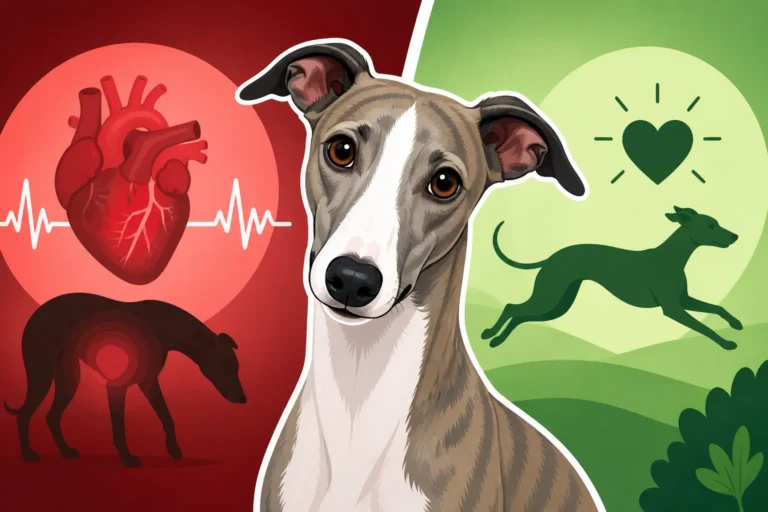
| Heart Health | May flag an "enlarged heart" on X-ray as concerning. | Recognizes an athletic, larger heart as normal for the breed. |
Behavioral Nuances and Stress Reduction
While not strictly medical, a vet's understanding of a Whippet's temperament can greatly impact their overall health care experience. Whippets are often described as sensitive souls; they can be shy with strangers, dislike loud noises, and are generally more attuned to their environment than some other breeds.
A vet practice that recognizes this will make efforts to create a calmer, less stressful environment for your Whippet. This might mean quiet waiting areas, gentle handling by staff, or taking more time during examinations. Reducing stress during vet visits isn't just about comfort; chronic stress can impact a dog's immune system and make them more susceptible to illness. A vet who understands these subtleties will ensure your Whippet has the most positive and least traumatic experience possible, from puppyhood through to Caring for a Whippet Past Ten. It's a holistic approach that truly champions the well-being of these wonderful companions.
In conclusion, while any licensed veterinarian can provide basic care, for a Whippet, finding a vet who specifically understands sighthound physiology isn't just a bonus, it’s a critical component of responsible ownership. It ensures they receive appropriate anesthesia, accurate diagnoses based on their unique bloodwork, and understanding of their delicate skin and sensitive nature. Don't hesitate to ask questions, seek referrals, and educate your vet if necessary. Your Whippet deserves nothing less than care tailored to their special needs.
Disclaimer
This article is intended for informational purposes only and does not constitute professional veterinary advice. Always consult with a qualified veterinarian for any health concerns or before making any decisions about your Whippet's medical care. While efforts have been made to ensure accuracy, veterinary practices and knowledge evolve, and individual situations may vary.