Whether a Whippet’s Teeth Need Scaling Often
It’s a common worry for Whippet owners, isn't it? You look into your beloved sighthound's mouth, catch a whiff of that distinctive "dog breath," and immediately wonder if you're doing enough to care for those pearly whites. The truth is, many of us fret over how often our Whippets truly need their teeth professionally scaled and cleaned, especially when every vet visit seems to highlight the ever-present threat of dental disease. This guide is here to unravel the mystery, validating those concerns and equipping you with the knowledge to keep your Whippet's smile healthy.
Why Whippets Are Particularly Prone to Dental Issues
Let's be honest, Whippets aren't exactly known for their robust dental health. It’s a frustrating reality for many owners, but understanding why they often face these challenges can help us be more proactive. It's not just bad luck; there are some inherent traits and lifestyle factors at play.
The Genetic Predisposition of Sighthounds
One of the biggest reasons Whippets often struggle with dental health comes down to their genetics and the very structure that makes them so elegant. Sighthounds, including Whippets, typically have long, narrow muzzles and jaws. While this gives them that distinctive, streamlined look, it also means their teeth can be a bit more crowded than in breeds with broader skulls. When teeth are packed in tightly, there's less natural spacing for saliva to wash away food particles, and plaque can build up more easily in those nooks and crannies that are hard to reach.
Beyond the jaw shape, there's also anecdotal evidence and general veterinary consensus that sighthounds might have thinner enamel or a predisposition to faster plaque and tartar accumulation. Imagine trying to keep a set of fragile, crowded dishes clean – it’s just naturally more challenging. This genetic component means that even with diligent home care, some Whippets are fighting an uphill battle against dental disease from a younger age than other breeds might. This isn't your fault as an owner, but it is something to be acutely aware of.
Lifestyle Factors and Their Role
While genetics lay the groundwork, your Whippet's daily life significantly influences their dental health. What they eat and how much natural teeth-cleaning activity they engage in plays a huge part in how quickly tartar builds up.
Consider diet: many Whippets thrive on a diet of dry kibble. While convenient, kibble often doesn't provide the same abrasive action that chewing on larger, tougher items might. Some owners opt for raw or fresh food diets, hoping the more natural textures will scrape teeth clean, but even these aren't a magic bullet and shouldn't replace other forms of dental care. The reality is, most pet Whippets aren't gnawing on bones in the wild, so their domestic diet, no matter how well-intentioned, often falls short of keeping their teeth perfectly clean.
Then there's the lack of regular, active "teeth cleaning" behaviors. A Whippet that mostly sleeps on the sofa and gets soft treats isn't naturally wearing down plaque. Dogs that chew on appropriate, safe dental toys or chew sticks can experience some benefit, but it's rarely enough to prevent tartar buildup entirely, especially in those genetically predisposed areas. As our Whippets age, their teeth naturally start to show more wear and tear, and their immune systems might not be as robust in fighting off bacterial infections that start in the mouth. This combination of genetic predisposition and modern domestic living means we, as owners, need to be extra vigilant and often intervene with professional help.
Recognizing the Signs of Dental Disease in Your Whippet
It's easy to dismiss "dog breath" as just part of having a dog, but in a Whippet, it's often the first subtle clue that something more serious is brewing beneath the surface. Catching dental disease early can save your Whippet discomfort and you significant vet bills down the line.
Beyond Just Bad Breath
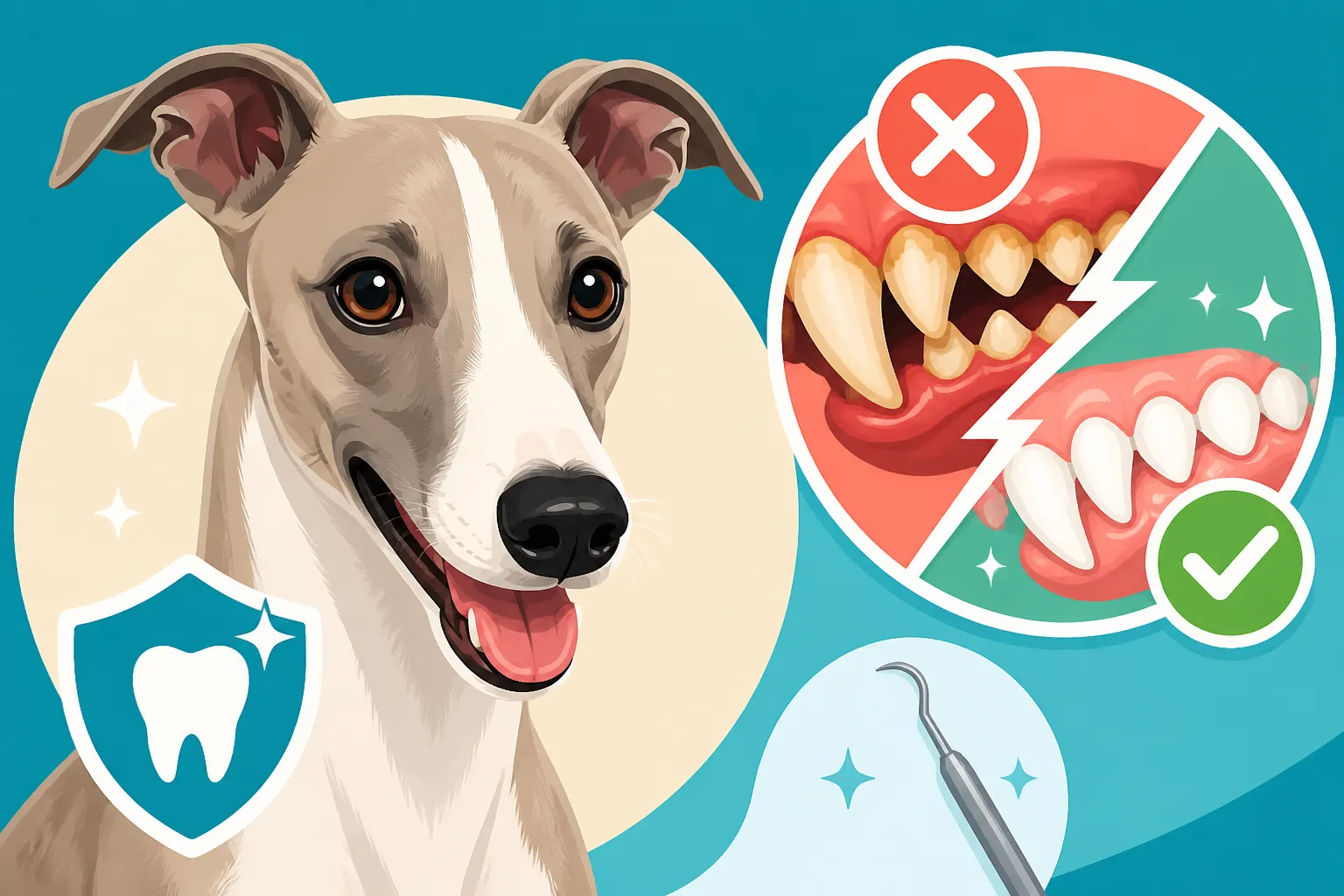
While persistent bad breath (halitosis) is a definite red flag, it's far from the only sign. Periodontal disease, which affects the structures supporting the teeth, can manifest in several ways that are easy to miss if you're not looking carefully. You might notice your Whippet's gums are red, swollen, or even bleeding when they chew on a toy or you try to brush their teeth. Sometimes, you’ll see brown or yellow tartar coating the tooth surface, particularly on the back molars and the canine teeth.
More concerning signs include loose teeth, a reluctance to eat harder kibble or treats, or a sudden preference for soft food. Your Whippet might start pawing at their mouth or rubbing their face against furniture. If the infection is more advanced, you could even see swelling on one side of their face, indicating an abscess, or notice drooling, sometimes with blood in the saliva. Behavioral changes, such as becoming more withdrawn or irritable, can also be a subtle sign of chronic pain, and dental pain is incredibly common but often overlooked.
The Importance of Regular Home Checks
The best way to stay on top of your Whippet’s dental health is to get into the habit of regular home checks. This isn't about being a vet; it's about familiarity. Start by gently lifting their lips and examining their gums and teeth. Do this in a calm, positive way, rewarding them with praise or a very small, healthy treat afterward.
Look for:
- Color of the gums: Healthy gums are typically a nice pink color. Redness, swelling, or bleeding are signs of inflammation.
- Tartar buildup: Notice any brown or yellow crust forming on the teeth, especially along the gum line? That’s tartar.
- Broken or chipped teeth: Whippets, being active, can sometimes chip a tooth.
- Missing teeth: While some older dogs naturally lose teeth, premature loss is a concern.
- Any unusual growths: Keep an eye out for bumps or lumps inside the mouth.
- Smell: While we mentioned it's not the only sign, a truly foul, rotting smell is a strong indicator of a problem.
By checking their mouths regularly, perhaps once a week, you’ll become attuned to what’s normal for your Whippet. This allows you to spot changes early and seek veterinary advice before a minor issue escalates into a major, painful, and expensive problem.
Professional Dental Scaling: When and How Often?
This is the million-dollar question for many Whippet owners. While home care is vital, there comes a point where only a professional cleaning can effectively address the buildup of plaque and tartar.
The Veterinarian's Role in Whippet Dental Health
When we talk about a professional dental scaling for a Whippet, we're discussing a procedure that goes far beyond what we can do at home. This is a comprehensive dental prophylaxis performed under general anesthesia. Why anesthesia? Because a proper cleaning involves scaling below the gum line where periodontal disease truly takes hold. Imagine trying to scrape plaque from your gums with sharp instruments while you're awake and wiggling – impossible and unethical for our dogs.
During a professional scaling, your vet will:
- Perform a thorough oral exam: This often includes dental X-rays to check the health of the tooth roots and jawbone, areas invisible to the naked eye.
- Scale the teeth: Using ultrasonic and hand scalers, they'll remove plaque and tartar both above and below the gum line.
- Polish the teeth: This smooths the tooth surface, making it harder for new plaque to adhere.
- Extract diseased teeth: If X-rays or examination reveal painful, infected, or unsalvageable teeth, they will be extracted to prevent further pain and infection.
It's crucial to remember that anesthesia for a sighthound like a Whippet requires special considerations. Whippets can be more sensitive to certain anesthetic agents and are prone to hypothermia during surgery due to their low body fat. Therefore, it's vital that your vet is experienced with sighthound anesthesia protocols, using safer drugs like propofol and ensuring proper warming during and after the procedure. This is a topic worth discussing in detail with your vet, especially if you haven't had to deal with Why a Whippet Needs a Sighthound Anesthesia Protocol before.
Determining the Frequency of Professional Cleanings
There's no universal answer to how often a Whippet needs a professional scaling. It truly is a case-by-case scenario influenced by several factors.
- Genetics: Some Whippets are simply more prone to tartar buildup due to their oral structure and saliva chemistry. These dogs might need cleanings more frequently.
- Diet: While no diet completely prevents dental disease, some might contribute more or less to plaque accumulation.
- Home Care: This is arguably the biggest influencing factor. A Whippet receiving daily tooth brushing will likely need professional cleanings less often than one with no home care.
- Age: Older Whippets tend to have more advanced dental disease and may require more frequent intervention, though regular care throughout their lives can slow this progression.
- Overall Health: Underlying health issues can sometimes impact oral health and vice-versa. For instance, advanced dental disease can contribute to issues like Mitral Valve Disease in a Whippet or kidney problems.
General Guideline: Many veterinarians recommend yearly dental check-ups, and for many Whippets, a professional scaling every 1-3 years might be appropriate, especially if diligent home care is maintained. However, for a Whippet with severe or rapidly progressing periodontal disease, cleanings might be needed every 6-12 months. Your vet is your best resource for creating a tailored dental plan.
The cost of professional dental work, particularly with extractions and anesthesia, can be substantial. This is where pet insurance, such as a plan from Healthy Paws, can really make a difference. Knowing that a significant portion of these necessary procedures might be covered can alleviate the financial stress and allow you to make the best decisions for your Whippet's health without undue worry. A good pet insurance plan from a provider like Healthy Paws offers peace of mind when unexpected vet bills for dental work or injuries like Treating a Whippet's Skin Tear arise.
Proactive Home Dental Care for Your Whippet
While professional cleanings are essential, the bulk of dental health maintenance happens right at home. It’s what you do daily and weekly that makes the biggest difference in extending the time between those necessary vet visits.
Daily Brushing: The Gold Standard
Just like in humans, daily tooth brushing is the single most effective way to prevent plaque from hardening into tartar. Yes, it can seem like a chore, but it's incredibly beneficial for your Whippet's long-term health.
Here’s how to approach it:
- Start Early: If you have a puppy, start getting them used to having their mouth handled from a young age.
- Choose the Right Tools: Use a dog-specific toothbrush (finger brushes work well for some, or a small brush designed for pets) and enzymatic dog toothpaste. NEVER use human toothpaste, as it contains ingredients toxic to dogs. Flavored toothpastes (like poultry or beef) can make it a more pleasant experience.
- Make it Positive: Introduce the brush and toothpaste slowly. Let your Whippet lick the toothpaste off your finger first. Then, gently introduce the brush to just a few teeth, praising and rewarding them. Build up gradually.
- Focus on the Outside: Concentrate on the outside surfaces of the teeth and the gum line, as this is where plaque tends to accumulate most. You don't necessarily need to brush the inside surfaces, as your dog's tongue usually keeps those relatively clean.
- Aim for Consistency: Even brushing every other day is better than nothing, but daily is ideal. Just a minute or two can make a huge difference.
It might take patience, but with consistent positive reinforcement, most Whippets can learn to tolerate, and even enjoy, their tooth brushing routine.
Dental Chews, Water Additives, and Diet
Beyond brushing, there are other tools in your home dental care arsenal, though it’s important to understand their limitations.
Dental Chews: Products like Greenies or similar dental-specific chews can help reduce plaque and tartar, especially if your Whippet chews them thoroughly. They often contain enzymes or ingredients designed to break down plaque. However, they are rarely a substitute for brushing. Always choose chews appropriate for your dog's size and chewing style, and supervise them to ensure they don't break off large pieces or choke. Be cautious with extremely hard chews (like antlers or real bones) as these can cause serious tooth fractures, leading to even more pain and expensive vet visits. If you're wondering Whether a Whippet Needs Dental Chews Are Enough for a Whippet, the answer is often "not by themselves."
Water Additives: These liquids are added to your Whippet’s drinking water and claim to reduce bacteria or plaque. While some may offer a mild benefit, their effectiveness is generally lower than brushing or dental chews. They can be a supplemental tool, but shouldn't be relied upon as a primary defense.
Diet: As mentioned earlier, while some proponents of raw or fresh food diets claim they keep teeth cleaner, the scientific evidence is mixed. While chewing on raw, meaty bones could provide some abrasive action, there are significant risks of bacterial contamination, choking, and tooth fracture. Most kibble diets contribute to plaque, but there are some prescription dental diets formulated with specific textures and ingredients to help scrape teeth clean or prevent tartar formation. Discuss these options with your vet to see if they're a good fit for your Whippet.
Ultimately, home care is a multi-faceted approach. Daily brushing is your star player, with dental chews and possibly water additives acting as supporting cast members. Consistent effort at home significantly impacts how often your Whippet will need professional intervention.
What Happens If Dental Disease Goes Untreated?
It's tempting to put off dental cleanings, especially given the cost and the need for anesthesia. However, ignoring dental disease in your Whippet isn't just about bad breath; it's about a ticking time bomb for their overall health and well-being. The consequences can be far-reaching and much more severe than many owners realize.
Local and Systemic Health Risks
Untreated dental disease begins as plaque, which then hardens into tartar. This leads to gingivitis (inflammation of the gums). If left unchecked, gingivitis progresses to periodontal disease, where the infection spreads below the gum line, affecting the bone and ligaments that support the teeth. This is where real trouble starts.
Locally, your Whippet will experience chronic pain, which can range from a dull ache to excruciating throbbing. They might struggle to eat, lose weight, or even become irritable due to discomfort. Teeth become loose, infected, and eventually fall out. Abscesses can form, leading to facial swelling, fistulas (holes that drain pus into the mouth or onto the face), and even osteomyelitis (bone infection).
But the problems don't stop in the mouth. The chronic bacterial infection in the gums constantly releases bacteria into your Whippet's bloodstream. This bacteremia can then travel to vital organs, potentially causing serious systemic health problems. The kidneys, liver, and heart are particularly vulnerable. For example, bacterial endocarditis, an infection of the heart valves, can be directly linked to advanced periodontal disease. In a breed already prone to certain cardiac issues, like Mitral Valve Disease in a Whippet, adding another potential stressor from dental infection is a serious concern. The stress on these organs can shorten your Whippet's lifespan and drastically reduce their quality of life.
The Financial and Emotional Toll
Procrastinating on dental care doesn't save money; it often just postpones and amplifies the cost. A routine dental cleaning, while not inexpensive, pales in comparison to the expense of treating advanced periodontal disease, which might involve multiple tooth extractions, bone grafts, antibiotics, pain medication, and potentially even specialist veterinary care if systemic infections have taken hold. Anesthesia time increases with the complexity of the dental work, leading to higher costs.
Beyond the financial strain, there's the emotional toll on you as an owner and on your Whippet. Watching your dog suffer from pain, seeing them struggle to eat, or having them undergo extensive, complicated surgeries is heartbreaking. The recovery period from multiple extractions can be uncomfortable and stressful for your pet, requiring a period of soft food and careful monitoring. Regular, proactive care, combined with a good pet insurance plan from a company like Healthy Paws, can help mitigate both the financial shock and the emotional distress that comes with severe, untreated dental disease. It’s an investment in your Whippet’s comfort and longevity.
Understanding Whippet Dental Scaling Frequency Factors
| Factor | Effect on Scaling Frequency | Explanation |
|---|---|---|
| Genetics/Breed | High Frequency Likely | Whippets' narrow jaws and genetic predisposition often lead to faster plaque and tartar buildup. |
| Home Dental Care | Low Frequency Possible | Daily brushing significantly reduces plaque, potentially extending intervals between professional cleanings. No home care will require more frequent scaling. |
| Diet | Variable Impact | Dry kibble may offer some scraping, but is not sufficient. Dental-specific kibble or certain chews can help. Soft/wet food or inappropriate chews may accelerate buildup. |
| Age | Higher Frequency with Age | Older Whippets typically accumulate more tartar and are more susceptible to advanced periodontal disease, often requiring more frequent intervention. |
| Previous Dental History | Individualized Frequency | Whippets with a history of severe disease, numerous extractions, or rapid buildup will likely need more frequent monitoring and cleanings. |
| Chewing Habits | Lower Frequency (if good habits) | Whippets that regularly chew on appropriate, safe dental toys or chews can help mechanically remove some plaque, but caution is needed to prevent tooth fractures. |
Disclaimer
This article is intended for informational purposes only and does not constitute medical advice. Always consult with a qualified veterinarian for any health concerns or before making any decisions about your Whippet's dental care or overall treatment plan.