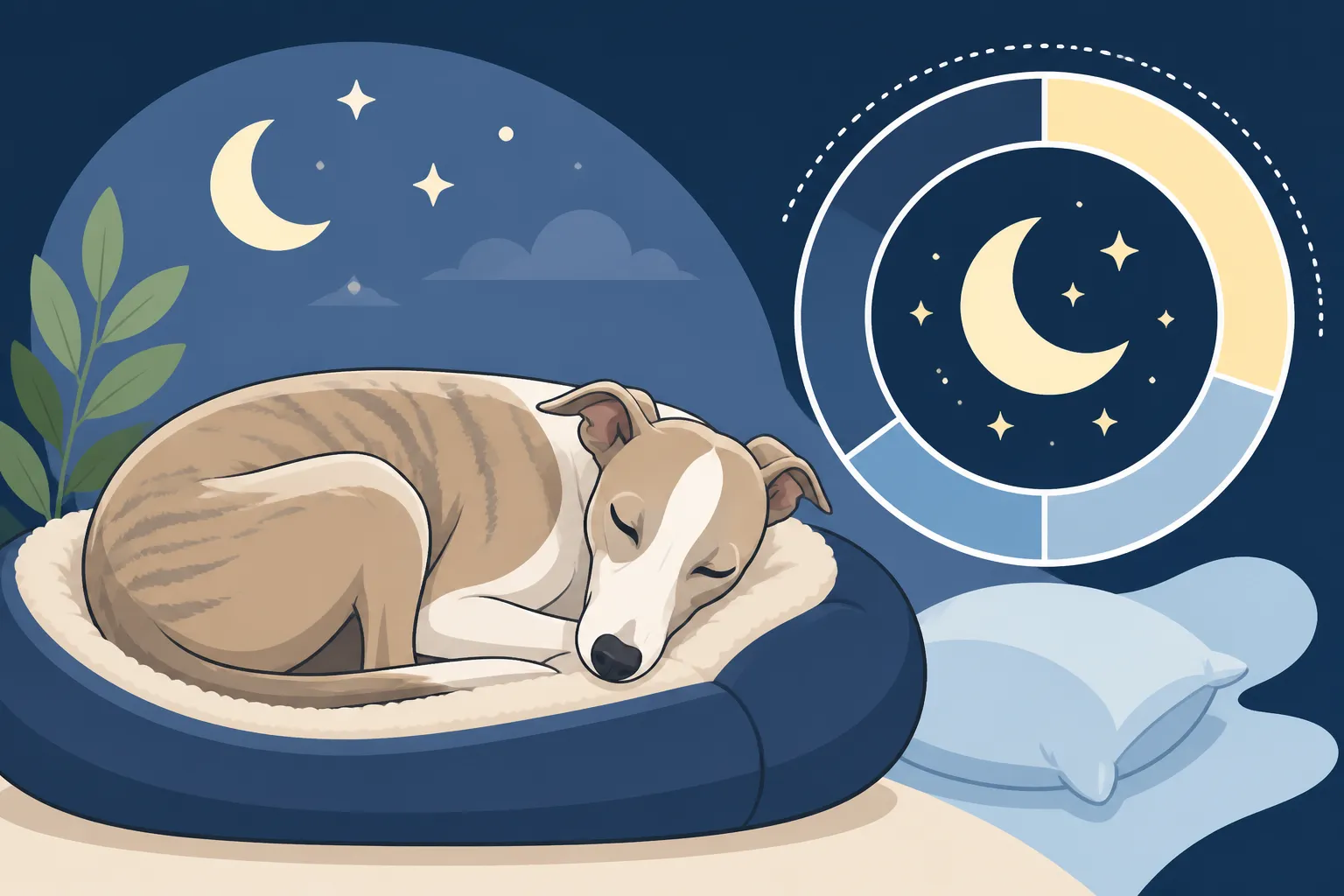
How Many Hours a Day a Whippet Sleeps
It's a common sight for any Whippet owner: curled up in a sunbeam, burrowed under a blanket, or sprawled out dramatically on the sofa, seemingly asleep for hours on end. You might even wonder if your elegant athlete is secretly a narcoleptic. But how much sleep is normal for a Whippet, and what does it mean when they seem to be perpetually napping? This guide will dive deep into the sleep habits of our beloved sighthounds, helping you understand their unique needs and ensure they're getting the rest they deserve.
The Sighthound Slumber: Why Your Whippet is a Champion Sleeper
If you're new to the world of Whippets, their incredible capacity for sleep might catch you off guard. One moment they're a blur of motion in the yard, chasing a squirrel with unparalleled grace and speed, and the next they're utterly motionless, deep in slumber. This isn't laziness; it's a fundamental part of their genetic makeup and highly efficient physiology. They aren't called "forty-mile-an-hour couch potatoes" for nothing, and understanding why they need so much rest helps us appreciate their unique lifestyle.
The Evolutionary Roots of Their Rest
Whippets, like their larger Greyhound cousins, are sighthounds, bred for explosive speed and pursuit over short distances. Their historical role was to spot prey, launch into a high-speed chase, and capture it. This isn't an endurance sport; it's a series of intense, short bursts of energy. After such a demanding physical exertion, nature's design dictates a period of profound rest to recover and conserve energy for the next hunt. Think of them as finely tuned athletes who perform incredible feats, then need significant downtime to repair muscles and replenish energy stores.
This biological imperative has been passed down through generations. Even if your Whippet's greatest hunt involves chasing a rogue dust bunny or a squeaky toy, their bodies are still programmed for that intense burst and subsequent recovery. They don't have the stamina of a herding dog that's meant to work all day, or the constant vigilance of a guard dog. Their energy is designed to be expended quickly and then recharged fully. The Whippet Is a Forty Mile an Hour Couch Potato perfectly describes this dichotomy.
The Sprint-and-Snooze Metabolism
A Whippet's metabolism is uniquely adapted to this lifestyle. They are lean, muscular, and have a high surface area to volume ratio, meaning they can get cold quickly and burn through energy reserves. Unlike some breeds that carry extra padding or thick coats, a Whippet has no insulation and no padding. This means they are incredibly efficient at using energy when they need it, but also need to conserve it diligently when they don't. Sleeping profoundly is the best way to do this.
This isn't just about physical recovery; it's also about mental and neurological restoration. Their high-octane sprints engage their brains intensely, requiring focus, rapid decision-making, and immense coordination. After such mental and physical exertion, deep sleep allows their brains to process information, consolidate memories, and prepare for future activity. You'll often see them twitching, whining, or "running" in their sleep, which are all signs of deep, restorative rest where their minds are busy reliving their day's adventures or dreaming of future chases.
Deciphering Whippet Sleep: More Than Just Naps
When we talk about a Whippet sleeping "hours a day," it's not always one long, continuous stretch. Their sleep patterns are a fascinating mix of brief dozes and profound unconsciousness. It's helpful for owners to understand the different stages of sleep their Whippet goes through, as it gives insight into their overall well-being and helps in creating the ideal environment for their rest.
The Art of the Power Nap
Whippets are masters of the power nap. You might find them snoozing with one eye open, or lifting their head at the slightest sound. These light sleep periods are crucial for maintaining a baseline level of energy throughout the day without committing to full unconsciousness. They can transition from zero to sixty in a blink, and these quick naps allow them to stay relatively alert while still getting some rest.
These short naps are often a sign of a comfortable and secure dog. If your Whippet feels safe and knows you're nearby, they'll happily doze in various positions around the house, soaking up sunbeams or draped artfully over a sofa cushion. They might choose a comfy dog bed, or perhaps even one of the many The Beds a Whippet Owner Keeps Buying in an endless quest for the perfect snooze spot. These short bursts of sleep are akin to hitting a refresh button, allowing them to remain calm and content, ready for the next interaction or burst of activity without becoming overstimulated or cranky.
Into the Deep: REM Sleep and Dreaming
While the power naps are frequent, Whippets also indulge in incredibly deep sleep, often characterized by rapid eye movement (REM) cycles. During this stage, their bodies might twitch, their paws might paddle, and they might make soft noises – grumbles, whimpers, or even soft barks. This is when they are truly dreaming, processing their daily experiences, and enjoying the deepest, most restorative forms of sleep.
Observing your Whippet in deep REM sleep is a clear indicator that they feel utterly safe and relaxed in their environment. This is the sleep that truly recharges their physical and mental batteries. Without sufficient deep sleep, just like humans, Whippets can become irritable, less responsive to training, and even prone to anxiety. Ensuring they have undisturbed periods for this deep rest is just as important as providing opportunities for their bursts of energy. A well-rested Whippet is a happy, balanced Whippet, ready to tackle whatever the day (or the next squirrel) brings.
Factors Shaping Your Whippet's Sleep Schedule
A Whippet's total sleep time can fluctuate, not just from day to day, but throughout their life. Several factors play a significant role in how much sleep they need and when they choose to get it. Understanding these influences can help you better anticipate your Whippet's needs and adjust your routine accordingly.
Age: From Puppy Zoomies to Senior Slumbers
Age is arguably the biggest determinant of a Whippet's sleep requirements.
- Puppies: Whippet puppies are notorious for their intense bursts of energy followed by sudden, complete collapses into sleep. They often need between 18-20 hours of sleep per day, sometimes even more. Their little bodies and brains are growing at an incredible rate, and sleep is crucial for development, learning, and processing all the new sensory input they receive. Interrupting a puppy's sleep can lead to over-tiredness, which paradoxically manifests as hyperactivity and nipping. For puppy owners trying to establish a solid routine, resources like those offered by BAXTER & Bella can be incredibly helpful in guiding sleep schedules and overall training.
- Adults: A healthy adult Whippet, typically between 1 and 8 years old, generally sleeps around 12-16 hours a day. This includes their deep nighttime sleep and numerous short naps throughout the day. This average can vary based on their activity levels, as a day filled with long walks, play, or lure coursing will naturally lead to more sleep than a quiet day indoors.
- Seniors: As Whippets age and become The Age a Whippet Counts as a Senior, typically around 9 or 10 years old, their sleep needs often increase again, similar to puppies. An older Whippet might sleep 16-18 hours or more. They tire more easily, their bodies take longer to recover, and they may experience some cognitive decline that makes rest even more important for their mental well-being. Caring for an Old Whippet That Feels the Cold also highlights the need for extra comfort and warmth as they age, which contributes to better sleep.
The Impact of Exercise and Mental Stimulation
It might seem counterintuitive, but a well-exercised Whippet often sleeps better and more soundly than one that's bored and under-stimulated. While they are couch potatoes, they still require adequate physical and mental exercise to be truly content. A good sprint or a decent walk to explore new smells can burn off pent-up energy and satisfy their innate drives. How Much Exercise a Whippet Really Needs is a topic many owners grapple with.
Conversely, a Whippet that isn't getting enough appropriate activity might become restless, prone to destructive behaviors, or find it harder to settle down. Mental stimulation, such as puzzle toys, training sessions, or even just observing the world from a safe window, also contributes to a tired, satisfied dog. When their minds and bodies are adequately engaged, their sleep is more likely to be truly restorative, rather than fitful or simply a way to pass the time out of boredom.
Environmental Comfort and Safety
Where and how your Whippet sleeps dramatically impacts the quality and quantity of their rest. Whippets are creatures of comfort, and their sparse coats and bony frames mean they are particularly sensitive to hard surfaces and cold temperatures. This isn't just a preference; it's a physiological need. Why a Whippet Cannot Sleep on a Hard Floor isn't just about spoiled dogs; it's about preventing pressure sores and ensuring joint health.
A soft, warm, and secure sleeping spot is paramount. This could be a plush dog bed, a cozy crate, or often, the sofa or your bed! They thrive in environments where they feel safe from perceived threats, allowing them to truly relax and enter deep sleep. A busy, noisy household might lead to more light napping and less deep, undisturbed rest, whereas a quiet, calm home allows for more profound slumber. Drafts, cold floors, or bright lights can all disrupt their sleep quality, leading to a less rested dog.
Recognizing Healthy Sleep Habits Versus Trouble Signs
Knowing how much sleep is typical for a Whippet is one thing, but understanding what healthy sleep looks like is another. Sometimes, changes in sleep patterns can be subtle indicators of underlying issues, so it's important to be observant of your Whippet's habits.
What Normal Whippet Sleep Looks Like
A healthy Whippet's sleep pattern is generally quite adaptable. They will have long stretches of deep sleep at night, typically 8-10 hours, often punctuated by trips outside for potty breaks. During the day, they will engage in frequent naps, ranging from 15 minutes to a couple of hours. These naps will often occur after periods of activity, food, or simply when a comfortable sunbeam appears.
You'll notice them shifting positions, sometimes burrowing under blankets (a very common Whippet trait!), or stretching out in what's lovingly known as the "roach" position – on their back with all four legs in the air. Their breathing will be deep and even, and their muscles might occasionally twitch. They should wake up appearing refreshed, alert, and ready to engage. A Whippet waking up easily and happily, then being active and engaged for a reasonable period before napping again, is a sign of healthy sleep. The Twelve to Fifteen Years a Whippet Lives often depends on consistent good health, and healthy sleep is a big part of that.
| Life Stage | Typical Daily Sleep Hours | Characteristics of Sleep |
|---|---|---|
| Puppy (0-1 year) | 18-20+ hours | Frequent, deep sleeps after bursts of intense play; essential for growth and development. |
| Adult (1-8 years) | 12-16 hours | Longer stretches at night, frequent naps throughout the day, often after activity. |
| Senior (9+ years) | 16-18+ hours | Similar to puppies, increasing need for rest, may nap more frequently and deeply. |
When to Be Concerned: Red Flags in Sleep Patterns
While Whippets are champion sleepers, there's a difference between healthy rest and excessive lethargy. If your Whippet's sleep patterns suddenly change drastically, or if their sleep seems "off," it's worth investigating.
- Sudden Increase in Sleep: If an adult Whippet who usually naps for 12-14 hours suddenly starts sleeping 20 hours a day and seems difficult to rouse, or displays extreme lethargy even when awake, it could be a sign of illness, pain, or an underlying medical condition. This is especially true if accompanied by other symptoms like loss of appetite, vomiting, diarrhea, or difficulty moving.
- Restless Sleep or Inability to Settle: Conversely, a Whippet that can't seem to settle down for a good sleep, paces, frequently shifts position, or seems agitated even when tired, might be experiencing discomfort, anxiety, or pain. This could be due to anything from environmental factors (too hot, too cold, noisy) to internal issues like gastrointestinal upset or joint pain.
- Changes in Nighttime Habits: If your Whippet, who usually sleeps through the night, starts waking frequently, panting, or needing to go outside excessively, it could point to a urinary tract infection, kidney issues, or even cognitive decline in older dogs where Whether an Old Whippet Gets Confused might become an issue.
- Excessive Snoring or Breathing Issues: While some gentle snoring is normal, if your Whippet develops very loud, labored snoring, or pauses in breathing during sleep, it could indicate respiratory problems or an issue with their airways.
Any significant, sustained change in sleep habits warrants a call to your veterinarian. It's always better to rule out a health concern than to let it go untreated.
Creating the Ultimate Snooze Sanctuary for Your Whippet
Given their unique physiology and penchant for comfort, providing your Whippet with an ideal sleeping environment isn't a luxury; it's a necessity. It contributes to their physical health, mental well-being, and overall happiness.
The Critical Role of Proper Bedding
For a Whippet, bedding isn't just about softness; it's about support and insulation. Their thin skin and prominent bones are susceptible to pressure sores if they consistently lie on hard surfaces. This is why Why a Whippet Cannot Sleep on a Hard Floor is so important. They need cushioning that contours to their body, distributing weight evenly and protecting their joints.
Look for beds with dense foam, orthopedic support, or deep bolsters that they can lean against or burrow into. Many owners find excellent options for supportive beds on Amazon, perfect for those bony Whippet bodies. Consider memory foam or baffled fiberfill options that won't flatten out quickly. Furthermore, Whippets love to nest, so plenty of soft blankets, quilts, or even a plush dog sleeping bag will be highly appreciated. These allow them to burrow and create their own little den, fulfilling a natural instinct for security and warmth. You might even find yourself asking Whether a Whippet Needs a Heated Bed, especially in colder climates or for older dogs.
Temperature, Light, and a Sense of Security
Whippets are very sensitive to temperature. Their lack of body fat means they get cold easily, but they can also overheat if bundled too much in a warm room. The ideal sleeping temperature for a Whippet is generally what's comfortable for a human in light pajamas – cool enough to be refreshing but warm enough to prevent shivering. In colder months, a warm sweater or a set of soft pajamas might be necessary, especially for those who Whether a Whippet Needs a Coat Indoors.
Light also plays a role. Just like us, Whippets benefit from a dark, quiet environment for their deepest sleep. While they'll nap in bright rooms during the day, nighttime sleep should ideally be in a low-light setting. Finally, a sense of security is paramount. A crate can be an excellent tool for providing a secure, den-like space, but it must be comfortable and never used as punishment. For many Whippets, sleeping close to their human family provides the ultimate sense of security, often leading to them burrowing right under the covers with you, a delightful habit that makes you wonder Why a Whippet Burrows Under the Covers.
The Far-Reaching Effects of Sleep on Whippet Behavior
It's easy to overlook sleep as a primary driver of behavior, but for Whippets, adequate rest is intrinsically linked to their mood, their ability to learn, and how they interact with the world around them. A well-rested Whippet is generally a well-behaved Whippet.
Mood, Energy, and Trainability
Think about how you feel after a restless night – grumpy, unfocused, and prone to snapping. Your Whippet isn't much different. When they are deprived of sufficient sleep, Whippets can become more irritable, less tolerant of disruptions, and exhibit higher levels of anxiety. This might manifest as increased barking, destructive chewing, or general restlessness even when they seem tired.
Conversely, a Whippet that is consistently well-rested is typically calm, happy, and responsive. They have the mental clarity to focus during training sessions and the emotional resilience to handle everyday stressors. If you're struggling with training or notice a shift in your Whippet's mood, take a moment to assess their sleep patterns. Are they getting enough undisturbed rest? Are their sleeping spots comfortable and secure? Addressing sleep deficits can often lead to remarkable improvements in overall behavior and trainability. The Job a Whippet Actually Needs is often just to be a beloved companion, and good sleep helps them excel at that.
Sleep, Separation, and Stress
Sleep can also be intertwined with issues like separation anxiety. A Whippet experiencing stress when left alone might struggle to settle down for restful sleep, instead pacing, panting, or whining. This lack of restorative sleep can then exacerbate their anxiety, creating a vicious cycle. Addressing Separation Anxiety in a Whippet often involves establishing calming routines, providing a secure "den" space, and ensuring they have plenty of enrichment when you are present, all of which contribute to better sleep.
Furthermore, a tired Whippet is often a less anxious Whippet. If your dog is prone to nervousness around new people or situations, ensuring they're well-rested beforehand can make a significant difference in their ability to cope. A solid sleep routine, combined with consistent daily activity and mental stimulation, forms the bedrock of a happy, well-adjusted Whippet. It's not just about counting the hours they spend with their eyes closed, but understanding the quality and purpose of that precious Whippet slumber. After all, What a Whippet Needs Every Day includes plenty of good quality sleep.
Disclaimer
This article is for general informational purposes only and does not constitute professional advice. Laws, prices and regulations vary by location and change over time. Consult a qualified professional for guidance on your specific situation.