Corns on a Whippet’s Pads
It’s truly disheartening, isn't it, when you notice your otherwise bouncy, happy Whippet start to limp, or perhaps just hesitate before putting weight on a paw? You check their pads, hoping it’s just a thorn or a stone, only to find a hard, stubborn lump that feels like a pebble embedded right in their soft flesh. These frustrating and often deeply painful lesions are commonly known as corns, and they’re a peculiar bane for many Whippet owners. This guide aims to shed light on what these perplexing paw problems are, why our lean, athletic companions seem so susceptible, and what steps you can take to manage them effectively, bringing much-needed relief to your beloved sighthound.
What Exactly Are Corns on a Whippet's Pads?
Discovering a corn on your Whippet's paw pad can be a real head-scratcher. They don’t quite look like anything else, and their sudden appearance can leave you wondering what on earth is going on. Understanding what these things actually are is the first step towards getting your Whippet comfortable again.
The Mystery of the Pesky Paw Pad Lumps
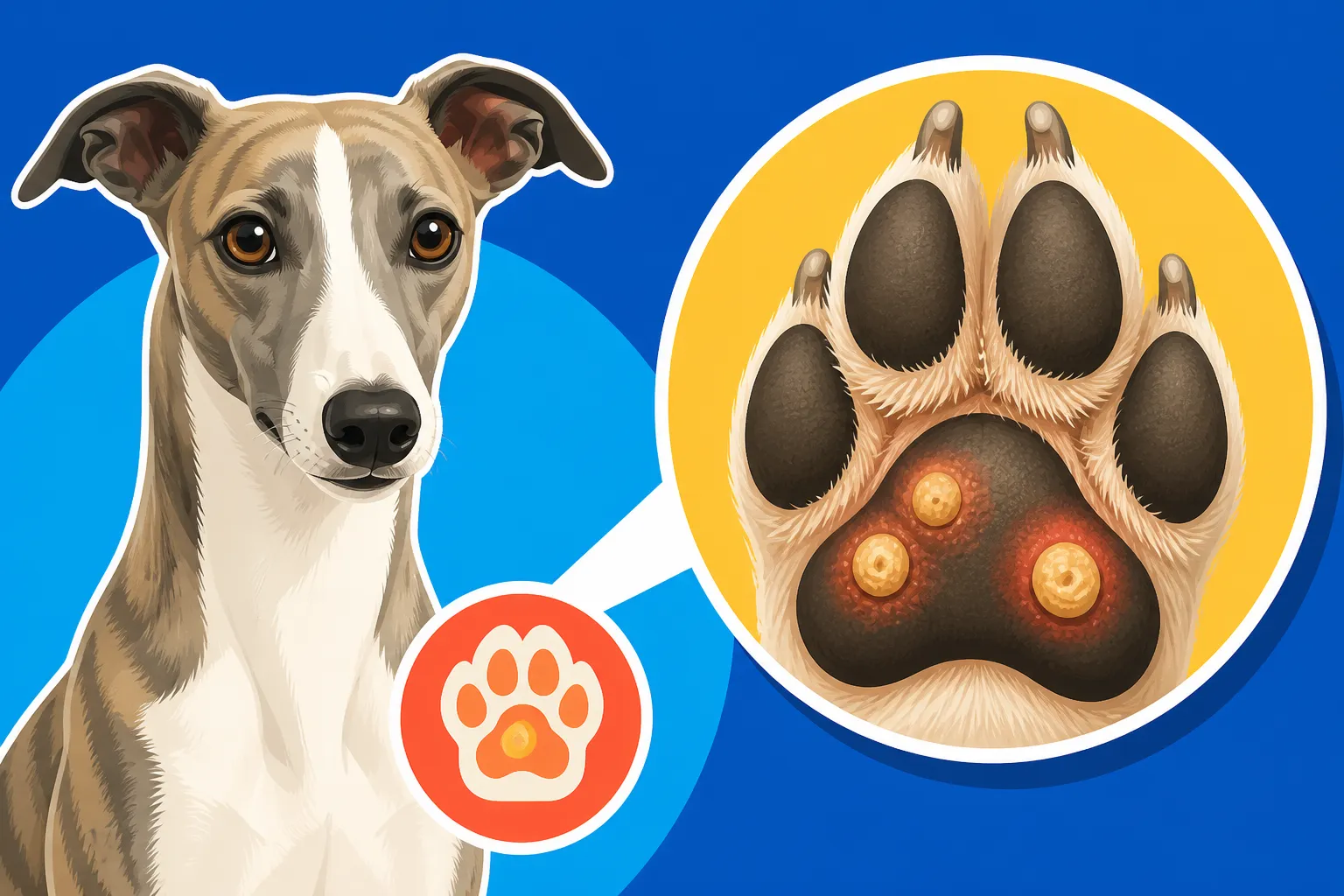
Imagine a tiny, hard stone that’s somehow grown into your dog’s paw pad. That’s essentially what a corn feels like, both to you and, heartbreakingly, to your Whippet. Officially, they're often referred to as focal hyperkeratosis, which just means a localized thickening of the skin. Unlike a regular callus, which is usually broad and forms over areas of constant friction, a corn is typically small, perfectly round, and incredibly dense. It can often have a visible "core" in the center, almost like a seed, which is the part that digs deepest into the sensitive layers of the paw pad, causing immense discomfort. They are absolutely not warts, which are viral, nor are they simply a bit of toughened skin. They are a discrete, painful problem that can severely impact a Whippet’s quality of life, making every step feel like walking on a sharp needle.
Why Whippets Are Particularly Prone to Corns
If you own a Whippet, you know they are built for speed and elegance, not necessarily for rugged terrain. This delicate architecture, combined with their athletic lifestyle, unfortunately makes them prime candidates for developing corns. One of the leading theories revolves around the unique structure of their paw pads and their overall conformation. Whippets, like most sighthounds, have very little fat or muscle padding on their feet. Their pads are thinner, and the bones in their toes are relatively close to the surface, offering minimal natural cushioning. This means that during their characteristic sprints, turns, and quick stops, there's a lot of direct, concussive force transmitted directly to those delicate paw bones and pads. Over time, repeated micro-trauma from running on hard surfaces, or even just the constant pressure of their weight, is thought to trigger the skin cells in a specific area to overproduce keratin, leading to that rock-hard core.
It’s a cruel irony that dogs bred to run often suffer from issues that make running painful. This lack of natural padding is also why you'll often hear discussions about A Whippet Has No Insulation and No Padding in other contexts, highlighting their general physical delicacy when it comes to cushioning. It’s not just their feet, but their entire body that lacks the robust padding of other breeds, making them prone to various bumps and scrapes, including issues like these on their paws.
The Pain and Frustration They Cause
For us, a stone in our shoe is an annoyance; for a Whippet with a corn, it’s a constant, debilitating pain. Owners often notice a significant change in their dog’s gait. They might be limping consistently, favoring a paw, or simply being reluctant to walk or run, even for short distances. What was once a joyous sprint around the park might become a hesitant shuffle. You might also observe them frequently licking or chewing at the affected paw, trying to find relief. This constant pain isn't just physically draining; it can impact their mental well-being, leading to a general air of unhappiness or withdrawal.
As an owner, watching your normally vibrant Whippet struggle with something so seemingly small can be incredibly frustrating. You want to fix it, but these aren’t simple cuts or bruises. They are stubborn, persistent, and often deeply rooted, requiring patience and a multi-faceted approach to manage. It's a reminder that even our robustly athletic Whippets have areas of surprising vulnerability, and their comfort is paramount.
Diagnosing and Initial Management of Whippet Corns
When your Whippet starts showing signs of paw pain, the first order of business is always a trip to the vet. Getting an accurate diagnosis is crucial because, as we discussed, corns aren't the only thing that can make a paw sore. Once confirmed, there are several initial steps you can take to bring some comfort to your dog.
Getting a Proper Diagnosis From Your Vet
When you suspect a corn, your veterinarian is your best ally. They'll start with a thorough physical examination of the paw, gently palpating the pads to locate the hard lump and assess its tenderness. It's vital to differentiate a corn from other potential issues that can cause similar symptoms, such as an embedded foreign body (like a shard of glass or a tough burr), a digital cyst, or even a small tumor. Sometimes, the vet might recommend an X-ray of the paw. This isn't usually to see the corn itself, as it's soft tissue and wouldn't show up clearly, but rather to rule out any underlying bone issues or to confirm the absence of a deeply embedded foreign object. The vet's experience with sighthounds can be incredibly valuable here, as they'll be familiar with the unique challenges of their anatomy and common ailments. Don't hesitate to ask if your vet has specific experience with sighthound paw issues, as their expertise can guide you towards the most effective treatment plan.
Conservative Approaches and At-Home Care
Once a corn is diagnosed, many owners (and vets) will start with conservative management strategies. These aim to reduce pain and soften the corn, making your Whippet more comfortable without immediate invasive procedures.
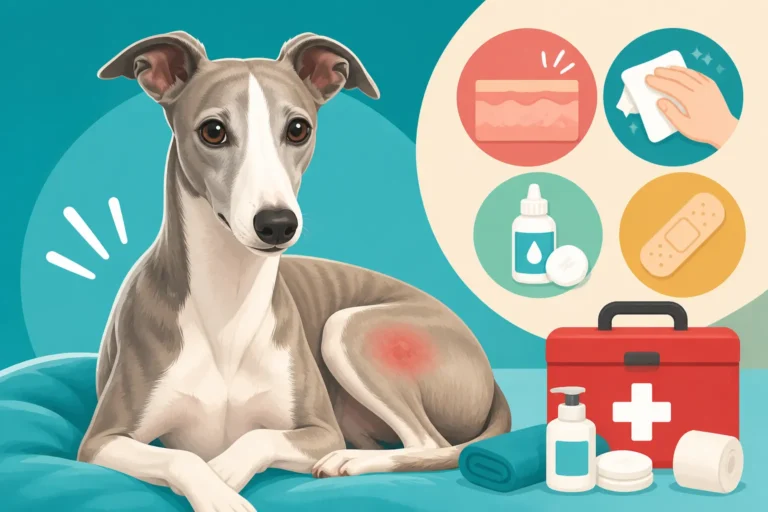
- Soaking: Warm water soaks can work wonders to soften the hardened keratin of the corn. You can do this daily, for about 10-15 minutes, in a shallow basin with warm (not hot!) water. Some vets might suggest adding Epsom salts, but always confirm this with your vet first. The goal is to make the corn more pliable, which can provide temporary relief.
- Moisturizing: After soaking, thoroughly dry the paw and apply a rich, deeply moisturizing paw balm. Products designed for cracked or dry paw pads can be excellent. You can find a variety of highly-rated paw balms on sites like Chewy or Amazon. Look for ingredients like shea butter, coconut oil, or beeswax. Consistency is key here; applying it once or twice a day can help keep the pad supple and potentially slow down the corn’s hardening.
- Padding and Boots: Providing cushioning can significantly reduce the pressure on the corn, especially during walks. Special dog boots or paw coverings, like those often considered part of The Wardrobe a Whippet Needs Because It Has No Body Fat to keep them warm, can also serve as protective footwear. Look for boots with soft, cushioned soles. While some Whippets initially protest wearing boots, many quickly associate them with comfort and relief from pain. These can be particularly helpful if your Whippet runs on pavement or other hard surfaces.
- Dietary Considerations: While diet isn't a direct cure for corns, ensuring your Whippet is on a high-quality, balanced diet supports overall skin health and healing. Discuss any potential deficiencies or supplements with your vet, though direct links between diet and corn formation are not firmly established.
- Pain Management: For acute pain, your vet might prescribe anti-inflammatory medications to help reduce discomfort and swelling. Never administer human pain medication without veterinary guidance, as many are toxic to dogs.
When to Consider More Advanced Treatments
While conservative care can provide significant relief for some Whippets, it's often not a permanent solution. If your Whippet's limping persists or worsens despite diligent at-home care, if they are clearly miserable, or if the corn is growing larger or more painful, it’s time to revisit your vet to discuss more advanced intervention. This is particularly true if your Whippet has multiple corns, or if one corn keeps recurring quickly after temporary relief. The goal is always to improve their quality of life, and sometimes that means a more direct approach.
Veterinary Treatment Options for Persistent Corns
When conservative measures aren't enough, your veterinarian will discuss more active treatments. These range from temporary solutions to more invasive procedures, each with its own set of pros and cons.
Hulling: A Common First Step
Hulling is often the first, more active step your vet might recommend. This procedure involves carefully "coring out" the hardened center of the corn, much like removing the core from an apple. It’s done with a scalpel blade, and it offers immediate, though often temporary, relief because it removes the painful part of the corn that’s pressing into the sensitive tissues. Because corns can be incredibly painful, your Whippet will likely need light sedation or local anesthetic for this procedure to ensure they are comfortable and still. Sighthounds, including Whippets, require a specific Why a Whippet Needs a Sighthound Anesthesia Protocol due to their unique physiology and metabolism, so always ensure your vet is aware of this.
The downside of hulling is that the corn usually grows back. Sometimes it’s a few weeks, sometimes a few months, but recurrence is very common. Think of it like pulling a weed; if you don’t get the root, it will sprout again. It’s a good way to manage the pain in the short to medium term, giving your Whippet a break from discomfort, but it typically isn't a cure.
Surgical Removal: Is It the Answer?
For truly stubborn, recurrent, or debilitating corns, surgical removal of the affected paw pad tissue might be considered.
- Excision: This involves removing the entire piece of affected pad tissue, sometimes including a margin of healthy tissue around it. The idea is to remove the entire area that is prone to corn formation.
- Pros: This can offer a longer period of relief, and in some cases, it might even be a permanent solution.
- Cons: It’s a more invasive procedure, requiring full general anesthesia. The recovery can be significant, involving sutures, bandages, and restricted activity for several weeks. Scar tissue can form, which might itself be sensitive or prone to new issues. There's also still a chance of recurrence, even after excision, as the underlying cause (the pressure and micro-trauma) may still be present. The cost involved for this kind of procedure, including anesthesia and post-operative care, can quickly add up, so it's one of those unexpected expenses that can feel like an Emergency Stitches: the Whippet Bill Nobody Budgets For.
- Amputation of the affected toe: This is a drastic measure, truly a last resort, considered only for extreme cases where a corn is relentlessly painful, recurs despite all other treatments, and severely impacts the Whippet's quality of life. The decision to amputate a toe is a heavy one, requiring careful consideration of your dog’s overall health, mobility, and the potential impact on their gait. It would involve a substantial recovery period and diligent post-operative care.
Non-Surgical Advanced Options
Beyond hulling and traditional surgery, other techniques are sometimes employed for persistent corns:
- Cryotherapy: This involves freezing the corn tissue with liquid nitrogen, aiming to destroy the cells that are overproducing keratin. It can be done under local anesthetic. Multiple sessions might be needed, and its effectiveness can vary.
- Laser Removal: Similar to surgical excision but using a laser to ablate (vaporize) the corn tissue. The laser can be more precise and cause less bleeding, potentially leading to a quicker initial recovery, but the principles and risks are similar to traditional excision.
- Topical Medications: While many over-the-counter options aren't effective, some veterinarians may prescribe stronger topical medications containing salicylic acid or other keratolytic agents to try and chemically soften or dissolve the corn over time. These require consistent application and close monitoring.
- Flexor Tenotomy: This is a less invasive surgical option that has gained traction. It involves making a small incision on the underside of the affected toe and cutting one of the flexor tendons. The theory is that by releasing this tendon, it changes the pressure distribution on the paw pad, thereby relieving the constant pressure that causes the corn to form. It’s typically a quick procedure, often done under local anesthetic and light sedation, with a relatively fast recovery compared to full pad excision. While it doesn't remove the corn directly, it can often cause the corn to dry up and fall out within weeks, and recurrence rates can be lower than with hulling. It's a promising option that many sighthound-savvy vets are now offering.
Living with a Whippet Prone to Corns: Prevention and Long-Term Care
Dealing with corns in a Whippet often feels like a marathon, not a sprint. Because recurrence is so common, the focus shifts from a one-time "cure" to ongoing management and proactive care to keep your Whippet as comfortable and mobile as possible.
Proactive Paw Care Routine
Prevention and diligent daily care are your best defense against the return or worsening of corns. Establishing a regular routine can make a huge difference.
- Regular Inspections: Make it a habit to check your Whippet's paw pads daily, especially after walks or any intense running. Gently feel each pad for any hardness, tenderness, or discolored spots. Early detection can mean addressing a corn when it's small and less painful, potentially making conservative management more effective. This is a crucial part of What a Whippet Needs Every Day.
- Keeping Nails Trimmed: Long nails can alter a dog’s gait and put abnormal pressure on their paw pads, potentially contributing to corn development. Regular nail trims are essential. If you’re unsure how to trim your Whippet’s nails safely, ask your vet or a professional groomer for a demonstration. Learning How Often a Whippet's Nails Need Cutting and mastering the technique (or finding a groomer you trust) is key to overall paw health.
- Moisturizing and Protection: Continue with daily paw balm applications, even if your Whippet is currently corn-free. Keeping the pads supple and moisturized can help maintain their elasticity and resilience. Brands available on Chewy or Amazon often carry specific paw balms that create a protective barrier. When walking on rough terrain, hot pavement, or abrasive surfaces, consider using protective dog boots. These aren't just for winter; they provide a physical barrier against trauma and help distribute pressure more evenly across the paw.
- Appropriate Exercise Surfaces: While Whippets love to run, try to provide opportunities for them to open up on softer surfaces like grass or dirt trails, rather than consistently on hard concrete or asphalt. This can help reduce the concussive forces on their delicate paw pads. Of course, always be mindful of hidden hazards like sharp rocks or thorns that could cause other injuries, such as The Thin Skin That Sends a Whippet to the Vet for Stitches.
Understanding Recurrence and Managing Expectations
It's really important for Whippet owners to understand that corns are notoriously stubborn. Even with the most diligent care and advanced veterinary treatments, recurrence is a common, often frustrating, reality. You might have a corn hulled, only for it to reappear a few weeks later. You might even opt for surgery, only to find a new corn developing on the same, or a different, pad months down the line. This isn't a reflection of your care or your vet's skill; it's simply the nature of the condition, deeply tied to the Whippet's unique anatomy and lifestyle.
Managing expectations means understanding that for many Whippets, living with corns involves ongoing management rather than a definitive cure. The goal is to minimize pain, maximize comfort, and allow your Whippet to live as active and happy a life as possible. This might mean regular hulling appointments, consistent paw care, and adjusting your routines as needed.
Supporting Your Whippet's Comfort and Mobility
Beyond direct corn treatment, think holistically about your Whippet's comfort. Since pressure is a contributing factor, ensure they have plenty of soft, supportive bedding throughout your home. This might mean investing in several high-quality dog beds, perhaps memory foam or orthopedic options, in all their favorite napping spots. This directly relates to The Beds a Whippet Owner Keeps Buying – because good bedding is essential for these lean dogs. Reducing pressure points when they're resting can contribute to overall paw health.
Consider gentle supplements that support skin and joint health, such as Omega-3 fatty acids, but always discuss these with your vet first to ensure they are appropriate for your individual dog. The journey with a Whippet prone to corns can be long and sometimes challenging, requiring patience, persistence, and a strong partnership with your veterinarian. However, seeing your Whippet run freely and comfortably again makes all the effort worthwhile. While the financial implications of ongoing vet care can be considerable, understanding What a Sighthound Vet Costs Over a Whippet's Life can help you budget and plan for these inevitable expenses, ensuring your beloved companion receives the best possible care.
| Treatment Option | Invasiveness | Effectiveness for Pain Relief | Recurrence Rate | Typical Recovery Time | Notes |
|---|---|---|---|---|---|
| Conservative Care | Low | Variable, often temporary | High | Ongoing | Soaking, moisturizing, protective boots. Non-invasive. |
| Hulling | Moderate | Good, temporary | High | Immediate relief, short | Core removed. Requires vet. Corn almost always regrows. |
| Cryotherapy/Laser | Moderate | Variable | Moderate to High | Days to weeks | Freezing or burning tissue. May require multiple sessions. |
| Flexor Tenotomy | Moderate | Good, potentially long-term | Moderate | ~2-4 weeks | Tendon cut to redistribute pressure. Corn often falls out. |
| Surgical Excision | High | Good, potentially long-term | Moderate | ~4-8 weeks, restricted activity | Removal of affected pad tissue. Scar tissue, potential for new corns. |
| Toe Amputation | Very High | High (removes problem) | Low (for that toe) | 6-12 weeks, significant | Last resort. Major surgery, changes gait. |
Disclaimer
This article is for general informational purposes only and does not constitute professional advice. Laws, prices and regulations vary by location and change over time. Consult a qualified professional for guidance on your specific situation.