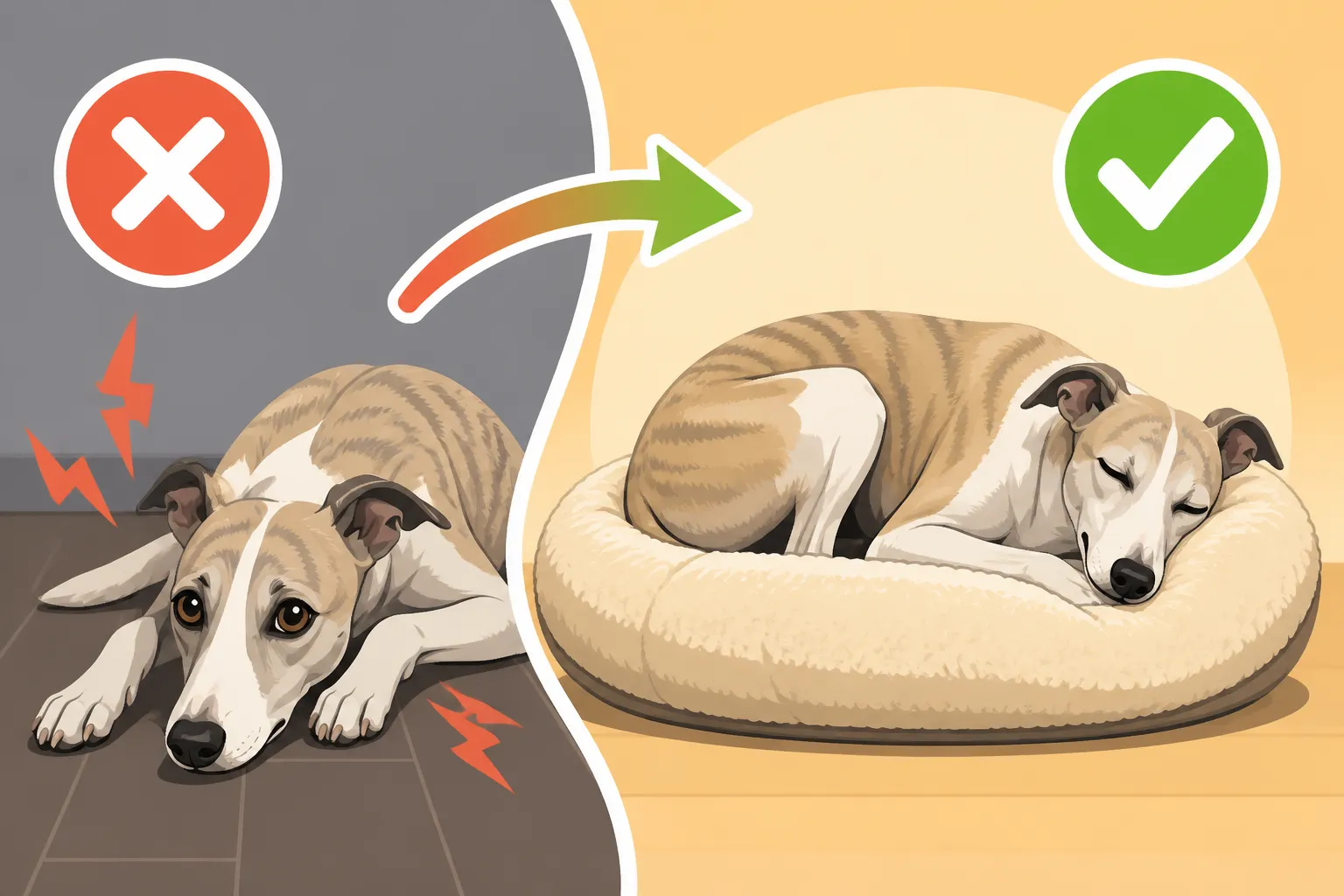
Why a Whippet Cannot Sleep on a Hard Floor
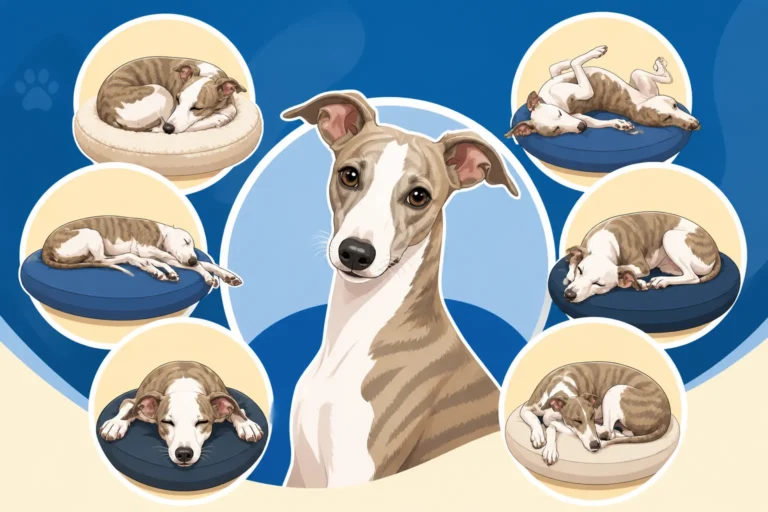
If you've ever watched your elegant Whippet try to get comfortable on a bare floor, you've probably seen them shift, sigh, and eventually give up, opting for the softest spot they can find – often right on top of you! It’s not just a quirk; there’s a real, physical reason why your Whippet simply cannot get a good night’s (or day’s) rest on a hard surface. This guide will delve into the unique physiology of your beloved sighthound and explain why proper, plush bedding is not a luxury, but an absolute necessity for their health and happiness.
The Whippet's Unique Anatomy: Built for Speed, Not for Hard Floors
Whippets are marvels of canine engineering, designed for incredible speed and agility. Their sleek, aerodynamic bodies are a testament to generations of selective breeding focused on performance. However, this very design, which makes them so breathtaking to watch in a sprint, also leaves them particularly vulnerable to discomfort and injury when lying on hard surfaces. It’s a trade-off that we, as their loving owners, need to fully understand and accommodate.
A Feather-Light Frame with No Cushioning
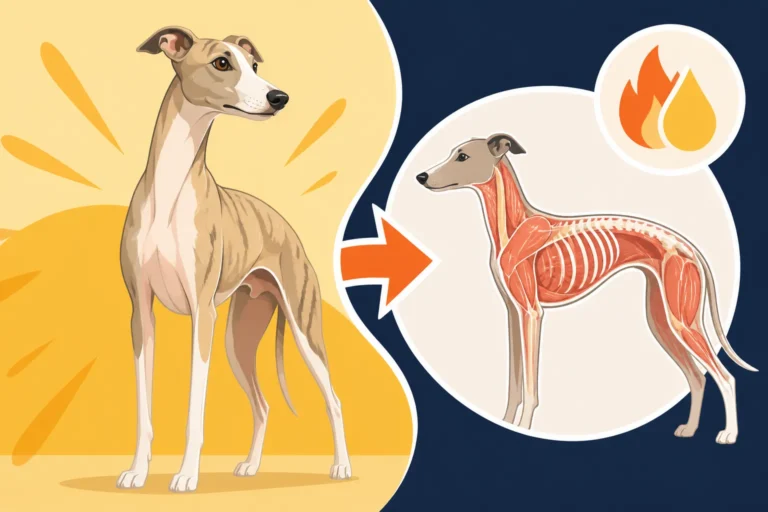
One of the most striking features of a Whippet is their almost complete lack of body fat and their incredibly thin skin. Unlike many other breeds with dense undercoats or a natural layer of padding, a Whippet's skin lies directly over their lean muscle and prominent bones. Think about it: when you look at your Whippet, you can often see the ripple of their muscles and the clear outline of their ribs, spine, and hip bones. While this physique is perfectly healthy for a Whippet, it means they have no natural insulation or cushioning to protect them from cold or hard surfaces.
It's a common misconception that a very lean dog is an underfed dog, but for a Whippet, that sleek, almost bony appearance is normal. However, what's normal and healthy in terms of body composition becomes a significant challenge when it comes to comfort and pressure distribution. Their streamlined form, built for a fleeting burst of speed, wasn't designed for prolonged contact with unforgiving surfaces. They literally feel every bump and hard spot, and their bodies just can't distribute pressure like a more padded dog. You might notice your Whippet shivering even indoors, which highlights A Whippet Has No Insulation and No Padding problem.
Prominent Bones and Sensitive Skin
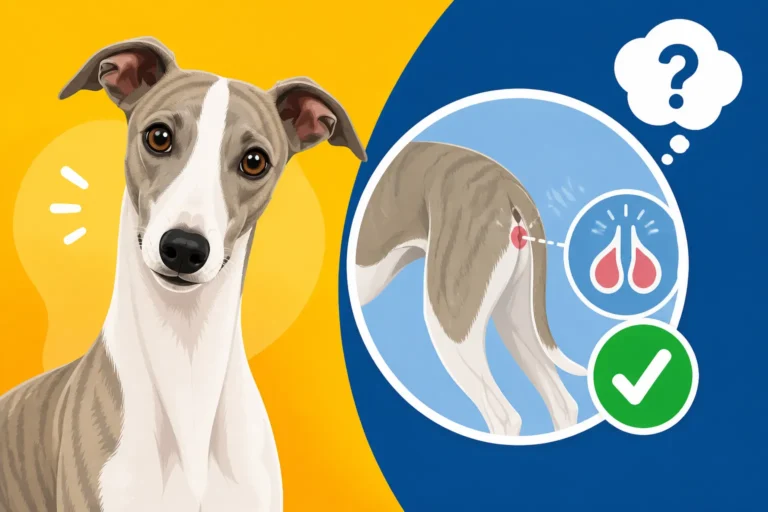
The areas where a Whippet's bones are most prominent—their elbows, hocks (ankles), hips, and spine—are the very points that bear the brunt of their body weight when they lie down. Without adequate padding, these bony prominences press directly against the hard floor. This isn't just uncomfortable; it restricts blood flow to these areas and can lead to a host of problems. Their skin is also surprisingly delicate and thin, making it much more susceptible to irritation and injury than that of many other breeds.
Consider the simple act of lying down. For a typical dog, it might mean flopping down on a thick layer of fur and subcutaneous fat. For a Whippet, it’s like lying directly on your own hip bone on a concrete slab. It’s no wonder they’re constantly seeking out soft blankets or trying to burrow under your duvet. Their bodies are constantly signaling discomfort, pushing them to find a softer, more accommodating spot. This sensitivity is a key factor in The Thin Skin That Sends a Whippet to the Vet for Stitches, and it applies just as much to chronic pressure as it does to acute injury.
The Hidden Dangers: Why Hard Floors Can Harm Your Whippet
Leaving a Whippet to sleep or rest on a hard floor isn't just about discomfort; it can lead to tangible health issues that, over time, can become quite painful and require veterinary intervention. These problems often develop slowly, making them easy to overlook until they become significant.
Understanding Pressure Sores and Calluses
The most immediate and common concern for a Whippet on a hard floor is the development of pressure sores and calluses. Pressure sores, often called decubital ulcers, occur when continuous pressure on a bony prominence cuts off blood supply to the skin, causing the tissue to die. These can start as reddened, irritated patches and quickly progress to open wounds that are prone to infection. They are incredibly painful and notoriously difficult to heal, often requiring antibiotics, special wound care, and sometimes even surgical intervention. You'll want to understand The Pressure Sores a Whippet Gets From Sleeping on the Floor in more detail.
Calluses are the body's protective response to repeated friction and pressure. The skin thickens and hardens, often becoming bald and discolored. While calluses aren't open wounds, they can crack, bleed, and become infected. They are also indicative of chronic discomfort. You'll typically find them on elbows and hocks, areas that receive constant friction when a Whippet lies down. Where a Whippet Develops Pressure Calluses explores this in depth. If you notice bald spots or thickened skin on your Whippet's elbows, it's a clear sign that their current resting spots aren't providing enough cushioning. These issues are entirely preventable with proper bedding.
Joint Discomfort and Long-Term Issues
Beyond skin problems, hard floors can contribute to significant joint discomfort, especially as your Whippet ages. While Whippets are generally a robust and healthy breed, like all dogs, they can develop arthritis or other joint conditions. Lying on a hard surface puts unnecessary stress on their joints, exacerbating any existing issues and potentially accelerating the onset of new ones. For an older Whippet, the stiffness and pain from sleeping on a hard floor can be debilitating, making it difficult for them to get up and move around.
Imagine having aching knees or hips and being forced to sleep on a wooden floor every night. It would be agony! Our Whippets feel much the same. Good orthopedic support is crucial for distributing their weight evenly, cushioning their joints, and promoting healthy circulation. This is especially important as they transition into their senior years. While we can't stop the aging process, we can certainly provide the most comfortable and supportive environment possible to ease their journey. This is particularly relevant when you're Caring for an Old Whippet That Feels the Cold and might be more prone to stiffness.
Crafting a Cozy Haven: Essential Bedding for Your Whippet
Understanding the "why" is only half the battle; the other half is implementing practical solutions to ensure your Whippet is always comfortable and protected. Providing ample, high-quality bedding throughout your home is paramount.
The Ideal Whippet Bed: What to Look For
When choosing a bed for your Whippet, think beyond aesthetics. Focus on support, warmth, and burrowing potential. A thin, flat mat simply won't cut it. Look for beds that offer:
- Orthopedic or Memory Foam Support: These materials conform to your Whippet's body, providing superior pressure relief for their prominent bones and supporting their joints. This is crucial for distributing weight evenly and preventing sores. Brands available on sites like Chewy or Amazon often carry excellent orthopedic options.
- Deep, Plush Fill: Whether it's high-loft fiberfill, shredded memory foam, or a combination, the bed needs to have significant depth to provide a buffer between your Whippet and the floor.
- Bolsters or Raised Edges: Many Whippets love to curl up with their head on a bolster, or simply lean against the raised sides. These provide a sense of security and additional head/neck support. Whether a Whippet Needs a Bolster Bed is a question many owners ask, and the answer is often a resounding yes for comfort.
- Soft, Durable Cover: The cover should be soft against their delicate skin but also durable enough to withstand regular washing. Removable, machine-washable covers are a must for hygiene.
Don't be afraid to invest in quality. A good bed isn't just a place to sleep; it's a vital piece of health equipment for your Whippet.
Strategic Bed Placement and Abundance
One bed isn't enough for a Whippet. They are notorious for following their people from room to room and will seek out comfort wherever they decide to nap. You need to create a landscape of soft spots throughout your home. Think about:
- Living Areas: Place beds in any room where the family spends significant time. Your Whippet will want to be near you, so make sure there's a cozy spot for them.
- Sleeping Areas: Whether it's your bedroom, a dedicated dog room, or a quiet corner, ensure their primary sleeping bed is extra luxurious.
- Crates: If your Whippet is crate-trained, the crate should be a sanctuary, not a hard-bottomed cage. Line it with a thick, orthopedic mat and plenty of soft blankets.
- Travel: Even in the car, consider a soft mat or blanket for them to lie on, especially during longer journeys.
The goal is to eliminate any reason for your Whippet to choose a hard floor. If there's always a soft, inviting option available, they'll use it. You'll quickly discover How Many Beds a Whippet Needs in a House isn't a single digit.
The Power of Blankets and Burrowing
Whippets adore blankets. It's not just a cute habit; it's an instinct stemming from their desire for warmth and security. Their lack of body fat makes them particularly susceptible to feeling cold, even indoors. A pile of soft blankets allows them to burrow and create a warm, dark, den-like space where they feel safe and snug.
Always provide plenty of blankets, throws, or duvets that they can manipulate, dig into, and nest within. You'll find them meticulously arranging their bedding, often with surprising precision, to create the perfect cocoon. This is a behavior we should encourage. In fact, Whether a Whippet Should Sleep Under a Blanket is almost a rhetorical question for most Whippet owners; they insist upon it! Make sure these blankets are readily available on all their beds and sofas.
Proactive Care and Prevention: Ensuring Long-Term Comfort
Beyond providing the right bedding, there are ongoing steps you can take to keep your Whippet comfortable and prevent issues related to hard surfaces. A little vigilance goes a long way in ensuring their delicate skin and joints remain healthy.
Daily Checks for Skin Health
Make it a habit to regularly check your Whippet's bony prominences – elbows, hocks, hips, and along their spine. Gently feel for any changes in skin texture, redness, hair loss, or sensitivity. Early detection of any irritation can prevent it from escalating into a serious pressure sore or severe callus. If you spot any concerns, consult your vet immediately. They can advise on topical treatments or further care to prevent the issue from worsening.
Also, observe your Whippet's behavior. Are they favoring one side when they lie down? Are they restless, constantly shifting their position? These could be subtle indicators of discomfort that might not yet be visible on their skin. Pay attention to What a Whippet Needs Every Day in terms of comfort and overall well-being.
Adapting Your Home Environment
Think about your entire home from your Whippet's perspective. Are there areas they frequent that are currently hard surfaces?
- Rugs and Mats: Place soft rugs or bath mats in high-traffic areas or spots where your Whippet likes to sprawl. This is particularly helpful in kitchens with tile or hardwood, or entryways.
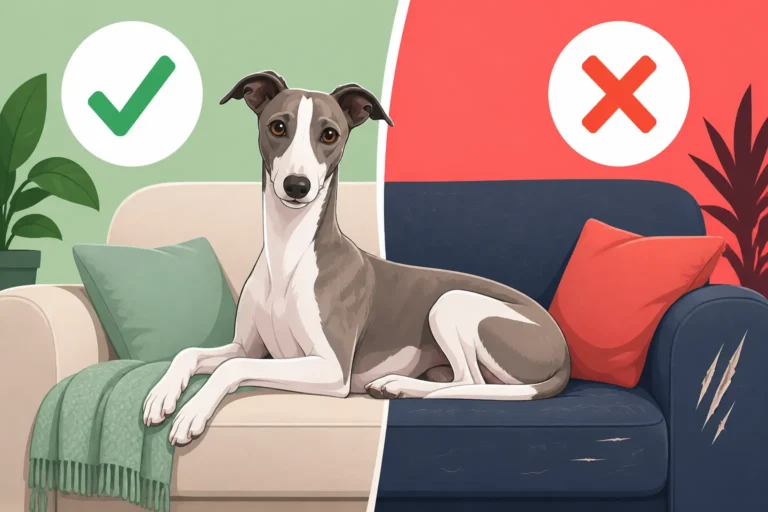
- Furniture Access: Many Whippets love to snuggle on sofas or chairs. If you allow your Whippet on furniture, ensure there are blankets or throws available for them to nest in. If not, make sure their designated beds are equally appealing.
- Temperature Control: Remember, Whippets get cold easily. A chilly house will drive them to seek warmth, and if the floor is cold, that's just another layer of discomfort. Ensure your home is kept at a comfortable temperature, especially during colder months. Sometimes, Whether a Whippet Needs a Heated Bed in Winter becomes a real consideration for older or particularly cold-sensitive dogs.
Here's a quick comparison of popular Whippet bedding options:
| Bed Type | Key Features | Support Level | Pros | Cons |
|---|---|---|---|---|
| Orthopedic Memory Foam | Dense foam layer, often multi-layered | High | Excellent pressure relief, joint support, durable, warm | Can be pricey, heavier to move, some can retain heat |
| Bolster Bed | Raised, cushioned edges, central sleeping area | Medium-High | Provides security, head/neck support, comfortable for curling | Center might flatten over time, bolsters can lose shape |
| Plush Fiberfill Bed | Soft, fluffy polyester or cotton fill | Medium | Very soft and inviting, lightweight, often affordable | Flattens quickly, less orthopedic support, needs frequent fluffing |
| Pillow/Cushion Bed | Large, flat pillow-like design | Medium | Versatile, easy to move, good for sprawling out | Minimal joint support, can flatten unevenly |
| Heated Bed/Mat | Electrically warmed pad or bed | Varies | Excellent for cold Whippets or those with arthritis, soothing | Electrical safety concerns, must be monitored, can overheat if misused |
Providing your Whippet with an abundance of soft, supportive places to rest is one of the kindest and most impactful things you can do for their long-term health and daily happiness. Their unique bodies demand it, and they'll reward you with contented sighs and deep, peaceful sleep.
Disclaimer
This article is for general informational purposes only and does not constitute professional advice. Laws, prices and regulations vary by location and change over time. Consult a qualified professional for guidance on your specific situation.