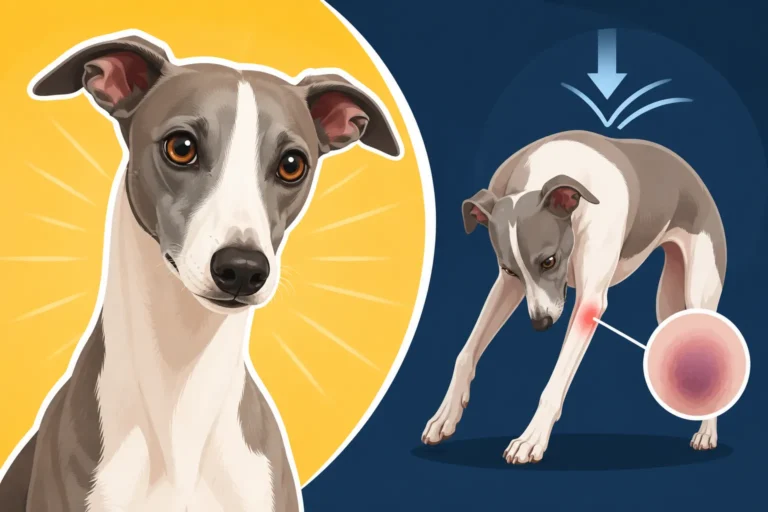
How Much Exercise a Whippet Really Needs
One of the biggest misconceptions about Whippets is that because they are sighthounds, they need to run for miles every day, or they’ll tear your house apart. This idea can be a huge source of anxiety for new owners, making them worry about fitting an elite athlete's exercise regimen into their busy lives. The truth is, while Whippets are incredibly fast, their exercise needs are often misunderstood, and this guide is here to unravel the reality behind their athletic yet surprisingly laid-back nature.
The Whippet Paradox: Speed and Stillness
It’s easy to look at a Whippet, with their sleek lines and powerful musculature, and assume they need to be constantly on the go. You see them bolt across a field at speeds that take your breath away, and you think, "Wow, this dog needs to do this all the time!" But the reality of living with a Whippet is often a charming contradiction. They are indeed built for speed, but they’re also masters of relaxation.
Understanding Their Sighthound Nature
Whippets, like their larger Greyhound cousins, are sighthounds. This means their primary hunting instinct is driven by sight, and they are designed to spot movement from a distance and give chase with incredible bursts of speed. This heritage is hardwired into them, and it’s why a fluttering plastic bag across a park can trigger an immediate, undeniable urge to sprint. They don't typically have the endurance of a marathon runner; instead, they are sprinters, built for short, explosive efforts. This is a crucial distinction when considering their exercise needs. It means that while they can run fast, they don't need to run for long periods to be satisfied.
Their keen eyesight and prey drive also mean that when they are off-leash, their attention can quickly shift from you to a distant squirrel or rabbit. This isn't disobedience; it's instinct. It’s why so many Whippet owners emphasize the importance of secure, fenced areas for off-leash playtime. Why a Whippet Cannot Be Let Off Leash in an Open Field covers this in more detail. In safe environments, these short, exhilarating runs fulfill a deep-seated part of their sighthound being.
The "40 MPH Couch Potato" Myth vs. Reality
You’ve probably heard the term "40 mph couch potato" used to describe sighthounds, and for Whippets, it’s remarkably accurate. On one hand, they possess the ability to hit speeds up to 35-40 miles per hour, making them one of the fastest dog breeds relative to their size. They absolutely revel in the opportunity to stretch their legs and perform those magnificent, ground-eating sprints. You'll see pure joy in their expression as they fly across a field, muscles rippling. This is their moment, their natural expression of exuberance.
However, once that burst of energy is expended, they are equally content, if not more so, to curl up in the warmest, softest spot they can find, which is usually right next to you on the sofa. And we're not talking about a quick nap; we're talking about serious, extended periods of napping. They thrive on comfort and warmth, and after a good run, they want nothing more than to snooze. The Whippet Is a Forty Mile an Hour Couch Potato isn't just a cute saying; it's a fundamental truth about their temperament and needs. This balance means that while they need that outlet for their speed, they don't need constant high-impact activity.
Daily Exercise Requirements for an Adult Whippet
So, what does this "speed and stillness" balance look like in a practical daily routine for an adult Whippet? It’s not about endless jogging or agility courses (though they can certainly enjoy those too). It’s about providing consistent, appropriate activity that respects their physical and mental makeup.
Structured Walks and Leash Time
For most adult Whippets, two good walks a day, each lasting around 20-30 minutes, are usually sufficient for their basic physical needs. These aren't necessarily power walks; they're opportunities for exploration, sniffing, and a bit of purposeful movement. Consistency is key here. Think of these walks as a chance for them to engage with the world on a leash, observe surroundings, and bond with you.
These walks also serve as a vital source of mental enrichment. Letting them sniff around, investigate new smells, and observe people and other dogs (from a safe distance if they’re prone to shyness) provides a good mental workout. Remember, a tired mind can be just as important as a tired body for a happy dog. It's also a great time to practice polite leash manners. Just be mindful of the weather; their thin coats mean they'll need a good coat or sweater when temperatures drop, perhaps something you can easily find on Amazon, to stay comfortable.
The Importance of Safe Off-Leash Running
While structured walks are important, nothing truly satisfies a Whippet like the opportunity to really run. This is where their unique physiology shines. They need space to stretch out, accelerate, and truly let loose without restraint. Aim for at least one dedicated off-leash sprint session a few times a week, if not daily. This could be in a securely fenced dog park, a private property with a high fence, or a dedicated lure coursing event. How Far a Whippet Can Sprint Before It Tires highlights that these bursts are short.
The key word here is safe. Whippets are fast, and their chase instinct is incredibly powerful. A low fence, an open gate, or even a sudden distraction can send them rocketing into a dangerous situation. Always double-check your environment. If you don't have access to a secure fenced area, a long line (a 30-foot or 50-foot lead, often available on Amazon) can be an excellent tool. It allows your Whippet more freedom to run and explore while still keeping them safely tethered to you, giving them a taste of that exhilarating freedom without the risk. Just make sure the line is securely attached to a well-fitting harness, not just a collar, to prevent injury.
Mental Stimulation and Play
Exercise isn't just physical; it's also mental. Whippets are intelligent and thrive on engaging their minds. Puzzle toys, interactive games, and short training sessions can be incredibly beneficial and help tire them out in a different way. Think about hide-and-seek with treats, learning new tricks, or even just engaging in a lively game of fetch (though many Whippets prefer to chase you rather than a ball, or consider the initial chase the entire point of the game).
Enrichment activities can also help prevent boredom and destructive behaviors. Consider snuffle mats, treat-dispensing toys, or even just carving out 10-15 minutes a day for a dedicated training session. Positive reinforcement training works wonders with their sensitive nature, and resources like BAXTER & Bella offer excellent online programs that focus on this gentle approach, helping you teach new skills without overwhelming your Whippet. These mental challenges provide a different kind of fulfillment than physical exercise alone.
Adjusting Exercise for Different Whippet Life Stages
Just like with humans, a Whippet's exercise needs aren't static throughout their life. What's appropriate for a rambunctious puppy isn't necessarily suitable for a wise old senior. Understanding these nuances is crucial for keeping your Whippet healthy and happy at every age.
Whippet Puppies: Controlled Play for Growing Bones
Whippet puppies are bundles of boundless energy, but it's incredibly important to manage their exercise carefully to protect their developing bones and joints. Unlike larger breeds, Whippets don't grow quite as quickly, but their growth plates are still vulnerable. Unlimited, high-impact running on hard surfaces or intense, forced exercise can lead to long-term orthopedic issues. Raising a Whippet Puppy Without Wrecking Its Joints is a must-read for new puppy owners.
For puppies, short, frequent bursts of play are far better than long, exhausting sessions. Think multiple 5-10 minute playtimes throughout the day, interspersed with plenty of naps. Encourage free play in a soft, safe area like grass, rather than forced jogging or jumping. Controlled socialization walks are great for exposing them to the world, but keep them short. As they grow, you can gradually increase the duration and intensity of their activity, but always err on the side of caution. Focus on teaching good manners, recall, and basic obedience during this stage, often with the help of positive reinforcement methods taught by platforms like BAXTER & Bella.
Senior Whippets: Maintaining Mobility and Comfort
As Whippets enter their golden years, typically around 8-10 years old, their exercise needs will naturally shift again. They may not have the same explosive speed or stamina, but maintaining regular, gentle activity is still vital for their overall health, mobility, and mental well-being. The goal here is to keep them comfortable, prevent stiffness, and maintain muscle tone without overtaxing their aging bodies.
Daily walks might become shorter or more frequent, depending on their energy levels and any health conditions. A gentle stroll around the block or a leisurely potter in the garden might be just what they need. Pay close attention to any signs of discomfort, such as limping, stiffness, or reluctance to move. Warm-up and cool-down periods become more important. If your senior Whippet struggles with cold or damp weather, a cozy coat for walks is essential, and extra padding in their beds can help soothe stiff joints. Remember, Caring for a Whippet Past Ten means adapting to their changing needs with patience and understanding.
Avoiding Over-Exercise and Under-Exercise
Finding the right balance for your Whippet's exercise can sometimes feel like a tightrope walk. Too much, and you risk injury or exhaustion; too little, and you might see behavioral issues. Understanding the signs of both extremes is key to being a responsible Whippet parent.
Signs of Too Much Exercise
While Whippets love to run, they are sprinters, not endurance athletes. Pushing them too hard or for too long can lead to problems. One of the most common issues in Whippets, due to their thin skin, is skin tears and lacerations, especially if they're running through dense brush or encountering sharp objects. The Thin Skin That Sends a Whippet to the Vet for Stitches is a sobering read. Over-exercising can also lead to muscle strains, ligament injuries, or even joint issues over time, particularly if they are consistently running on hard or uneven surfaces.
Beyond physical injury, signs of over-exercise include excessive panting, lagging behind, reluctance to participate in activities they usually enjoy, or appearing unusually stiff or sore the next day. In extreme heat, over-exercising can lead to overheating, which can be dangerous. Always ensure they have access to fresh water and rest breaks. A Whippet that's pushed past its comfortable limit won't be a happy Whippet.
Signs of Not Enough Exercise
On the flip side, an under-exercised Whippet, despite their "couch potato" reputation, can develop behavioral issues. While they aren't typically destructive, boredom can manifest in other ways. You might notice excessive "zoomies" indoors, restless pacing, excessive vocalization (though Whippets aren't generally big barkers), or an increase in mischievous counter-surfing or stealing items. They might also seem more anxious or unable to settle down, even in their favorite soft bed.
Lack of appropriate exercise can also lead to weight gain, which is detrimental to their svelte, athletic build and puts unnecessary strain on their joints. Furthermore, their powerful prey drive, if not given an appropriate outlet like safe off-leash running or lure coursing, can become more pronounced, potentially leading to increased challenges with recall or reactivity towards smaller animals outdoors. Regularly assessing your Whippet's energy levels and behavior can help you fine-tune their routine.
The Dangers of Inappropriate Exercise Surfaces and Temperatures
Whippets' delicate physique and thin skin make them particularly vulnerable to certain environmental factors during exercise. Running on hard surfaces like asphalt or concrete consistently can be hard on their joints and paw pads, leading to strains, sprains, or even corns. Opt for softer surfaces like grass, dirt trails, or sandy areas whenever possible. Wet grass can also be a risk factor, as their explosive acceleration and sharp turns can lead to slips and muscle pulls. The Muscle a Whippet Tears Sliding on Wet Grass is a real concern.
Temperature extremes also pose a significant risk. In cold weather, their lack of body fat and thin coat means they get cold very quickly. Exercise should be shorter, and they absolutely need appropriate protection like a warm coat or even pajamas, even for indoor chill. Whether a Whippet Needs a Coat Below Fifty Degrees is a good guideline. Conversely, in hot weather, they can overheat quickly due to their high metabolism during activity. Avoid exercising during the hottest parts of the day, stick to shaded areas, and always carry water. Their sensitive skin also means they can sunburn easily, particularly on their sparse bellies or thin-skinned ears, so be mindful of sun exposure during outdoor play.
Incorporating Activities Beyond Daily Walks
While daily walks and safe sprints are the foundation of a Whippet's exercise regimen, engaging them in more specialized activities can provide immense physical and mental enrichment, tapping into their natural instincts and athletic abilities.
Lure Coursing and Fast CAT: Channeling Their Instincts
If there's one activity that truly speaks to a Whippet's soul, it's lure coursing or its modern counterpart, Fast CAT (Coursing Ability Test). These sports are designed to simulate the chase of live prey in a controlled, safe environment. A plastic lure is pulled across a field, zigzagging to mimic a rabbit's movements, and the Whippet gets to do what they were born to do: chase at full speed. What Lure Coursing and Fast CAT Cost a Whippet Owner might seem like an investment, but the joy and fulfillment your Whippet gets are priceless.
These activities are fantastic for several reasons. Firstly, they provide an unparalleled physical workout, allowing your Whippet to fully express their sprinting capabilities. Secondly, they offer immense mental stimulation as they focus intently on the lure, strategizing their pursuit. Thirdly, they are incredibly safe, as the courses are designed to prevent injury, and the dogs are usually run one or two at a time. It’s an amazing way to channel their innate prey drive in a positive and constructive manner, leaving them exhilarated and happily exhausted. You'll witness the pure, unadulterated joy of a sighthound doing what it was bred for.
Other Engaging Activities
While lure coursing and Fast CAT are tailor-made for Whippets, they can excel in many other dog sports and activities too. Their intelligence and willingness to please (especially for a tasty treat!) mean they can enjoy a variety of pursuits.
- Agility: While you might think of Border Collies, many Whippets thrive in agility. Their speed and athleticism make them naturals over jumps and through tunnels, and the mental challenge of navigating a course is excellent enrichment. It’s important to ensure jumps are set at appropriate heights and that their bodies are warmed up properly to prevent injury.
- Scent Work/Nose Work: Despite their primary sense being sight, Whippets can also have surprisingly good noses. Scent work, where dogs are trained to find specific odors, can be a fantastic, low-impact mental exercise. It builds confidence and provides a deep sense of satisfaction as they use their natural abilities to solve a puzzle.
- Obedience and Rally: Whippets can absolutely excel in traditional obedience and rally. While they might have a reputation for being a bit "stubborn" or sensitive to harsh corrections, with positive reinforcement and patience, they can be incredibly responsive and enjoy the challenge of working closely with their owner. Programs like those offered by BAXTER & Bella can be incredibly helpful for building a strong foundation in obedience.
- Hiking: For the adventurous Whippet, moderate hikes on soft trails can be a wonderful way to explore. Just be mindful of their stamina, the terrain (avoiding sharp rocks or dense thorns that could tear their skin), and the weather. Always carry water and ensure they wear a well-fitting harness for safety on varied terrain.
Practical Tips for Busy Whippet Owners
Life gets busy, and sometimes finding the time for all the recommended exercise can feel like a challenge. But with a Whippet, it's often about quality over quantity, and being smart about how you integrate activity into your day.
Maximizing Short Bursts of Activity
You don't always need an hour-long dedicated session to satisfy your Whippet. Their sprinting nature means that shorter, more intense bursts of activity can be highly effective. If you have a securely fenced yard, even 10-15 minutes of enthusiastic play or throwing a soft toy can provide a good workout. The key is to get them truly running and stretching those muscles.
Consider breaking up their exercise throughout the day. Instead of one long walk, maybe two shorter walks and a midday sprint session. If you work from home, a quick play session during a break can refresh both you and your dog. These short bursts also align perfectly with their natural energy cycle: an explosion of activity followed by a long, well-deserved nap.
The Role of Enrichment Toys and Training
When outdoor access is limited due to weather, time constraints, or just the practicalities of city living, mental stimulation becomes even more crucial. Investing in a variety of enrichment toys can make a big difference. Think puzzle feeders that make them "work" for their meals, snuffle mats for sniffing games, or durable chew toys that keep them occupied. Rotate these toys to keep things interesting and prevent boredom. Many excellent options are readily available on Amazon, offering different levels of challenge to keep your Whippet engaged.
Regular, short training sessions indoors can also provide excellent mental exercise. Teaching new tricks, practicing obedience commands, or even just working on polite leash walking in a hallway can burn mental energy. Consistency and positive reinforcement are key, and a training platform like BAXTER & Bella can provide structured guidance and support for making these sessions effective and fun for both of you.
Finding Safe Spaces for Off-Leash Exploration
The biggest hurdle for many Whippet owners is finding safe places for off-leash running. It's paramount. Public dog parks can sometimes be risky due to varied dog temperaments, or simply not being large or secure enough for a Whippet to truly open up.
If a private, securely fenced yard isn't available, explore local options carefully. Look for private dog parks you can rent, or even local sports fields or tennis courts that might be available during off-peak hours and are fully enclosed. Always inspect the fence line for any potential escape routes. Some communities also have dedicated lure coursing clubs or Fast CAT events that offer a perfectly safe and fulfilling environment for your Whippet to run. Networking with other sighthound owners in your area can often reveal hidden gems or shared resources for safe exercise spaces. Remember, safety should always be your top priority when allowing your Whippet to run free.
Whippet Exercise Needs at a Glance
| Age/Stage | Recommended Exercise Type | Frequency & Duration | Key Considerations |
|---|---|---|---|
| Puppy (8 wks – 1 yr) | Short, controlled play; exploration walks; basic training | Multiple 5-10 min play sessions daily; 10-15 min walks 2-3x daily | Protect growing joints; avoid hard surfaces; focus on socialization |
| Adult (1-8 yrs) | Daily walks; safe off-leash sprints; mental games; dog sports | 2x 20-30 min walks daily; 2-3x 15-20 min sprints weekly; daily mental enrichment | Secure areas for sprints; weather appropriate gear; variety |
| Senior (8+ yrs) | Gentle walks; light play; mental engagement; stretching | Shorter, more frequent walks (15-20 min, 2-3x daily); gentle indoor play | Monitor for stiffness/pain; adapt to health; warmth & comfort |
Whippets are truly special dogs that blend incredible athleticism with a deep love for comfort. By understanding their unique needs for short, explosive bursts of speed combined with ample rest and mental stimulation, you can provide them with a balanced and fulfilling life. It's about respecting their sighthound heritage while also cherishing their "couch potato" tendencies.
Disclaimer
This article is for general informational purposes only and does not constitute professional advice. Laws, prices and regulations vary by location and change over time. Consult a qualified professional for guidance on your specific situation.