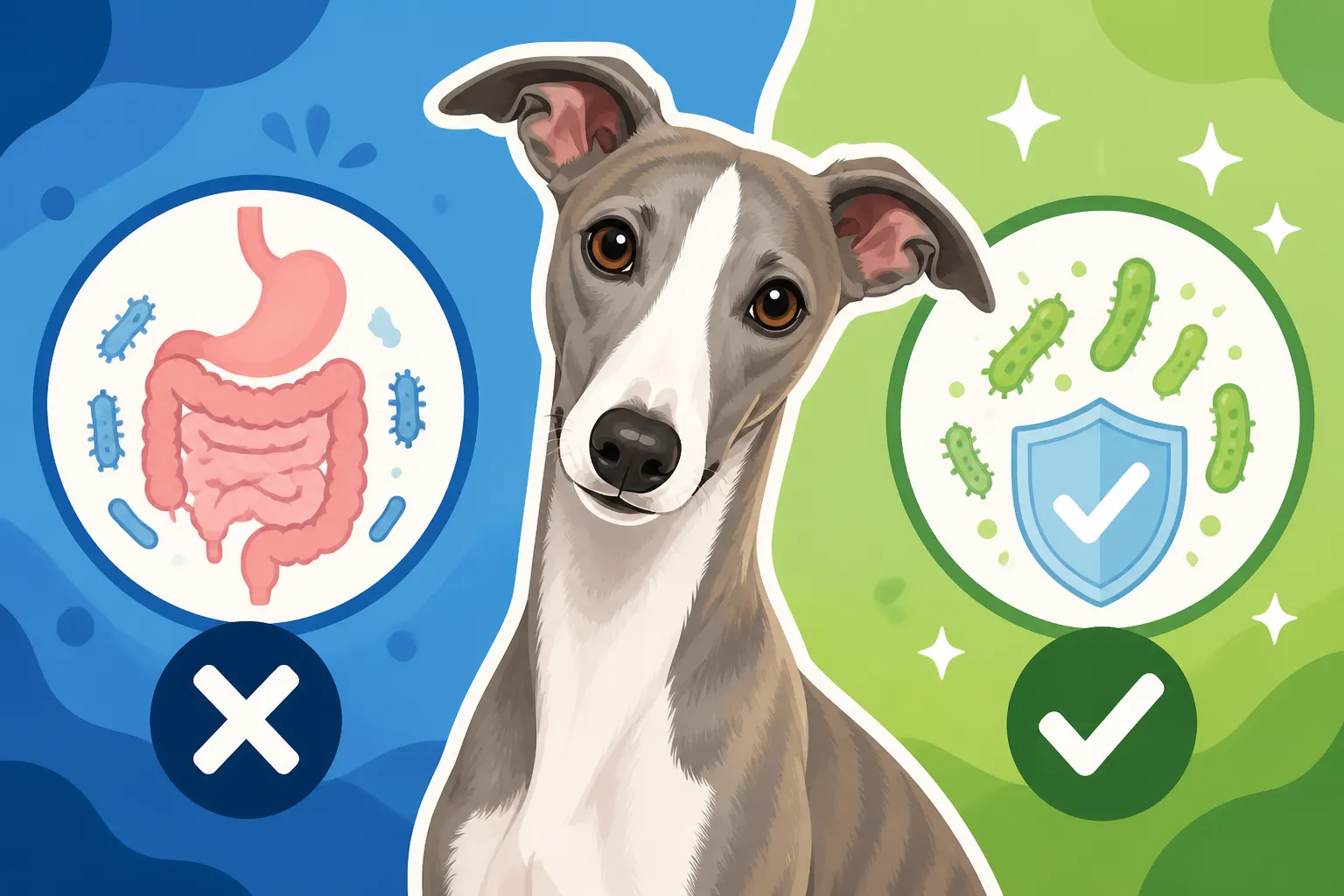
Whether a Whippet Needs a Probiotic
It’s a common scenario for us Whippet owners: you’re doing everything right, feeding a good quality diet, giving your lovely sighthound plenty of zoomie opportunities and cozy naps, but suddenly, their stomach seems a little off. Maybe it’s loose stools, a bit of gas, or an uncharacteristic pickiness at mealtime. You start to wonder if there's something more you can do to support their sensitive systems, and often, the thought of probiotics comes up. This guide aims to thoroughly explore whether probiotics are a necessary addition to your Whippet's care routine, what they are, and how to choose the right ones if they are.
Understanding Your Whippet's Digestive System
Whippets are magnificent creatures, known for their elegant lines, incredible speed, and often, a surprising amount of sensitivity beneath that sleek exterior. Their digestive systems, while generally robust when healthy, can be prone to upsets.
The Delicate Balance of a Whippet's Gut
Our Whippets are often described as lean, athletic dogs with a fast metabolism, and this unique physiology extends to their digestive tract. They don't have a lot of body fat to cushion them, and sometimes this lean build seems to correlate with a more delicate digestive system. Imagine a highly tuned sports car; it runs beautifully on the right fuel, but even a slight change can throw off its performance. Similarly, a Whippet's gut microbiome—the complex community of bacteria living in their digestive tract—is a finely balanced ecosystem. Stress, environmental changes, a new treat, or even a sudden shift in their daily routine can disrupt this delicate balance, leading to a host of uncomfortable symptoms for your beloved companion.
It's not just physical factors at play either. Whippets, as many of us know, can be incredibly sensitive souls. They pick up on household stress, dislike being left alone, and can even be affected by a change in weather, like The Whippet That Will Not Toilet in the Rain. This emotional sensitivity can manifest physically, often directly impacting their gut health. A nervous Whippet might get an upset stomach more easily than a more placid breed. We're not talking about a constantly sick dog, but those occasional, baffling episodes where everything seems fine one day, and the next, you're on cleanup duty.
Common Digestive Issues in Whippets
Many Whippet owners will nod in recognition when we talk about loose stools, especially during periods of excitement or mild stress. It's frustrating when you’re out on a walk, and your dog suddenly develops a case of the "squits" with no apparent cause. Gas can also be an issue, sometimes quite potent, leaving you wondering what on earth they got into. Occasional vomiting, especially after eating too quickly or a minor dietary indiscretion, is another familiar problem. For a breed known for its elegance, these less-than-glamorous digestive quirks can certainly keep us on our toes.
Beyond the immediate symptoms, some Whippets can be incredibly picky eaters, which can be a sign of a slightly unsettled digestive system or simply their discerning sighthound palate. It’s hard to keep weight on a Whippet when they turn up their nose at their dinner, and while Why a Whippet Is a Picky Eater delves deeper into that, sometimes an underlying gut imbalance can contribute. These issues, while often not life-threatening, can certainly impact your Whippet's comfort and your peace of mind. They make you question everything you're feeding and whether you're doing enough to support their overall wellbeing.
What Are Probiotics and How Do They Work for Dogs?
So, if our Whippets' guts can be a bit sensitive, what exactly are probiotics, and how are they supposed to help? It’s a term we hear a lot, but understanding the basics can make a big difference in deciding if they're right for your dog.
The Science Behind "Good" Bacteria
In simplest terms, probiotics are live microorganisms—tiny, beneficial bacteria and yeasts—that, when given in the right amounts, can provide a health benefit to the host. Think of your Whippet's gut as a bustling city, full of all sorts of residents. You want the good residents (beneficial bacteria) to outnumber the less helpful ones (pathogenic bacteria). Probiotics introduce more of these good residents, helping to crowd out the bad ones and restore harmony. Common strains you'll see in canine probiotics include Lactobacillus and Bifidobacterium, each with slightly different jobs, but all working towards a healthier gut.
These good bacteria do more than just exist; they actively contribute to digestion and overall health. They help break down food, produce essential vitamins, and even play a crucial role in supporting the immune system, as a significant portion of immunity resides in the gut. When the balance is off, your Whippet might struggle to absorb nutrients properly, leading to deficiencies or contributing to those unwelcome digestive upsets. By reinforcing the population of beneficial bacteria, probiotics aim to enhance digestive function, improve nutrient absorption, and bolster the natural defenses of the gut lining.
When Probiotics Might Be Beneficial for Your Whippet
There are several scenarios where introducing a probiotic could be a game-changer for your Whippet. It’s not necessarily an everyday essential for every dog, but certainly worth considering during specific times.
One of the most common and widely recognized uses for probiotics in dogs is after a course of antibiotics. Antibiotics are powerful medications that kill off harmful bacteria, but they aren't discerning; they often wipe out the beneficial gut bacteria right along with the bad. This can leave your Whippet with an imbalance, leading to post-antibiotic diarrhea or a generally compromised digestive system. Giving a probiotic after or even during (but separate from) antibiotic treatment can help repopulate the gut with healthy bacteria, speeding recovery and preventing further upset.
During stressful periods is another prime time for probiotic support. Whippets are known for their sensitive nature, and events like moving to a new home, traveling, boarding, or even attending busy dog shows can induce stress that impacts their digestive health. For example, if your Whippet suffers from Separation Anxiety in a Whippet or gets Car Sickness in a Whippet, the associated stress can easily throw their gut off balance. A daily probiotic leading up to and during these times can help fortify their gut against the negative effects of stress, promoting calm and stability.
Dietary changes are a classic trigger for digestive upset in any dog, and Whippets are no exception. Whether you're switching kibble brands, introducing a new type of protein, or even trying a different kind of treat, the gut needs time to adjust. A probiotic can help ease this transition by providing extra support to the digestive flora, making the process smoother for your Whippet and hopefully preventing those inevitable loose stools that often accompany a diet swap. This is especially true for owners who are exploring options like Feeding a Whippet That Sprints and Then Sleeps which might involve novel ingredients or a richer formula.
Finally, for mild, recurrent digestive upsets such as occasional loose stools, excessive gas, or a persistently soft stool without any serious underlying medical cause, a probiotic can be a helpful tool. It's not a cure-all for chronic conditions, but for those annoying, intermittent issues that keep cropping up, it can often provide relief. Probiotics can also offer general immune support, as a robust gut microbiome is intrinsically linked to a strong immune system, helping your Whippet stay healthier overall throughout The Twelve to Fifteen Years a Whippet Lives.
| Scenario | Potential Benefit of Probiotic | When to Consider |
|---|---|---|
| Antibiotic Treatment | Restores beneficial gut bacteria wiped out by medication | During (separated by hours) and after antibiotic course |
| Stressful Situations | Supports gut stability against stress-induced upset | Before, during, and after travel, boarding, major changes |
| Dietary Transitions | Aids adjustment to new foods, reduces digestive upset | When switching foods or introducing new ingredients |
| Mild Digestive Upsets | Improves stool consistency, reduces gas | For occasional loose stools, chronic soft stools (vet-cleared) |
| General Immune Support | Enhances gut barrier, contributes to overall immune function | Daily, as part of a wellness routine |
Choosing the Right Probiotic for Your Whippet
With so many options available, picking a probiotic can feel overwhelming. It’s important to know what to look for and what to consider for your specific Whippet.
Forms of Probiotics: Powders, Chews, and Foods
Probiotics for dogs come in a variety of forms, and the best choice often depends on your Whippet's preferences and your lifestyle. Powders are one of the most common and versatile forms. They typically come in sachets or tubs with a scoop, and you simply sprinkle the recommended dose over your Whippet's food. This is great for picky eaters, as powders are often relatively flavorless or have a subtle taste that can be easily mixed into a favorite wet food, yogurt, or even just moistened kibble. The advantage here is precise dosage and the ability to easily adjust it if advised by your vet.
Chews are another popular option. These are often flavored and designed to be given like a treat, making administration very easy for dogs who aren’t suspicious of new things in their food bowl. The downside can be that some chews contain fillers or flavorings that might not suit every sensitive Whippet, so always check the ingredient list carefully. If your Whippet views anything other than their regular meals with suspicion, a chew might be a good way to disguise the supplement.
Finally, some dog foods and fresh food services incorporate prebiotics and probiotics directly into their formulas. Prebiotics are fibers that feed the beneficial bacteria already present in the gut, working synergistically with probiotics. While convenient, the challenge with probiotic-infused foods is knowing the exact quantity and viability of the live cultures, as they can degrade during processing or storage. If you're considering a food-based option, look for brands that specifically guarantee the CFU count at the time of consumption, not just at manufacturing. Many owners find a good selection of quality canine probiotics on platforms like Chewy or Amazon, allowing them to compare ingredients and reviews. Brands like Purina FortiFlora are often recommended by vets, but for those looking for more 'fresh' options, some of the newer fresh food services, such as Ollie, might incorporate prebiotics and probiotics into their meals, though always check their specific formulations and speak to your vet.
Key Ingredients and What to Look For (and Avoid)
When sifting through the options, quality really matters for a Whippet’s delicate system. You want to look for products that clearly state the specific strains of beneficial bacteria (e.g., Lactobacillus acidophilus, Bifidobacterium animalis) and the Colony-Forming Units (CFUs). The CFU count tells you how many live, active organisms are in each dose, and a higher number generally indicates a more potent product. Aim for products with billions of CFUs, not just millions, especially if you're addressing an active issue.
Equally important is what not to look for. Avoid probiotics with unnecessary fillers, artificial colors, flavors, or excessive sugars. These can sometimes exacerbate digestive issues in sensitive dogs rather than help them. If your Whippet has allergies or sensitivities, scrutinize the ingredient list for common allergens like corn, wheat, or soy. Reputable brands will prioritize the active ingredients and minimize additives. It’s also wise to check for a "guaranteed analysis" or a statement about viability through the product's shelf life, ensuring the bacteria are still alive and active when your Whippet consumes them. Remember, Whether a Whippet Has a Sensitive Stomach is a real concern, so choosing a clean, high-quality product is paramount.
Consulting Your Veterinarian
Before you add any new supplement to your Whippet's routine, particularly if they are experiencing chronic digestive issues, a conversation with your veterinarian is crucial. While probiotics are generally considered safe, your vet can help rule out any serious underlying medical conditions that might be causing the symptoms. What looks like a mild upset could, in rare cases, be something more significant, and you wouldn't want to delay proper diagnosis and treatment by self-medicating with a probiotic.
Your vet can also offer personalized recommendations based on your Whippet's specific health history, age, and current diet. They might suggest a particular brand or strain that they’ve had good results with in other sighthounds, or advise on the appropriate dosage. For instance, if your Whippet is dealing with specific health concerns, or if their bloodwork shows anything unusual, like some of The Bloodwork Numbers That Look Wrong on a Healthy Whippet, your vet can guide you. They can also provide insight into how probiotics might interact with any medications your Whippet is already taking. Think of your vet as your trusted co-pilot in navigating your Whippet’s health journey – their expertise is invaluable.
Integrating Probiotics into Your Whippet's Routine
Once you've decided a probiotic is a good idea for your Whippet and consulted your vet, the next step is incorporating it effectively into their daily life.
Dosage and Administration Tips
Starting with probiotics is often a gradual process. It’s generally recommended to begin with a lower dose than the maximum suggested on the packaging and slowly increase to the full recommended amount over a few days. This allows your Whippet’s system to adjust without any sudden changes that might themselves cause a mild upset. Always follow the product-specific instructions, as dosages can vary widely between brands and forms (powder vs. chew). Consistency is key; probiotics work best when given regularly, ideally at the same time each day. Many owners find it easiest to administer them with the first meal of the day.
Observe your Whippet closely during the first few weeks. Are their stools becoming more firm and consistent? Is their gas less frequent or less potent? Are they showing a better appetite or generally more comfortable after meals? It can take anywhere from a few days to a couple of weeks to see noticeable results, so patience is important. If you’re using a powder, mixing it thoroughly with a small amount of wet food or a lickable treat can ensure your Whippet consumes the entire dose, especially if they are a fast eater. Remember that even though Whippets tend to bolt their food sometimes, it's still important to get the full dose in.
Beyond Probiotics: Holistic Gut Health
While probiotics can be a fantastic tool, they are just one piece of the puzzle for optimal gut health. A truly healthy digestive system for your Whippet thrives on a holistic approach that includes several other crucial factors. The foundation, of course, is a high-quality, balanced diet. What you put into their bowl every day directly impacts their gut microbiome. This means choosing a food appropriate for their life stage and activity level, and considering their unique needs as a sighthound, as discussed in What a Whippet Eats in a Month. Avoid frequent, drastic changes in food, as this can repeatedly disrupt their delicate digestive balance.
Adequate hydration is also paramount. Fresh, clean water should always be available, as proper hydration is essential for digestion and nutrient absorption. Regular, appropriate exercise, as detailed in How Much Exercise a Whippet Really Needs, not only keeps their bodies fit but also contributes to overall wellbeing, which in turn supports a healthy gut. And perhaps surprisingly, stress management plays a huge role. As we touched on earlier, Whippets are sensitive, and a calm, predictable home environment can do wonders for their digestive health. Minimizing stressors like loud noises, excessive alone time, or chaotic schedules can prevent stress-induced gut upsets. By addressing these foundational elements, you create the best possible environment for any probiotic to do its job effectively.
Recognizing When It's Working (or Not)
After patiently integrating a probiotic into your Whippet's routine, how do you know if it's actually making a difference? The most obvious sign of success will be an improvement in their stool quality. You should see more consistent, well-formed stools, less frequent loose episodes, and perhaps less strain or discomfort when they go to the bathroom. You might also notice a reduction in excessive gas, and if they’ve been a picky eater, a more enthusiastic approach to meal times. Sometimes, an improvement in coat quality or overall energy levels can also be subtle indicators of better nutrient absorption and a healthier gut. It's a sign that their system is running more efficiently, contributing to their overall vitality and adding to their healthy The Twelve to Fifteen Years a Whippet Lives.
However, it's important to be realistic. Not every Whippet will respond dramatically to a probiotic, and some might not show any noticeable changes at all. If you've given it a fair trial (typically 4-6 weeks of consistent use at the recommended dose) and your Whippet's digestive issues persist, it’s a clear signal to go back to your veterinarian. There might be an underlying issue that a probiotic alone cannot fix, such as food sensitivities, parasites, or even more complex medical conditions that require specific veterinary intervention. Never hesitate to seek further professional advice; your vet can help you troubleshoot and explore other avenues to ensure your Whippet's comfort and health.
Disclaimer
This article is for general informational purposes only and does not constitute professional advice. Laws, prices and regulations vary by location and change over time. Consult a qualified professional for guidance on your specific situation.