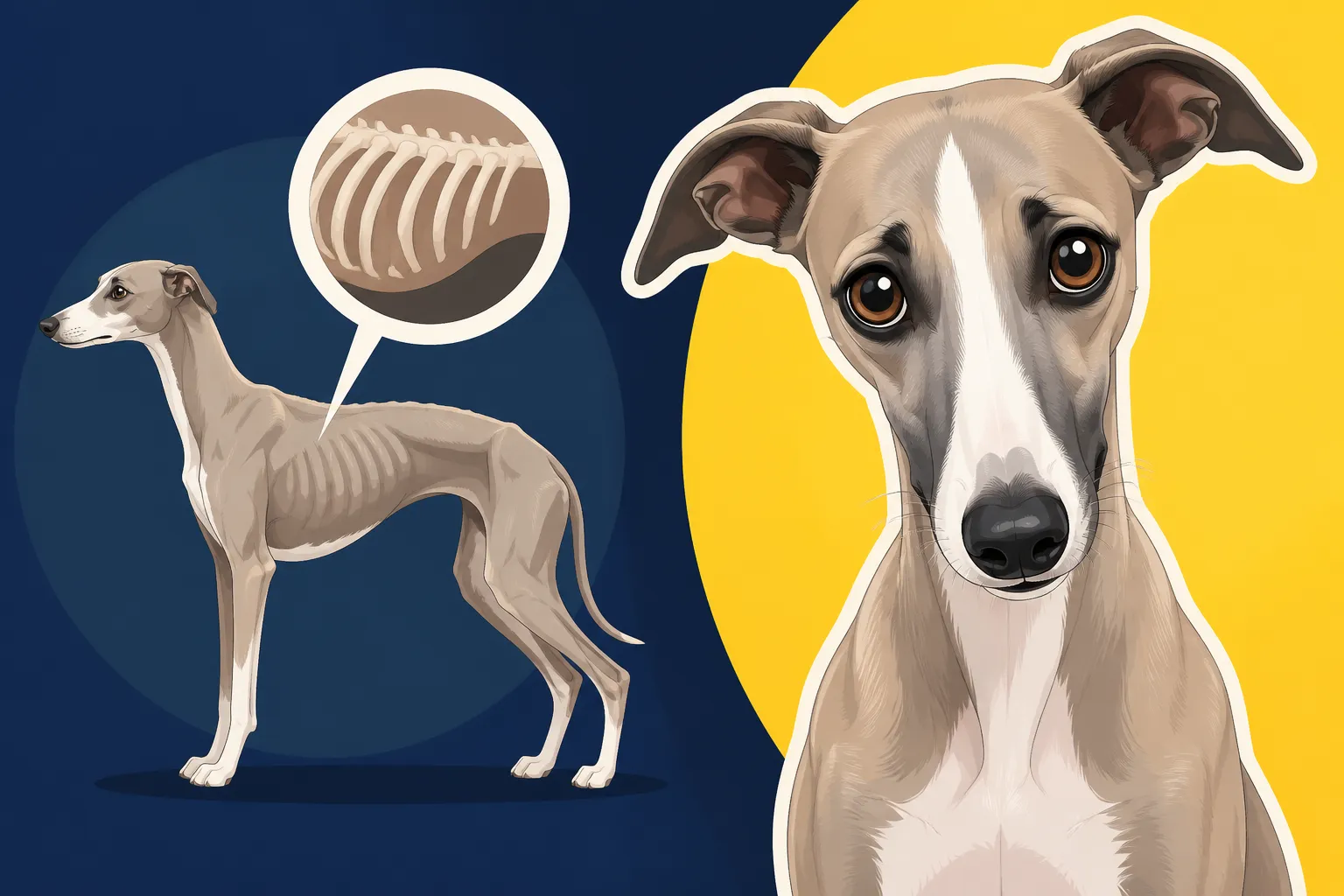
When a Whippet Is Genuinely Too Thin
One of the most common worries I hear from new Whippet owners, or even seasoned dog lovers unfamiliar with the breed, is about their dog looking "too thin." It's easy to get concerned when you see their ribs, hip bones, and spine, especially when compared to more heavily muscled or well-padded breeds. This guide will help you understand the unique physique of a Whippet and identify when your lean companion is truly underweight and might need a little extra care or veterinary attention.
Understanding the Whippet's Natural Physique
It’s completely natural to be a little taken aback by a Whippet’s seemingly slender frame when you first get to know one. They are built so differently from many of the dogs we typically encounter in parks or on neighborhood strolls. Their athleticism isn't about bulk; it's about lean efficiency, and that translates directly into their physical appearance. What might look alarming on another breed is often perfectly healthy for a Whippet.
Why Whippets Look So Lean to Begin With
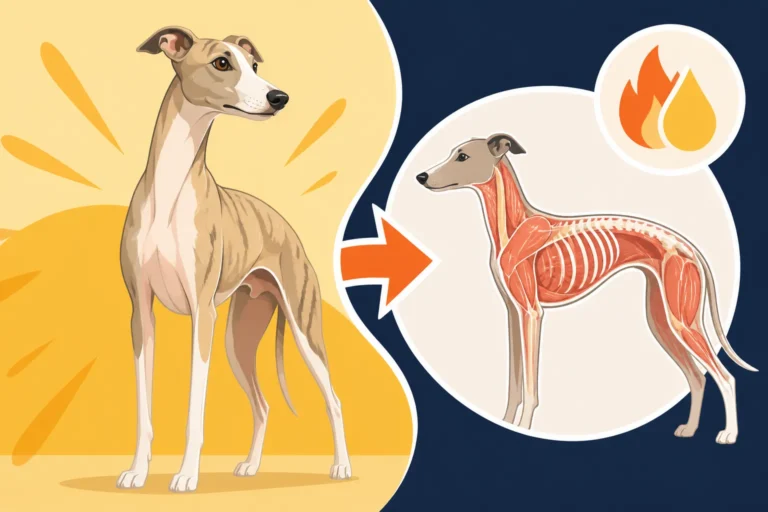
Whippets are sighthounds, and like all sighthounds, they possess a unique anatomical design that prioritizes speed and agility above all else. This means they naturally carry very little body fat. Unlike many breeds that have a protective layer of fat and denser musculature, a Whippet’s structure is honed for bursts of incredible speed. You'll notice their skin is thin, clinging closely to their musculature, which means those underlying structures are more visible than on a dog with a thick coat or a layer of subcutaneous fat.
Think of them like a finely tuned athlete, not a cuddly teddy bear. Their lack of insulation means you'll often see them shivering even when you feel comfortable, and they absolutely need protection from the cold. This is why you'll often find Whippet owners obsessing over their dog’s wardrobe, from cozy pajamas to weather-appropriate coats, because A Whippet Has No Insulation and No Padding. This inherent lack of natural padding also makes them incredibly sensitive to hard surfaces, always seeking out the softest bed or the warmest lap.
Their entire physique is a testament to their heritage as sprinters and hunters by sight. Every aspect, from their deep chest for powerful lungs to their finely boned legs, contributes to their ability to accelerate and turn on a dime. This isn't a sign of neglect; it's a badge of their breed's purpose, developed over centuries to be the "poor man's racehorse."
What "Thin" Actually Means for a Whippet
For a Whippet, "thin" is a subjective term that can be very misleading. What appears thin to the untrained eye might actually be the ideal, athletic condition for the breed. A healthy Whippet will almost always have some ribs visible, especially when they move, stretch, or turn. You should also be able to easily feel their hip bones (pin bones) and the bumps of their spine without having to press hard. These aren't signs of emaciation but rather the hallmarks of their sleek build.
The key is not just what you see, but what you feel. When you run your hands along their sides, you should be able to count their ribs individually with a light touch, feeling them clearly but not sharply. Their spine should also feel like a series of distinct bumps, not a sharp, jagged ridge. Similarly, their hip bones should be prominent but shouldn't feel pointed or jutting out excessively. If these bones feel like they're practically poking through the skin, or if there are hollows and concavities in their muscle mass, that is when it's time to be concerned.
Learning to assess your Whippet's body condition by touch is crucial, as their short, fine coat means visual cues can sometimes be deceptive. Feeling a Whippet's Ribs and Hip Bones is a skill every Whippet owner quickly develops, and it’s far more reliable than just looking. This tactile assessment helps you distinguish between a normally lean Whippet and one that genuinely needs more calories.
Differentiating Healthy Lean from Unhealthy Thin
It’s easy to get confused when everyone around you has a fluffy Golden Retriever or a stout Bulldog. Your Whippet will always look different, and that's okay! The trick is learning to trust your judgment, backed by a little knowledge, rather than being swayed by well-meaning but often misinformed comments from others.
Visual Cues: What to Look For and What to Ignore
When you look at a healthy Whippet, you should typically see the last two or three ribs faintly outlined, particularly when they’re standing, turning, or breathing deeply. Their waist should be clearly defined, tucking up sharply from the rib cage, and they should have an elegant, arched topline. These are all characteristics of a well-conditioned sighthound. Their muscle definition, especially in their powerful hindquarters, should be visible and firm, not wasted or soft.
However, there's a fine line. If you can see all of their ribs, or if their spine and hip bones appear extremely prominent, almost like they are tenting the skin, then your Whippet might be genuinely too thin. Look for hollows behind their shoulder blades or above their hips, or sunken eyes. These are signs that they are lacking adequate fat and muscle stores. Remember, while a Whippet is lean, they shouldn't look frail or emaciated. They should look powerful, even in their leanness, with a vibrant energy that suggests good health.
It's common for strangers to voice concerns about a Whippet's weight, often assuming they are neglected or underfed. While these comments usually come from a place of concern, they can be frustrating and even hurtful. It’s important to understand Why Strangers Think a Whippet Is Underfed and be prepared to politely educate them on the breed's unique physique. A simple explanation about sighthound anatomy often suffices, highlighting that their leanness is a hallmark of their athleticism.
The Importance of a Body Condition Score (BCS)
To take the guesswork out of assessing your Whippet's weight, veterinarians often use a standardized Body Condition Score (BCS) system. This scale typically runs from 1 to 9, where 1 is severely emaciated, 5 is ideal, and 9 is severely obese. For most dog breeds, a BCS of 5 is the goal, meaning ribs are easily felt but not seen, and a clear waist is present.
However, Whippets are not "most dog breeds." Their ideal body condition is usually lower on this scale than other dogs. A healthy, athletic Whippet often falls into a BCS of 3 or 4. At BCS 3, their ribs, spine, and hip bones are easily palpable and often visible, with a very obvious waist and abdominal tuck. At BCS 4, these bones are still easily palpable, but perhaps less visually prominent, with a good waist and tuck. A BCS of 2 would mean all bones are very prominent, with no palpable fat and obvious loss of muscle mass, which would be concerning. A BCS of 1 is an emergency. Understanding What Body Condition Score a Whippet Should Be is a vital tool for responsible ownership.
Here’s a simplified comparison of general dog BCS versus an ideal Whippet BCS:
| Body Condition Score (BCS) | General Dog Description | Ideal Whippet Description |
|---|---|---|
| 1 (Emaciated) | Ribs, spine, pelvic bones very prominent; no body fat. | Severely underweight, muscle wasting, critical. |
| 2 (Very Thin) | Ribs, spine, pelvic bones easily seen; minimal fat. | Too thin, all bones very prominent, minimal muscle. |
| 3 (Thin) | Ribs easily palpable, top of vertebrae visible, waist evident. | Ideal for athletic Whippets, ribs often visible. |
| 4 (Underweight) | Ribs easily palpable, waist easily noted. | Often ideal for Whippets, ribs felt, faint outline. |
| 5 (Ideal) | Ribs palpable, small fat cover; waist well-proportioned. | Overweight for a Whippet; ribs less distinct. |
| 6 (Overweight) | Ribs difficult to feel; waist disappears. | Clearly overweight for a Whippet; no visible ribs. |
| 7-9 (Obese) | Increasing fat deposits, no waist, heavy fat cover. | Obese, risks significant health problems. |
It's important to note that even within the Whippet breed, there can be slight variations. A highly active lure coursing champion might naturally maintain a slightly leaner frame (closer to a strong 3) than a Whippet who primarily enjoys leisurely strolls and couch naps (who might be a comfortable 4). Always use the BCS in conjunction with your hands-on assessment and overall observation of your dog's energy and health.
Potential Causes of Genuine Underweight in Whippets
While many Whippets are naturally lean and perfectly healthy, there are instances where a Whippet might be genuinely too thin. It's crucial to investigate these situations promptly, as underlying issues can quickly impact their health and well-being. Don't dismiss significant weight loss or an inability to maintain condition without consulting your vet.
Dietary and Nutritional Factors
One of the most straightforward reasons a Whippet might be too thin is simply not getting enough calories or appropriate nutrition for their energy output. Despite their athletic build, many Whippets are surprisingly efficient with their food intake. However, if your Whippet is highly active, participating in sports like lure coursing or racing, their caloric needs will be significantly higher than a typical couch potato Whippet. Whether a Racing Whippet Needs More Calories is a real consideration for competitive dogs. Ensure the food you're offering is high-quality and nutrient-dense, providing adequate protein and healthy fats to support their lean muscle mass.
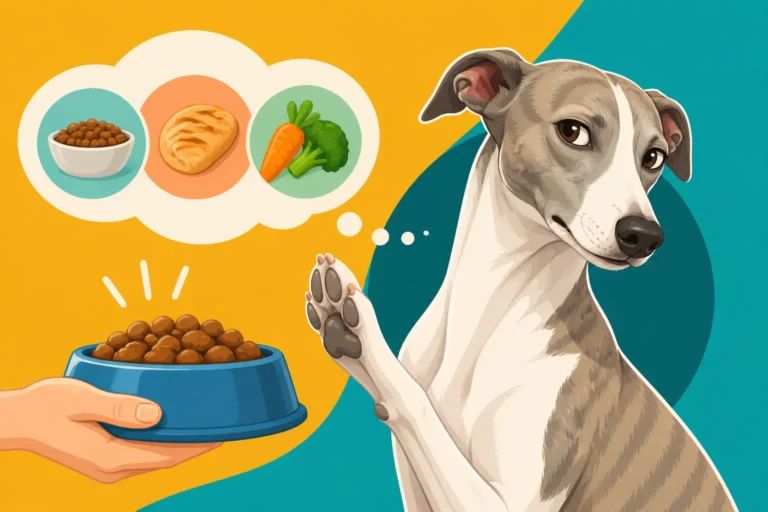
Some Whippets can also be notoriously picky eaters, which can make it a challenge to ensure they consume enough. Why a Whippet Is a Picky Eater can be a frustrating puzzle for owners. They might turn their nose up at certain kibbles, or suddenly decide their favorite food is no longer appealing. Trying different food textures, warming their meals slightly to enhance the aroma Warming Food to Get a Whippet Eating, or adding a palatable topper can sometimes encourage them to eat. Many owners find success experimenting with different brands available at pet stores like Chewy or even fresh food options like Ollie, to find something their discerning Whippet truly enjoys.
It’s also worth reviewing how often you’re feeding them. While most adult dogs do well on two meals a day, some thinner or very active Whippets might benefit from three smaller meals to maximize nutrient absorption and prevent their system from feeling overwhelmed by a large single portion. Consistency in feeding times can also help establish a routine and encourage a healthy appetite.
Underlying Health Issues
If your Whippet is genuinely losing weight or struggling to gain condition despite adequate food intake, an underlying health issue is a strong possibility and warrants immediate veterinary attention. Many medical conditions can manifest as weight loss, and it's important to rule these out early. Parasites, both internal (worms) and external (fleas, ticks), can sap nutrients and cause a decline in condition. A routine fecal test and proper parasite prevention are good starting points.
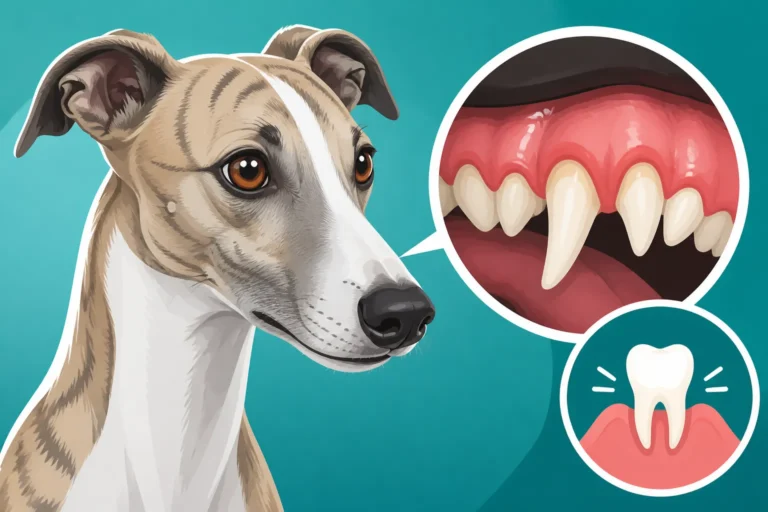
Dental disease is another silent culprit that can lead to weight loss. If your Whippet has painful teeth, gum disease, or a broken tooth, eating can become uncomfortable or even impossible. This can cause them to eat less or avoid certain foods, leading to a gradual decline in weight. Teeth Are the Whippet Problem That Sneaks Up more often than owners realize. Regular dental checks and preventative care are essential.
More serious conditions can also cause unexplained weight loss. Metabolic disorders, certain organ diseases (like kidney or liver issues), and even some forms of cancer can all present with a loss of appetite and condition. While relatively uncommon in Whippets, thyroid issues can also play a role, as Why a Whippet's Thyroid Reading Runs Low can impact metabolism, though true hypothyroidism requiring treatment is rare in the breed. If your Whippet's weight loss is sudden, accompanied by changes in energy, thirst, urination, or stool, or if they seem generally unwell, don't hesitate to schedule a thorough veterinary examination. A sighthound-savvy vet is always a bonus, as they understand the breed's unique physiology and typical bloodwork values. What a Sighthound Vet Costs Over a Whippet's Life might seem like a lot, but early diagnosis can save money and heartache in the long run.
Strategies for Safely Gaining Weight (If Needed)
Once you've determined, ideally with veterinary input, that your Whippet is genuinely too thin and needs to gain weight, it's important to approach this process thoughtfully and gradually. Rapid weight gain can put undue stress on their system, and you want to ensure any changes are sustainable and healthy. The goal is to build healthy muscle and a slight, protective layer of fat, not to make them "fat."
Consulting Your Veterinarian First
Before making any significant changes to your Whippet's diet or lifestyle to promote weight gain, the absolute first step is a visit to your veterinarian. This is non-negotiable. Your vet can perform a comprehensive examination, run any necessary diagnostic tests (bloodwork, fecal exams, dental check-ups), and rule out any underlying medical conditions that might be causing the weight loss. Without addressing potential health issues, simply feeding more might not be effective and could even exacerbate certain problems.
Your vet will also be able to give you an objective assessment of your Whippet's current body condition score and advise on a healthy target weight or BCS. They can confirm What a Vet Says About a Whippet's Weight and offer tailored advice based on your individual dog's health, age, and activity level. If you have a veterinarian who has experience with sighthounds, that's a huge advantage, as they are already familiar with the breed's unique metabolic profile and ideal physique. If not, don't be afraid to educate them or seek out a vet who does understand sighthounds; Whether a Whippet Needs a Vet Who Knows Sighthounds is a question many owners ponder, and often, the answer is yes, specialized knowledge is beneficial.
Once any underlying medical conditions are ruled out or managed, your vet can help you formulate a safe and effective weight gain plan. This might include recommendations for specific types of food, supplements, or a feeding schedule that will best support your Whippet's needs without compromising their delicate digestive system.
Adjusting Diet and Feeding Practices
If your vet gives the green light, the next step is to carefully adjust your Whippet's diet to increase their caloric intake. This doesn't necessarily mean just feeding more of their current food, but rather focusing on increasing the calorie density of their meals. Look for foods that are higher in healthy fats and protein, as these provide more energy per serving and help build muscle mass. Whether a Whippet Needs a High Fat Diet or Whether a Whippet Needs More Protein are common considerations, especially for very active or underweight dogs. Performance-formula dog foods, often found on platforms like Chewy or Amazon, are designed for active dogs and can be a good option for a Whippet needing to gain weight.
Consider increasing the frequency of meals rather than just the portion size. Instead of two large meals, try three or even four smaller meals throughout the day. This can be easier on their digestive system and allow for better absorption of nutrients. How Many Meals a Day a Whippet Needs can vary for different life stages and energy levels. For puppies, it’s always more frequent, but for adults, it often needs adjustment for weight gain.
You might also explore different types of food. Some Whippets thrive on fresh food diets, like those offered by Ollie, which can be highly palatable and nutrient-dense. Others do well on raw diets Whether a Whippet Can Be Fed Raw, though this should always be approached with careful research and veterinary guidance. High-quality wet food can also add extra calories and moisture. Whatever you choose, make changes gradually to avoid upsetting your Whippet's stomach, as Whether a Whippet Has a Sensitive Stomach is a concern for some. Slowly mix the new food with their old food over several days or even a week to allow their system to adjust. Toppers like plain cooked chicken, cottage cheese, or a high-calorie supplement can also provide an extra boost.
Monitoring and Long-Term Care
Helping a Whippet gain weight, or simply maintain their ideal lean condition, is an ongoing process that requires consistent attention and adaptability. It's not a one-time fix but a commitment to understanding and meeting their unique needs throughout their life.
Consistent Monitoring and Adjustments
Once you've started a weight gain plan, consistent monitoring is key to ensuring it's working effectively and that you're not overshooting the mark. Don't rely solely on visual cues; weighing your Whippet regularly (perhaps once a week initially, then monthly) can provide objective data on their progress. You can use a bathroom scale by weighing yourself, then weighing yourself holding your Whippet, and subtracting the difference. Continuously perform the hands-on body condition score assessment to feel for changes in muscle mass and fat cover. Remember, the goal is a healthy, lean physique, not a padded one.
Keep a journal of your Whippet's food intake, any supplements given, their weight, and their activity levels. This can help you identify what's working and what isn't. If they hit a plateau, or if they start gaining too quickly, you'll have the data to make informed adjustments. For example, if you notice they are gaining weight but their energy levels are low, it might suggest the quality of the calories isn't right, or there could be an underlying issue that needs revisiting with your vet.
Patience is incredibly important. Weight gain in a healthy manner is often a slow and steady process. Dramatic overnight changes are rarely healthy or sustainable. Celebrate small victories, like a half-pound gain over a few weeks, and understand that their metabolism and activity levels will fluctuate, requiring you to remain flexible with their diet and care.
Creating a Supportive Environment
Beyond diet, creating a supportive and comfortable environment plays a significant role in a Whippet's overall well-being and their ability to maintain a healthy weight. Stress, for example, can impact appetite and digestion, so ensuring your Whippet feels secure and calm in their home environment is paramount. A predictable routine, consistent positive interactions, and a quiet place to retreat can all contribute to reducing stress.
While a Whippet needs exercise to maintain their superb muscle tone, it's a balance. For a genuinely underweight Whippet, excessive, high-intensity exercise could burn too many calories, making weight gain harder. Focus on moderate, enjoyable activity that builds and maintains muscle without causing too much caloric deficit. Daily walks, gentle playtime, and short sprints in a safe, enclosed area are usually sufficient. As they gain weight and strength, their exercise regimen can be gradually increased.
Finally, remember their need for comfort. Because Whippets have so little body fat, they are prone to developing pressure sores on bony prominences like elbows, hips, and hocks if they frequently lie on hard surfaces. This is especially true for an underweight Whippet who has even less natural padding. Ensure they have soft, well-padded beds available in every room they frequent. Memory foam beds or even extra blankets can make a huge difference. You can find a wide variety of suitable, comfortable beds on platforms like Amazon or Chewy. Providing ample soft bedding is not just about spoiling them; it's a critical part of The Pressure Sores a Whippet Gets From Sleeping on the Floor and preventing discomfort. A truly comfortable Whippet is often a healthier, happier Whippet, better able to utilize the nutrients they consume.
Disclaimer
This article is for general informational purposes only and does not constitute professional advice. Laws, prices and regulations vary by location and change over time. Consult a qualified professional for guidance on your specific situation.