Bully Whippet Syndrome and the Myostatin Gene Behind It
It can be quite alarming and confusing when you first hear the term "Bully Whippet" or stumble upon images of a Whippet with an exceptionally muscular build, far beyond what you typically expect from our elegant sighthounds. Many owners and prospective owners worry about what this means for health, temperament, and quality of life. This comprehensive guide will unravel the mystery of Bully Whippet Syndrome, delving into the fascinating science of the myostatin gene and providing clear, empathetic information to help you understand this unique genetic variation in our beloved Whippets.
What Exactly Is Bully Whippet Syndrome?
The term "Bully Whippet Syndrome" often conjures images of an unhealthy or artificially altered dog, but it's actually a naturally occurring genetic phenomenon within the Whippet breed. It describes Whippets with an unusually high degree of muscle mass, giving them a much more robust and "bully" appearance than the sleek, slender Whippet we've all come to know and adore. This isn't a disease or a condition in the traditional sense, but rather a profound physical manifestation of a specific genetic mutation.
The Myostatin Gene and Its Role
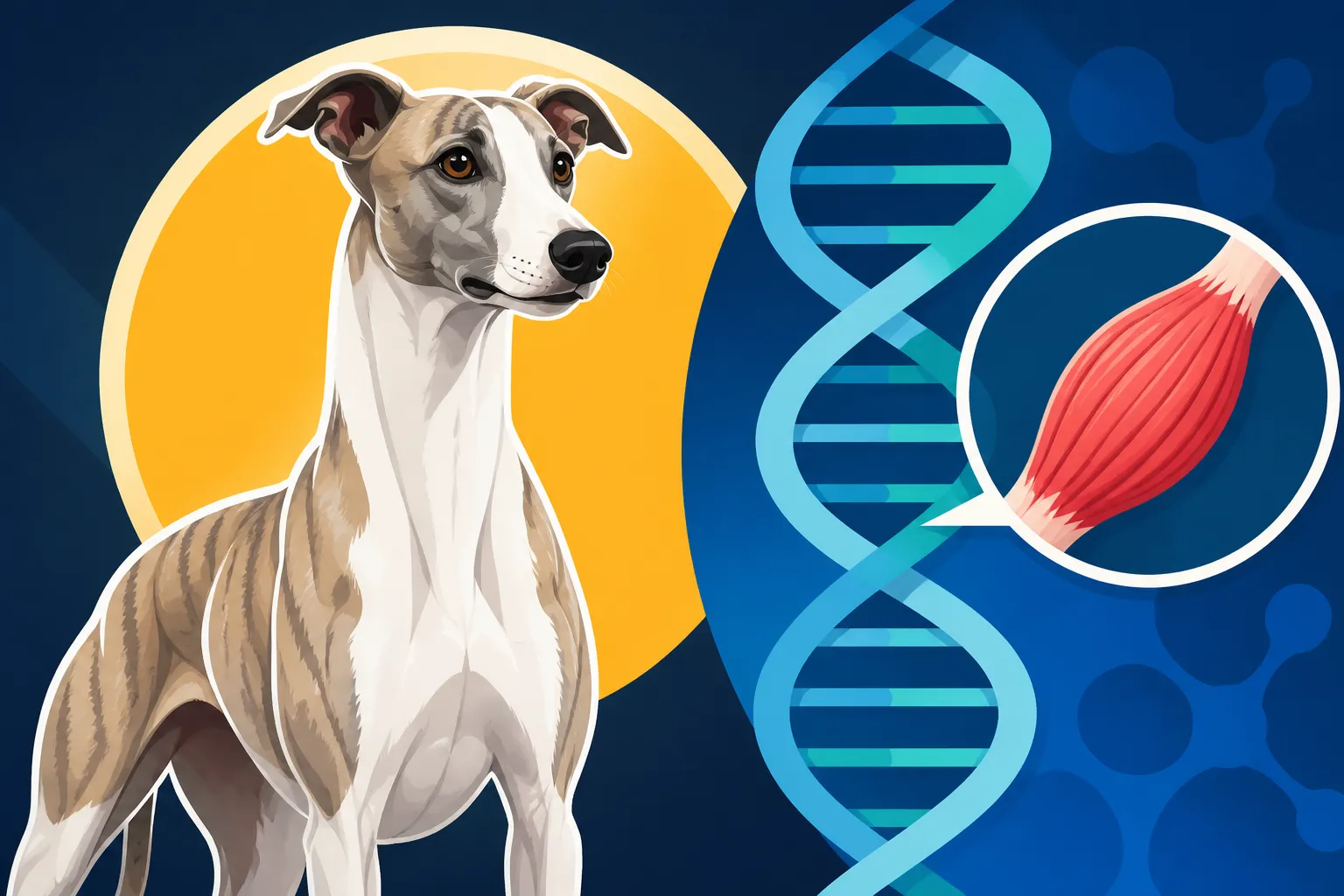
At the heart of Bully Whippet Syndrome lies a single, fascinating gene: myostatin. Myostatin is a protein that plays a crucial role in regulating muscle growth across many species, including dogs and humans. Think of it as a natural brake on muscle development. Its job is to tell the body, "Okay, that's enough muscle; let's not overdo it." However, in some Whippets, a particular mutation in the myostatin gene, often referred to as the "bully gene," causes this brake to malfunction or be significantly weakened.
When the myostatin gene isn't working as it should, the body loses that crucial "stop" signal for muscle growth. This allows for unchecked or greatly enhanced muscle development, leading to the incredibly muscled physique characteristic of a Bully Whippet. It's a prime example of how a tiny change at the genetic level can have such a dramatic and visible impact on an animal's physical form. This genetic quirk is why we see such extremes in muscling, from the ultra-lean to the distinctly powerful. To really understand the mechanics, it helps to delve into What Myostatin Does in a Whippet.
Understanding the "Bully" Appearance
A Bully Whippet stands out immediately. Their muscles aren't just well-defined; they are hypertrophied, meaning they are significantly enlarged. You'll often see bulging biceps, triceps, and thigh muscles, particularly in the hindquarters, chest, and neck. Their entire silhouette changes from the archetypal delicate sighthound to a compact powerhouse. This extreme musculature can make their head seem smaller in proportion to their body and their skin appear tighter over their rippling physique.
It's important to recognize that this appearance, while striking, is a direct result of their genetics, not selective breeding for an exaggerated look or any form of artificial enhancement. For a deeper understanding of what these dogs look like, you might explore What a Bully Whippet Looks Like at Birth and The Age a Bully Whippet's Muscling Shows. Owners might be surprised at how common this mutation is, which is covered in How Common the Bully Whippet Mutation Is.
Distinguishing from Normal Whippet Muscling
Whippets are naturally athletic and lean dogs, even without the myostatin mutation. They have a distinct, elegant musculature that is built for speed and agility. You can typically see their ribs and feel their prominent hip bones, and their muscles are long, sinewy, and streamlined. This normal musculature allows them to accelerate rapidly and reach impressive speeds, a testament to their heritage as coursing dogs.
In contrast, a Bully Whippet’s musculature is dense, rounded, and significantly more pronounced. Where a regular Whippet's muscles would appear long and fluid, a Bully Whippet's muscles are thick and blocky. It’s not just a matter of being "more muscled"; it’s a different kind of muscle development. The normal, healthy Whippet carries enough muscle to be incredibly fast and powerful, but it's integrated into a lightweight, aerodynamic frame. The Bully Whippet, on the other hand, carries so much extra muscle that their overall build is fundamentally altered, often making them less agile and prone to certain physical challenges, which we'll discuss further.
The Genetics Behind the Muscle: Myostatin Mutations
Understanding the myostatin gene isn't just about curiosity; it's vital for responsible breeding and for managing the health of these unique Whippets. The mutation is surprisingly straightforward in its inheritance pattern, following basic Mendelian genetics. This means we can predict how it will be passed down and what effects it will have based on the genetic makeup of the parents.
How a Single Gene Affects Muscle Growth
The myostatin gene (MSTN) provides instructions for making the myostatin protein. As mentioned, this protein acts as a negative regulator of muscle growth. It slows down or stops the proliferation of muscle cells. When a Whippet inherits a mutated version of this gene, its body either produces a non-functional myostatin protein or doesn't produce enough of it. Without this "brake" on muscle development, muscle cells continue to multiply and grow larger than they normally would.
This isn't an overnight process; the increased musculature becomes more apparent as the dog matures. The mutation essentially unlocks the body's potential for extreme muscle growth by removing the natural biological limit. This explains why such a specific look can emerge so consistently when the mutation is present. It’s not about adding something; it’s about removing a natural inhibitor.
The Three Genotypes: N/N, N/M, M/M
There are three possible genetic combinations, or genotypes, a Whippet can have regarding the myostatin gene, and each results in a distinct phenotype (the observable physical traits). These are represented by 'N' for the normal gene copy and 'M' for the mutated "bully" gene copy.
- N/N (Normal/Normal): These Whippets have two copies of the normal myostatin gene. They produce functional myostatin, which correctly regulates their muscle growth. These are your typical, elegant Whippets with their characteristic lean, athletic build. They are incredibly fast and agile, embodying the classic sighthound physique.
- N/M (Normal/Mutant): These Whippets are carriers of the myostatin mutation, meaning they have one normal copy and one mutated copy. They produce some functional myostatin, so their muscle growth is still somewhat regulated. However, the presence of one mutated copy often leads to what is sometimes called the "sprinter" or "athlete" phenotype. They are often more muscular than N/N Whippets, with exceptional speed and power, without the extreme "bully" appearance. Many successful racing Whippets fall into this category, as one copy of the mutation provides a significant performance advantage. Why One Copy of the Bully Gene Makes a Whippet Faster explains this further.
- M/M (Mutant/Mutant): These Whippets have two copies of the mutated myostatin gene. They produce little to no functional myostatin, leading to the extreme muscle hypertrophy that defines Bully Whippet Syndrome. These are the dogs with the pronounced, bulging muscles that are undeniably different from typical Whippets. Their bodies essentially have no "off switch" for muscle growth. For more on the effect of two copies, see What Two Copies Do to a Whippet.
This table provides a quick overview of the genotypes:
| Genotype | Myostatin Function | Appearance | Athletic Performance | Health Considerations |
|---|---|---|---|---|
| N/N | Normal | Typical lean, athletic Whippet | Excellent speed/agility | Generally robust |
| N/M | Reduced | More muscular than N/N, still elegant | Often enhanced speed/power | Generally robust |
| M/M | Minimal/None | Extreme muscle hypertrophy, "bully" appearance | Often reduced agility/stamina | Prone to muscle cramping, potential other issues |
Inheritance Patterns and Breeding Considerations
The myostatin mutation is inherited in an autosomal recessive manner when considering the "bully" phenotype. This means that for a Whippet to display the extreme "bully" musculature (M/M), it must inherit a mutated copy from both parents. If a Whippet only inherits one mutated copy (N/M), it will be a carrier and might have enhanced athletic performance but won't look like a "Bully."
Here’s how it typically works in breeding:
- N/N x N/N: All puppies will be N/N (normal).
- N/N x N/M: Approximately 50% N/N, 50% N/M (carriers). No "bully" puppies.
- N/M x N/M: Approximately 25% N/N, 50% N/M, 25% M/M ("bully" puppies). This is where the extreme musculature can unexpectedly appear.
- N/N x M/M: All puppies will be N/M (carriers). No "bully" puppies.
- N/M x M/M: Approximately 50% N/M, 50% M/M ("bully" puppies).
- M/M x M/M: All puppies will be M/M ("bully" puppies).
Understanding these patterns is crucial for breeders, especially those who aim to selectively breed for the "sprinter" phenotype (N/M) for racing purposes while trying to avoid producing M/M "bully" Whippets due to potential health concerns. Some breeders actively test for this, as discussed in Whether Whippet Breeders Test for Myostatin. The decision to breed two carrier Whippets together is a significant one, explored further in Whether Two Carrier Whippets Should Be Bred Together.
The "Bully" Whippet M/M: What to Expect
When a Whippet has two copies of the mutated myostatin gene (M/M), their physical development is drastically different from a standard Whippet. While visually striking, this extreme musculature isn't without its considerations for their health and lifestyle. It's not about an inherently "bad" dog, but one that simply requires a deeper understanding of its unique needs.
Distinctive Physical Characteristics
The most obvious trait of an M/M Bully Whippet is their extraordinary muscle mass. Their bodies are dense with muscle, particularly noticeable in the hindquarters, shoulders, and neck. Their chests are typically broad and deep, and their legs, though still relatively slender for their extreme build, are heavily muscled. Their heads might appear smaller in comparison to their bulkier bodies, and their expressions can sometimes seem intense due to the tightness of their facial muscles.
Beyond the visible muscles, M/M Whippets can also exhibit some other unique physical traits. Their gait might be different, sometimes appearing more lumbering or less fluid than the graceful stride of a typical Whippet, simply because of the sheer volume of muscle they carry. This can affect their natural agility and flexibility, which are hallmarks of the breed. It’s a very specialized body type that diverges significantly from the traditional Whippet standard.
Health Implications and Quality of Life
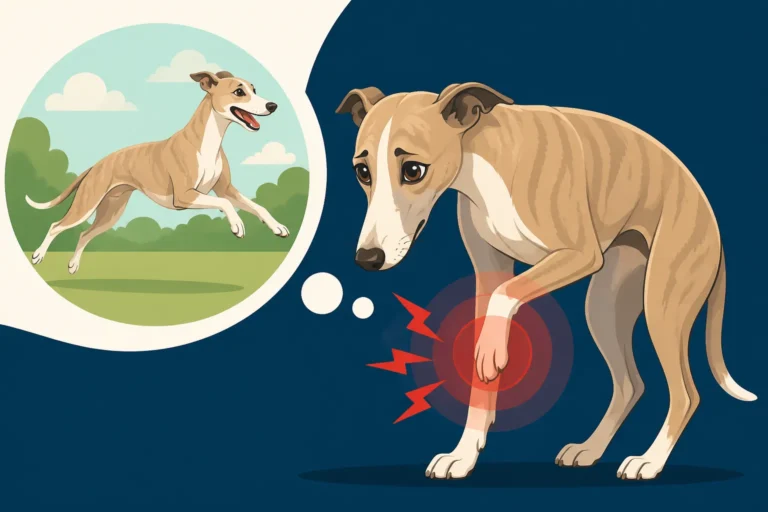
While M/M Whippets can lead full and happy lives, their extreme musculature does come with certain health considerations that owners need to be aware of. The most common issue reported is muscle cramping. Imagine having muscles so large that they frequently spasm or seize up, especially after exertion or even just stretching. This can be painful and can limit their ability to enjoy typical Whippet activities. This phenomenon, known as exercise-induced collapse or cramping, is a real concern for these dogs, and the reasons behind it are discussed in Why a Bully Whippet Cramps.
Additionally, the sheer bulk of their muscles can place extra strain on their joints, ligaments, and tendons over time. While Whippets are generally a hardy breed, an M/M Whippet might be more susceptible to orthopedic issues or injuries if their activity isn't carefully managed. Some M/M Whippets may also have jaw problems due to their altered muscle structure, which can sometimes impact their ability to chew comfortably, as detailed in The Jaw Problems a Bully Whippet Develops. While their lifespan can be normal, understanding Whether a Bully Whippet Lives a Normal Life is key. Planning for these potential health needs is why many owners consider pet insurance from providers like Healthy Paws.
Exercise and Dietary Needs for M/M Whippets
Given their unique physiology, M/M Bully Whippets require a carefully tailored approach to exercise and diet. Intense, prolonged bursts of activity, while natural for many Whippets, can easily lead to muscle cramping in an M/M individual. Instead, shorter, more controlled play sessions and regular, moderate walks are usually more appropriate. Monitoring them closely during any physical activity and ensuring they have plenty of opportunities to rest is crucial. They are still sighthounds and love to run, but their bodies might not handle the same type of vigorous exercise as an N/N or N/M Whippet.
In terms of diet, M/M Whippets don't necessarily need a radically different diet, but their caloric intake might need careful adjustment. While they have more muscle, their overall activity levels might be lower due to cramping, meaning they might not require significantly more calories than a typical Whippet. Providing a high-quality, balanced diet that supports muscle health and recovery, without encouraging excess weight, is important. Always consult with your veterinarian to establish the best nutritional plan, taking into account their individual activity levels and any health concerns.
The Carrier Whippet N/M: The "Speed Gene"
Perhaps one of the most intriguing aspects of the myostatin gene in Whippets is its effect on carriers (N/M). These Whippets possess one normal copy and one mutated copy of the gene. Unlike their M/M counterparts, they don't exhibit the extreme "bully" phenotype. Instead, they often embody the pinnacle of athletic performance, making them highly prized in the world of dog sports.
Enhanced Athletic Performance
N/M Whippets are often referred to as having the "speed gene." The single copy of the mutated myostatin gene allows for slightly increased muscle growth and density compared to N/N Whippets, but without the detrimental effects of the full M/M expression. This subtle increase in muscle mass, combined with the Whippet's naturally aerodynamic and athletic build, results in dogs that are exceptionally fast, powerful, and agile. They frequently outperform N/N Whippets on the race track and in lure coursing events.
This enhanced athletic prowess is why the N/M genotype is highly sought after by those involved in competitive Whippet sports. These dogs retain the classic Whippet elegance and grace but with an undeniable boost in strength and acceleration. It's a genetic sweet spot where the benefits of increased muscle mass are maximized without the drawbacks of too much bulk. For many, Why a Carrier Whippet Runs Faster is fascinating, and it directly correlates with Whether Racing Whippets Are Selected for the Carrier Gene.
Normal Appearance and Temperament
One of the most important distinctions is that N/M carrier Whippets typically look and act like perfectly normal Whippets. They have the lean, refined appearance, the characteristic "roach" over their loin, and the deep chest that defines the breed standard. You wouldn't look at an N/M Whippet and assume they carry a genetic mutation for extreme muscle growth. Their musculature is simply a bit more developed and defined than an N/N Whippet, giving them a powerful look without being "bully."
Their temperament is also that of a typical Whippet: generally gentle, affectionate, and intelligent, with a strong prey drive. They are just as capable of being loving couch potatoes indoors as they are of tearing across a field at top speed. This makes them excellent companions for active families who appreciate their athletic capabilities without the specialized care needs of an M/M individual.
Breeding Carriers: Ethical Considerations
While N/M Whippets are often stellar athletes and make wonderful pets, breeding them responsibly requires careful consideration. When two N/M carriers are bred together, there's a 25% chance of producing M/M "bully" puppies in the litter. This outcome can be challenging for breeders and owners, as M/M Whippets can face health issues and may not fit the traditional Whippet standard.
Many responsible breeders will test their breeding stock for the myostatin gene to ensure they understand the potential outcomes of their pairings. They might choose to avoid breeding two N/M carriers together to prevent the possibility of M/M puppies, especially if their goal is to produce show or pet Whippets that conform strictly to the breed standard. However, some performance breeders might knowingly breed N/M x N/M to increase the chances of producing more N/M "sprinter" Whippets, accepting the 25% risk of M/M puppies and ensuring plans are in place for their placement and care. It’s a complex ethical decision, balancing performance goals with welfare. Insurance options like Healthy Paws can be particularly valuable for any unexpected vet costs associated with M/M puppies.
Identifying the Myostatin Mutation: Testing Your Whippet
For owners and breeders alike, understanding the genetic status of a Whippet can be incredibly valuable. Thankfully, a reliable DNA test exists to identify the myostatin mutation, providing clear answers and guiding responsible decision-making.
The DNA Test: Process and Availability
The myostatin DNA test is a straightforward and non-invasive procedure. It typically involves collecting a cheek swab from your Whippet, which contains their DNA. This sample is then sent to a specialized genetics laboratory for analysis. The process is quick, painless, and can usually be done at home with a kit provided by the testing company, or sometimes facilitated by your veterinarian.
Several reputable laboratories offer this specific test, making it widely accessible to Whippet owners and breeders around the world. Companies like Embark, Optimal Selection, and often specialty sighthound genetics labs are common choices. You don't need to be a breeder or have a special permit; Whether a Whippet Owner Can Order the Myostatin Test confirms that any owner can order these tests. The cost is generally reasonable, usually falling within the range discussed in What the Myostatin Test Costs on a Whippet, making it an affordable step for peace of mind.
Interpreting Test Results
Once your Whippet's sample is analyzed, the lab will provide a report indicating their myostatin genotype: N/N, N/M, or M/M.
- N/N: Your Whippet has two normal copies of the myostatin gene. They will have the typical Whippet physique and will not pass on the mutated gene to any offspring.
- N/M: Your Whippet is a carrier. They have one normal and one mutated copy. They will likely exhibit enhanced athleticism but will not have the extreme "bully" appearance. They can pass the mutated gene on to approximately 50% of their offspring.
- M/M: Your Whippet has two mutated copies. They are a "Bully Whippet" with extreme muscle hypertrophy. They will pass one mutated copy of the gene to 100% of their offspring.
Understanding these results allows owners to anticipate their dog's potential physical development and, for breeders, to make informed choices about pairing decisions to manage the presence of the mutation within their lines.
When and Why to Test Your Whippet
There are several compelling reasons to consider testing your Whippet for the myostatin gene:
- For Prospective Buyers: If you're looking for a Whippet puppy, especially from racing lines, knowing the myostatin status of the parents (and ideally the puppy itself) can give you insight into its potential athletic ability and appearance.
- For Breeders: Testing breeding stock is crucial for responsible breeding programs. It allows breeders to make informed decisions about pairings, whether they aim to enhance athletic performance (N/M) while avoiding the M/M phenotype, or simply to ensure they understand the genetic makeup of their puppies.
- For Owners of M/M Whippets: If you have an M/M Bully Whippet, knowing their genetic status confirms the cause of their unique physique and can help you better understand their exercise needs and potential health considerations, like cramping.
- For Peace of Mind: For any Whippet owner, knowing your dog's myostatin status can simply satisfy curiosity and contribute to a deeper understanding of your individual dog's unique traits.
Testing removes the guesswork and provides concrete data, empowering owners and breeders to make the best decisions for their Whippets.
Living with a Myostatin-Affected Whippet
Bringing any Whippet into your home is a joy, but living with a myostatin-affected Whippet, particularly an M/M "Bully," requires a tailored approach. These dogs are still wonderfully affectionate and sensitive, but their physical differences mean you might need to adjust your expectations and care routines slightly.
Daily Care and Management
For N/M carrier Whippets, daily care generally mirrors that of any other Whippet. They thrive on regular exercise, mental stimulation, and plenty of cozy spots to nap. Their enhanced athleticism means they might excel in activities like Fast CAT or lure coursing, truly living up to the "forty mile an hour couch potato" moniker. You'll still need to be diligent about their recall, as Thirty Five Miles an Hour and No Brakes on a Whippet's Recall is true for all Whippets.
For M/M "Bully" Whippets, daily management is a bit more nuanced. Due to their propensity for muscle cramping, very intense or prolonged exercise sessions should be avoided. Instead, focus on moderate, consistent activity. Short, brisk walks, gentle play, and opportunities to stretch are more beneficial. Providing warm-up and cool-down periods before and after activity can also help prevent cramping. Ensuring they have plenty of soft, well-padded beds throughout the house is critical, as their extreme musculature might make lying on hard surfaces uncomfortable. This breed really has The Beds a Whippet Owner Keeps Buying for this reason. Their need for soft bedding is further detailed in The Pressure Sores a Whippet Gets From Sleeping on the Floor.
Veterinary Care and Special Considerations
Regular veterinary check-ups are essential for all Whippets, but M/M Bully Whippets may benefit from a veterinarian who is familiar with sighthound physiology and genetic conditions. While the myostatin mutation itself isn't a disease, its physical manifestations can lead to secondary concerns. Discussing their exercise routine, diet, and any instances of cramping or discomfort with your vet is vital. Your vet can help you create a management plan to minimize these issues and ensure their comfort.
It's also important to ensure your vet understands that the myostatin mutation is a natural, albeit rare, genetic variation, rather than viewing the extreme musculature as a sign of an underlying illness. Awareness of this specific condition can prevent misdiagnoses and ensure appropriate care. While Healthy Paws offers great coverage, it's always wise to discuss potential future health concerns with your vet to budget accordingly. They can advise you on things like Whether a Whippet Should Have a Cardiac Exam or general orthopedic health given the extra muscle mass.
Dispelling Myths and Addressing Concerns
The unique appearance of Bully Whippets has unfortunately led to some misconceptions. They are not "designer dogs" bred for exaggerated traits through unethical means. They are a natural product of genetics, and the mutation existed long before it was widely understood. The marketing of "Bully Whippets as Rare" can sometimes be misleading.
It's crucial to understand that an M/M Whippet is still a loving, sensitive companion. Their physical differences don't diminish their worth as family members. The key is to provide them with appropriate care, respect their physical limitations, and educate others about their unique genetics. They are not aggressive or "dangerous" simply because of their muscular build; their temperament is still very much that of a Whippet. For those considering an M/M Whippet, Whether a Bully Whippet Belongs in a Pet Home explores how they can thrive in the right environment.
The Broader Implications for the Whippet Breed
The discovery and understanding of the myostatin gene mutation have had a ripple effect across the Whippet community, influencing breeding practices, competitive sports, and discussions about the future health and integrity of the breed.
Impact on Breeding Programs and Standards
For breeders, the myostatin test has become another valuable tool in their arsenal, alongside other health screenings. Responsible breeders now consider myostatin status when making pairing decisions. Those breeding for the show ring, which values the elegant, classic Whippet silhouette, often aim to produce N/N puppies or at least avoid M/M puppies. This means carefully managing N/M carriers within their lines, potentially choosing not to breed two carriers together.
Conversely, some breeders focused on performance, particularly for racing, might intentionally breed N/M x N/M knowing the higher probability of producing exceptionally fast N/M offspring. However, they must also be prepared for the 25% chance of M/M puppies and have plans in place for their welfare. This delicate balance between preserving the traditional breed type and optimizing for specific performance traits creates ongoing discussions within the Whippet fancy.
Ethical Debates and Responsible Ownership
The existence of Bully Whippets has sparked important ethical debates. Is it responsible to breed dogs with the M/M genotype, even if they can lead good lives, given the potential for health issues like cramping and the deviation from the breed standard? Should the N/M "speed gene" be actively pursued if it means risking the birth of M/M dogs? These are not easy questions, and different individuals and organizations within the Whippet community hold varying perspectives.
Responsible ownership of any Whippet, especially those with unique genetic traits, means prioritizing their health, comfort, and well-being above all else. This includes providing appropriate exercise, nutrition, veterinary care, and an understanding home environment. It also means advocating for your dog and educating others about their specific needs. Choosing a reputable breeder who openly discusses myostatin status and provides health guarantees is a significant step toward responsible ownership. While a Whippet's expected lifespan is typically The Twelve to Fifteen Years a Whippet Lives, proper care for an M/M Whippet can help ensure they reach that potential.
Future Research and Understanding
Our understanding of the myostatin gene and its effects is constantly evolving. As genetic research progresses, we may discover more nuanced aspects of how this gene influences not just muscle mass but also other physiological traits. Future studies might explore better management strategies for M/M Whippets, refine breeding recommendations, and provide even deeper insights into the complex interplay between genetics and canine health.
Continued research will also help distinguish between the genetic basis for normal athletic prowess and the more extreme expressions of muscle hypertrophy, helping breeders and owners make even more informed choices. The Whippet, with its unique myostatin mutation, serves as a valuable model for genetic studies in muscle biology, potentially offering insights that could benefit other species, including humans.
Disclaimer
Please remember that the information provided in this guide is for educational purposes only and should not replace professional veterinary advice. Always consult with a qualified veterinarian for any health concerns or before making any decisions about your Whippet's care, diet, exercise, or breeding.