Whether Racing Whippets Are Selected for the Carrier Gene
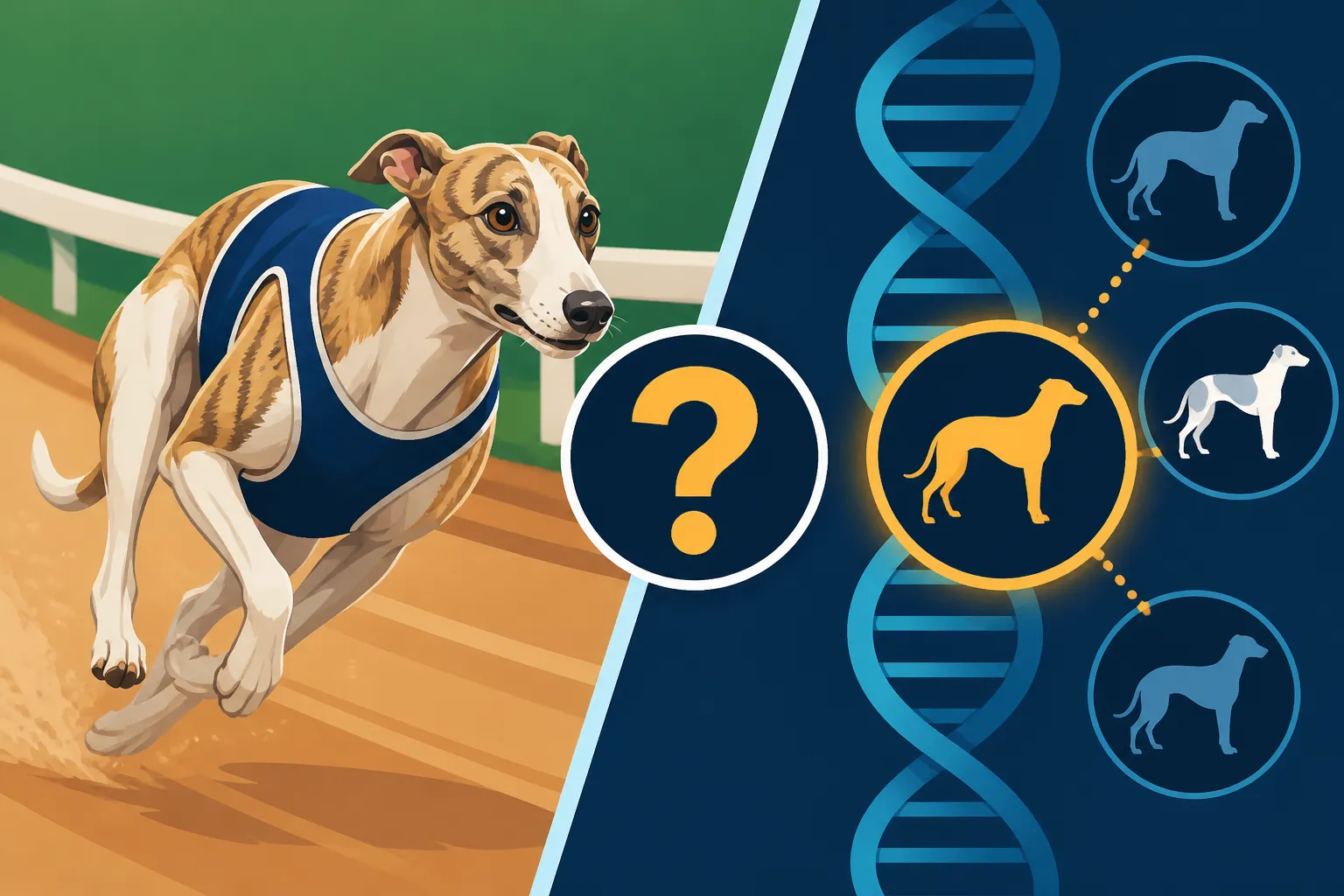
It's a common question for anyone passionate about their Whippet's performance, especially when you see those lean, powerful bodies fly across the track: are racing Whippets specifically bred or selected for carrying that single copy of the myostatin "bully" gene? This question goes right to the heart of genetics, athleticism, and the ethics of breeding, and it's something we absolutely need to explore in depth to understand the nuances of what makes a Whippet a champion racer.
Unpacking the Myostatin Gene in Whippets
Before we can tackle the question of selection, it’s crucial to understand what the myostatin gene is and how it functions in Whippets. This isn't just some abstract scientific concept; it directly impacts the visible musculature and athletic potential of our beloved sighthounds.
The Role of Myostatin in Muscle Development
Myostatin is a protein that plays a critical role in regulating muscle growth. Think of it as a natural brake on muscle development. Its primary job is to prevent muscles from growing too large, ensuring a balanced and controlled physique. In most breeds, and indeed in most animals, myostatin functions normally, keeping muscle mass within typical parameters. This is part of what gives a Whippet its elegant, streamlined form, built for speed rather than bulk.
However, certain genetic mutations can interfere with this regulatory process. In Whippets, there's a specific mutation in the myostatin gene, often referred to as the "bully" gene or the "m" allele. When this mutation is present, the myostatin protein’s ability to inhibit muscle growth is reduced or even eliminated, leading to significant changes in muscle development. It’s a fascinating genetic quirk that truly sets some Whippets apart, physically speaking. You can dive deeper into the mechanics by reading more about What Myostatin Does in a Whippet.
The Three Genetic Possibilities
When it comes to the myostatin gene in Whippets, there are three primary genetic combinations, or genotypes, that a dog can have. Understanding these is fundamental to grasping the concept of a "carrier gene" and its implications. Each Whippet inherits two copies of the myostatin gene, one from each parent.
Firstly, there's the N/N genotype. This means the dog has two normal copies of the myostatin gene. These Whippets will have the typical, graceful, and athletic build we've come to associate with the breed. Their muscle development is regulated as expected, and they are perfectly capable racers, embodying the breed's inherent speed and agility without any genetic "enhancement" of muscle mass. Many champion Whippets fall into this category, proving that natural talent and good conditioning are paramount.
Secondly, we have the N/m genotype. This is what we refer to as the "carrier" gene. A Whippet with this genotype has one normal copy of the myostatin gene and one mutated ("m") copy. These dogs often display increased musculature compared to their N/N counterparts, particularly in the hindquarters and neck. This is because the single normal gene isn't quite enough to fully apply the "brakes" on muscle growth, resulting in a more muscular, powerful build that can be quite striking. This is the genotype that often sparks the most interest among those involved in racing, as it hints at an athletic advantage.
Finally, there's the m/m genotype. These Whippets have two copies of the mutated myostatin gene. This leads to a condition known as "Bully Whippet Syndrome," characterized by dramatically increased muscle mass, often to the point where it alters their typical sighthound conformation. Their physique is exceptionally bulky, sometimes to the detriment of their fluid movement and overall health. While incredibly muscular, these dogs often face health challenges and may not possess the characteristic agility and balanced stride that makes a Whippet an efficient racer. You might wonder What Two Copies Do to a Whippet in terms of overall health and lifestyle.
The Carrier Gene Advantage in Racing Whippets
The N/m, or carrier, genotype is where much of the discussion around racing Whippets truly lies. It's perceived by many as offering a significant advantage, striking a balance between extreme musculature and the agility required for competitive racing.
Enhanced Musculature and Speed
Whippets with the N/m carrier gene often exhibit a noticeable increase in lean muscle mass, particularly in the areas crucial for propulsion and acceleration, such as the hind legs and across the back. This isn't the exaggerated, sometimes cumbersome bulk seen in m/m dogs, but rather a refined, powerful musculature that enhances their natural athletic ability. This extra muscle can translate directly into more explosive power off the starting line and greater top-end speed over short distances. It's often debated Why One Copy of the Bully Gene Makes a Whippet Faster.
For racing, where fractions of a second can determine the winner, any marginal increase in speed or power is highly sought after. These dogs might appear more "filled out" and muscular than a typical N/N Whippet, giving them a formidable presence on the track. Breeders and owners involved in racing are acutely aware of these physical differences, and observations from racing performance often fuel the belief in the carrier gene's benefits. The visual evidence alone, watching these powerful Whippets accelerate, is often compelling enough for enthusiasts.
Selection and Breeding for Performance
Given the observed advantages, it’s not a secret that some breeders and owners actively seek to incorporate the N/m genotype into their racing lines. This selection isn't about creating "designer" dogs, but rather about enhancing the traits that are already highly valued in a performance breed. The aim is to produce Whippets that are naturally gifted athletes, capable of reaching their full potential on the track. This proactive approach to breeding means that testing for the myostatin gene has become a common practice in certain circles. If you're considering breeding, it's worth knowing Whether Whippet Breeders Test for Myostatin and the implications.
The process often involves DNA testing to identify carriers and then strategically pairing them. For example, breeding an N/m carrier with an N/N dog will produce a litter where, on average, half the puppies are N/N and half are N/m, without the risk of producing m/m "bully" Whippets. This allows breeders to increase the chances of having N/m puppies in their litters, hoping to capitalize on the perceived speed advantage. This thoughtful, if somewhat controversial, approach underscores the competitive nature of Whippet racing. Of course, good health insurance, like a plan from Healthy Paws, is always a wise consideration for any dog involved in strenuous activity, regardless of its genetic makeup.
Perceived vs. Proven Advantage
While the anecdotal evidence and visual differences for N/m Whippets are strong, it's important to differentiate between perceived advantages and rigorously proven scientific ones in a real-world racing environment. The truth is, while the extra muscle can certainly contribute to power, racing success is a complex interplay of many factors. Speed isn't just about raw muscle; it's about efficient gait, cardiovascular endurance, psychological drive, and excellent training.
Many top-tier racing Whippets are N/N, proving that phenomenal athletic ability exists independently of the carrier gene. Conversely, not every N/m Whippet is a champion. Factors like conditioning, diet (such as a diet for Feeding a Whippet That Sprints and Then Sleeps), early socialization, and even the dog's mental focus on the day of a race all play a massive role. It's a nuanced discussion, and while the N/m gene might provide a genetic head start in terms of musculature, it's far from the only determinant of a successful racing career. The myostatin test is a valuable tool, but it's just one piece of a much larger puzzle in assessing a Whippet's potential.
Here's a quick look at the myostatin genotypes and their typical characteristics:
| Genotype | Common Name | Muscle Development | Racing Potential (Typical) | Associated Health Concerns |
|---|---|---|---|---|
| N/N | Normal | Typical sighthound | Excellent, balanced speed | None |
| N/m | Carrier | Increased lean | Enhanced power, good speed | None identified |
| m/m | Bully | Significantly increased, often extreme | Variable, may lack agility | Jaw issues, cramping, altered gait |
Ethical Considerations and Breeding Practices
The ability to genetically test for the myostatin gene brings with it a whole host of ethical considerations for breeders and owners. It forces us to think about what we prioritize in our dogs and how we manage the breed's future.
Responsible Breeding and Genetic Health
Any discussion of breeding for specific traits, especially those that confer an athletic advantage, must include a strong emphasis on responsible breeding. The primary goal of any good breeder should always be the health, temperament, and welfare of the dogs. While an N/m carrier might offer a racing advantage, a responsible breeder will also ensure that any breeding pair is clear of other hereditary diseases common in Whippets. This includes screening for conditions like eye disease, cardiac issues such as Mitral Valve Disease in a Whippet, and other genetic predispositions. Comprehensive health testing goes far beyond just myostatin.
Furthermore, a truly responsible breeder will carefully consider temperament. A fast dog that is nervous, unpredictable, or difficult to manage is not a desirable outcome, regardless of its speed. The overall health and soundness of the breed should always take precedence over single-trait selection. Finding reputable breeders who prioritize these broader aspects is crucial. They often have rigorous screening processes and are transparent about their dogs' health histories. Early health care, and having a good pet insurance plan like Healthy Paws, can certainly help owners manage unexpected veterinary costs that can arise even with the best breeding practices.
The Debate Around "Designer Genes"
The focus on the myostatin carrier gene has, inevitably, led to some debate within the Whippet community. Some worry that over-selection for the N/m genotype could lead to a narrowing of the gene pool or an overemphasis on a single trait at the expense of others. There's a fine line between enhancing desirable qualities and inadvertently creating other issues. The myostatin gene is a naturally occurring mutation, but active selection for it brings up questions about the long-term impact on the breed's genetic diversity and overall health.
This isn't to say that breeders shouldn't consider the gene, but rather that it should be one factor among many in a holistic breeding program. The goal should be to produce healthy, happy, and well-adjusted Whippets that also happen to excel in their chosen sport, not simply to produce "fast dogs" at any cost. This involves careful planning, studying pedigrees, and avoiding breeding closely related dogs purely for the myostatin trait. Ultimately, it’s about maintaining the integrity and future well-being of the Whippet breed.
Transparency and Owner Education
For prospective puppy buyers, especially those interested in racing, transparency from breeders is incredibly important. Knowing the myostatin status of a puppy's parents, and even the puppy itself, allows owners to make informed decisions. A good breeder will openly discuss the genetic background of their puppies, including their myostatin status, and explain what each genotype means. They should also provide a solid health guarantee and be available to answer questions about the puppy's development and potential.
Owners, in turn, have a responsibility to educate themselves. Understanding the basics of the myostatin gene, its potential effects, and what to expect from a carrier or non-carrier Whippet is vital. This knowledge empowers owners to provide the best possible care, training, and environment for their dog, whether it's destined for the race track or simply a beloved family pet. Being prepared for any health needs, potentially with the help of a pet insurance provider like Healthy Paws, is also part of being a well-informed owner.
Beyond Genetics: What Truly Makes a Racing Whippet
While the myostatin gene is certainly a fascinating piece of the puzzle, it's far from the only factor that determines a Whippet's success on the race track. A true racing champion is a product of many influences, both genetic and environmental.
Training, Conditioning, and Nutrition
Even the most genetically gifted Whippet won't reach its full potential without proper training and conditioning. This means a carefully structured exercise regimen that builds strength, endurance, and technique without overtaxing a young dog's developing joints. Raising a Whippet Puppy Without Wrecking Its Joints is a crucial consideration during their formative months. Regular, controlled sprints are important, but so is varied exercise that promotes overall fitness and prevents injury. A good trainer understands how to motivate a Whippet and refine its running form.
Nutrition also plays a monumental role. Racing Whippets, with their high metabolism and explosive energy needs, require a high-quality diet tailored to their activity level. This isn't just about calories; it's about the right balance of protein, fats, and carbohydrates, along with essential vitamins and minerals. Hydration is equally critical, especially during and after intense exercise. Just like human athletes, a Whippet's body needs the right fuel to perform at its peak.
Temperament and Drive
You can have all the right genes and the perfect physique, but if a Whippet lacks the internal drive and appropriate temperament, it won't excel in racing. A top racing Whippet needs to be focused, motivated by the lure, and eager to run. They need a strong prey drive, but also the ability to channel that energy into the race itself, ignoring distractions. Some Whippets might be incredibly fast in an open field, but lack the competitive edge or focus required for organized racing events like those seen in Racing a Whippet Under NOTRA for a Season.
Confidence and resilience are also key. Racing can be an intense environment, with unfamiliar people, other dogs, and the excitement of the track. A shy or easily intimidated Whippet might struggle to perform its best, even if physically capable. Early socialization helps build a confident dog that can handle various environments and challenges. The psychological aspect of racing is often underestimated, but it's truly foundational to consistent performance.
Health and Longevity
Finally, underlying health is paramount for any athlete, including a racing Whippet. A dog prone to injuries, with a weak immune system, or struggling with chronic conditions simply won't be able to train or compete effectively. Regular veterinary check-ups, proactive health screenings (including a careful watch on The Bloodwork Numbers That Look Wrong on a Healthy Whippet), and prompt attention to any medical issues are non-negotiable for a racing dog.
Maintaining a Whippet's health throughout its racing career, and into its retirement, is a long-term commitment. This means not just treating illness but actively promoting wellness through appropriate exercise, a balanced diet, and a loving home environment. Even if a Whippet has the N/m gene, its racing potential is ultimately limited by its overall health and how long its body can sustain high-level performance. Having pet insurance, like a plan from Healthy Paws, can provide invaluable support for managing routine care, unexpected injuries, or illnesses that can arise during a Whippet's active life.
Disclaimer
Please remember that the information provided in this guide is for general educational purposes only and should not be considered a substitute for professional veterinary advice. Always consult with a qualified veterinarian or canine genetic expert for any health concerns or before making breeding decisions related to your Whippet.