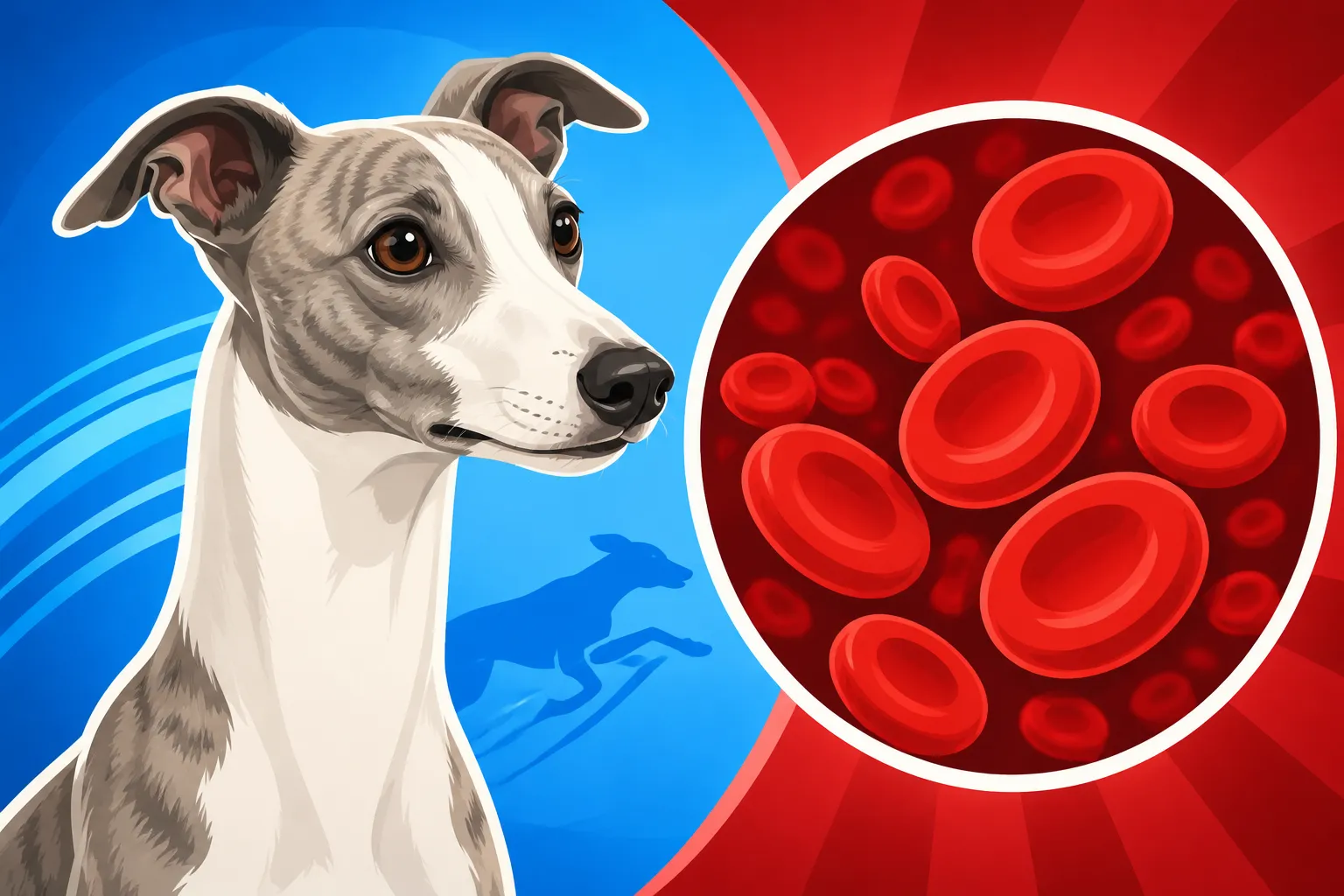
Why a Whippet’s Red Cell Count Runs High
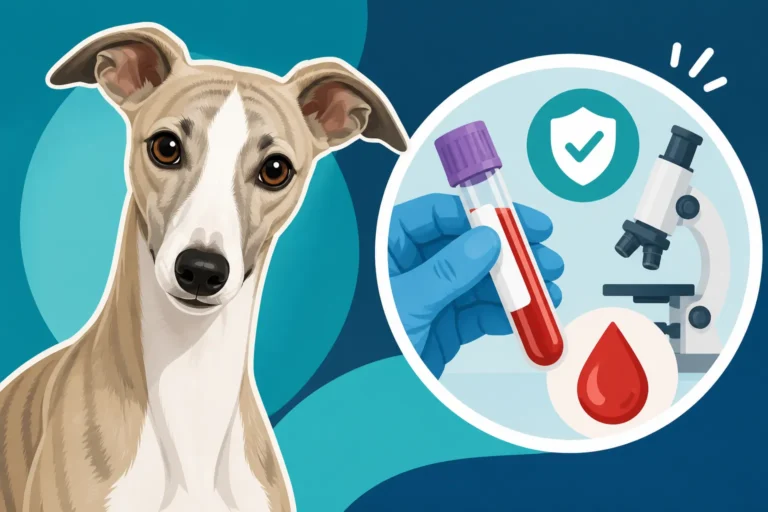
It's incredibly unsettling when you take your beloved Whippet to the vet, eager for a clean bill of health, only to receive a call later about "abnormal" bloodwork. One of the most common findings that can send a ripple of worry through a sighthound owner is a red blood cell count that appears unusually high. This situation can be particularly frustrating because, more often than not, what looks alarming on standard laboratory reports is simply a normal, healthy physiological trait for your Whippet. This guide aims to ease your concerns by thoroughly explaining why Whippets naturally possess higher red blood cell counts and how to interpret these results accurately for your fast, lean companion.
Understanding Red Blood Cells and Their Role
When we talk about bloodwork, especially concerning red blood cells, it’s easy for the jargon to become overwhelming. But understanding the basics of what these tiny cells do and how they’re measured is the first step in appreciating your Whippet’s unique physiology.
The Basics of Red Blood Cell Function
Red blood cells, often abbreviated as RBCs, are absolutely crucial for life. Think of them as tiny, efficient delivery trucks operating within your Whippet's bloodstream. Their primary cargo? Oxygen. These specialized cells contain a protein called hemoglobin, which is responsible for binding to oxygen in the lungs and then releasing it to every single tissue and organ throughout the body. Without an adequate supply of oxygen, cells can't produce the energy they need to function, leading to serious health issues.
For an athletic dog like a Whippet, efficient oxygen transport isn't just important; it's vital for their very nature. Their ability to burst into incredible speeds and maintain short, intense sprints relies heavily on how quickly and effectively their blood can deliver oxygen to their powerful muscles. It's a finely tuned system, perfected over generations, that allows them to perform their characteristic lightning-fast maneuvers and enjoy exhilarating runs.
Hemoglobin, Hematocrit, and Packed Cell Volume (PCV)
When your vet runs blood tests, they're not just looking at a single "red blood cell count." They're examining a suite of related metrics that give a comprehensive picture of your Whippet's red blood cell status.
Hemoglobin (Hgb) measures the actual amount of oxygen-carrying protein within the red blood cells. It's a direct indicator of the blood's oxygen transport capacity. A low hemoglobin count would signify anemia, while a high one suggests the blood is very rich in oxygen-carrying potential.
Hematocrit (HCT), also known as Packed Cell Volume (PCV), is essentially the percentage of red blood cells in the total blood volume. Imagine spinning a blood sample in a centrifuge; the red blood cells separate and settle at the bottom. The height of this red column, expressed as a percentage of the total sample, is the PCV. If you’ve heard your vet mention that a Whippet's packed cell volume looks anemic in reverse (Whether a Whippet's Packed Cell Volume Looks Anemic in Reverse), they are referring to the fact that their PCV is often higher than average, not lower. A high PCV means a greater proportion of the blood is made up of oxygen-carrying cells, suggesting a more efficient system for oxygen delivery. For a sighthound, these values naturally trend higher than in many other breeds.
These metrics are critical because they tell a story about your Whippet's ability to oxygenate its body. When these numbers are elevated, it means the body has a greater capacity for oxygen transport. While for a non-sighthound, this might raise a red flag for a condition called polycythemia, for a Whippet, it often points to a healthy, well-adapted athletic physiology.
Why Sighthounds Are Different: The Athletic Advantage
It's easy to forget that every dog breed, including our beloved Whippets, has been shaped by generations of selective breeding for specific traits, whether that’s working ability, appearance, or temperament. For sighthounds, the driving force behind their physical evolution has always been speed, agility, and the ability to chase prey by sight. This has led to some remarkable and often misunderstood physiological adaptations.
Evolutionary Adaptations for Speed and Endurance
Whippets are truly incredible athletes, built like miniature racing machines. Their sleek, aerodynamic bodies, deep chests, powerful hindquarters, and flexible spines are all designed to unleash bursts of breathtaking speed, sometimes reaching up to 35 miles per hour. This kind of explosive power and the ability to maintain such high speeds, even if for short distances, demands an exceptionally efficient cardiovascular system.
To fuel those powerful muscles during a sprint, oxygen must be delivered at an incredibly rapid rate. If the body can't supply enough oxygen, lactic acid builds up quickly, and the dog fatigues. Sighthounds, including Whippets, have evolved a unique mechanism to maximize oxygen delivery: a naturally higher concentration of red blood cells. This "extra" oxygen-carrying capacity ensures that their muscles get the fuel they need precisely when they need it most, allowing them to excel at pursuits like lure coursing and Fast CAT. This is part of the amazing design that makes a Whippet the "poor man's racehorse."
Sighthound-Specific Red Blood Cell Characteristics
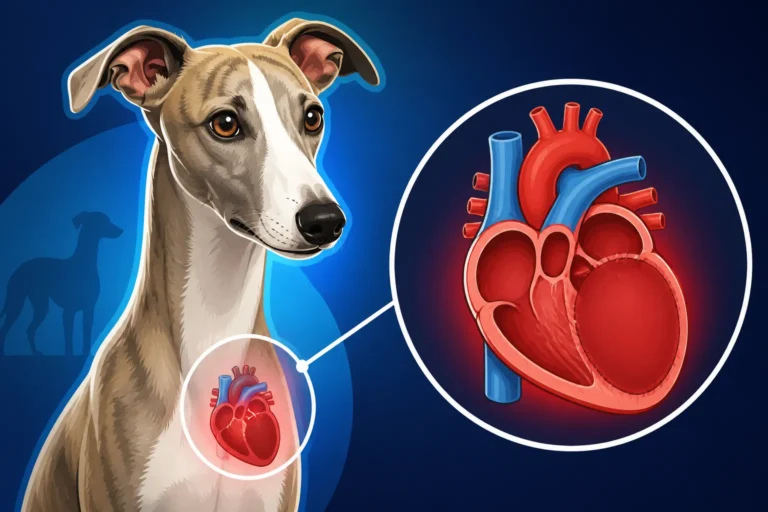
This naturally elevated red blood cell count in sighthounds isn't a sign of disease; it's a physiological adaptation, often referred to as physiological polycythemia. Their bodies are simply primed to have more oxygen carriers circulating in their bloodstream at all times. This is complemented by other sighthound traits, such as their efficient lung capacity and their remarkably large and powerful hearts. If you've ever heard a vet comment on Why a Whippet's Big Heart Is Not a Diagnosis, it's precisely because their hearts are robust and optimized for pumping this rich, oxygenated blood around their athletic bodies.
Beyond the baseline, Whippets also have another trick up their sleeves: a highly efficient spleen. The spleen acts as a reservoir for red blood cells. When a Whippet gets excited or experiences a surge of adrenaline, say during a vet visit or before a run, their spleen can contract and release a significant number of these stored red blood cells into circulation. This temporary increase further boosts their oxygen-carrying capacity, giving them an immediate edge for physical exertion or a flight response. This rapid influx of red blood cells means that a blood test taken when a Whippet is stressed or excited might show an even higher red cell count than their already elevated baseline, adding to the confusion for vets unfamiliar with the breed.
Interpreting "High" Red Cell Counts in Whippets
The core of the problem for many Whippet owners lies in the interpretation of blood test results. What's "normal" for most dogs isn't necessarily normal for a Whippet, and this discrepancy can cause undue alarm if your veterinarian isn't familiar with sighthound physiology.
Standard Lab Ranges vs. Sighthound Norms
One of the most common frustrations Whippet owners face is when a blood panel comes back with several values flagged as "high" or "out of range." This is especially true for red blood cell counts, PCV, and hemoglobin. The reason? Most veterinary diagnostic laboratories use reference ranges that are derived from a general population of dogs, which often includes a vast majority of non-sighthound breeds. These general ranges simply don't account for the unique athletic adaptations of a Whippet.
Imagine trying to fit a finely tuned sports car into the "normal" parameters for a family sedan; it just doesn't quite work. Your Whippet’s body is designed to run faster, breath more efficiently, and circulate blood with a higher oxygen load. Therefore, their baseline values for these parameters will naturally be higher than what's considered average for a Labrador or a Poodle. Without understanding these nuances, a vet might mistakenly interpret these perfectly healthy, breed-typical readings as indicative of a problem, leading to unnecessary anxiety for you and potentially unwarranted further testing or even treatment. This is a classic example of The Bloodwork Numbers That Look Wrong on a Healthy Whippet but are actually quite normal.
Recognizing True Polycythemia in a Whippet
While a naturally high red blood cell count is normal for a Whippet, it's essential to understand that true polycythemia—an abnormally and pathologically high red blood cell count—can still occur and is a serious medical condition. The key is differentiating between your Whippet's normal, physiological adaptation and an actual health issue.
There are two main types of true polycythemia:
- Relative Polycythemia: This is the most common form and is usually due to dehydration. When a dog is dehydrated, the plasma (the fluid part of the blood) volume decreases, making the existing red blood cells appear more concentrated. This gives a falsely elevated PCV or HCT reading. This can often be corrected by simply rehydrating the dog.
- Absolute Polycythemia: This is less common and involves an actual increase in the number of red blood cells. This can be further divided into:
- Primary Polycythemia Vera: A rare bone marrow disorder where the body produces too many red blood cells uncontrollably.
- Secondary Polycythemia: Where an underlying condition stimulates the body to produce more red blood cells. This often happens in response to chronic low oxygen levels (hypoxia), such as with severe heart or lung disease, or sometimes due to kidney tumors producing excess erythropoietin (EPO), the hormone that stimulates red blood cell production.
Symptoms of true, problematic polycythemia can include lethargy, weakness, brick-red or very dark mucous membranes (gums), nosebleeds, increased thirst, and even seizures in severe cases due to "sludgy" blood making circulation difficult. If your Whippet exhibits these clinical signs in addition to an elevated red blood cell count, then further investigation is absolutely warranted. However, if your Whippet is bright, active, and showing no other symptoms, it's far more likely that the "high" reading is just their normal.
Factors That Can Artificially Elevate Counts
Beyond dehydration and true medical conditions, there are several common factors that can cause a temporary, artificial spike in your Whippet's red blood cell count during a vet visit. Understanding these can help you better prepare your dog for blood draws and provide context to your vet.
- Dehydration: As mentioned, if your Whippet hasn't had enough water before their appointment, their blood can become more concentrated, leading to a higher PCV. Always ensure your Whippet is well-hydrated prior to any blood tests.
- Stress and Excitement: This is a big one for sighthounds! Their highly responsive spleens can rapidly release stored red blood cells into circulation when they are anxious, stressed, or excited. A trip to the vet, with all its unfamiliar sights, sounds, and smells, can be a major stressor for many dogs. This surge of adrenaline can cause a significant, temporary bump in their red cell count. If you know your Whippet gets anxious at the vet, discuss strategies with your vet to minimize stress, or consider drawing blood at a calmer time. Knowing Whether a Nervous Whippet Overheats Under Anesthesia shows just how sensitive they can be to stress, making it an important factor in any medical evaluation.
- Recent Strenuous Exercise: If your Whippet had a vigorous run or a Fast CAT session just before their blood draw, their body might still be in an elevated state of oxygen demand and red blood cell production, leading to a higher reading. It's often recommended to ensure your dog is rested and calm before routine blood work.
It's crucial to communicate these factors to your veterinarian when discussing blood results. A good vet will take these environmental and behavioral influences into account when interpreting the numbers, especially for a breed as unique as the Whippet.
The Importance of a Sighthound-Knowledgeable Veterinarian
Finding a veterinarian who truly understands sighthounds isn't always easy, but for Whippet owners, it can make all the difference in avoiding misdiagnoses, unnecessary treatments, and unwarranted worry.
Why Breed-Specific Knowledge Matters
The unique physiology of Whippets and other sighthounds extends beyond just their red blood cell counts. They have different sensitivities to certain medications, particularly anesthetics, as detailed in articles like Why Anesthesia Is Riskier in a Whippet. Their body fat percentage is naturally very low, they have thin skin prone to tears, and their metabolism can differ. Without a solid understanding of these breed-specific traits, a veterinarian might:
- Misinterpret Bloodwork: As discussed, a "high" red blood cell count or other atypical blood values (like a lower-than-average thyroid reading or high creatinine) could be flagged as abnormal when they are perfectly normal for a Whippet, leading to expensive and unnecessary further testing.
- Administer Inappropriate Medication: Some drugs, safe for other breeds, can have adverse effects on sighthounds due to their unique liver metabolism or lower body fat.
- Recommend Unsuitable Care: Advice on diet, exercise, or even surgical protocols might not be optimized for a Whippet's delicate build and athletic needs.
A vet who regularly treats sighthounds will have a completely different lens through which they view your Whippet's health. They will instinctively know that a PCV of 55-60% might be normal for a Whippet, rather than immediately suspecting polycythemia. They'll also be aware of the importance of Whether a Whippet Needs a Vet Who Knows Sighthounds and how to communicate these differences effectively to you.
Advocating for Your Whippet's Unique Physiology
As a Whippet owner, you are your dog's primary advocate. It's empowering to be informed and proactive, especially when it comes to their unique health needs.
Here are some tips for discussing bloodwork and other concerns with your vet:
- Come Prepared: Research your breed! Have a basic understanding of sighthound physiology, including their higher red blood cell counts. There are many reputable resources available from breed clubs and sighthound-specific veterinary groups.
- Ask for Breed-Specific Ranges: Inquire if your veterinary lab offers sighthound-specific reference ranges. Some specialized labs do, and if not, your vet might be able to consult with a pathologist who has expertise in sighthound hematology.
- Discuss Your Whippet's Baseline: If your Whippet is healthy, consider getting baseline bloodwork done early in their life. This provides a personal reference point for what's normal for your individual dog, rather than relying solely on generalized ranges.
- Describe the Context: Explain any stressors before the blood draw (e.g., a nervous trip in the car, an exciting walk, or a particularly anxious moment at the clinic). This context can be invaluable for interpreting results.
- Don't Be Afraid to Get a Second Opinion: If you feel your concerns aren't being adequately addressed or if your vet seems unfamiliar with sighthound peculiarities, it's absolutely okay to seek a second opinion from a vet known for their sighthound expertise. Many sighthound owners travel significant distances to see these specialists. Remember that having robust pet insurance like Healthy Paws can provide peace of mind if you need to consult specialists for complex diagnoses or unique breed-specific care.
- Educate Gently: You might find yourself in a position to gently educate a less experienced vet. Frame it as sharing information about your specific breed's known traits, rather than challenging their expertise.
By being an informed and proactive owner, you can ensure your Whippet receives the most appropriate and accurate veterinary care, minimizing unnecessary stress and maximizing their chances for a long, healthy life.
When a High Count Is a Problem: Underlying Conditions
While a high red blood cell count is often normal for Whippets, it's crucial not to dismiss it entirely without proper evaluation, especially if your dog is showing clinical signs of illness. True, pathological polycythemia can occur, and it's important to understand the potential underlying causes.
Primary Polycythemia Vera
Primary polycythemia vera (PV) is a rare and serious bone marrow disorder where the body produces an excessive amount of red blood cells independently of any external stimulus. Essentially, the bone marrow goes into overdrive. This results in blood that is abnormally thick, or "sludgy," which can impede blood flow to organs, leading to a range of severe symptoms.
Symptoms of PV are generally related to poor circulation and oxygen delivery, despite the high red cell count. These can include:
- Lethargy and weakness
- Stumbling or incoordination
- Disorientation or confusion
- Seizures or other neurological signs
- Blindness
- Abnormal bleeding (e.g., nosebleeds, bruising)
- Dark red or purple mucous membranes (gums, tongue)
- Increased drinking and urination
Diagnosing PV involves a thorough workup to rule out all other causes of secondary polycythemia. This usually includes repeated blood tests, assessment for dehydration, and ruling out cardiac, pulmonary, and renal issues. Treatment for PV typically involves therapeutic phlebotomy (blood removal) to reduce the red blood cell count and thin the blood, as well as medications to suppress bone marrow production. It's a chronic condition requiring lifelong management.
Secondary Polycythemia
Much more commonly, if a high red blood cell count is truly problematic, it's due to secondary polycythemia. This means the body is producing too many red blood cells as a response to an underlying issue. The most frequent causes are conditions that lead to chronic low oxygen levels (hypoxia) or problems with kidney function.
- Heart Disease: Conditions like advanced Mitral Valve Disease in a Whippet or other forms of heart failure can reduce the heart's ability to pump oxygenated blood efficiently throughout the body. The body perceives this as chronic hypoxia and tries to compensate by producing more red blood cells to carry what little oxygen is available. This can be exacerbated if the heart is significantly enlarged, as sometimes seen on an X-ray when vets evaluate Whether a Whippet's Heart Looks Enlarged on X Ray. This compensatory mechanism, while initially helpful, can eventually thicken the blood, putting even more strain on an already struggling heart. Regular cardiac exams can help detect these issues early.
- Lung Disease: Chronic respiratory conditions, such as severe asthma, chronic bronchitis, or pulmonary fibrosis, can impair the lungs' ability to adequately transfer oxygen into the bloodstream. Similar to heart disease, this chronic hypoxia signals the body to produce more red blood cells.
- Kidney Disease/Tumors: The kidneys produce erythropoietin (EPO), a hormone that stimulates red blood cell production in the bone marrow. In rare cases, kidney tumors can produce excessive amounts of EPO, leading to an overproduction of red blood cells. Severe kidney disease, however, usually leads to anemia, not polycythemia, but it’s important to distinguish.
Diagnostic imaging, such as chest X-rays to assess heart and lung health, echocardiograms to evaluate heart function, and abdominal ultrasounds to check kidney health, are crucial steps in identifying the root cause of secondary polycythemia. Addressing the underlying condition is the primary way to manage secondary polycythemia. This comprehensive diagnostic process underscores why having robust pet insurance, such as Healthy Paws, can be incredibly beneficial for covering the costs of thorough veterinary investigations.
Monitoring and Management
If your Whippet is diagnosed with true polycythemia, either primary or secondary, a careful monitoring and management plan will be put in place by your veterinarian.
- Regular Bloodwork: Consistent monitoring of red blood cell counts, PCV, and hemoglobin is essential to track the condition's progression and the effectiveness of treatment.
- Therapeutic Phlebotomy: For primary polycythemia vera, and sometimes for severe secondary cases, regular phlebotomy (removing a specific volume of blood) might be necessary to reduce the red cell count and improve blood viscosity. This brings the PCV down to a safer level, alleviating symptoms and improving circulation.
- Medications: For primary PV, medications that suppress bone marrow production may be prescribed. For secondary polycythemia, the focus is on treating the underlying heart, lung, or kidney disease. This might involve cardiac medications, bronchodilators, or other therapies to improve oxygenation and reduce the body's need to produce excess red blood cells.
- Hydration: Ensuring excellent hydration is always critical, as dehydration can worsen the effects of already thick blood.
- Prognosis: The prognosis for polycythemia varies widely depending on whether it's primary or secondary and how well the underlying cause can be managed. While primary PV is a serious, chronic condition, managing secondary polycythemia often improves significantly once the primary disease is under control. Understanding What Whippets Actually Die Of can put some perspective on how various conditions, including severe heart disease, contribute to overall lifespan.
Proactive Care and Peace of Mind
For responsible Whippet owners, being proactive about health means more than just reacting to problems. It means understanding your dog's unique needs, establishing baselines, and implementing daily habits that contribute to their overall well-being and accurate diagnostic results.
Routine Health Checks and Baselines
One of the best things you can do for your Whippet is to establish a health baseline when they are young and thriving. This involves regular veterinary check-ups and routine bloodwork before any health concerns arise.
- Early Baseline Bloodwork: Ask your vet to perform a comprehensive blood panel when your Whippet is a healthy adult, typically around 1-2 years old. This provides a personal reference point for what is truly "normal" for your individual dog, including their unique red blood cell counts and other sighthound-specific values. When future blood tests are done, especially as they enter their senior years, you'll have a much more accurate comparison than relying solely on generalized lab ranges.
- Annual Wellness Exams: Even if your Whippet seems perfectly healthy, annual veterinary check-ups are vital. These visits allow your vet to monitor changes over time, perform physical examinations, and discuss any subtle shifts in behavior or health that you might have noticed. This is also a good time to ensure your Whippet is up to date on The Health Tests Both Whippet Parents Should Have, reinforcing good breeding practices that contribute to overall breed health.
- Specialized Screenings: As Whippets age, like all breeds, they become more susceptible to certain conditions. Discuss with your vet whether specific screenings, such as Whether a Whippet Should Have a Cardiac Exam for heart health (especially as they approach middle and senior years), might be beneficial. Being proactive about these screenings can help catch potential issues like Mitral Valve Disease Is What Ends Most Old Whippets early, allowing for better management. Keeping an eye on their health contributes greatly to The Twelve to Fifteen Years a Whippet Lives.
Hydration and Stress Reduction
Simple daily practices can go a long way in ensuring your Whippet's overall health and the accuracy of any blood tests. These habits reduce the likelihood of artificially elevated red blood cell counts due to dehydration or stress.
- Consistent Hydration: Always provide access to fresh, clean water. Encourage drinking, especially after exercise or on warm days. Consider adding a little water to their food or offering dog-friendly broths to boost fluid intake. Proper hydration ensures your Whippet's blood volume is optimal, preventing relative polycythemia from dehydration.
- Minimize Vet Visit Stress: Trips to the vet can be incredibly stressful for many dogs, and Whippets are often sensitive souls. The adrenaline surge from anxiety can lead to splenic contraction and elevated red blood cell counts. Talk to your vet about strategies to reduce stress during visits:
- Pre-visit Calming: Ask if mild sedatives or calming supplements are appropriate before a scheduled appointment.
- "Happy Visits": Go to the clinic just for a treat and praise, without any procedures, to create positive associations.
- Muzzle Training: Desensitize your Whippet to wearing a muzzle if needed for procedures, making it less scary if it ever becomes necessary.
- Quiet Times: Inquire if there are quieter times at the clinic for less stressful appointments.
- At-home Blood Draws: In some cases, if your vet offers it, having a blood draw done at home where your Whippet is relaxed can provide a more accurate baseline.
- Comfort Items: Bring a familiar blanket or toy from home to help your Whippet feel more secure.
By integrating these practices into your Whippet's routine, you're not only promoting their physical and emotional well-being but also helping ensure that any future diagnostic tests accurately reflect their true health status, giving you peace of mind.
Disclaimer
The information provided in this article is for educational and informational purposes only and does not constitute veterinary advice. Always consult with a qualified veterinarian for any health concerns or before making any decisions related to your pet's care.