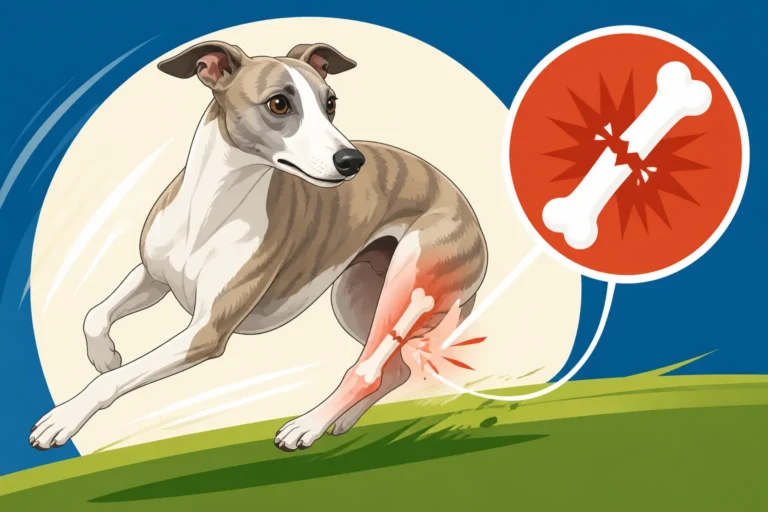
Whether a Bully Whippet Lives a Normal Life
One of the biggest worries for anyone looking into the fascinating world of Whippets, especially when they encounter the term "Bully Whippet," is understanding what kind of life such a dog can truly lead. It’s natural to feel concerned when you hear about genetic mutations causing exaggerated features, and you might wonder if these dogs are destined for a life filled with health struggles or if they can enjoy the playful, zippy existence typical of the breed. This guide aims to clear up those anxieties and provide a comprehensive look at what "normal" means for a Bully Whippet, exploring their health, daily care, and overall well-being.
Understanding the Bully Whippet Phenomenon
The concept of a "Bully Whippet" often conjures up images of an overly muscled, almost caricature-like version of the elegant Whippet we know and love. It’s a striking difference that naturally raises questions and sometimes alarms among prospective owners and even seasoned Whippet enthusiasts. Getting to grips with what truly defines these dogs and the science behind their unique physique is the first step in understanding their potential for a normal, happy life.
What Defines a Bully Whippet
A Bully Whippet isn't just a particularly fit or robust Whippet; it's a specific genetic expression. These dogs exhibit significantly increased muscle mass, particularly across their shoulders, neck, and hindquarters, giving them a more powerful, almost stocky appearance compared to the lean, refined build of a typical Whippet. While an athletic Whippet will certainly have well-defined muscles, a Bully Whippet takes this to an extreme, often looking much larger and more powerful than its breed standard dictates. This unique phenotype is immediately noticeable and is the primary characteristic that distinguishes them. Their heads might appear smaller in proportion to their massively muscled bodies, and their overall silhouette is dramatically altered.
This isn't a condition that arises from diet or exercise, but rather from a very specific genetic mutation. Understanding this genetic basis is crucial because it informs how we approach their care and what kind of life they can realistically lead. The visual impact alone is enough to spark debate, but the true implications lie deeper, within their physiology.
The Myostatin Gene and Its Impact
At the heart of the Bully Whippet phenomenon is a mutation in the myostatin gene, often referred to as the "sprinter gene" or "bully gene." Myostatin is a protein that naturally inhibits muscle growth, acting like a brake on the body's ability to build bulk. When a Whippet inherits two copies of a specific defective myostatin gene, they produce significantly less or even no functional myostatin. Without this natural brake, their muscles grow unchecked, leading to the dramatic hypertrophy seen in Bully Whippets. This is why it's also known as "Bully Whippet Syndrome and the Myostatin Gene Behind It."
It’s important to clarify that there are three possible genetic outcomes related to this gene in Whippets. A dog can have two normal copies, resulting in a typical Whippet build. A dog can have one normal and one mutated copy (a carrier), which often leads to a slightly more muscled, faster Whippet, as explored in "Why One Copy of the Bully Gene Makes a Whippet Faster." Then there's the Bully Whippet, with two mutated copies, which is what we're discussing here and what "What Two Copies Do to a Whippet" delves into. This genetic distinction is vital because the degree of muscularity directly correlates with the number of mutated genes, and thus, the potential health implications.
Misconceptions vs. Reality in Appearance
There's a lot of misunderstanding floating around about Bully Whippets. Many people, upon seeing their incredibly muscled physique, assume they must be incredibly strong, endlessly energetic, or even aggressive. The reality is often quite different from these initial impressions. While their musculature is undeniable, it doesn't automatically translate to superior athletic performance or a tougher temperament. In fact, sometimes, the sheer bulk can be a hindrance rather than an advantage.
The muscular hypertrophy can give them a somewhat cumbersome gait, and they might not have the same effortless grace or explosive acceleration that non-bully Whippets are renowned for. Furthermore, despite their formidable appearance, they typically retain the gentle, affectionate, and somewhat sensitive temperament characteristic of the breed. They're still very much Whippets at heart, albeit ones wrapped in a surprisingly large package. It’s crucial to look past the superficial and understand that their unique appearance is a direct result of biology, not a reflection of an altered personality or necessarily superhuman abilities. They're still couch potatoes who love a good sprint, just a more heavily-built version.
Health Implications of the Bully Whippet Syndrome
The dramatic increase in muscle mass in Bully Whippets isn't just a cosmetic trait; it carries with it a distinct set of health considerations that owners need to be aware of. While many Bully Whippets do live full, happy lives, ignoring these potential issues would be irresponsible. It's about proactive care and understanding the unique physiological challenges they might face.
Muscularity and Potential Physical Limitations
The most obvious health implication revolves around their extreme muscularity itself. While a certain degree of muscle is beneficial, excessive muscle can lead to problems. Their bodies are carrying more bulk than a standard Whippet, which can put extra strain on their joints, ligaments, and tendons. Imagine a smaller frame trying to support a much heavier, more dense structure – it can lead to earlier onset arthritis or increased risk of soft tissue injuries. Owners might notice that their Bully Whippet moves a bit differently, perhaps with less agility or a slightly stiffer gait, especially as they age.
Furthermore, this intense muscle development isn't always perfectly symmetrical or functional. Some Bully Whippets may experience muscle stiffness, cramping, or even pain, particularly after intense exercise. This is a crucial point, and something explored further in "Why a Bully Whippet Cramps." Their immense power can also be a double-edged sword; while capable of incredible bursts of speed, sustained activity might be more challenging due to the metabolic demands of such a large muscle mass. It's not uncommon for these dogs to have a slightly different exercise tolerance compared to their leaner counterparts.
Impact on Breathing and Cardiovascular Health
With great muscle mass comes the need for a robust circulatory and respiratory system to support it. For Bully Whippets, this can sometimes present challenges. Their increased muscle volume can, in some cases, place additional demands on their heart and lungs. While the Whippet breed generally boasts a larger, more efficient heart, often leading vets to mistakenly diagnose an "enlarged heart" on X-rays (a topic covered in "Why a Whippet's Big Heart Is Not a Diagnosis"), the added strain from extreme muscle could theoretically exacerbate any underlying cardiac predispositions.
While direct links between myostatin deficiency and severe cardiovascular disease aren't definitively established to be prevalent across all Bully Whippets, it's wise for owners to be vigilant. Monitoring for signs of exercise intolerance, excessive panting, or unusual fatigue is important. Regular veterinary check-ups that include listening to the heart and assessing respiratory function should be a priority. Ensuring their cardiovascular system is optimally supported can contribute significantly to their long-term health and well-being.
Joint and Skeletal System Concerns
The skeletal frame of a Whippet is designed for lightness and speed, supporting a lean, agile body. When you add the significant muscle mass of a Bully Whippet, you're asking that same skeletal structure to bear a much heavier load. This increased stress can lead to several orthopedic concerns. Joints, particularly the hips, elbows, and stifles (knees), can be more prone to wear and tear, potentially leading to conditions like arthritis at an earlier age than typically seen in the breed. Cartilage can degenerate faster, and the supportive ligaments might be under more constant tension.
Owners also need to be mindful of their puppy's development. Rapid, unchecked growth, coupled with the inherent muscularity, could theoretically impact bone development. While specific studies are ongoing, the general principle applies: a body designed for leanness might struggle with excessive bulk. Additionally, some Bully Whippets have been noted to have certain jaw anomalies or other minor structural issues that might indirectly relate to their rapid, specialized growth. These are the kinds of details that make finding a vet who knows "Whether a Whippet Needs a Vet Who Knows Sighthounds" so important. Proactive joint support, through appropriate nutrition and controlled exercise, is a cornerstone of managing a Bully Whippet's skeletal health.
Daily Life and Management for a Bully Whippet
Living with a Bully Whippet means embracing their unique needs while still celebrating their inherent Whippet nature. It's about finding a balance that honors their powerful physique without pushing them beyond their comfortable limits. Their daily routine might look a little different from a standard Whippet, but it's entirely manageable with the right approach and a keen eye for their individual well-being.
Exercise Needs and Considerations
Despite their imposing musculature, Bully Whippets are still Whippets, meaning they are sprinters, not endurance athletes. They thrive on short bursts of intense activity followed by long periods of rest. However, the sheer volume of their muscle means their exercise needs require careful consideration. While "Whether a Bully Whippet Can Race" is a valid question, their bulk might mean they are not as agile or fast as a carrier Whippet, and their propensity for cramping might make sustained high-intensity efforts difficult.
Instead of aiming for prolonged runs, focus on controlled, safe sprints in a securely fenced area. These can be fantastic for engaging their natural sighthound instincts and burning off energy. However, it's vital to warm them up properly and cool them down, just like any athlete, to prevent muscle strains or injury. Regular, moderate walks are also excellent for maintaining joint health and muscle tone without overtaxing their systems. Avoid activities that involve excessive jumping or abrupt twists and turns, which could put undue stress on their joints. Listen to your dog; if they show signs of fatigue, stiffness, or discomfort, it's time to slow down.
Dietary Management and Nutritional Requirements
Feeding a Bully Whippet is another area that requires a thoughtful approach. With all that muscle, you might assume they need significantly more food, but it's more about quality and balance than sheer quantity. Their metabolism can be different due to the myostatin deficiency. Some owners find their Bully Whippets are actually quite efficient at converting food into muscle and can gain weight easily if not monitored, despite their active lifestyle. The goal is to support their muscle mass and overall health without allowing them to become overweight, which would only exacerbate joint issues.
A high-quality diet rich in easily digestible protein and appropriate fats is essential. Look for dog foods formulated for active breeds, but be prepared to adjust portion sizes based on your dog's individual activity level and body condition. Supplements like glucosamine and chondroitin, often found in joint-support formulas, can be beneficial for proactive joint care, especially as they age. Fresh, clean water should always be available, particularly after exercise, to help prevent cramping. Thinking about how to support muscle and overall health is similar to considering "Feeding a Whippet That Sprints and Then Sleeps," but with an awareness of their unique physiology. Healthy Paws, for example, often emphasizes the importance of a balanced diet for overall pet wellness, which resonates strongly with the needs of a Bully Whippet.
Socialization and Temperament
Despite their imposing physique, Bully Whippets typically retain the gentle, affectionate, and sensitive temperament characteristic of the breed. They are generally not aggressive or overly boisterous. In fact, due to their potential physical limitations or discomfort, they might even be more reserved or cautious in new situations or around boisterous dogs. Early and consistent socialization, just like with any Whippet puppy, is crucial to ensure they grow into well-adjusted adults.
Exposing them gently to various sights, sounds, people, and other calm dogs from a young age will help build their confidence. When interacting with other dogs, supervise closely to ensure they aren't accidentally injured by rough play due to their bulk, or that their size doesn't intimidate smaller, more delicate playmates. While they may look formidable, their skin is still thin and their bones are still delicate relative to their muscle. They thrive on human companionship and are often described as "velcro dogs," preferring to be close to their families. Their capacity for a "normal" family life, full of snuggles and quiet contentment, is very much intact.
Veterinary Care and Proactive Health Strategies
Ensuring a Bully Whippet lives a normal, healthy life relies heavily on excellent veterinary care that understands their unique genetic makeup. It's not just about reacting to problems, but proactively preventing them and managing any predispositions with informed strategies.
Finding a Sighthound-Knowledgeable Vet
This cannot be stressed enough: finding a veterinarian who is experienced with sighthounds, and ideally with Bully Whippets or myostatin-deficient dogs, is paramount. Sighthounds have distinct physiological differences that can affect everything from anesthesia protocols to bloodwork interpretation. For instance, their lean body mass and unique metabolism mean that standard dosages for certain medications or anesthetic agents can be dangerous. Knowing "Why Anesthesia Is Riskier in a Whippet" is just one example of the specialized knowledge required.
A vet knowledgeable about sighthounds will understand that certain bloodwork numbers might look "off" compared to standard ranges but be perfectly normal for a Whippet, and they'll know to use a sighthound-specific anesthetic protocol to ensure safety during any procedures. When it comes to a Bully Whippet, this expertise becomes even more critical due to their exaggerated musculature and potential orthopedic or cardiovascular demands. Don't be afraid to interview potential vets about their experience with sighthounds; it could be one of the most important decisions you make for your Bully Whippet's health.
Routine Health Screenings and Monitoring
Regular veterinary check-ups are essential for any dog, but for a Bully Whippet, they are a cornerstone of proactive health management. These check-ups should go beyond the routine vaccinations and include thorough physical examinations that pay close attention to their musculoskeletal system, cardiovascular health, and respiratory function. Your vet might recommend baseline bloodwork at a younger age to establish what's normal for your individual dog, which can be invaluable for future comparisons.
As they age, monitoring for signs of arthritis or joint discomfort becomes increasingly important. Your vet may suggest specific joint supplements or dietary adjustments. It's also wise to discuss any changes in their exercise tolerance, breathing patterns, or energy levels, no matter how subtle. Early detection of any emerging health issue, whether it's related to their unique musculature or general aging, can lead to more effective management and a better quality of life. Many pet insurance providers, like Healthy Paws, highlight the value of preventive care, understanding that regular monitoring can significantly improve a dog’s long-term health outcomes.
Managing Specific Health Challenges
While many Bully Whippets enjoy relatively healthy lives, being prepared for potential specific challenges is part of responsible ownership. Muscle cramping, as mentioned earlier, can be an issue. Learning the signs and having a plan with your vet for pain relief or muscle relaxants can be incredibly helpful. Orthopedic issues, if they arise, may require physical therapy, anti-inflammatory medications, or even surgical interventions in severe cases. Staying on top of treatments for conditions like "The Jaw Problems a Bully Whippet Develops" can also become a priority for some owners.
Dental health is another often-overlooked area. Whippets, in general, can be prone to dental disease, and for a Bully Whippet, any general anesthetic for a dental cleaning will require the aforementioned sighthound protocols. Regular home dental care, combined with professional cleanings when necessary, is vital. Having a good pet insurance plan, such as one from Healthy Paws, can be a lifesaver when unexpected health issues or chronic conditions arise, helping to cover the costs of specialized treatments, medications, or therapies that a Bully Whippet might need throughout its life. It's about being prepared for the possibilities and ensuring you can provide the best care.
Long-Term Outlook and Quality of Life
The ultimate question remains: can a Bully Whippet truly live a normal, fulfilling life? The answer, for many, is a resounding yes, provided they receive attentive and informed care tailored to their specific needs. Their journey might have unique considerations, but it doesn't mean it's any less rich or joyful than that of a standard Whippet.
Lifespan Expectations for Bully Whippets
The lifespan of a typical Whippet is generally robust, often reaching "The Twelve to Fifteen Years a Whippet Lives." For Bully Whippets, there isn't extensive long-term data specifically detailing a dramatically shortened lifespan directly attributable to their myostatin deficiency. Many Bully Whippets live full and active lives well into their senior years. The key factor in their longevity, much like any other dog, often comes down to genetics beyond the myostatin gene, lifestyle, diet, and the quality of veterinary care they receive.
While the added strain on their joints or potential cardiovascular demands might, in some cases, lead to age-related issues a little earlier, this is not a universal truth. Proactive management of these potential predispositions can mitigate risks and ensure they reach their full lifespan potential. It's not about accepting a shorter life, but about doing everything possible to promote a long, healthy one.
Adaptations for a Fulfilling Life
Living with a Bully Whippet means making a few common-sense adaptations to ensure their comfort and well-being. Providing high-quality, orthopedic bedding is paramount to support their joints and prevent pressure sores, especially with their increased weight. Ensuring a warm environment is also critical, as Whippets generally have very little body fat for insulation, regardless of muscle mass. While they might look robust, they still feel the cold like any other Whippet.
Their exercise routine will be adapted to focus on controlled, safe activities. This might mean more short, intense play sessions in a secure yard rather than long, rambling hikes, or even participating in organized activities like lure coursing, if they are physically able and enjoy it. Mental stimulation through puzzle toys, training sessions, and plenty of social interaction is just as important as physical exercise. Ultimately, a fulfilling life for a Bully Whippet looks much like a fulfilling life for any Whippet: plenty of love, comfort, good food, appropriate exercise, and a secure environment.
Supporting a Bully Whippet's Well-being
Beyond the physical, a Bully Whippet's mental and emotional well-being is crucial for a normal life. They thrive on routine, companionship, and a calm household environment. Being sensitive dogs, they respond best to positive reinforcement training and gentle handling. Their unique appearance might attract attention, but ensuring they are comfortable with strangers and new situations through gradual exposure helps prevent them from becoming overwhelmed or anxious.
Providing them with a sense of purpose, whether through simple training games, short agility courses (if their joints allow), or just being a cherished family member, contributes immensely to their happiness. The goal is to see them not as a "condition" but as a unique individual, a Whippet with a special physique, who deserves all the same love, care, and opportunity for a wonderful life as any other dog. With informed ownership, a supportive vet, and a loving home, a Bully Whippet can absolutely live a normal, joyful, and complete life.
Disclaimer
The information provided in this article is for general informational purposes only and does not constitute veterinary advice. Always consult with a qualified veterinarian for any health concerns or before making any decisions about your pet's health or medical care. Individual outcomes can vary.