How Slowly a Whippet Wakes From Sedation
Picking up your beloved Whippet from the vet after any procedure involving sedation or anesthesia can be a truly nerve-wracking experience, especially when they seem to take an eternity to fully "come back to earth." You might compare them to other breeds you've owned or seen, and wonder why your sleek, sensitive sighthound is still so wobbly, disoriented, and sleepy hours later. This guide will delve deep into the unique physiological reasons behind a Whippet's slow wake-up from sedation, offering practical insights and empathetic advice to help you understand and manage their recovery with confidence.
Understanding Whippet Physiology and Anesthesia
Whippets are not just small dogs; they possess a distinct physiology that sets them apart from most other breeds, particularly when it comes to how their bodies react to and recover from anesthetic agents. This unique make-up is a critical factor in understanding why their wake-up from sedation can be a more drawn-out process.
Why Sighthounds Are Different
The anatomical and metabolic characteristics of sighthounds, like our graceful Whippets, play a monumental role in their response to anesthesia. These dogs are built for speed: lean, muscular, and with minimal body fat. This lack of insulating fat means they lose body heat rapidly, making them highly susceptible to hypothermia during and after surgery. Unlike many other breeds where anesthetic drugs might be sequestered in fatty tissues, then slowly released, Whippets have fewer places for these lipid-soluble drugs to "hide." Consequently, the drugs remain in circulation longer, directly affecting their central nervous system.
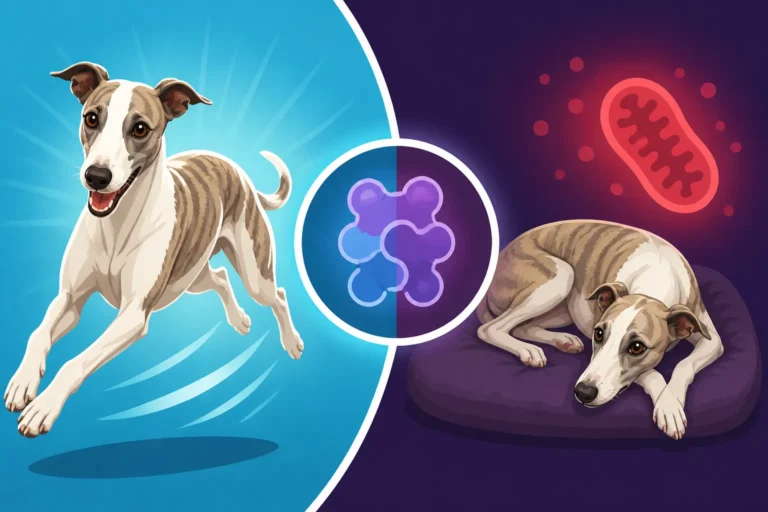
Beyond body fat, their liver metabolism is also a key player. Many anesthetic agents are primarily metabolized by the liver, and sighthounds can have different liver enzyme pathways compared to other dog breeds. This difference means certain drugs are broken down more slowly, leading to a prolonged effect. What might be a standard dose for a Labrador could be far too much for a Whippet, resulting in a much deeper and longer period of sedation or unconsciousness. Understanding these fundamental differences is the first step in advocating for your Whippet's safety. For a deeper dive into these risks, you might want to read about Why Anesthesia Is Riskier in a Whippet.
The Role of Liver and Kidney Function
When anesthetic drugs enter the body, it’s primarily the liver and kidneys that work to process and eliminate them. In Whippets, as we’ve touched upon, the liver's metabolic pathways can operate at a different pace, specifically slower for some drugs. This means the drug stays active in their system for an extended period, leading to a longer recovery time. It's not that their liver or kidneys are necessarily "faulty," but rather that their efficiency or specific enzymatic activity is simply wired differently for certain compounds.
The slower elimination through these vital organs means that even after the procedure is over and the anesthetic gas has been turned off, the residual effects of injectable drugs linger. This prolonged presence contributes significantly to the groggy, disoriented state that often characterizes a Whippet's wake-up. Therefore, a veterinarian experienced with sighthounds will carefully consider drug choices and dosages, aiming for agents that are metabolized more predictably or quickly in these unique canine athletes. This careful consideration is part of comprehensive care that spans The Twelve to Fifteen Years a Whippet Lives.
Common Anesthetic and Sedative Agents and Their Impact
Not all anesthetic drugs are created equal, especially when it comes to sighthounds. The choice of medication has a profound impact on how quickly and smoothly your Whippet recovers. Knowing which drugs can be problematic and which are generally safer can help you have an informed conversation with your veterinarian.
Drugs to Avoid or Use with Caution
Historically, certain anesthetic agents posed significant risks to sighthounds, and while veterinary medicine has advanced, it's still crucial to be aware. Thiobarbiturates, such as Thiopental, are a prime example. These drugs are highly lipid-soluble, meaning they rapidly distribute to fatty tissues. In breeds with more body fat, the drug quickly leaves the bloodstream and moves into these fat stores, leading to a quicker "wake up." However, because Whippets have Why a Whippet Has So Little Body Fat, these drugs remain in the bloodstream and brain for much longer, leading to very prolonged and dangerously slow recoveries. For more details, you can explore Why Thiobarbiturates Endanger a Whippet.
Another commonly used drug, Acepromazine, a tranquilizer often used as a pre-medication, also warrants caution. While not an anesthetic, it can cause prolonged sedation, significant drops in blood pressure, and hypothermia, all of which are particularly concerning for a Whippet. Its effects can be long-lasting, contributing to a very sluggish and delayed wake-up, making the post-anesthetic period more challenging and stressful for both dog and owner. The impact of Acepromazine and the Whippet is a topic often discussed among sighthound enthusiasts for good reason.
Safer Alternatives for Whippets
Fortunately, modern veterinary anesthesia offers several excellent and safer options for Whippets. Injectable drugs like Propofol are highly favored for induction (getting the dog to sleep) because they are rapidly metabolized by the liver, leading to a much cleaner and quicker recovery compared to the older thiobarbiturates. This quick metabolism means less drug accumulation and a smoother transition to consciousness. Many vets consider Propofol as a Whippet's Safer Option due to its predictable and speedy elimination from the body.
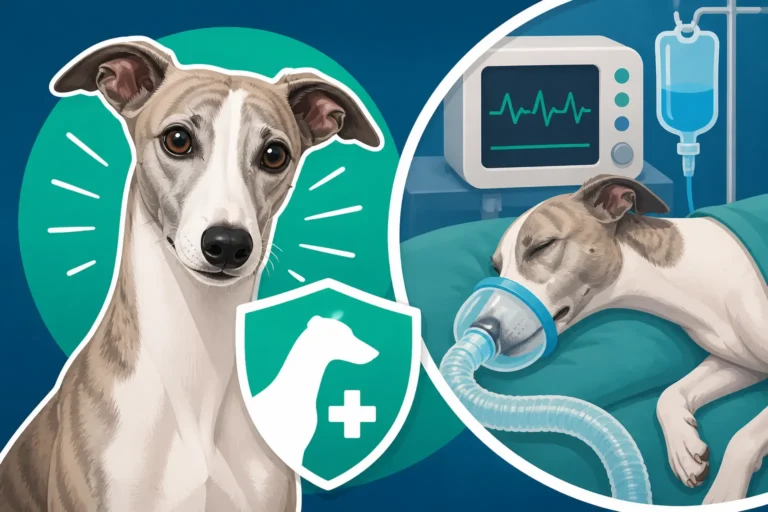
For maintaining anesthesia during a procedure, inhalant anesthetics like Isoflurane and Sevoflurane are generally considered the safest choices for Whippets. These gases are delivered via a mask or endotracheal tube and are primarily exhaled by the lungs, rather than relying heavily on liver metabolism. This allows for precise control over the depth of anesthesia and a relatively rapid wake-up once the gas is turned off. The speed of exhalation means the drug is quickly removed from the system, leading to a more efficient and less protracted recovery period. A skilled veterinary team will tailor the anesthetic protocol specifically to your Whippet's unique needs, often combining a low dose of an injectable induction agent with an inhalant for maintenance.
The Anesthetic Recovery Process in a Whippet
Even with the safest drugs and protocols, a Whippet's recovery from anesthesia or heavy sedation will likely look different from other dogs. Understanding the typical stages and what to expect can help ease your concerns.
The Immediate Post-Procedure Period
Right after surgery or a sedated procedure, your Whippet will be moved to a recovery area, ideally a warm, quiet, and supervised space. This is where their unique physiology truly comes into play. Because of their minimal body fat and thin skin, they lose body heat very quickly. The veterinary staff should be diligently focused on Warming a Whippet During Surgery and maintaining that warmth during recovery, using blankets, warmed IV fluids, and heated recovery beds to prevent hypothermia. This is a critical time, as shivering to generate heat can actually increase their metabolic rate and thus the time it takes to wake up, not to mention being incredibly uncomfortable.
During these initial hours, your Whippet will likely still be very groggy, disoriented, and uncoordinated. They might try to lift their head, wobble, or even attempt to stand before they're ready, which could lead to accidental injury. They may vocalize softly or whimper, not necessarily out of pain, but due to disorientation as the drugs wear off. This stage requires constant observation and gentle reassurance. It’s important for the vet tech or nurse to monitor their vital signs closely – heart rate, respiration, temperature, and mucous membrane color – to ensure a stable and safe emergence from anesthesia.
Factors Influencing Recovery Time
Several elements converge to determine how long it truly takes for your Whippet to fully wake up. The type and duration of the procedure itself are significant; a quick dental cleaning will naturally lead to a faster recovery than a complex orthopedic surgery requiring hours under anesthesia. The specific drugs used (as discussed above) are paramount. Anesthetic agents that rely heavily on liver metabolism or are fat-soluble will generally lead to longer recovery times in Whippets.
Your Whippet’s age and overall health also play a role. Older Whippets, or those with underlying health conditions, especially liver or kidney issues, may take longer to process and eliminate drugs. Even subtle differences in their personal metabolic rate can contribute. Furthermore, individual variation exists within the breed; just like people, some Whippets simply metabolize drugs faster or slower than others. A responsible vet will take all these factors into consideration when crafting the anesthetic plan. This is why Whether a Whippet Needs Pre Anesthetic Bloodwork is so crucial, as it helps identify any underlying issues that could affect recovery.
What "Slow" Really Means for a Whippet
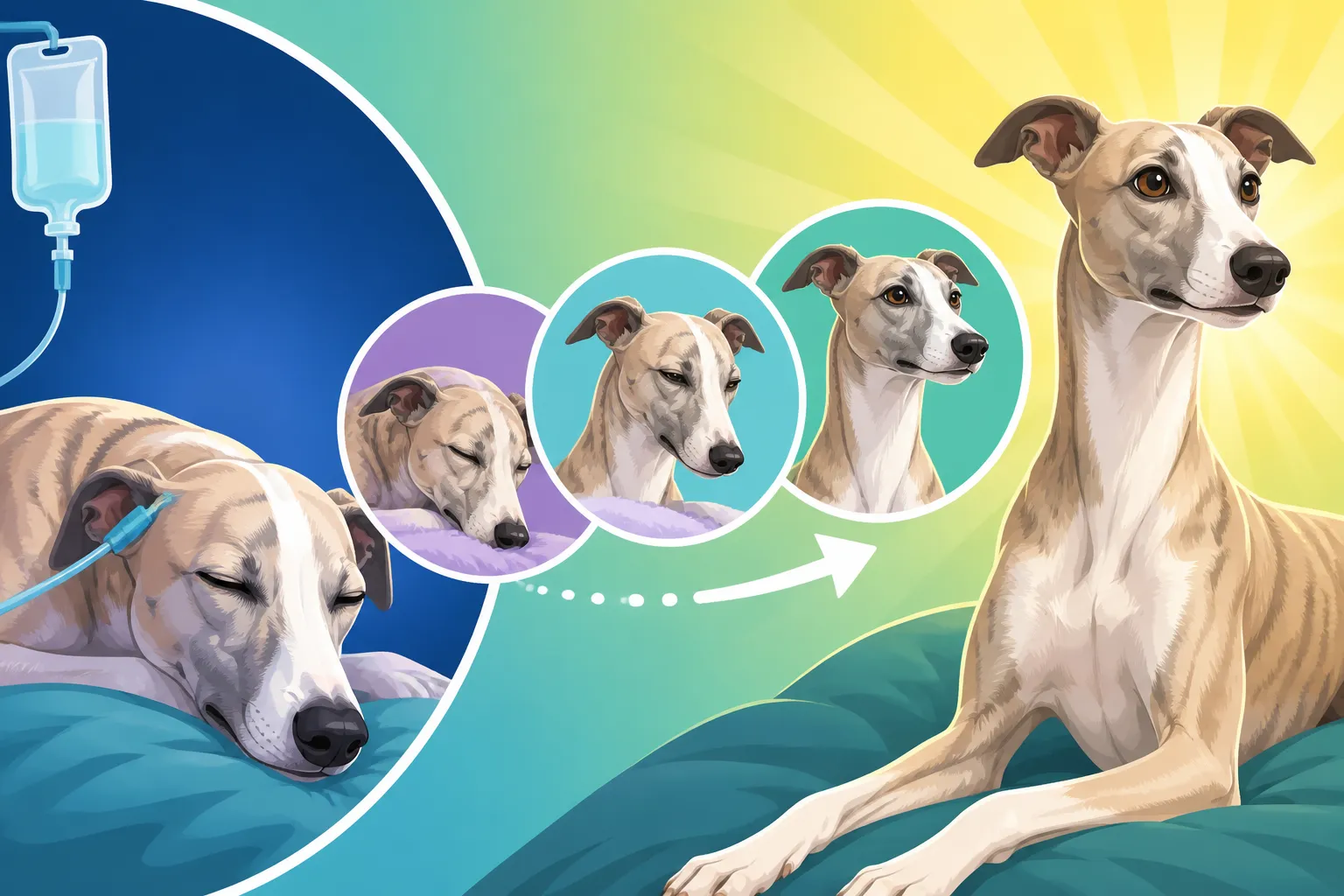
For many Whippet owners, "slow" isn't just an hour or two; it can feel like a small eternity. While many breeds might be bright-eyed and ready to go home within a few hours of a routine procedure, a Whippet might still be quite wobbly, sleepy, and quiet for 8-12 hours, or even longer in some cases, especially after more intensive surgeries. They might sleep profoundly for much of the first day and evening, rousing only for short periods to drink a little water or be encouraged outside for a quick potty break.
It's not uncommon for them to still seem a bit "off" the following day – perhaps a little more subdued, less interested in food, or just generally low-energy. This extended period of recovery can be startling if you're not prepared for it. The key is to distinguish between normal grogginess and signs of distress. Normal "slow" means they are gradually becoming more aware, responsive, and able to coordinate their movements, even if it's at a snail's pace. They might still need help getting into and out of comfortable, warm beds.
Managing and Supporting Your Whippet During Recovery
Bringing your Whippet home after sedation means you take over the critical role of supporting their continued recovery. This period requires patience, vigilance, and creating an environment optimized for their unique needs.
Keeping Your Whippet Warm
This is arguably the single most important aspect of at-home recovery for a Whippet. Their scant body fat makes them highly prone to hypothermia, which not only makes them uncomfortable but also slows down their metabolic processes, thus delaying the elimination of anesthetic drugs. As soon as you bring them home, ensure they have access to warm, soft bedding in a draft-free, warm room. Think layers: a soft bed with a warm fleece blanket, perhaps even a microwavable heating pad wrapped in a towel placed under the blanket (never directly on their skin, as they can burn easily).
Many Whippets benefit from wearing a soft, fitted fleece coat or pajamas during their recovery, even indoors. This extra layer can make a significant difference in helping them maintain their core body temperature without overheating. Remember, their bodies are working hard to process the drugs and heal, and staying warm conserves precious energy. Keeping them cozy helps their body focus on the important task of getting back to normal. More tips can be found in Keeping a Whippet Warm Without Overheating It.
Ensuring a Quiet and Safe Environment
A sedated Whippet is a disoriented Whippet. Their coordination will be poor, and they may struggle with balance, potentially bumping into furniture or falling off elevated surfaces. It’s crucial to create a quiet, confined, and safe space for them to recover. This might mean setting up a soft, comfortable bed on the floor in a quiet room, away from the hustle and bustle of family life or other pets. Consider using baby gates to block off stairs or areas where they might get hurt.
Minimize loud noises, bright lights, and excessive stimulation. When they need to go outside for a potty break, always accompany them on a leash, even in a fenced yard, to prevent falls or wandering due. Their senses will be dulled, and their response time slowed, so constant supervision is vital. Provide easy access to a shallow bowl of fresh water and offer small, bland meals (like boiled chicken and rice) if they show interest, but don't force it. The goal is to allow their body and mind to slowly and calmly reorient themselves.
When to Be Concerned and Contact Your Vet
While a slow wake-up is normal for a Whippet, there’s a fine line between normal grogginess and genuine complications. It’s crucial to know the red flags. If your Whippet is extremely difficult to rouse, unresponsive to voice or touch, or if their breathing seems abnormally shallow, labored, or irregular, contact your vet immediately. Persistent vomiting, diarrhea, or excessive drooling are also concerning.
Other signs to watch for include pale gums, extremely cold extremities, or an inability to urinate for an extended period. While some disorientation is expected, if your Whippet seems to be in severe pain, continuously whimpering, or exhibiting uncontrolled tremors or seizures, these are emergencies. Trust your gut; if something feels wrong, don’t hesitate to call your veterinary clinic or an emergency vet. Having pet insurance, like a comprehensive plan from Healthy Paws, can provide immense peace of mind in these stressful situations, ensuring you can seek immediate care without financial hesitation.
Preparing for Sedation: What to Discuss with Your Vet
Proactive communication with your veterinarian is your best tool for ensuring your Whippet's safety and a smoother recovery from any sedated procedure. Don't be afraid to ask questions and express your concerns.
Pre-Anesthetic Bloodwork and Health Checks
Before any sedation or anesthesia, comprehensive pre-anesthetic bloodwork is non-negotiable for a Whippet. This typically includes a complete blood count (CBC) and a biochemistry panel. These tests provide a snapshot of your dog's internal organ function, particularly their liver and kidneys, which are crucial for metabolizing and eliminating anesthetic drugs. Bloodwork can flag any underlying issues that might affect how your Whippet handles anesthesia, allowing your vet to adjust the protocol accordingly. For example, if liver enzymes are elevated, your vet might choose drugs that are less reliant on hepatic metabolism.
Beyond bloodwork, a thorough physical examination is essential. This includes checking their heart and lungs, assessing their hydration status, and evaluating their overall demeanor. Your vet should also take a detailed history, asking about any previous reactions to medication, current medications your Whippet is on, and any behavioral quirks that might impact recovery (e.g., being particularly prone to anxiety). This holistic assessment helps create the safest possible plan. Pet insurance providers like Healthy Paws often cover the cost of pre-anesthetic bloodwork, making these vital diagnostics more accessible.
Finding a Sighthound-Knowledgeable Vet
Given the unique physiology of Whippets, finding a veterinarian who has experience with sighthounds is incredibly valuable. Not all vets are equally familiar with their specific anesthetic sensitivities, metabolic rates, and recovery needs. A sighthound-savvy vet will instinctively understand the importance of choosing specific drugs, closely monitoring body temperature, and managing a potentially prolonged recovery. They will know to avoid drugs like thiobarbiturates and prioritize safer alternatives like propofol and inhalant anesthetics. You can learn more about finding such expertise by exploring Whether a Whippet Needs a Vet Who Knows Sighthounds.
If you don't have a sighthound specialist nearby, don't despair. Most general practice vets are open to learning and researching specific breed needs. Bring resources, ask questions, and work collaboratively. A good vet will appreciate your informed involvement in your Whippet's care. It’s about ensuring they’re prepared for the nuances of your particular dog, not just treating them as a generic canine patient.
Questions to Ask Before the Procedure
Before your Whippet goes under, arm yourself with information. Here are some key questions to ask your veterinary team:
- "What specific anesthetic drugs will you be using for induction and maintenance, and why are these choices best for a Whippet?" This opens a discussion about avoiding problematic drugs and using safer alternatives.
- "What steps will be taken to ensure my Whippet stays warm during and after the procedure?" This should include mention of heated tables, warm blankets, and possibly warmed IV fluids.
- "What kind of monitoring will be in place during anesthesia and recovery?" They should detail heart rate, respiration, blood pressure, oxygen saturation, and temperature monitoring.
- "What is your expected recovery timeline for a Whippet for this particular procedure?" This helps set realistic expectations for how long they'll be groggy.
- "Who will be monitoring my Whippet during recovery, and what are their qualifications?" You want to ensure experienced personnel are watching your dog closely.
- "What specific signs of concern should I watch for once my Whippet is home, and who should I call if I have questions after hours?" Get clear instructions for post-op care.
By asking these questions, you empower yourself as an advocate for your Whippet and ensure that the veterinary team is well-prepared for their unique requirements. Being proactive and having a robust pet insurance plan like one from Healthy Paws in place means you're prepared for predictable care and any unforeseen bumps in the road.
Anesthetic Drug Comparison for Whippets
Understanding the different types of anesthetic agents and their suitability for Whippets can be incredibly helpful when discussing your dog's procedure with your veterinarian.
| Drug Type / Agent | General Use | How It Affects Whippets (Recovery) | Whippet Suitability |
|---|---|---|---|
| Thiobarbiturates | Induction (e.g., Thiopental) | Highly lipid-soluble. Without sufficient body fat for sequestration, drugs remain in circulation longer, leading to very slow, prolonged, and deep recoveries. | Avoid |
| Acepromazine | Pre-medication, tranquilizer | Can cause significant and prolonged sedation, hypotension (low blood pressure), and hypothermia, all risky for sighthounds. | Use with Caution / Avoid |
| Propofol | Induction | Rapidly metabolized by the liver, leading to a quick, clean, and predictable wake-up. Less drug accumulation. | Excellent |
| Isoflurane / Sevoflurane | Maintenance (inhalant gas) | Primarily exhaled by the lungs, allowing for precise control and a relatively fast, smooth wake-up once discontinued. | Excellent |
| Opioids | Pre-medication, pain control | Generally safe for Whippets and crucial for pain management. Can cause some sedation, but generally well-tolerated and reversible. | Good |
| Benzodiazepines | Pre-medication, anti-anxiety | Can be used cautiously. Some Whippets may paradoxically become excited, but generally contribute to a smoother induction. | Good / Use with Caution |
| Alpha-2 Agonists | Pre-medication, sedation (e.g., Dexmedetomidine) | Can provide good sedation and muscle relaxation. Effects are reversible, which is a major advantage. Can cause bradycardia. | Good / Use with Caution |
This table provides a quick reference, but remember that individual patient needs and the specific veterinary context always dictate the best choice. Always defer to your veterinarian's professional judgment, but don't hesitate to discuss these options.
Disclaimer
The information provided in this guide is for general educational purposes only and should not be considered a substitute for professional veterinary advice. Always consult with a qualified veterinarian regarding your Whippet's specific health concerns, diagnoses, and treatment plans.