Why a Whippet’s Blood Pressure Reads High
It's incredibly unnerving when you take your beloved whippet to the vet, eager for a routine check-up, and suddenly the focus shifts to a potentially alarming high blood pressure reading. Many of us have been there, feeling that knot in our stomachs as the vet explains the numbers, wondering if something serious is wrong with our otherwise seemingly healthy, bouncy dog. This guide is here to shed light on why your whippet's blood pressure might read high, helping you understand the common causes, how to get an accurate measurement, and what steps to take next.
The "White Coat Syndrome" Is Real, Even for Whippets
One of the most common, and often overlooked, reasons for an elevated blood pressure reading in a whippet (or any dog, for that matter!) is something veterinarians affectionately call "white coat syndrome." Just like humans, dogs can get stressed, anxious, or simply overstimulated in a clinical environment. For our sensitive sighthounds, this can be particularly pronounced, leading to a temporary spike in their blood pressure that doesn't reflect their true baseline health.
Imagine being strapped into a chair, a strange cuff tightening on your arm, bright lights, unfamiliar smells, and a new person poking and prodding you. It's enough to make anyone's heart race, and for a whippet, with their finely tuned nervous systems and often reserved nature around strangers, it's amplified. This initial stress response can easily push blood pressure numbers higher than they would be in the comfort and familiarity of their own home. It’s not about them being "difficult"; it’s a natural physiological reaction to an unusual, and sometimes intimidating, situation.
How Stress Elevates a Whippet's Blood Pressure
When a whippet experiences stress, their body goes into a natural "fight or flight" response. This isn't just a mental state; it's a cascade of physical changes designed to prepare them for perceived danger. Adrenaline and cortisol, stress hormones, flood their system, causing their heart rate to increase and their blood vessels to constrict. Both of these reactions directly contribute to a temporary rise in blood pressure.
This physiological surge is quick and powerful. Even if your whippet appears calm, a subtle shift in their environment or the presence of a new person can trigger this internal response. Their ears might be perked, their tail might be tucked slightly, or they might simply be holding their breath a little—all signs of tension that can influence a blood pressure reading. It's a testament to how finely tuned their bodies are, and why these readings need careful interpretation, especially for breeds known for their sensitivity.
It’s crucial to remember that this stress response isn't indicative of chronic health problems. It's a transient state, but one that can easily lead to a false positive for hypertension if not considered by an experienced veterinarian. This is one of the many reasons why it's so helpful to find a vet who really understands the nuances of sighthound physiology. You can learn more about this by reading about Whether a Whippet Needs a Vet Who Knows Sighthounds.
Minimizing Stress During Vet Visits
Reducing stress during veterinary visits is paramount for getting an accurate blood pressure reading and making the experience more positive for your whippet. One of the simplest yet most effective strategies is to allow your whippet to acclimate to the environment before any procedures begin. Ask the veterinary staff if you can spend some time in the waiting room or even a quiet exam room, just letting your whippet sniff around, get used to the sounds, and perhaps receive a few calm treats and gentle pets.
Many progressive veterinary clinics are now implementing "fear-free" practices, which involve using calming pheromones, separate waiting areas for cats and dogs, and techniques to make animals feel more at ease. Don't hesitate to ask your vet about these options. You might also consider bringing a familiar blanket or a favorite toy from home to create a sense of security. Sometimes, just having you there, calmly reassuring them with a gentle voice and touch, can make a world of difference. It's about turning a potentially scary experience into one that feels predictable and less threatening.
Another tip is to schedule appointments during quieter times at the clinic, if possible, to avoid bustling waiting rooms and loud noises. If your whippet is particularly prone to anxiety, your vet might even suggest a mild sedative beforehand, especially if a critical diagnostic test is planned. This isn't about masking a problem, but ensuring that an acute stress response doesn't interfere with truly accurate diagnostic results. Remember that even blood tests can be affected by stress, and it's good to be aware that The Bloodwork Numbers That Look Wrong on a Healthy Whippet might already be misinterpreted without considering sighthound physiology.
Understanding True Hypertension in Whippets
While "white coat syndrome" is a frequent culprit for high blood pressure readings in whippets, it's equally important to acknowledge that true hypertension, or persistently high blood pressure, can occur. Unlike stress-induced spikes, genuine hypertension is a serious medical condition that can lead to significant damage to organs such as the kidneys, eyes, brain, and heart if left untreated. Distinguishing between a temporary elevation and a chronic problem requires careful observation and often, repeat measurements.
The challenge lies in the fact that whippets, like many sighthounds, often have subtle presentations of illness. They are stoic and tend to hide discomfort, so by the time overt symptoms of true hypertension appear, the underlying condition might be quite advanced. This makes a consistent, calm approach to blood pressure measurement, and a veterinarian knowledgeable about sighthound specific health, incredibly valuable. It’s not always easy to tell the difference, but understanding the potential underlying causes helps guide the diagnostic process.
Common Underlying Medical Conditions
When a whippet's blood pressure consistently reads high, even in a calm setting or over multiple visits, veterinarians will typically start looking for underlying medical conditions. Kidney disease is a primary concern, as impaired kidney function often leads to fluid retention and hormonal imbalances that raise blood pressure. Regular blood work and urinalysis are key diagnostic tools in this scenario. If your vet recommends further testing, remember that services like Healthy Paws pet insurance can be a huge help in managing unexpected diagnostic costs.
Thyroid disorders, specifically hyperthyroidism (though hypothyroidism is more common and often misdiagnosed in whippets due to naturally low readings, as discussed in Why a Whippet's Thyroid Reading Runs Low), can also contribute to hypertension, though it's less common. Cushing's disease, a condition involving overproduction of cortisol by the adrenal glands, is another potential, albeit rarer, cause. Heart disease, such as certain types of cardiomyopathy or valvular issues like Mitral Valve Disease in a Whippet, can also manifest with elevated blood pressure, as the heart struggles to pump blood effectively. Each of these conditions requires a specific diagnostic workup, and pinpointing the root cause is essential for effective treatment.
It’s also worth noting that some medications, such as certain corticosteroids, can elevate blood pressure as a side effect. Always provide your vet with a complete list of any supplements or medications your whippet is currently taking. A thorough medical history, combined with comprehensive diagnostic testing, will help your vet differentiate between stress-induced hypertension and a true medical problem requiring intervention.
When to Worry About a High Reading
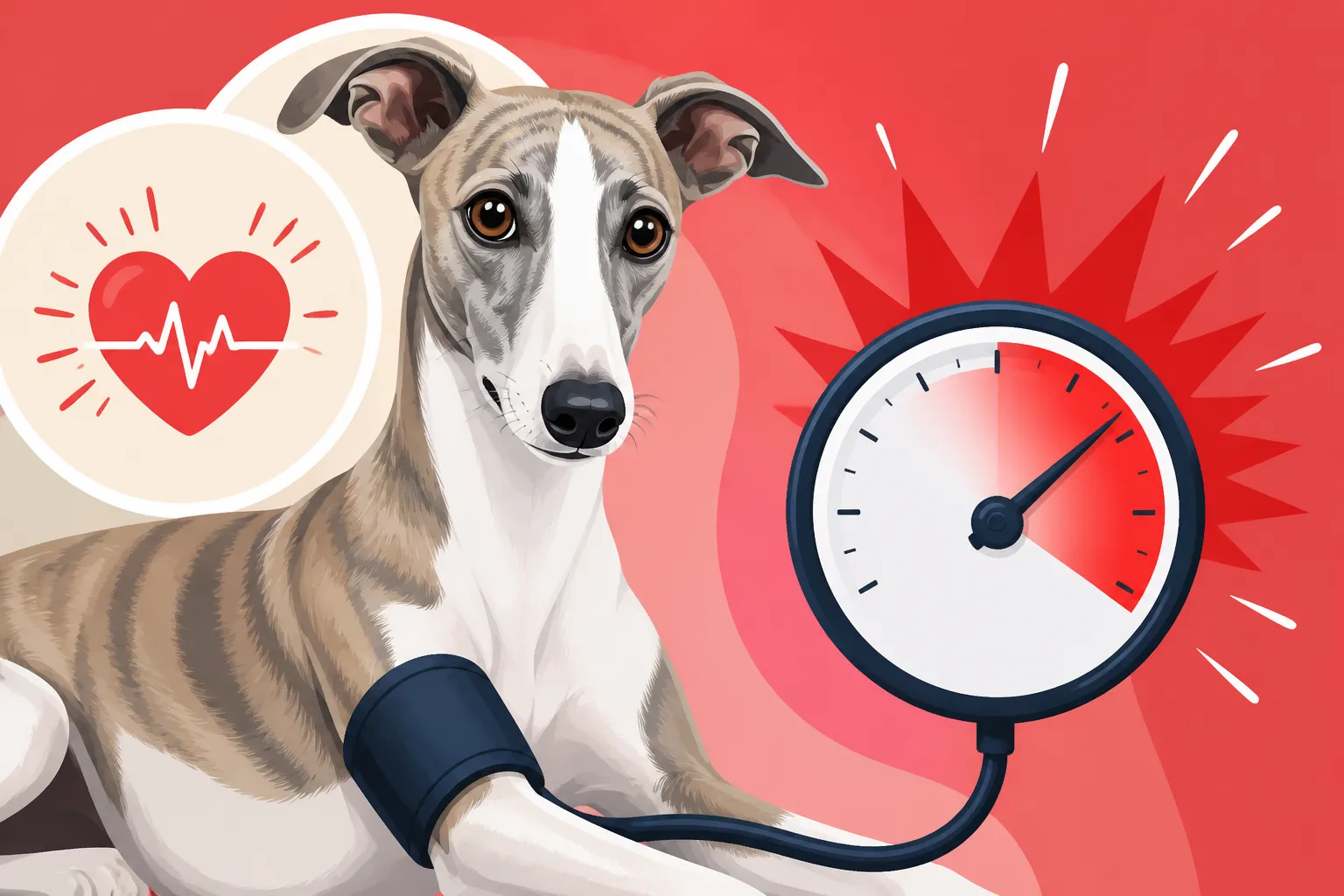
Knowing when to genuinely worry about a high blood pressure reading for your whippet is vital. A single high reading, especially if your dog was visibly anxious or struggling during the measurement, is often not cause for immediate panic. Instead, it should trigger a plan for re-evaluation. Your vet will likely want to repeat the measurement at a subsequent, quieter visit, or even several times during the same visit after allowing your whippet to settle. Consistent readings over 160/90 mmHg are generally considered concerning, with anything over 180/120 mmHg being more critical, especially if accompanied by other clinical signs.
Look out for subtle signs at home that might suggest true hypertension. These can include changes in thirst or urination (potentially indicating kidney issues), sudden vision changes or dilated pupils (indicating retinal detachment or bleeding in the eye), lethargy, nosebleeds, or even disorientation. These symptoms, when combined with a consistently high blood pressure reading, indicate that immediate and thorough investigation is necessary. Early detection and management of underlying conditions are key to preventing long-term damage and maintaining your whippet's quality of life.
If your whippet is showing any of these concerning signs, don't wait for a routine appointment. Contact your vet immediately. Being proactive can make all the difference, and a vet familiar with sighthounds will know how to approach these situations, understanding that their normal baselines can differ. The peace of mind alone that comes from knowing you're addressing the issue can be invaluable, and having pet insurance like Healthy Paws can help cover the unforeseen costs of these urgent investigations.
Getting an Accurate Blood Pressure Reading on a Whippet
Achieving an accurate blood pressure reading on a whippet can feel like a delicate dance, balancing the need for precise data with your dog's natural inclination towards calm and comfort. It's not just about the equipment; it's about the environment, the technique, and the overall experience for your sensitive companion. Without accurate numbers, your vet is working with incomplete information, which could lead to misdiagnosis or unnecessary treatment. Therefore, mastering the art of obtaining a reliable reading is incredibly important for your whippet's health journey.
This process often involves patience, practice, and sometimes, a little creativity. It's a skill that some veterinary professionals excel at with sighthounds, understanding their unique temperament and how to approach them gently. Don't be afraid to speak up if you feel your whippet is too stressed for a reliable reading; advocating for their comfort can directly impact the accuracy of the results.
The Importance of a Calm Environment
Creating a calm environment is perhaps the single most critical factor in getting an accurate blood pressure reading. For many whippets, the hustle and bustle of a typical vet clinic can be overwhelming. Before the measurement begins, ask for a quiet space where your whippet can relax, away from other barking dogs or loud noises. A dim room, soft voices, and gentle handling can make a world of difference. Many vets prefer to take blood pressure readings before any other potentially stressful procedures, like vaccinations or blood draws, ensuring your whippet is as relaxed as possible.
The technique itself also plays a huge role. The cuff should fit snugly but not too tightly, and the vet or tech should be patient, taking multiple readings and averaging them. It’s common for the first few readings to be higher as your whippet adjusts to the cuff. Often, the lowest readings of a series are the most representative. Sometimes, allowing you, the owner, to hold and comfort your whippet during the process can significantly reduce their anxiety, making them more cooperative. Remember, a truly calm whippet is more likely to give a true reading, helping your vet decide if treatments like Heart Medication Costs a Whippet Owner Monthly are actually needed.
Home Blood Pressure Monitoring
For whippets with diagnosed hypertension or those consistently showing high "white coat" readings, home blood pressure monitoring can be an invaluable tool. It allows you to take readings in your whippet's familiar, stress-free environment, providing a much more accurate picture of their baseline blood pressure. There are specific veterinary-grade blood pressure monitors available, such as the PetMap or Cardell, that are designed for animals. While the initial investment might seem significant, consider that Healthy Paws, or similar pet insurance, might cover some of these diagnostic tools if recommended by your vet.
To successfully monitor at home, your vet will need to teach you the correct technique, including cuff placement (usually on the front leg or tail base) and how to interpret the numbers. Consistency is key: try to take readings at the same time each day, when your whippet is relaxed, perhaps after a nap or a quiet cuddle session. Keep a detailed log of the readings, along with any observations about your whippet's demeanor. This data can be incredibly empowering for you and extremely helpful for your vet in making informed decisions about diagnosis and treatment. It also eliminates the stress of clinic visits for routine checks, which can be a huge relief for both you and your whippet.
Managing Diagnosed Hypertension in Whippets
Receiving a diagnosis of true hypertension for your whippet can feel overwhelming, but it's important to remember that it's a manageable condition. The goal of treatment is not just to lower the numbers on the monitor, but to protect your whippet's vital organs from the damaging effects of persistently high blood pressure. This journey often involves a combination of medication, dietary adjustments, and careful lifestyle management, all tailored to your individual whippet's needs.
The key to successful management is open communication with your veterinarian and a commitment to ongoing monitoring. You are your whippet's best advocate, and your observations at home will be crucial in fine-tuning their care plan.
Treatment Options and Lifestyle Adjustments
Once true hypertension is diagnosed, your veterinarian will likely prescribe medication to help lower your whippet's blood pressure. Common choices include ACE inhibitors (like enalapril or benazepril), calcium channel blockers (like amlodipine), or beta-blockers. The specific drug, dosage, and combination will depend on the underlying cause of the hypertension and your whippet's individual response. It often takes a bit of trial and error to find the most effective regimen, which is why consistent follow-up is so important.
Beyond medication, lifestyle adjustments play a significant role. If your whippet is overweight, even a small amount of weight loss can help reduce blood pressure. A diet specifically formulated for cardiac or renal health, which often involves controlled sodium levels, might be recommended. This isn't about drastically cutting out all salt, but rather choosing appropriate commercial diets or preparing vet-approved homemade meals. Ensuring your whippet gets regular, moderate exercise, like daily walks and controlled sprints in a safe, fenced area, is also beneficial, as long as it doesn't exacerbate any underlying heart conditions. For older whippets, who might be slowing down, balancing activity with rest is key, as discussed in Caring for an Old Whippet That Feels the Cold.
The Role of Regular Monitoring
Managing hypertension is an ongoing process that requires diligent monitoring. After starting medication, your vet will want to recheck your whippet's blood pressure frequently, perhaps every few weeks, to ensure the medication is working effectively and to adjust dosages as needed. This is where home blood pressure monitoring can be particularly helpful, providing consistent data points without the stress of constant clinic visits.
In addition to blood pressure checks, regular blood work and urinalysis will be crucial to monitor kidney function and other organ systems that can be affected by hypertension or its underlying causes. An echocardiogram, to assess heart health, might also be recommended, especially if heart disease is suspected or to rule it out. You can research What an Echocardiogram Costs on a Whippet to understand potential expenses. These diagnostic tests are essential for managing the whole picture of your whippet's health. Remember, conditions like hypertension are often chronic, meaning your whippet will likely require lifelong management. This long-term commitment emphasizes the value of having a supportive vet and, for many, the financial security offered by pet insurance providers like Healthy Paws to help cover the costs of continuous care.
Disclaimer
The information provided in this article is for general informational purposes only and is not a substitute for professional veterinary advice. Always consult with a qualified veterinarian regarding any medical concerns or before making any decisions about your whippet's health or treatment plan.