Why One Copy of the Bully Gene Makes a Whippet Faster
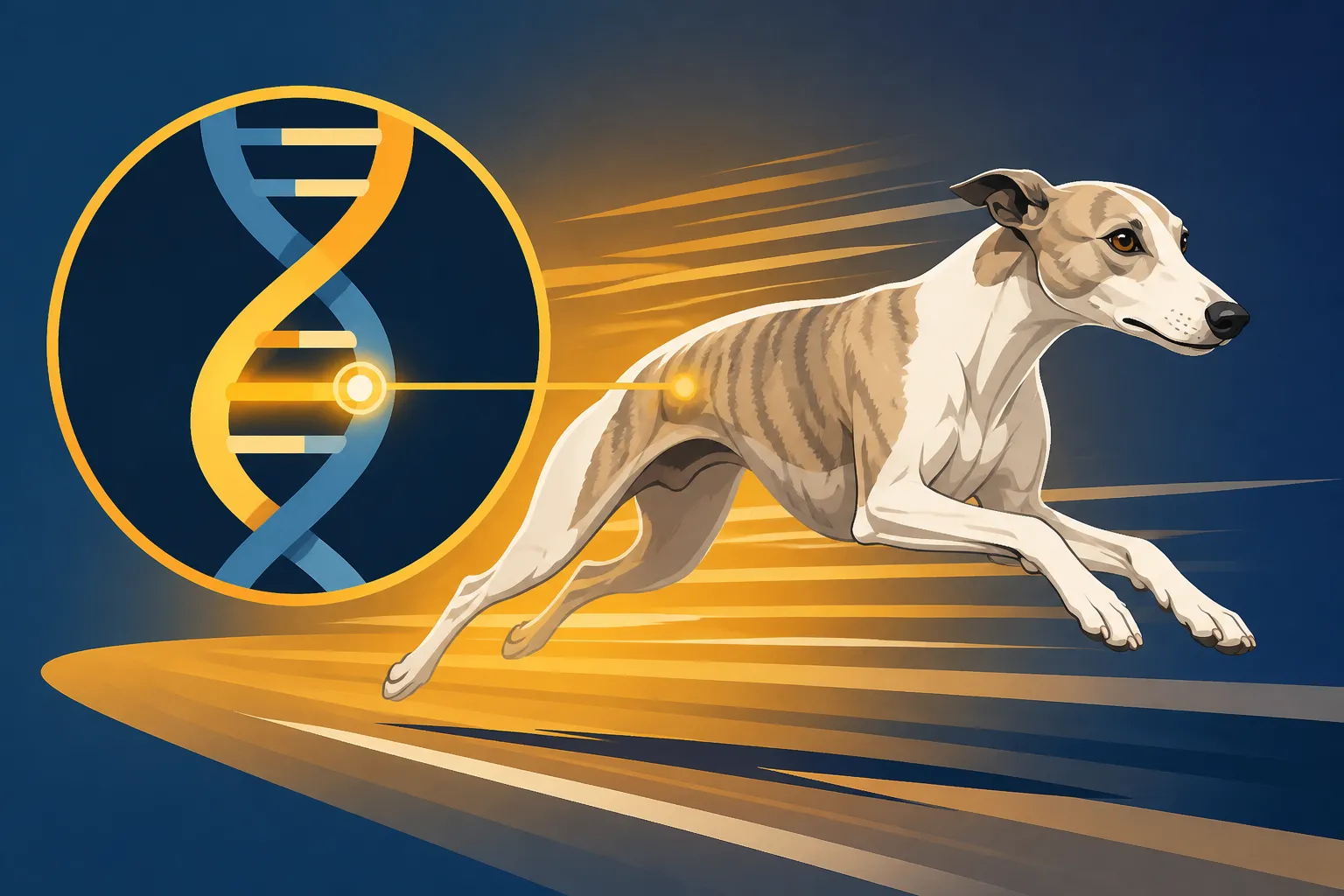
It’s a common misconception, isn’t it? When we hear the term “bully gene” associated with our sleek, elegant Whippets, our minds often jump to images of overly muscled dogs struggling with their own bulk. But for many Whippet owners, especially those interested in performance events like racing or lure coursing, the idea of a little extra speed and power is incredibly appealing. This guide is here to shed light on precisely why having just one copy of the so-called "bully gene" doesn't create a bulky, problematic dog, but rather often results in a faster, more athletic Whippet. We'll dive into the fascinating genetics behind this trait, clarify the differences between the various gene combinations, and help you understand what it means for your own beloved companion.
The Myostatin Gene and Its Role in Muscle Development
Before we can truly understand why one copy of a particular gene makes a Whippet faster, we need to take a step back and look at the gene itself: myostatin. This isn't just some random genetic quirk; it's a fundamental part of muscle physiology, and its unique expression in sighthounds is what makes this topic so captivating.
What Myostatin Does in a Whippet
Think of myostatin as your body's internal brake pedal for muscle growth. In most mammals, including the vast majority of dog breeds, the myostatin gene produces a protein that essentially tells muscles, "Okay, that's enough. You're big enough now." It's a regulatory mechanism, ensuring that muscle development doesn't get out of control. Without this protein, or with a reduced amount of it, muscles would just keep growing unchecked. For a typical Whippet, a healthy, functional myostatin gene helps maintain that beautifully balanced, aerodynamic physique we all admire. It allows for the development of strong, lean muscle without excessive bulk, perfectly suited for their incredible bursts of speed and agility. This natural balance is what gives them their characteristic sighthound build, a blend of power and grace that is truly unique. You can learn more about its general function in our article, What Myostatin Does in a Whippet.
The Specific Mutation in Whippets
Now, here's where things get interesting for our Whippet friends. A specific mutation, a small deletion, in the myostatin gene was identified in Whippets. This isn't just a slight variation; it's a change that directly impacts how much functional myostatin protein the dog produces. What's crucial to understand is that this mutation gives rise to three distinct genotypes, or genetic profiles, for any Whippet:
- N/N (Wild Type): These Whippets have two normal copies of the myostatin gene. They produce the usual amount of myostatin, and their muscle development is regulated just like most other dogs. They have that classic, lean Whippet physique.
- N/M (Carrier): These Whippets have one normal copy and one mutated copy of the myostatin gene. This is often referred to as a "carrier" status.
- M/M (Affected/Bully): These Whippets have two mutated copies of the myostatin gene. This is what leads to the exaggerated muscle growth often called "Bully Whippet Syndrome."
This particular genetic anomaly is fairly specific to sighthounds, and it's what has given rise to the discussion around "bully Whippets" and their incredibly fast carrier counterparts. The presence and impact of this mutation vary significantly depending on whether a Whippet carries one or two copies, and understanding this distinction is key to appreciating the athletic advantage seen in carriers. It’s a fascinating insight into canine genetics, and researchers continue to explore similar mutations in other breeds, though perhaps none quite as pronounced as in the Whippet. For more detail on the broader condition, you might want to read Bully Whippet Syndrome and the Myostatin Gene Behind It. It’s also worth noting How Common the Bully Whippet Mutation Is generally.
Understanding the "Carrier" Genotype
So, we’ve established that the myostatin gene acts as a muscle growth regulator. Now let’s talk about those N/M Whippets – the carriers – because they’re the ones who really shine in terms of athletic performance, often surprising even seasoned enthusiasts with their incredible speed.
What Having One Copy Means
When a Whippet is a carrier (N/M), it means they've inherited one normal myostatin gene from one parent and one mutated myostatin gene from the other. Because they still have one functional copy, their body does produce some myostatin protein. However, the presence of the mutated copy means that the overall amount of functional myostatin produced is significantly reduced compared to a Whippet with two normal copies (N/N).
Imagine it like this: if myostatin is the brake pedal, an N/N Whippet has two fully functioning brakes, keeping muscle growth perfectly in check. An M/M "bully" Whippet has no brakes at all, leading to excessive, often problematic, muscle development. The N/M carrier Whippet, however, has only one functioning brake pedal. It still works, but it's not as strong or as effective at inhibiting muscle growth as having two. This reduction in the "brake" means that their muscles are allowed to develop a bit more than usual, resulting in an increase in lean muscle mass. This isn't the bulky, exaggerated musculature of an M/M Whippet; instead, it's a more refined, powerful build that maintains the Whippet's characteristic grace.
The Advantage in Speed and Agility
This subtle, yet significant, increase in lean muscle mass in N/M carrier Whippets translates directly into a distinct advantage in speed and agility. More muscle means more power output during physical exertion. For a sighthound, whose entire design is predicated on explosive speed and quick turns, this extra power is a game-changer. Think of a sprinter's finely tuned physique: every ounce of muscle serves a purpose, contributing to bursts of acceleration and sustained velocity over short distances.
Carrier Whippets often exhibit a more visibly athletic and powerful build compared to their N/N counterparts, without crossing into the realm of excessive bulk. This enhanced musculature provides greater propulsion, allowing them to accelerate faster off the start line and reach higher top speeds during a sprint. Their stronger hindquarters, in particular, can generate more force, making them incredibly efficient at driving forward. This isn't just anecdotal observation; it's a phenomenon well-recognized in the Whippet racing and lure coursing communities. Many of the top-performing Whippets on the track or field are carriers of this single myostatin mutation. The result is a dog that feels lighter on its feet, more explosive, and just plain faster. If you're curious about just how much of an edge this gives them, you'll find more detail in our piece on Why a Carrier Whippet Runs Faster.
The Difference Between One and Two Copies
When we talk about the "bully gene," it's crucial to distinguish between inheriting one copy and inheriting two. The outcomes are dramatically different, impacting not just appearance but also potential health and athletic capability.
The "Bully" Whippet Phenotype Two Copies
A Whippet that inherits two copies of the mutated myostatin gene (M/M genotype) is what’s colloquially known as a "bully Whippet." In these dogs, both "brake pedals" for muscle growth are essentially non-functional. The complete absence of normal myostatin leads to extreme, widespread muscle overgrowth. This isn't just a bit more lean muscle; it's a dramatic, bulging musculature that can significantly alter their appearance. Their shoulders, neck, and hindquarters become disproportionately massive, often giving them a distinct, almost cartoonish, silhouette.
While some might mistakenly believe this extreme muscle would make them even faster, it actually presents significant challenges. This over-muscling can lead to a host of structural and health issues. They may experience reduced flexibility, an altered gait, and even joint strain due to the excessive weight their skeletal frame has to support. Furthermore, this extreme bulk can make them less agile and prone to injuries. Think about the physical demands of high-speed sprinting and quick turns; a body that's too rigid or heavy will struggle to perform these maneuvers effectively. They might even develop The Jaw Problems a Bully Whippet Develops, which can impact their overall quality of life. Understanding What Two Copies Do to a Whippet really highlights the distinction.
Why Two Copies Don't Equal Double the Speed
It might seem counterintuitive at first glance: if one copy makes them faster, shouldn't two copies make them even more so? The reality is quite the opposite. The excessive muscle mass seen in M/M bully Whippets can actually hinder, rather than enhance, their athletic performance. Speed and agility in sighthounds rely on a delicate balance of power, flexibility, and efficient biomechanics. When muscles become too large and dense, they can impede the dog's natural range of motion. Their strides might shorten, their ability to coil and extend for explosive bursts is compromised, and their overall fluidity of movement diminishes.
Imagine a finely tuned racing car versus a heavily armored tank. Both are powerful, but only one is built for speed and agility. The bully Whippet, with its extreme musculature, often lacks the lithe flexibility required for top-tier sprinting and lure coursing. The extra bulk can also lead to issues like cramping, overheating, and increased risk of injury, especially to tendons and ligaments not designed to support such massive muscle. Therefore, in performance circles, the M/M genotype is generally avoided. The goal is athletic prowess, not simply muscle bulk, and the carrier (N/M) genotype provides the optimal balance for peak speed and agility. This is why you rarely, if ever, see a true M/M bully Whippet competing successfully in recognized racing events, a point further elaborated in Whether a Bully Whippet Can Race.
The Impact on Whippet Performance and Breeding
The discovery and understanding of the myostatin gene mutation have had a profound impact on the Whippet community, particularly for those involved in performance sports and thoughtful breeding practices.
Selection in Racing and Performance Lines
For years, those in the Whippet racing and lure coursing world observed that some dogs simply seemed to have an innate, undeniable edge in speed and power. They were faster off the line, sustained their sprints with more intensity, and had an undeniable drive. With the advent of genetic testing for the myostatin gene, many of these anecdotal observations were scientifically validated: a significant proportion of these top performers were found to be N/M carriers.
This discovery naturally led to a shift in breeding practices for performance-oriented kennels. While ethical breeders prioritize health, temperament, and conformity to the breed standard, those focused on athletic excellence may now consciously consider the myostatin status of potential breeding stock. The goal isn't to create "bully" dogs, but rather to maximize the genetic potential for speed and athleticism while maintaining overall health and soundness. Therefore, breeding two N/N Whippets will always produce N/N puppies. Breeding an N/N to an N/M will produce a mix of N/N and N/M puppies. And critically, breeding two N/M carriers together has the potential to produce N/N, N/M, and M/M puppies, which is why breeders need to understand the implications for their litters. There's a delicate balance here, and responsible breeders are careful not to overemphasize one trait at the expense of others. This selective pressure is a real factor, and you can explore Whether Racing Whippets Are Selected for the Carrier Gene for more context.
Health and Longevity Considerations for Carriers
One of the most reassuring aspects of the N/M carrier genotype is that, unlike their M/M "bully" counterparts, carrier Whippets are generally considered to be healthy dogs with normal lifespans. They typically do not suffer from the skeletal, joint, or other health issues that can plague M/M Whippets due to their extreme musculature. The subtle increase in muscle mass is well within the Whippet's natural athletic design and doesn't pose an undue burden on their bodies.
This means that owners of N/M carrier Whippets can enjoy all the benefits of their dog's enhanced athleticism without having to worry about inherent health compromises directly linked to their myostatin status. Of course, all Whippets, regardless of their myostatin genotype, benefit from excellent care, a balanced diet, regular exercise appropriate for their age and condition, and routine veterinary check-ups. Accidents can still happen, especially with active dogs, and having comprehensive pet insurance like Healthy Paws can provide immense peace of mind. They’re built to run and play, and with proper care, they typically enjoy a full and active life, aligning with The Twelve to Fifteen Years a Whippet Lives. So, while the gene makes them faster, it doesn't make them inherently more fragile in terms of general health.
Testing and Understanding Your Whippet's Genes
For any Whippet owner, whether you're involved in competition or simply curious about your dog's genetic makeup, understanding how to test for the myostatin gene and interpret the results is incredibly valuable. It demystifies the "bully gene" and allows for informed decisions.
How to Test for the Myostatin Gene
Thankfully, testing for the myostatin mutation in Whippets is a straightforward process thanks to advancements in canine genetics. Reputable veterinary genetic testing laboratories offer specific panels that include the myostatin gene. The most common method involves a simple buccal (cheek) swab. This non-invasive collection can often be done at home by the owner or at your veterinarian's office, by gently rubbing a sterile swab along the inside of your dog's cheek to collect saliva and epithelial cells.
Once collected, the sample is sent to the lab for DNA analysis. Labs like Embark Veterinary, Wisdom Panel, and the Orthopedic Foundation for Animals (OFA) often include myostatin status as part of their comprehensive breed-specific health panels. The results will typically indicate whether your Whippet is N/N (clear), N/M (carrier), or M/M (affected/bully). This accessibility means that any interested Whippet owner can easily get this information about their dog. For more information on where and how to get this done, check out The DNA Test That Finds the Whippet Myostatin Mutation. You might also be interested in Whether Whippet Breeders Test for Myostatin, as this is a common practice now.
Interpreting Test Results for Owners
Receiving your Whippet's myostatin test results can be an exciting moment, particularly if you're keen to understand their athletic potential or genetic background. Here’s a quick breakdown of what each result typically means:
- N/N (Normal/Normal or Wild Type): This means your Whippet has two normal copies of the myostatin gene. They will have the typical, lean Whippet musculature, without the enhanced muscle development seen in carriers. These dogs are perfectly healthy and can be incredibly fast and successful in performance sports, just without the genetic boost.
- N/M (Normal/Mutant or Carrier): As we've discussed, this is the "sweet spot" for many performance enthusiasts. Your Whippet has one normal and one mutated copy. They will likely exhibit increased lean muscle mass, contributing to enhanced speed and athleticism. Crucially, N/M Whippets are generally healthy and do not experience the health problems associated with the M/M genotype. For a pet owner, an N/M result simply means you have a naturally powerful and potentially very fast Whippet, a fact that many embrace.
- M/M (Mutant/Mutant or Affected/Bully): This indicates two mutated copies of the myostatin gene, resulting in the "bully" phenotype with extreme muscle overgrowth. While these dogs are not typically used for performance due to structural limitations and potential health concerns, understanding this genotype is vital for responsible breeding to avoid producing M/M puppies.
For most pet owners, an N/M result is a positive indicator of athletic potential, not a cause for concern. It simply explains why your Whippet might be exceptionally fast or powerful. Regardless of the genotype, providing excellent care, including proper nutrition and regular veterinary attention, is paramount. Having a robust pet insurance plan like Healthy Paws can cover unexpected illnesses or injuries for any Whippet, offering peace of mind no matter their genetic profile.
Here's a handy table to help summarize the different myostatin genotypes and their implications:
| Genotype | Myostatin Gene Copies | Muscle Development | Athletic Performance | Health Implications |
|---|---|---|---|---|
| N/N | Two normal copies | Typical lean Whippet musculature | Excellent, standard Whippet speed | Generally very healthy, no myostatin-related issues |
| N/M | One normal, one mutant | Increased lean muscle mass, more athletic build | Enhanced speed and agility | Generally very healthy, no significant health issues |
| M/M | Two mutant copies | Extreme muscle overgrowth (Bully Whippet phenotype) | Often hindered, reduced flexibility | Potential for structural/joint issues, cramping |
This understanding empowers you to appreciate the incredible genetics of your Whippet, whether they’re a speed demon, a couch potato, or a perfect blend of both!
Disclaimer
Please remember that this article provides general information and insights into Whippet health and genetics. It is not a substitute for professional veterinary advice. Always consult with a qualified veterinarian regarding your individual Whippet's health, diet, and exercise needs. Genetic testing results should be discussed with your vet or a certified canine genetic counselor for accurate interpretation and personalized recommendations.