The Twelve to Fifteen Years a Whippet Lives
It's a common worry for any dog owner: how long will our beloved companion be with us? For Whippet enthusiasts, this question carries a particular weight, often laced with the desire to maximize every precious moment with these affectionate, elegant sighthounds. This comprehensive guide is dedicated to exploring the full spectrum of a Whippet's lifespan, from the genetic predispositions that shape their health to the daily care and proactive measures that can help your Whippet live a long, vibrant life, hopefully well into their senior years.
Understanding the Whippet's Typical Lifespan
When we welcome a Whippet into our homes, we’re often told they have a good, solid lifespan. But what does that really mean in practical terms? It’s not just a number on a vet’s chart; it’s a commitment to a decade or more of companionship, joy, and, yes, occasional worry. Knowing what to expect regarding their longevity helps us prepare for their future and make informed decisions about their care.
Average Longevity and Influencing Factors
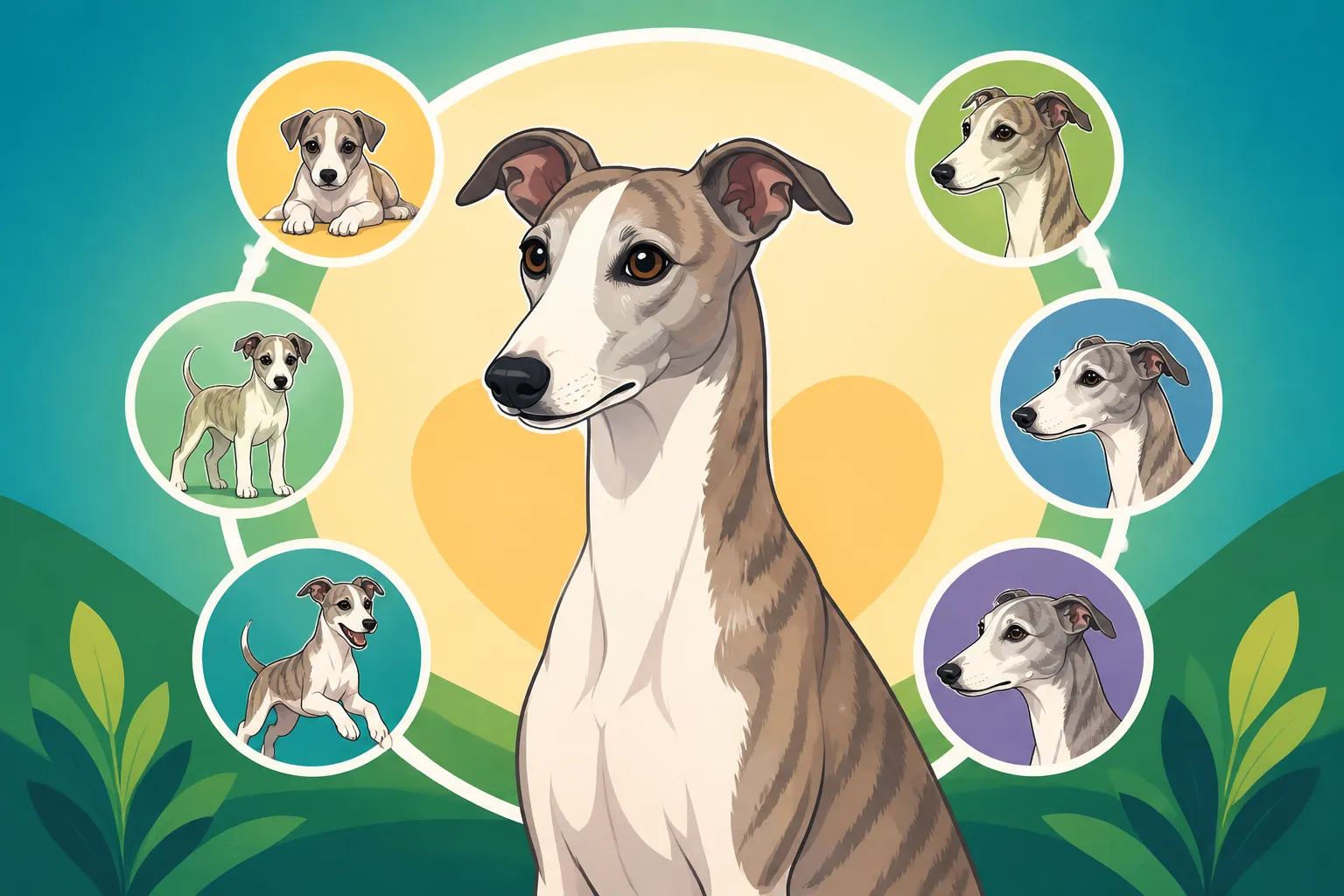
Generally, Whippets are considered a long-lived breed, often gracing their families with their presence for anywhere from 12 to 15 years. Some even defy expectations and sail past their 16th birthday, a true testament to good genes and excellent care. This average lifespan is quite respectable, especially when compared to many larger breeds who, sadly, often have much shorter lives. It's one of the many reasons why Whippets are such a popular choice for families looking for a companion for the long haul.
However, "average" doesn't mean "guaranteed." Many factors play into whether your individual Whippet lands at the lower or higher end of that spectrum. Genetics, for instance, are paramount. A Whippet from healthy, well-researched lines, whose parents and grandparents lived long, healthy lives, often has a head start. Beyond genetics, lifestyle choices, such as diet, exercise, and the quality of veterinary care, are massive contributors. A dog kept at an ideal weight, regularly exercised, and receiving consistent preventative care is simply better equipped to fend off illness and live longer.
Comparing Whippets to Other Sighthounds
It's natural to compare Whippets to their sighthound cousins, like Greyhounds and Italian Greyhounds, when considering lifespan. Greyhounds, being larger, typically have a slightly shorter average lifespan, often in the range of 10 to 14 years. This is a common trend across dog breeds: smaller dogs tend to live longer than larger ones. The sheer metabolic strain on a larger body can contribute to earlier onset of age-related diseases.
On the other end of the spectrum, Italian Greyhounds, being significantly smaller than Whippets, often boast even longer lifespans, frequently reaching 14 to 16 years, and sometimes even longer. This makes the Whippet’s 12 to 15-year average a comfortable middle ground within the sighthound family. It's a sweet spot, offering the elegant, athletic build of a sighthound without the significantly shorter lifespan sometimes associated with giant breeds, nor the extreme fragility that can sometimes come with tiny breeds. Each breed has its unique health profile, but the Whippet generally fares very well in the longevity department.
Debunking Common Misconceptions About Whippet Lifespans
There are a few myths that float around about Whippet health and lifespan that can cause unnecessary worry. One common misconception is that their athletic nature means they're prone to early joint issues that shorten their lives. While Whippets are indeed fast and agile, they are generally a sound breed with excellent bone structure, and issues like hip dysplasia are far less common than in many other breeds. Proper conditioning and careful exercise, particularly during puppyhood, are key to protecting those graceful joints, but their natural athleticism doesn't predispose them to a shorter life.
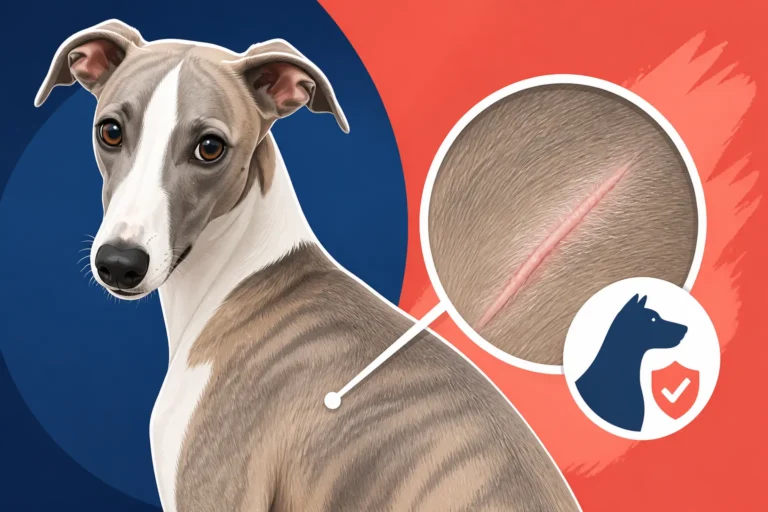
Another belief sometimes heard is that their thin skin and propensity for scrapes and cuts indicate a delicate overall constitution. It's true that a Whippet's thin skin can lead to frequent trips to the vet for stitches, but these are almost always superficial injuries that, while annoying and sometimes costly, rarely impact their overall lifespan. They are incredibly resilient dogs, and a few scars are often just badges of a well-lived, adventurous life. Understanding these nuances helps us focus on real health concerns rather than unfounded fears, ensuring we provide the best care for their long lives.
Genetic Health Conditions That Can Affect Longevity
While Whippets are generally a robust breed, like all purebreds, they can be predisposed to certain genetic conditions. Being aware of these doesn't mean panicking, but rather being proactive in health screening and vigilant about symptoms. Early detection and management can often make a significant difference in their quality of life and longevity.
Heart Health and Mitral Valve Disease
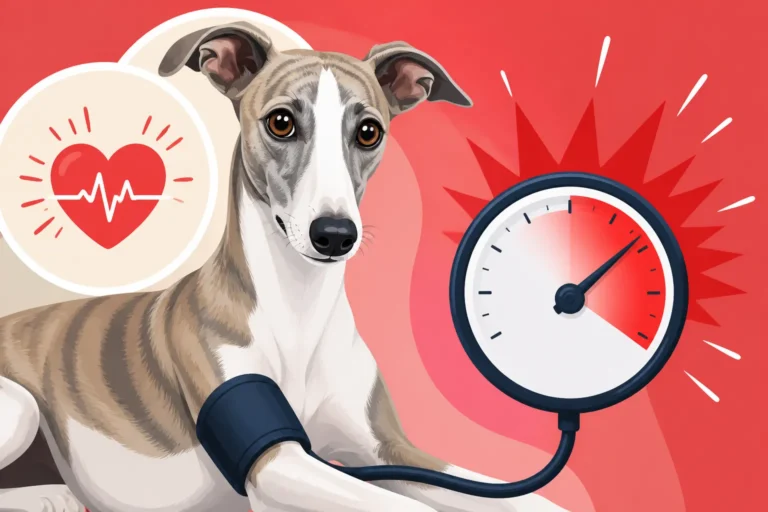
Perhaps one of the most significant health considerations for older Whippets, and a primary factor in their longevity, is heart health. Specifically, mitral valve disease (MVD) is what often ends up being the silent culprit as they age. This condition, where the mitral valve between the left atrium and ventricle degenerates and leaks, is common in many small to medium-sized breeds, and Whippets are no exception.
The slow progression of MVD means that a Whippet can live for years with a mild murmur before it becomes clinically significant. Regular cardiac exams, especially as your Whippet approaches their middle and senior years, are incredibly important. A vet might detect a heart murmur during a routine check-up, prompting further investigation. While a low-grade murmur might just be monitored, a more advanced case often requires medication to manage symptoms and improve quality of life. Understanding that Mitral Valve Disease Is What Ends Most Old Whippets helps owners stay ahead of this common ailment.
It’s worth noting that Whippets also have uniquely large hearts for their body size, a characteristic of sighthounds that aids their incredible athleticism. This can sometimes lead to misunderstandings during veterinary imaging, where a vet unfamiliar with sighthound anatomy might mistake a normal, athletic heart for an enlarged one. However, a genuinely enlarged heart due to MVD or other issues will have other accompanying signs an experienced vet can detect. You might also want to look into "Whether a Whippet's Heart Looks Enlarged on X Ray" for more information on this.
Blood Disorders and Unique Sighthound Bloodwork
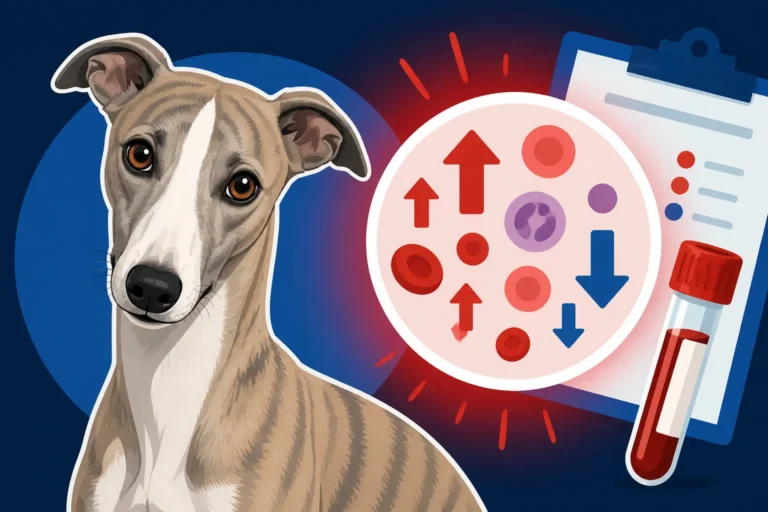
Whippets, along with other sighthounds, possess a unique physiological makeup that often shows up differently on routine bloodwork compared to other breeds. This isn't necessarily a sign of illness, but rather a normal variation for their type. However, if your vet isn't familiar with these sighthound nuances, these "unusual" results can lead to misdiagnosis or unnecessary worry. For instance, Whippets often have a higher packed cell volume (PCV), meaning their red blood cell count runs higher than average, which helps with oxygen delivery during their intense sprints.
Conversely, their thyroid readings can sometimes appear low by general canine standards, even when they are perfectly healthy. This "euthyroid sick syndrome" is common in sighthounds and does not necessarily indicate hypothyroidism. Treating a healthy Whippet for a low thyroid reading can actually cause more harm than good. It's crucial to consult with a veterinarian experienced with sighthounds or to ensure your vet references sighthound-specific ranges when interpreting lab results. This distinction is so vital that we often discuss "The Bloodwork Numbers That Look Wrong on a Healthy Whippet" to help owners prepare.
Beyond these normal variations, Whippets can, like any breed, be susceptible to certain blood disorders, though none are uniquely prevalent or life-threatening without other symptoms. The key takeaway here is knowledge and open communication with your vet about your Whippet’s sighthound physiology. This proactive approach ensures that any true anomalies are caught, and normal sighthound variations aren't mistaken for serious health issues that could impact their long-term well-being.
Neurological and Metabolic Concerns
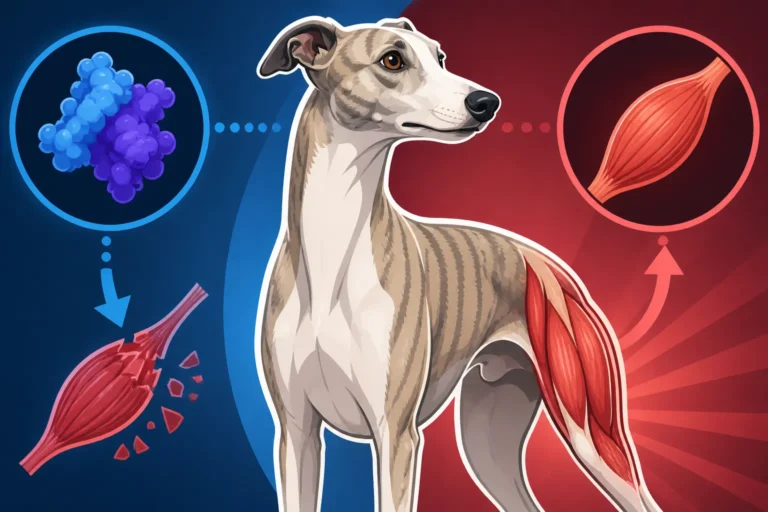
While less common than heart issues, certain neurological and metabolic concerns can impact a Whippet’s health and, potentially, their lifespan. One specific condition that sometimes surfaces in the breed is Phosphofructokinase (PFK) Deficiency. This is a hereditary metabolic disorder that affects a dog's red blood cells and muscle cells, leading to symptoms like exercise intolerance, muscle cramping, and sometimes dark urine after strenuous activity. It’s a recessive genetic condition, meaning a puppy must inherit a copy of the mutated gene from both parents to be affected.
A Whippet with PFK Deficiency might seem like a normal, energetic puppy at first, but symptoms usually become apparent during periods of excitement or exercise. If not managed, severe episodes can be serious, though many affected dogs can live a relatively normal life with careful management to avoid triggers. Knowing about "Phosphofructokinase Deficiency in a Whippet" and testing breeding stock for the gene can help eradicate the condition. Reputable breeders often screen their dogs for this and other genetic conditions to minimize the risk in their litters, contributing to a healthier and potentially longer life for their puppies.
While PFK deficiency is well-documented, other neurological issues in Whippets are generally uncommon and not breed-specific. Maintaining a healthy weight, providing appropriate exercise without overexertion, and offering a balanced diet can help support overall neurological health. Any unusual gait, weakness, or behavioral changes should always prompt a veterinary visit to rule out serious conditions that might impact their comfort and longevity.
The Role of Lifestyle and Environment in Extending a Whippet's Life
Genetics lay the groundwork, but lifestyle builds the house. For Whippets, an appropriate and thoughtful lifestyle plays an enormous role in not just how long they live, but how well they live. It’s about more than just food and walks; it’s about creating an environment where they can thrive, both physically and mentally.
Optimal Nutrition and Weight Management
One of the most powerful tools in an owner's arsenal for promoting longevity is optimal nutrition and diligent weight management. Whippets are naturally lean and athletic, and it's vital to keep them that way. While a healthy Whippet might appear "too thin" to those unfamiliar with the breed, with ribs and hip bones often visible, genuine overweight is detrimental. Extra pounds put unnecessary strain on their joints, heart, and other organs, accelerating the onset of age-related diseases like arthritis and heart conditions.
Feeding a high-quality diet appropriate for their life stage and activity level is key. This usually means a balanced commercial dog food, though some owners opt for raw or home-cooked diets under veterinary guidance. Portions should be carefully monitored, and treats given sparingly. It's a common misconception that because Whippets are so active, they can eat anything they want without consequence. While they burn calories efficiently during their bursts of speed, they are also supreme couch potatoes for many hours of the day, making weight gain a real possibility, especially after spaying or neutering. Owners often wonder "Whether a Whippet Is Cheap to Feed", and generally, for their size, they are, making it easier to afford a quality diet.
Maintaining a lean body condition isn't just about preventing disease; it's about supporting their natural athleticism and ensuring comfort. An overweight Whippet struggles to enjoy its sprints and zoomies, leading to a sedentary lifestyle that further compounds health issues. Regular body condition scoring, a simple visual and tactile assessment, can help you and your vet ensure your Whippet stays in its prime, contributing significantly to a long and active life.
Exercise Needs and Injury Prevention
Whippets are renowned for their incredible speed and athletic prowess, capable of reaching impressive speeds in short bursts. However, despite their racing heritage, they are not dogs that require hours of strenuous exercise every day. In fact, over-exercising a young Whippet can be detrimental to their developing joints. A couple of brisk walks a day, combined with opportunities for safe, off-leash running in a securely fenced area, is usually sufficient. Remember, they are often described as "40 mph couch potatoes," highlighting their dual nature.
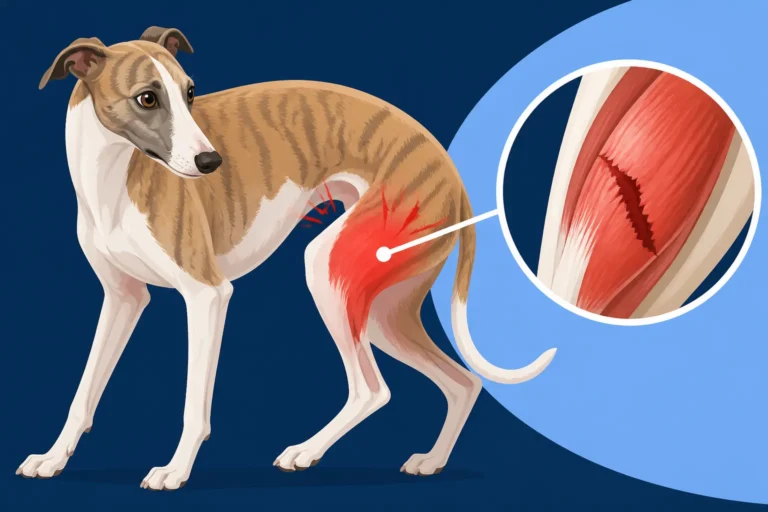
Injury prevention is paramount, especially given their lean build and propensity for exciting sprints. Their thin skin makes them prone to tears and lacerations, often from running through dense brush or colliding with objects. While these superficial wounds rarely affect longevity, serious injuries like broken bones or cruciate ligament tears can be devastating and impact their quality of life. Warming up a Whippet before intense activity and cooling them down afterward can help prevent muscle strains. Avoiding hard, uneven, or slippery surfaces for their high-speed antics can also significantly reduce injury risk.
Providing opportunities for bursts of speed, like lure coursing or Fast CAT, not only fulfills their instinctual drive but also provides safe, controlled environments for them to stretch their legs. These activities offer an excellent balance of mental and physical stimulation, keeping them fit and happy without undue risk. A well-exercised Whippet is a happy Whippet, and a happy Whippet is more likely to thrive for many years.
Mental Stimulation and Emotional Well-being
It's easy to focus on the physical aspects of longevity, but a Whippet's mental and emotional well-being is just as crucial for a long, fulfilling life. These intelligent and sensitive dogs require more than just physical exercise; they need mental stimulation to prevent boredom and anxiety. A bored Whippet can develop undesirable behaviors, but more importantly, chronic stress can have a tangible impact on their physical health over time.
Enrichment can come in many forms: puzzle toys, scent work, short training sessions, or simply engaging them in interactive play. Whippets thrive on routine and companionship. They are deeply devoted to their families and can suffer from separation anxiety if left alone for extended periods. Providing a comfortable, secure environment where they feel safe and loved is essential. This often means allowing them access to soft beds and furniture, as they genuinely prefer comfort. Owners often find themselves wondering "How Many Hours a Day a Whippet Sleeps", which is quite a lot! This deep rest is critical for their overall well-being.
Socialization, both with people and other calm, appropriate dogs, is also important. A well-socialized Whippet is generally more confident and less prone to stress in new situations. Their sensitive nature means they respond best to positive reinforcement training and a gentle hand. A secure, loving home environment that caters to their specific needs – plenty of soft places to sleep, opportunities for short bursts of speed, and abundant human companionship – forms the bedrock for a long, healthy, and happy life.
Proactive Veterinary Care and Early Detection
Proactive veterinary care is not just about reacting to illness; it's about prevention, early detection, and managing health to support a long, vibrant life. For a Whippet, this often means finding a veterinarian who understands their unique physiological characteristics and is prepared to tailor their care accordingly.
Regular Check-ups and Sighthound-Specific Protocols
Annual (and eventually bi-annual for seniors) veterinary check-ups are the cornerstone of proactive care. These visits allow your vet to monitor your Whippet's overall health, track any subtle changes, and perform routine screenings. For Whippets, finding a vet who is familiar with sighthounds is invaluable. They understand the breed's unique bloodwork parameters, their lower body fat, and their general sensitivity to certain medications.
A sighthound-savvy vet will know what to look for, from subtle cardiac murmurs to early signs of dental disease, without misinterpreting normal Whippet traits as pathology. They can provide tailored advice on diet, exercise, and parasite prevention that considers your Whippet's specific needs. These regular visits also offer an opportunity to discuss any behavioral changes or concerns you might have, which can sometimes be early indicators of underlying health issues. Building a strong relationship with your vet, one based on trust and a shared understanding of your Whippet's breed-specific needs, is one of the best investments you can make in their long-term health.
Importance of Dental Health
Dental disease is often called a silent killer in dogs, and Whippets are particularly susceptible. Their narrow jaws can sometimes lead to crowded teeth, making them more prone to plaque and tartar buildup. Left unchecked, dental disease can progress from gingivitis to periodontitis, leading to painful infections, tooth loss, and systemic health problems as bacteria from the mouth enter the bloodstream and affect organs like the heart, kidneys, and liver. This direct link between oral health and overall health makes dental care a critical component of extending a Whippet's lifespan.
Regular at-home dental care, such as daily tooth brushing with dog-specific toothpaste, is the most effective preventative measure. Beyond that, professional dental cleanings under anesthesia are often necessary. While the thought of anesthesia can be daunting, especially for sighthounds, the benefits of addressing dental disease far outweigh the risks when proper sighthound anesthesia protocols are followed. Many Whippets will need yearly dental cleanings as they age to maintain optimal oral health.
Your vet can assess your Whippet's dental health during routine check-ups and recommend a cleaning schedule. Early intervention can prevent serious and costly problems down the line, ensuring your Whippet remains pain-free and healthier overall. Investing in good dental hygiene is a simple yet powerful way to contribute to your Whippet's comfort and longevity.
Understanding Anesthesia Risks for Whippets
One aspect of veterinary care that often causes anxiety for Whippet owners is anesthesia. Sighthounds, including Whippets, are known to have specific sensitivities to certain anesthetic agents and can recover more slowly than other breeds. This isn't due to a specific disease but rather their unique physiology: very low body fat, a lean muscle mass, and a different metabolic pathway for processing certain drugs. Therefore, it's absolutely crucial that your veterinarian understands "Why a Whippet Needs a Sighthound Anesthesia Protocol".
Anesthesia protocols for Whippets should involve specific drug choices, often avoiding older thiobarbiturates like thiopental, which can linger in their system and lead to prolonged recovery. Safer options, such as propofol for induction and isoflurane or sevoflurane gas for maintenance, are generally preferred. Maintaining body temperature is also critical, as their low body fat makes them prone to hypothermia during and after surgery. Warming blankets, heated pads, and careful monitoring are essential.
Before any procedure requiring anesthesia, your vet should conduct thorough pre-anesthetic bloodwork to ensure your Whippet's organs are functioning well. Discussing the anesthetic protocol in detail with your vet, ensuring they are experienced with sighthound anesthesia, and understanding the monitoring procedures in place can provide significant peace of mind. While no anesthesia is without risk, these tailored protocols dramatically enhance safety and contribute to better outcomes, allowing your Whippet to undergo necessary procedures, like dental cleanings or wound repairs, without undue risk to their long-term health.
Managing Common Ailments and Age-Related Changes
As Whippets age, like all dogs, they will inevitably face various ailments and age-related changes. The goal isn't to prevent aging, which is impossible, but to manage these conditions effectively to maintain their quality of life and extend their comfortable years. Being observant and proactive is key to keeping them feeling their best.
Arthritis and Joint Care in Senior Whippets
While Whippets are generally a sound breed with strong joints, arthritis can become a concern as they enter their senior years, typically after the age of 8 or 10. Years of running, jumping, and playing can take a toll on cartilage, leading to inflammation and pain in the joints, particularly in the hips, elbows, and spine. This doesn't mean your Whippet will become completely immobile, but you might notice them slowing down, struggling to get up, or being less enthusiastic about walks.
Early intervention and management are crucial for preserving mobility and comfort. This often involves a multi-modal approach:
- Weight Management: Keeping your senior Whippet lean is more important than ever to reduce strain on aching joints.
- Supplements: Joint supplements containing glucosamine, chondroitin, and MSM can help support cartilage health and reduce inflammation. Omega-3 fatty acids are also beneficial.
- Medication: Non-steroidal anti-inflammatory drugs (NSAIDs) can be prescribed by your vet to manage pain and inflammation during flare-ups.
- Therapies: Physical therapy, hydrotherapy, acupuncture, and cold laser therapy can offer significant relief and improve joint function.
- Comfort: Providing soft, orthopedic beds and ramps to access furniture can make a huge difference in their daily comfort. For more specific advice, looking into "Beds That Suit an Arthritic Whippet" can be very helpful.
Regular, gentle exercise, like short walks, is still important to keep muscles strong and joints flexible. Monitoring their comfort levels and adjusting their routine as needed will ensure they enjoy their golden years with as much ease as possible.
Skin Issues and Wound Management
Whippets are well-known for their incredibly thin, delicate skin, which often feels like fine tissue paper. While it's part of their sleek, elegant appearance, it also makes them highly susceptible to skin tears, cuts, and scrapes. A quick brush against a sharp corner, a tumble during a sprint, or even rough play can result in a laceration that often requires veterinary attention, sometimes even stitches. This means that "The Thin Skin That Sends a Whippet to the Vet for Stitches" is a common occurrence in their lives.
Managing these wounds effectively is crucial, not just for healing but for preventing infection. Every Whippet owner should have a basic first-aid kit on hand for cleaning minor scrapes, but anything deep, wide, or bleeding profusely warrants a vet visit. Prompt cleaning, sometimes with a gentle antiseptic, and appropriate bandaging are key. Whippets also tend to bruise easily, with large purple or red marks often appearing around even minor injuries due to their thin skin and superficial blood vessels.
Beyond acute injuries, Whippets can also develop pressure sores or calluses, particularly on their elbows and hocks, if they frequently sleep on hard surfaces. Providing ample soft bedding everywhere they rest, from crates to living room floors, is essential. Keeping their skin healthy with a balanced diet and monitoring for any persistent itching, rashes, or lumps can also contribute to their long-term comfort. While skin tears are rarely life-threatening, proper care ensures they don't lead to more serious secondary infections that could impact their overall health.
Addressing Sensory Decline
Just like humans, Whippets can experience a decline in their senses as they age. Vision and hearing loss are common age-related changes that can impact a senior Whippet's quality of life. While these changes don't directly shorten their lifespan, they can certainly affect their well-being, confidence, and how they navigate their environment.
Vision Loss: Many older Whippets will develop some degree of cataracts, which can make their eyes appear cloudy. More serious conditions like Progressive Retinal Atrophy (PRA) are less common but can lead to blindness. Signs of vision loss might include bumping into furniture, hesitating on stairs, or being startled more easily. Adapting the home environment by keeping furniture in consistent locations, providing good lighting, and using scent markers can help a vision-impaired Whippet maintain independence. Consistent routines and gentle guidance are also very beneficial. Regular eye exams with your vet can help monitor these changes and identify any treatable conditions.
Hearing Loss: Hearing loss often occurs gradually and can be harder to spot. You might notice your Whippet not responding to their name, sleeping through loud noises, or relying more on visual cues. Hand signals can be introduced early in their lives, making communication easier as their hearing diminishes. Vibration collars (for cues, not correction) can also be helpful for getting their attention. It's important to remember that a Whippet experiencing sensory decline might become more anxious or withdrawn. Patience, understanding, and providing a predictable, safe environment are crucial for helping them adjust and continue to live a full life, even with reduced senses.
Embracing the Senior Years: Quality of Life for an Older Whippet
Watching our Whippets gracefully transition into their senior years is a bittersweet experience. While the physical signs of aging become more apparent, these years are often filled with even deeper bonds and quieter joys. The focus shifts from high-energy antics to ensuring comfort, dignity, and a high quality of life for their remaining time. This is a time when "Caring for a Whippet Past Ten" becomes an art.
Adapting the Home Environment
As your Whippet ages, their physical capabilities will naturally change, and their home environment should adapt to support them. What was once easy might become a challenge, and proactive adjustments can make a significant difference in their comfort and safety. This involves thinking about every aspect of their daily life.
Consider their sleeping arrangements. Older Whippets, especially those with arthritis, will benefit immensely from orthopedic beds that provide excellent support and cushioning. Memory foam beds are often ideal. Ensure these comfortable resting spots are easily accessible and located in warm, draft-free areas, as older Whippets feel the cold more keenly. You might also find yourself needing to ensure they have a bed in every room they frequent. If your Whippet likes to sleep on the sofa or bed, consider ramps or pet stairs to help them get up and down without straining their joints.
Flooring can also be an issue. Slippery hard floors can be treacherous for an older dog with weaker legs or compromised balance. Rugs, runners, or non-slip mats can provide traction in high-traffic areas. Additionally, make sure food and water bowls are easily accessible, perhaps slightly raised if bending down becomes difficult. Even small changes, like nightlights for those with declining vision or accessible potty spots if trips outside become more urgent, can significantly improve their daily experience and reduce stress. The goal is to minimize physical exertion and maximize comfort.
Maintaining Comfort and Dignity
Maintaining comfort and dignity for a senior Whippet goes beyond physical adaptations; it encompasses their emotional well-being and consistent, loving care. This stage of life often requires more patience and attentiveness from their human companions.
Regular, gentle grooming becomes more important. While Whippets have low-maintenance coats, older dogs may struggle to groom themselves thoroughly. Soft brushing can stimulate circulation, remove loose hair, and allow you to check for any new lumps, bumps, or skin irritations that might be missed otherwise. Regular nail trims are also crucial, as overgrown nails can make walking painful and compromise balance. A slow, steady routine for these activities, performed gently, can be a comforting ritual for both of you.
Dietary adjustments are also often necessary. Older Whippets might benefit from food formulated for senior dogs, which typically has fewer calories (to prevent weight gain if activity decreases) and sometimes added joint support. They might also become pickier eaters, requiring a bit of coaxing or warmed food to stimulate their appetite. Ensuring they have access to fresh water at all times is vital, as hydration is always important.
Perhaps most importantly, continue to engage with your senior Whippet mentally and emotionally. While physical play may diminish, gentle walks, puzzle toys, and plenty of cuddles and quiet companionship keep their minds active and reinforce their place in the family. They might sleep more, but they still cherish your presence. Recognizing "The Age a Whippet Counts as a Senior" helps us start these adjustments sooner.
Recognizing When It's Time to Say Goodbye
This is, without a doubt, the most heart-wrenching part of pet ownership, but it's an essential conversation when discussing a Whippet's lifespan. Recognizing when your senior Whippet has had enough and their quality of life has significantly diminished is a profound act of love and compassion. It’s a decision no one wants to make, but one that ensures they don't suffer needlessly.
There's no single perfect moment, and it’s rarely a sudden event. Instead, it's often a gradual decline where bad days start to outnumber good days. Signs to look for include persistent pain that can no longer be managed by medication, severe mobility issues preventing them from enjoying simple pleasures, a significant loss of appetite or refusal to eat for an extended period, chronic incontinence, or a general loss of interest in activities they once loved. Lethargy, hiding, or unusual aggression (which might stem from pain or confusion) can also be indicators.
Having open and honest conversations with your veterinarian about your Whippet's quality of life is critical. They can help you assess their comfort levels and discuss palliative care options. Sometimes, a temporary improvement can be achieved with new medications or therapies, but there often comes a point where further intervention simply prolongs suffering. It's a deeply personal decision, and leaning on the support of your vet, family, and friends during this incredibly difficult time is vital. Remembering all the good years and focusing on preventing suffering in their final days is the ultimate expression of love for your long-lived companion.
Financial Considerations for a Long-Lived Whippet
A long lifespan is a blessing, but it also comes with financial realities. Owning a Whippet for 12 to 15 years means budgeting for over a decade of care, and those costs can add up, especially as they enter their senior years when veterinary needs often increase. Being prepared financially can reduce stress and allow you to make decisions based on your Whippet's health, rather than your wallet.
Budgeting for Lifetime Vet Costs
Throughout a Whippet's long life, veterinary costs are a significant and unavoidable expense. From puppy vaccinations and routine check-ups to eventual senior care, these costs need to be factored into the overall budget. In their younger years, costs are typically predictable: annual exams, vaccinations, parasite prevention, and perhaps a spay or neuter. However, as they age, the landscape changes.
Senior Whippets often require more frequent vet visits, sometimes twice a year, to monitor for age-related conditions like arthritis, heart disease, or dental issues. Diagnostic tests such as blood panels, X-rays, or echocardiograms become more common. Medications for chronic conditions like arthritis or heart murmurs can become a monthly expense. Emergency visits for those inevitable skin tears or unexpected illnesses can be particularly expensive, sometimes running into hundreds or even thousands of dollars. Understanding "What a Sighthound Vet Costs Over a Whippet's Life" provides a realistic picture.
It’s wise to create a dedicated savings fund for your Whippet's healthcare, even if you have pet insurance. This "rainy day" fund can cover deductibles, co-pays, or procedures not covered by insurance. Anticipating these costs allows you to provide the best possible care throughout their entire lifespan without financial strain.
The Value of Pet Insurance
Given the potential for unexpected health issues and the inevitable increase in veterinary needs as Whippets age, pet insurance can be an invaluable investment. While it’s an upfront cost, it can provide immense peace of mind and significantly mitigate the financial burden of serious illnesses or accidents, especially for a breed known for a good, long lifespan where chronic conditions are more likely to develop.
Pet insurance works much like human health insurance, with various plans offering different levels of coverage, deductibles, and reimbursement percentages. Many plans cover accidents and illnesses, including diagnostics, surgeries, medications, and emergency care. Some even offer wellness add-ons for routine care. Enrolling your Whippet when they are young and healthy is usually the most cost-effective option, as pre-existing conditions are typically not covered. Brands like Healthy Paws are popular choices among pet owners, known for comprehensive coverage that can really help when unexpected veterinary bills arise. Imagine if your Whippet develops a heart condition in their later years; ongoing medication and diagnostics could be incredibly expensive without insurance.
Before choosing a plan, it's crucial to research different providers and compare their offerings. Look for plans that have a strong reputation and good customer service. Read the fine print to understand what is and isn't covered, and what the annual limits are. While it's another monthly expense, the relief of knowing you can afford the best treatment for your beloved Whippet, especially as they get older, is often well worth the investment, safeguarding both their health and your finances. Healthy Paws, for example, often receives good reviews for its quick claim processing.
Preparing for End-of-Life Expenses
While it’s an unpleasant thought, preparing for end-of-life expenses is another aspect of financially planning for a long-lived Whippet. This allows you to make decisions based on love and comfort, rather than being caught off guard by unexpected costs during an already emotionally difficult time.
End-of-life care can include palliative care to manage pain and improve comfort, which might involve specialized medications or therapies. Euthanasia services also come with a cost, which can vary depending on whether it's performed at the vet clinic or in your home, with in-home services often being more expensive but offering a more peaceful setting. Many owners choose cremation, and the cost will depend on whether you opt for private cremation (where you receive your Whippet's ashes back) or communal cremation. Urns, memorial items, or even burial plots are additional considerations.
Having an idea of these potential costs and setting aside a small fund for them can alleviate stress during a period of immense grief. Some pet insurance plans, like certain offerings from Healthy Paws, might cover a portion of euthanasia costs if medically necessary, but it’s important to check your specific policy. Being prepared for these inevitable expenses is a testament to the deep love and responsibility we feel for our Whippets, ensuring their final moments are as dignified and peaceful as possible.
Disclaimer
This article is intended for informational purposes only and does not constitute medical advice. Always consult with a qualified veterinarian for any health concerns or before making any decisions about your Whippet's care.