Why a Carrier Whippet Runs Faster
It’s a common sight for Whippet owners: your dog streaks across a field, a blur of grace and power, leaving other breeds in the dust. But did you know that some Whippets are genetically predisposed to be even faster, thanks to a specific gene mutation? This guide dives deep into why a carrier Whippet, carrying one copy of the myostatin "bully" gene, often exhibits superior speed and athleticism, exploring the science behind this fascinating genetic advantage.
Understanding the Myostatin Gene in Whippets
The myostatin gene is a real game-changer in the world of Whippets, dictating how their muscles develop. It’s not just some obscure scientific concept; it directly impacts the athletic prowess of these incredible sighthounds. For anyone who loves a fast dog, understanding this gene is key to appreciating what makes a Whippet truly special.
What Myostatin Actually Does
At its core, myostatin is a protein that acts like a brake on muscle growth. Think of it as a natural regulator within the body, ensuring that muscles don't just grow unchecked. Every dog, and indeed most mammals, has this gene. Its primary role is to prevent excessive muscle development, maintaining a balanced and functional physique. Without some form of myostatin regulation, animals could develop muscle mass to the point where it becomes detrimental to their mobility and overall health.
In Whippets, as in many breeds, this gene functions normally most of the time, allowing for the sleek, powerful musculature we admire. However, a mutation in this gene can alter its function significantly. If the myostatin protein isn't produced in sufficient quantities, or if its activity is reduced, that "brake" on muscle growth is lifted, leading to more muscle. This balance is crucial; too much muscle can be just as problematic as too little. For a deeper dive, you can learn more about What Myostatin Does in a Whippet.
This natural regulatory mechanism is usually quite precise, allowing dogs to develop muscle appropriate for their breed and intended function. For a Whippet, that means long, lean muscles built for explosive sprints rather than bulky, heavy power. When this genetic regulation is tweaked, even slightly, it can have noticeable effects on their physical capabilities and appearance.
The Different Myostatin Gene Combinations
When we talk about the myostatin gene in Whippets, there are generally three possible combinations, or genotypes, that a dog can inherit. Each combination results in a distinct physical outcome, influencing everything from their build to their speed. These genotypes are determined by whether a Whippet inherits a normal copy (N) or a mutated copy (m) of the gene from each parent.
Firstly, there's the N/N combination, which means the Whippet has two normal copies of the myostatin gene. These dogs develop muscle in the typical Whippet fashion – lean, athletic, and perfectly suited for speed and agility. They are fantastic athletes in their own right, and most Whippets you encounter will fall into this category. They possess the classic elegant form and incredible burst speed that the breed is famous for. Their muscle development is perfectly in line with the breed standard, optimized for their sighthound purpose.
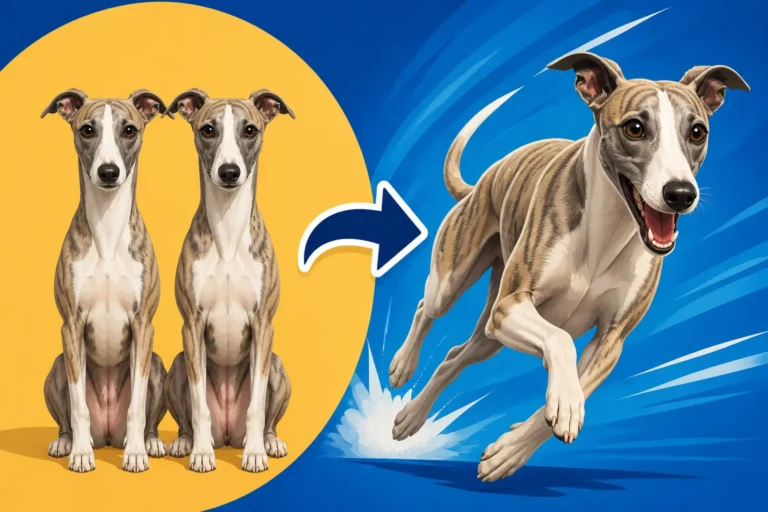
Next, we have the N/m combination, which is what we refer to as a "carrier" Whippet. This dog has inherited one normal copy of the gene and one mutated copy. This is where things get really interesting for speed enthusiasts. The single mutated copy leads to a reduction in myostatin activity, but not its complete absence. The result is a Whippet that typically has slightly more muscle mass than an N/N dog, often appearing a bit more powerful and defined, particularly across the neck, shoulders, and thighs. This subtle increase in muscle, without the detrimental bulk, is precisely why these carriers can be faster. For many, this is considered the "performance" genotype in racing circles, enhancing their natural abilities.
Finally, there's the m/m combination, where the Whippet has inherited two copies of the mutated myostatin gene. These dogs are often referred to as "bully Whippets" or "double-muscled Whippets." They exhibit a significant increase in muscle mass, often to an extreme degree, with a very thick, almost disproportionate physique. While they are incredibly muscular, this can come with some health and conformational challenges. Their bulk can affect their agility, flexibility, and even overall health, sometimes leading to Bully Whippet Syndrome and the Myostatin Gene Behind It. This extreme musculature, while visually striking, often doesn't translate to the optimal speed and agility seen in carriers. For more information, you might be interested in How Common the Bully Whippet Mutation Is.
The Science Behind a Carrier Whippet's Speed Advantage
It might seem counterintuitive at first: how can a genetic "mutation" actually improve a dog's performance? But for carrier Whippets, it's all about striking a perfect balance. The subtle alteration brought about by one copy of the myostatin gene mutation creates an optimal physiological profile for explosive speed, turning an already fast dog into a truly exceptional athlete.
Increased Muscle Mass, Not Too Much
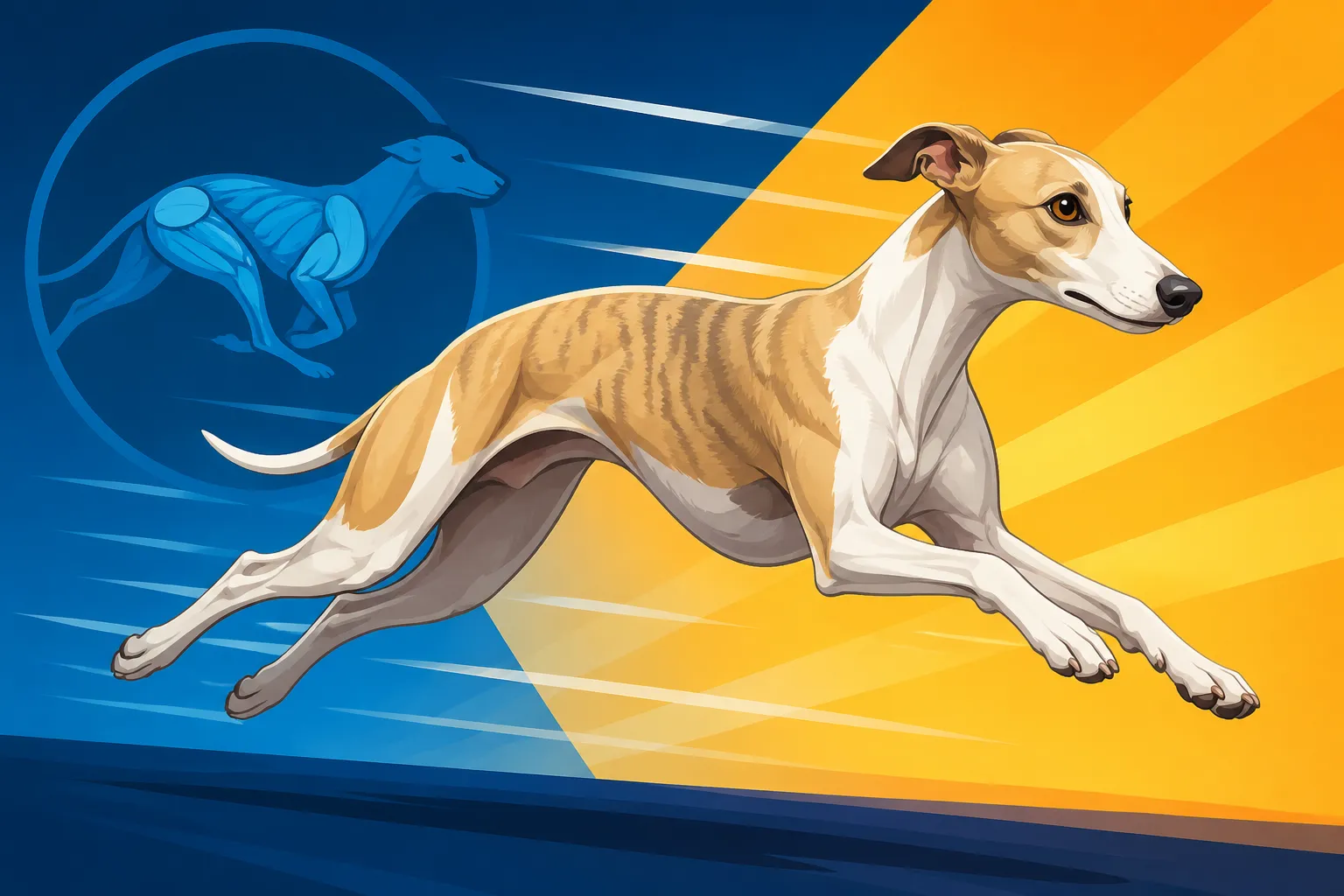
The key to the carrier Whippet's speed lies in a very specific, moderate increase in muscle mass. Unlike the extreme bulk seen in "bully" Whippets (m/m), carrier Whippets (N/m) develop just enough extra muscle to provide a significant power boost without becoming hindered by it. Imagine a perfectly tuned racing machine: it has power, but not so much that it becomes heavy or unwieldy. That's the carrier Whippet.
This moderate increase in muscle is particularly noticeable in the powerful hindquarters and across the shoulders and neck, areas critical for propulsion and steering during a sprint. This additional musculature translates directly into more force being generated with each stride, allowing them to accelerate faster and maintain higher top speeds. They aren't just bigger; they're more efficiently muscular for their intended purpose. It's a goldilocks scenario: not too little, not too much, but just right for maximum performance. This is why many refer to Why One Copy of the Bully Gene Makes a Whippet Faster.
Compare this to the "bully" Whippets. While undeniably muscular, their extreme bulk can be a disadvantage. Too much muscle can reduce flexibility, make their movements less fluid, and even lead to overheating during intense exertion. They might struggle with the fine balance and agility required for quick turns and maneuvers in a lure course. The carrier Whippet, however, retains the breed's characteristic elegance and agility while gaining an edge in raw power. The muscle gained by carriers enhances rather than detracts from their natural athleticism. You can often start to see The Age a Bully Whippet's Muscling Shows as they mature, giving you an early indication of their potential.
Optimal Power-to-Weight Ratio
Whippets are already renowned for their incredible power-to-weight ratio. They are naturally lean, with minimal body fat, and a skeletal structure perfectly designed for high-speed locomotion. The carrier gene simply optimizes this existing advantage. By subtly increasing muscle density and volume, the carrier Whippet gains more power without a significant increase in overall body weight that would slow them down.
Think of it this way: a standard Whippet is already like a lightweight sports car. A carrier Whippet is that same sports car, but with a slightly more powerful, finely-tuned engine, without adding unnecessary weight to the chassis. This allows them to harness their genetic gifts for bursts of incredible speed, reaching their top velocity faster and maintaining it for the short distances typical of sighthound sports. It’s about maximizing thrust while minimizing drag. This exquisite balance is why carrier Whippets are often highly valued in competitive events.
This ratio is critical for sports like lure coursing and Fast CAT, where explosive acceleration and quick directional changes are paramount. The ability to go from a standstill to full sprint in mere seconds, and to make sharp turns without losing momentum, is directly linked to an efficient power-to-weight ratio. The carrier gene essentially fine-tunes this natural attribute, giving them an almost unfair advantage on the track or field. This improved ratio makes them extremely potent competitors, raising questions like Whether a Bully Whippet Can Race.
Enhanced Anaerobic Capacity
Beyond just visible muscle, the myostatin gene can influence the type of muscle fibers a dog develops and how those muscles utilize energy. Sighthounds, by their very nature, are designed for short, explosive bursts of speed – an activity that relies heavily on anaerobic metabolism. This is the body's way of producing energy without oxygen, crucial for intense, short-duration efforts.
It's hypothesized that the myostatin mutation in carrier Whippets might favor the development or efficiency of fast-twitch muscle fibers. These are the muscle fibers responsible for powerful, rapid contractions, which are essential for sprinting. While all Whippets have a high proportion of fast-twitch fibers, the carrier gene may enhance this, allowing for even more efficient and sustained anaerobic performance over short distances. This isn't about endurance, but about pure, unadulterated explosive power.
This enhanced anaerobic capacity means a carrier Whippet can tap into a deeper reserve of instant energy, allowing for that extra burst of speed at the critical moment of a race or course. They can accelerate harder, and perhaps maintain peak speed for a fraction longer, which can make all the difference in a tight competition. This genetic predisposition contributes significantly to their ability to outrun many of their N/N counterparts, and it's a major reason Whether Racing Whippets Are Selected for the Carrier Gene is a common question among breeders and owners.
Real-World Impact and Considerations for Carrier Whippets
The presence of the carrier gene isn't just a fascinating biological quirk; it has tangible effects on a Whippet's life, especially for those involved in performance sports. Understanding these real-world implications helps owners and breeders make informed decisions about training, care, and breeding.
Performance in Dog Sports
In the competitive world of Whippet racing, lure coursing, and Fast CAT, the carrier (N/m) genotype is often considered the gold standard for performance. Many of the fastest and most successful Whippets on the track carry one copy of the myostatin mutation. Their enhanced muscle mass and optimal power-to-weight ratio give them a measurable edge, allowing for quicker acceleration and higher top speeds, which are critical in races decided by fractions of a second.
This isn't just anecdotal observation; it’s widely recognized within the sighthound sporting community. Competitors often pay close attention to the genetic profiles of their breeding stock to ensure they are producing puppies with this advantageous genotype. A carrier Whippet typically possesses that extra "oomph" that can mean the difference between placing and winning. Their explosive start and unwavering drive make them formidable opponents. Owners of these gifted athletes often invest in specialized training and dietary regimens to maximize their potential.
It’s important to remember, however, that genetics are only one piece of the puzzle. A carrier Whippet still needs proper conditioning, excellent training, and the innate drive and temperament of a top athlete to truly excel. But when all these factors align, the carrier gene can provide that crucial biological advantage.
Health and Temperament Implications
A common concern when discussing genetic mutations is their impact on health. Thankfully, for carrier (N/m) Whippets, carrying one copy of the myostatin gene mutation does not typically lead to the significant health challenges associated with the "bully" (m/m) phenotype. These dogs generally live normal, healthy lives and have the typical lifespan for the breed, often reaching The Twelve to Fifteen Years a Whippet Lives. They do not suffer from the musculoskeletal issues, overheating risks, or conformational problems that can affect their double-muscled counterparts.
In terms of temperament, carrier Whippets are just like any other Whippet – affectionate, gentle, and often true "couch potatoes" indoors, despite their athletic prowess. The gene mutation influences muscle development, not personality. Owners should continue to provide the same loving care, regular exercise, and mental stimulation as they would for any Whippet. They might simply find their carrier Whippet has a little extra spring in their step or a stronger desire for those high-speed sprints.
However, as with any highly athletic dog, keeping them in peak condition and ensuring their safety during vigorous exercise is paramount. Their thin skin means they can be prone to tears and scrapes if running through dense brush, so careful consideration of their exercise environment is always a good idea. For unexpected bumps and bruises, or more serious conditions, having robust pet insurance like that offered by Healthy Paws can provide immense peace of mind. It’s important to remember that even the healthiest, most genetically gifted Whippet can have an accident, or develop an illness over their lifetime.
Testing and Breeding Decisions
For breeders and owners interested in their Whippet's genetic makeup, DNA testing for the myostatin gene mutation is readily available and highly recommended. Companies like Embark Veterinary and Optimal Selection offer comprehensive genetic panels that include testing for this specific mutation. Knowing your Whippet's genotype (N/N, N/m, or m/m) can inform decisions, especially in breeding. This information is invaluable for responsible breeding practices, helping to avoid producing "bully" Whippets, which can face quality-of-life issues. If you're curious about the process, you can find more about The DNA Test That Finds the Whippet Myostatin Mutation.
Responsible breeders will test their breeding stock and make pairing decisions to produce desired outcomes. For instance, breeding two N/m carriers together runs a 25% risk of producing m/m "bully" puppies, along with 50% N/m carriers and 25% N/N standard Whippets. Therefore, many breeders avoid breeding two carriers together, preferring to breed a carrier (N/m) with a clear (N/N) dog to maximize the chances of producing more carriers while ensuring no m/m offspring. This is a crucial aspect of Whether Whippet Breeders Test for Myostatin and responsible canine genetics.
For pet owners, knowing your dog's myostatin status might simply be a point of interest or help you understand why your Whippet is particularly fast or muscular. It doesn't necessarily change their day-to-day care, but it can provide insights into their inherent capabilities. It's a fantastic tool for science-backed dog ownership. While the genetic test itself is relatively affordable, understanding the results helps you plan for the best care. You can research What the Myostatin Test Costs on a Whippet to get an idea of the expense.
Living with a Genetically Gifted Whippet
Having a carrier Whippet, or any Whippet for that matter, is a joy. Their unique combination of athletic prowess and loving companionship makes them truly special. When you have a genetically gifted runner, it’s even more rewarding to channel that energy and ensure they live a full, happy, and healthy life.
Embracing Their Athleticism
If you have a carrier Whippet, you'll quickly notice their incredible bursts of speed and their love for running. Embracing this athleticism means providing them with appropriate and safe outlets for their energy. This isn't about forcing them into competition, but rather allowing them to revel in their natural abilities. Regular opportunities for off-leash running in a securely fenced area are paramount. A local dog park with separate large dog sections, or a private dog field, can be a godsend. Keep in mind that How Fast a Whippet Actually Runs means they can cover vast distances in seconds, making a truly secure area non-negotiable.
Consider engaging in sighthound-specific sports like lure coursing or Fast CAT. These events are designed specifically for dogs like Whippets, channeling their innate prey drive and speed in a safe, controlled environment. It’s an incredibly rewarding experience for both dog and owner, allowing them to do what they were born to do. Even if you don't compete, the joy of watching your Whippet chase a lure at full tilt is simply breathtaking. For more ideas on activity, consider How Much Exercise a Whippet Really Needs.
Remember, while they are fast, their stamina for sustained, long-distance running is typically lower than their sprinting capability. Focus on quality, high-intensity sprints rather than endurance jogs. After a good run, your Whippet will be more than happy to curl up on the sofa and resume their role as a champion napper. This balance of intense activity and deep relaxation is characteristic of the breed.
Ensuring Their Well-being
Even with a genetic advantage, a carrier Whippet's well-being depends on consistent, thoughtful care. Their lean build, while perfect for speed, means they have very little natural padding, so soft bedding is a must everywhere they rest. Their thin skin is also prone to cuts and scrapes during play, so regular checks for injuries are vital. For those inevitable minor cuts, knowing Skin First Aid Every Whippet Owner Should Know can be incredibly helpful.
Nutrition plays a crucial role for an active Whippet. They need a high-quality diet that supports their energy levels and muscle maintenance. While they are efficient eaters for their size, ensuring they get adequate protein and balanced nutrients is key. Regular veterinary check-ups are also indispensable. A vet familiar with sighthound physiology can help catch any potential issues early and provide tailored advice. Whippets, being sighthounds, sometimes have unique considerations, such as Why a Whippet Needs a Sighthound Anesthesia Protocol if surgery is ever required.
Finally, consider pet insurance to help manage unexpected vet bills. Even with the best care, accidents and illnesses can happen. A policy from a provider like Healthy Paws can alleviate financial stress, allowing you to focus on your Whippet's recovery without worrying about the cost. From treating a sudden injury to managing a chronic condition that might arise as they age, a good insurance plan ensures your genetically gifted companion receives the best possible care throughout their life.
| Myostatin Genotype | Muscle Mass | Speed Potential | Health Implications | Breeding Advice |
|---|---|---|---|---|
| N/N (Clear) | Normal | Excellent | Generally excellent | Can be bred with N/N or N/m |
| N/m (Carrier) | Increased | Superior | Generally excellent | Breed with N/N to avoid m/m offspring |
| m/m (Bully) | Significantly Increased | Variable (can be hindered by bulk) | Potential musculoskeletal and overheating issues | Should not be bred |
Disclaimer
The information provided in this article is for general informational purposes only and is not a substitute for professional veterinary advice. Always consult with a qualified veterinarian regarding your Whippet's health, diagnosis, and treatment. Genetic testing information should be discussed with your veterinarian and/or a reputable breeder to make informed decisions.