Keeping a Whippet Warm Without Overheating It
Oh, the classic Whippet dilemma! We love our lean, elegant companions, but boy, do they keep us on our toes when it comes to temperature. It’s a constant dance between making sure they’re snug as a bug and suddenly finding them panting like they’ve just run the Derby, even indoors. Getting that balance right, keeping them warm without tipping over into overheating, is a genuine concern for every Whippet parent. This guide is here to walk you through the nuances of your Whippet's unique body, helping you understand their needs and equip you with the knowledge to keep them perfectly comfortable, whatever the weather throws your way.
Understanding Your Whippet's Unique Thermodynamics
Whippets, with their sleek lines and athletic build, are truly marvels of canine engineering. But that very design, optimized for blistering speed, also comes with a few built-in challenges when it comes to regulating their body temperature. They're not like those fluffy, double-coated breeds who seem oblivious to a chill. Our Whippets feel the cold, and they feel it quickly.
The Lack of Natural Insulation
Let's face it: a Whippet's physique is all about aerodynamics, not thermal retention. They have an incredibly minimal amount of body fat, a characteristic that makes them so graceful and fast, but leaves them with almost no natural insulation. Think about it – run your hand along their side, and you can feel every rib, every muscle contour. There's no thick layer of blubber or dense undercoat to trap warmth.
Their skin, too, is surprisingly thin and delicate, offering little barrier against cold air or drafts. Couple that with a short, fine coat that lies flat against their body, and you have a dog that sheds heat rapidly. While many breeds boast a thick, insulating undercoat that acts like a built-in down jacket, your Whippet's single layer of fine hair offers about as much warmth as a silk scarf in a blizzard. This isn't a sign they're "too thin" in an unhealthy way; it's simply how they're built. It's why strangers often mistakenly assume a healthy Whippet is underfed, simply because they aren't used to seeing a dog with such an honest physique. Why a Whippet Has So Little Body Fat explores this more deeply.
How Their Metabolism Affects Heat Regulation
Another fascinating aspect of Whippet physiology is their high metabolism. They are designed for explosive bursts of energy, and that kind of power requires a very efficient engine that burns fuel quickly. When they're active, their muscles generate a lot of heat, and they can warm up rapidly. This is great during a spirited sprint at the park, but it means they can also overheat just as quickly if they're bundled too tightly while exerting themselves.
The flip side of this high metabolism is that when they're at rest, especially in a cool environment, they don't have the same slow-burning internal furnace as some other breeds. They burn through their calories fast, which is excellent for keeping their weight down, but not so much for staying warm when they're curled up on the sofa. Their body isn't designed to store fat for insulation like, say, a Labrador. This metabolic reality means that while they might feel toasty after a good run, their core temperature can start to drop surprisingly fast once they settle down, making indoor warmth just as critical as outdoor protection.
Recognizing When Your Whippet Is Cold
Our Whippets can't use words to tell us they're feeling a chill, but they're master communicators nonetheless. Learning to read their body language and subtle cues is key to ensuring their comfort, preventing them from being miserable, or worse, getting ill.
Shivering and Seeking Warmth
The most obvious sign that your Whippet is cold is, of course, shivering. It's not always just a cold response; sometimes nerves or excitement can trigger a shiver, but if it's accompanied by other behaviors, temperature is usually the culprit. You might see them doing their best impression of a curled-up shrimp, tucking their paws, burying their nose under their tail, or trying to wedge themselves into the smallest, warmest nook they can find.
Beyond the shivers, watch for them actively seeking out heat. Is your Whippet suddenly glued to the sunniest spot on the floor, even if it means moving every half hour? Are they relentlessly trying to burrow under blankets, or nudging your hand for an invitation onto your lap, even if they're usually independent? These are clear indicators they're feeling a bit nippy. Pay attention to the extremities – if their ears, nose, or paws feel distinctly cold to the touch, it's a good bet their whole body is trying to conserve heat.
Behavioral Cues and Body Language
Beyond the shivers, Whippets have a whole repertoire of behavioral cues that signal discomfort. If you're heading out for a walk and your Whippet, usually keen for an adventure, seems hesitant or outright refuses to step outside, especially if it's damp, breezy, or just generally chilly, they're probably telling you it's too cold for their liking. You might observe a hunched posture, with their back slightly roached and their tail tucked tightly between their legs, indicating they’re trying to make themselves smaller and conserve body heat.
On walks, a cold Whippet might slow down, lagging behind, or even actively try to turn back towards home sooner than usual. They might even lift their paws periodically, signaling cold pavement. Indoors, if they're restless, pacing from one bed to another, or nudging at blankets without settling, it could be that they simply can't find a spot that's warm enough for them. For older Whippets, these signs can be even more pronounced as their ability to regulate body temperature diminishes. Whether an Old Whippet Feels the Cold More delves into the specific needs of senior sighthounds.
The Essential Wardrobe: Layering for Whippets
Because our Whippets lack natural insulation, clothing isn't just a fashion statement—it's a crucial part of their daily care, both indoors and out. Just like we layer our own clothes, a strategic wardrobe for your Whippet allows you to adjust their comfort level to changing temperatures.
Indoor Comfort: Pajamas and Light Sweaters
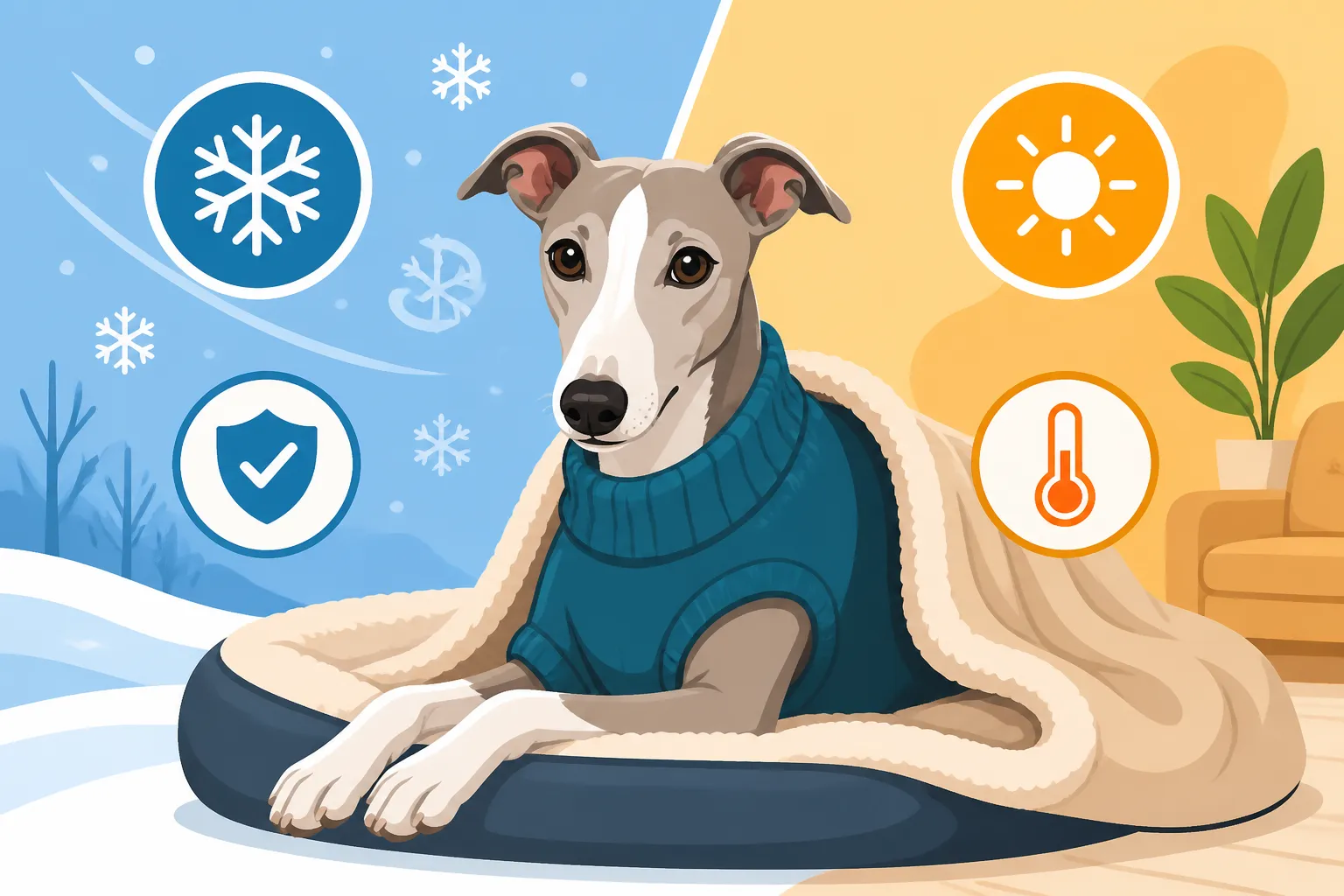
Many people are surprised to learn that Whippets often need clothes inside the house. But think about it: if your home isn't kept at a tropical 75 degrees or more, those drafts from windows, cooler floor temperatures, or simply a drop in ambient temperature overnight can make your Whippet genuinely uncomfortable. Fleece pajamas or light cotton sweaters are absolute game-changers for indoor comfort. They provide a gentle layer of warmth without being restrictive or causing overheating during periods of rest.
These indoor garments are perfect for snuggling on the sofa, keeping cozy while napping, or staying warm overnight, especially if your Whippet is prone to burrowing under blankets (a common Whippet trait!). A good pair of well-fitting pajamas can mean the difference between a restless, shivering dog and one who sleeps soundly all night. You can find a huge variety of styles and sizes on platforms like Chewy, making it easy to outfit your Whippet for maximum coziness. Many Whippet owners find themselves accumulating quite a collection of these cozy items, as explored in How Many Sweaters a Whippet Owner Ends Up With. For more on nocturnal warmth, see Whether a Whippet Needs Pajamas for Sleeping.
Outdoor Protection: Coats for Different Weather
When it comes to stepping outside, your Whippet's wardrobe needs to be far more robust. Just as you wouldn't wear a swimsuit in winter, your Whippet needs different types of coats for different weather conditions. A light, water-resistant raincoat is essential for damp or drizzly days, keeping their thin skin dry and preventing that bone-deep chill. For cooler, breezy days, a softshell or fleece-lined coat provides a good balance of warmth and breathability, perfect for a brisk walk.
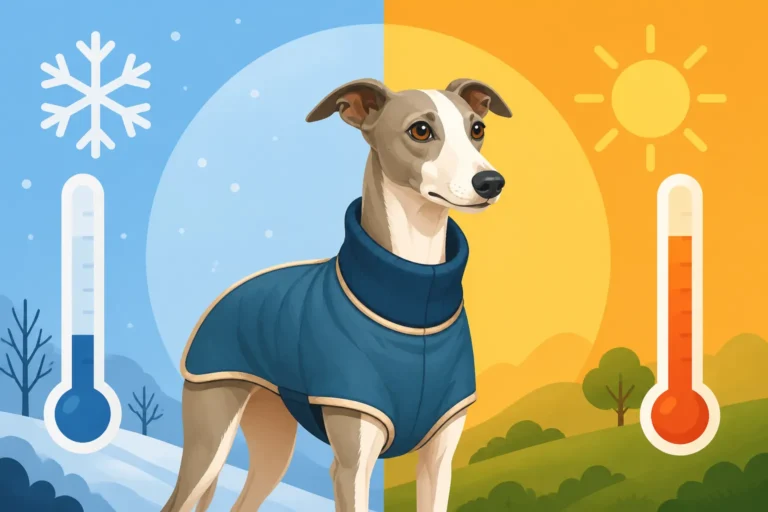
Then there are the proper winter coats, often insulated and sometimes waterproof, designed for truly cold or snowy conditions. The key here is fit: a Whippet's deep chest and tucked-up abdomen mean many standard dog coats simply won't fit properly, leaving vital areas exposed. Look for brands specifically designed for sighthounds, or ones with adjustable straps that can accommodate their unique physique. A good coat should cover them from neck to tail and ideally provide some belly coverage. While you can find specialized sighthound coats from independent makers, major retailers like Amazon often carry options that can work, or provide a starting point for finding dimensions that suit your dog. It's often debated whether a Whippet needs a separate raincoat and winter coat, a topic addressed in Whether a Whippet Needs a Different Coat for Rain and Snow. If you're struggling to find the perfect fit off the rack, Which Coat Brand Fits a Whippet's Deep Chest offers some helpful guidance.
The Importance of Head and Neck Coverage
Beyond the main body, don't forget your Whippet's neck and ears! These areas, often sparsely furred and exposed, can be significant sources of heat loss, especially in windy conditions. A good winter coat will often have a high collar, but sometimes that's not quite enough. This is where a snood comes into its own.
A snood is essentially a tubular scarf for your dog's head and neck. It can be pulled up to cover their ears, protecting them from icy winds and helping to retain precious body heat. Many Whippets quickly learn to appreciate the snug warmth of a snood, especially when the wind is whipping around. However, like any piece of clothing, you need to be mindful that a snood isn't causing overheating. It's best reserved for genuinely cold or windy conditions, and should be removed once you're back indoors or if your Whippet is exercising vigorously. Whether a Whippet Needs a Snood delves deeper into why these can be a beneficial addition to your Whippet's winter wardrobe.
Creating a Cozy Indoor Environment
Your home is your Whippet's sanctuary, and for a breed so sensitive to temperature and comfort, ensuring their indoor environment is perfectly curated for warmth and softness is paramount. It’s not just about turning up the thermostat; it’s about thoughtful provisions.
The Ubiquity of Soft Bedding
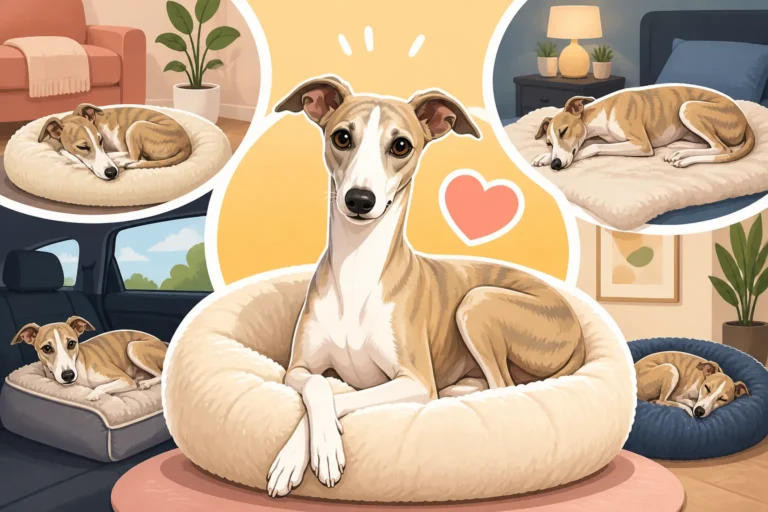
This is non-negotiable for a Whippet owner: soft bedding, and lots of it, is an absolute must. With their minimal body fat and thin skin, Whippets simply cannot lie comfortably on hard surfaces for extended periods. Imagine trying to sleep on a concrete floor yourself—that’s what it's like for their bony hips, elbows, and joints. Pressure sores are a very real and painful risk if they don't have adequate cushioning.
This means investing in good quality dog beds—multiple ones, ideally strategically placed throughout your home where your Whippet likes to rest. Memory foam beds are often a fantastic choice, conforming to their body and providing excellent support and insulation from cold floors. Thick, plush blankets, crate pads, and even old duvets are also highly prized. Don't be surprised if your Whippet ends up with a bed in every room you frequent; they're experts at seeking out the softest spot. For more on this, check out Why a Whippet Cannot Sleep on a Hard Floor and The Beds a Whippet Owner Keeps Buying. You can often find durable and comfortable memory foam beds from pet retailers like Chewy.
Safe Heating Options and Avoiding Overheating Indoors
Beyond soft beds, considering indoor heating is important. While central heating generally does the trick, sometimes specific areas can be drafty. For colder homes or older Whippets, a low-wattage, temperature-controlled heated bed or mat can be a wonderful luxury. These should always be specifically designed for pets, with safety features to prevent burns, and never used unsupervised or with direct, unregulated heat sources. Avoid letting your Whippet lie directly against space heaters or fireplaces, even if they seem drawn to the warmth; direct radiant heat can quickly cause burns or overheating, especially to their sensitive skin.
Crucially, always ensure your Whippet has easy access to cooler areas if they start to feel too warm, even if they're wearing pajamas or lying on a heated pad. They need the freedom to move away from heat sources if their body temperature rises. A good practice is to have a range of options: a warm, blanket-filled bed in one corner, and a cooler, less padded spot in another. For detailed information on specific heating aids, see Whether a Whippet Needs a Heated Bed in Winter.
Navigating Outdoor Temperatures: The Goldilocks Zone
Taking your Whippet outdoors requires a thoughtful approach to temperature. Unlike some breeds that thrive in all conditions, Whippets have a fairly narrow comfort zone, and pushing them outside of it, either too hot or too cold, can lead to discomfort or even danger.
Cold Weather Considerations and Activity Levels
Deciding when it's "too cold" for your Whippet is often a judgment call, but general guidelines exist. Below 45°F (about 7°C), most Whippets will benefit from a coat, and below freezing (32°F/0°C), a heavy winter coat is essential. Individual Whippets vary, however; some are hardier than others. Pay attention to how your dog is reacting—are they shivering, lifting paws, or trying to turn back?
In genuinely cold or snowy conditions, adjust your walk duration and intensity. Short, brisk walks are often better than long, lingering ones, as sustained exposure to cold can lead to hypothermia, especially for a dog with such little body fat. Be particularly mindful of prolonged standing on icy or snowy ground, which can lead to frostbite on paws or ears. While some Whippets love to zoom in the snow for a few minutes, prolonged play should be supervised closely. Whether a Whippet Should Walk in Snow gives specific advice. For more information on when your Whippet really needs that extra layer, The Temperature at Which a Whippet Needs a Coat is a helpful resource.
Managing Warm Weather and Sun Exposure
It's a common misconception that because Whippets get cold easily, they're immune to overheating. Quite the opposite! Their thin skin and lack of insulating fat mean they absorb heat quickly, and their high metabolism can generate a lot of internal heat during exercise. Whippets can overheat surprisingly fast, particularly during vigorous activity on a warm day.
Beyond internal heat, their delicate skin is highly susceptible to sunburn, especially on sparsely furred areas like their ears, nose bridge, and the thinly coated skin on their belly, particularly if they are light-colored. Always ensure access to shade and fresh, cool water. Time your walks for the cooler parts of the day—early morning or late evening—and avoid the hottest midday sun. Never, ever leave your Whippet in a parked car, even for a few minutes with windows cracked; the interior temperature can skyrocket to dangerous levels in mere minutes. Understanding How a Whippet Handles Summer Heat is critical for their well-being during warmer months, and being aware of Why a Whippet's Pink Skin Burns can prevent uncomfortable and potentially dangerous sunburn.
The Risk of Overheating: What to Watch For
While we spend a lot of time worrying about our Whippets getting cold, the risk of overheating is just as serious, if not more so, because it can escalate rapidly and become life-threatening. Being able to spot the signs early is absolutely crucial.
Signs of Heat Stress and When It Becomes an Emergency
It's easy to assume panting is normal for a dog, but with a Whippet, you need to pay close attention to how they're panting. Excessive, rapid, and heavy panting, especially if it seems out of proportion to their activity level or the ambient temperature, is a major red flag. Other early signs of heat stress include excessive drooling, restlessness, trying to find shade or cool surfaces, and a glazed look in their eyes. Their gums might also appear darker than usual, perhaps brick red.
As heat stress progresses to heatstroke, the symptoms become more severe and dangerous. This can include weakness, staggering or incoordination, vomiting, diarrhea, and even seizures. At this point, it's a dire emergency. If you suspect your Whippet is suffering from heatstroke, you need to act immediately: move them to a cooler, shaded area, offer small amounts of cool (not ice-cold) water, and apply cool, wet cloths to their groin, armpits, and neck. Critically, get them to an emergency veterinary clinic as quickly as possible. Don't try to cool them down too rapidly or drastically at home, as this can cause its own set of problems.
Preventing Overheating During Exercise or Travel
Prevention is always the best medicine. Knowing your individual Whippet's limits is key; some have more stamina than others, and their age, fitness level, and any underlying health conditions will affect how well they cope with heat and exercise. Always carry fresh water for them on walks, and offer it frequently. Consider using a cooling vest or bandanna on very warm days, but ensure it's not simply trapping heat.
Timing is everything: schedule vigorous exercise for the coolest parts of the day, typically early morning or late evening in summer. Avoid long walks or intense play on hot pavement, which can burn their paw pads and radiate heat back up to their bodies. When traveling in a car, ensure good ventilation or air conditioning, and never, ever leave them unattended in the vehicle. Even on mild days, car interiors can quickly become ovens. Remember to perform Warming Up a Whippet Before It Runs and Cooling a Whippet Down After a Sprint to protect their muscles and joints, which also ties into temperature regulation.
Special Considerations for Puppies and Seniors
Just like with humans, the very young and the very old in the Whippet world have different needs when it comes to staying warm and comfortable. Their bodies are less efficient at regulating temperature, making them more vulnerable to extremes.
Keeping Little Whippets Warm
Whippet puppies are adorable bundles of energy, but they're also quite delicate when it comes to temperature. Their tiny bodies have a larger surface area to mass ratio, meaning they lose heat much more quickly than adult dogs. They also haven't fully developed their internal thermostat, making them less efficient at regulating their own body temperature.
This means extra vigilance is needed for puppies. Ensure their sleeping area is draft-free and warm, perhaps with a safe, low-heat snuggler or extra layers of soft blankets in their crate or bed. Puppy-sized sweaters and fleece pajamas aren't just cute; they're often a necessity, especially if your home isn't consistently toasty. Regular meal times are important for their metabolism to keep them warm; The Meal Schedule a Whippet Puppy Needs is a great resource. Always provide them with options to move away from heat if they get too warm, but generally, their primary need will be consistent warmth.
Supporting the Older Whippet's Comfort
As our beloved Whippets age, their bodies undergo changes that impact their ability to stay warm. Their coats might thin out, their muscle mass (which contributes to warmth) can decrease, and they may develop health conditions like arthritis that make them more sensitive to cold and damp. An older Whippet might shiver at temperatures that an adult Whippet would barely notice.
For senior Whippets, persistent warmth is key. Heated beds (again, safe, pet-specific ones) can be incredibly comforting for arthritic joints and help maintain a stable body temperature. Extra layers of clothing, both indoors and out, become even more important. You might find yourself needing to adapt their exercise routine, opting for shorter, gentler walks, but ensuring they're well-dressed to prevent a chill. Monitoring them for signs of discomfort in changing weather is vital. Providing comfortable bedding is especially important for them; Beds That Suit an Arthritic Whippet offers excellent suggestions. For a broader look at their care, Caring for an Old Whippet That Feels the Cold provides comprehensive advice.
Common Mistakes and How to Avoid Them
Even with the best intentions, it's easy to make mistakes when trying to manage your Whippet's temperature. Their unique physiology means what works for other breeds often won't work for them, and well-meaning actions can sometimes backfire.
Dressing Too Heavily or Not Enough
One of the most frequent mistakes Whippet owners make, especially new ones, is either over-bundling or underestimating their cold sensitivity. It's natural to project our own feelings onto our dogs: "If I'm cold, my Whippet must be freezing!" This can lead to dressing them in heavy coats or multiple layers when they're only going out for a quick potty break on a mild day, or even leaving them in outdoor gear indoors. The result? An uncomfortably warm, possibly panting, Whippet who can't regulate their temperature.
Conversely, some owners might not realize just how little natural protection a Whippet has and send them out with no coat on a chilly, damp day, or leave them in a cool house without pajamas. The key is observation and layering. Start with lighter options and add more as needed, always checking their body temperature (not just their coat) and monitoring their behavior. A good guideline for their winter needs can be found in Whether a Whippet Needs Two Layers in Winter.
Misinterpreting Behavioral Cues
Another common pitfall is misinterpreting what your Whippet is trying to tell you. Not every shiver is about cold; sometimes it's anxiety, excitement, or even pain. If your Whippet is shivering but is also restless, pacing, and unable to settle, it might be nervousness rather than cold, especially if they are already dressed warmly. Telling a Cold Whippet From a Nervous One delves into how to distinguish between these different cues.
Similarly, a Whippet's reluctance to go outside might not be stubbornness, but a genuine discomfort with the weather. They are notorious for disliking rain, wind, and very cold temperatures, and for good reason! Their thin skin offers little protection from dampness, and a cold breeze cuts right through them. Dismissing their reluctance as "being difficult" when they're genuinely uncomfortable can lead to negative associations with outdoor potty breaks and general unhappiness. Why a Whippet Refuses to Go Out in the Rain highlights this very common Whippet trait. Always consider the weather conditions through their eyes (and skin!) before dismissing their cues.
Here's a quick guide to help you choose the right comfort items for your Whippet:
| Item Type | Purpose | Best For | Considerations |
|---|---|---|---|
| Light Pajamas/Sweater | Indoor warmth, light drafts | Sleeping, lounging indoors, cool evenings, travel in air-conditioned spaces | Lightweight, breathable fabric (fleece, cotton). Should fit snugly but not restrict movement. |
| Raincoat | Wet weather protection | Damp, drizzly, or light rain conditions. Mild temperatures. | Waterproof or highly water-resistant. No insulation needed. Focus on covering back and belly. |
| Softshell/Fleece Coat | Moderate cold, breezy days | Autumn, spring, mild winter days. Active walks. | Offers some insulation. May be water-resistant. Good for layering under heavier coats in extreme cold. Must fit sighthound build. |
| Heavy Winter Coat | Severe cold, snow, freezing temperatures | Deep winter, prolonged outdoor exposure. | Insulated, often waterproof. Must cover extensively. Consider materials that block wind and retain body heat effectively. |
| Snood | Head and neck warmth | Windy conditions, extreme cold, protecting ears from frostbite. | Can be fleece or knit. Ensure it's not too tight. Remove if Whippet gets too warm during activity. |
| Thick Bedding/Memory Foam | Joint comfort, insulation from cold floors | All indoor resting spots, crates, travel. | Must be adequately padded to prevent pressure sores. Memory foam is excellent for support and insulation. Have multiple options available. |
| Heated Bed/Mat | Targeted warmth | Older Whippets, very cold homes, specific cold spots. | Must be pet-safe, low-wattage, and temperature-controlled. Always provide an escape route to a cooler area. |
| Cooling Vest/Bandanna | Preventing overheating | Warm weather exercise, outdoor events, car travel. | Evaporative cooling. Ensure it's wet. Do not leave on indefinitely in hot weather; dogs still need to pant to cool. |
Disclaimer
This article is for general informational purposes only and does not constitute professional advice. Laws, prices and regulations vary by location and change over time. Consult a qualified professional for guidance on your specific situation.