The Temperature at Which a Whippet Needs a Coat
One of the most common worries for new (and even seasoned!) Whippet owners is just how cold their delicate sighthounds get. It’s a legitimate concern, because unlike many breeds, a Whippet truly lacks the natural insulation to handle anything but mild weather. This guide is dedicated to helping you understand exactly when your Whippet needs a coat, so you can keep them comfortable, safe, and happy, no matter what the thermometer says.
Understanding the Whippet's Unique Physiology
If you've spent any time with a Whippet, you know they're lean, elegant creatures. But that sleek physique, while perfect for speed and agility, comes with a trade-off: a profound sensitivity to cold. It's not just that they look delicate; their bodies are genuinely not built for harsh temperatures. Understanding these physiological nuances is key to knowing when to bundle them up.
The Lack of Natural Insulation
This is perhaps the biggest factor in a Whippets' intolerance for cold. Unlike many breeds with thick double coats or ample subcutaneous fat, Whippets have very little to protect them from the elements. Their skin is thin, their coat is fine and single-layered, and they carry minimal body fat. Imagine going outside in just a t-shirt when everyone else is wearing a thick jacket; that's often what a Whippet experiences without proper protection. You can easily feel their ribs and hip bones, which is a visual indicator of their lean build, but also means there's no fatty layer keeping them warm. This fundamental lack of insulation is why the question of "the temperature at which a Whippet needs a coat" is so vital for their well-being. They really do need help staying warm!
How Their Metabolism Affects Heat Regulation
Whippets are built for short bursts of incredible speed, not sustained warmth generation. While they burn calories efficiently during their famous sprints, their resting metabolism is actually quite different from, say, a stocky working breed. They don't have a constant internal furnace roaring away to produce excess heat. When they're curled up on the sofa or taking a leisurely walk, their bodies aren't generating a significant amount of heat to counteract the cold. This means that in cooler temperatures, they cool down much faster than a dog with a more robust build and a different metabolic profile. This metabolic reality ties directly into why a sedentary Whippet in a cool house, or one enjoying a casual outdoor stroll, will quickly start to shiver, signaling their discomfort.
The Role of Their Athletic Build in Feeling the Cold
Their streamlined, athletic build, while beautiful and functional for racing, also contributes to their cold sensitivity. They have long limbs and a deep chest, which means a large surface area for heat to escape, relative to their body mass. There's not a lot of 'bulk' to hold onto warmth. Furthermore, their skin is often quite visible through their short, fine hair, meaning direct exposure to cold air. This is why you'll often hear about A Whippet Has No Insulation and No Padding – it's a critical aspect of their anatomy that impacts their daily care. Their deep chest also means that finding coats that fit properly, covering their vital organs without restricting movement, can sometimes be a challenge, making it even more important to consider their specific needs.
The Critical Temperature Thresholds
So, what are the numbers we should be looking at? It's not an exact science, as every dog is an individual, and factors like wind, dampness, and activity level play a huge role. However, there are some generally accepted guidelines that can help you decide when to reach for that extra layer. Remember, it's always better to be safe than sorry when it comes to keeping your Whippet warm.
The "Comfort Zone" – When a Coat Isn't Strictly Necessary
For most healthy adult Whippets, a temperature range of 60-70°F (about 15-21°C) is generally their comfort zone. Indoors, this is often the ambient temperature of our homes, and many Whippets will happily snooze without a blanket if it's within this range. Outdoors, on a sunny, still day within this temperature range, a brisk walk or a supervised run in a safe, enclosed area might not require a coat. However, even within this zone, factors like individual temperament and activity level matter. A Whippet prone to shivering easily, or one who is just standing around, might appreciate a light fleece even at the higher end of this range. If you're wondering Whether a Whippet Needs a Coat Indoors, usually not if your home is kept at a comfortable human temperature, but a blanket for burrowing is always appreciated!
When to Consider a Light Layer (Mildly Chilly)
When the temperature drops into the 50-60°F (10-15°C) range, it's time to start thinking about a light layer for outdoor excursions. This could be a simple fleece jacket or a sweater. This range isn't dangerously cold, but it's definitely cool enough for a Whippet to start feeling uncomfortable quickly, especially if there's any wind or if they aren't actively running. For a leisurely walk or standing around while you chat with a neighbor, a light coat provides that crucial bit of extra warmth that makes all the difference. Even indoors, if your home dips into the low 60s, you might notice your Whippet seeking out blankets or snuggling closer to you. This is also the range where you might start to see Why a Whippet Shivers Indoors, indicating they're feeling the chill.
Non-Negotiable Coat Weather (Seriously Cold)
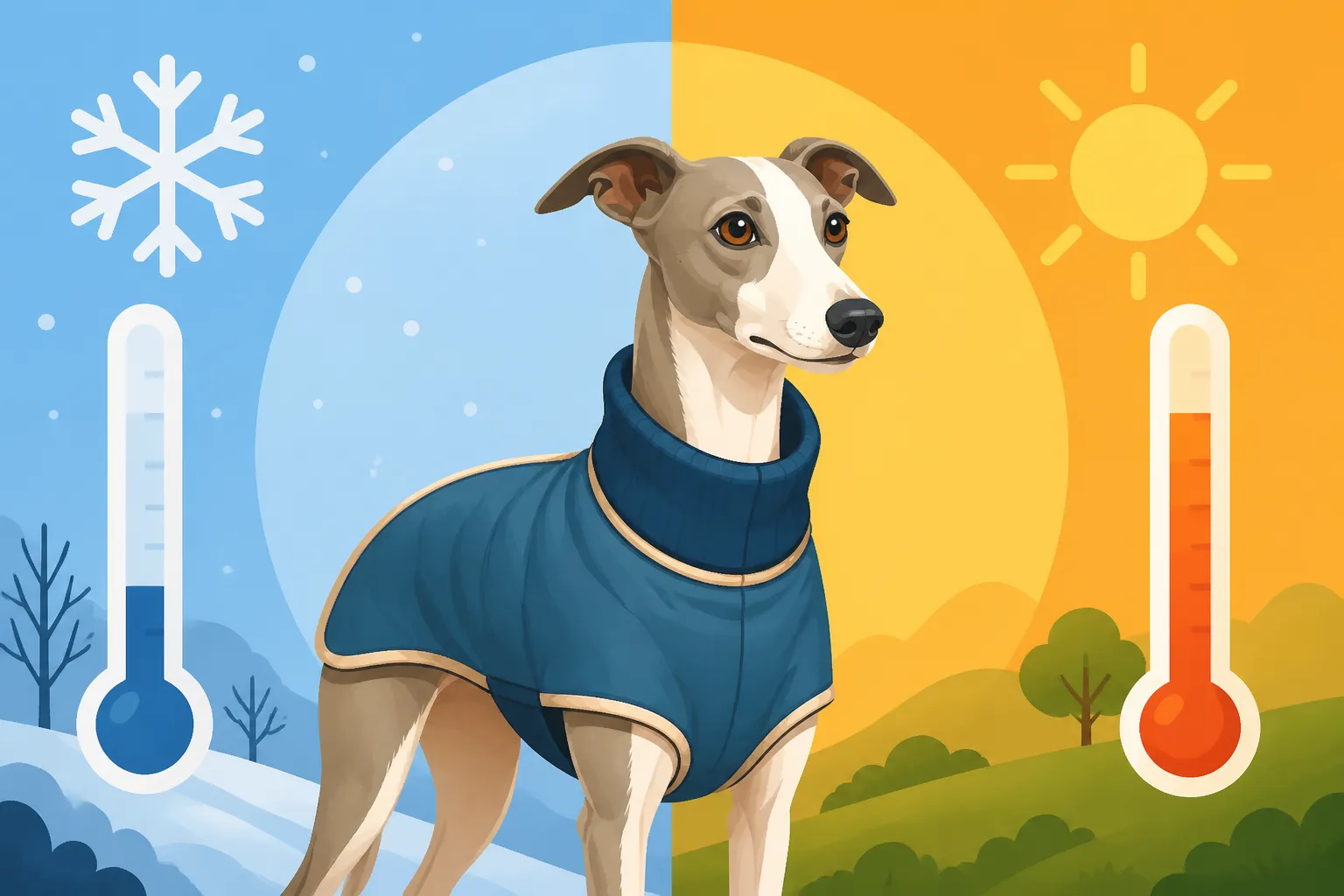
Once temperatures drop below 50°F (10°C), a coat becomes almost non-negotiable for most Whippets when going outside. Below 45°F (7°C), a warmer, insulated, and ideally waterproof coat is absolutely essential for even short periods outdoors. When it's freezing, or below 32°F (0°C), your Whippet needs robust, full-coverage protection, including consideration for snoods and even boots, especially if walking on salted pavements or in snow. This is the temperature range where the risks of hypothermia and frostbite become real concerns for a dog with such minimal natural insulation. Remember, a brisk wind or damp conditions will make these temperatures feel even colder, so always factor in the wind chill. The Wardrobe a Whippet Needs Because It Has No Body Fat isn't a luxury; it's a necessity in these conditions.
Here's a quick guide to help you decide:
| Temperature Range (Fahrenheit/Celsius) | Whippet Activity | Coat Recommendation | Notes |
|---|---|---|---|
| 70°F (21°C) and above | Any | No coat needed | Monitor for overheating in direct sun/high humidity. |
| 60-70°F (15-21°C) | Active | Optional light layer | If windy or standing still, a light fleece can be nice. |
| Sedentary | Optional light layer | Consider for comfort, especially for short-coated or older dogs. | |
| 50-60°F (10-15°C) | Active | Light coat | Essential for walks/standstill. Fleece or light jacket. |
| Sedentary | Light coat | Definitely needed for outdoor comfort. | |
| 40-50°F (4-10°C) | Any | Medium/Heavy coat | Insulated, potentially waterproof. Monitor closely. |
| 30-40°F (-1-4°C) | Any | Heavy, insulated coat | Essential. Consider snood, boots. Limit time outdoors. |
| Below 30°F (-1°C) | Any | Maximum protection | Heavy, waterproof, insulated coat, snood, boots. Minimize outdoor exposure to potty breaks. |
Choosing the Right Coat for Different Conditions
Just as you wouldn't wear a light cardigan in a blizzard, your Whippet needs different types of coats for varying weather. Thinking about a "wardrobe" for your Whippet isn't extravagant; it's practical. Having the right gear ensures they are protected whether they're just lounging or venturing out into truly inclement weather.
Fleece and Sweaters for Indoors and Mild Outdoors
For those days when there's a slight chill in the air, or if your home runs a little cool, a soft fleece jacket or sweater is perfect. These are lightweight, breathable, and provide just enough extra warmth without causing overheating. Many Whippets adore their cozy fleece outfits, especially for snuggling on the sofa or for quick trips outside when the temperature hovers in the 50s. They're also great for those times when you want to take your Whippet out for a quick potty break on a cool evening without having to wrestle them into a heavy-duty coat. You can find excellent options on platforms like Chewy or Amazon, offering a wide variety of styles and thicknesses. A well-fitting fleece should cover their back and ideally a good portion of their belly to maximize warmth. This type of garment addresses How Many Coats a Whippet Actually Needs by providing a comfortable, versatile option for less severe conditions.
Waterproof and Insulated Coats for Wet and Cold
When the mercury drops significantly, or if rain, snow, or sleet are in the forecast, you'll need to upgrade your Whippet's outerwear. An insulated coat with a waterproof or water-resistant outer shell is crucial. These coats are designed to trap body heat while keeping moisture out, which is vital because a wet Whippet will get cold much faster. Look for coats with a good fill (like fleece lining or synthetic insulation) and a design that covers a substantial portion of their back, chest, and ideally, their belly. Some even come with built-in snoods for extra neck and ear protection. Remember that even if it's not raining, wet grass or snow can quickly soak a thin coat. Investing in one or two good quality insulated, waterproof coats is a smart move, and you'll find specialized brands catering to sighthound shapes that offer a better fit than generic dog coats. Considerations about What a Winter Coat for a Whippet Costs will show that it's a worthy investment for their health and comfort.
Specialized Gear: Snoods and Boots
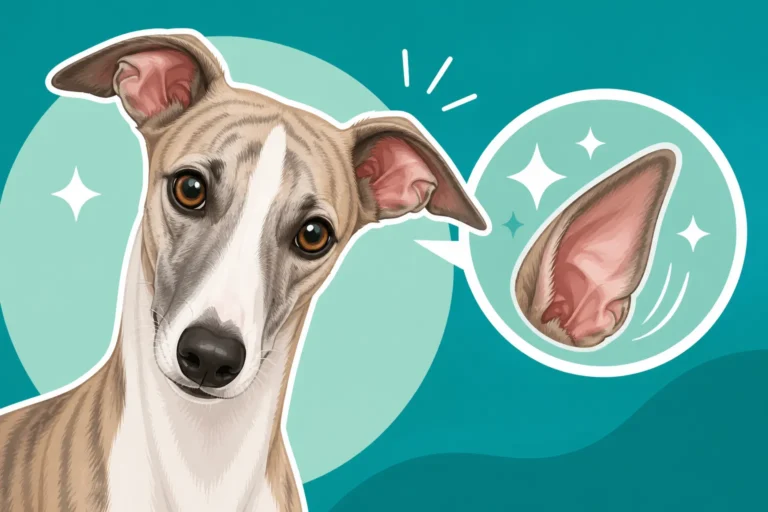
Beyond full body coats, there are additional pieces of specialized gear that can offer extra protection in truly severe conditions. Snoods are essentially tubular scarves that cover your Whippet's head and neck. Whippets have delicate, thinly furred ears that can be susceptible to cold, especially in windy conditions or freezing temperatures. A snood provides that much-needed extra layer, preventing their ears from getting painfully cold.
Boots, while sometimes met with initial resistance from dogs, can be incredibly important for protecting their paw pads from ice, snow, sharp objects, and chemical de-icers like salt. These irritants can cause painful cracks, chemical burns, or even frostbite. If you live in an area with harsh winters, teaching your Whippet to tolerate boots early on is a great idea. Start with short wear sessions indoors, associating them with treats and positive experiences. It's an extra step, but when the ground is truly frigid, your Whippet will thank you.
Beyond Coats: Other Ways to Keep Your Whippet Warm
While coats are indispensable, they are just one piece of the puzzle. Keeping your Whippet warm and comfortable involves a holistic approach that considers their environment, their indoor comfort, and even their daily routine. It's about creating a cozy world for these heat-seeking missiles.
The Importance of Warm Bedding and Sleeping Arrangements
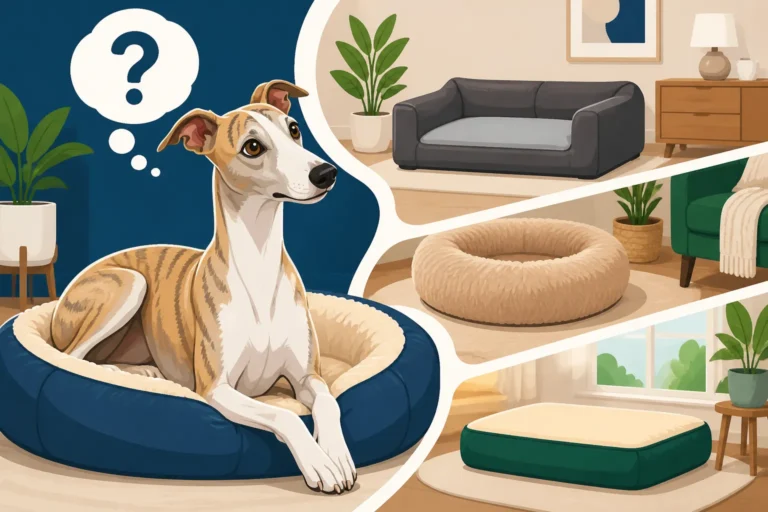
Because Whippets lack natural padding, hard surfaces are not only uncomfortable but can lead to pressure sores on their bony prominences (elbows, hips, hocks). They absolutely need soft, thick, and warm bedding everywhere they like to rest. Think orthopedic beds, thick memory foam mats, and plenty of blankets for burrowing. Whippets have an instinct to tunnel and create nests, so providing them with plush blankets they can manipulate and burrow into is key to their comfort and warmth. Many prefer to be completely covered, mimicking the den-like warmth they seek. Beds That Suit an Arthritic Whippet are often equally good for any Whippet, as they provide superior cushioning and insulation. Even if you allow your Whippet on the furniture, ensure there are blankets and soft throws available for them to snuggle under.
Indoor Environmental Control
Your home environment plays a huge role in your Whippet's comfort. While you don't need to keep your house at tropical temperatures, ensuring it doesn't get too chilly, especially overnight or when you're out, is important. A good rule of thumb is if you feel chilly in a t-shirt, your Whippet is likely feeling it even more. Drafts are also a major enemy. Whippets love to lounge by windows, but cold air seeping in can quickly negate any warmth. Consider draft stoppers for doors and windows, and ensure their favorite sleeping spots aren't in direct draft paths. For truly cold homes or chilly evenings, a pet-safe heated bed or a heating pad designed for pets can be a game-changer, providing localized warmth that they will adore. It's a small detail that can make a huge difference in their overall comfort, especially for those sensitive souls.
Exercise and Nutrition for Core Warmth
While a coat provides external warmth, a healthy, well-fed Whippet with appropriate exercise will also generate internal warmth more effectively. Regular, appropriate exercise, even short bursts in cooler weather, can help stimulate circulation and generate body heat. Just be sure to properly warm them up and cool them down, and always layer them appropriately if it’s cold.
Regarding nutrition, a balanced diet provides the energy needed to maintain body temperature. However, it's a common misconception that significantly increasing food intake is the primary way to keep a Whippet warm. While calories are fuel, simply overfeeding can lead to unhealthy weight gain, which carries its own health risks. Focus on quality nutrition, appropriate portion sizes for their activity level, and ensure they are maintaining a healthy weight where their ribs are easily felt but not sharply visible. If you're concerned about Keeping Weight On a Whippet Without Making It Fat, consult your vet, but generally, their food intake should match their energy output. High-quality food options, such as those offered by Ollie, can ensure they are getting all the nutrients they need to thrive.
Common Misconceptions and Troubleshooting
Despite their popularity, there are still a lot of misunderstandings about Whippets and their cold tolerance. Clearing up these myths and knowing how to troubleshoot common issues will make you an even better Whippet parent.
My Whippet Shivers, But It's Not That Cold
This is a scenario many Whippet owners encounter. You might think, "It's only 55°F, why is my dog shaking?" There are a few reasons for this. First, a Whippet's internal thermometer is simply set higher than many other breeds. What feels "crisp" to you might feel "chilling" to them. Second, shivering is their body's way of trying to generate heat through muscle contractions. It's a clear signal that they are feeling cold. Third, excitement or nervousness can also cause shivering in Whippets, often mixed with genuine cold. If they shiver when going outside and then warm up once they start running, it might be a combination of excitement and initial chill. If they shiver consistently when still and cool, it's definitely cold that's the primary factor. Trust their signals: if they're shivering, they're cold, regardless of what the thermometer seems to say to you.
The Myth of "Toughening Up" a Whippet
Some people believe that exposing a dog to cold temperatures will "toughen them up" or help them build tolerance. For a Whippet, this is not only untrue but can be dangerous. Their physiology simply doesn't allow for them to adapt to cold in the same way a husky or a Newfoundland might. Their bodies are not designed to grow thicker coats or develop a significant insulating fat layer. Repeated exposure to cold without adequate protection can lead to discomfort, stress, and even health issues like hypothermia. Think of it this way: you wouldn't expect a human to "toughen up" by going out in freezing weather without a coat. Providing warmth is a basic welfare need for a Whippet, not a coddling indulgence. It's about respecting their natural limitations.
Signs Your Whippet Is Too Cold (and What to Do)
Recognizing the signs of being too cold is crucial. Shivering is the most obvious, but also look for:
- Hunching: Tucking their tail, hunching their back, and holding their paws up.
- Reluctance to move: Not wanting to walk or play outside.
- Seeking warmth: Trying to burrow under blankets, into your lap, or pressing against you.
- Cold ears/paws: While some dogs naturally have cooler extremities, abnormally cold ears or paw pads, especially combined with other signs, are a concern.
- Whining or crying: A clear sign of discomfort.
If you suspect your Whippet is too cold, bring them inside immediately. Wrap them in a warm blanket, offer a warm, comfortable bed, and if they're still shivering, you can carefully use a warm (not hot) water bottle wrapped in a towel near their body (avoid direct skin contact). Ensure they have access to fresh water, and if they seem lethargic or unresponsive, seek veterinary attention as these could be signs of hypothermia. Taking preventive measures with appropriate coats and indoor warmth is always the best approach. Whether an Old Whippet Feels the Cold More is a related concern, as seniors can be even more vulnerable.
Special Considerations: Puppies, Seniors, and Health Issues
While the general guidelines apply to all Whippets, certain life stages and health conditions mean your Whippet's need for warmth can be even more pronounced. Paying extra attention during these times is crucial for their well-being.
Extra Vulnerability in Whippet Puppies
Whippet puppies are even more susceptible to cold than adult Whippets. Their smaller body size means they lose heat faster, and their thermoregulation systems aren't fully developed. A chill that an adult might tolerate for a short time could be genuinely dangerous for a puppy. When you bring home a Whippet puppy, prioritize warmth:
- Indoor Temperature: Keep your home comfortably warm, especially in their designated sleeping area.
- Bedding: Provide ample, soft, and deep bedding that they can snuggle into. A puppy-safe heated pad under a blanket can be a lifesaver.
- Outdoor Protection: Even for short potty breaks, a tiny fleece or puppy coat is a must when temperatures are anything but mild. Don't risk prolonged exposure for them to "get used to it."
Their little bodies are still growing, and conserving energy for growth is important. Don't underestimate how quickly they can get cold and how serious the implications can be.
Caring for an Old Whippet's Decreased Heat Tolerance
As Whippets age, their ability to regulate body temperature can diminish. Older Whippets may have less muscle mass, thinner skin, and a slower metabolism, all of which contribute to them feeling the cold more acutely. An older Whippet might need layers even when an adult wouldn't, and they'll definitely appreciate extra warmth outdoors and indoors.
- Increased Layers: Be prepared to put a coat on your senior Whippet at milder temperatures than you would for a younger dog.
- Constant Comfort: Ensure their resting spots are extra cozy and draft-free. Caring for an Old Whippet That Feels the Cold is a topic that can't be stressed enough, as their comfort significantly impacts their quality of life.
- Arthritis: Cold can exacerbate joint pain from arthritis. Keeping an older Whippet warm can genuinely improve their mobility and comfort.
Regular vet check-ups are important to monitor any age-related changes that might affect their cold sensitivity.
When Health Conditions Affect Cold Sensitivity
Certain health conditions can also make a Whippet more sensitive to cold. Dogs recovering from surgery, those with endocrine disorders (like hypothyroidism, though less common in Whippets for true clinical disease), or those on certain medications might have a harder time regulating their body temperature. Always discuss any concerns with your veterinarian. They can provide specific advice tailored to your Whippet's health status. For instance, a Whippet recovering from an injury or illness might be less active and therefore generate less body heat, requiring more external warmth. This underscores the importance of a vigilant and responsive approach to their environmental needs, always putting their comfort and health first. It also ties into why Why a Whippet Cannot Live Outdoors is a steadfast rule, as they lack the resilience to cope with fluctuating temperatures, particularly when compounded by health issues.
Disclaimer
This article is for general informational purposes only and does not constitute professional advice. Laws, prices and regulations vary by location and change over time. Consult a qualified professional for guidance on your specific situation.