Why a Whippet Refuses to Go Out in the Rain
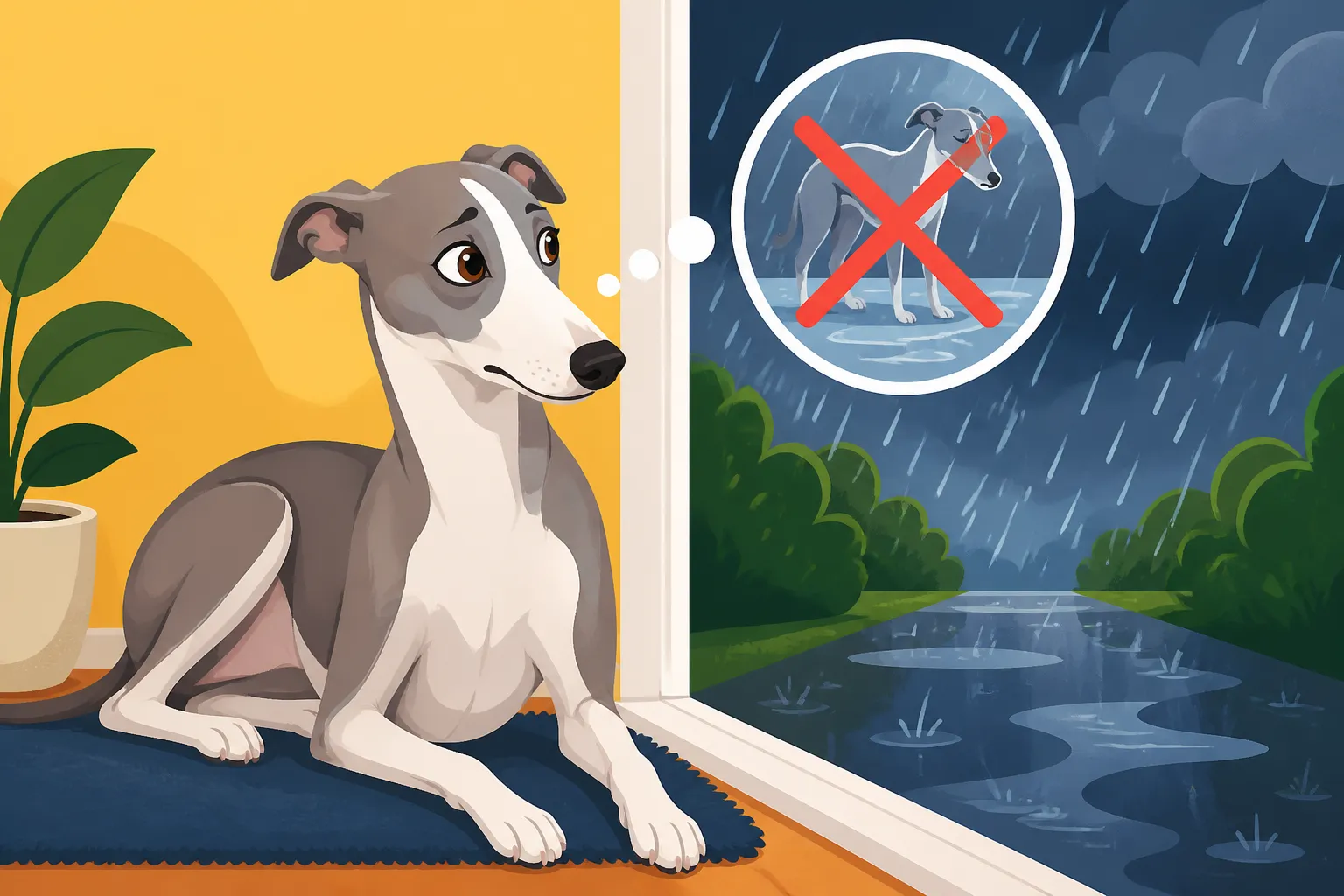
There's nothing quite like the look of utter betrayal on your Whippet's face when you suggest a potty break in a light drizzle. Many Whippet owners struggle with their lean, short-coated companions turning up their noses at the slightest hint of inclement weather, leaving you wondering if they'll ever actually go. This guide will dive deep into why your Whippet might be so rain-averse, the challenges this creates, and how you can gently encourage them to embrace the elements for a healthier, happier life for both of you.
The Whippet's Physical Sensitivities to Rain and Cold
It’s easy to think your Whippet is just being a drama queen when they refuse to step outside in the rain, but for these sleek, fine-boned dogs, bad weather isn’t just an inconvenience – it can be genuinely uncomfortable, even painful. Their unique physiology makes them particularly susceptible to the chill and wet.
Lack of Natural Insulation
Imagine stepping outside in just a t-shirt when it’s 40 degrees Fahrenheit and raining. That’s pretty much what your Whippet feels like. Unlike many other breeds with thick double coats or a layer of insulating body fat, Whippets are built for speed, not warmth. They have incredibly thin skin, a single, fine coat, and very little subcutaneous fat. This means they offer almost no natural barrier against the cold and wet. Every drop of rain that lands on their back goes straight through to their skin, and the chill quickly penetrates their slight frame.
When the air is cold and damp, a Whippet’s body temperature can drop quite rapidly. This isn't just about feeling a bit chilly; it can lead to genuine hypothermia if they’re exposed for too long. Their lean muscle mass generates heat during activity, but standing still to do their business doesn't produce enough warmth to counteract the cold, especially when soaked. Owners often find themselves asking Whether a Whippet Needs a Coat Below Fifty Degrees, and the answer is almost always a resounding yes when precipitation is involved.
Discomfort of Wet Skin
Beyond the cold, the sensation of wetness itself can be intensely disliked by a Whippet. Their skin is quite sensitive, and being thoroughly soaked can feel invasive and irritating. Think about how uncomfortable you feel when your clothes are clinging to you, wet and heavy. Now imagine that feeling all over, with no way to peel it off. For a Whippets who spend most of their time snuggled on soft beds and under blankets, this contrast is stark.
Some Whippets also have very fine hair on their ears and faces, which can quickly become plastered and cold. Water running into their eyes or dripping from their chin can be a constant annoyance. It’s not just the big drops from the sky; the splash from puddles or wet grass can also contribute to their overall aversion. This discomfort often leads to them "tiptoeing" around wet patches or trying to hold themselves rigid to avoid contact, which certainly doesn't make for a comfortable potty break.
Temperature Regulation Challenges
Whippets are simply not designed for prolonged exposure to cold, wet weather. Their body systems are geared towards explosive bursts of speed in temperate conditions, not sustained warmth in the damp. When they get cold, their bodies try to conserve heat by constricting blood vessels in their extremities, which can make their paws feel even colder and more vulnerable. This physiological response contributes to their desire to be indoors, warm, and dry.
Consider their ancestors who would have sought shelter immediately in adverse weather. This instinct is still very much alive in your modern Whippet. They know, on a primal level, that being cold and wet is a drain on their energy and potentially dangerous. This isn't just preference; it's an ingrained survival mechanism. When you combine this with their general lack of padding – A Whippet Has No Insulation and No Padding – you can see why the elements pose a genuine challenge. They truly need our help to stay comfortable and safe outside.
Behavioral Reasons for Rain Aversion
While physical discomfort plays a huge role, a Whippet's refusal to go out in the rain often has deep roots in their behavior, learning, and innate preferences. It's not always just about being cold; sometimes it's about routine, fear, or simply a deeply held conviction that rain is wrong.
Learned Aversion and Negative Associations
Dogs are creatures of habit and routine, and they are masters at forming associations. If your Whippet has had consistently unpleasant experiences with rain, they will quickly learn to avoid it. Perhaps their first few rainy outings were particularly cold, windy, or involved a sudden loud noise. Maybe they slipped on wet pavement or were startled by a sudden downpour. These negative events can quickly cement a strong aversion.
Every subsequent rainy day then triggers that learned memory of discomfort or fear, making them reluctant to even try. It’s a classic case of classical conditioning: rain = bad experience, so avoid rain. This can become a self-fulfilling prophecy, as avoiding rain means they never get the chance to have a positive experience, reinforcing the negative association. They might stand at the door, gaze forlornly outside, then turn and walk away as if to say, "Nope, been there, done that, not happening."
Preference for Comfort and Routine
Whippets are renowned "couch potatoes" or, as some affectionately call them, "40-mile-an-hour couch potatoes" once their zoomies are done. They love their creature comforts: soft beds, warm blankets, and snuggles on the sofa. They thrive on predictable routines. A sudden change, like a trip outside in unfamiliar and uncomfortable weather, can disrupt their sense of calm and routine. They'd much rather stay curled up in their cozy spot than face the perceived indignity of a wet excursion.
For many Whippets, the indoor environment is synonymous with safety, warmth, and predictability. The outdoor world, especially when it's dark, windy, and wet, can feel chaotic and threatening. They might resist simply because their current comfortable state is far preferable to the unknown discomfort of the rain. It's less about defiance and more about a strong preference for their perceived safety and comfort zone. This preference can sometimes manifest as The Whippet That Will Not Toilet in the Rain, causing owners considerable frustration.
Sensitivity to Sensory Input
Whippets, like many sighthounds, can be quite sensitive to their environment. Rain isn't just wet; it's noisy. The drumming on the roof, the splashing, the wind howling, and the reduced visibility can all be overwhelming for a sensitive dog. Their keen eyesight, usually an advantage, can become a disadvantage when everything is blurred and distorted by rain. The smells might also change, and the footing might feel less secure.
These combined sensory inputs can make the experience of going outside in the rain feel unnerving or even frightening. A shy or anxious Whippet might become particularly stressed by these changes. It's not just the physical cold and wet, but the entire sensory experience that can lead to their refusal. They might hesitate, flatten their ears, or tuck their tail, signaling genuine apprehension rather than mere stubbornness. Understanding these layers of discomfort is key to helping them adapt.
Training Strategies to Overcome Rain Reluctance
It might feel like an uphill battle to convince your Whippet that rain isn't the end of the world, but with patience, positive reinforcement, and the right approach, you can certainly make rainy potty breaks more manageable. The goal isn't to make them love rain, but to tolerate it enough to do their business.
Positive Reinforcement and Counter-Conditioning
The cornerstone of success here is positive reinforcement. Every time your Whippet takes a step towards the door, or even sniffs the wet air, reward them with a high-value treat and praise. When they do go outside, even for a brief moment, celebrate it like they just won the lottery. The moment they finish their business in the rain, make sure they get an immediate, incredible reward. This could be a favorite toy, a delicious piece of chicken, or a quick game. The quicker the reward after the desired action, the stronger the association.
You’re trying to counter-condition their negative association with rain. Instead of "rain = cold/wet/unpleasant," you want "rain = delicious treats and praise." Start small. Just stepping out for a second, then immediately back inside for a reward. Gradually increase the time they spend out. If they refuse to even go to the door, try rewarding them for simply looking at their rain gear or for you picking it up. Consistency is key here. For structured guidance on positive reinforcement, programs like BAXTER & Bella offer comprehensive resources that can be adapted to this challenge, helping you build a positive relationship with every training step.
Creating a Designated Covered Potty Area
Sometimes, the simplest solution is to provide a little shelter. If you have a porch, an awning, or even a large umbrella you can hold, this can make a world of difference. A designated, covered potty area allows your Whippet to get outside without being immediately drenched. The cover offers a psychological comfort as well, making the transition from warm house to wet outdoors less jarring.
This strategy is especially helpful in the initial stages of training, or for those days when the rain is truly coming down in sheets. It gives them a "safe zone" where they can relieve themselves in relative dryness. Once they are consistently using this spot, you can gradually try to venture a little further out from the cover, still rewarding heavily. Even a simple lean-to against the house can be a game-changer for a rain-averse Whippet, offering enough respite to do their business. Whether a Covered Potty Area Helps a Whippet is often answered with a resounding yes by owners who've tried it.
Desensitization and Gradual Exposure
Desensitization involves slowly introducing your Whippet to the rain in a controlled and non-threatening way. This isn't about forcing them out, but about helping them build confidence. Start on a day with very light drizzle. Put on their raincoat (more on this below), and just step outside for a second, then immediately back in for a treat. Repeat this several times. As they become more comfortable, gradually increase the duration of their time outside.
Avoid pushing them too hard. If they show signs of stress (tail tucked, ears back, trying to bolt inside), go back a step. The goal is to keep every experience positive or neutral. You can also try to make rain fun. Play a quick game of fetch under an overhang, or drop treats in the wet grass for them to find. The more positive associations they build, the less frightening the rain will become. Remember, this is a marathon, not a sprint. How Quickly a Whippet Learns can vary, so adjust your pace to your individual dog.
Essential Gear for Rainy Weather Whippets
When your Whippet has virtually no body fat and a sleek, short coat, rainy weather is more than an inconvenience; it's a call for proper attire. The right gear can significantly reduce their discomfort and make those necessary outdoor excursions much more tolerable.
Choosing the Right Raincoat
A good raincoat is non-negotiable for a rain-averse Whippet. You're looking for something that offers full coverage, from neck to tail, and ideally a good portion of their belly to prevent splashes. The fit is crucial for a Whippet; their deep chests and slender waists mean many generic dog coats just don't fit right. Look for brands that specialize in sighthound coats or offer adjustable designs. The coat should be waterproof, not just water-resistant, to truly keep them dry.
Material matters too. A lightweight, breathable waterproof fabric will keep them dry without causing them to overheat if they're moving around. Some coats also offer a fleece lining for added warmth, which can be a bonus on colder, rainy days. A good hood or snood attachment can protect their ears and head, which are often overlooked but can get very cold and wet. You might find a fantastic selection of waterproof coats on Amazon that are specifically designed for the unique Whippet physique, or feature adjustable straps to ensure a snug fit. This investment isn't just about fashion; it's about comfort and convincing them that going outside in the rain isn't so bad after all. Understanding Whether a Whippet Needs a Different Coat for Rain and Snow is important for year-round comfort.
Considerations for Boots and Snoods
While a raincoat is usually the top priority, don't overlook boots and snoods, especially if your Whippet is particularly sensitive or if the weather is truly dreadful. Boots can protect their paws from cold, wet ground, sharp debris hidden in puddles, and sidewalk salts. However, getting a Whippet to tolerate boots can be a training challenge in itself. Start slowly, letting them wear them indoors for short periods, and reward heavily.
Snoods, which are essentially neck and ear covers, can be a revelation for Whippets who dislike water dripping from their ears or getting their heads wet. They provide warmth and dryness to these sensitive areas. Many raincoats come with integrated snoods or hoods, but standalone snoods can be a great addition for added protection. Just like coats, comfort and fit are key. The goal is to make them as comfortable as possible so that their focus can be on doing their business, not on shaking off water or shivering.
Making Gear a Positive Experience
Introducing new gear should always be a positive experience. Don’t just spring a raincoat on your Whippet and drag them outside. Let them sniff the coat, offer treats, and praise them. Put it on for a few seconds indoors, then take it off and reward. Gradually increase the time they wear it inside, always pairing it with positive things like treats or a favorite game. This desensitization process will make them far more accepting when it’s time to go outside in the rain.
Some Whippets might initially freeze or try to shed the coat. Be patient. Distract them with treats or a toy while they're wearing it. Remember, this gear is meant to help them, not add another layer of stress. If they seem miserable in a particular piece of gear, it might be the wrong fit or material, so don’t hesitate to try different options. Your Whippet’s comfort is paramount. The right "wardrobe" can truly transform their outdoor experiences, as discussed in The Wardrobe a Whippet Needs Because It Has No Body Fat.
Here’s a quick overview of rainy weather gear considerations:
| Gear Type | Primary Benefit | Key Considerations | Training Needed? |
|---|---|---|---|
| Raincoat | Keeps body dry & warm | Waterproof, full coverage, sighthound fit, hood/snood option | Minimal (desensitization to wearing) |
| Boots | Protects paws from cold, wet, debris, salt | Durable, good grip, secure fit, comfort | High (most dogs resist boots initially) |
| Snood/Hood | Keeps head & ears dry/warm | Soft, good coverage, comfortable fit (often integrated with coat) | Minimal (desensitization if separate) |
Addressing Persistent Refusal and Health Concerns
Even with the best gear and training, some Whippets might remain stubbornly resistant to rain. While often a behavioral challenge, it’s always important to rule out any underlying health issues or to know when to seek professional help.
When to Suspect More Than Just Pickiness
If your Whippet’s aversion to rain seems extreme, suddenly develops, or is accompanied by other symptoms, it’s time to consider if there's more at play than simple preference. For example, if they start limping after being in the cold, wet, or if they seem unusually stiff or painful, it could indicate an underlying joint issue that is exacerbated by the cold and damp. Older Whippets, in particular, might experience increased discomfort from arthritis or other age-related ailments in inclement weather. Caring for an Old Whippet That Feels the Cold often involves extra precautions and gear.
Additionally, a sudden, intense fear of rain might stem from an anxiety disorder or a traumatic experience you’re unaware of. If your Whippet becomes truly panicky, trembles uncontrollably, or tries to hide, this isn't just pickiness; it's a distress signal. Always consult your veterinarian if you notice any unusual symptoms or a marked change in behavior. They can help rule out medical causes and offer advice tailored to your dog’s specific needs.
Seeking Professional Guidance
If you’ve tried all the training strategies and your Whippet’s rain aversion remains severe, or if you suspect an anxiety component, don’t hesitate to reach out to a professional. A certified professional dog trainer or a veterinary behaviorist can provide invaluable insight and create a tailored plan. They can assess your Whippet’s specific reactions, help identify triggers, and guide you through advanced counter-conditioning and desensitization techniques.
Sometimes, an outside perspective is exactly what you need. They might spot subtle cues you’ve missed or offer innovative solutions. For severe anxiety, a veterinary behaviorist might even suggest medication in conjunction with behavior modification to help your Whippet cope. The goal is always to improve your dog’s quality of life and ensure they can comfortably perform necessary functions, even when the weather isn't ideal. They can also advise on whether your Whippet truly Needs a Vet Who Knows Sighthounds for specific health or behavioral issues.
Prioritizing Comfort and Well-being
Ultimately, your Whippet’s comfort and well-being should be the top priority. While it’s important for them to be able to relieve themselves outdoors, don't force them into situations that cause extreme stress or pain. On particularly stormy days, if they truly cannot bring themselves to go out, consider an indoor potty solution as a temporary measure, such as a pee pad or artificial grass patch in a garage or sheltered area. This isn’t ideal long-term, but it's better than prolonged discomfort or holding it in for too long.
Remember, Whippets are incredibly sensitive and thrive on a strong bond with their humans. Approaching their rain aversion with empathy, understanding, and a willingness to adapt will strengthen your relationship and help them navigate the world with greater confidence. Every small step forward is a victory, and with the right support, your Whippet can learn that a little rain isn't so scary after all. Keeping a Whippet Warm Without Overheating It is a fine balance, but crucial for their health and willingness to venture out.
Disclaimer
This article is for general informational purposes only and does not constitute professional advice. Laws, prices and regulations vary by location and change over time. Consult a qualified professional for guidance on your specific situation.