How a Whippet Handles Summer Heat
Many Whippet owners know the struggle of keeping their lean, thinly-coated companions warm during chilly months, often bundling them in sweaters and coats. But when summer arrives, a different challenge emerges: how to keep a Whippet cool and comfortable when the mercury rises. It's a common misconception that because they're built for speed, Whippets handle all extremes of weather equally well. In reality, their unique physiology makes them susceptible to overheating, and navigating warm weather requires careful planning and a keen eye. This guide aims to help you understand the nuances of keeping your Whippet safe and happy during those sweltering summer days.
Whippets and Their Unique Thermoregulation
Our beloved Whippets are marvels of athletic design, but that design comes with specific considerations when it comes to regulating their body temperature. They're not like thick-coated breeds that carry a heavy winter layer, but their lack of insulation also presents challenges in heat.
Why Their Lean Build is a Double-Edged Sword
A Whippet's sleek, muscular physique, characteristic of sighthounds, means they have very little subcutaneous fat. While this is fantastic for speed and agility, it leaves them without the natural insulation that many other breeds possess. In winter, this means they get cold quickly, requiring The Wardrobe a Whippet Needs Because It Has No Body Fat. In summer, however, it means they can absorb environmental heat more rapidly, and without a substantial layer of fat to act as a buffer, their core temperature can rise faster than you might expect.
It's not just about insulation; their large surface area to mass ratio also plays a role. A thin body with relatively long legs means more skin exposed to the sun and warm air. While this can help with cooling in a breeze, in still, hot conditions, it means they're more vulnerable to ambient heat transfer. Think of it like a sports car – it's built for performance, not necessarily for idling in extreme heat or cold without specialized systems. Our Whippets are similar; their bodies are finely tuned, and extremes push those limits.
The Role of Panting and Paw Pads
Like all dogs, Whippets primarily cool themselves through panting. As they pant, moisture evaporates from their tongue and respiratory tract, taking heat with it. Their paw pads also play a minor role in heat dissipation through sweating, but this is nowhere near as effective as panting. A healthy Whippet will pant after exertion, which is perfectly normal, but understanding the difference between normal panting and panting due to overheating is critical.
The challenge for a Whippet is that their respiratory system needs to work efficiently to shed heat. If they're over-exercised in the heat, or if the air itself is hot and humid, the efficiency of this cooling mechanism can drop significantly. Imagine trying to cool yourself with a fan in a sauna – it just recirculates hot, moist air. For a Whippet, high humidity can be particularly dangerous because it reduces the evaporative cooling effect of panting, making it much harder for them to regulate their temperature. Their lean build, while seemingly an advantage for shedding heat, can quickly turn into a disadvantage when their primary cooling method is compromised.
Understanding Their Heat Tolerance Limits
Whippets, despite their athletic prowess, generally do not tolerate extreme heat well, especially sustained exposure or intense exercise during peak temperatures. Their ideal comfort zone typically ranges from moderate to cool temperatures. While they might enjoy a quick sprint on a pleasant summer evening, prolonged exposure to direct sun, hot asphalt, or humid conditions can quickly push them past their safe limits.
Factors like age and overall health also play a significant role. Puppies and senior Whippets, for instance, are more vulnerable. An older Whippet, even one still keen to run, may have underlying conditions or a less efficient cooling system, making them more susceptible to heat stress. Caring for an Old Whippet That Feels the Cold highlights their sensitivity to temperature changes in general, and this extends to heat as well. Don't assume that because your Whippet loves to zoom, they are invincible in the summer sun. Always err on the side of caution when the heat is on.
Recognizing the Signs of Overheating in a Whippet
Knowing the subtle cues your Whippet gives when they're starting to get too hot can be a lifesaver. It’s not always a dramatic collapse; often, overheating begins with less obvious signs that escalate if ignored.
Subtle Early Warnings
Before full-blown heatstroke sets in, your Whippet will often display more subtle signs that they’re uncomfortable and starting to overheat. These early warnings are your cue to intervene immediately. Look for changes in their normal panting – is it becoming more rapid, heavy, or labored than usual? Are they seeking shade more intensely or trying to lie down in cool spots? Their gums might appear slightly darker red than normal, but not yet brick-red or purple. They might seem a bit restless or, conversely, unusually sluggish and less responsive to commands.
You might also notice them trying to drink more water than usual, or perhaps they'll stop engaging in play and instead just stand or sit with their mouth open, panting. Pay close attention to their body language. Are their ears slightly back, or do they have a worried expression? These are all indicators that their body is working harder than it should to keep cool, and they're asking for help. A quick check of their paw pads can also give a hint; if they feel excessively warm to the touch, it's a sign they're holding onto too much heat.
Moderate to Severe Symptoms of Heat Exhaustion
If early signs are missed or ignored, a Whippet's condition can quickly progress to moderate or severe heat exhaustion, which is a veterinary emergency. At this stage, symptoms become much more pronounced and alarming. You might see very heavy, incessant panting, sometimes accompanied by foaming at the mouth. Their gums will likely be bright red, or even bluish-purple as oxygen exchange becomes compromised. They may appear confused, disoriented, or begin to stagger, as if drunk.
Vomiting and diarrhea, sometimes bloody, can also occur. Their heart rate will be noticeably elevated, and their body might feel extremely hot to the touch. In severe cases, they may collapse, have seizures, or lose consciousness. This is heatstroke, and it requires immediate, life-saving intervention. Never underestimate how quickly a Whippet can go from "a bit warm" to critically ill, especially on a very hot or humid day. The table below summarizes these signs to help you quickly assess the situation.
| Symptom Category | Mild Overheating/Discomfort | Moderate Heat Exhaustion | Severe Heatstroke |
|---|---|---|---|
| Panting | Faster, heavier than normal | Very heavy, constant, labored, possibly foaming | Extreme, frantic, may cease as collapse nears |
| Gums | Slightly darker red | Bright red, injected | Brick red, purple, pale, or greyish |
| Behavior | Restless, seeking shade, sluggish, less playful | Disoriented, staggering, weak, unresponsive | Collapse, seizures, unconsciousness |
| Hydration | Increased thirst, excessive drooling | Vomiting, diarrhea (possibly bloody) | Vomiting, diarrhea |
| Body Temp | Feels warm to touch | Very hot to touch | Extremely high (rectal temp >104°F/40°C) |
| Other | Rapid heart rate | Organ damage, clotting issues |
Distinguishing Normal Panting from Distress
It's natural for a Whippet to pant, especially after a burst of running or when excited. The key is to learn what normal panting looks and sounds like for your dog. Typically, after a reasonable amount of exercise or excitement, a Whippet's panting will be quick but relatively shallow, and they'll recover fairly rapidly. Their gums will remain a healthy pink, and they'll still be alert and responsive.
Panting that signals distress, however, is usually more intense, persistent, and labored. You might hear a raspy or struggling sound, or see their chest heaving more dramatically. The panting won't subside even after they've rested in a cool spot for a few minutes. If their tongue seems to be hanging out further than usual, or looks swollen, and their gum color has changed, these are all red flags. If you're ever in doubt, it's always safer to assume your Whippet is too hot and take immediate steps to cool them down. It's better to be overly cautious than to regret not acting quickly enough.
Essential Strategies for Keeping Your Whippet Cool
Preventing your Whippet from overheating is far easier and safer than treating heat exhaustion. With a bit of foresight and some simple strategies, you can enjoy the summer months without undue worry.
Timing Walks and Outdoor Play Wisely
This is perhaps the most fundamental rule for summer Whippet care. Avoid walks, intense play, or any strenuous outdoor activity during the hottest parts of the day. For most regions, this means skipping midday outings, usually between 10 AM and 4 PM or even later on extremely hot days. Instead, schedule walks for the early morning, just as the sun is coming up, or later in the evening after it has set and the temperatures have dropped significantly.
Remember, it's not just the air temperature you need to worry about. Pavement, asphalt, and even dark-colored concrete can absorb and retain a tremendous amount of heat, becoming scorching hot for delicate paw pads. Imagine walking barefoot on that surface – if it's too hot for your hand, it's too hot for their paws. A good rule of thumb is the "seven-second test": place the back of your hand on the pavement for seven seconds. If it's too hot for you to hold it there, it's too hot for your Whippet's paws. Stick to grassy areas, shaded trails, or even indoor activities when the ground is too hot. When you do go out, always bring water. A portable water bottle and collapsible bowl, easily found on Amazon or Chewy, are absolute must-haves.
Creating a Cool Indoor Environment
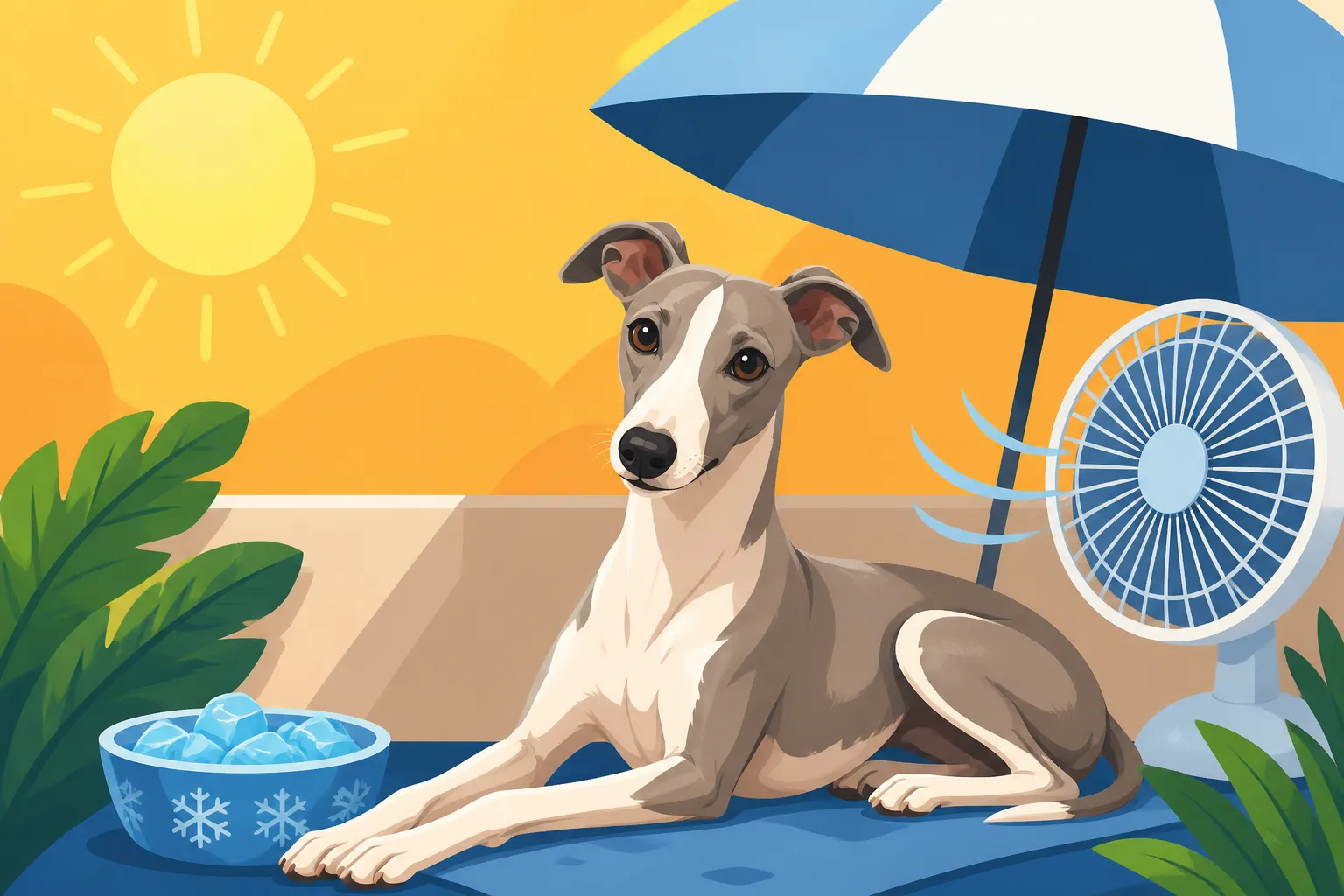
Your home should be a sanctuary from the heat for your Whippet. If you have air conditioning, keep it running at a comfortable temperature. If not, fans can help circulate air, but remember they primarily cool by evaporation from skin, and dogs cool by panting, so fans aren't as effective for them unless the air itself is cool. Block out direct sunlight with curtains or blinds to keep rooms from heating up.
Provide cool resting spots throughout the house. Cooling mats, which contain a gel that activates with pressure, are fantastic for Whippets and are widely available from retailers like Amazon and Chewy. Elevated dog beds, also found on Chewy, allow air to circulate underneath, providing a cooler surface than sleeping directly on the floor. Ceramic tiles or a spot near a vent can also be favorite cool-down zones. Ensure access to fresh, cool water at all times in multiple locations. You might even drop a few ice cubes into their water bowl to keep it refreshing. Your Whippet will naturally gravitate to the coolest spots, so make sure there are plenty of options. Remember that Whether a Whippet Should Sleep Under a Blanket is a question for colder weather; in summer, they usually prefer to sprawl.
Utilizing Cooling Gear and Aids
There's a fantastic range of cooling gear available that can offer your Whippet extra protection and comfort in warmer weather. Cooling vests or bandanas, which you soak in water and then wring out, work by evaporative cooling. As the water evaporates from the fabric, it helps draw heat away from your dog's body. Brands often offer these, and you can find many options on platforms like Amazon.
For car rides, especially if your vehicle doesn't have robust air conditioning, consider a car fan that clips onto a crate or seat back. While it shouldn't be a substitute for proper cooling, it can help. Remember, never leave your Whippet unattended in a parked car, even for a few minutes, as temperatures inside can skyrocket to dangerous levels in a very short time. If your Whippet is reluctant to go outside for potty breaks in the heat, a Whether a Whippet Needs a Cooling Coat in Summer might be just the thing to encourage them to do their business without overheating. These specialized items can make a real difference, especially for Whippets who might be more sensitive to heat or for unavoidable outdoor excursions during warmer periods.
Summer Activities: What's Safe and What's Not for Your Whippet
Summer offers many opportunities for fun, but it's crucial to distinguish between safe, enjoyable activities and those that could put your Whippet at risk in the heat. Their high-speed nature means they can easily overdo it.
Safe Summer Fun: Lure Coursing vs. Casual Play
Whippets absolutely love to run, and activities like lure coursing tap into their natural prey drive. However, these high-intensity activities must be carefully managed in the summer. Organized lure coursing events, especially those sanctioned by organizations like ASFA or AKC, are usually held in cooler weather or during the coolest parts of the day precisely because of the risk of overheating. A short, supervised burst of running in a securely fenced, grassy area during the early morning or late evening can be safe and satisfying. How Much Exercise a Whippet Really Needs is often overestimated in terms of duration; for a Whippet, quality of exercise often trumps quantity, especially when it's hot.
Casual play in your backyard, like chasing a soft toy or a short game of fetch, is also fine if timed appropriately and kept brief. The key is short durations and frequent breaks in the shade with plenty of water. If you notice any signs of increased panting or slowing down, it's time to stop immediately and rest. Avoid extended games or high-impact running that forces them to sprint continuously. Always prioritize your dog's comfort and safety over fulfilling their desire to run.
Avoiding High-Impact or Prolonged Exercise
This is where many well-meaning owners can inadvertently put their Whippets at risk. While Whippets have incredible speed, they are sprinters, not endurance runners, especially not in the heat. Prolonged jogging, long hikes in direct sun, or extensive play sessions with other dogs where they are constantly running are extremely dangerous in warm weather. Their bodies are designed for bursts of speed, not sustained exertion.
Even if they seem eager, their internal thermostat can quickly go awry. Hot sidewalks and roads can cause painful burns on their paw pads, leading to discomfort and potential infection. Remember, their enthusiasm doesn't always translate to heat tolerance. A quick ten-minute run might be fine, but an hour-long power walk when the temperature is climbing can be hazardous. Focus on mental stimulation or short, low-impact activities indoors during peak heat. It's far better to under-exercise your Whippet on a hot day than to push them past their limits.
Water Safety and Whippets
Many Whippets are not natural swimmers. Their lean bodies and low body fat, which is great for speed on land, often make them struggle in water. Why Most Whippets Dislike Swimming is a common observation, and for good reason: they often sink! If your Whippet does enjoy water, keep safety paramount. Never let them swim unsupervised, and always ensure they have a properly fitted life vest, even in shallow water. You can find excellent options on Amazon.
A kiddie pool filled with a few inches of cool water in the shade can be a fantastic way for your Whippet to cool off without the risks of deep water. They can wade, splash, and lie down to cool their belly and paw pads. Just be sure the water isn't too cold, as a sudden drastic temperature change could cause shock, and always supervise. Lakes and rivers can harbor unseen currents or parasites, so be cautious. For many Whippets, a damp towel draped over them or a gentle spray with a hose is a much preferred way to enjoy water in the summer heat than a full swim.
Hydration and Nutrition in Hot Weather
Proper hydration and thoughtful nutrition become even more critical during the warmer months, as your Whippet's body works harder to stay cool.
Encouraging Adequate Water Intake
Ensuring your Whippet drinks enough water is paramount to preventing dehydration and overheating. Always have fresh, cool water readily available, both indoors and out. Change the water frequently, as stale water is less appealing. Some Whippets prefer ceramic or stainless steel bowls over plastic, as these can keep water cooler. You can also try adding a few ice cubes to their bowl to make it more enticing.
For those who are picky drinkers, try offering water in different locations around the house, or even a pet fountain, which can encourage drinking due to the movement of the water. On walks, especially if you’re out for more than a quick potty break, a portable water bottle and collapsible bowl are essential. You can find many practical designs on Chewy or Amazon. Remember that What a Whippet Needs Every Day definitely includes plenty of fresh water, and this need only increases in warm weather. If your Whippet still isn't drinking enough, you might consider adding a little low-sodium chicken broth to their water to make it more appealing, or even incorporating more moisture-rich foods into their diet.
Adjusting Meal Schedules and Food Types
Just as we might prefer lighter meals in summer, your Whippet might benefit from adjustments to their feeding routine. Feeding during the coolest parts of the day – early morning and late evening – can help prevent their body temperature from rising after a large meal. Digesting food naturally generates some body heat, so spreading out meals or offering a slightly smaller portion during the warmest hours might be beneficial.
Consider the type of food as well. Wet or fresh food options, like those from Ollie, often have a higher moisture content, which can contribute to their overall hydration. If your Whippet is usually on kibble, adding a splash of water or low-sodium broth to their meal can increase their liquid intake. For very active Whippets who are running in the cooler parts of the day, their calorie needs might still be the same, but for a less active summer Whippet, you might need to slightly adjust How Much a Whippet Should Eat to prevent unwanted weight gain, while ensuring they get all necessary nutrients.
Managing Electrolyte Balance
When a dog pants excessively, they don't just lose water; they also lose important electrolytes, like sodium and potassium, which are vital for nerve and muscle function. While a healthy dog on a balanced diet usually replaces these naturally, intense exercise in the heat can sometimes lead to an imbalance. For most household Whippets, ensuring ample fresh water is usually sufficient. However, if your Whippet has been very active or has experienced mild heat stress, you might consider offering an electrolyte supplement specifically designed for dogs.
These are typically powders that can be mixed into water. Do not give human sports drinks, as they contain ingredients and sugar levels that are not suitable for dogs. If your Whippet is eating a fresh food diet, like Ollie, it often contains naturally higher moisture and nutrient content, which can aid in maintaining balance. Always consult your vet before introducing any supplements, especially if your Whippet has any underlying health conditions. Understanding Feeding a Whippet That Sprints and Then Sleeps means recognizing that their needs change with activity levels and environmental conditions.
When to Seek Veterinary Help for Heat-Related Issues
Knowing when a situation moves beyond home care and into the realm of a veterinary emergency is paramount. Heatstroke can be deadly, and rapid intervention is key.
Identifying Heatstroke Emergencies
Heatstroke is a life-threatening condition where a dog’s body temperature rises dangerously high, and its cooling mechanisms fail. We've talked about the severe symptoms: staggering, confusion, dark red or purple gums, excessive drooling, vomiting, diarrhea (which can sometimes be bloody), seizures, or collapse. If your Whippet exhibits any of these signs, consider it an immediate emergency. Every minute counts. Do not wait to see if they improve, and do not try to cool them down too aggressively or for too long before getting professional help.
The danger of heatstroke is that it can lead to rapid organ damage, including kidney failure, liver damage, brain swelling, and blood clotting disorders. The goal is to get their core temperature down safely and quickly, but under veterinary supervision. Even if your Whippet seems to recover on the way to the vet, internal damage may still be occurring, so a full check-up is absolutely necessary.
First Aid Steps Before Reaching the Vet
While you should be heading to the vet immediately, there are crucial first aid steps you can take to start cooling your Whippet down on the way. Get them into a cooler environment immediately – an air-conditioned car is ideal. Wet their body, especially their head, neck, armpits, and groin, with cool (not ice-cold) water. You can use a hose, wet towels, or even just pour water over them.
Never immerse them in ice water, as this can cause blood vessels to constrict, trapping heat inside, and can lead to dangerous shock. If you have a fan, direct it at their wet body to enhance evaporative cooling. Offer them small amounts of cool water to drink, but don't force it if they're disoriented or unconscious, as they could aspirate it. Focus on steady, gentle cooling. Continue these measures until you reach the veterinary clinic, informing them of your arrival and symptoms so they can be ready.
Post-Heatstroke Care and Prevention
Even after your Whippet has been stabilized at the vet, the recovery process isn't necessarily over, and preventing future incidents is vital. Your vet will monitor them for several days for any delayed complications, as organ damage can sometimes manifest hours or even days later. This might involve blood tests, fluid therapy, and supportive care. Be prepared for potential follow-up visits and adhere strictly to your vet's post-care instructions.
Going forward, prevention becomes even more critical. If your Whippet has experienced heatstroke, they are likely more susceptible to it in the future. This means being extra vigilant during warm weather. Re-evaluate your summer routine, ensuring all outdoor activities are strictly confined to the coolest parts of the day, or moved indoors entirely. Invest in all the cooling aids mentioned earlier – cooling vests, mats, and ample water sources. Always carry water when you leave the house, and never, ever leave your Whippet in a car. Understand that some dogs are simply more prone to overheating, and a past episode is a stark warning to be perpetually cautious.
Disclaimer
This article is for general informational purposes only and does not constitute professional advice. Laws, prices and regulations vary by location and change over time. Consult a qualified professional for guidance on your specific situation.