Telling a Cold Whippet From a Nervous One
It can be incredibly unsettling as a Whippet owner to see your lean, beloved companion shaking, and immediately, your mind races: are they freezing cold, or are they experiencing anxiety? This seemingly simple act of shivering can be deeply confusing, leaving you wondering how to best comfort your sensitive sighthound. This guide will help you understand the subtle distinctions between a cold shiver and a nervous tremor in your Whippet, so you can respond with confidence and provide the right support.
The Distinctive Shiver of a Cold Whippet
Whippets are truly unique in their physical makeup, and this plays a huge role in how they react to temperature. They aren't built like a Husky with a thick double coat or a Labrador with a layer of insulating fat. Instead, they are finely tuned athletes, and their physiology means they feel the cold much more acutely than many other breeds.
Why Whippets Get Cold So Easily
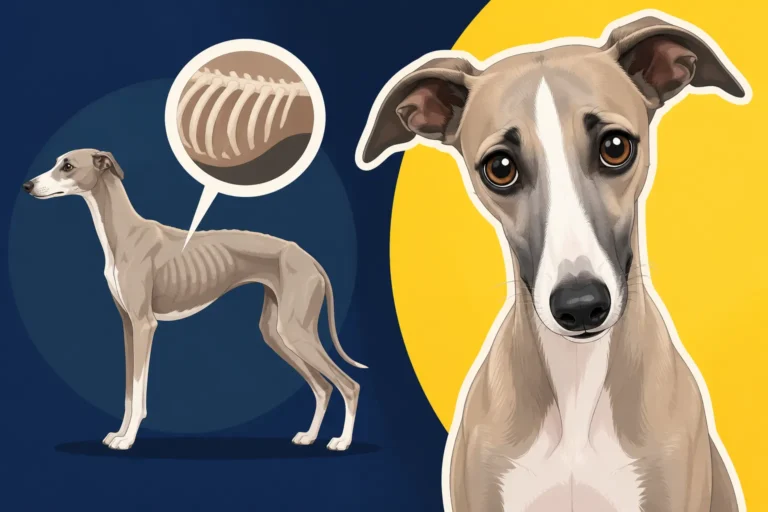
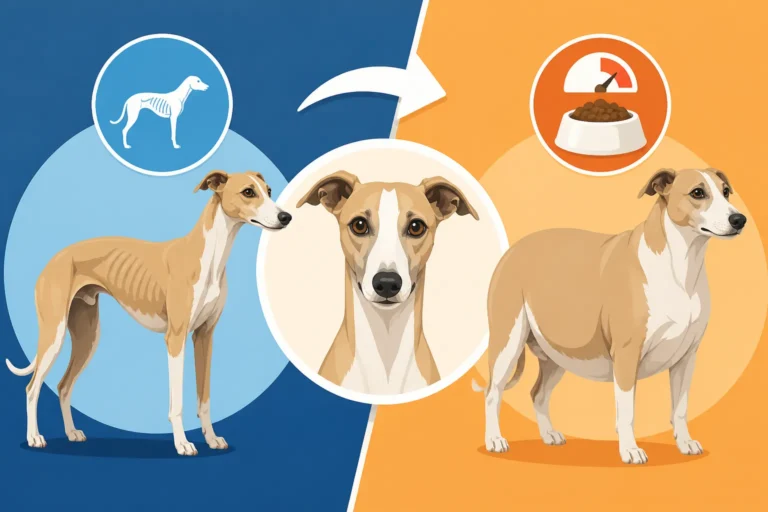
Let's face it, our Whippets are practically skin and bones, and we love them for it! But that sleek, elegant form, so perfect for bursts of speed, comes with a trade-off: a distinct lack of insulation. They have very little body fat to act as a natural blanket, and their short, fine coat offers minimal protection against chilly air, dampness, or biting winds. Think of it this way: if you went outside in a light t-shirt in winter, you'd feel the cold quickly, and your Whippet is often dressed even lighter by nature. Even indoors, if the ambient temperature drops significantly, especially during colder months or in poorly insulated homes, a Whippet can start to shiver. Their ancestors roamed warmer climates, and their adaptation to human companionship means they now rely on us for thermal regulation. It's a fundamental part of A Whippet Has No Insulation and No Padding.
When a cold front moves in, or you’re simply sitting still for too long in a cool room, that shiver can kick in almost instantly. It’s their body’s natural way of trying to generate heat through muscle contractions. You might notice it more intensely after a walk on a damp, cool day, even if the temperature doesn't seem that low to you. The combination of wet fur and a breeze can be enough to send their core temperature dipping. This isn't a sign of weakness; it's just how their incredibly efficient, low-fat bodies are designed.
Recognising the Signs of Being Cold
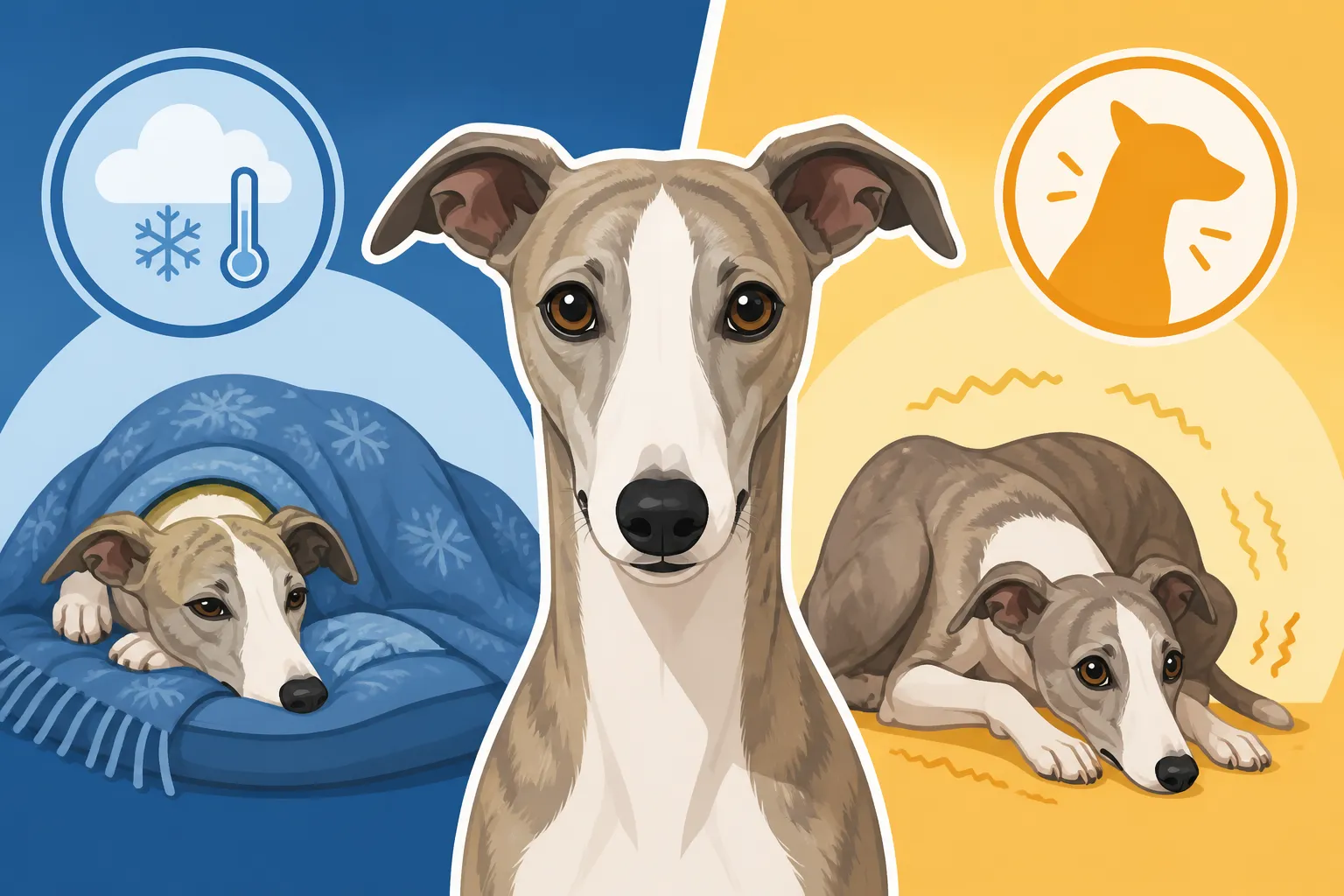
A cold Whippet's shiver is usually fairly consistent and widespread throughout their body, though it might be more noticeable in their flanks or chest. Beyond the shaking itself, you'll likely observe other tell-tale signs. Their ears might be pulled back and held tight against their head, almost trying to conserve heat. Their tail will often be tucked firmly between their legs, again a classic posture for a dog trying to make itself small and warm. They might curl into a very tight ball, tucking their nose under their tail, or try to burrow deeply into blankets, cushions, or even under your arm.
They’ll often seek out warmer spots in the house, like a patch of sun, a heating vent, or, let’s be honest, directly onto your lap or under your duvet. Their skin might feel cool to the touch, particularly on their ears or paws. You might also notice them hunching their shoulders, trying to reduce the surface area exposed to the cold. Unlike a nervous shiver, a cold shiver typically resolves quickly once they are warmed up – put a coat on them, snuggle them under a blanket, or move them to a warmer room, and the shivering should subside within minutes. This rapid response is a good indicator that it was indeed a case of being chilly.
Quick Solutions for a Chilly Whippet
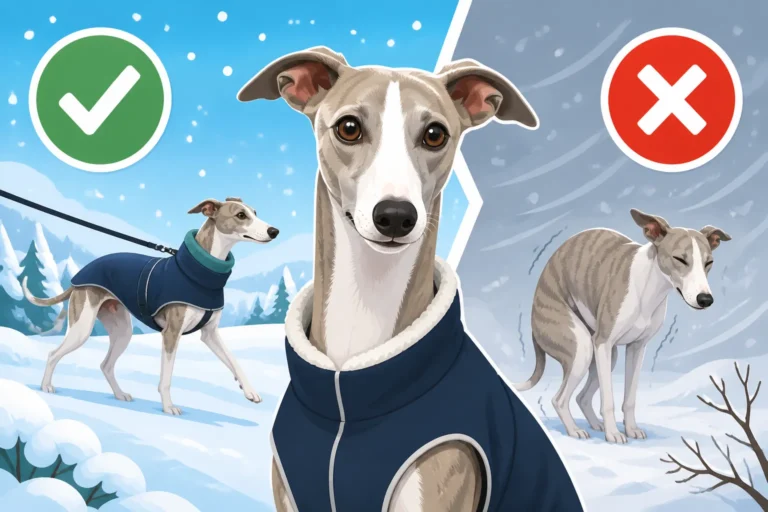
The good news is that addressing a cold Whippet is often straightforward! The most immediate solution is to add a layer of warmth. For indoor chilliness, a soft fleece sweater or a pair of cozy pajamas can make all the difference. Many owners keep a stash of these handy. When heading out, especially if the temperature is below what you consider warm, a proper dog coat is essential. Look for coats specifically designed for sighthounds, as their deep chests and narrow waists require a different cut than many other breeds. The Wardrobe a Whippet Needs Because It Has No Body Fat is a real concern.
Blankets are also your Whippet's best friend. Have several scattered around the house – on sofas, dog beds, and even a special one just for cuddling on your lap. You’ll be amazed at how quickly they can dive under a blanket and stop shivering. If you need to stock up on new coats or find extra plush blankets, online retailers like Chewy offer a fantastic selection that cater to all shapes and sizes, including sighthound-specific designs. Alternatively, Amazon is a great place to find cozy, temperature-regulating beds or even heated pads for those extra chilly days. The key is to be proactive; if you’re feeling a bit nippy, chances are your Whippet is already past that point. Remember, Whether a Whippet Needs a Coat Below Fifty Degrees isn't just a suggestion, it's often a necessity for their comfort.
Unpacking the Nervous Whippet's Tremors
While a cold shiver is often easily remedied, a nervous tremor tells a different story. Whippets, for all their athletic prowess, are often incredibly sensitive souls. They can be prone to anxiety, shyness, and overstimulation, and sometimes, this manifests as shaking or trembling that looks deceptively similar to being cold.
Common Triggers for Whippet Anxiety
Whippets are creatures of habit and often thrive in predictable, calm environments. Introduce something new, loud, or unexpected, and you might see that nervous shiver emerge. Common triggers include loud, sudden noises like thunderstorms, fireworks, or even just a particularly boisterous delivery driver at the door. New people entering their home, especially if they are energetic or don't understand how to approach a sensitive dog, can also cause unease. Some Whippets get nervous in new environments, whether it’s a bustling park, a trip to the vet, or even a different friend’s house.
For many Whippets, separation from their beloved humans is a significant source of stress. Separation Anxiety in a Whippet can lead to trembling, pacing, and other distress signals when left alone. Even an unfamiliar object placed in their usual space, like a new piece of furniture, can be enough to throw some highly sensitive Whippets off balance. It’s crucial to remember that what might seem trivial to us can be a major source of anxiety for a dog whose entire world revolves around routine and security.
Behavioural Cues Beyond the Shiver
When a Whippet is nervous, the shiver isn't usually the only sign. It's part of a whole package of body language cues. You might notice their tail tucked, similar to being cold, but often it will be clamped much tighter, almost glued to their belly. Their ears might be flattened against their head, not just pulled back. They might also exhibit displacement behaviours, such as excessive yawning when not tired, lip-licking repeatedly, or looking away and avoiding eye contact. Some nervous Whippets will pant, even if they haven't exercised, and their breathing might be shallow and fast.
A nervous Whippet might pace restlessly, unable to settle, or try to hide behind you or furniture. They might also refuse treats or engage in play, even for their most favorite toy or snack, which is a big red flag for anxiety. Unlike a cold shiver that typically stops once warmth is provided, a nervous tremor will persist as long as the perceived threat or stressful situation remains. If you remove the trigger or help them feel safe, the shaking will gradually subside, but it takes time and reassurance, not just a blanket. Paying attention to these additional cues is key to understanding what your Whippet is truly experiencing. Whether a Whippet Is Nervous of Strangers is a common trait, and their body language will often tell you before they shake.
Comforting an Anxious Whippet
Helping a nervous Whippet requires a different approach than simply adding a layer of clothing. First, identify and, if possible, remove or mitigate the trigger. If it’s a loud noise, provide a safe, quiet den for them, perhaps a crate covered with blankets in a less noisy room. If it's a new person, manage the introduction slowly, allowing the Whippet to approach on their terms, without direct staring or overly enthusiastic greetings. Gentle, calm reassurance from you can be incredibly helpful – a soft voice, a slow stroke, letting them lean into you.
Creating a secure "safe space" is vital for an anxious Whippet. This could be their crate, a cozy dog bed in a quiet corner, or even just a designated spot on the sofa where they know they won't be bothered. Pheromone diffusers, calming supplements (always discuss with your vet first), or even specialized wraps that apply gentle pressure (like a Thundershirt) can sometimes offer relief. For instance, Chewy carries a range of calming chews and diffusers that some owners find beneficial. Distraction with a favourite chew toy or a short, quiet game can also redirect their focus. The goal is to help them feel secure and understood, not just warm.
When Shivering Isn't Just Cold or Nerves: Other Considerations
Sometimes, a tremor isn't about temperature or emotion at all, and it's important to be aware of these other possibilities, especially if the shaking is persistent, unusual, or accompanied by other symptoms. It's always better to be safe than sorry when it comes to your dog's health.
Medical Reasons for Tremors
While less common, shivering or tremors can be a symptom of an underlying medical condition. Pain, for instance, can cause a dog to shake. If your Whippet has an injury, is experiencing joint discomfort, or has an upset stomach, the physical discomfort can manifest as trembling. Certain illnesses, particularly those involving neurological issues or systemic infections, can also cause tremors. Metabolic imbalances, like low blood sugar (hypoglycemia), might also lead to shaking.
Even some medications can have tremors as a side effect. If your Whippet is shaking and you've recently started them on new medication, or if the shaking is accompanied by other worrying signs like lethargy, vomiting, diarrhea, changes in appetite or thirst, or limping, it's crucial to contact your veterinarian. They can perform an examination and necessary tests to rule out any serious health concerns. Trust your gut; if something feels "off" beyond a simple chill or momentary nervousness, seek professional advice.
Age-Related Tremors
As our beloved Whippets age, some may develop tremors that aren't directly related to cold or fear. These can sometimes be idiopathic, meaning there's no identifiable cause, or they might be a subtle sign of age-related neurological changes. You might notice a slight tremor in their legs, especially when they are standing still or trying to hold a particular position. These tremors are usually not painful and don't significantly impact their quality of life, but it's important to distinguish them from other causes.
Older Whippets also tend to feel the cold more acutely, even indoors, as their circulation might not be as efficient, and any remaining body fat might dwindle further. Therefore, it can sometimes be a combination of factors. Caring for an Old Whippet That Feels the Cold is a comprehensive guide to understanding their unique needs. If you notice new tremors in an older Whippet, it's always wise to discuss it with your vet to ensure there isn't an easily treatable underlying cause and to get a baseline assessment.
Distinguishing Excitement Shivers
Not all non-cold-related shaking is negative! Some Whippets, particularly younger, highly excitable individuals, will shiver or tremble with sheer joy and anticipation. Think about the moments just before you head out for a walk, or when you pull out their favourite toy, or even when you come home after a long day. This "excitement shiver" is distinct from fear.
An excitement shiver is usually accompanied by a loose, wiggly body, a rapidly wagging tail, bright eyes, and an overall happy demeanor. They might jump, bark playfully, or solicit attention enthusiastically. There are no signs of stress like lip-licking, yawning, or hiding. This kind of trembling is a normal, adorable part of their personality, a physical manifestation of their intense happiness. It's fleeting and disappears once the exciting event or interaction begins.
Creating a Comfortable Environment for Your Whippet
Proactive measures in your home environment can significantly reduce both instances of cold shivering and nervous trembling. Understanding your Whippet's needs and creating a haven of comfort and security is paramount to their well-being.
Indoor Comforts
Given their minimal body fat and thin coats, Whippets truly thrive in warm, soft, and secure indoor environments. Ensuring your home is kept at a comfortable temperature is the first step. If you're bundling up, your Whippet likely needs an extra layer too. Beyond ambient temperature, providing ample soft bedding throughout the house is crucial. Whippets can develop pressure sores and calluses from lying on hard surfaces, and soft beds also offer vital insulation. Every room where your Whippet spends time should have a cozy spot for them to curl up.
Memory foam beds are a fantastic investment, offering both warmth and crucial joint support, especially as they age. You can find high-quality options on platforms like Amazon that are large enough for a Whippet to stretch out. Many Whippets also adore having access to blankets for burrowing – it's an instinct that makes them feel secure and warm. If your Whippet consistently seeks out your furniture, it’s often because it’s softer and warmer than the floor. This highlights why Why a Whippet Cannot Sleep on a Hard Floor is so important. Consider having a few throws or designated dog blankets on sofas and chairs for them.
Outdoor Preparations
Taking your Whippet outdoors requires foresight, regardless of the season. In cooler weather, a well-fitting coat is non-negotiable. It’s not about fashion; it’s about their health and comfort. Have a variety of coats ready for different conditions: a lightweight fleece for brisk mornings, a waterproof outer layer for rain, and a heavier, insulated coat for genuinely cold or snowy days. Remember, dampness cuts through a Whippet's sparse coat quickly, making them feel much colder than the thermometer might suggest.
Even in milder weather, consider the ground temperature. Cold concrete or wet grass can quickly chill their paws and bodies. During hot weather, while coats aren't needed, you still need to be vigilant about sun protection for their thin skin, especially on areas like their belly. Always carry water on walks, and be mindful of hot pavement which can burn their sensitive paw pads. Being prepared for outdoor conditions is a daily task for a Whippet owner. The Temperature at Which a Whippet Needs a Coat can vary greatly depending on wind and dampness, not just the number on the thermometer.
Proactive Steps for Nervousness
For a Whippet prone to nervousness, a consistent routine and early, positive socialization are your best allies. Exposing a puppy to a variety of sights, sounds, people, and other well-behaved dogs in a controlled, positive way helps build their confidence. Socializing a Whippet Puppy is crucial for their development. Continued positive exposure throughout their lives helps reinforce that new experiences aren't always scary.
Training, especially positive reinforcement methods, can also build confidence and a strong bond between you and your Whippet. Knowing basic cues and having a predictable routine reduces uncertainty in their lives. For Whippets with known anxiety triggers, such as fireworks or thunderstorms, proactive measures like creating a safe den, playing calming music, or using vet-approved calming aids before the event can lessen their stress. High-quality nutrition can also play a subtle but important role in overall well-being, potentially supporting a more resilient nervous system. Some owners choose fresh food options, like Ollie, believing a balanced diet contributes to better overall health and emotional stability. By understanding and addressing both their physical needs for warmth and their emotional needs for security, you can help your Whippet live a happy, healthy, and tremor-free life. It's all part of What a Whippet Needs Every Day.
Here's a quick reference to help you distinguish between a cold and nervous whippet:
| Characteristic | Cold Shiver | Nervous Tremor |
|---|---|---|
| Primary Cause | Low body temperature, lack of insulation | Anxiety, fear, stress, overstimulation |
| Appearance | Generally widespread, consistent shaking | Can be widespread, or focused (e.g., legs), often more erratic |
| Ears | Pulled back, held tight to head | Flattened, plastered back, or darting |
| Tail | Tucked tightly between legs | Clamped to belly, sometimes rapidly twitching |
| Posture | Curled up tightly, hunched, seeking warmth | Pacing, rigid, trying to hide, sometimes low to ground |
| Breathing | Normal, or shallow if very cold | Rapid, shallow panting (without exertion) |
| Other Cues | Seeking warm spots, cool skin | Yawning, lip-licking, drooling, refusing treats, avoiding eye contact, whining |
| Response to Aid | Stops quickly with warmth (coat, blanket) | Persists until trigger is removed or comfort measures take effect |
| Mental State | Alert but focused on finding warmth | Distressed, withdrawn, hyper-vigilant |
Disclaimer
This article is for general informational purposes only and does not constitute professional advice. Laws, prices and regulations vary by location and change over time. Consult a qualified professional for guidance on your specific situation.