Cooling a Whippet Down After a Sprint
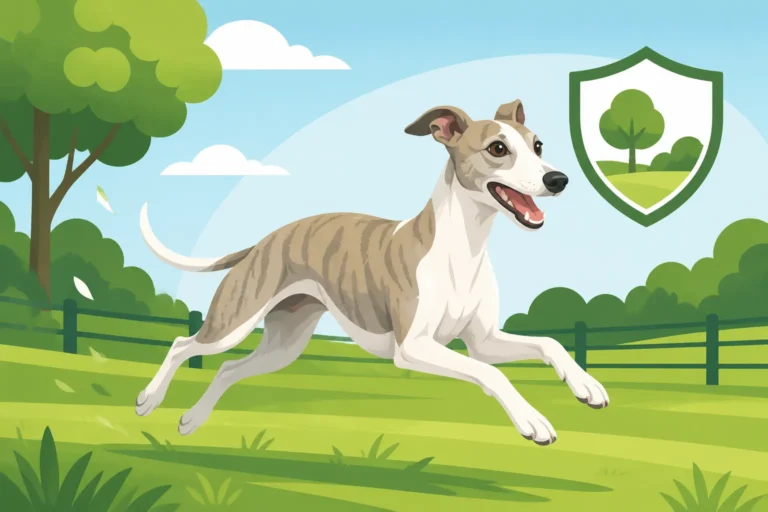
It’s an incredible sight to watch a Whippet open up and really stretch out, hitting those impressive speeds. Their athleticism is breathtaking! But as thrilling as those bursts of speed are, many of us Whippet owners often forget the crucial step that comes next: cooling them down properly. Just like any elite athlete, a Whippet needs a gradual wind-down to prevent injury, regulate their body temperature, and ensure they stay healthy for many more joyful sprints. This guide will walk you through the essential steps and best practices to safely cool down your speedy companion.
Why a Proper Cool-Down Is So Crucial for Your Whippet
You might think a quick walk and then heading inside is enough after a good run, but for a Whippet, that sudden shift can actually be detrimental. Their bodies are finely tuned machines, and abrupt transitions can put unnecessary strain on their systems. Understanding why a cool-down matters so much helps us commit to making it a regular part of their exercise routine.
Preventing Muscle Strain and Injury
Imagine yourself sprinting at top speed and then suddenly slamming on the brakes. Your muscles would scream, right? The same goes for your Whippet, though they might not show it with an audible complaint. When a Whippet sprints, their muscles are rapidly contracting and expanding, their tendons and ligaments are stretched, and their joints are working hard. If these tissues don't get a chance to gradually return to a resting state, they remain tight and vulnerable.
A sudden stop or a lack of cool-down can lead to micro-tears in muscle fibers, tendonitis, or even more serious sprains. Whippets, with their lean build and powerful acceleration, are particularly susceptible to these types of injuries. They're not like some stockier breeds; their elegance comes with a certain fragility, making them prone to injury, much like we discuss in The Muscle a Whippet Tears Sliding on Wet Grass. A proper cool-down helps to gently flush out metabolic byproducts like lactic acid from the muscles, reducing soreness and stiffness, and improving overall recovery. It’s about letting their incredible athletic body ease back into relaxation, rather than snapping back too quickly.
Regulating Body Temperature and Preventing Overheating
During an intense sprint, your Whippet’s body temperature rises significantly. Their muscles generate a lot of heat, and while panting helps to dissipate some of it, it might not be enough if they’re just abruptly stopping. Whippets, despite their minimal body fat, can still overheat, especially on warmer days or if they've had a particularly strenuous run. The sheer effort they put into their sprints generates considerable internal heat.
A gradual cool-down aids in bringing their core body temperature back to normal in a controlled manner. If a dog's body temperature remains elevated for too long, it can lead to heat exhaustion or even life-threatening heatstroke. This is particularly concerning if you're exercising them on a warm day, or perhaps even a surprisingly warm spring day when you're not expecting it. The cool-down facilitates the gradual return of blood flow from the working muscles to the skin, where heat can more effectively escape, preventing them from retaining too much heat internally.
Supporting Cardiovascular Health and Blood Flow
When your Whippet is in full flight, their heart rate skyrockets to pump oxygen-rich blood to those powerful sprinting muscles. Their cardiovascular system is working overtime! A sudden cessation of activity means that all that blood, which was being vigorously pumped to the extremities, can pool in the muscles if the heart doesn't have a chance to gradually slow down. This can put undue stress on the heart and circulatory system.
A cool-down, primarily through gentle walking, acts like a gradual brake for their cardiovascular system. It allows their heart rate to decrease slowly and steadily, helping blood flow return to a normal, even distribution throughout the body. This prevents issues like dizziness or fainting in some extreme cases, though for healthy Whippets, it's more about ensuring optimal recovery and reducing any potential strain on their remarkable hearts, which are naturally larger for their size, as we touch upon in Why a Whippet's Big Heart Is Not a Diagnosis. It ensures their body is returning to a state of calm balance after the excitement and exertion of a sprint.
Immediate Steps for Cooling Down Your Whippet After a Sprint
You’ve just watched your Whippet fly across the field, a blur of grace and power. Now what? The immediate post-sprint period is critical for setting the stage for good recovery. These steps are simple but incredibly effective and should be applied consistently after any intense burst of activity, whether it's a few quick zoomies or a full-out lure coursing run.
Gentle Walking and Active Recovery
The most fundamental part of any cool-down is gentle, active recovery, which means keeping your Whippet moving at a leisurely pace. Immediately after their sprint, resist the urge to just let them plop down. Instead, clip on their leash and start a slow, calm walk. This isn't another opportunity for them to gather speed; this is about a controlled, unhurried stroll.
Aim for a walk of about 5 to 10 minutes, or even longer if they've had a particularly vigorous session. This gentle movement helps their muscles gradually lengthen and relax, preventing them from tightening up. It also helps their heart rate come down incrementally, rather than abruptly. Think of it as a moving meditation for their body. If they're prone to excitement, choosing a quiet area for this cool-down walk can be helpful. Remember, maintaining leash control is important here to ensure they don't get a sudden burst of energy and sprint again, which would defeat the purpose of the cool-down. Consistent practice of this simple step can significantly reduce the risk of strains and soreness.
Hydration is Key
After any strenuous activity, your Whippet will be thirsty, and providing fresh water is paramount. Offer water as soon as you begin your cool-down walk or find a suitable resting spot. Don't let them gulp down an entire bowl in one go, as this can sometimes lead to an upset stomach. Offer smaller amounts, allowing them to drink, pause, and then offer more.
Keeping your Whippet well-hydrated helps replace fluids lost through panting and sweating (yes, dogs do sweat, primarily through their paw pads!). Proper hydration is essential for all bodily functions, including muscle recovery and temperature regulation. If you're out and about, a portable water bottle and collapsible bowl are absolute must-haves. You can find excellent, lightweight options on platforms like Amazon that are perfect for carrying on walks or to the park. Make sure the water is cool, but not icy cold, as very cold water can sometimes cause stomach upset in an overheated dog.
Seeking Shade and Airflow
Immediately after their run, move your Whippet to a cool, shaded area. This might be under a tree at the park, in the shadow of a building, or back in your air-conditioned car (with the AC on, of course!). Direct sunlight, especially on a warm day, will hinder their ability to dissipate heat effectively, prolonging their recovery time and increasing the risk of overheating.
Good airflow is also crucial. A gentle breeze can help cool them down naturally. Avoid confining them in small, unventilated spaces immediately after exercise. If you’re at home, a fan can be a great addition to their cool-down spot. For Whippets, whose thin skin means they don't have much insulation, seeking shade is particularly important to prevent their skin from absorbing too much radiant heat from the sun. Think about how quickly their pink skin can sunburn, as we explore in Why a Whippet's Pink Skin Burns – that same vulnerability applies to heat absorption. Give them plenty of space to stretch out and enjoy the natural cooling effect of air moving over their body.
Advanced Cooling Techniques for Warmer Weather or Intense Exercise
Sometimes, a gentle walk and water aren't quite enough, especially if it’s a particularly hot day or your Whippet has just completed an incredibly intense activity like lure coursing. In these situations, you might need to employ some additional cooling strategies to ensure their comfort and safety. These methods are designed to actively assist their body in bringing down its core temperature more rapidly.
Using Cooling Aids Safely
The market offers a range of fantastic cooling products that can be a real game-changer for active Whippets, especially in warmer climates. Cooling vests, mats, and bandanas are all designed with special materials or gel inserts that absorb and dissipate heat. A cooling vest, for instance, often works by evaporating water from the fabric, drawing heat away from your dog's body. Cooling mats, on the other hand, can provide a cool surface for them to lie on, transferring heat away through conduction.
When using these, ensure they are appropriately sized for your Whippet and comfortable. For instance, a vest that’s too tight might restrict movement, while one that’s too loose won’t make enough contact to be effective. Always follow the manufacturer's instructions. While these can be incredibly helpful, avoid the temptation to use extreme cold, like ice packs applied directly to their skin, as this can be too much of a shock and potentially cause frostbite or restrict blood flow. The goal is cool, not frozen. There are many effective and safe options available on Amazon, from simple cooling bandanas to more advanced vests.
Targeted Water Application
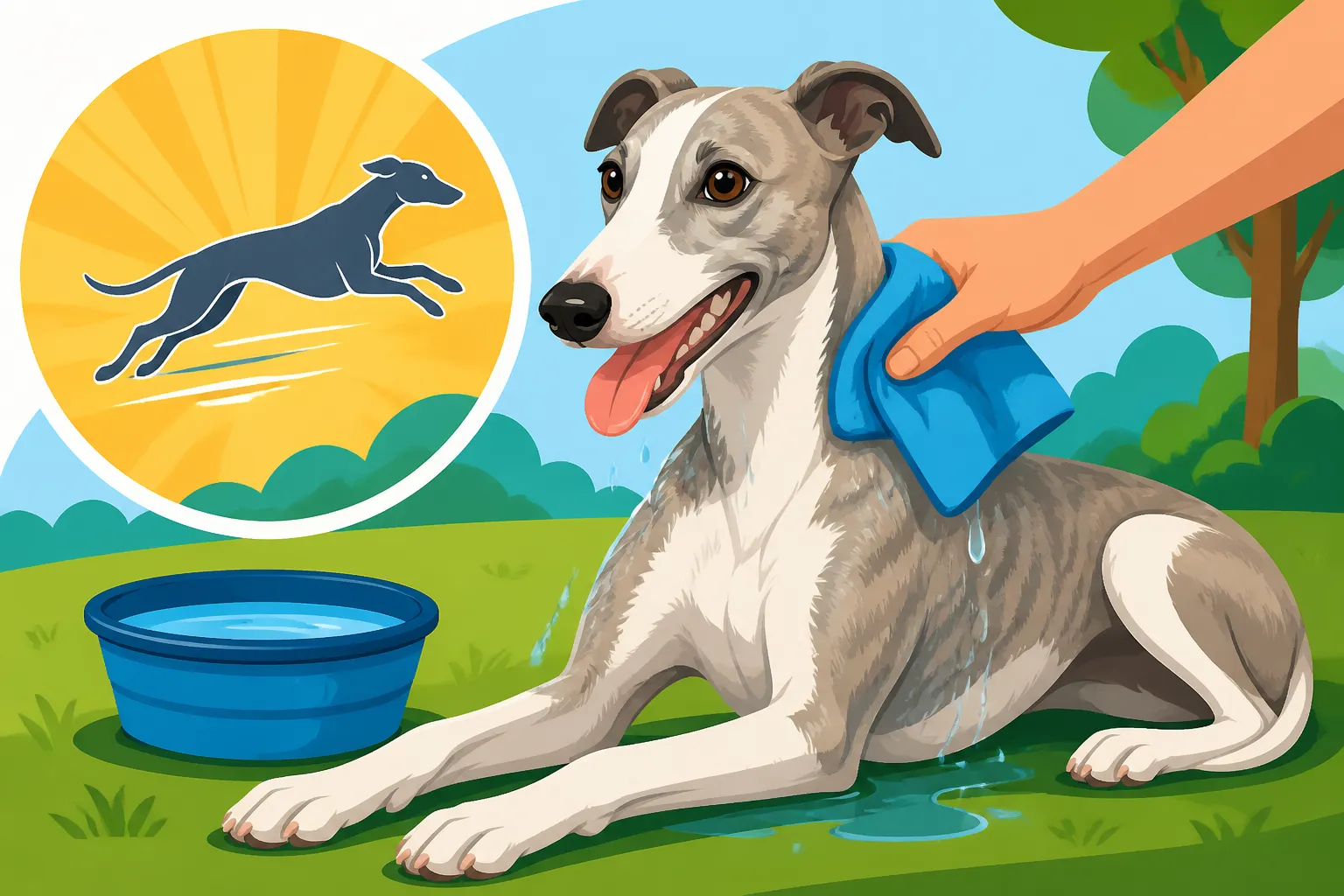
Another highly effective cooling technique is the strategic application of cool (not icy!) water to specific areas of your Whippet's body. These are typically areas where major blood vessels run close to the surface of the skin, allowing for efficient heat transfer. Focus on their groin, armpits, and the underside of their neck. Gently wiping these areas with a cool, damp cloth or sponge can work wonders.
You can also lightly spray their paw pads and belly with cool water. Their paw pads are one of the primary places dogs sweat, so cooling them can be very effective. The belly, with its sparse hair, also allows for quick heat loss. The key is to avoid drenching their entire body, especially with very cold water, as this can constrict blood vessels and actually trap heat internally. A gentle mist or damp cloth is usually sufficient to help their body temperature drop safely. Remember, the aim is to assist the natural cooling process, not to shock their system.
Monitoring for Signs of Overheating
Even with the best cool-down practices, it’s absolutely vital to remain vigilant for any signs that your Whippet might be overheating. These signs can escalate quickly, and knowing what to look for can be life-saving. Excessive panting, especially if it’s rapid and shallow and doesn’t calm down with rest, is a primary indicator. Other symptoms include lethargy, weakness, drooling, bright red gums, a glazed expression in their eyes, vomiting, diarrhea, or even staggering and collapsing.
If you observe any of these signs, particularly if they seem severe or are worsening, it's an emergency. Immediately move your Whippet to the coolest possible area, offer small sips of cool water, and apply cool, damp cloths to their key cooling zones. Then, call your veterinarian or an emergency animal clinic right away. Don’t wait to see if they improve. Whippets are hardy in many ways, but extreme heat is a real danger. Being prepared and knowing when to act is the most responsible thing we can do for our beloved companions.
Incorporating a Cool-Down Routine into Your Whippet's Exercise Regimen
A successful cool-down isn't just a one-off event; it's a consistent habit that should be as natural as putting on their leash before a walk. Integrating these practices into your daily routine ensures your Whippet's long-term health and reduces the likelihood of injuries or heat-related issues. Think of it as an essential bookend to their magnificent sprints.
Making Cool-Down a Habit
Just as you might have a routine for Warming Up a Whippet Before It Runs, a cool-down should be equally ingrained. It’s not an optional extra; it’s an integral part of responsible exercise for a sighthound. From the very first training sessions, try to incorporate a cool-down so your Whippet learns to expect and even enjoy this winding-down period. This consistency helps their body adapt and recover more efficiently over time.
You can use positive reinforcement during the cool-down phase. Offer gentle praise, soft strokes, or even a small, high-value treat for calm walking and resting. This helps them associate the cool-down with positive experiences, making them more likely to settle. If you’ve worked with BAXTER & Bella, you know the power of positive, consistent training for building good habits, and cool-down is no different. It’s about building a routine that benefits both their physical and mental well-being, demonstrating that playtime has a clear beginning, middle, and end.
Adjusting for Different Activity Levels and Environments
The intensity and duration of your Whippet’s cool-down should always be tailored to the intensity of their exercise and the environmental conditions. A few quick zoomies in the backyard on a mild day will require a less extensive cool-down than, say, multiple sprints during a Fast CAT event on a warm, humid afternoon. Always consider the factors: how long did they run? How fast? What’s the ambient temperature? What’s the humidity? Is the ground hot, like we discuss in Whether a Whippet Should Run on Hard Ground?
On hotter days, extend the cool-down period and be more proactive with cooling aids and water. In cooler weather, while still important for muscle recovery, the emphasis on temperature regulation might be slightly less critical, though a Whippet's low body fat means they still need careful monitoring of their warmth, as touched on in Why a Whippet Needs a Coat Below Fifty Degrees. Pay attention to your individual Whippet – some may run hotter than others, or take longer to settle. Being adaptable and observing your dog’s cues is key to their safety and comfort. Understanding How Far a Whippet Can Sprint Before It Tires can also help you gauge the level of cool-down needed.
The Long-Term Benefits of Proper Cool-Down
When you consistently provide a thorough cool-down for your Whippet, you're not just preventing immediate problems; you're investing in their long-term health and athletic longevity. This commitment translates into a reduced risk of chronic muscle soreness, fewer injuries that might lead to expensive vet visits, and a happier, more comfortable dog throughout their life. It means they'll be able to enjoy their sprints for many years to come.
A well-conditioned and properly cared-for Whippet is a joy. By taking the time for these cool-down rituals, you're helping their body recover fully, which allows them to perform at their best and maintains their overall vitality. It's about respecting their incredible physiology and supporting them in every aspect of their active lives. Ultimately, a good cool-down routine contributes significantly to their quality of life, allowing them to remain the spirited, joyful companions we know and love.
| Cool-Down Step | Purpose | When to Use | Important Considerations |
|---|---|---|---|
| Gentle Leashed Walk | Gradual heart rate decrease, muscle relaxation | After any sprint/intense play | 5-10 minutes, calm pace, avoid further sprinting |
| Offer Fresh Water | Rehydration, aid temperature regulation | Immediately post-sprint, during cool-down | Small, frequent sips, avoid over-guzzling |
| Seek Shade/Airflow | Prevent overheating, assist natural cooling | Immediately post-sprint | Prioritize shaded, breezy areas, avoid confined hot spaces |
| Cooling Aids (Vests/Mats) | Active heat dissipation | Warmer weather, intense exercise | Ensure proper fit, cool (not icy), follow instructions |
| Targeted Water Application | Rapid cooling of major blood vessels | Warmer weather, signs of overheating | Damp cloth on groin/armpits/neck, cool (not icy) water |
| Monitor for Overheating | Early detection of distress | Throughout and after cool-down | Watch for excessive panting, lethargy, red gums; seek vet if severe |
Disclaimer
This article is for general informational purposes only and does not constitute professional advice. Laws, prices and regulations vary by location and change over time. Consult a qualified professional for guidance on your specific situation.