The Meal Schedule a Whippet Puppy Needs
Bringing a Whippet puppy home is such an exciting time, full of joy and adorable zoomies, but let’s be honest, it can also come with a fair bit of anxiety, especially when it comes to their diet. You want to make sure your tiny sighthound grows up healthy and strong, but figuring out the right amount and right schedule can feel like trying to solve a puzzle with a moving target. This comprehensive guide is here to demystify the feeding journey for your Whippet puppy, helping you establish a routine that supports their unique needs from those first shaky steps to confident adolescence.
The Crucial Foundation: Why a Proper Feeding Schedule Matters for Whippet Puppies
It’s tempting to just put a bowl of food down and let them graze, especially with a breed that often struggles to keep weight on, but for a growing Whippet puppy, a structured meal schedule isn't just about convenience—it's absolutely foundational for their health and development. Unlike adult dogs who might do fine with a more flexible approach, puppies have specific requirements that a consistent feeding routine helps address. It sets them up for success in more ways than you might realize.
Fueling Rapid Growth Without Overdoing It
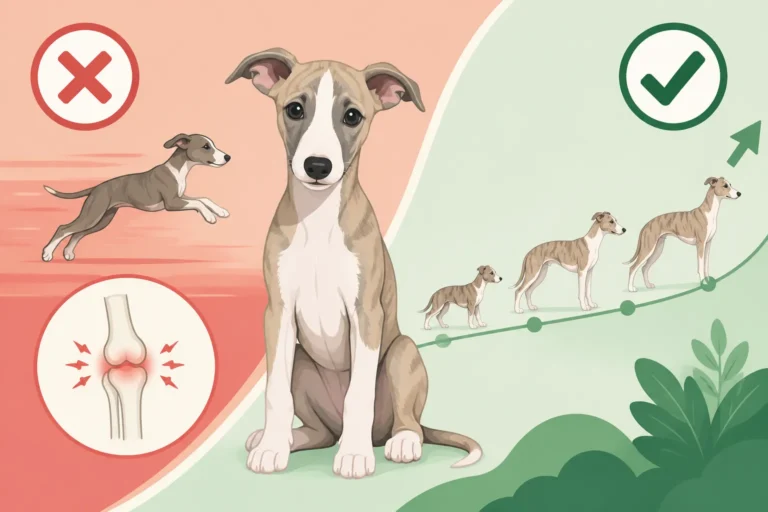
Whippet puppies grow incredibly quickly, transforming from tiny, gangly creatures into sleek, athletic dogs in a relatively short period. This rapid development, particularly of their bones, muscles, and organs, demands a steady supply of high-quality nutrients. Imagine a growing skyscraper; it needs constant, precise deliveries of materials, not just a huge dump of concrete all at once. Small, frequent meals ensure a consistent energy level and nutrient uptake, preventing spikes and dips that can be hard on a developing system. Too much food at once can lead to digestive upset, and surprisingly, can even contribute to overly rapid growth in some large breeds, which puts stress on developing joints. While Whippets aren’t typically prone to the same severe growth plate issues as giant breeds, a steady growth rate is always preferable. Whether a Whippet Puppy Should Grow Slowly is a question many new owners ponder, and a consistent meal schedule is a key part of managing that healthy, steady development.
Moreover, the quality of the food you provide during this crucial period is paramount. Puppy formulations are specifically designed with higher protein, fat, and certain vitamin and mineral levels to support this intense growth phase. Choosing a reputable brand, whether you find it easily on Chewy or through a specialized pet food retailer, is more important now than ever. You’re literally building their future body with every meal.
Supporting Delicate Digestive Systems
Puppies, especially young ones, have digestive systems that are still maturing. They aren't as robust as an adult dog's, and they can easily be overwhelmed by large quantities of food or inconsistent feeding times. Irregular feeding can lead to upset stomachs, diarrhea, or even vomiting, which no one wants to deal with. By offering smaller, more frequent meals, you give their digestive tract an easier job. Each meal is processed more efficiently, nutrients are absorbed better, and the chances of a messy accident are significantly reduced.
Think of it like a baby – they need small, frequent feedings because their little tummies can't handle a huge meal. It’s much the same for a Whippet puppy. A predictable schedule also helps regulate their bowel movements, making house training much, much easier. When you know roughly when they'll need to "go" after eating, you can be proactive about getting them outside, minimizing accidents and building good habits faster. This predictability is a silent hero in the journey of raising a well-adjusted and house-trained puppy.
Establishing Healthy Habits from the Start
Beyond the purely physiological benefits, a consistent meal schedule plays a huge role in behavioral development. It creates a sense of routine and security for your puppy, reducing anxiety and helping them feel safe and understood in their new home. Dogs thrive on routine, and puppies especially benefit from knowing what to expect. Meal times become a positive, predictable event.
This routine also helps prevent food guarding issues down the line, as your puppy learns that food will always be provided regularly by you. It fosters a healthy relationship with food and reinforces your role as the provider and leader. Plus, it can make it easier to manage their weight later on. Whippets are generally lean, but like any breed, they can become overweight if their diet isn't managed. Starting with good habits ensures they understand boundaries around food, making any future dietary adjustments simpler to implement. This structure is also vital if you have other pets, as it helps establish individual feeding spaces and prevents squabbles over kibble.
Navigating the Puppy Stages: A Typical Whippet Puppy Feeding Schedule
The journey from a tiny, bewildered eight-week-old to a leggy, confident adolescent happens astonishingly fast with a Whippet. Their feeding schedule needs to adapt to these rapid changes, ensuring they get exactly what they need at each developmental milestone. What works for a brand-new puppy won't be sufficient for a growing junior, and understanding these shifts is key.
Weaning Wonders: 8 to 12 Weeks Old
When you first bring your Whippet puppy home, typically around 8 to 10 weeks of age, they are still very much babies, both in size and digestive capacity. At this stage, frequent, small meals are absolutely essential. Most breeders will have them on a schedule of three to four meals a day, and it's best to continue this routine initially to minimize stress and stomach upset.
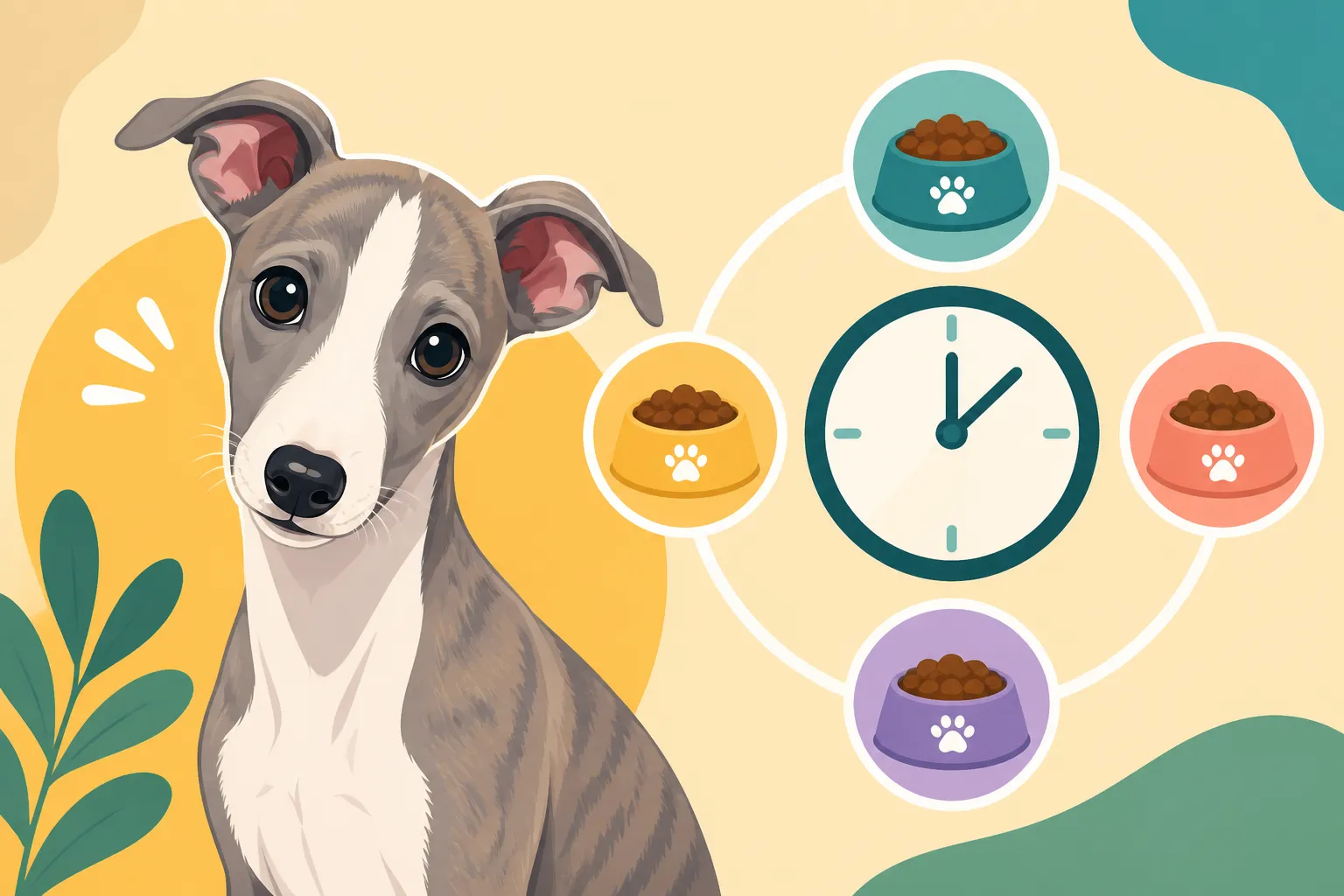
For these young pups, the goal is consistent nutrition without overloading their tiny systems. Picture dividing their total daily food allowance into three or four equal portions. If your breeder was feeding them four times a day, try to stick to that for at least the first couple of weeks in their new home. A typical schedule might look like breakfast around 7 AM, lunch around 12 PM, dinner around 5 PM, and a small snack or fourth meal right before bed, say 9 PM. This helps ensure stable blood sugar levels and consistent energy for all that growing and playing (and sleeping!). Remember, every puppy is an individual, but this is a solid starting point for those initial weeks of puppy parenthood. If you're unsure about the quantity, your vet or the food manufacturer's guidelines are excellent resources.
Growing Pains and Energy Bursts: 3 to 6 Months Old
As your Whippet puppy matures past the three-month mark, they start to gain more stamina and their digestive systems become a bit more robust. This is generally the sweet spot where you can begin to reduce the frequency of meals, often dropping down to three meals a day if you were feeding four. For example, When a Whippet Drops to Two Meals a Day isn't usually until later, so three meals is a good middle ground. They're still growing rapidly, but they can handle slightly larger portions at each sitting.
At this age, their energy levels often skyrocket. They're exploring the world with gusto, playing harder, and learning so much. This increased activity means their caloric needs are still very high. You might notice your puppy seems perpetually hungry, but resist the urge to free-feed or give unlimited amounts. Stick to the measured portions recommended by your vet or the food packaging, as overfeeding can lead to unhealthy growth patterns. This period is also critical for Raising a Whippet Puppy Without Wrecking Its Joints, and maintaining an appropriate weight through careful feeding is a big part of that. Keep meals consistent, perhaps at 7 AM, 1 PM, and 6 PM, allowing for adequate digestion time between meals and before any vigorous play.
Adolescent Appetites: 6 Months to One Year
By the time your Whippet puppy reaches six months old, they're often starting to look more like a miniature adult, though they still have plenty of growing and filling out to do. This is typically the time when most owners transition their puppy to two meals a day. Their digestive system is quite mature, and they can comfortably handle larger meals without discomfort.
The exact timing for this shift can depend on your individual puppy's development and energy levels. Some may be ready closer to six months, while others might benefit from three meals a day for a bit longer, perhaps until 8 or 9 months. The key is observing your puppy: Are they still finishing all their meals eagerly? Are they maintaining a healthy weight? Are they experiencing any digestive upset? If all signs point to good health and readiness, moving to two meals (e.g., morning and evening) can be a smooth transition. This phase is also when you start thinking about The Age a Whippet Reaches Full Weight and preparing for the eventual switch to adult food. Continue to feed a high-quality puppy or all life stages formula, as they still require specific nutrients for their continued development, even if the growth rate isn't as explosive as in their younger weeks.
Here's a handy table summarizing a common Whippet puppy feeding schedule:
| Age Range | Meals Per Day | Typical Meal Times (Example) | Notes |
|---|---|---|---|
| 8 – 12 Weeks | 3-4 | 7 AM, 12 PM, 5 PM, 9 PM | Small, frequent meals; delicate digestion, rapid growth. |
| 3 – 6 Months | 3 | 7 AM, 1 PM, 6 PM | Increased energy, still rapid growth; transitioning digestive system. |
| 6 Months – 1 Year | 2-3 | 7:30 AM, 6:00 PM (or 1 PM) | Maturing digestion, continued development; often ready for 2 meals. |
| 1 Year + | 2 | 7:30 AM, 6:00 PM | Adult feeding schedule, transition to adult food; full growth achieved or nearly. |
Tailoring the Plate: Adjusting Your Whippet Puppy's Meal Plan
While a general schedule provides an excellent framework, every Whippet puppy is unique. What works perfectly for one might not be ideal for another. You’ll become an expert in your own puppy’s subtle cues, and learning to adjust their meal plan based on their individual needs is a vital part of responsible ownership. This isn't a "set it and forget it" kind of deal; it requires ongoing observation and communication with your veterinary team.
Understanding Your Puppy's Body Condition
One of the most important tools you have for judging if your Whippet puppy is getting enough (or too much) food is their body condition score. Unlike many breeds where a little extra padding might go unnoticed, a Whippet's naturally lean physique means even slight variations in weight are quite apparent. You should be able to easily feel your puppy's ribs with minimal fat covering, and their hip bones should be palpable but not protruding sharply. When viewed from above, they should have a distinct waist, and from the side, an obvious tuck-up.
If your puppy’s ribs are visibly prominent and there's no discernible fat layer, they might be too thin. On the other hand, if you can’t easily feel their ribs without pressing, or their waist is less defined, they might be carrying too much weight. This isn't just an aesthetic concern; being too thin means they might not be getting enough nutrients for proper development, and being overweight puts undue stress on their still-developing joints and organs. Checking their body condition weekly will give you invaluable insight. Remember, the goal is a healthy, lean appearance, characteristic of a Whippet, not a skeletal one. For more detail on this, you might find How Much a Whippet Puppy Eats at Four Months helpful, as it often ties into discussions of body condition for that specific age.
Factors Influencing Food Needs: Activity, Metabolism, and Environment
Beyond age, several factors can influence your individual Whippet puppy’s caloric requirements. Their activity level is a huge one. A puppy who spends more time running, playing, and learning will naturally burn more calories than a less active sibling. Think about a Whippet puppy who regularly engages in safe, age-appropriate play sessions versus one who is mostly confined to a smaller space; their energy expenditure will differ significantly.
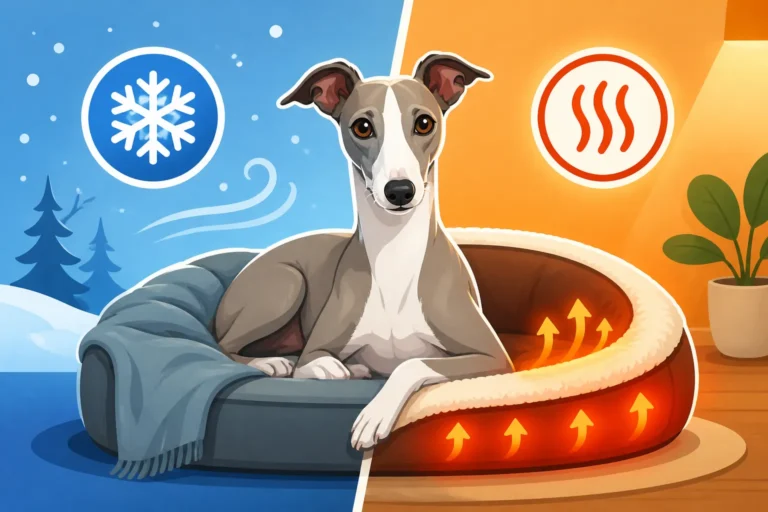
Metabolism also plays a role. Just like people, some dogs have naturally faster metabolisms than others, burning through calories more quickly. You might have one puppy who struggles to maintain weight on the recommended serving size, while another gains easily. The environmental temperature can also impact their needs. In colder weather, a Whippet puppy, with its thin coat and minimal body fat A Whippet Has No Insulation and No Padding, might burn more calories just to stay warm, requiring a slight increase in food. Always observe your puppy, consult the feeding guidelines on the food bag (which usually provide a range based on weight and age), and be prepared to make small adjustments. Brands like Ollie, which offer customized meal plans, often factor in these variables, providing a more tailored approach.
When to Consult Your Vet About Feeding
While you're the expert on your own puppy, your veterinarian is your most valuable partner in ensuring their nutritional health. Don’t hesitate to reach out to them if you have any concerns about your Whippet puppy’s feeding schedule, appetite, or weight. They can help you assess their body condition accurately, rule out any underlying health issues that might affect appetite or digestion, and provide tailored advice.
Specific reasons to contact your vet include:
- Persistent Diarrhea or Vomiting: These can indicate digestive issues, parasites, or even food sensitivities.
- Sudden Weight Loss or Gain: Any drastic change warrants a professional check-up.
- Refusal to Eat: If your puppy consistently skips meals or shows a lack of interest in food, especially if they are usually enthusiastic, it’s a red flag. Sometimes Getting Weight On a Whippet That Will Not Eat can be a challenge requiring veterinary input.
- Excessive Hunger: While puppies are often hungry, insatiable hunger paired with poor weight gain could indicate malabsorption or other health problems.
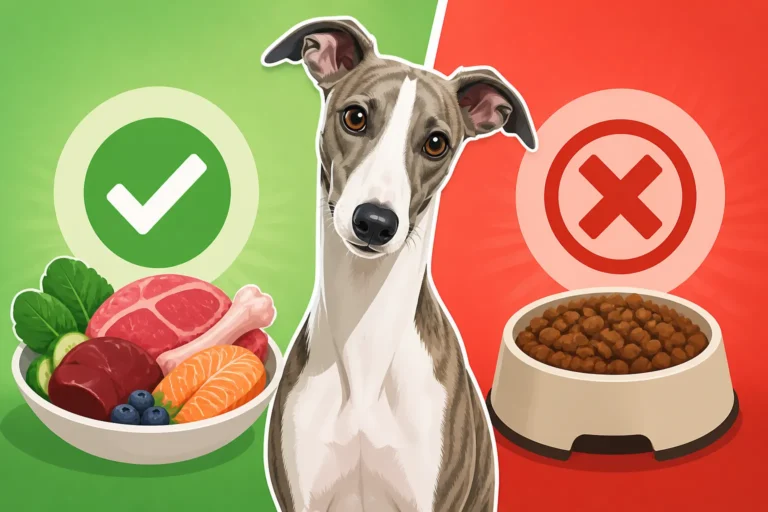
- Concerns about specific food types: If you're considering a raw diet or specific supplements, your vet can offer guidance on whether raw feeding is right for your pup.
Your vet can also help you understand if your chosen food is appropriate for your Whippet's unique needs, especially since Whether a Whippet Puppy Needs Large Breed Food is a common question, and Whippets are a medium-sized breed with specific growth considerations. They might recommend specific brands or dietary changes based on your puppy’s individual health profile.
The Big Transition: Moving from Puppy Food to Adult Rations
The puppy phase, as wonderful and chaotic as it is, eventually comes to an end. For your Whippet, this means transitioning from calorie-dense puppy food to a maintenance adult formula. This step is just as important as the initial puppy feeding schedule, as it impacts their long-term health and weight management. Doing it correctly prevents digestive upset and ensures continued nutritional support.
Recognizing the Signs of Maturity
Typically, Whippets are considered fully grown or nearing their full adult size between 10 and 12 months of age, though some may continue to "fill out" slightly until they are around two years old. This is generally when you'll begin the transition to an adult dog food. Key indicators that your Whippet puppy is ready for adult food include:
- Reaching near adult height and length: While they might still put on a little muscle mass, their skeletal growth has largely finished. The Age a Whippet Reaches Full Weight is a good benchmark, and for most Whippets, this is around a year.
- Slowing growth rate: The explosive growth of early puppyhood has tapered off.
- Maintaining a stable weight: They are no longer rapidly gaining weight but maintaining a healthy, lean adult body condition.
- Loss of puppy "roundness": They will have shed some of that last bit of puppy fat and have the more refined, athletic physique of an adult Whippet.
It's crucial not to rush this transition. Puppy food provides the higher calorie and nutrient density needed for growth, and switching too early can deprive them of essential building blocks. Conversely, keeping them on puppy food for too long can lead to unnecessary weight gain once their growth slows, as puppy food is simply too rich for an adult dog's needs.
The Gradual Shift: How to Transition Successfully
Once you've decided it's time to switch to adult food, the keyword is gradual. A sudden change in diet, even between high-quality foods, can wreak havoc on your Whippet’s digestive system, leading to diarrhea or vomiting. This is true for any dog, but particularly for sighthounds who can sometimes have sensitive stomachs.
A common and effective method is to transition over 7 to 10 days, slowly increasing the amount of new food while decreasing the old. Here’s a general guideline:
- Days 1-2: 75% old food, 25% new food
- Days 3-4: 50% old food, 50% new food
- Days 5-6: 25% old food, 75% new food
- Days 7-10: 100% new food
Monitor your Whippet closely during this period for any signs of digestive upset, such as loose stools, gas, or reduced appetite. If you notice any issues, slow down the transition. For example, if diarrhea occurs on day 3, go back to the day 1-2 ratio for a few more days before trying to increase the new food again. Some Whippets, especially if Why a Whippet Is a Picky Eater, might be reluctant to try the new food, so patience is key. Using a small amount of warm water or a vet-approved food topper can sometimes help entice them.
Choosing the Right Adult Food
Selecting the right adult food for your Whippet means finding a high-quality formula that meets their specific needs as an athletic, lean breed. Look for foods that list a named meat source (e.g., "chicken meal," not "meat by-products") as one of the first ingredients. Consider their activity level and any sensitivities they might have. For instance, if your Whippet is particularly active, you might opt for a formula with a slightly higher protein content.
There are many excellent options available, from traditional kibble to fresh food and even raw diets. When researching, whether you’re browsing Amazon for reviews or exploring subscription services like Ollie, focus on brands that prioritize quality ingredients and have undergone proper feeding trials. Also, consider the specific needs of sighthounds; some foods might contain ingredients that are better suited for their lean build and active lifestyle. Whether Fresh Food Suits a Whippet or Whether a Whippet Can Be Fed Raw are also valid considerations at this stage, but always discuss such significant dietary changes with your vet to ensure they are balanced and appropriate for your dog. Your goal is to continue providing optimal nutrition to support their health and vibrancy for years to come.
Disclaimer
This article is for general informational purposes only and does not constitute professional advice. Laws, prices and regulations vary by location and change over time. Consult a qualified professional for guidance on your specific situation.