Warming Up a Whippet Before It Runs
It’s a common sight: your Whippet sees an open field, a squirrel, or another dog, and in a flash, they’re off, a blur of pure joy and speed. But while their athletic prowess is undeniable, that sudden burst of energy without preparation can sometimes lead to strains, pulls, or even more serious injuries. This guide will walk you through the essential steps and philosophy behind properly warming up your Whippet before any vigorous activity, ensuring they can enjoy their magnificent sprints safely and without unnecessary risk.
Why a Proper Warm-Up is Non-Negotiable for Your Whippet
As Whippet owners, we marvel at their incredible speed and agility. They are, after all, natural-born athletes, bred for quick bursts of pace. However, this very athleticism, combined with their lean physique, makes a proper warm-up not just a good idea, but an absolute necessity. Just like any high-performance machine, their bodies need to be brought up to operating temperature gradually to prevent damage. Ignoring this crucial step is like asking a cold engine to redline instantly – you’re setting yourself up for problems down the road.
The Lean Physiology of a Whippet
One of the defining characteristics of a Whippet is their incredibly lean build. They have minimal body fat, which means less natural insulation and padding compared to other breeds. Their long, powerful muscles, while designed for explosive speed, are also more susceptible to injury when cold. When muscles are cold, they are less elastic and more brittle. Think of a rubber band that’s been in the freezer; it’s much more likely to snap when stretched quickly than one at room temperature. The same principle applies to your Whippet's muscles, tendons, and ligaments.
Without a gradual warm-up, the sudden strain of a full-speed sprint can cause micro-tears in muscle fibers or put undue stress on joints. These aren't just minor inconveniences; they can lead to painful injuries like muscle pulls or strains, which then require rest, veterinary care, and can interrupt your Whippet's active life. Considering how much joy they get from running, preventing these setbacks is paramount. This is especially true if your Whippet is prone to tearing muscles, such as The Muscle a Whippet Tears Sliding on Wet Grass.
Injury Prevention and Performance Enhancement
The primary goal of a warm-up is to prepare the body for the demands of exercise. For a Whippet, this means preparing for those incredible bursts of speed. A good warm-up achieves several things: it increases blood flow to the muscles, raises muscle temperature, improves flexibility and range of motion, and mentally prepares your dog for activity. This translates directly to injury prevention. Warm muscles are more pliable and able to contract and relax efficiently, reducing the risk of strains and tears.
Beyond injury prevention, a proper warm-up can also enhance your Whippet's performance. When their muscles are optimally prepared, they can generate more power and move with greater fluidity and coordination. This means they can run faster, turn sharper, and enjoy their activity even more. Whether you're participating in organized sports like Fast CAT or lure coursing, or simply enjoying a spirited run in a safely fenced area, a warmed-up Whippet will perform better and recover more quickly. It's about giving them the best chance to do what they love without consequence.
The Risks of Cold Weather Running
Cold weather significantly amplifies the need for a thorough warm-up. Just as you'd bundle up for a winter run, your Whippet, with its sparse coat and lack of body fat, feels the chill keenly. Cold air can tighten muscles, making them even more rigid and prone to injury. Running in cold temperatures without a warm-up dramatically increases the risk of muscle strains and other musculoskeletal problems. Many Whippet owners will agree that even just a slight dip in temperature means their dog needs a coat, and this goes double for any outdoor activity. You might want to think about Whether a Whippet Needs a Coat Below Fifty Degrees for these situations.
Even if your Whippet is wearing a coat, the muscles underneath still need to be warmed up. The coat helps maintain core body temperature and protects against the biting wind, but it doesn't do the work of circulating blood and preparing the muscles for strenuous activity. Consider dynamic movement like a brisk walk or light trot to get the blood flowing before they truly unleash their speed. Neglecting this in colder conditions is a recipe for a pulled muscle or a limping dog, and nobody wants that.
The Anatomy of an Effective Whippet Warm-Up
A comprehensive warm-up isn't just about taking a quick stroll; it's a multi-faceted approach that gradually prepares your Whippet's body for intense physical exertion. It typically involves several stages, moving from gentle activity to more specific movements that mirror the upcoming exercise. Think of it as a gradual escalation, coaxing their body into readiness rather than shocking it into action.
Gentle Movement and Leash Walking
The first stage of any good warm-up is gentle, low-impact movement. This means a leash walk, pure and simple. The goal here isn't speed or endurance; it's about increasing blood flow throughout their entire body and gently raising their core temperature. A brisk 5-10 minute walk is usually sufficient. This initial phase helps to lubricate joints, get the heart rate subtly elevated, and activate the major muscle groups without putting any undue strain on them.
During this walk, encourage your Whippet to move freely. Let them sniff around a bit, take a few steps in different directions, and generally loosen up. This isn't the time for high-energy games or sudden stops and starts. It's a calm, purposeful walk that signals to their body that activity is coming. For those using training systems like BAXTER & Bella, even simple structured walks can be part of this initial warm-up, building focus and body awareness before the real fun begins. It's the foundational step that sets the stage for everything else.
Dynamic Stretching and Mobility Exercises
Once your Whippet's body is starting to feel a bit more limber from the walk, it's time to introduce some dynamic stretching and mobility exercises. Unlike static stretches (where you hold a position for a period), dynamic stretches involve movement, mimicking the range of motion your Whippet will use when running. These exercises further increase flexibility, improve joint mobility, and activate specific muscle groups in a controlled manner.
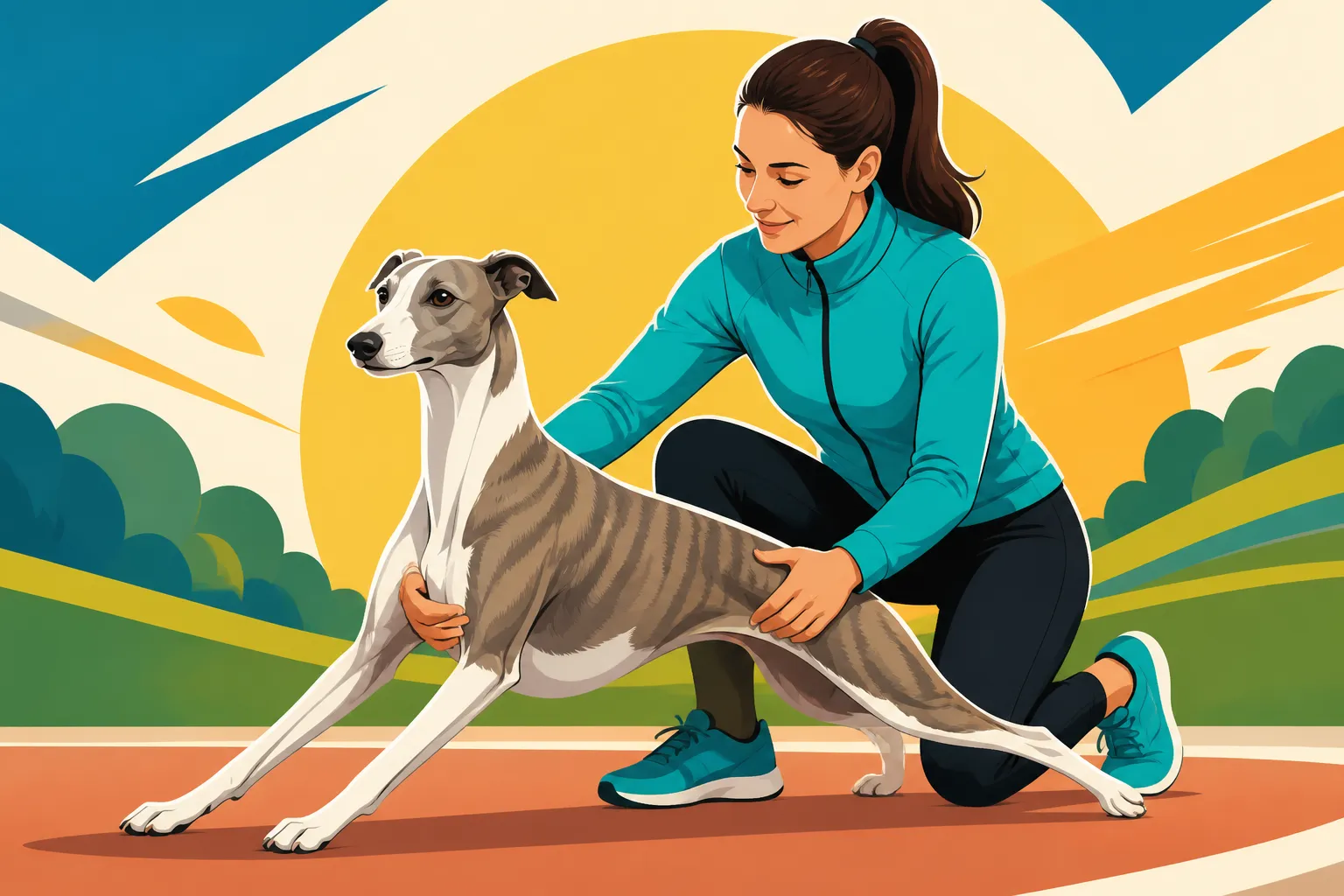
Examples include gentle leg swings, where your Whippet shifts their weight and lifts a leg (don't force this, just encourage natural movement), or some controlled weaving around your legs. Light trotting in circles or figure-eights can also be incredibly beneficial, helping to engage their core and practice changes in direction. These movements should be fluid and controlled, not jerky or forced. You might even incorporate a few repetitions of "bows" (play bows) or "downward dogs" if your Whippet knows these commands, as they gently stretch the back and hamstrings. Remember, the key is controlled movement, allowing their body to gently open up without pushing limits.
Short, Controlled Bursts of Speed
After the gentle movement and dynamic stretching, your Whippet should be feeling much more limber and ready. This is the stage where you introduce short, controlled bursts of speed. This isn't about letting them go full throttle for minutes on end; it's about a few brief sprints (think 10-20 yards) followed by a walk or trot. These mini-sprints serve to fully prime their fast-twitch muscle fibers, which are essential for their explosive speed. They also allow their cardiovascular system to adjust to higher intensity work.
This is the perfect time to use a long line in a secure area, if an off-leash space isn't completely safe. You can let them charge forward a short distance and then call them back, or let them chase a toy a short way. It builds excitement and gets their body truly ready for the main event. Ensure the ground is suitable for running; Whether a Whippet Should Run on Hard Ground is an important consideration as concrete or asphalt can be jarring for their delicate frames. A soft, even surface like grass is always preferable.
| Warm-Up Phase | Duration (approx.) | Purpose | Example Activity |
|---|---|---|---|
| Phase 1: Gentle Walk | 5-10 minutes | Increase blood flow, gently raise core temperature, lubricate joints. | Brisk leash walk, allowing sniffing. |
| Phase 2: Dynamic Mobility | 3-5 minutes | Improve flexibility, enhance range of motion, activate specific muscles. | Gentle leg lifts, weaving, slow figure-eight trots. |
| Phase 3: Speed Primes | 2-3 minutes | Activate fast-twitch muscles, prepare cardiovascular system for sprints. | 2-3 short (10-20 yard) controlled sprints, followed by a walk. |
Putting It Into Practice: A Step-by-Step Routine
Developing a consistent warm-up routine for your Whippet is simpler than it sounds, and it quickly becomes a natural part of your outing. The key is consistency and observation: learning to read your dog’s body language and adjusting the routine based on the day’s weather, their energy levels, and the intensity of the upcoming activity. Remember, even though they look ready to explode, taking a few extra minutes now can save you a lot of worry and vet bills later.
Step 1: The Initial Leash Walk
Start every exercise session with a leisurely but brisk leash walk. This isn't just for potty breaks; it's the crucial first step in physically preparing your Whippet. Aim for at least five to ten minutes, letting them stretch their legs and get their blood flowing. If it's a particularly cold day, or if your Whippet has just woken up from a deep nap, you might want to extend this phase slightly. You can use this time for a quick mental check-in too; observe their gait, looking for any stiffness or unusual movements. This is a great opportunity to reinforce leash manners, perhaps with a sturdy martingale collar, easily found on Amazon.
During this walk, avoid sudden pulls on the leash or abrupt changes in direction. Let them walk in a relatively straight line, encouraging a natural, flowing stride. This gentle activity signals to their body that it's time to start preparing for more intense movement. It’s also an excellent way to transition them from a calm state to a more active one, mentally preparing them for the fun ahead.
Step 2: Incorporating Dynamic Movements
After the initial walk, find a small, safe area to incorporate some dynamic movements. This can be as simple as a few minutes of controlled trotting or loose leash walking in a larger circle or figure-eight pattern. You can also encourage gentle body stretches. For example, hold a treat to their side to encourage them to turn their head and stretch their neck and back, or offer it between their front paws to encourage a bow. Always ensure these movements are fluid and within their comfortable range of motion. Never force a stretch or push them into an uncomfortable position.
Another useful dynamic exercise is a series of short "recall and reward" drills. Call your Whippet a short distance, let them trot to you, reward, and repeat. This helps them practice accelerating and decelerating in a controlled manner, engaging different muscle groups. For those working on precision and engagement, resources from BAXTER & Bella often include exercises that naturally lend themselves to dynamic warm-ups, focusing on body awareness and handler focus.
Step 3: Short Bursts and Readiness Check
Once your Whippet seems loose and eager, it’s time for the final stage: a few very short, controlled bursts of speed. In a secure, fenced area, let them sprint for just 10-20 yards, then bring them back to a walk or trot. Repeat this two or three times. This is especially important before activities like lure coursing or racing, where explosive starts are required. This phase truly activates those powerful hindquarter muscles and gets their cardiovascular system fully ready.
After these short sprints, take a moment to observe your Whippet. Are they breathing comfortably? Do they seem eager for more? Is their gait smooth and even? A ready Whippet will look alert, have a relaxed but engaged posture, and be visibly keen to run. If they seem hesitant, stiff, or unusually tired, it might be wise to scale back the intensity of the main exercise session for the day. Remember, the goal is always to prevent injury and ensure they have a positive, safe experience. Then they are fully ready for their Whether a Whippet Needs a Daily Sprint.
Troubleshooting Common Warm-Up Challenges
Even with the best intentions, warming up a Whippet isn't always perfectly smooth sailing. There might be days when they're less enthusiastic, or external factors make a thorough warm-up difficult. Understanding these common challenges and having a few strategies up your sleeve can make all the difference in ensuring your Whippet stays safe and sound.
The Unenthusiastic Whippet
We've all seen it: some days, your Whippet might be more of a couch potato than a lightning bolt. They might be stiff from a long nap, or perhaps the weather isn't to their liking (many Whippets have strong opinions about rain!). Trying to force an unenthusiastic Whippet into a full-speed run without proper preparation is a recipe for trouble. Instead, focus on making the warm-up engaging and fun. Bring out their favorite squeaky toy for a gentle retrieve, or use high-value treats to encourage those dynamic stretches and short trots.
If they're particularly resistant, consider extending the gentle leash walk. Sometimes, they just need a bit more time to shake off the stiffness. Whether an Old Whippet Still Wants to Run is a consideration here, as older dogs might need even more gentle coaxing and a longer warm-up. If your Whippet consistently seems unenthusiastic or stiff, especially after rest, it might be worth a vet check to rule out any underlying discomfort or pain. Your vet can advise if your Whippet needs Whether a Whippet Needs Physical Therapy After Injury.
Adapting to Weather Conditions
Weather plays a huge role in how we approach a Whippet's warm-up. In colder climates, a longer, more gradual warm-up is essential. Dressing your Whippet in a well-fitting fleece or light coat during the initial walk can help keep their muscles warm. Conversely, in hot weather, you'll want to keep the warm-up shorter and less intense to avoid overheating before the main activity even begins. Focus on very gentle movement in shaded areas. Always ensure access to fresh water throughout.
High humidity, even if the temperature isn't extreme, can also impact how quickly your Whippet tires and overheats. On such days, prioritize cool-down space and hydration as much as the warm-up. And regardless of the temperature, always check the ground surface. Hot asphalt can burn paws, and icy patches can lead to slips and falls. Adaptability is key to keeping your Whippet safe in various environmental conditions.
Avoiding Common Mistakes
One of the biggest mistakes owners make is confusing a quick potty break with a warm-up. While a few minutes outside is good, it rarely provides the physiological benefits needed to prepare a Whippet for a sprint. Another common error is allowing immediate, unrestrained full-speed running in an unfenced area. Their incredible prey drive means Why a Whippet Cannot Be Let Off Leash in an Open Field is often true, but it also means they'll hit top speed instantly, which is risky if they're not warmed up. This is a primary cause of acute injuries like muscle pulls.
Another pitfall is neglecting the cool-down after vigorous exercise. Just as crucial as the warm-up, a cool-down helps bring their body back to a resting state gradually. This prevents blood pooling, reduces muscle soreness, and helps flush out metabolic waste. Think of it as mirroring the warm-up in reverse: gradual slowing, gentle walking, and perhaps some light, passive stretching. Don't forget to implement Cooling a Whippet Down After a Sprint as part of your routine. By being mindful of these common mistakes, you can significantly reduce the risk of injury and ensure your Whippet enjoys a long, active, and happy life.
Disclaimer
This article is for general informational purposes only and does not constitute professional advice. Laws, prices and regulations vary by location and change over time. Consult a qualified professional for guidance on your specific situation.