Whether a Whippet Should Walk in Snow
Many Whippet owners fret as winter approaches, watching the first snowflakes fall and wondering if their beloved, thin-skinned sighthound can possibly enjoy a walk in such conditions. It's a valid concern, given their lack of insulating body fat and fine coats. This guide will help you understand your Whippet's unique needs in snowy weather and equip you with the knowledge to make safe, comfortable decisions about winter walks, ensuring your lean companion can still enjoy the crisp air without risking their health.
Understanding Your Whippet's Physiology in Cold Weather
Let's be honest, Whippets aren't built for Arctic expeditions. They are sleek, elegant, and notoriously sensitive to cold. This isn't just about them being a bit chilly; it's rooted deeply in their physiology, which is designed for explosive sprints and quick bursts of speed, not for enduring prolonged exposure to low temperatures. You'll often hear us joke that they are "solar-powered" or that "if it's not sunny, they're shivering," and there's a lot of truth to that.
The Lack of Insulating Body Fat and Thin Skin
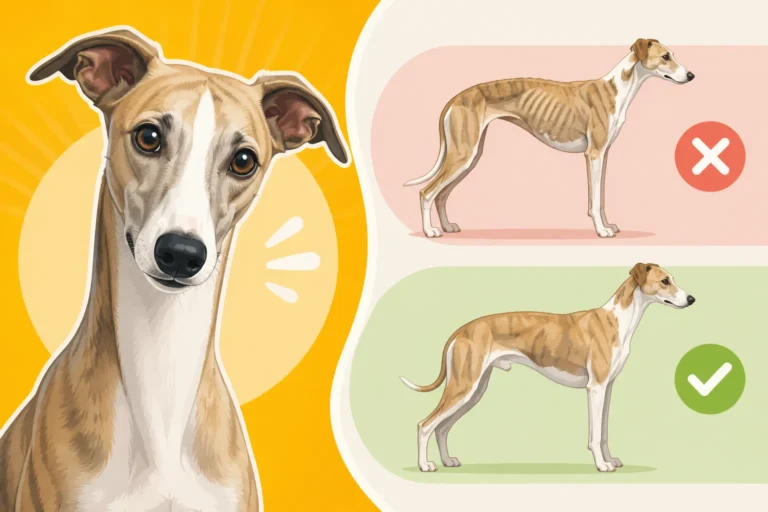
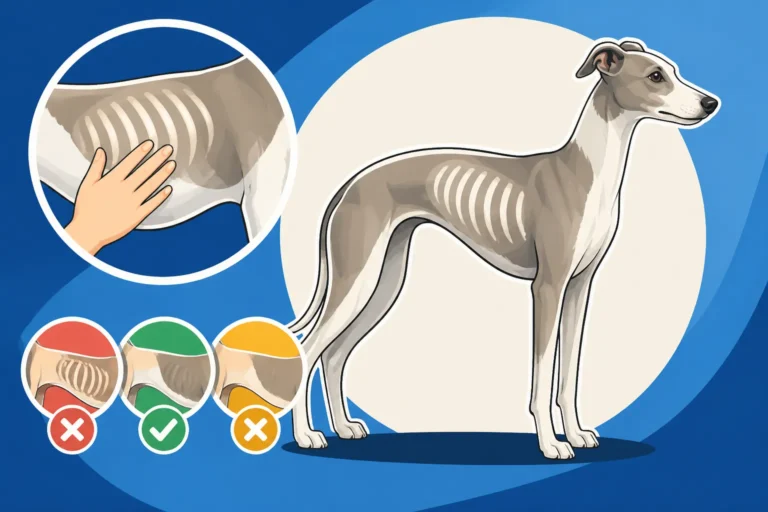
One of the most striking features of a Whippet is their lean build. You can typically see several ribs and their prominent hip bones, which can sometimes lead well-meaning strangers to think they're underweight, but this is a perfectly normal and healthy physique for the breed. How Thin a Whippet Should Look delves deeper into this. The downside of this athletic leanness is a significant absence of the subcutaneous fat layer that many other breeds possess, which acts as a natural insulator. Imagine trying to stay warm on a cold day without a thick coat on; that's often what your Whippet experiences.
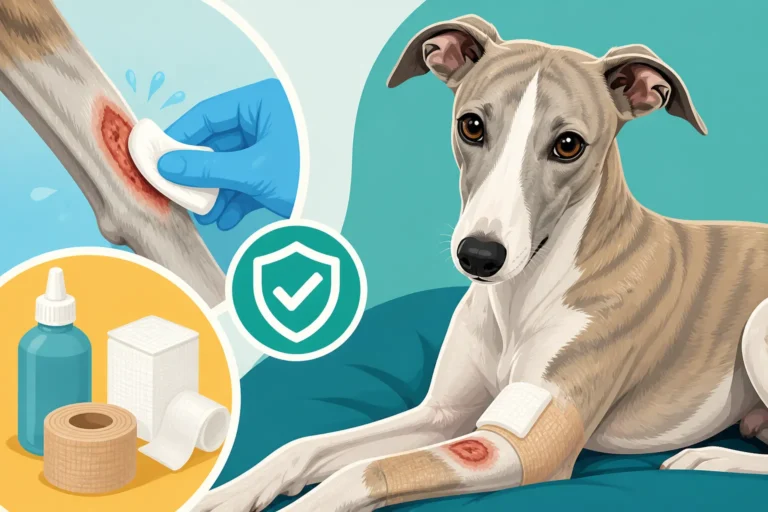
Their skin is also notably thin and delicate. While fantastic for speed and agility, this thin skin offers very little protection against the biting cold, sharp ice, or even just the abrasive texture of snow. It means they lose body heat much faster than a thick-coated breed, making them susceptible to hypothermia even in seemingly mild winter conditions. This also means their skin is prone to tears and scrapes, and snow can sometimes conceal hazards like sharp ice shards or hidden branches that can cause injury.
The Fine, Single Coat
Unlike breeds with dense double coats designed to trap warm air, a Whippet has a single, very fine coat. It's beautiful and low-maintenance, requiring minimal How Often a Whippet Needs Brushing, but it does next to nothing to keep them warm when the temperature drops. Think of it as wearing a thin t-shirt in winter; it offers a tiny bit of barrier, but not much in the way of insulation. When snow gets wet, it can cling to their fur, quickly chilling them to the bone. This is why A Whippet Has No Insulation and No Padding is such a critical consideration for owners in colder climates. Their coat offers practically zero protection against moisture and wind chill, which are major factors in how quickly they feel the cold.
Assessing Snow Conditions for Safe Whippet Walks
It's not enough to simply know "it's snowing." The type of snow, the temperature, and the presence of ice or salt can drastically change whether a walk is safe or even advisable for your Whippet. Just like we wouldn't brave a blizzard in shorts and a t-shirt, we need to consider the specific conditions for our sensitive companions.
Temperature and Wind Chill Factors
The thermometer reading is only part of the story. Wind chill can make an otherwise manageable temperature feel much colder, penetrating your Whippet's thin coat and skin. A brisk, windy day at 30°F (-1°C) will feel much more bitter than a still day at the same temperature. Generally, if the temperature dips below freezing (32°F or 0°C) and there's any wind, your Whippet will start to feel it quickly, even with a good coat on. Below 20°F (-6°C), even short walks become risky without extreme precautions. Look for signs like shivering, hunching, or lifting paws as immediate indicators that they are too cold. Whether an Old Whippet Feels the Cold More is also an important read, as senior Whippets are even more vulnerable.
Snow Depth, Ice, and De-icing Salts
Snow Depth: Light, fresh powder might be a fun novelty for a few minutes, but deep snow can be a real challenge. If the snow is deeper than your Whippet's chest, they'll be expending a lot more energy to move through it, increasing their risk of exhaustion and chilling. It can also hide hazards like curbs, potholes, or sharp objects. In deep snow, a short potty break might be all they can manage.
Ice: This is perhaps the biggest danger. Ice can cause slips and falls, leading to serious injuries like sprains, strains, or even fractures in their delicate legs. Transparent "black ice" is particularly insidious, as it's hard to spot. Freezing rain or refrozen slush also creates dangerous surfaces. Their paw pads, while tough, are not designed for traction on ice.
De-icing Salts and Chemicals: Many municipalities and homeowners use rock salt or chemical de-icers on sidewalks and roads. These substances are extremely irritating to paw pads, causing dryness, cracking, and even chemical burns. If ingested when your Whippet licks their paws, they can cause digestive upset, vomiting, or even more serious issues depending on the chemical. Always assume salt is present on paved surfaces and take preventative measures.
Duration and Activity Level
Even on days that seem "okay" for snow, the length of the walk and the intensity of the activity need to be carefully considered. A quick five-minute potty break is very different from a 30-minute stroll. If your Whippet is just standing around, sniffing, and eliminating, they'll get cold much faster than if they are moving briskly. However, sustained running or playing in cold, deep snow can lead to exhaustion and chilling more rapidly than you might expect, especially for an animal not adapted to it. It's a delicate balance; too much activity, and they get tired and chilled; too little, and they don't generate enough body heat. Keep walks short and purposeful in cold weather.
Essential Gear and Preparation for Snow Walks
If you plan to brave the snow with your Whippet, proper preparation and the right gear are non-negotiable. Don't underestimate the difference a good coat and paw protection can make. It's about proactive care, not reactive treatment.
The Indispensable Winter Coat
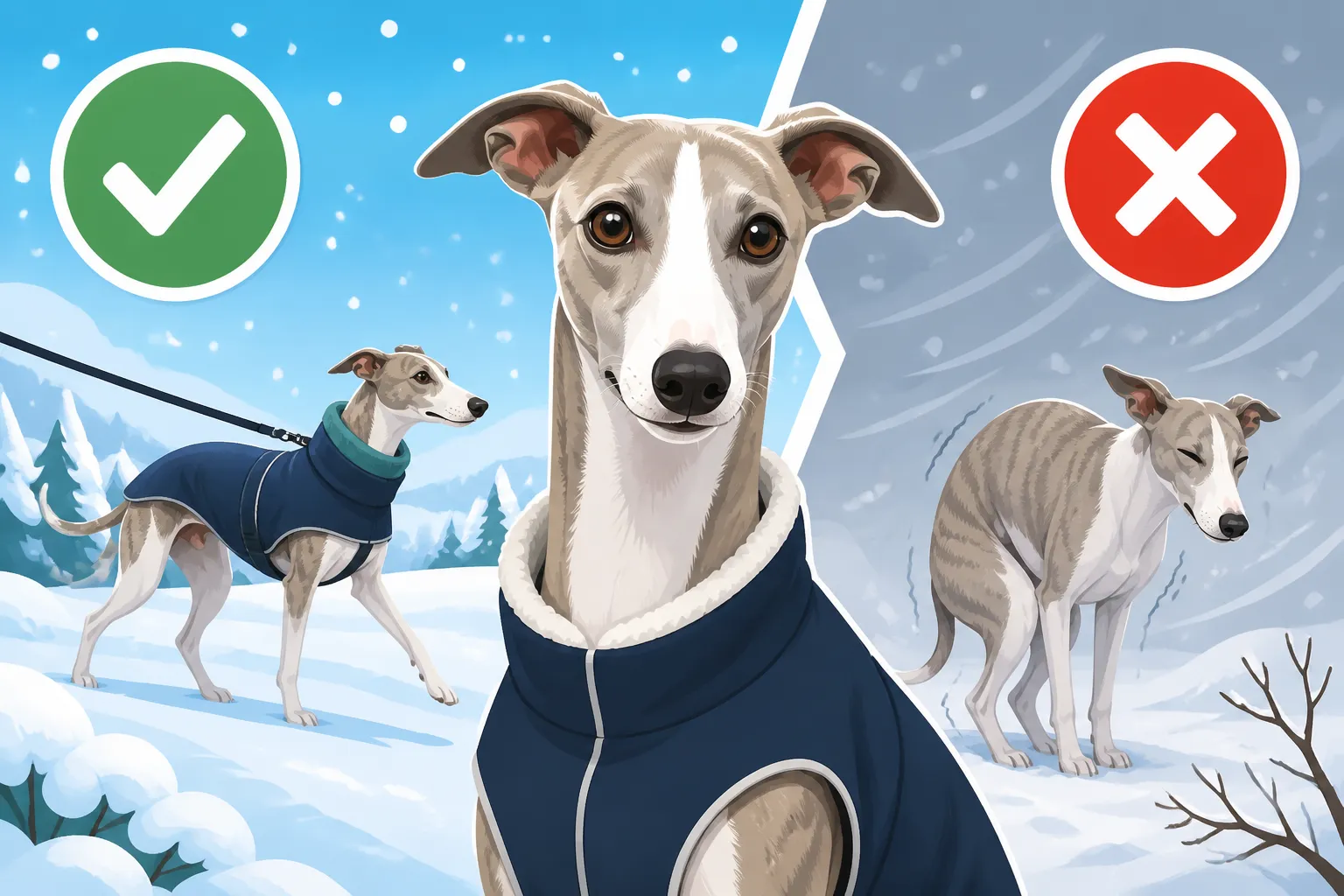
This isn't just a fashion statement; a well-fitting, warm winter coat is an absolute necessity for a Whippet in snowy conditions. Look for coats that are waterproof or water-resistant on the outside to keep melting snow from soaking through, and well-insulated on the inside with fleece, synthetic down, or wool. The coat should cover as much of their body as possible, including their chest and belly, which are particularly exposed due to their deep chests and tucked-up waistlines. Many brands, easily found on sites like Chewy or Amazon, offer sighthound-specific designs that accommodate their unique physique, ensuring a snug fit that won't impede movement or chafe their skin. Which Coat Brand Fits a Whippet's Deep Chest can provide more guidance.
It's also crucial to have a coat that's easy to put on and take off. Wrestling a cold, wet Whippet into a complicated harness system after a snowy walk is not fun for anyone!
Paw Protection: Boots and Balms
Paw pads are tough, but they're not invincible, especially against ice, snow, and chemical de-icers. Dog boots are highly recommended for snowy walks. They create a physical barrier against the cold, prevent snow and ice balls from forming between their toes (which can be incredibly painful), and protect against irritating salts.
Finding boots that stay on a Whippet's delicate, hare-like feet can be a challenge, but brands exist that cater to sighthound paw shapes. It might take some trial and error, and patience, to get your Whippet accustomed to wearing them. Start with short indoor sessions, rewarding heavily.
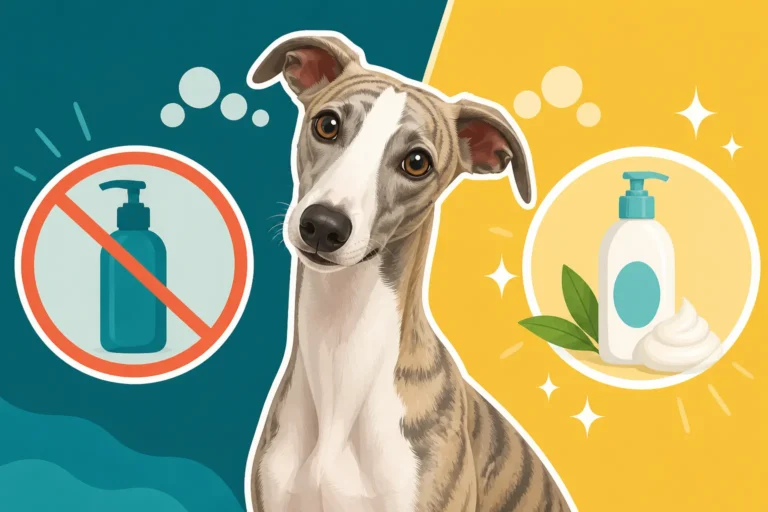
If boots aren't an option, or as an added layer of protection, consider a paw balm or wax. Products like Musher's Secret create a protective barrier that helps prevent dryness, cracking, and irritation from snow and salt. Apply it generously before walks and clean their paws thoroughly with warm water after returning home, especially if you suspect they've been exposed to de-icing chemicals. This is a crucial step that many owners overlook.
Here's a quick comparison of paw protection options:
| Protection Method | Pros | Cons | Best For |
|---|---|---|---|
| Dog Boots | Excellent barrier against ice, salt, cold | Can be hard to fit; some dogs resist them | Icy pavements, deep snow, long walks |
| Paw Balm/Wax | Easy to apply; less intrusive | Less protection against sharp ice/deep cold | Light snow, salty sidewalks (as a barrier) |
| Quick Rinse | Removes irritants post-walk | No protection during the walk | Always necessary after walking on treated roads |
Post-Walk Care and Warming Up
The care doesn't stop once you're back inside. Immediately remove any wet outer layers from your Whippet. Check their paws carefully for any signs of redness, cracking, ice build-up, or irritation from salt. Clean their paws thoroughly with warm water, gently towel-dry them, and apply paw balm if needed.
Offer them a warm, dry, soft place to rest, preferably with a cozy blanket or two for burrowing. Whether a Whippet Should Sleep Under a Blanket is a common question, and in winter, the answer is almost always yes! If they're shivering, a warm (not hot) towel or a safe heating pad on a low setting can help them warm up, but always supervise closely to prevent burns. Watch for persistent shivering, lethargy, or any signs of discomfort. A small, healthy snack can also help their metabolism generate some internal heat after a cold excursion.
Recognizing and Responding to Cold Stress
It's paramount that you, as their owner, become attuned to the subtle and not-so-subtle signs that your Whippet is getting too cold. Being proactive can prevent a cold walk from turning into a dangerous situation.
Shivering, Hunching, and Paw Lifting
These are the most common and immediate indicators that your Whippet is feeling the cold.
- Shivering: This is the body's natural response to generate heat, but persistent or violent shivering means they are struggling to maintain their core temperature.
- Hunching: A Whippet that hunches their back, tucks their tail, and pulls their legs in close is trying to minimize their exposed surface area to retain heat.
- Paw Lifting: If your Whippet repeatedly lifts one or more paws off the ground, it's a clear sign their pads are too cold, or they are experiencing discomfort from ice or salt. This is a strong signal to cut the walk short immediately.
If you see any of these signs, don't wait. Head straight home, even if you just started the walk. It's better to be overly cautious than risk your Whippet's health.
Less Obvious Warning Signs
Sometimes, the signs are more subtle. Keep an eye out for:
- Lethargy or Slowing Down: A Whippet that normally zips around might become sluggish, reluctant to move, or just generally less enthusiastic on a cold walk.
- Anxiety or Whining: Some Whippets express discomfort by whining, trying to turn back towards home, or showing signs of general anxiety. They might even try to find shelter behind your legs.
- Changes in Respiration: While less common in typical cold, very severe cold or impending hypothermia can lead to shallow breathing or a slowed heart rate. This is an emergency situation.
- Pale Gums: Again, a sign of more severe cold stress, indicating compromised circulation.
If you notice any of these signs, treat them as seriously as shivering. Your Whippet depends on you to interpret their non-verbal cues.
When to Consult Your Veterinarian
Most cold-related issues are minor and resolve with warmth and rest. However, there are times when a vet visit is necessary. If your Whippet displays any of the following after a cold exposure, seek veterinary attention immediately:
- Persistent or uncontrollable shivering even after being warmed.
- Extreme lethargy or unresponsiveness.
- Difficulty breathing or very slow heart rate.
- Stiffness, pain, or lameness that persists, which could indicate muscle strain or injury from a slip. Muscle Pulls in a Whippet are more common than you might think.
- Red, blistered, or extremely dry paw pads that don't improve with balm, which could be frostbite or chemical burns. Frostbite on a Whippet's Ears can also occur, though less common on paws with proper care.
Always remember, your Whippet's comfort and safety are paramount. While they might love a romp in the snow, it's up to you to ensure they're properly equipped and that the conditions are truly safe for their delicate nature. Enjoy winter safely!
Disclaimer
This article is for general informational purposes only and does not constitute professional advice. Laws, prices and regulations vary by location and change over time. Consult a qualified professional for guidance on your specific situation.